
2027 Can You Get Licensed With an Online Marriage & Family Counseling Degree? Requirements, Rules, and What to Know

Co-Founder and Chief Data Scientist
Many aspiring counselors face uncertainty about whether an online marriage & family counseling degree meets licensure requirements. This concern is significant as nearly 60% of counseling professionals report challenges verifying online education credentials when seeking state licensure. States often have specific rules about accredited programs and supervised clinical hours, which can affect graduates from online programs. Understanding these factors is crucial for those planning to enter this field through distance education.
This article explains licensure eligibility, state regulations, and the impact of online degrees on credentialing to guide prospective students through the process effectively.
Key Benefits of Getting Licensed with an Online Marriage & Family Counseling Degree
- Licensure with an online marriage & family counseling degree enhances career eligibility and professional credibility, meeting state requirements for clinical practice and fostering trust with clients and employers.
- Licensed counselors gain access to broader employment opportunities and greater job mobility across states, improving flexibility in career location and work settings.
- Obtaining licensure correlates with higher long-term earning potential and advancement prospects, with median salaries for licensed counselors exceeding $50,000 annually per industry data.
Can You Get Licensed With an Online Marriage & Family Counseling Degree?
Licensure is achievable with an online marriage and family counseling degree when the program meets accredited standards and state licensing requirements. Completion of required coursework, including counseling theories, ethics, and family dynamics, alongside supervised clinical experience, equips graduates to practice professionally. Nearly all states mandate accumulating between 2,000 and 4,000 hours of supervised clinical work before licensure, which many online programs help coordinate through local or virtual internships. Those exploring how to get licensed marriage counselor online degree options can find accredited programs that balance academic rigor with practical training to meet these criteria.
Obtaining a license through an online marriage and family counseling program grants access to regulated career paths in mental health and social services. Licensed professionals gain authority to offer clinical counseling independently, become eligible for advanced roles with greater responsibilities, and experience improved salary prospects. Additionally, licensure enhances professional credibility and builds client trust. Prospective students looking for affordable and flexible options might also consider an online ai degree program as part of their broader educational strategy.
Do Licensing Requirements for Marriage & Family Counseling Vary by State?
Licensing rules for marriage and family counseling exist to ensure professional competence and protect clients, but these requirements vary widely by state. For instance, more than 30 states have differing standards for supervised clinical hours, illustrating the complexity of state-by-state licensing rules for family counselors. These differences significantly shape the path students and professionals must follow to gain licensure.
Key areas of variation include:
- Exams: Some states require passing the national Association of Marriage and Family Therapy Regulatory Boards (AMFTRB) exam, while others add state-specific examinations. This affects how candidates prepare and schedule their licensure tests.
- Supervised Clinical Experience: Required hours can range from 1,000 to over 3,000, impacting the length of time needed before eligibility for licensure. Understanding these variations is crucial when mapping out career timelines.
- Continuing Education: States differ in the number of continuing education hours needed for license renewal, with some mandating up to 40 hours every two years. This ongoing requirement influences professional development plans.
- Scope of Practice and Renewal Policies: The permissible range of services and renewal procedures vary, affecting how counselors maintain active status and the types of clients they may serve.
Because of these variations, prospective students pursuing an online Marriage & Family Counseling degree should carefully investigate individual state licensing rules. Accessing resources about cacrep online counseling programs can help align education choices with licensure eligibility to support a smooth professional journey under different marriage and family counseling state licensure requirements.
Are Online Marriage & Family Counseling Programs Different From Campus Programs for Licensure?
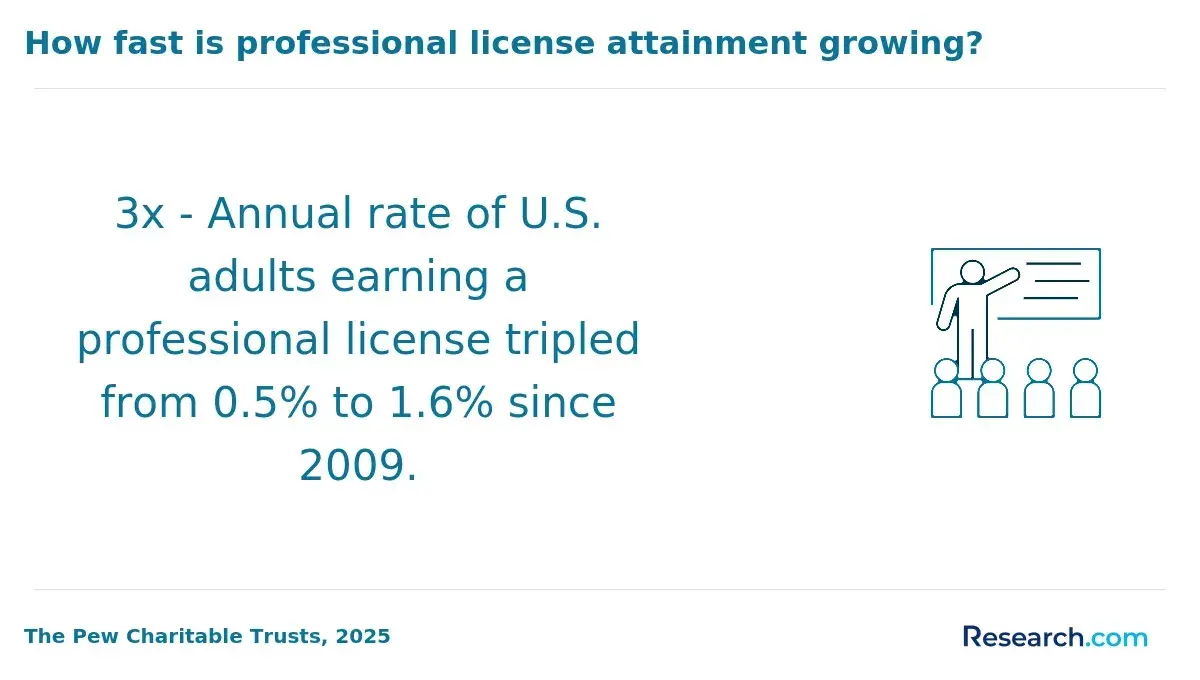
The format of a marriage & family counseling program-online or on-campus-does not affect eligibility for professional licensure, as both must adhere to the same accreditation and state board requirements. In fact, the number of licensed professionals graduating from accredited online counseling programs has increased by 30% over the past five years, reflecting wider acceptance of online credentials.
- Curriculum Coverage: Both online and campus programs follow stringent accreditation standards that ensure students learn essential theories, ethical guidelines, and counseling techniques required for practice.
- Supervised Clinical Experience: A mandatory component for licensure is completing practicum or internship hours under professional supervision. Online students typically arrange these hands-on experiences locally to comply with state-specific regulations.
- Assessment and Skill Development: While exams and assignments might be administered online versus in-person, competency benchmarks are consistent across all formats, maintaining uniform professional standards.
- Employer Perceptions: As online education quality improves, employers increasingly value licensure status and practical experience over whether a degree was earned online or on campus.
- Regional Practical Training: Online students often coordinate in-person clinical training regionally, ensuring that the experiential learning needed for licensure is met regardless of delivery mode.
A licensed professional who completed an online marriage & family counseling degree shared that selecting elective classes gave him extra confidence in his niche areas. He mentioned the challenge of balancing coursework with a full-time job but found the flexibility invaluable. When asked about his experience arranging clinical hours, he noted, "It took some proactive research to find supervisors locally, but having that autonomy made me feel prepared for real-world practice." Reflecting on his overall journey, he added, "The online program didn't lessen the rigor; if anything, it made me more self-disciplined and intentional about gaining diverse clinical skills."
Does an Online Marriage & Family Counseling Degree Require Clinical or Practicum Hours?
Online marriage and family counseling degree programs include required clinical or practicum hours designed to prepare students for professional practice and licensure. These supervised, hands-on experiences help students translate theoretical knowledge into real-world skills essential for ethical and effective counseling.
- Typical clinical hours: Students usually complete between 300 and 500 practicum or clinical hours, meeting state licensing board requirements. These hours ensure graduates have sufficient client contact and practical experience before applying for licensure.
- Supervised placements: Clinical training takes place in settings like counseling centers, mental health clinics, or community agencies. Placements are carefully monitored by licensed professionals who provide guidance and feedback.
- Skills development: Key competencies such as client assessment, treatment planning, intervention techniques, and communication are cultivated during clinical hour requirements for marriage and family therapy licensure. This preparation is critical for building confidence and professional competency.
- Professional supervision: Licensed supervisors oversee practicum hours to maintain ethical standards and offer practical advice. This mentorship supports student growth and accountability throughout their training.
- Facilitating in-person practicum: Although coursework is online, programs arrange local practicum sites or allow students to find placements independently near their residences. This hybrid model ensures students still meet face-to-face clinical hour requirements despite an online learning format.
For those continuing their education, exploring options like the cheapest online degree in psychology can provide affordable pathways. Understanding practicum hours and clinical requirements is vital for anyone pursuing an online marriage and family counseling degree who wants to meet licensure eligibility.
What Licensing Exam Is Required After Earning an Online Marriage & Family Counseling Degree?
Licensing exams play a crucial role in confirming that candidates possess the necessary skills and knowledge to practice ethically and effectively in marriage & family counseling. Passing this exam is a key milestone for eligibility to enter the profession. Recent statistics show that approximately 70% of first-time test takers succeed, demonstrating both the exam's challenge and its achievable nature with proper study. Below are important details about the exam required after earning an online marriage & family counseling degree:
- Exam Name: The primary licensing exam is the National Counselor Examination (NCE), administered by the National Board for Certified Counselors. It serves as the standard credentialing step across many states.
- Content Areas: The test covers four major domains: human growth and development, counseling and helping relationships, assessment and diagnosis, and professional orientation and ethics. This comprehensive coverage ensures candidates are prepared for diverse client needs.
- Format and Duration: The NCE is a multiple-choice exam typically completed in about four hours. This standardized format allows for consistent evaluation of counseling competencies nationwide.
- Preparation Strategies: Successful candidates often engage in thorough review of counseling theories, ethics, and case scenarios. Practice exams and study groups are common tools to enhance understanding and confidence.
- Retake Policies: Most states permit multiple attempts with mandated waiting periods between tries. These policies provide opportunities to improve scores while maintaining exam integrity.
- Online Graduates' Eligibility: Graduates from accredited online programs meet the same criteria as traditional students, assuming they fulfill educational and supervised experience requirements, making this path fully valid for licensure.
The licensed professional I spoke with, who earned her marriage & family counseling degree entirely online, described taking the NCE as a "daunting yet rewarding" process. She recalled juggling work and study, emphasizing that the exam pushed her to deepen her understanding beyond coursework. While the nerves before test day were intense, she found that preparing through group discussions and practice questions made a significant difference. "Passing the exam felt like a confirmation that I was truly ready to support clients," she explained. Her experience highlighted that while the exam is challenging, it also builds confidence and validates the hard work invested in online studies and clinical training.
Is Supervised Work Experience Required After an Online Marriage & Family Counseling Degree?
Yes, completing supervised work experience is typically mandatory after earning an online marriage & family counseling degree. This practical training is vital for applying classroom knowledge, sharpening counseling skills, and preparing graduates for independent professional practice. According to a 2023 survey by the American Association for Marriage and Family Therapy, over 90% of licensed counselors completed supervised hours before licensure. Below are key points about this essential requirement.
- Duration: Most states require between 2,000 and 4,000 hours of supervised experience, commonly spanning around two years. This extensive timeframe helps build a solid foundation in clinical work.
- Work Settings: Supervision usually takes place in clinics, mental health agencies, private practices, or community organizations. Exposure to diverse environments ensures trainees encounter a variety of client issues and therapy models.
- Mentorship: Working under experienced, licensed counselors provides ongoing feedback and guidance. This mentorship is critical for improving assessment techniques, treatment planning, and ethical decision-making.
- Skill Development: Hands-on practice enhances professional judgment and confidence. Trainees refine their abilities in real-world scenarios, bridging theoretical knowledge and practical application.
- Licensure Impact: Supervised experience is a legal requirement in most states to maintain public safety. Completing these hours is necessary to become licensed and to fully understand family dynamics and therapeutic interventions.
Does Licensure Reciprocity Apply to Online Marriage & Family Counseling Graduates?
Licensure reciprocity allows professionals to transfer their credentials to practice in different states without completing an entirely new licensing process. This flexibility is essential for graduates who may relocate or seek to offer services across state lines, enabling continued professional practice with fewer regulatory barriers. Below are key factors influencing reciprocity for online marriage and family counseling graduates.
- Eligibility criteria: Reciprocity often hinges on meeting state-specific requirements such as graduating from an accredited program and completing supervised clinical hours. For online degrees, ensuring the program is recognized by licensing boards is critical to eligibility for interstate licensing transfer for marriage and family therapy online degrees.
- Program requirements: States may require coursework aligned with local laws and regulations. Graduates from online programs must verify that their curriculum meets these standards to avoid additional training or exam requirements when transferring licenses.
- State agreements: Some states have formal reciprocity or endorsement agreements that streamline license transfers. Others have more restrictive policies, necessitating additional documentation, exams, or supervised experience tailored to local guidelines.
- Application process: Typically, applicants submit proof of education, prior licensure, and sometimes state-specific documentation. It is important to confirm whether the licensing board accepts credentials from online programs, as some jurisdictions apply heightened scrutiny to distance education.
- Limitations and scrutiny: Reciprocity is not guaranteed; some states limit acceptance of licenses earned through certain online programs. This affects career mobility and planning, making it essential for graduates to research individual state boards before pursuing interstate licensing.
Deciding to pursue an online marriage and family counseling degree should also involve understanding affordable educational pathways, such as those listed in the cheapest online bachelor's degree resources. This ensures students can balance cost with meeting licensure standards necessary for professional practice and mobility.
What Are the Pros and Cons of Online Marriage & Family Counseling Programs for Licensure?
Online marriage & family counseling programs have grown significantly, with enrollment increasing by around 30% in recent years as students seek flexible options that fit their lifestyles. Those aiming for licensure carefully weigh how these programs meet professional and regulatory standards. Below are key advantages and challenges to consider.
Pros
- Flexible scheduling: Allows students to balance coursework with jobs or family duties, supporting steady progress toward licensure.
- Wide accessibility: Enables enrollment from various locations, expanding opportunities beyond geographic restrictions.
- Diverse learning resources: Online platforms offer varied tools and interactive forums that enhance theoretical understanding relevant to counseling practice.
- Local clinical placement assistance: Many programs help secure in-person practicum sites, essential for gaining supervised experience required by licensing boards.
Cons
- Supervision challenges: Obtaining quality, direct supervision can be harder remotely, which may impact meeting hands-on training mandates.
- Limited networking: Reduced face-to-face interaction could hinder building professional relationships important for career growth.
- Perception concerns: Some employers and licensing authorities may still doubt the rigor of online degrees, although this is improving with stricter accreditation.
Does Getting Licensed With an Online Marriage & Family Counseling Degree Affect Salary?
Licensure significantly impacts earning potential for those with an online marriage and family counseling degree. Licensed professionals in this field often earn 15% to 25% more than their non-licensed counterparts, reflecting the value employers place on recognized credentials and regulatory approval. These salary differences with licensed online marriage counseling degree holders highlight the financial benefits tied to professional licensure. The following points explain how licensure can influence career growth and compensation.
- Access to Higher-Paying Roles: Licensed counselors can work independently or start private practices, unlocking income streams unavailable to non-licensed individuals. This autonomy often translates into higher earnings as counselors manage their caseloads and fees directly.
- Eligibility for Leadership Positions: Licensure qualifies professionals for supervisory and administrative roles, which usually come with increased responsibility and better pay. Organizations often prefer licensed counselors for leadership to ensure compliance and quality oversight.
- Specialized Clinical Opportunities: Certain cases require certification and specialized licensure, allowing counselors to handle complex or niche client populations. These roles often provide higher salaries due to the additional expertise and qualifications involved.
- Enhanced Job Security and Credibility: Many employers and clients prefer or require licensed marriage and family counselors, fostering trust and accountability. This preference offers job stability and can lead to more referrals, ultimately increasing income potential.
Acquiring licensure after an online degree not only elevates career prospects but also aligns with industry standards for professional practice. For those curious about additional professional credentials, exploring what certifications can i get online may reveal further opportunities to boost salary and specialization.
What Jobs Can You Get With or Without a License as an Online Marriage & Family Counseling Degree Holder?
Licensure plays a crucial role in shaping the career opportunities available to online marriage & family counseling degree holders. While licensure opens doors to clinical practice and higher earning potential, some graduates choose or initially enter roles that do not require this credential. Research indicates that about 65% of licensed graduates experience better job placement and earn roughly 20% more than their non-licensed counterparts. The following sections highlight common career paths based on licensure status.
Jobs With a License
- Marriage and Family Therapist: Licensed therapists assess and treat emotional and relational issues, conducting therapy sessions and creating treatment plans while adhering to professional standards, which supports career growth and independent practice.
- Clinical Counselor: In this role, professionals provide diagnosis and therapeutic interventions for individuals and families, often working in private or clinical settings where licensure is essential for full scope of practice and reimbursement.
- Behavioral Health Specialist: These licensed experts focus on mental health treatment and support, requiring authorized credentials to allow private practice and higher compensation.
Jobs Without a License
- Case Manager: Often employed by social service agencies, case managers coordinate client resources and support services but do not provide clinical therapy, fitting roles that prioritize organizational and interpersonal skills.
- Behavioral Health Technician: This position involves assisting therapists and clients with behavioral interventions under supervision, offering practical experience without the need for a license.
- Program Coordinator: Coordinators manage mental health or family service programs, focusing on administrative duties and outreach rather than clinical responsibilities, typically with lower salary prospects compared to licensed roles.
What Graduates Say About Getting Licensed with an Online Marriage & Family Counseling Degree
- Jessica: "I was genuinely impressed by how affordable the online marriage & family counseling degree was compared to traditional programs, which made licensure a financial reality for me. The coursework was challenging but flexible, perfectly fitting my busy schedule. Since graduating, I've been able to support families with confidence and empathy in my private practice."
- Danielle: "Reflecting on my journey, the cost of the online marriage & family counseling program was a practical investment that opened doors I hadn't imagined before. Navigating through the online platform, I appreciated the depth of interaction and real-world case studies presented. This degree not only helped me pass my licensure exams but also enriched my ability to help couples heal and grow."
- Thomas: "From a professional standpoint, choosing an online marriage & family counseling degree was a strategic move given the reasonable tuition and licensure preparation embedded in the curriculum. The structured program delivered all essential competencies efficiently, without sacrificing quality. This education has been pivotal in enhancing my credibility and effectiveness as a licensed counselor."
Other Things You Should Know About Marriage & Family Counseling Degrees
In 2027, online marriage and family counseling students typically need to complete supervised clinical hours in person. Requirements vary by state but generally include 300 to 600 hours. Remote completion is not widely accepted due to the need for direct client interaction.
Accreditation is critical for licensure eligibility. Most states require candidates to graduate from programs accredited by the Commission on Accreditation for Marriage and Family Therapy Education (COAMFTE) or a regionally accredited institution. Without proper accreditation, graduates may face difficulties in qualifying for licensure exams and the supervised clinical experience needed for certification.
Many states allow supervised clinical hours to be completed remotely, often through approved agencies or sites near the student's residence. However, students should verify with their state licensing board whether remote supervision and teletherapy hours are accepted. Practical experience must meet state ethical and supervision standards to count toward licensure requirements.
References
- Private Practice with Online Counseling Degree | University of Bridgeport https://www.bridgeport.edu/news/private-practice-with-online-counseling-degree/
- Counseling Supervised Hours Requirement Explained - Counseling Degrees Online https://www.counselingdegreesonline.org/programs/masters/counseling-supervised-hours
- Info for Counselors https://counselingcompact.gov/faq/
- License Requirements for Marriage and Family Therapy https://www.op.nysed.gov/professions/marriage-and-family-therapists/license-requirements
- MFT License Portability https://www.aamft.org/AAMFT/Advocacy/MFT%20License%20Portability.aspx
- 6 Pros and Cons of Enrolling in an Online Graduate Certificate Program in Psychology https://www.counselingpsychology.org/pros-cons-psychology-graduate/
- Online Master's in Marriage and Family Therapy https://onlinecounselingprograms.com/online-counseling-degrees/online-mft-masters-programs/
- How To Become A Family Counselor: A Step-By-Step Guide | Psychology.org https://www.psychology.org/careers/family-counselor/
- Can I Get a Marriage and Family Counseling Degree Online? https://www.marriageandfamilycounselingdegrees.com/faq/can-i-get-a-marriage-and-family-counseling-degree-online/
- Marriage and Family Therapist Licensure by State- LMFT | William James College https://www.williamjames.edu/academics/counseling/clinical-mental-health-counseling-ma/lmft-licensure/LMFT-licensure-by-state.html


