2027 Different Types of Early Childhood Education Degrees and Their Salaries

Co-Founder and Chief Data Scientist
The demand for skilled professionals in early childhood education continues to grow rapidly as the importance of quality care and learning during formative years gains wider recognition. Employment in this field is projected to increase significantly over the next decade, reflecting expanding opportunities driven by policy changes and heightened awareness of early development's impact on lifelong success. Navigating the various educational pathways available is essential for aspiring educators aiming to maximize both their professional impact and earnings potential.
This article offers a clear overview of the different types of early childhood education degrees and the typical salary outlook for graduates, providing a valuable resource for those planning their careers in this vital sector.
Key Points About Different Types of Early Childhood Education Degrees and Their Salaries
- Individuals with an associate degree in early childhood education typically qualify for assistant teacher or childcare provider roles, earning median salaries around $29,000 per year, which reflects entry-level positions with limited advancement potential.
- A bachelor's degree in early childhood education significantly enhances career opportunities, enabling graduates to become lead teachers or program directors, with average salaries rising to approximately $45,000 annually, supported by data showing higher demand in school districts and early learning centers for candidates with this qualification.
- Professionals holding a master's degree in early childhood education often access leadership, policy, or specialist positions, where salaries can exceed $60,000 per year, highlighting long-term growth and a direct correlation between higher education levels and increased earning potential within the U.S. job market.
What Are the Different Types of Early Childhood Education Degrees Available?
Understanding the different types and levels of early childhood education degrees is crucial for students before selecting a program, as each degree suits diverse career ambitions and educational backgrounds. Recognizing these differences helps ensure that students invest in a path aligned with their professional goals and personal interests. The following outlines the primary types of early childhood education degrees and what distinguishes each one:
- Associate degree in early childhood education: Provides fundamental knowledge in child development, classroom management, and early learning theories. Coursework typically covers health and safety, introduction to curriculum planning, and basic child psychology.
- Bachelor's degree in early childhood education: Offers comprehensive training in teaching methodologies, child development, and educational psychology. Students study language development, early childhood curriculum, family and community partnerships, and administration of educational programs.
- Master's degree in early childhood education: Focuses on advanced theories, research, and leadership within early childhood settings. Typical courses include curriculum design, program evaluation, educational policy, and cognitive development.
- Doctoral degree (Ph.D./Ed.D.) in early childhood education: Emphasizes educational research, policy analysis, and curriculum innovation. Students explore qualitative and quantitative research methods, educational leadership, and advanced child development theories.
- Early childhood education certificate programs: Target foundational competencies or specialized skills. Coursework often includes child observation, basic curriculum methods, and classroom guidance strategies, providing a rapid-entry option or supplementary credential.
For students seeking flexible and accelerated credentials, a top associate degree in 6 months online accredited programs offer an efficient way to start a career in early childhood education while building foundational expertise.
What Specializations Are Available in Early Childhood Education Degrees?
Specialization is an important factor when choosing an early childhood education degree because it shapes the specific skills and knowledge students acquire, directly influencing their career trajectories. By focusing on a particular area, students can align their education with targeted job roles and maximize their professional opportunities.
Common areas of specialization within early childhood education degrees offer distinct pathways, allowing students to tailor their studies according to their interests and goals. Below are several prevalent specializations:
- Early Childhood Curriculum and Methods: This specialization emphasizes designing and evaluating effective teaching strategies and curricula for young children. Students develop expertise in curriculum development and assessment, preparing them for roles such as curriculum coordinators or educational consultants.
- Language Development in Young Children: Focusing on how children acquire and develop language skills, this area teaches techniques to support language growth and identify delays. Graduates often pursue careers as speech and language support specialists or work within special needs early childhood education.
- Children's Literature: This specialization is centered on selecting and using literature to enhance cognitive, social, and emotional development. Key skills include evaluating educational materials and fostering literacy, leading to career paths in teaching, library sciences, or curriculum design.
- Administration of Early Childhood Education: Students gain knowledge in program management, staff supervision, and budgeting, equipping them for leadership roles like program directors or administrators. These positions generally offer higher salary prospects.
- Montessori Early Childhood Education: Focused on the Montessori teaching approach, this specialization trains educators to facilitate self-directed learning using specialized materials, often requiring Montessori certification. Graduates may become Montessori teachers or coordinators.
- Special Needs Early Childhood Education: This track prepares educators to support children with disabilities using individualized education plans and adaptive techniques. Careers include special education teaching and early intervention specialists.
For students wondering what is an easy associate's degree to get, early childhood education with these specializations offers a relatively accessible yet rewarding pathway that aligns well with diverse career goals.
How Long Does It Take to Complete Each Type of Early Childhood Education Degree?
Understanding the duration of early childhood education programs is crucial for students planning their academic and career paths. Knowing how long each degree takes helps prospective students align their goals with realistic timelines and make informed decisions about enrollment.
Here's an overview of the main early childhood education degree types and their typical completion times, including factors that may affect the length of study.
- Associate Degree in Early Childhood Education: This degree typically takes about two years to complete when attending full-time at a community college. Part-time enrollment or taking fewer credits per semester can extend the timeline, while some programs offer accelerated or online options to shorten it.
- Bachelor's Degree in Early Childhood Education: Generally requiring four years of full-time study, a bachelor's degree may take longer if students attend part-time or change majors. Many institutions provide online courses and accelerated formats that can reduce the time needed to graduate.
- Master's Degree in Early Childhood Education: A master's program usually lasts one to two years beyond the bachelor's degree, depending on whether students study full-time or part-time. Some programs offer online or hybrid schedules and accelerated tracks to accommodate working professionals.
- Doctorate in Early Childhood Education: Doctoral studies can range from three to six years, factoring in research, dissertation work, and course requirements. Flexible timelines are common, with many candidates opting for part-time enrollment or online coursework to balance other responsibilities.
Breakdown of Private Fully Online Nonprofit Schools

Are There Accelerated Early Childhood Education Degree Programs?
Yes, there are accelerated early childhood education degree programs available in the United States that enable students to complete their studies faster than traditional routes. These programs exist across various levels, including associate, bachelor's, and master's degrees, with some institutions offering combined bachelor's and master's tracks completed in as few as five years.
Accelerated programs typically shorten completion time by utilizing condensed course formats, such as 8-week sessions instead of traditional 16-week semesters, and year-round scheduling that allows students to start at multiple points throughout the year. Many programs also accept transfer credits from prior study or recognize professional credentials like the Child Development Associate (CDA), which can count toward required credit hours. Online delivery is common, providing greater flexibility especially for working adults aiming to balance education with other commitments.
However, accelerated early childhood education programs come with important considerations. The workload is often significantly more intense, requiring students to manage more assignments and complete practicum or fieldwork experiences in compressed timeframes. Admissions criteria may include minimum transferable credits, relevant professional experience, or even a recent criminal background check, emphasizing the program's rigorous standards.
Maintaining a certain GPA and passing challenge exams in core subjects may also be necessary to remain eligible in these programs. While accelerated degrees can lead to earlier workforce entry and the potential for higher salaries-with bachelor's degree holders earning median salaries around $36,000 to $40,000 and master's graduates often exceeding $50,000-students should carefully evaluate their ability to handle the program's demands alongside their personal and professional responsibilities.
When I spoke with a graduate of an accelerated early childhood education degree program about his experiences, he described both the challenges and rewards of this path. He noted that the fast pace meant "there was no time to fall behind," and balancing assignments with a part-time job required strict discipline and effective time management. The compressed practicum periods were "intense but incredibly valuable," offering hands-on experience in real classroom settings.
Despite the pressures, he appreciated that the program's structure helped him stay motivated and focused, saying it "pushed me to develop skills quicker than I expected." Reflecting on his journey, he felt that choosing an accelerated program was the right decision because it allowed him to enter the field sooner and start making a difference for children and families without sacrificing the quality of education he received.
Are Online Early Childhood Education Degrees as Credible as Traditional Ones?
Both online and traditional early childhood education degree programs maintain rigorous academic standards through accreditation, which ensures curricula, faculty qualifications, and student assessments meet established professional benchmarks. Online programs often combine live video lectures, interactive forums, digital assessments, and group projects to replicate the engagement found in traditional classrooms.
Many online degrees also offer hybrid formats with short, in-person residencies, providing practical teaching experiences comparable to on-campus programs. Students frequently choose online options for their flexibility, lower tuition costs, and broad course availability, while traditional programs highlight face-to-face interaction and structured schedules.
Recent trends indicate growing employer acceptance of online degrees in early childhood education. Surveys reveal that 77% of academic leaders consider online education outcomes equivalent or superior to traditional classrooms, and 70% of students prefer online learning for its efficiency and flexibility. Cost savings can be significant, with some estimates exceeding $30,000 for online program participants.
Ultimately, the credibility of an early childhood education degree depends more on the accreditation and reputation of the institution than on whether it was earned online or on campus. Employers prioritize the quality of preparation and the institution's standing over the mode of learning.
How Much Does Each Type of Early Childhood Education Degree Typically Cost?
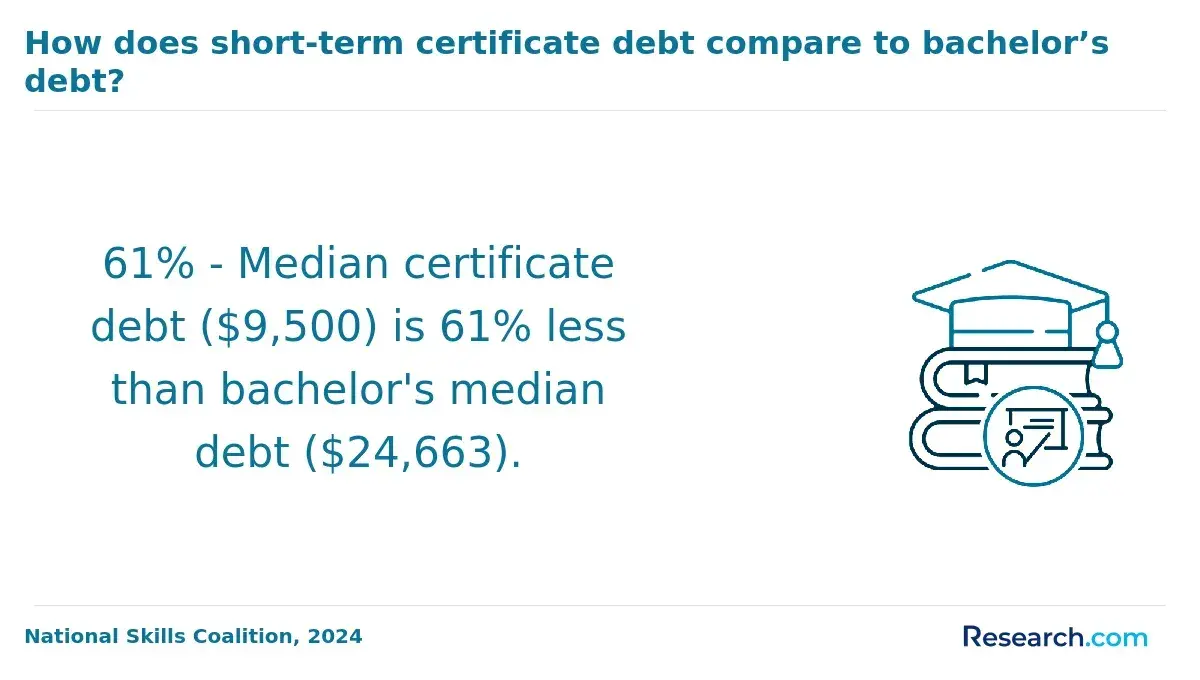
Understanding tuition differences across degree levels is crucial for effective budgeting and long-term financial planning when pursuing a career in early childhood education. Costs can vary significantly depending on the type of degree, institution, and delivery format, so prospective students should carefully consider these factors before enrolling. Below is a summary of typical tuition ranges for each major early childhood education degree to help guide informed decisions.
- Associate Degree in Early Childhood Education: Tuition for associate degrees tends to be the most affordable option, especially at public community colleges where in-state costs range from about $2,800 to $10,000 annually. Out-of-state students may pay between $9,600 and $15,000, while online programs can sometimes offer rates as low as $2,850 per year. Common financial aid options include federal grants, state scholarships, and work-study programs.
- Bachelor's Degree in Early Childhood Education: Bachelor's programs generally cost between $9,500 and $14,000 per year for in-state students attending public universities, with out-of-state tuition rising to $19,000-$25,000 or more annually. Online bachelor's degrees can be more affordable, sometimes under $4,000 per year at select colleges. Private institutions often charge significantly more, with some programs exceeding $35,000 annually. Pell Grants, state scholarships, and federal loans are typical funding sources.
- Master's in Early Childhood Education: Tuition for master's degrees varies widely by institution and program type, but typically falls between $8,000 and $25,000 per year at public universities. Private institutions may charge $30,000 or more for the full program. Many universities provide assistantships, scholarships, and tuition reimbursement programs to help reduce costs for educators returning to school.
- Doctoral Degree in Early Childhood Education: Doctoral programs are the most expensive, with public university tuition ranging from $15,000 to $40,000 per year and private university programs potentially exceeding $60,000 in total. Most doctoral students finance their education through fellowships, research grants, and assistantships that provide both funding and professional development opportunities.
I recently spoke with a graduate of an early childhood education degree program who reflected on her financial journey through higher education. She said that understanding the full cost upfront was "eye-opening," especially since she initially underestimated expenses beyond tuition, such as materials and technology fees. To manage these costs, she combined part-time work with scholarships and carefully applied for grants specific to early childhood educators.
Reflecting on her experience, she noted, "While it took some careful planning and effort, the investment paid off-you really feel the difference in your career opportunities and ability to impact children's learning." Her story highlights the importance of proactive financial planning and seeking out all available aid when considering degree costs in early childhood education.
What Jobs Can You Get with Each Type of Early Childhood Education Degree?
The level of degree in early childhood education greatly influences the career opportunities available, with higher degrees qualifying graduates for more specialized, leadership, or research roles. Entry-level degrees often lead to support or teaching positions, while advanced degrees open doors to administration, counseling, and educational research. Below is a breakdown of common jobs for each early childhood education degree type.
- Associate degree in early childhood education: Graduates typically work as preschool teachers, teacher's aides, or childcare providers in daycare centers and Head Start programs. These roles focus on supporting young children's learning and development, mainly in community childcare settings or private preschools.
- Bachelor's degree in early childhood education: This degree prepares graduates for teaching roles such as kindergarten and elementary school teachers, special education teachers, childcare center directors, and nannies. Holders are eligible for state certification to teach in public and private schools, design curriculum, and lead classrooms. For insight into career growth, see highest paying bachelors.
- Master's degree in early childhood education or child development: Advanced degrees qualify individuals for specialized and leadership roles like instructional coordinators, early childhood education consultants, school counselors, or educational researchers. These professionals often develop curricula, provide staff training, or conduct research on child development.
- Doctoral degree (PhD or EdD) in early childhood education: Doctoral graduates pursue careers in academia, high-level educational research, policy development, and university teaching. Positions include professors, research leaders, and policy advisors for governmental agencies.
How Do Salaries Differ by Early Childhood Education Degree Type?
Degree level in early childhood education often has a significant impact on earning potential. Understanding these differences can help students make informed decisions about their educational paths and future careers. Below is an outline of typical salary ranges for each major degree type in early childhood education to provide clear guidance for prospective students.
- Associate Degree in Early Childhood Education: Graduates with an associate degree typically qualify for entry-level roles like preschool or assistant teacher. Starting salaries usually range from $32,000 to $35,000, influenced by factors such as location and employer. While this degree offers a pathway into the field, long-term earning growth is limited without further education.
- Bachelor's Degree in Early Childhood Education: A bachelor's degree opens opportunities for higher-paying teaching roles and some leadership positions, such as lead teacher or preschool director. Median salaries average around $40,644, with directors earning between $51,000 and $56,000 annually depending on the state and organization. This degree enhances both starting pay and career advancement potential.
- Master's Degree in Early Childhood Education: Obtaining a master's degree allows access to specialized roles, including educational program director, with starting salaries near $60,000 and increases up to $100,000 or more with experience. Salaries for special education teachers and public charter school educators typically range from $77,000 to $95,000. Higher degrees correspond with better long-term earning prospects and leadership opportunities.
- Doctorate (Ph.D.) in Early Childhood Education: Doctoral holders are eligible for top leadership, research, or policy positions. Starting salaries for childcare center directors with a Ph.D. begin around $89,000 and can exceed $175,000 depending on experience and organization size. These roles often involve policy development and college-level teaching, offering the highest earning potential in the field.
Salaries can vary widely based on location, employer, and experience, but pursuing advanced degrees generally boosts both starting pay and career growth. Students seeking programs can find lists of accredited schools that offer free online applications to start their journey efficiently.
Is There High Demand for Early Childhood Education Degree Holders in the Job Market?
There is a strong and sustained demand for early childhood education degree holders in the U.S. job market, driven by several key factors. The integration of emerging technologies in classrooms and early learning environments is creating new opportunities for professionals who are adept with digital tools and adaptive learning platforms. As these technologies advance, early childhood education roles such as preschool teachers and special education teachers require increased technical skills to effectively engage young learners.
Additionally, workforce needs are evolving with more parents returning to employment, thereby raising the number of children needing quality care and education. This shift has resulted in higher demand for qualified staff in preschools and childcare centers nationwide. Regional differences also influence job availability and salary ranges; urban and suburban areas typically offer more positions and higher pay, whereas rural regions may have fewer opportunities but sometimes provide easier entry points or leadership roles for recent graduates.
The job outlook for early childhood education degree holders is positive, with steady growth expected across various roles, including preschool teachers, childcare center directors, and curriculum developers. Salaries generally range from around $54,290 to over $90,000 annually depending on responsibility and location. Prospective students should also consider exploring which trade school job pays the most, as this can inform decisions about additional certifications or expertise to complement their early childhood education degree.
Overall, those entering the field can anticipate good job security and advancement potential, especially as inclusive education practices and technological innovations continue to shape early learning environments.
What Factors Should You Consider When Picking a Type of Early Childhood Education Degree?
Choosing the right degree level in early childhood education is a critical decision that directly affects your career opportunities, earning potential, and the expertise you develop. Aligning your education with your career goals and personal circumstances ensures you invest time and resources wisely. Below are key factors to evaluate when selecting the appropriate degree level.
- Career Goals: The degree you pursue should match your desired job role. An associate degree typically prepares you for entry-level positions like assistant teacher, while a bachelor's degree is often required for lead teacher roles and state licensing. Advanced degrees open pathways to administrative, policy, or specialist careers.
- Salary Potential: Higher degrees tend to offer greater earning potential. For example, early childhood educators with a bachelor's degree earn roughly $17,000 more annually than those with an associate degree. Graduate degrees can lead to leadership roles with even higher salaries.
- Time Commitment: Degree lengths vary: associate degrees usually take two years, bachelor's degrees four, and graduate programs two to six years. Consider your ability to balance study with work and personal responsibilities during this period.
- State and Employer Requirements: Licensing and certification standards differ by state and employer. Some require a bachelor's degree for licensed teaching, while others accept associate degrees for certain roles. Research local rules before choosing a program.
- Program Cost and Flexibility: Tuition generally increases with degree level, but online and part-time options can help manage costs and scheduling. Many programs also accept transfer credits, making it easier and more affordable to advance your education.
- Specialization and Advancement: Higher degree levels allow for specialization in fields such as curriculum development, administration, or trauma studies. These areas can facilitate advancement into leadership or specialized roles within early childhood education.
What Early Childhood Education Graduates Say About Their Degree and Salary
- Tara: "Completing my associate degree in early childhood education opened doors I never imagined. The program's hands-on approach helped me build confidence working directly with children, and I secured a position at a local preschool immediately after graduation. I love being part of a team that nurtures young minds and seeing the progress kids make every day fills me with joy and purpose. This degree truly laid the foundation for a rewarding career where I can make a meaningful difference. "
- Christy: "Reflecting on my bachelor's degree in early childhood education, I realize how much it transformed my perspective on child development and community involvement. The comprehensive coursework challenged me academically while fostering a deep passion for advocacy and inclusion in educational settings. Today, I'm proud to work in an underserved community where I can support diverse families and help children thrive despite challenges. This degree equipped me not just with knowledge, but with a commitment to creating equitable opportunities for all children."
- Jayce: "After earning my master's degree in early childhood education, I gained critical insights into leadership and curriculum design that advanced my career beyond the classroom. The program offered rich professional development resources and a network of experts, which helped me transition into a director role overseeing early learning programs. It's incredibly fulfilling to implement strategies that elevate educational quality and support my staff professionally. This degree empowered me to foster growth not only for children but also for educators, shaping the future of early education. "
Other Things You Should Know About Early Childhood Education Degree Programs & Salaries
In 2027, early childhood education professionals with an associate degree often start with salaries around $30,000 annually, while those holding a bachelor's degree can earn approximately $40,000 to $55,000. Advanced degrees like a master's or doctorate may lead to salaries exceeding $60,000, depending on location and specific roles.
In 2027, early childhood education professionals with bachelor’s degrees typically earn higher entry-level salaries compared to those with associate degrees. On average, bachelor's degree holders can expect to start at around $38,000 per year, while those with associate degrees often start at approximately $30,000, reflecting both education level and potential career growth.
In 2027, the average salary for early childhood education professionals varies significantly by degree type. Individuals with an associate degree may earn around $30,000 to $35,000 annually, while bachelor's degree holders can expect to earn between $40,000 to $50,000. Those with master's degrees often earn above $55,000, with potential higher salaries depending on location and experience.
References
- Different Specializations - Early Childhood Education https://www.athenacareers.edu/different-specializations-ece-degree/
- Early Childhood Education Degree Guide: Types, Jobs, and More https://www.coursera.org/articles/early-childhood-education-degree
- Positions to Target with an Early Childhood Education Degree - Graduate Programs for Educators https://www.graduateprogram.org/blog/positions-to-target-with-an-early-childhood-education-degree/
- 2025 Most Affordable Early Childhood Education Degrees Online https://www.onlineu.com/most-affordable-colleges/early-childhood-education-degrees
- Are Online Degrees Respected and Credible? | Goodwin University https://www.goodwin.edu/enews/are-online-degrees-respected-credible/
- Top Early Childhood Education Degrees in 2025 https://bold.org/blog/early-childhood-education/
- All careers in education and early years https://nationalcareers.service.gov.uk/explore-careers/job-sector/education-and-early-years/view-all-sector-careers
- Early Childhood Education Specialization | UAGC https://www.uagc.edu/online-degrees/specializations/early-childhood-education
- Early Childhood Education Degree Cost https://und.edu/programs/early-childhood-education-bsed/cost.html
- Best Affordable Online Early Childhood Education Degrees Of 2025 https://www.forbes.com/advisor/education/teaching/best-affordable-early-childhood-education-degree-online/