
2027 Do Employers Pay for Game Programming Degrees: Tuition Reimbursement and Sponsorship Options

Co-Founder and Chief Data Scientist
Many aspiring game programmers hesitate to pursue a degree due to high tuition costs and potential debt. The average cost of a four-year game programming degree can exceed $40, 000, while graduate student debt in the U. S. averages over $37, 000. This financial burden discourages qualified candidates from entering or advancing in the field. Understanding employer tuition reimbursement programs and sponsorship options is crucial for managing these expenses.
This article explores how employers can offset education costs through various financial aid arrangements, helping prospective students and professionals make informed decisions and reduce reliance on loans while advancing their game programming careers.
Key Benefits of Employers Paying for Game Programming Degrees
- Employers offering tuition reimbursement reduce the financial burden of game programming degrees, helping graduates avoid the average $30,000 in student debt common within tech fields.
- Sponsorship programs often include mentorship, enhancing practical skills and industry connections critical for success in game programming careers.
- Employer involvement in education promotes workforce retention, as sponsored students are more likely to remain with the company post-graduation, ensuring valuable talent development.
Do Employers Pay for Game Programming Degrees?
Employer-sponsored education support is moderately common in the U.S., with about 50% of employers offering some form of tuition reimbursement or assistance. Companies often view funding education as a strategic investment, especially when the skills acquired align closely with their business goals. In fields like game programming, where expertise in coding, graphics, and software design is essential, employer tuition reimbursement for game programming degrees can help build a skilled workforce, reduce onboarding time, and enhance employee retention. Support tends to be more available in industries directly related to the skillset, as employers aim to nurture talent internally rather than face challenges in external recruitment.
Trends in company sponsorship programs for game development education vary significantly based on the relevance of the role to a company's core operations and workforce demands. Larger studios or tech firms with greater resources are more likely to offer sponsorship, while smaller studios or non-gaming companies may have limited support. This variability is an important consideration for prospective students weighing the benefits of pursuing a game programming degree, as securing employer funding often depends on the alignment between their current or intended job functions and industry priorities. For those interested in further advancing their education, exploring accelerated doctoral programs in education online might also offer alternative pathways for professional growth.
What Types of Tuition Assistance Do Employers Offer for Game Programming Degrees?
Employer-provided tuition support is a key factor for professionals pursuing game programming degrees, as it can substantially reduce out-of-pocket costs and minimize financial risk. These benefits enable working students to continue developing specialized skills without accumulating unmanageable debt, enhancing their career prospects in the competitive gaming industry.
Various types of employer tuition reimbursement programs for game programming degrees aim to ease the financial burden of education while encouraging professional growth. The main options include:
- Tuition reimbursement: Employers repay employees for coursework expenses after successful completion, often covering a portion or the full cost of tuition up to a set annual limit. This approach directly offsets educational expenses for approved game programming courses, incentivizing job-relevant skill advancement.
- Direct sponsorship: Some companies pay tuition fees upfront or collaborate with institutions to enroll employees in approved programs. This reduces financial barriers early on and ensures alignment between coursework and industry needs.
- Scholarships and grants: Targeted specifically at game development skills, these employer-funded awards help employees access relevant training without taking on debt. They often support specialized areas within game programming that match company priorities.
Typical coverage limits vary widely, frequently ranging from $5,000 to $12,000 per year, substantially limiting personal expenses and fostering continuous learning that benefits both employer and employee. Considering these options can increase the return on investment of a game programming degree by offsetting costs through recognized employer-sponsored education assistance for game development.
For professionals interested in accelerated study paths, exploring accelerated msw programs offers insights into how fast-tracked learning models might be applied in technical and creative fields such as game programming.
Who Is Eligible for Employer Tuition Reimbursement for Game Programming Degrees?
Employer tuition reimbursement for game programming degrees can significantly reduce education costs, but eligibility criteria directly influence when and how employees can access these benefits. These requirements are key to planning your education path, as they determine program timing, course selection, and ultimately the return on investment (ROI). Knowing who qualifies for tuition assistance for game programming degrees helps students align their goals with employer policies and maximize available support.
- Employment status: Most reimbursement programs require employees to work full-time or meet a minimum number of weekly hours. Part-time staff may have limited access or different eligibility criteria.
- Tenure requirements: Employers often mandate a minimum length of service, such as six months to a year, before tuition assistance applies. This ensures commitment before investing in education.
- Job relevance: Courses or degrees must typically connect to the employee's current role or career track, meaning a game programming degree must be relevant to job duties to qualify for funding.
- Academic performance: Maintaining a specific GPA or achieving satisfactory grades is frequently required to continue receiving benefits, promoting sustained academic effort.
- Pre-approval process: Tuition reimbursement usually requires prior authorization from a supervisor or human resources to confirm that the education aligns with business needs.
- Ongoing employment: Employees often must remain with the company during, and in some cases after, completing their degree to retain reimbursement eligibility.
Beyond eligibility, it's useful for students to compare educational programs carefully. For example, some may explore options like a library science degree online to understand cost differences and funding structures across fields. Clarifying these factors before enrolling ensures the employer's financial support effectively aids your game programming education.
Breakdown of Public Fully Online Title IV Institutions

How Do Employer Tuition Reimbursement Programs Work for Game Programming Degrees?
For those working while pursuing a game programming degree, employer tuition reimbursement can ease the financial burden significantly. Knowing how these programs operate helps students plan effectively and maximize the benefits available to them. Below is a breakdown of key aspects that typically define how tuition reimbursement functions in a workplace setting.
- Approval process: Employees usually must obtain prior authorization by submitting a formal request explaining how their coursework aligns with job responsibilities or career growth within the company.
- Payment and reimbursement timing: Tuition is often paid upfront by the employee, followed by reimbursement after providing proof of payment and successful course completion, either per class or after a term ends.
- Documentation requirements: Commonly required materials include official grade reports and receipts confirming tuition payments to qualify for reimbursement.
- Reimbursement limits: Employers typically cap annual tuition coverage, ranging from partial amounts to full tuition, depending on company policy.
- Academic performance expectations: Maintaining a minimum grade-often a "B" average-is usually necessary to remain eligible, ensuring the investment supports meaningful educational progress.
Are Online Game Programming Degrees Eligible for Company Sponsorship?
Employer support for online game programming degrees has increased alongside broader acceptance of online education. While once viewed skeptically, many companies now recognize accredited online programs as legitimate pathways for skill development. Recent surveys suggest that about 56% of employers regard accredited online degrees as comparable to traditional qualifications, though views can differ by industry and employer policies on tuition reimbursement and workforce training. This shift reflects growing confidence in the quality and flexibility that online education offers, particularly in technology-related fields like game programming.
When considering sponsorship, employers typically assess factors such as accreditation to ensure educational standards, how directly the curriculum supports the employee's current or future responsibilities, the program's rigor, and whether the degree aligns with strategic business goals and talent development plans. Employers tend to favor programs that clearly enhance job performance and contribute to innovation within their teams. I recently spoke with a professional who completed an online game programming degree through company sponsorship. He recalled the initial challenge of convincing his employer of the program's relevance and quality, having to present detailed curriculum information and demonstrate how the skills learned would enhance his project contributions. Despite some hesitation early on, consistent communication and proof of progress eventually secured ongoing support, making the experience both rewarding and validating. This example highlights that while online game programming degrees can qualify for sponsorship, proactive effort often plays a key role in gaining employer backing.
How Much Tuition Reimbursement Can You Get for Game Programming Degrees?
Employer tuition reimbursement limits significantly impact the overall affordability and return on investment for those pursuing a game programming degree. Many students face partial coverage, meaning out-of-pocket costs can still be substantial despite employer assistance. According to a National Center for Education Statistics report, around 32% of employers provide some form of tuition aid, though the amount varies widely. Understanding these limits can help students better gauge the financial support available when weighing education costs.
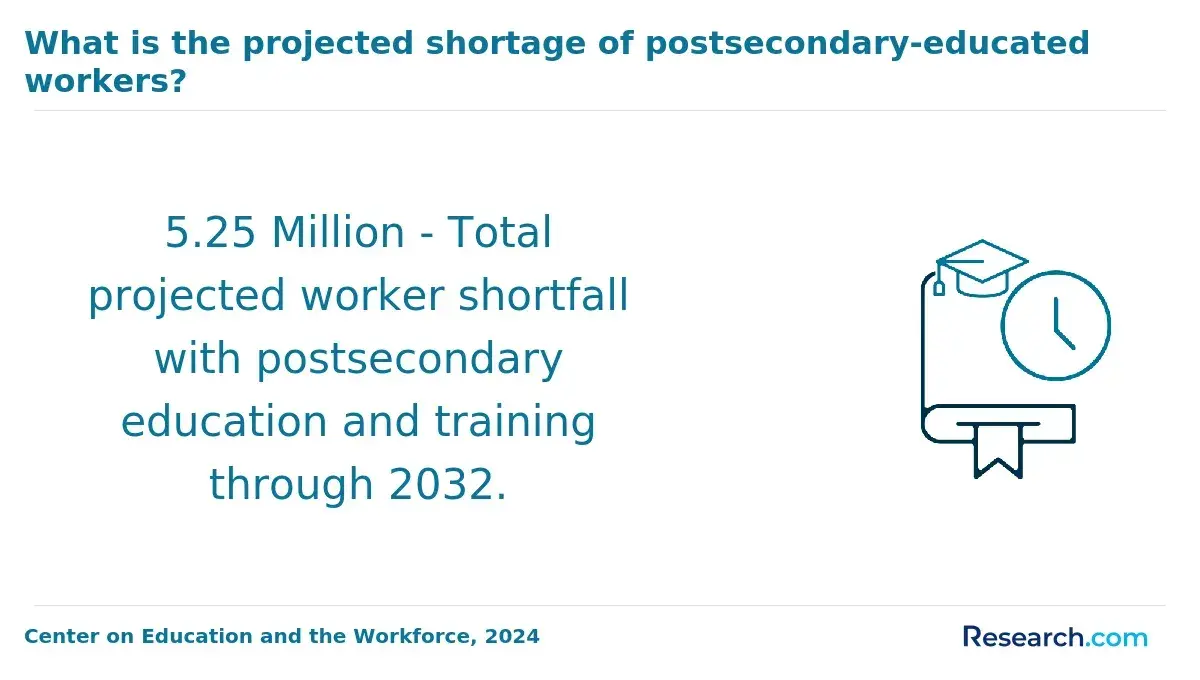
Typically, annual tuition reimbursement caps range from $3,000 to $5,250, with the $5,250 figure tied to federal tax regulations allowing this amount to be offered tax-free each year. Lifetime reimbursement limits often fall between $10,000 and $25,000, though these amounts depend on factors such as employer size, industry, and how closely the degree relates to the employee's job. This variability means reimbursement offers can differ markedly, shaping how students plan their education financing.
Are There Penalties for Leaving an Employer-Sponsored Game Programming Program Early?
Knowing the potential penalties for leaving an employer-sponsored game programming degree program early is crucial for employees considering this educational route, as unforeseen costs or obligations can affect financial planning. Studies indicate that up to 60% of companies enforce strict repayment policies if employees separate before completing their program or shortly afterward, highlighting the importance of understanding such conditions. Below are common scenarios related to early departure and associated penalties.
- Tuition repayment obligations: Employees often must reimburse tuition funds that their employer has already paid, either in full or partially, depending on their progress. This ensures the company recovers costs if the employee leaves prematurely.
- Prorated repayment schedules: Some policies calculate repayment amounts based on how much coursework has been completed. For example, leaving at the halfway point might mean returning roughly half of the reimbursed tuition.
- Early termination clauses: Agreements frequently specify repayment deadlines or allow employers to deduct owed amounts from final paychecks. Ignoring these terms may result in financial or legal repercussions.
- Impact on future benefits: Departing early can disqualify employees from receiving further tuition assistance or professional development incentives, limiting ongoing educational support and bonuses tied to degree completion.
When discussing these challenges with a professional who completed a game programming degree funded by her employer, she reflected on the complex decisions involved. "I knew there would be strict conditions if I left early, so I made sure to commit fully," she explained. "It wasn't just about finishing the coursework, but also about honoring the agreement to avoid any repayment hassle." She recalled moments of balancing work demands with studies, feeling motivated partly because she understood the financial and contractual implications of withdrawing prematurely. Her experience underscores how carefully considering such programs can help maintain a positive investment in one's education and career trajectory without unexpected setbacks.
Can Employer-Paid Game Programming Degrees Improve Long-Term Earning Potential?
Evaluating the impact of employer-sponsored education on career earnings is a key consideration for professionals interested in pursuing a game programming degree. Industry data shows that individuals receiving employer tuition reimbursement often enjoy a salary increase of 10% to 20% compared to those funding their education independently. Understanding these benefits helps working professionals weigh the financial and career advantages before committing to this educational path.
- Increased promotion opportunities: Employer-paid degrees can lead to better retention and motivation, encouraging faster promotions and access to leadership roles within the gaming industry.
- Faster career progression: Removing upfront financial barriers allows employees to focus fully on skill development and practical application, accelerating their journey to higher-level positions.
- Access to higher-paying roles: Enhanced technical skills and formal qualifications recognized by the industry open doors to senior developer or team lead positions, which command higher salaries.
- Enhanced skills and qualifications: A sponsored education supports continual learning and specialized knowledge, factors highly valued in the competitive field of game programming.
- Return on investment: Employer tuition reimbursement reduces debt and improves job security, contributing to long-term financial stability and a stronger return on investment from the degree.
Employer-sponsored game programming degrees also support adapting to rapidly evolving industry technologies, which is essential for sustained career growth and maximizing earning potential. For professionals comparing various education options, programs focused on affordability and support can be a crucial factor. Resources such as the cheapest online edd provide insights into affordable learning paths, although game programming-specific offers may differ.
Considering the impact of employer tuition reimbursement on game programming salaries and the long-term career benefits of employer-sponsored game programming degrees helps prospective students make informed decisions about their educational investments.
How Do You Ask Your Employer to Pay for a Game Programming Degree?
Proactively communicating with your employer and preparing a detailed request are essential steps when asking for support to fund a game programming degree. Since 56% of employers now offer some form of tuition assistance, the opportunity to reduce educational costs through your company is increasingly viable. With this trend in mind, effective strategies can help you successfully present your case.
- Research Company Tuition Policies: Review your employer's tuition reimbursement guidelines to understand eligibility, coverage, and procedural requirements. This insight allows you to tailor your request and demonstrate awareness of company resources.
- Prepare a Business Case: Connect the game programming degree to your current role or future contributions by highlighting how new skills will enhance job performance or support strategic goals. Use specific examples like technical knowledge that can improve project outcomes or innovation.
- Schedule a Formal Meeting: Arrange a discussion with your manager or HR representative to present your proposal clearly and professionally. Bringing relevant details, such as curriculum and tuition estimates, shows preparedness and seriousness.
- Demonstrate Program Relevance: Emphasize how the degree aligns with your career growth opportunities and the company's objectives, making the investment mutually beneficial. Showing direct links between education and workplace impact strengthens your case.
- Follow Up with Documentation: After your meeting, send a summary email outlining the key points and next steps to ensure clear communication and reinforce your organizational skills.
For additional insights, exploring a variety of online college programs can help you compare how different educational options fit your career objectives. Tips for asking company to fund game programming degree often emphasize that thorough preparation and alignment with employer interests greatly improve your chances of approval.
What To Do If Your Employer Doesn't Pay for a Game Programming Degree?
When employer support for a game programming degree isn't available, securing other funding sources is critical to avoid accumulating burdensome debt. With more than 85% of undergraduates depending on financial assistance, exploring various options is a practical step toward achieving a sustainable education plan.
Consider these strategies to help finance your game programming studies effectively:
- Federal and State Aid: Apply for programs like Pell Grants and subsidized loans that often provide lower interest rates and flexible repayment terms, making them a reliable foundation for funding your education.
- Scholarships and Grants: Look for awards targeting technology or game development students; these funds don't require repayment and can significantly reduce your overall costs.
- Personal Savings and Educational Loans: Use your savings carefully and, if necessary, opt for low-interest loans designed for students, balancing immediate needs with long-term financial health.
- Income-Share Agreements (ISAs): Explore contracts where repayments correlate with your future income, minimizing upfront tuition expenses and aligning payments with your earning capacity.
- Part-Time or Online Programs: Enrolling in flexible schedules or distance education options can lower tuition fees and allow you to continue working while studying, easing financial pressure.
Combining multiple funding sources tailored to your circumstances can help you construct a manageable plan, maintain focus on your studies, and lessen the long-term financial strain associated with earning a game programming degree without employer backing.
What Graduates Say About Employers Paying for Their Game Programming Degrees
- Dante: "The cost of the game programming degree program initially felt daunting at around $30,000, but my employer's tuition assistance made it manageable. This support not only eased my financial burden but also motivated me to excel, knowing the company believed in my growth. Thanks to this sponsorship, I quickly advanced into a lead developer role, proving how invaluable employer-backed education can be."
- Collin: "Considering the average tuition fees for a game programming degree typically hover near $25,000, I was fortunate that my employer offered sponsorship that covered a significant portion of the costs. Reflecting on my journey, this aid allowed me to focus on mastering skills rather than stressing finances. Today, I leverage that education daily, and it has opened doors to challenging projects and professional stability."
- Dylan: "When I enrolled in a game programming degree, the $28,000 expense felt overwhelming until my employer stepped in with tuition assistance. This support was pivotal, as it not only lessened my financial strain but also encouraged me to pursue excellence. Professionally, the degree combined with the company's sponsorship has elevated my career trajectory and credibility within the industry."
Other Things You Should Know About Game Programming Degrees
In 2027, tuition reimbursement plans for game programming degrees often require employees to pay for their education upfront. After completing the program or courses successfully, the employer reimburses tuition costs. Reimbursement policies vary by company, potentially including stipulations like maintaining a certain grade or working for the employer for a specified time period.
In 2027, employers can deduct education-related expenses from their taxable income if they align with job-related improvement. This provides financial relief, encouraging more companies to sponsor game programming degrees as a means of investing in their workforce's skillset.
Many employers include a service agreement in tuition reimbursement or sponsorship programs that requires employees to stay with the company for a specified period. If the employee leaves before the agreement ends, they might need to repay some or all of the education costs. These clauses help employers protect their investment in employee training.
In 2027, employers might cover expenses such as textbooks, software licenses, online course fees, and conference attendance related to game programming education. Some companies also reimburse travel expenses for educational purposes or offer paid time off to attend classes or workshops.
References
- How to Ask Your Employer to Pay for Your Degree - Coursera Blog https://blog.coursera.org/how-to-ask-your-employer-to-pay-for-your-degree/
- Colleges for Gamers - Full Sail Game Degrees https://www.fullsail.edu/area-of-study/games
- How important is colledge degree in game development? https://discussions.unity.com/t/how-important-is-colledge-degree-in-game-development/484055
- Employee Tuition Reimbursement: What Is It and How Does It Work? https://www.fullstackacademy.com/blog/employee-tuition-reimbursement
- How to Pay for a Coding Bootcamp Through an Employer in 2025 https://careerkarma.com/blog/employer-paid-coding-bootcamp/
- 12 Companies That Will Pay for Your College Education https://www.investopedia.com/companies-pay-college-6829220
- Game Developer (Visa Sponsorship Available) at Techwaka | Apply now! https://talents.studysmarter.co.uk/companies/techwaka/game-developer-visa-sponsorship-available-9169399/
- Employer Tuition Reimbursement Guide: How to Get Your Company to Pay for Your Tech Degree https://www.hakia.com/resources/employer-tuition-reimbursement/
- How To Ask Your Boss To Help Fund Your Degree | EXECUTIVE COURSES https://executivecourses.com/articles/how-to-secure-employer-sponsorship-for-executive-education
- Employment law issues in the video games industry – Slovakia and the EU in general https://www.dentons.com/en/insights/guides-reports-and-whitepapers/2023/august/23/employment-law-issues-in-the-video-games-industry-slovakia-and-the-eu-in-general


