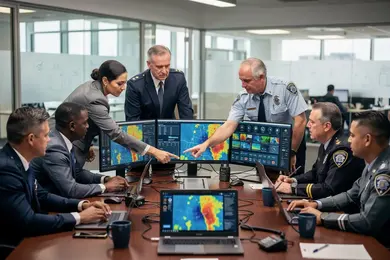
2027 Emergency Management Degree Coursework Explained: What Classes Can You Expect to Take?

Co-Founder and Chief Data Scientist
Many students pursuing an emergency management degree face uncertainty about which courses will equip them best for real-world crisis response. According to the Bureau of Labor Statistics, employment in emergency management is projected to grow 8% from 2022 to 2032, highlighting increasing demand for skilled professionals. Core classes typically cover disaster planning, risk assessment, and communication strategies, essential for effective coordination during emergencies. This article explains the common coursework found in emergency management programs and clarifies how these classes develop the knowledge and skills necessary for success in this vital and expanding field.
Key Benefits of Emergency Management Degree Coursework
- Emergency management coursework cultivates critical decision-making and leadership skills essential for coordinating disaster response and recovery efforts in high-pressure environments.
- Students acquire technical knowledge in risk assessment, hazard mitigation, and emergency planning, directly enhancing their professional competence and job readiness.
- Graduates tend to experience higher employment rates, with a median salary above the national average for public safety roles, reflecting growing demand in government and private sectors.
What Types of Class Do You Take in a Emergency Management Degree?
Emergency management degree curricula are designed to develop a well-rounded understanding of disaster preparedness, response, and recovery by integrating theory with practical skills. Over recent years, enrollment in these programs has grown by more than 20%, highlighting increased interest in careers related to public safety. The coursework usually covers a range of subjects that prepare students for diverse challenges in this field.
Below is an overview of the typical types of classes within these programs.
- Core Foundational Classes: These classes cover essential topics like risk assessment, hazard analysis, and emergency planning principles, giving students the core emergency management courses necessary to grasp disaster environments.
- Specialization or Elective Courses: Students select electives tailored to specific interests such as public health emergencies, cybersecurity, or environmental disaster management, allowing focus on their preferred career paths within emergency management degree electives.
- Research and Methods Coursework: These courses emphasize data gathering, statistical techniques, and qualitative methods to support evidence-based decisions in crisis situations.
- Practicum, Internship, or Capstone Experiences: Practical components immerse students in real-world or simulated settings to apply knowledge, develop leadership skills, and gain hands-on experience coordinating response efforts.
For students interested in emerging fields, exploring an online AI degree can complement emergency management training by enhancing technological competencies relevant to disaster response.
What Are the Core Courses in a Emergency Management Degree Program?
Core classes in an emergency management degree program build the essential knowledge and skills necessary for effective disaster preparedness, response, and recovery. These essential classes in emergency management degree programs combine theoretical foundations, research methods, and practical applications to prepare students for complex emergency situations.
The curriculum emphasizes professional practices such as leadership, communication, and coordination, which are crucial for managing emergency teams and interagency collaboration. Applied skills training, including simulation exercises and scenario planning, equips students with hands-on experience. For those exploring educational pathways, resources like counseling degree online options highlight related fields for prospective students considering public safety and crisis interventions.
Below are key courses typically included in emergency management core courses, highlighting the competencies students gain.
- Foundations of Emergency Management: Introduces fundamental concepts, frameworks, and the history of emergency management to establish a solid theoretical base.
- Risk Assessment and Hazard Analysis: Focuses on identifying threats and vulnerabilities with techniques to evaluate hazard impacts and enhance decision-making under uncertainty.
- Emergency Planning and Preparedness: Covers development of strategic response plans to mitigate risks and ensure efficient resource allocation during disasters.
- Disaster Response and Recovery: Teaches protocols and strategies for managing both immediate crisis actions and long-term recovery efforts.
- Research Methods in Emergency Management: Emphasizes data collection, critical analysis, and evidence-based approaches to improve emergency response effectiveness.
- Emergency Management Law and Ethics: Explores legal responsibilities, regulatory frameworks, and ethical challenges faced by emergency professionals.
- Incident Command and Leadership: Develops coordination, leadership, and decision-making skills essential for directing emergency operations effectively.
What Elective Classes Can You Take in a Emergency Management Degree?
Elective courses enable students pursuing an emergency management degree to personalize their studies according to their career interests and goals. Nearly 70% of students opt for electives related to fields like public health or cybersecurity, highlighting growing specializations within the discipline. Here are some commonly offered electives that provide focused expertise and practical skills.
- Disaster Risk Reduction: Teaches methods for assessing hazards and reducing risks from natural and human-made disasters, building capabilities in community resilience and prevention strategies.
- Public Health Emergency Preparedness: Focuses on planning and coordinating responses to health emergencies such as pandemics, emphasizing cooperation between health authorities and emergency services.
- Cybersecurity and Infrastructure Protection: Covers defense against cyber threats targeting critical infrastructure, stressing prevention techniques and incident response essential for technology-driven emergency roles.
- Environmental Planning: Explores the effects of disasters on ecosystems and strategies for sustainable recovery, suited for those combining environmental science with emergency response.
- Homeland Security: Addresses counterterrorism, security policies, and risk analysis, preparing students for roles in governmental security agencies.
Breakdown of Public Fully Online Title IV Institutions

Are Internships or Practicums Required in Emergency Management Programs?
Practical experiences in emergency management programs provide crucial opportunities to apply theoretical knowledge in authentic settings, deepening students' grasp of disaster response and recovery. About 70% of these programs incorporate such hands-on requirements to strengthen essential competencies.
Key aspects of internships and practicums in emergency management include:
- Program Requirements: Many curricula mandate practical experience to ensure students gain direct exposure to emergency management tasks. This requirement underscores the importance of real-world readiness in the field.
- Duration and Hours: Students typically complete between 100 and 300 hours of supervised work, depending on their program's structure. This time frame allows meaningful engagement with varied emergency functions.
- Experience Types: Opportunities often involve placements with government bodies, nonprofits, or private organizations specializing in emergency planning. Participation may include drills, simulations, and actual incident responses.
- Skills Development: These experiences cultivate critical abilities such as problem-solving, effective communication, and leadership. Mentorship and performance evaluations help verify student competence and preparedness.
Is a Capstone or Thesis Required in a Emergency Management Degree?
Culminating projects like capstones and theses serve to confirm students' mastery of emergency management concepts and practical skills. About 70% of emergency management degree programs require one of these as a final academic experience to ensure graduates are prepared for professional challenges.
Below is a breakdown that highlights key distinctions and benefits of each option.
- Capstone Projects: These are hands-on assignments that tackle real-world issues such as developing response strategies or conducting risk evaluations. They emphasize collaboration and practical problem-solving and typically take less time than a thesis.
- Thesis Papers: A thesis is a research-intensive paper that involves formulating a research question, gathering and analyzing data, and presenting findings. It demands strong academic skills and often spans an entire semester or longer.
- Skill Development: Both options build vital abilities including analytical thinking, project coordination, and clear communication, drawing on core coursework like hazard mitigation and crisis management.
- Time Commitment: Capstone projects usually require fewer months and concentrate on applied work, while theses involve deeper research and extended writing processes.
- Career and Academic Goals: Capstones tend to prepare students for immediate entry into emergency management roles by sharpening practical skills. Theses are better suited for those aiming at research careers or advanced academic pursuits.

Is Emergency Management Coursework Different Online vs On Campus?
Emergency management coursework typically maintains consistent curriculum, learning outcomes, and academic standards whether completed online or on campus. Both delivery methods cover essential subjects like disaster response, risk evaluation, and crisis communication, ensuring students acquire the same core knowledge. Differences in content are minimal, focusing instead on how students engage with the material and instructors.
Key distinctions arise in course delivery and student experience. Online students benefit from flexible schedules and remote access to assignments, relying on virtual platforms for communication and collaboration. On-campus learners engage directly through in-person discussions and group activities, often gaining hands-on experience via simulations or fieldwork. While digital resources substitute for some campus facilities, assessment techniques such as exams and projects are designed to suit each format's environment, maintaining academic rigor across both settings.
How Many Hours Per Week Do Emergency Management Classes Require?
Most emergency management classes require students to dedicate approximately 10 to 20 hours per week, depending on their enrollment and course load. This time generally includes attending lectures, completing readings, working on assignments, participating in group projects, and engaging in hands-on learning activities. A typical 3-credit course might involve around 3 hours of lectures and 6 to 9 hours of independent study each week. The average weekly study time for emergency management degree candidates often reflects these combined activities.
The weekly time commitment is influenced by various factors, including enrollment status, course content, and delivery format. Below is a breakdown of key elements that affect how many hours per week emergency management classes require:
- Enrollment status: Full-time students take more credits and generally spend significantly more time weekly compared to part-time students, who balance fewer courses.
- Course level: Advanced or elective courses often demand increased research, readings, and project work, resulting in longer study hours.
- Format: Online courses offer flexibility but may require more self-directed study, whereas on-campus classes have fixed schedules requiring regular attendance.
- Credits per term: The number of credits undertaken directly increases weekly workload and reading assignments.
- Practicum or capstone projects: These hands-on components add substantial hours, especially during critical project phases, enhancing applied learning experiences.
Students exploring emergency management programs can balance these demands effectively with proper planning. For those interested, examining options among cheap psychology masters programs may also provide insight into managing rigorous coursework across fields.
How Many Credit Hours Are Required to Complete a Emergency Management Degree?
Total credit hour requirements are a key factor in determining the length, workload, and timeline for graduation in emergency management degree programs. These requirements vary substantially depending on the degree level and the structure of specific programs, affecting how quickly students can complete their studies and how they balance academic and personal commitments.
Below is a summary of common credit-hour components and how they shape typical emergency management degree credit hour requirements.
- Core Coursework: Typically, core courses cover essential topics such as disaster planning, risk assessment, and crisis communication. Undergraduate programs usually allocate about 40 to 60 credit hours to these subjects, while graduate programs assign fewer credit hours but focus more on advanced concepts and research methodologies.
- Electives: Elective courses allow students to specialize or broaden their knowledge in related areas. These generally account for 20 to 30 credit hours at the undergraduate level and fewer at the graduate level, permitting personalization of the curriculum to suit career goals or interests.
- Experiential Components: Hands-on training through practicums, internships, capstone projects, or theses is crucial. These typically make up 10 to 15 credit hours and provide practical experience that complements classroom learning. Graduate programs may emphasize research-based theses more heavily, reflecting their focus on original investigation.
Undergraduate emergency management degree credit hour requirements often range from 120 to 130 total credit hours, generally spread over four years of full-time study. Graduate programs, such as master's degrees, typically require between 30 and 45 credit hours and can be completed in one to two years. For those pursuing more advanced academic paths, doctoral programs demand even more credit hours, with a strong emphasis on research and dissertation work.
Students looking to combine leadership skills with advanced study may also explore options like a doctorate in organizational leadership online, which can complement emergency management expertise.
These typical credit hours for emergency management programs provide prospective students a clear framework to plan their academic journeys, balancing core knowledge, electives, and experiential learning to prepare for diverse career opportunities in this vital field.
How Does Emergency Management Coursework Prepare Students for Careers?
Emergency management coursework builds a foundation of skills, knowledge, and applied experiences that directly support career readiness. The practical education gained in this field equips students to meet workplace challenges effectively, preparing them for various roles in disaster response and organizational safety. According to the U.S. Bureau of Labor Statistics, employment in emergency management is expected to grow by 8% over the next decade, reflecting increasing demand for qualified professionals.
- Skill development: Coursework focuses on essential competencies such as risk assessment, crisis communication, and disaster response planning. These skills enhance workplace safety and operational readiness, making graduates valuable assets in emergency management roles.
- Applied projects: Students engage in simulation exercises and collaborative initiatives that mimic real-world emergency scenarios. These hands-on experiences foster critical thinking and decision-making abilities vital for effective crisis management.
- Critical thinking and problem-solving: The curriculum emphasizes analyzing complex situations and creating strategic responses. Developing these cognitive skills ensures graduates can adapt and respond swiftly to evolving emergencies.
- Industry tools and technologies: Exposure to emergency management software, communication systems, and data analysis tools prepares students to leverage technology in their professional duties-key for modern emergency management practice.
- Professional networking opportunities: Through internships, group projects, and interactions with practitioners, students build networks that support job placement and career advancement in emergency management fields.
This structured development of emergency management degree career skills directly supports how emergency management coursework leads to jobs by aligning academic preparation with employer needs. Students considering accelerated paths may also explore options like 1 year master's programs online to enter the workforce more quickly while gaining comprehensive emergency management training.
How Does Emergency Management Coursework Affect Salary Potential After Graduation?
Completing emergency management coursework can significantly enhance salary potential by equipping graduates with skills that are highly sought after in various sectors, including public safety and government. The demand for professionals in this field is rising, with employment for emergency management directors expected to grow 10% from 2022 to 2032, faster than the average for all occupations.
The following points highlight how specific components of emergency management coursework contribute to increased earning prospects:
- Development of In-Demand Skills: Courses focusing on crisis communication, hazard mitigation, and emergency planning build critical technical and managerial abilities. These skills increase employability and access to higher-paying roles that require effective problem-solving under pressure.
- Completion of Specialized or Advanced Courses: Advanced coursework targeting niche areas deepens expertise and positions graduates as valuable specialists. This specialization often leads to better starting salaries and greater opportunities for promotion.
- Leadership and Management Training: Classes that emphasize leadership prepare students to take on supervisory and strategic roles. Mastery of these skills is frequently linked to faster career advancement and corresponding salary increases.
- Applied Experiences: Practicums, internships, and capstone projects provide hands-on experience, enhancing readiness for real-world challenges. Employers recognize this practical knowledge by offering competitive compensation and prioritizing graduates for advancement.
- Preparation for Professional Certifications: Coursework that readies students for credentials like the Certified Emergency Manager (CEM) signals competence and dedication to the field. Holding such certifications can lead to higher earnings and greater professional recognition.
What Graduates Say About Their Emergency Management Degree Coursework
- Iver: "I found the cost of the emergency management degree coursework to be surprisingly affordable compared to other programs, especially considering the depth of knowledge provided. Taking the classes online gave me the flexibility to balance work and study without compromising my career. This degree has opened many doors for me in the field of disaster response, making it a worthwhile investment. "
- Jettix: "Reflecting on my experience, the tuition fees for the emergency management program were a significant but justified expense given the practical skills I gained. Attending classes on campus allowed for invaluable face-to-face interactions with instructors and peers, enriching my learning experience. The coursework has profoundly shaped my approach to crisis planning as a professional. "
- Drel: "The emergency management degree coursework was a bit costly at first glance, but the online format made it accessible from anywhere, which was essential for me. The comprehensive curriculum has enhanced my strategic thinking in emergency preparedness and has been instrumental in my career advancement. I highly recommend this program to those serious about making an impact in this industry."
Other Things You Should Know About Emergency Management Degrees
Yes, many emergency management programs incorporate coursework on relevant technologies, including geographic information systems (GIS), data management tools, and crisis communication platforms. This training equips students with practical skills to analyze data, map disaster zones, and improve coordination across agencies during emergencies.
In 2027, legal or policy-related classes in emergency management degrees are crucial. They provide knowledge on regulations, compliance, and policy implementation necessary for effective disaster response and recovery. Understanding legal frameworks ensures professionals can navigate the complexities of emergency preparedness and response protocols.
Emergency management courses in 2027 emphasize skills like leadership, critical thinking, and communication. These skills prepare students to manage crises effectively, coordinate with diverse teams, and make informed decisions under pressure. Additionally, they may focus on ethical decision-making and cultural competence to enhance collaboration in various disaster scenarios.
References
- Bachelor of Applied Science in Emergency Management https://www.lonestar.edu/programs-of-study/emergency-management.htm
- Study Emergency & Disaster Management in the USA https://www.studyusa.com/en/field-of-study/550/emergency-disaster-management
- Disaster & Emergency Management | Columbia College https://www.columbiasc.edu/academics/undergraduate/disaster-emergency-management
- How to Become an Emergency Management Specialist https://masterspublichealth.com/how-to-become-an-emergency-management-specialist/
- Is an Emergency Management Degree Worth It? https://www.columbiasouthern.edu/blog/blog-articles/2021/april/emergency-management-degree-worth-it/
- Emergency Management Major | Courses For Degree | Career Girls https://www.careergirls.org/college-majors/emergency-management/
- Internship in Emergency and Risk Management https://www.uclaextension.edu/business-management/leadership-management/course/internship-emergency-and-risk-management-mgmt-x
- Curriculum https://www.barry.edu/en/academics/business/emergency-management-bs/curriculum
- How Long Does it Take to Complete an Emergency Management Degree? https://www.emergency-management-degree.org/faq/how-long-does-it-take-to-complete-an-emergency-management-degree/
- University Catalog 2025-2026 https://catalog.tulane.edu/professional-advancement/emergency-security-studies/emergency-management-mpr/