
2027 General Studies Degree vs. Certificate: Which Should You Choose?

Co-Founder and Chief Data Scientist
Today's students and professionals face a critical choice between earning a general studies degree or a certificate. Both paths can boost career prospects, but they differ in duration, cost, and depth of study. A general studies degree offers broader knowledge and typically takes longer to complete, while certificates focus on specific skills and require less time.
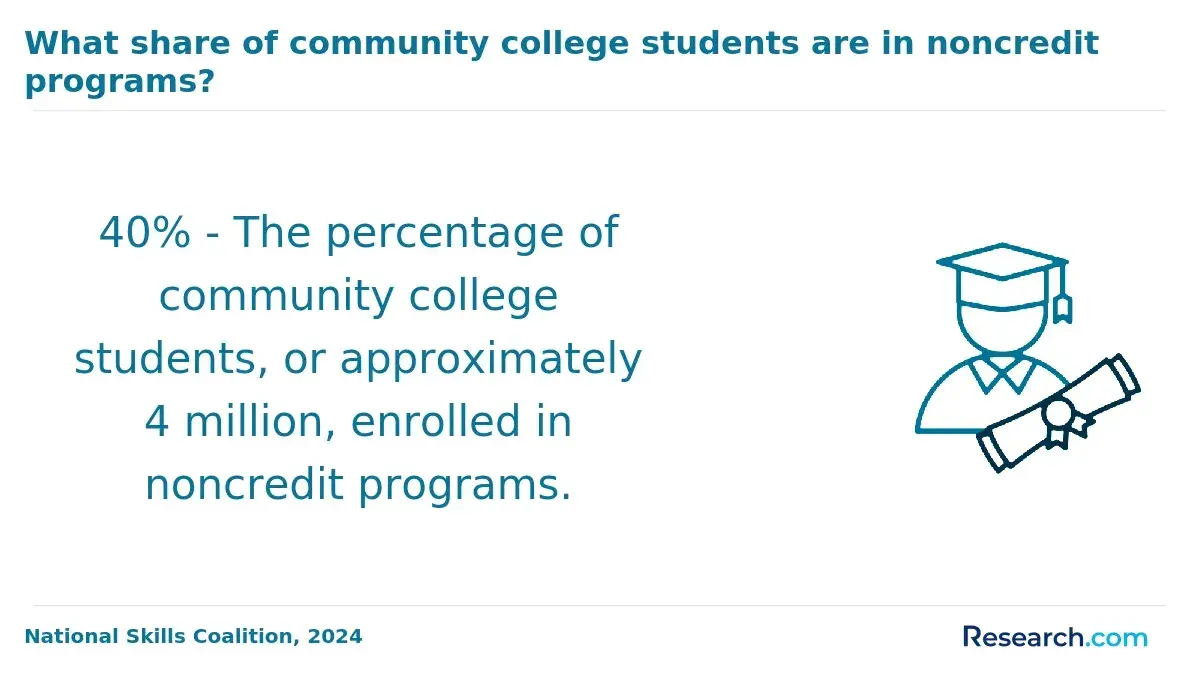
According to educational data, almost 40% of general studies graduates pursue certificates to complement their degrees. Choosing between them depends on your career goals, time commitment, and learning preferences. This article explores these key differences to help you determine which option fits your lifestyle and professional needs.
Key Points About General Studies Degree vs. Certificate Programs
- A general studies degree offers broad skill development, enhancing critical thinking and communication, which supports diverse career paths and can increase long-term salary potential by 20% over certificate holders.
- Certificate programs focus on specific skills for quicker workforce entry, ideal for adults seeking career shifts or immediate job qualifications with lower upfront costs and shorter durations.
- The degree requires more time and investment but generally yields higher professional growth opportunities, while certificates provide targeted expertise beneficial for niche roles or supplemental credentials.
What Are the Differences Between General Studies Degree and Certificate Programs?
Both general studies degrees and certificate programs offer pathways to valuable career opportunities, but they differ in several important ways. Understanding these distinctions can help students choose the educational option that best fits their personal goals and timelines.
Below is a comparison highlighting key differences between general studies degrees and certificates.
- Career Advancement: A general studies degree often provides a broader educational foundation, which may open doors to a wider range of entry-level positions or further education. Certificates tend to focus on specific skills, making them suitable for professionals seeking targeted career upgrades or quick entry into specialized roles.
- Depth of Learning: Degree programs cover various academic disciplines and foster critical thinking, ideal for learners wanting a comprehensive knowledge base. Certificate programs are typically shorter and skill-centric, benefiting those who prefer practical training over theoretical study.
- Time Commitment: General studies degrees usually require a longer time to complete, appealing to students ready for an extended educational experience. Certificates can be completed more quickly, fitting well for individuals needing rapid credentialing.
- Flexibility: Certificates often offer flexible scheduling options, including online and part-time formats, which supports working adults. Degree programs may have more structured curricula and campus requirements, intended for students pursuing traditional academic routes.
How Long Does It Take to Complete a General Studies Degree vs. a Certificate Program?
Completion time is one of the most important factors for students choosing between a general studies degree vs. certificate program. Understanding how long each option typically takes can help prospective students make informed decisions aligned with their personal and professional goals.
- Typical Duration: A general studies degree completion time in the US usually spans about two years for an associate's degree and three to four years for a bachelor's degree with full-time study. In contrast, certificates are designed for rapid skill acquisition and generally require three to twelve months, although some fields and institutions may extend this up to two years.
- Flexibility: Certificate programs often offer greater pacing flexibility, including self-paced and online formats that suit busy professionals. While degree programs are increasingly available online, they tend to follow more structured timelines and fixed academic calendars, often extending part-time completion times compared to certificates.
- Factors Affecting Timeline: Program structure plays a role; accelerated tracks or cohort models can shorten duration, whereas traditional programs follow set sequences. Prior experience and transfer credits may reduce time-to-completion for both paths. Personal circumstances such as work, family, or financial obligations often require part-time study, lengthening the time needed.
To learn more about how long does it take to get an associate degree, see how long does it take to get an associate degree. For students wondering how long to finish a general studies certificate online, certificates generally provide the quickest route to skill development compared to traditional degrees.
Can You Complete a General Studies Degree or Certificate Entirely Online?
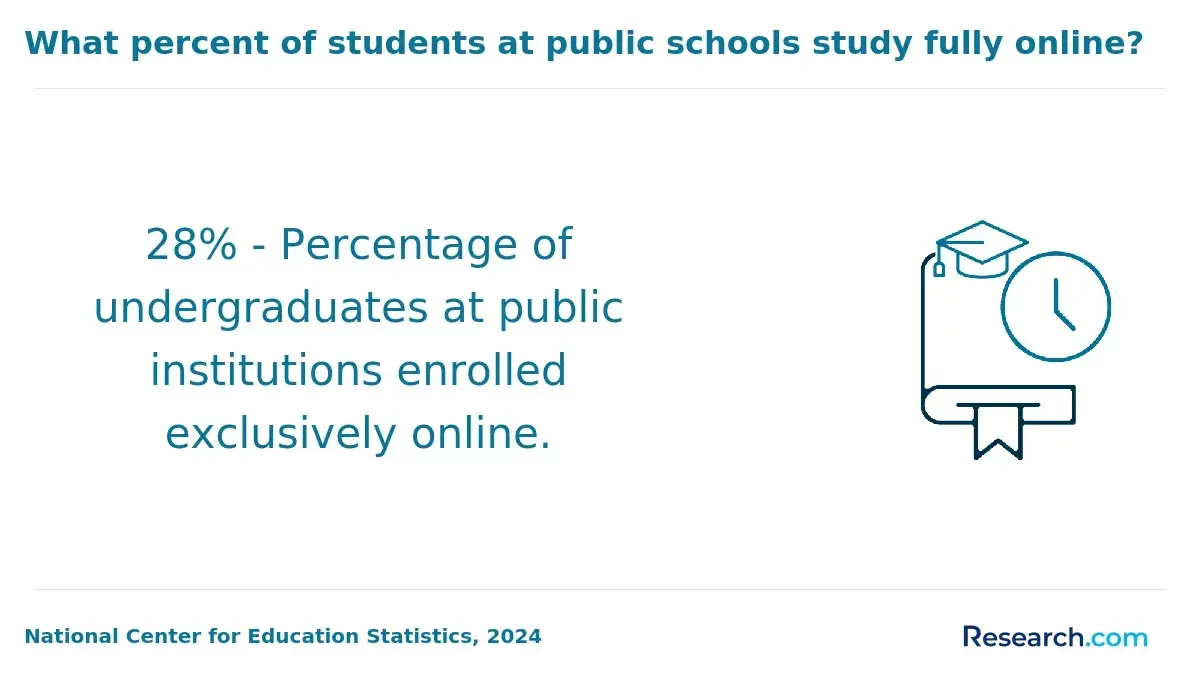
Online education has expanded dramatically over the past decade, making degree and certificate programs increasingly accessible to working professionals and non-traditional students. For those interested in flexible study options, many accredited universities now offer online general studies degree programs, including bachelor's degrees completed entirely through asynchronous coursework without mandatory campus visits.
These programs usually require 120 credit hours and provide flexible scheduling and multiple start dates, allowing students to advance at their own pace. While certificates in general studies can also be completed online, they tend to require fewer credit hours and are less commonly available as standalone fully online credentials.
However, the availability of fully remote options varies by institution and credential type. Some bachelor's programs may use hybrid models requiring occasional campus attendance or proctored exams. Certificate programs may include hands-on components or in-person verification, especially if professional licensure is involved.
When deciding whether to complete a general studies certificate online or pursue a degree, it's important to consider career demands such as internships, practical training, or state licensure requirements. Working closely with academic advisors can help identify the best online format for your goals and learning preferences. For further guidance on related options, explore top degree programs for older adults online.
What Are the Admission Requirements for a General Studies Degree vs. a Certificate Program?
Admission requirements are a key factor when choosing between a general studies degree and a certificate program, as they determine who qualifies for each educational pathway and the preparation needed. Understanding these distinctions helps prospective students align their goals and academic backgrounds.
Below is a side-by-side comparison of typical admission requirements for both types of programs.
Admission Requirements for General Studies Degree Programs
- High School Diploma or GED: Most bachelor's degree programs require applicants to have completed high school or earned an equivalent credential, such as a GED.
- Minimum GPA: Many programs set a minimum grade point average, commonly around 2.0 on a 4.0 scale, especially for transfer students.
- Transfer Credits: Degree programs often accept transfer credits from other accredited colleges. Some universities allow up to 64 credit hours from a two-year college and up to 90 from a four-year institution.
- Standardized Exams: Certain schools may require completion of placement tests or proficiency exams in English or math, especially for transfer or returning students.
- Work/Life Experience: Some programs consider significant work or life experience as part of the admission process, particularly for adult learners or those returning to education after a break.
- Formal Application: Applicants typically must submit a formal application, including transcripts and sometimes letters of intent or recommendation.
Admission Requirements for General Studies Certificate Programs
- Educational Background: Certificate programs generally require a high school diploma or GED but may be flexible in accepting applicants with work experience or prior learning.
- No Minimum GPA: Most certificate programs do not set a strict GPA requirement, focusing instead on readiness and interest in the field.
- No Transfer Credits: Unlike degree programs, certificate programs seldom accept transfer credits; the curriculum is usually self-contained and designed for completion within a short period.
- Simplified Application: Applications for certificate programs tend to be straightforward, often requiring only proof of educational background and basic personal information.
- Open Enrollment: Many certificate programs offer open enrollment with few barriers, aiming to attract working professionals or adult learners seeking rapid credentialing.
For those interested in general studies degree admission requirements 2025, it is important to note the competitive and comprehensive nature of the criteria, which often includes GPA thresholds and formal transcripts. Conversely, certificate program enrollment criteria, such as those found in California, tend to be more flexible and accessible to a broader audience. Many certificate programs emphasize open enrollment to quickly credential working professionals.
Additionally, students exploring accelerated pathways may consider an accelerated associates degree as an alternative or complementary option, depending on their career plans and admission eligibility.
How Many Credits Do You Need to Complete a General Studies Degree vs. a Certificate?
Knowing the credit requirements for general studies degrees and certificates is essential for students planning their academic paths and managing time effectively. Understanding the differences can help set realistic goals and expectations for completion.
Here's a breakdown of typical credit demands for these programs:
- Associate degree: Usually requires about 60 to 64 semester credits, spanning several semesters to provide a broad academic foundation.
- Bachelor's degree: Generally involves around 120 semester credits, covering extensive coursework over four years or more.
- Certificate program: Often requires between 12 and 30 credits, designed to be completed more quickly with a focus on specific skills or foundational topics.
A student pursuing a general studies certificate shared that choosing this path was driven by a need for a quicker, more flexible option. He mentioned, "I didn't want to commit to years of study but still wanted to build relevant skills." Navigating course selection was sometimes challenging because the program was more condensed, but it offered a rewarding sense of progress as credits accumulated faster.
The focused curriculum helped him stay motivated, and he appreciated the balance it provided with work and personal life. "It felt like the right step at the right time," he reflected, emphasizing how the certificate aligned well with his immediate goals without the longer commitment of a degree.
What Is the Average Tuition for a General Studies Degree vs. a Certificate?
Tuition costs play a crucial role when deciding between pursuing a general studies degree or obtaining a certificate, as they directly impact affordability and the overall return on investment. Understanding these financial differences can guide students toward the option that best fits their budget and career goals.
Below is a comparison of the average tuition ranges for both program types to help clarify costs and factors involved.
Average Tuition for General Studies Degree Programs
- Tuition Range: For a bachelor's degree in general studies at public four-year institutions, average in-state tuition is approximately $9,750 per year, while out-of-state tuition averages around $28,386 per year. Private nonprofit colleges charge significantly more, with average tuition near $38,421 annually.
- Total Program Cost: Completing a bachelor's degree usually takes four years, resulting in total tuition costs between $39,000 and over $150,000, influenced by residency and school type.
- Community College Option: Beginning studies at a two-year public college offers lower costs, with average annual in-district tuition around $3,598, or roughly $7,200 for an associate degree in general studies.
- Influencing Factors: Tuition varies widely depending on residency (in-state vs. out-of-state), public versus private institutions, and program length, which can all affect final expenses.
- Additional Expenses: Degree programs often entail fees, textbooks, and living costs that can significantly increase the overall financial commitment required.
Average Tuition for General Studies Certificate Programs
- Tuition Range: The general studies certificate program cost comparison shows these programs usually range from $1,000 to $7,000 total, depending on length and institution type, and are commonly available at community colleges or technical schools.
- Shorter Duration: Certificate programs typically last a few months to one year, resulting in substantially lower overall tuition than degree programs.
- Community College Example: Many public community colleges charge tuition per credit hour, often between $100 and $150 per credit for in-state students.
- Influencing Factors: Costs depend on public vs. private schools, residency status, program length, and sometimes online options that may lower expenses further.
- Additional Fees: Application fees, course materials, and technology costs exist but are generally much lower than fees associated with degree programs.
For those seeking affordable education alternatives, exploring low tuition online schools that accept FAFSA can provide more accessible pathways to general studies credentials without excessive financial burden.
Can You Transfer Certificate Credits Toward a General Studies Degree Later On?
Yes, certificate credits can often be transferred toward a general studies degree, but this depends largely on the institution's policies, the accreditation status of the awarding school, and how closely the certificate courses align with the degree's curriculum. Many colleges create certificate programs-especially those called transfer certificates-specifically to fit degree requirements.
Credits earned from regionally accredited schools are typically more accepted, and courses must be relevant to the general studies degree for transfer approval. However, acceptance varies, so transferability is not guaranteed across all schools.
Additional factors play a role in credit transfer, such as limits on the number of credits accepted and minimum grade requirements, which usually require a C or higher. For example, some universities impose caps on lower-division unit transfers.
It is important for students to consult academic advisors and verify policies before enrolling to make sure the credits will advance their degree. Doing so helps protect their educational investment and avoids wasted effort on non-transferable credits.
When I spoke with a student who transitioned from a general studies certificate to a degree, she recalled being anxious about which credits would transfer. After completing her certificate, she met with an advisor who clarified that most of her coursework satisfied core degree requirements, but some elective credits did not transfer.
"It was a relief to know exactly what counted," she said, appreciating the detailed review process that helped her plan her remaining courses efficiently. Her experience highlights the value of thorough transfer planning and the positive impact it can have on educational progress.
Are Certificate Programs Accredited the Same Way as General Studies Degrees?
Certificate programs are not accredited in the same manner as general studies degree programs. Degrees like associate or bachelor's in general studies receive institutional accreditation from regional bodies recognized by the U.S. Department of Education or the Council for Higher Education Accreditation.
This ensures the entire institution and its degree offerings meet established academic and administrative standards. In contrast, certificate programs may be accredited differently or not at all. Some certificates offered by accredited colleges fall under the institution's accreditation, but many focused on specific skills or continuing education do not undergo the same rigorous review and might receive approval only from industry-specific organizations.
Accreditation is important because it affects the quality and recognition of your education. It plays a crucial role in credit transfer to other schools, eligibility for federal financial aid, and employer acceptance of credentials. When exploring programs, students should verify that the institution is accredited by a recognized regional or national body.
For certificates, it's also vital to check if the program itself has accreditation or industry recognition and whether credits can apply toward a degree later. Before enrolling, always confirm accreditation status with trusted and recognized accrediting agencies to ensure your educational investment is worthwhile.
What Jobs Can You Get with a General Studies Degree vs. a Certificate?
Both general studies degrees and certificates can open doors to various career opportunities, but they often prepare graduates for different roles and levels within the workforce. While degrees tend to offer broader qualifications, certificates focus on specific technical skills suited for targeted jobs.
Below is a comparison of potential career paths for each credential.
Jobs You Can Get with a General Studies Degree
- Executive assistant: Manages schedules and communications for executives, typically in corporate or organizational settings.
- Business analyst: Evaluates business processes and data to help improve efficiency within a company.
- Technical writer: Creates manuals and documentation to explain complex information clearly.
- Social media manager: Oversees online presence and engagement on social platforms for brands or organizations.
- Human resources assistant: Supports HR departments with recruiting, payroll, and employee relations tasks.
Jobs You Can Get with a General Studies Certificate
- Medical billing specialist: Handles coding and billing processes for healthcare providers to ensure proper insurance claims.
- IT support technician: Provides technical assistance and resolves hardware or software issues for users.
- Bookkeeper: Maintains financial records and processes transactions for small businesses or departments.
- Paralegal assistant: Assists lawyers by preparing documents and managing case files.
- Project coordinator: Organizes and tracks project activities, timelines, and resources to help meet deadlines.
What Is the Average Starting Salary for a Certificate vs. General Studies Degree Graduates?
Salary potential often varies between graduates holding a certificate in a trade or technical area and those with a general studies degree. Understanding these differences can help guide career planning and expectations.
Here is a side-by-side comparison of the average starting salary for certificate program graduate starting salary versus the average salary for general studies degree graduates, along with key factors that influence earnings and career outlooks.
- Typical Salary Range: Certificate holders typically start between $30,000 and $45,000 per year, depending on the trade and demand, while general studies graduates often earn between $36,000 and $47,000 annually at the entry level.
- Industry Impact: Certificates in high-demand fields such as healthcare, skilled trades, or IT can lead to competitive starting salaries, frequently meeting or exceeding these ranges. In contrast, general studies graduates may enter broader roles, including business analysis or risk management, which can offer higher pay with experience.
- Location Factors: Salaries for both groups tend to be higher in urban or economically strong regions where demand for specific skills is greater.
- Experience and Credentials: Previous work experience, internships, or additional certifications can enhance starting offers for both certificate program graduate starting salary and general studies degree holders.
- Career Outlook: Certificate holders often enter the workforce more quickly by filling immediate skilled positions, while general studies degree graduates enjoy more flexibility and potential for advancement over time.
- Career Opportunities: For more information about jobs you can get with a vocational degree, exploring roles aligned with certificates can clarify earning and growth prospects.
Here's What Graduates of General Studies Programs Say About Their Degree or Certificate
- Augustus: "Choosing the general studies certificate program was perfect for me because I wanted a quicker learning experience without the full commitment of a degree. The pace was faster, and costs were significantly lower compared to a degree, which made balancing school and work manageable. It really gave me the confidence boost I needed to advance my career, especially since I wanted to improve my skills immediately. "
- Antonio: "Pursuing a general studies degree was a more reflective choice for me since I valued a comprehensive learning journey and long-term career benefits. While it took more time and investment, the in-depth curriculum and broader recognition opened doors for better job opportunities. Considering the higher average attendance cost, I found it was still worth the commitment for the professional growth I achieved. "
- Julian: "I completed both the general studies certificate and degree programs, and that combination gave me a unique perspective. The certificate's shorter completion time allowed me to gain quick skills early on, minimizing upfront expenses, while the degree provided a deeper understanding and greater career flexibility. Balancing cost and learning pace was key in my decision, and together, they maximized my personal and professional development. "
Other Things You Should Know About General Studies Degrees
In 2027, a general studies degree may offer broader career progression opportunities due to its comprehensive academic coverage, especially in fields requiring a bachelor's degree. However, certificates can be ideal for skill-specific roles where quick entry into the workforce is desired.
Many institutions allow credits earned through a general studies certificate to transfer toward a general studies degree. This can save time and money if a student decides to pursue a degree later. The transferability depends on the institution's policies and the relevance of the certificate courses to the degree curriculum.
Completing a 2027 general studies certificate can open entry-level job opportunities in administrative roles, customer service, or junior positions in various industries. These certificates offer foundational skills that prepare individuals for diverse work environments, with the flexibility to explore numerous career paths or eventually pursue a degree for advanced roles.
In 2027, a general studies degree generally holds more employer recognition than a certificate. Degrees tend to be viewed as more comprehensive and rigorous, which often translates to greater career opportunities and higher earning potential compared to certificates.
References
- The Differences Between Certificates, Credentials & Degrees https://diplomasafe.com/credential-vs-certificate/
- Certificate vs. degree programs: What's the difference? | edX https://www.edx.org/resources/what-is-the-difference-between-a-certificate-and-a-degree
- General Studies Certificate | Urban College of Boston https://www.urbancollege.edu/general-studies-certificate
- The Value of Certificates vs. Degrees: What’s Right for You? https://www.calmu.edu/the-value-of-certificates-vs.-degrees-whats-right-for-you
- General Studies: Transfer Certificate https://catalog.csmd.edu/preview_program.php
- Earn your General Studies, A.S. Online https://threeriverscollegefoundation.org/academics/degrees-certificates/general-studies/general-studies-online/
- General Requirements for Degrees, Certificates, and Diplomas - Delgado Community College - Modern Campus Catalog™ https://catalog.dcc.edu/content.php
- Degree vs. Certificate Programs: What's the Difference? | CCU Online https://www.ccu.edu/blogs/cags/2021/04/degree-vs-certification/
- What Can I Do With A Major In General Studies? https://offices.nsuok.edu/careerservices/CareerMajorAdvice/ChoosingaMajororCareerPath/GeneralStudies.aspx
- University Transfer and General Studies https://www.nwtc.edu/academics-and-training/areas-of-study/general-studies-transfer


