
2027 How to Become a Secretary: Education, Salary, and Job Outlook

Co-Founder and Chief Data Scientist
A secretary career is a practical option for people who like keeping work organized, communicating clearly, and helping teams operate without delays. Secretaries handle the details that keep offices moving: calendars, correspondence, records, meetings, visitors, invoices, and confidential information. In many workplaces, the role is now closer to administrative coordination than simple clerical support.
This guide is for students, career changers, and entry-level office professionals who want to understand the credentials, skills, salary expectations, internships, advancement paths, and workplace realities of becoming a secretary. With over 400,000 secretarial positions in the U.S., the field remains accessible, but stronger technology, communication, and industry-specific skills can make a major difference in the jobs you qualify for.
What are the benefits of becoming a secretary?
- The secretary profession offers steady demand, with the U.S. Bureau of Labor Statistics projecting a 5% growth rate through 2025, ensuring reliable job opportunities.
- The average annual salary for a secretary in the U.S. is approximately $40,000, providing a competitive income with room for advancement.
- Choosing a career as a secretary develops valuable organizational and communication skills, laying a strong foundation for diverse administrative roles.
What credentials do you need to become a secretary?
Most secretary jobs do not require a license, and many entry-level roles are open to applicants with a high school diploma or GED. However, employers increasingly look for candidates who can use office software confidently, write professionally, manage schedules, and handle sensitive information. The best credential path depends on the type of secretary role you want: general office support, executive support, legal support, medical administration, or another specialized area.
Common credential options
- High school diploma or GED: This is the minimum credential for many entry-level secretary roles. It can be enough if you also have strong typing, communication, customer service, and computer skills.
- Certificate or associate's degree: Programs in office administration, secretarial science, or business can help you build practical skills in Microsoft Office, business writing, bookkeeping, records management, and workplace communication.
- Industry-specific education: Medical and legal secretary roles often require familiarity with specialized terminology, records procedures, privacy expectations, and documentation standards. This training can make you more competitive than a general applicant.
- Bachelor's degree: A bachelor's degree is not required for most secretary jobs, but some employers prefer it for executive, corporate, or high-responsibility administrative roles where communication, judgment, and business knowledge matter.
- Professional certification: Certifications such as the Certified Administrative Professional (CAP) are not mandatory, but they can strengthen your resume, especially if you want to move into senior administrative, executive assistant, or office management roles.
How to choose the right credential
If you need to enter the workforce quickly, a high school diploma or GED plus focused office software training may be enough for an entry-level role. If you want better preparation, a certificate or associate's degree can provide structure and hands-on practice. If your goal is legal, medical, or executive support, choose training that matches that work environment rather than a generic office program.
When comparing programs, look for coursework in business communication, spreadsheets, document formatting, scheduling tools, data entry, basic bookkeeping, records management, and customer service. If you are considering a short training route, reviewing 6-month certificate programs for careers that pay well can help you compare faster credential options.
The most important point is that secretary education requirements remain flexible. You do not need one single degree to enter the field, but you do need job-ready administrative skills and the ability to prove them through coursework, experience, certifications, or a strong work history.
What skills do you need to have as a secretary?
A strong secretary is organized, accurate, calm under pressure, and comfortable with technology. Employers are not only hiring someone to answer phones or manage calendars; they are hiring someone who can protect time, reduce errors, coordinate information, and represent the organization professionally.
Core technical skills
- Office software proficiency: You should be able to create documents, manage spreadsheets, use email professionally, maintain calendars, and work with shared files or collaboration platforms.
- Data management: Secretaries often enter, update, retrieve, and organize information. Accuracy matters because small errors in names, dates, invoices, or records can create bigger problems later.
- Technical equipment use: You may need to operate printers, scanners, copiers, phone systems, video meeting tools, and basic office technology. Knowing how to troubleshoot simple problems saves time.
- Typing and note-taking: Fast, accurate typing and clear meeting notes help keep communication consistent and prevent missed decisions or deadlines.
- Basic bookkeeping: Some roles include handling invoices, purchase orders, expense reports, payment records, or simple budget tracking.
Professional and workplace skills
- Communication skills: Secretaries write emails, memos, reports, meeting summaries, and instructions. Clear writing and a professional tone are essential.
- Organization and time management: You may be responsible for multiple calendars, deadlines, meetings, files, and follow-ups at the same time. Prioritization is a daily skill, not an occasional task.
- Attention to detail: Reviewing documents, verifying information, and catching mistakes before they reach clients, managers, or executives builds trust.
- Problem-solving and adaptability: Meetings change, priorities shift, people cancel, and systems fail. A good secretary can adjust quickly without losing track of the larger workflow.
- Confidentiality and discretion: Secretaries may see personnel records, financial details, legal documents, medical information, or executive communications. Professional discretion is nonnegotiable.
To stand out, build a portfolio of practical examples: formatted documents, spreadsheet projects, meeting agendas, email templates, process checklists, or scheduling workflows. These examples can help you show employers that you can perform the work, not just describe it.
What is the typical career progression for a secretary?
Secretary careers often begin with general office support and grow into more specialized, senior, or management-focused administrative roles. Progression usually depends on reliability, software skills, communication judgment, industry knowledge, and the ability to manage increasingly complex responsibilities.
Typical career stages
- Starting roles: Beginners often start as Office Secretaries or Administrative Assistants. During this stage, which usually spans up to two years, the focus is on answering communications, organizing records, scheduling meetings, preparing documents, and learning office procedures.
- Intermediate positions: With two to five years of experience, secretaries may move into roles such as Senior Secretary or Administrative Coordinator. These jobs often involve executive calendar management, project tracking, meeting preparation, vendor communication, and training or supporting junior staff.
- Leadership and senior roles: After five years or more, experienced professionals may advance to Office Manager, Executive Assistant, or Senior Secretary positions. These roles can include supervising administrative staff, handling confidential information, improving office systems, and supporting senior leaders directly.
- Specialization and lateral moves: Secretaries can specialize as Legal, Medical, or Executive Secretaries, where terminology, compliance, documentation, and stakeholder expectations differ. Others move laterally into project coordination, department administration, operations support, or office management.
What helps you move up faster
- Document your achievements, such as improving a filing system, reducing scheduling conflicts, creating templates, or coordinating major meetings.
- Learn the software your organization relies on, including spreadsheets, databases, shared drives, scheduling platforms, and communication tools.
- Ask for responsibilities that show judgment, such as preparing agendas, tracking action items, handling vendor communication, or coordinating small projects.
- Consider certification or specialized training if you want to move into executive, legal, medical, or management-oriented administrative work.
How much can you earn as a secretary?
Secretary pay varies by experience, industry, specialization, employer size, and location. General office roles typically pay less than executive, legal, or medical support roles because specialized positions require stronger judgment, technical knowledge, confidentiality, and industry-specific procedures.
The typical annual salary in the United States in 2025 is around $46,000. Entry-level secretaries earn close to $35,400, while seasoned professionals can make up to $67,800 per year. Hourly wages range from about $19 to $23, depending on role and region.
Factors that influence secretary pay
- Experience: Employers pay more for secretaries who can work independently, anticipate needs, manage complex schedules, and reduce administrative errors.
- Education and training: A certificate, associate's degree, or business-related coursework can help, especially when paired with strong software and communication skills.
- Certification: Credentials can support advancement into senior administrative, executive assistant, or office management roles.
- Location: States like California and New York often offer higher compensation because of demand and cost of living.
- Specialization: Legal, medical, and executive support roles can improve earning potential because they require specialized knowledge and a higher level of discretion.
If you want to improve your pay outlook, focus on skills that employers can directly connect to business value: calendar management, spreadsheet accuracy, document preparation, client communication, workflow tracking, and confidentiality. For readers considering a degree pathway, comparing the easiest associates degree that pays well can help identify practical programs that may support administrative career growth.
Salary should not be evaluated in isolation. Benefits, schedule stability, commute, remote or hybrid options, advancement opportunities, and industry fit can all affect whether a secretary job is a good long-term choice.
What internships can you apply for to gain experience as a secretary?
Internships are useful because they give you proof of real administrative experience before you apply for full-time secretary jobs. The best internships let you practice scheduling, document preparation, phone and email communication, filing, data entry, meeting support, and customer service in a professional environment.
Internship settings to consider
- Corporations, nonprofits, government agencies, healthcare providers, schools, and industry-specific organizations: These employers can expose you to real office workflows, including correspondence, scheduling, records management, team support, and internal communication.
- U.S. Department of Transportation's Secretarial Internship Program: This paid program offers college students part-time or full-time roles in government offices, helping them build professional communication, organization, and project support skills.
- Future Leaders in Public Service Internship: Students placed in federal agencies can gain experience with policy work, event coordination, administrative support, and executive-facing tasks.
- Healthcare providers and schools: These internships can build experience in appointment scheduling, patient or student records, data entry, confidentiality, customer service, and multitasking.
How to evaluate an internship
- Ask whether you will perform real administrative tasks or mostly observe.
- Look for supervisors who can give feedback on writing, professionalism, organization, and software use.
- Choose placements aligned with your target field, such as healthcare, law, education, government, or corporate administration.
- Keep samples of non-confidential work, such as templates, checklists, agendas, or process documents, if your employer allows it.
An internship can also clarify whether you enjoy office support work before you commit to a longer education path. If you are weighing broader education options connected to business and administrative careers, you can review most profitable bachelor's degrees for additional context.
How can you advance your career as a secretary?
Advancement as a secretary usually comes from moving beyond task completion into coordination, judgment, and leadership. The more you can prevent problems, manage information, support decision-makers, and improve office processes, the more valuable you become.
Practical advancement strategies
- Continuing education and certification: Credentials such as the Certified Administrative Professional (CAP) or Microsoft Office Specialist (MOS) can show that you have current administrative and software skills.
- Advanced technology skills: Strengthen your ability to work with spreadsheets, shared calendars, document systems, databases, presentation tools, video meeting platforms, and workflow software.
- Project coordination: Learn to track deadlines, prepare agendas, record action items, follow up with stakeholders, and organize project files. These skills support advancement into administrative coordinator or office manager roles.
- Executive support skills: If you want to become an executive assistant, build judgment, confidentiality, travel coordination, calendar strategy, meeting preparation, and high-level communication skills.
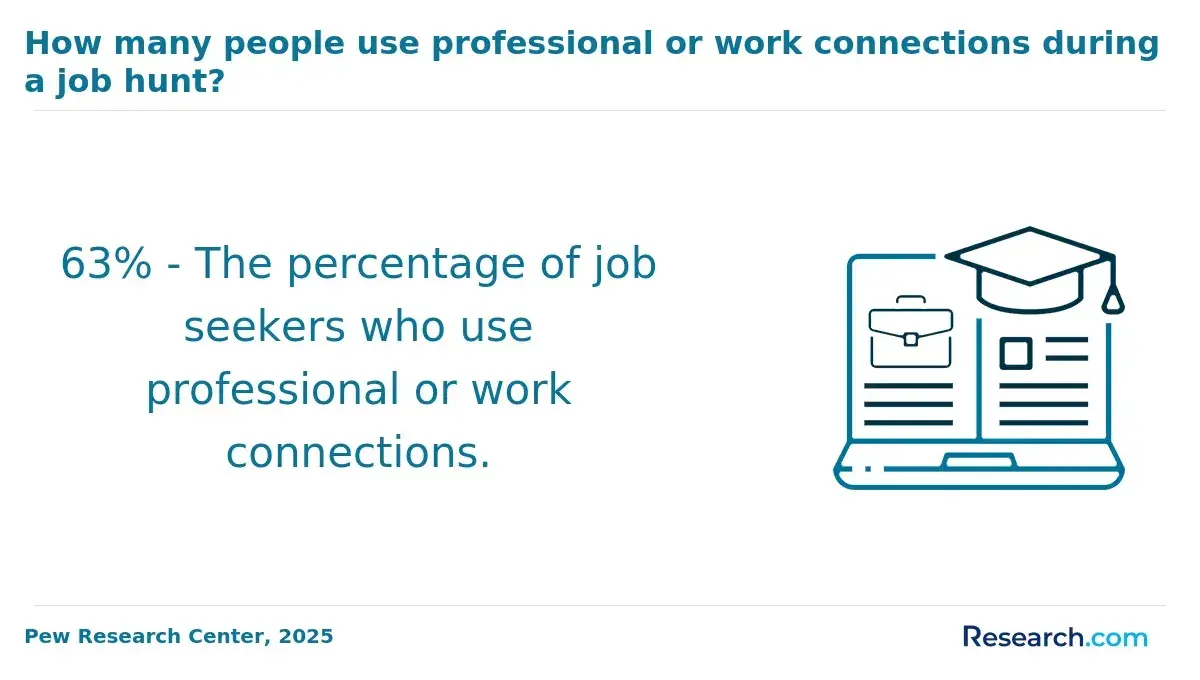
- Networking: Build relationships with supervisors, department leaders, other administrative professionals, and professional groups. Many strong administrative opportunities come through internal referrals and reputation.
- Mentorship: Learn from experienced administrative professionals and, as you gain experience, mentor junior staff. Teaching others can strengthen your leadership profile.
Common mistakes that slow advancement
- Staying limited to routine tasks without learning new software or business processes.
- Failing to document accomplishments and improvements.
- Being reliable but invisible; managers need to see your judgment, initiative, and results.
- Ignoring communication quality, especially in emails, meeting notes, and executive-facing messages.
To advance, think of yourself as an administrative problem-solver. Your goal is not only to complete assigned tasks but to make the office easier to run.
Where can you work as a secretary?
Secretaries work in nearly every sector because most organizations need scheduling, communication, records, and office coordination. The right workplace depends on your preferred pace, level of public interaction, interest in specialized procedures, and comfort with confidentiality.
If you are researching office support positions in Alabama or secretary jobs in Birmingham AL, you can find opportunities across both public and private employers. The same categories also apply broadly to many U.S. job markets.
- Corporate and professional services: Large companies and business offices need secretaries to support managers, departments, meetings, records, and communication. Major companies like Amazon, which reinstated 50,000 corporate workers to offices in 2025, can create demand for administrative support.
- Healthcare facilities: Hospitals, clinics, and medical centers need administrative professionals to help with scheduling, patient records, front desk communication, and department coordination. These roles often require strong confidentiality and accuracy.
- Government agencies: Federal, state, and local offices offer secretary roles that may provide stability, structured procedures, and public-service-oriented work.
- Educational institutions: Schools, colleges, and universities rely on secretaries to support administrators, faculty, students, families, records, and events.
- Financial services, technology, and law firms: These workplaces may require strong attention to detail, careful documentation, confidentiality, and comfort with compliance-sensitive work.
- Manufacturing, nonprofits, and real estate firms: These organizations also need office support for scheduling, communications, documentation, customer service, and operations.
How to choose a work setting
- Choose healthcare or law if you are comfortable with confidential records and specialized terminology.
- Choose education or government if you prefer structured environments and public-facing service.
- Choose corporate or professional services if you want exposure to executives, departments, projects, and business operations.
- Choose nonprofits if mission-driven work matters to you and you are comfortable handling varied responsibilities.
If you need flexible education options before applying, researching online colleges FAFSA can help you identify programs that may support your administrative career goals.
What challenges will you encounter as a secretary?
Secretary work can be stable and rewarding, but it is not always easy. The role often sits at the center of competing priorities, urgent requests, sensitive information, and changing technology. People who do well are organized, emotionally steady, and willing to keep learning.
- Managing a heavy workload: Secretaries may handle scheduling, communications, document preparation, filing, customer service, meeting support, and executive assistance in the same day. The challenge is staying accurate while priorities shift.
- Emotional resilience: You may be the first person clients, visitors, coworkers, or executives contact. That means handling frustration, confusion, urgency, and conflict while remaining professional.
- Adapting to technological advances: Automation can reduce some routine tasks, but it also raises expectations. Secretaries who understand digital tools, data management, cybersecurity basics, and project coordination can stay more competitive.
- Keeping up with regulatory changes: In healthcare, finance, law, education, and government, secretaries may need to follow strict rules for records, privacy, documentation, and communication.
- Standing out amid competition: Basic clerical ability may not be enough. Strong candidates combine software skills, writing ability, discretion, problem-solving, and polished interpersonal communication.
How to handle these challenges
- Use checklists, calendars, reminders, and file-naming systems to reduce preventable mistakes.
- Confirm priorities when multiple people make urgent requests at the same time.
- Protect confidential information by following employer policies and avoiding casual discussion of sensitive matters.
- Keep learning new office tools before you are required to use them.
- Ask for feedback on communication, accuracy, and workflow so you can improve before problems become patterns.
What tips do you need to know to excel as a secretary?
To excel as a secretary, focus on becoming the person who makes work easier for everyone else. That means staying organized, communicating clearly, anticipating needs, and protecting details that others may overlook.
- Build a reliable organization system: Use calendars, task lists, labels, folders, templates, and reminders. A system you use consistently is better than a complicated system you abandon.
- Prioritize instead of just reacting: Not every request has the same urgency. Learn which deadlines, meetings, documents, and stakeholders require immediate attention.
- Write clearly and professionally: Use concise subject lines, direct messages, correct names, accurate dates, and a respectful tone. Strong writing can quickly separate you from other applicants.
- Strengthen your technology skills: Go beyond basic word processing. Learn spreadsheets, shared calendars, databases, digital forms, file-sharing platforms, and common office devices.
- Earn relevant certifications: Credentials such as the Certified Administrative Professional (CAP) or Microsoft Office Specialist (MOS) can support credibility and career growth.
- Join professional networks: Groups such as the International Association of Administrative Professionals (IAAP) or American Society of Administrative Professionals (ASAP) can provide learning resources, networking, and career visibility.
- Practice discretion every day: Treat confidential information carefully, including personnel matters, financial records, client details, and executive communications.
- Document your wins: Keep a record of process improvements, events supported, systems organized, software learned, and responsibilities added. This helps with performance reviews and job applications.
The best secretaries are trusted because they are accurate, prepared, calm, and dependable. Technical skill matters, but professionalism is what turns a basic office role into a long-term career path.
How do you know if becoming a secretary is the right career choice for you?
Becoming a secretary may be a good fit if you like structured work, details, communication, and helping others stay organized. It may not be the best fit if you dislike interruptions, repetitive administrative tasks, or being the person others rely on for follow-through.
Signs this career may fit you
- You are organized and detail-oriented: You enjoy keeping calendars, files, records, and tasks in order.
- You communicate well: You can write clearly, speak professionally, listen carefully, and adjust your tone for different people.
- You like supporting teams: Secretaries often work behind the scenes, but their work affects managers, coworkers, clients, patients, students, or visitors.
- You can handle technology: You do not need to be a programmer, but you should be comfortable learning office software, digital communication tools, and record systems.
- You value stability: Many secretary roles offer predictable office environments, though pace and workload vary by industry.
- You can multitask without losing accuracy: The role often requires shifting between calls, emails, calendars, visitors, records, and urgent requests.
- You are discreet: If you can protect confidential information and avoid workplace gossip, you are better suited for the trust this role requires.
Questions to ask yourself
- Do I enjoy helping other people stay organized and prepared?
- Can I remain professional when people are stressed or impatient?
- Am I willing to keep improving my software and communication skills?
- Would I be comfortable handling confidential information?
- Do I want a role that can lead to executive assistant, office manager, legal secretary, or medical secretary positions?
If your answers point toward this career, building credentials can improve your chances of getting hired and advancing. Exploring well paying certifications can help you compare short credential options that may strengthen your resume.
What Professionals Who Work as a Secretary Say About Their Careers
- : "Pursuing a career as a secretary has provided me with remarkable job stability, especially in industries that value organizational skills and efficient communication. The salary potential is competitive, and with experience, I've seen consistent growth. It's reassuring to work in a role that remains essential across many sectors. — Ahmed"
- : "Working as a secretary brings unique challenges daily, from managing complex schedules to coordinating diverse teams. These experiences have sharpened my multitasking and problem-solving skills in ways I never expected. The dynamic nature of the role keeps me engaged and constantly learning. — Malik"
- : "I appreciate the opportunities for professional development that being a secretary offers. Through specialized training programs and on-the-job experience, I've advanced into leadership positions supporting executive teams, which has expanded my career path beyond traditional expectations. — Simon"
Other Things You Should Know About Becoming a Secretary
In 2027, qualifications for becoming a secretary typically include a high school diploma or equivalent. Proficiency in office software like Microsoft Office and communication skills are essential. Some employers may prefer candidates with postsecondary education or specialized training in business administration or related fields.
Yes, secretaries often use a range of office software to manage communications, schedules, and documents. Proficiency in word processing, spreadsheets, email clients, and calendar management tools is typically required. Familiarity with specialized software, such as database programs or industry-specific applications, can also be advantageous.
In 2027, experience as a secretary can lead to opportunities in office management, human resources, or executive assistance. Skills in organization, communication, and technology, especially familiarity with office software, are highly valued and transferable to various administrative roles.
References
- Secretary Training - Alcoholics Anonymous Cleveland https://www.aacle.org/for-members/secretary-training/
- 8 Top Tips & Advice on Becoming a Great Secretary https://www.orielpartners.co.uk/blog/tips-to-become-great-secretary
- Secretary Resume Skills | Examples & Tips https://www.jobscan.co/skills/secretary
- What is a Secretary? Explore the Secretary Career Path in 2025 https://www.tealhq.com/career-paths/secretary
- Internships/Fellowships - Careers https://careers.state.gov/interns-fellows/
- What it takes to be a successful secretary | Michael Page https://www.michaelpage.com.sg/advice/career-advice/career-progression/what-it-takes-be-successful-secretary
- 10 Duties of a Secretary - What Secretary Job Is? https://www.euromatech.com/articles/top-10-duties-of-a-secretary-that-everyone-must-know/
- Top Secretary Skills: For Developing Successful Career https://www.theknowledgeacademy.com/blog/secretary-skills/
- How to Become a Secretary: Career Path & Guide | Himalayas https://himalayas.app/career-guides/secretary
- Secretary Salary in Warsaw, Poland (2025) - SalaryExpert https://www.salaryexpert.com/salary/job/secretary/poland/warsaw


