
2027 How to Compare Dental Assistant Degree Programs Effectively

Co-Founder and Chief Data Scientist
Choosing the right dental assistant degree program can overwhelm many prospective students due to varying curricula, costs, and credentials offered. For example, one program may focus heavily on clinical experience, while another emphasizes administrative skills, complicating direct comparisons. According to the U. S. Bureau of Labor Statistics, employment for dental assistants is projected to grow 7% from 2022 to 2032, signaling increased demand but also heightened competition.
This article examines key factors such as program accreditation, clinical training opportunities, and costs to guide students in selecting programs that best fit their career goals and personal circumstances.
Key Benefits of Comparing Dental Assistant Degree Programs Effectively
- Verify program accreditation to ensure credibility and employer recognition; accredited programs often lead to higher certification pass rates and better job prospects.
- Assess curriculum alignment with career goals, focusing on specialization options and hands-on training that reflect evolving dental technologies and practices.
- Evaluate cost versus potential return on investment by comparing tuition fees, financial aid, and average starting salaries for graduates across programs.
What Types of Accreditation Should a Dental Assistant Degree Program Have?
Accreditation plays a vital role in helping prospective students compare the quality, credibility, and long-term value of dental assistant degree programs. Research indicates that graduates from accredited health programs are up to 30% more likely to find employment within six months, underscoring the advantage of attending an accredited institution.
Below are key types of accreditation to consider when evaluating dental assistant programs.
- Regional Accreditation: This accreditation applies to the entire institution and is granted by agencies like the Accrediting Commission of Community and Junior Colleges (ACCJC). It affects credit transferability, eligibility for financial aid, and the overall recognition of the institution, ensuring a solid educational foundation.
- Program-Specific Accreditation: Often provided by organizations such as the Commission on Dental Accreditation (CODA), this focuses on the quality of the dental assisting curriculum, clinical training, and faculty. Many employers and licensing boards require completion of a CODA-accredited program for certification or state licensure, making it essential for career progression.
- National Accreditation Standards: Following national accreditation standards for dental assistant programs ensures consistent quality and compliance with industry expectations. This can impact a student's eligibility for certification exams and employer trust when entering the workforce.
For students balancing work or career changes, choosing an accredited program often means access to flexible schedules and recognized credentials that support advancement. Additionally, prospective students interested in advanced healthcare fields might explore related programs, such as a pharmacy school, to understand how accreditation impacts various health degrees.
What Specializations Are Offered in Dental Assistant Degree Programs?
Specializations in dental assistant degree programs help prospective students compare options by matching academic focus with career goals. This alignment is critical, as specialties like orthodontic assisting are growing due to rising demand for cosmetic dental services, according to the U.S. Bureau of Labor Statistics. Understanding these specializations allows students to choose programs that prepare them for specific roles in dentistry.
Below are common specializations offered within dental assistant programs that reflect current industry trends and workforce needs.
- Orthodontic Assistance: Focuses on supporting orthodontists with braces, retainers, and other corrective appliances. Students develop specialized lab and patient care skills that open opportunities in clinics dedicated to orthodontics.
- Oral Surgery Assistance: Emphasizes surgical protocols, sterilization techniques, and patient monitoring during dental surgeries. This prepares graduates for work in oral surgery practices or hospital settings.
- Pediatric Dental Assistance: Trains students to work effectively with children by developing skills in child behavior management and pediatric procedures. This specialization aligns with career paths in pediatric dental offices.
Those exploring dental assistant program specialization options should also consider factors like financial aid availability and related healthcare credentials. For example, programs linked with medical billing and coding financial aid can provide broader support in managing healthcare documentation and coding alongside clinical skills.
How Can You Compare Courses Across Dental Assistant Degree Programs?
Comparing courses across dental assistant degree programs is essential for prospective students to evaluate program rigor, skill development, and alignment with career goals. Programs with hands-on clinical components see a 20% higher student completion rate, highlighting the impact of curriculum depth and practical training on successful outcomes. To make informed choices, consider these key strategies:
- Course Syllabi Review: Examine syllabi to understand the scope of topics covered and balance between theory and practice. This helps to determine if the curriculum matches your learning preferences and prepares you for certification.
- Accreditation and Clinical Hours: Prioritize accredited programs that require sufficient clinical experience to ensure skills are applicable in real-world dental settings.
- Instructor Qualifications: Experienced faculty can provide valuable practical insights and mentorship, enhancing the overall learning experience.
- Course Sequencing and Workload: Analyze how courses are structured and paced to assess if the intensity fits your schedule and learning style.
- Certification Alignment: Ensure courses align with state or national dental assistant certification standards to facilitate smoother licensure.
For students also researching other healthcare paths, it can be helpful to compare dental assistant programs to the easiest nursing programs to get into as a benchmark for admissions competitiveness and program accessibility in allied health fields. These strategies form a solid foundation on how to compare dental assistant degree programs effectively, helping you choose the best dental assistant course comparison criteria suited to your goals.
What Scheduling Options Are Available in Dental Assistant Degree Programs?
Flexible scheduling is essential for students balancing education with work, family, or other commitments when choosing dental assistant degree programs. Different scheduling models help accommodate various lifestyles and learning preferences. Below are common formats to consider:
- Daytime Classes: Typically held during standard school hours, these sessions are ideal for students who can attend in-person full-time. This format often provides a traditional learning environment with direct access to instructors and facilities.
- Evening and Weekend Sessions: Designed for working adults, these classes offer the opportunity to study outside of regular business hours. This flexibility allows students to maintain employment while progressing steadily through their program.
- Part-Time Enrollment: This option spreads coursework over a longer period by reducing weekly hours. It benefits those needing to balance school with other responsibilities, offering a less intensive pace without sacrificing curriculum quality.
- Online or Hybrid Formats: Combining virtual instruction with in-person clinical labs, these schedules enable multitasking and geographical flexibility. Students can manage coursework remotely while gaining necessary hands-on experience, making it easier to fit programs into busy lives.
Selecting a dental assistant degree program with scheduling that fits personal circumstances promotes consistency and helps reduce interruptions. These adaptable formats can improve student retention and chances of completing the program successfully.
What Are the Pros and Cons of Online vs Campus-Based Dental Assistant Degrees?
Choosing between online and campus-based dental assistant degree programs requires careful consideration of how the delivery format affects education quality and personal circumstances. Recent data shows that roughly 35% of undergraduates have engaged in distance learning, highlighting the popularity of online options. Below is a comparison of the two formats to help clarify their distinctive benefits and limitations.
Online Programs
- Scheduling Flexibility: Online courses allow students to study at their convenience, making it easier to balance work or family duties alongside education.
- Self-Paced Learning: Learners can access course materials anytime and progress based on individual speed, which supports diverse learning styles.
- Reduced Hands-On Experience: The virtual format limits practical training with real equipment, essential for clinical skill development.
- Limited Networking: Online students often miss out on in-person interactions that build professional connections and peer support.
Campus-Based Programs
- Hands-On Training: Direct use of dental tools and lab work improves practical skills and confidence in clinical settings.
- Stronger Interaction: Face-to-face access to instructors and classmates fosters immediate feedback and collaborative learning.
- Less Flexibility: Fixed schedules and commuting can be challenging for those with busy or unpredictable lifestyles.
- Structured Environment: The campus atmosphere provides routine and motivation that some students find essential for success.
When discussing these options with a graduate who completed an online dental assistant degree, he described thoroughly weighing his priorities: "I needed a program that fit my erratic work hours, so the online option seemed best, but I worried about missing the hands-on part." He also noted the challenge of carving out dedicated study time without the campus structure and how he compensated by scheduling video calls with peers and instructors.
"It wasn't easy adapting to learning mostly on my own, but having the ability to pause and revisit lessons helped me master tricky concepts." His experience highlights the importance of matching program format to one's learning style and life demands rather than assuming one mode is superior.
How Do GPA Requirements Vary Among Dental Assistant Degree Programs?
GPA requirements play a crucial role when comparing dental assistant degree programs, as they reflect how programs assess academic readiness. Below are key factors prospective students should consider regarding GPA expectations and their variability across programs.
- Range of Standards: Minimum GPA thresholds can differ widely; some programs require a firm baseline-often around 2.5 on a 4.0 scale-to ensure students have maintained consistent academic performance before admission.
- Flexible Admissions: Certain programs allow candidates with lower GPAs to be admitted if they demonstrate strengths elsewhere, such as relevant work experience, strong personal statements, or standardized test results, showing potential beyond grades alone.
- Holistic Review: Many programs adopt a broader evaluation approach, considering recent academic progress, recommendation letters, and extracurricular involvement alongside GPA to form a more comprehensive view of the applicant's capability and motivation.
- Strict Cutoffs: Conversely, some institutions maintain rigid GPA requirements due to competitive enrollment and accreditation rules, using GPA as a primary screening tool to manage applicant pools efficiently.
Knowing these distinctions helps applicants evaluate which dental assistant degree programs align with their academic background and personal circumstances, enabling informed decisions about suitable pathways in their education and careers.
How Can You Compare Tuition Across Dental Assistant Degree Programs?
Comparing tuition among dental assistant degree programs is vital for prospective students aiming to manage educational expenses effectively. With the average student debt for associate health profession degrees near $27,000, a careful assessment of costs helps avoid unexpected financial burdens. Consider these important factors when evaluating programs:
- Total Program Cost: Look beyond the per-credit-hour rate to include all expenses, such as mandatory fees, lab supplies, and registration charges that can significantly inflate the overall cost.
- Cost Per Credit: Compare the advertised price per credit hour while verifying what fees are included or separate, as this impacts the true cost of each credit.
- Additional Fees: Identify extra costs like equipment, uniforms, or background checks that some programs may require, which add to the final price tag.
- Financial Aid Options: Examine the availability of scholarships, grants, and federal aid that can reduce out-of-pocket expenses and influence affordability.
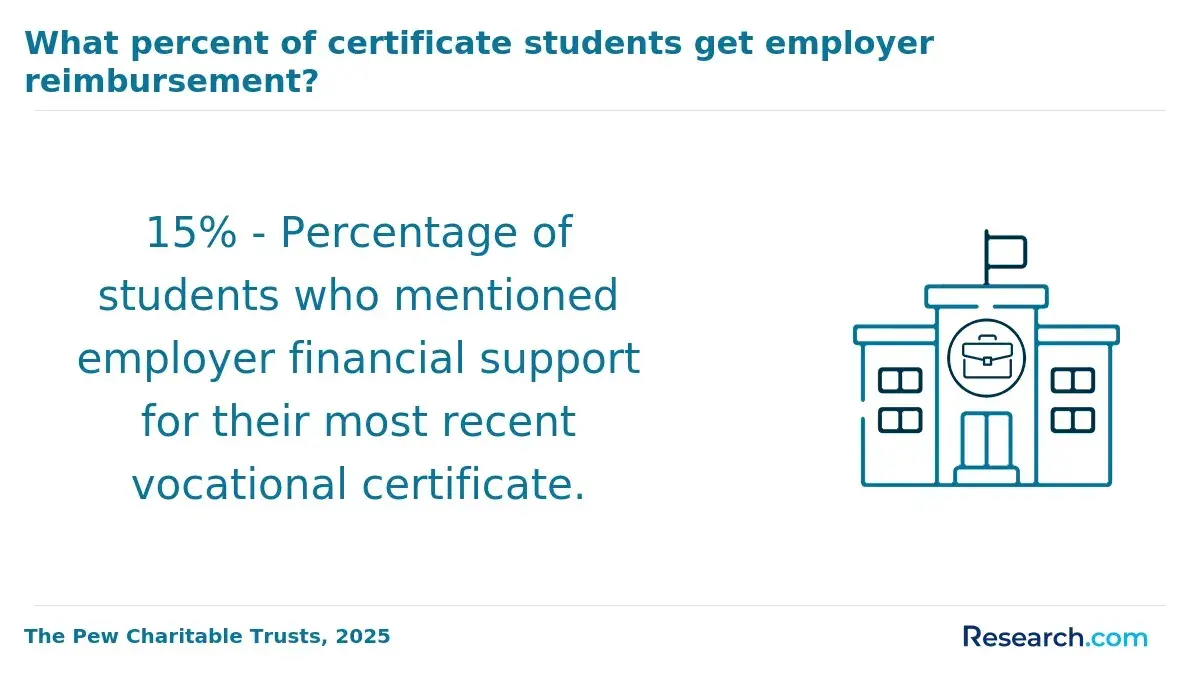
- Employer Tuition Benefits: Assess whether your current or potential employer offers tuition reimbursement or education benefits, which can provide valuable support.
- Long-Term Value: Consider how program quality, job placement rates, and potential salaries affect your return on investment, as higher upfront costs may lead to better career outcomes.
When I spoke with a graduate who recently completed a dental assistant degree, she reflected on how challenging it was to compare programs initially. "I remember being overwhelmed by different fees and deciding which costs were necessary versus optional," she said. "Requesting detailed tuition breakdowns from each school was crucial before committing.
It helped me see beyond sticker prices and focus on what I'd actually pay." She also noted feeling reassured once she factored in potential scholarships and employer benefits, which made a more expensive program manageable. "In the end, understanding all the components helped me choose a program that fit my budget and career goals better than just looking at per-credit costs."
Does a Dental Assistant Degree Meet Licensure Requirements?
Ensuring that a dental assistant degree aligns with licensure requirements is vital for students entering regulated fields or switching careers, as it directly impacts their ability to work legally and competitively. Approximately 22% of healthcare jobs require licensing or certification, underscoring the need to verify program alignment. Consider these key aspects when comparing options:
- Curriculum Alignment: Verify that the program's coursework matches standards set by certifying bodies like the Dental Assisting National Board (DANB), ensuring preparation for credentialing exams.
- Accreditation Status: Programs should hold accreditation from recognized organizations such as the Commission on Dental Accreditation (CODA) to guarantee educational quality and licensure eligibility.
- State Requirements: Since licensure rules vary, confirm that the program meets your state's specific licensure or registration criteria to avoid barriers after graduation.
- Supervised Clinical Experience: Check if the program includes structured clinical practice overseen by qualified professionals, as this experience is often mandatory for certification.
- Exam Eligibility: Ensure completion of the program qualifies you to sit for national or state licensure exams required to legally perform as a dental assistant.
Which Dental Assistant Programs Have the Best Career Placement Rates?
Career placement rates serve as a crucial indicator of how effectively dental assistant programs prepare students for the workforce. Programs with strong outcomes often boast graduate employment rates above 85% within six months of completion, highlighting successful career support.
Below are important factors prospective students should consider when evaluating these rates.
- Employer Partnerships: Programs with established connections to dental offices and clinics typically provide externships or field experiences that boost job prospects. These relationships often translate into internship opportunities and direct job offers, ensuring a seamless transition to employment.
- Internship Pipelines: A robust pipeline of internships indicates active collaboration between schools and local dental practices. This provides students with hands-on experience and networking advantages that can improve their chances in the competitive job market.
- Alumni Outcomes: Reviewing reports on alumni success offers insights into how former graduates fare in securing employment related to their training. Programs that maintain strong alumni networks often offer mentorship and job leads, further enhancing career placement rates by state.
- Program Support Services: Career services such as resume workshops, interview coaching, and job placement assistance play a vital role in helping students navigate the job search process. Transparency around these support mechanisms reflects a program's commitment to student success.
Prospective students in search of affordable pathways to healthcare careers may also consider options beyond dental assisting, such as the cheapest online healthcare administration degree. Comparing such alternatives alongside top dental assistant programs with highest job placement can help align education choices with long-term goals and budgets.
How Do Salaries Compare Across Dental Assistant Degree Program Graduates?
Post-graduation salary outcomes are an essential metric for prospective students evaluating dental assistant degree programs because they provide insight into potential return on investment. On average, dental assistant graduates earn between $36,000 and $48,000 annually.
Here are key factors affecting salary comparisons across dental assistant degree program graduates:
- Role Variation: Entry-level dental assistants usually start at the lower end of the salary range, while those with specialized certifications or advanced skills in orthodontics or oral surgery can earn significantly higher wages.
- Industry Influence: Dental assistants working in specialty practices typically command better pay compared to those in general dentistry due to the complex nature of procedures and demand for expertise.
- Geographic Location: Urban centers and states with a higher cost of living, such as California or New York, offer dental assistants salaries above the national average, whereas rural areas often provide lower compensation.
- Experience Level: Experience plays a crucial role in salary growth, with several years of practice often resulting in pay that approaches or exceeds the upper salary range.
Understanding average earnings for dental assistant program alumni by region helps students set realistic expectations, aligning their career aspirations with the local job market. For those comparing programs, investigating salary outcomes alongside other factors is as important as considering tuition and scheduling.
Prospective students interested in advancing can also explore related educational pathways such as the most affordable BSN to DNP programs online, highlighting a continuum of healthcare opportunities beyond dental assisting.
What Graduates Say About Comparing Dental Assistant Degree Programs Effectively
- Lindsey: "Before enrolling, I was caught between costly programs and uncertain career paths. The average cost of a dental assistant degree was much more affordable than I expected, which made the decision easier. Completing this program not only boosted my confidence but also opened doors to a stable and rewarding professional life. "
- Christine: "I spent a lot of time reflecting on my options, weighing the value against the cost. Given that many programs hover around a moderate price point, the dental assistant degree struck the right balance for me financially and practically. It has had a measurable impact, allowing me to grow within the dental field with clear career advancement opportunities. -"
- Devon: "Professionally, I needed a cost-effective way to enter the healthcare workforce quickly. The financial considerations were critical since I wanted to avoid excessive student debt. Finishing my dental assistant degree program accelerated my employment prospects and gave me specialized skills that employers respect. "
Other Things You Should Know About Dental Assistant Degrees
The student-to-instructor ratio is a key factor because it affects the amount of personalized instruction and feedback a student receives. Smaller ratios typically mean more one-on-one interaction, which can improve learning outcomes in skills-based programs like dental assisting. Evaluating this ratio can help determine the program's ability to support individual student progress.
Externship or internship placements provide essential real-world experience and networking opportunities with dental offices. Programs that offer strong externship connections can improve job readiness and employability after graduation. It is important to check the quality, location options, and support provided for these placements when comparing programs.
References
- Dental Assisting - Associate of Applied Science Degree https://southcentral.edu/award/aas3326
- Dental Assisting Specialties - Midwest Technical Institute https://www.midwesttech.edu/resources/dental-assisting-specialties/
- Salary Expectations for Dental Assistants Jobs https://www.diamondbraces.com/blogs/careers/salary-earning-potential-and-career-longevity-for-dental-assistants
- facebook https://www.dentalpost.net/dental-assistant/top-dental-assistant-schools/
- What to Consider in Choosing a Dental Assisting Program https://www.triangledentalassisting.com/single-post/2017/03/20/what-to-consider-in-choosing-a-dental-assisting-program
- Compare Online Dental Assistant Schools with Financial Aid https://www.edumed.org/online-schools/dental-assistant-programs/financial-aid/
- The complete guide to Certified Dental Assistant pay | DANB https://www.danb.org/news-blog/detail/certified-press/the-complete-guide-to-certified-dental-assistant-pay
- Your Guide to average gpa for dental school and admissions https://www.confetto.ai/articles/average-gpa-for-dental-school
- Dental Assistant Salary Guide: What Could You Earn? https://www.lincolntech.edu/news/health-sciences/dental-assistant/dental-assistant-salary-guide-what-could-you-earn
- Online VS Traditional Dental Assisting Schools Pros & Cons - GDAP https://gdap.net/online-vs-traditional-dental-assisting-schools-pros-cons/


