
2027 How to Verify Accreditation for Dental Assistant Degree Programs

Co-Founder and Chief Data Scientist
Choosing a dental assistant degree program without verifying its accreditation can lead to wasted time, money, and limited job prospects. Accreditation ensures programs meet industry standards and qualify graduates for licensing and financial aid. According to the U. S. Bureau of Labor Statistics, employment for dental assistants is projected to grow 11% through 2032, reflecting rising demand.
However, this growth mainly benefits those graduating from accredited programs recognized by employers and licensing boards. This article explains how to confirm accreditation status to safeguard educational investment and support career advancement in dental assisting.
Key Benefits of Accredited Dental Assistant Degree Programs
- Accreditation ensures academic quality by meeting standards set by recognized bodies, promoting consistent, comprehensive dental assistant training aligned with industry requirements.
- Only accredited programs qualify students for federal financial aid, enabling access to grants, loans, and scholarships critical for funding education.
- Employers and licensure boards generally require graduation from accredited dental assistant programs, enhancing graduates' job prospects and professional credibility.
What Does Accreditation Mean for Dental Assistant Degree Programs?
Accreditation in higher education serves as a formal validation by authoritative bodies to ensure that dental assistant degree programs meet established criteria in curriculum, faculty expertise, facilities, and student outcomes. For students evaluating these programs, this recognition confirms academic credibility and consistent educational standards.
The Commission on Dental Accreditation (CODA) is the primary accrediting body for dental assistant programs, overseeing quality assurance across institutions. Over 90% of students enrolled in dental assisting programs attend accredited schools, highlighting the widespread importance of accredited dental assistant programs in maintaining industry standards.
Choosing an accredited program has practical benefits that directly affect the quality of education. Such programs have undergone thorough evaluations to confirm they provide relevant skills and up-to-date knowledge aligned with professional requirements. Students can expect qualified instructors, adequate learning resources, and comprehensive curricula designed to prepare them effectively for careers in dental assisting.
Those exploring further options in healthcare education might also consider DNP programs online as a pathway to advanced practice. Overall, accreditation supports a student's training experience by ensuring high-quality and reliable instruction.
What Types of Accreditation Should a Dental Assistant Degree Program Have?
Knowing the different accreditation types held by a dental assistant degree program is essential to assess its legitimacy, academic quality, and eligibility for financial aid. The following points explain key accreditation categories and their impact on student outcomes.
- Institutional Accreditation: This type evaluates the entire college or university, ensuring overall academic standards and federal financial aid eligibility. Programs with proper institutional accreditation make credit transfer and degree recognition smoother across education systems.
- Programmatic or Specialized Accreditation: Focused specifically on dental assistant programs, this accreditation assesses curriculum relevance, clinical training quality, and graduate readiness. It is vital for acceptance by employers, professional boards, and recognized accrediting agencies for dental assistant programs.
- Regional vs. National Accreditation: Regional accreditation is generally regarded as more prestigious and offers better opportunities for credit transfer. National accreditation typically applies to career-oriented or technical schools, which may affect student prospects differently.
- Accreditation for Licensure: Programs must meet standards set by dental or healthcare licensing authorities to qualify graduates for certification exams. Graduating from an accredited program ensures eligibility for necessary exams that influence employment and career advancement.
For students exploring allied health pathways, reviewing accreditations along with options like DNP programs can provide a clearer picture of professional readiness and educational quality.
How Can You Verify If a Dental Assistant Degree Program Is Accredited?
Confirming accreditation is essential to ensure a dental assistant degree program maintains high quality, qualifies for federal financial aid, and supports your future licensure or certification. Proper verification safeguards your educational investment and career prospects.
Use the following approaches to verify accreditation effectively:
- U.S. Department of Education Database: Search this official federal resource to find accredited schools and programs. It lists recognized accreditors, allowing you to confirm the institutional credentials reliably when researching recognized accrediting agencies for dental assistant programs.
- Council for Higher Education Accreditation (CHEA): Review CHEA's accepted accrediting bodies to validate the legitimacy of a program's accreditor. Ensuring the accreditor's recognition helps affirm the program's standing within the industry.
- Direct School Confirmation: Contact the school's admissions or registrar's office for official documentation of the program's accreditation. This direct approach provides clarity on the accrediting organization and the current status of the dental assistant degree program.
- Programmatic Accreditation: Some dental assistant programs have specialized accreditation focused on dental education quality. Check official program materials or accreditor websites to verify if such process-based credentials are in place.
- Alternative Certification Options: For related fields like medical billing and coding, consider exploring affordable medical billing and coding certification programs which also require accreditation verification to ensure credibility.
What Red Flags Indicate a Dental Assistant Program May Not Be Accredited?
Spotting warning signs in a dental assistant degree program is vital to safeguard academic quality, qualify for financial aid, and ensure strong career prospects. Several indicators can help identify programs that may lack proper accreditation.
- Claims of "Lifetime" Accreditation: Genuine accreditation involves regular evaluations to maintain standards. Programs advertising lifetime accreditation often bypass these crucial updates, which can suggest they are unaccredited or misleading students about their legitimacy.
- Missing Recognized Accreditation: Accreditation should come from agencies approved by the U.S. Department of Education or the Council for Higher Education Accreditation (CHEA). If a program lacks acknowledgment from these trusted bodies, it may offer inadequate education and limited professional recognition.
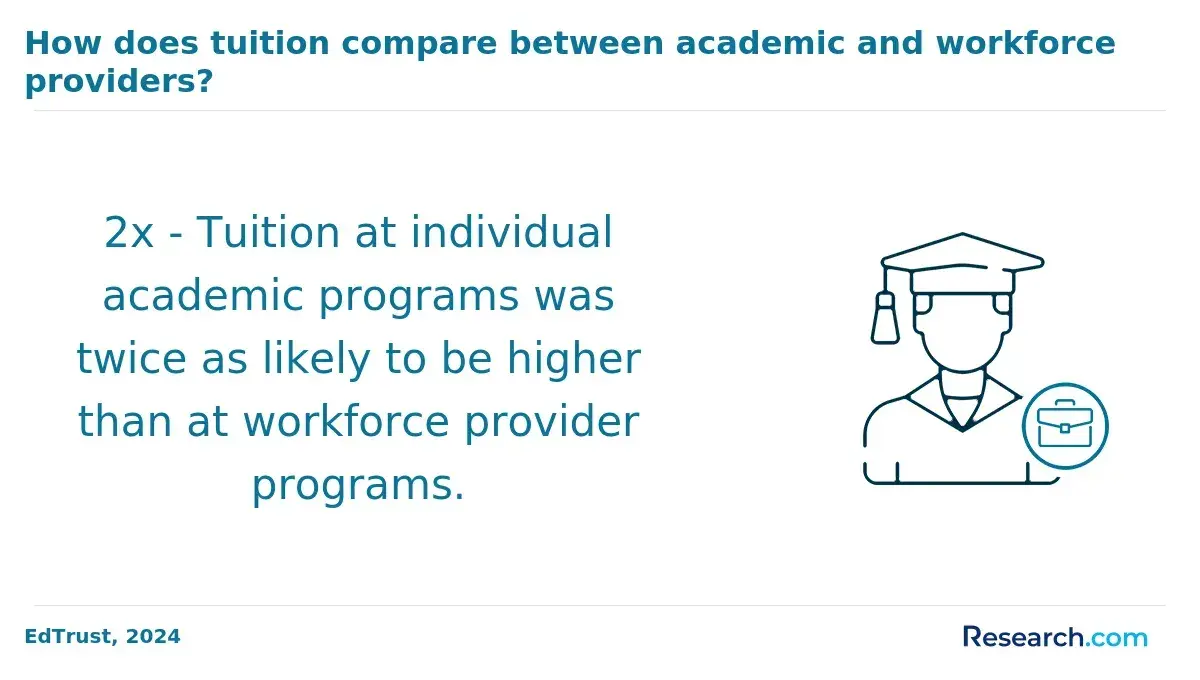
- Suspiciously Low Tuition: While affordable tuition is appealing, rates far below comparable programs might indicate insufficient resources or compromised educational quality. Such offers warrant careful scrutiny to avoid investing in a substandard program.
- Misleading Program Information: Promises of guaranteed certification or licensure without clear proof of meeting state or accrediting requirements should raise concerns. Transparent details about coursework, clinical experience, and licensing pathways are essential to determine a program's validity.
Are Online Dental Assistant Degree Programs Accredited?
Online dental assistant degree programs can indeed receive accreditation, which is essential for ensuring educational quality, eligibility for federal financial aid, and acceptance by employers and licensing authorities. Accreditation confirms that these programs adhere to the same high standards as traditional campus-based offerings, including rigorous oversight of instructional methods, curriculum outcomes, and institutional operations.
Notably, the National Center for Education Statistics reports that nearly 37% of postsecondary students in the U.S. participate in distance education, underscoring the growing relevance of accredited online options. Checking whether an accrediting organization is recognized by the U.S. Department of Education or the Council for Higher Education Accreditation is crucial for confirming a program's legitimacy and value.
When I spoke with a graduate of an online dental assistant degree program about their experience, they shared how initially skeptical they were about online accreditation but found the process surprisingly thorough. "It wasn't just about watching videos," they explained, recalling the detailed assessments and real-world clinical requirements that mirrored traditional programs.
They described feeling reassured once they confirmed the program's accredited status, especially knowing that their diploma would be recognized by potential employers and local licensing boards. Navigating the paperwork for financial aid also became easier with that accreditation, turning what started as uncertainty into confidence about their professional future.
Does Accreditation Affect Licensure Eligibility for Dental Assistant Careers?
Accreditation significantly influences licensure prospects for students aiming to become dental assistants, as many licensing authorities mandate graduation from accredited programs. This connection affects exam eligibility and professional acceptance in the field. Below are key aspects illustrating how accreditation impacts licensure and career opportunities.
- Licensure Exam Eligibility: Accreditation is often a prerequisite for taking credentialing exams administered by recognized certifying bodies. Graduates of accredited programs are typically authorized to sit for these exams, which are essential for obtaining legal permission to work in many jurisdictions.
- Licensing Board Standards: State and regional boards rely on program accreditation to confirm the rigor and validity of an applicant's education. This ensures candidates meet consistent training quality benchmarks before earning licensure.
- Employer and Regulatory Recognition: Credentials from accredited institutions are widely accepted by employers and insurance providers, adding credibility and enhancing job prospects compared to those from non-accredited programs.
- Career and Professional Limitations: Without accreditation, students may be barred from certification exams and licensure, reducing employment opportunities and professional growth. Additionally, financial aid eligibility may be restricted, creating further barriers to completing a quality education.
Students should thoroughly confirm the accreditation status of dental assistant programs to secure future eligibility for licensure and professional advancement within the industry.
Will Credits From an Accredited Dental Assistant Program Transfer to Another School?
For students considering transferring schools, pursuing advanced degrees, or relocating, knowing whether credits from an accredited dental assistant program will transfer can greatly affect their academic progress and financial investment. Several important considerations determine how smoothly those credits move between institutions.
- Accreditation Type: Regional accreditation is generally more widely recognized than national or specialized accreditation, which means credits earned under regionally accredited programs are more likely to be accepted by other schools.
- Course Equivalency: The receiving institution compares the content, rigor, and credit hours of completed courses to its own curriculum. Only courses closely matching the school's standards are typically accepted for transfer.
- Transfer Policies: Each school enforces its own rules on accepting transfer credits, including which accreditations and courses qualify. Some institutions may require official transcripts and detailed course descriptions as part of the evaluation.
- Credit Limits: Many schools place a cap on the number or percentage of credits that may be transferred, limiting how much prior coursework contributes toward a new degree program.
When I asked a graduate of a dental assistant degree program about her experience, she reflected on the complexity of the process. "I had hoped that all my credits would seamlessly transfer, but it turned into a case-by-case review," she explained. "Some courses were accepted easily, but others required additional documentation or simply didn't fit the new school's requirements."
Despite the challenges, she valued the opportunity to continue her education without starting over completely and emphasized the importance of researching transfer policies early on to set realistic expectations.
Does a Dental Assistant Program Need Accreditation to Qualify for Financial Aid?
Accreditation plays a crucial role in determining eligibility for federal, state, and institutional financial aid, with about 85% of students relying on federal support. Understanding how accreditation impacts these aid options can help students manage their education expenses effectively.
- Federal Student Aid: Only students enrolled in accredited programs qualify for federal Title IV aid, including grants, loans, and work-study. Without accreditation, federal financial assistance is generally unavailable, increasing the financial burden.
- State and Military Benefits: Many states require enrollment in accredited programs to access scholarships, tuition reimbursement, and military education benefits like the GI Bill. Accreditation ensures eligibility for these valuable funding sources.
- Institutional Scholarships: Colleges and external organizations often prioritize accredited programs when awarding scholarships and grants. Lack of accreditation can limit access to these funds, potentially raising out-of-pocket costs.
- Long-Term Value: Accreditation not only affects immediate aid but also supports academic credibility and career prospects, which can influence overall financial planning and return on investment.
How Does Program Accreditation Influence Employability in Dental Assistant Fields?
Accreditation is a critical factor for students considering dental assistant degree programs, as it directly impacts career prospects and job market credibility. Studies show that 82% of employers prefer hiring graduates from accredited programs, highlighting the strong influence accreditation has on employment outcomes.
Below are key ways accreditation improves employability in the dental assistant field.
- Employer Recognition: Accredited programs are trusted by dental practices because they meet established industry quality standards. This recognition leads to higher job placement rates, as employers favor candidates who completed accredited dental assistant programs when selecting new hires.
- Professional Credibility: Graduates from accredited programs carry greater professional credibility, signaling to employers that they possess the necessary knowledge and skills. This credibility supports career advancement by differentiating candidates in a competitive job market.
- Certification and Licensure Eligibility: Many states require graduation from an accredited program to qualify for certifications such as the Certified Dental Assistant (CDA). This eligibility opens doors to advanced certifications and licensure, broadening employment opportunities and potential salary growth.
- Financial Aid and Feasibility: Accreditation often affects eligibility for federal financial aid, making it more feasible for students to complete their training. Access to financial aid can indirectly improve long-term career outcomes by enabling students to focus on education without excessive financial strain.
Choosing an accredited program can also align with pursuing affordable accredited healthcare administration degrees, providing additional pathways and credentials within the healthcare industry.
Do Graduates From Accredited Dental Assistant Programs Earn Higher Salaries?
Accreditation influences earnings potential for dental assistant graduates by ensuring program quality and employer trust. The average salary for accredited dental assistant graduates is about $19.50 per hour, compared to roughly $15.50 per hour for those from non-accredited programs. Several key factors contribute to this salary impact of accredited dental assistant programs.
- Employer Preference: Many employers favor candidates from accredited programs because accreditation confirms education meets established standards. This preference often results in better starting salaries and more job opportunities.
- Higher-Level Positions: Graduates from accredited programs are more likely to qualify for expanded functions or specialized clinical roles that offer increased pay. This opens pathways to advanced career opportunities within the dental field.
- Industry Recognition: Accreditation enhances credibility and recognition in the dental industry. This can strengthen a graduate's position during salary negotiations and support long-term career growth.
- Career Advancement: Completing an accredited program often allows eligibility for certifications and licenses required by various states. These credentials improve job stability and directly affect earning potential over time.
Prospective dental assistant students looking to maximize their education's value and salary potential might also explore related healthcare pathways, such as the cheapest BSN to DNP programs, to further advance their qualifications and opportunities.
What Graduates Say About Their Accredited Dental Assistant Degree
- Cyril: "Learning about the importance of accreditation completely changed my approach to choosing a dental assistant degree. I took the time to research each program thoroughly, checking with accrediting bodies to confirm their status before enrolling. Completing an accredited program has opened doors for me professionally, giving me confidence that my education meets industry standards."
- Perry: "I remember feeling quite uncertain at first and unsure how to verify the accreditation of the dental assistant program I was interested in. By contacting the official accreditation agency and reviewing their published lists, I was able to confirm my program's legitimacy. Reflecting now on my career, I see how finishing an accredited program gave me a competitive edge and genuine trust from employers."
- Kent: "From a professional standpoint, understanding the significance of accreditation was critical before committing to a dental assistant degree. I followed a methodical process, consulting recognized accreditation organizations and cross-checking their online databases. The completion of an accredited program has been pivotal in fostering my credibility and expanding my career opportunities within the dental field. "
Other Things You Should Know About Dental Assistant Degrees
In 2027, the Commission on Dental Accreditation (CODA) plays a vital role in ensuring that Dental Assistant programs meet established standards for education quality. CODA evaluates programs to ensure they provide comprehensive training and curriculum, thus enabling graduates to meet professional and state regulatory requirements effectively.
To verify accreditation in 2027, check if the program is accredited by the Commission on Dental Accreditation (CODA). Visit ADA.org to access CODA’s list of accredited programs. Contact CODA directly for additional confirmation if needed. Below are the formatted responses for selected questions:
Most accredited dental assistant programs require a high school diploma or GED as a minimum prerequisite. Some programs may also require certain health screenings, immunizations, or background checks before enrollment. Understanding these prerequisites early can help prospective students prepare adequately for admission.
The Commission on Dental Accreditation (CODA) plays a vital role in ensuring the quality and standards of Dental Assistant programs. In 2027, CODA evaluates and accredits programs to ensure they meet specific educational standards and provide proper training, ensuring graduates are well-prepared for their roles in the dental field.
References
- What You Need to Know About Dental Assistant School Financial Aid | Westchester Medical and Dental Assistant Training https://wsmda.edu/know-about-dental-assistant-school-financial-aid/
- Online Dental Assistant Programs: Compare Schools & Get Info https://www.edumed.org/online-schools/dental-assistant-programs/
- Benefits of Being a Certified Dental Assistant? — https://www.nysmda.com/ https://www.nysmda.com/dental-news/benefits-of-being-a-certified-dental-assistant
- CODA Program Finder https://www.ada.org/education/coda-program-finder
- Online Dental Assistant Certificate Program | Self-Paced Course https://www.uscareerinstitute.edu/online-dental-assistant-school
- Advantages of a Dental Assistant Program https://www.carrollcc.edu/articles/advantages-of-a-dental-assistant-program/
- Top Dental Assistant Programs Worth Considering | Blog https://gdap.net/launch-your-career-top-dental-assistant-programs-worth-considering/
- Dental Assistant Credentials: DANB Certification and Expanded Functions | OnChainCert Blog https://onchaincert.org/blog/dental-assistant-credentials-blockchain/
- Find a Program | Commission on Dental Accreditation https://coda.ada.org/find-a-program
- Online Dental Assistant Program | Stepful https://www.stepful.com/dental-assistant


