
2027 Part-Time vs. Full-Time Dental Assistant Degree Programs

Co-Founder and Chief Data Scientist
Students often face challenges deciding between part-time and full-time dental assistant degree programs, especially when juggling work, finances, and academic ambitions. Nearly 40% of dental assistant students opt for part-time studies to maintain employment, reflecting growing demand for flexible learning schedules that accommodate varied personal commitments.
This article will clarify key differences between part-time and full-time dental assistant programs, helping prospective students assess workload, duration, and financial implications. Understanding these factors is essential for selecting the study format that best aligns with individual goals and lifestyle needs.
Key Benefits of Part-Time vs. Full-Time Dental Assistant Degree Programs
- Part-time programs enable students to balance employment with study, supporting steady academic progress while maintaining income and reducing reliance on student loans.
- Flexible scheduling in part-time formats allows for career development opportunities, like internships or part-time dental office roles, enhancing practical experience during study.
- Spreading coursework over a longer period improves work-life balance, helping students manage family commitments without compromising educational quality or prolonging unemployment.
How Are Part-Time Dental Assistant Programs Structured Compared to Full-Time Programs?
Choosing between part-time vs full-time dental assistant programs structure can significantly influence a student's learning pace and overall academic experience. Differences in scheduling and delivery formats largely determine how students balance coursework with other life responsibilities.
Part-Time Program
- Weekly Commitment: Typically requires 15 to 20 hours per week, allowing students to balance study with work or family obligations.
- Scheduling Flexibility: Offers evening, weekend, or hybrid classes combining online and in-person sessions to accommodate varied schedules.
- Course Load: Focuses on fewer courses each term, enabling deeper engagement without academic overload.
- Clinical Hours: Flexible clinical scheduling helps students complete practical requirements steadily while managing other commitments.
Full-Time Program
- Weekly Commitment: Requires 30 to 40 hours per week, demanding significant daily time dedication.
- Scheduling: Follows a traditional daytime schedule, generally Monday through Friday, suited for students who can attend full days.
- Course Load: Includes multiple subjects simultaneously to accelerate program completion.
- Delivery Format: Primarily in-person classes with less emphasis on online or flexible options compared to part-time formats.
For students interested in accelerated or flexible paths, exploring the best 6 month associate degree online may offer additional insights into timing and format choices aligned with career goals.
How Long Does It Take to Earn a Part-Time vs Full-Time Dental Assistant Degree?
Understanding the typical time to complete dental assistant degree programs helps students plan their academic and career timelines effectively. Program duration varies significantly based on whether students enroll full-time or part-time, as well as factors like course load and program structure.
- Full-Time: Most diploma or certificate programs require about 9 to 12 months of full-time study, typically involving classes five days a week and clinical hours that accelerate graduation. Some accelerated full-time programs can reduce this to around six months but demand a more intense schedule.
- Part-Time: Part-time dental assistant programs usually span 12 to 24 months, designed to accommodate work or family commitments with evening or weekend classes. Duration depends on credits taken each term and availability of transfer credits from prior education.
For students seeking flexible learning options, exploring the best college courses for older adults online may also provide valuable insights, especially for older learners.
Are Admission Requirements Different for Part-Time vs Full-Time Dental Assistant Programs?
Generally, the core admission criteria share many similarities, but there are distinct nuances influenced by the study format and target student profile. These include:
- GPA Expectations: Both part-time and full-time dental assistant program entry requirements commonly include a minimum high school GPA ranging from 2.0 to 2.5. Full-time tracks may demand slightly higher GPAs to accommodate the intensity and pace of the curriculum.
- Prerequisite Coursework: Basic science prerequisites such as biology, chemistry, and English are required across formats. However, part-time programs often provide more flexibility, allowing students to complete prerequisites concurrently or over an extended timeline.
- Professional Experience: Full-time programs occasionally request prior volunteer or limited professional experience in dental settings to ensure readiness for immersive training. In contrast, part-time admission criteria are generally more accommodating for working adults entering the field without extensive background experience.
- Standardized Tests: Scores from standardized exams are rarely mandated by either program type. When required, they are dictated by broader institutional policies rather than specific dental assistant program demands.
- Supporting Documents: Both formats typically require letters of recommendation, personal statements, and sometimes interviews. Part-time applicants may include statements that explain their time commitments and motivation for balancing work alongside education.
For prospective students pondering career advancement, investigating options aligned with the highest earning master's degrees in related fields may provide additional perspective on long-term opportunities.
How Do Tuition Fees Differ for Part-Time vs Full-Time Dental Assistant Programs?
Tuition fees for part-time and full-time dental assistant programs differ mainly due to enrollment intensity and program length, which affects how costs are distributed. While cost per credit usually stays the same, the total amount paid and timing of payments vary, influencing budgeting choices for students.
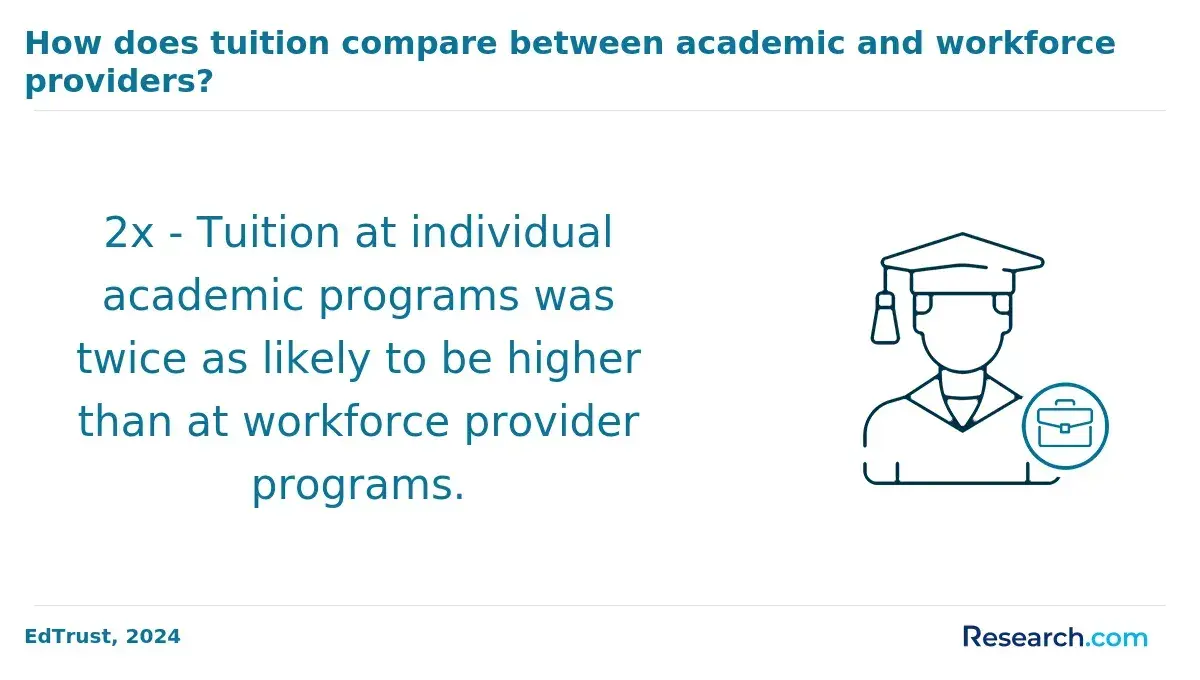
- Per-credit tuition rates: Both part-time and full-time students often pay similar rates per credit, as schools typically set a fixed price for coursework regardless of the study pace.
- Overall program cost: Full-time students tend to pay their tuition in larger, concentrated installments enabling faster completion, whereas part-time learners spread tuition payments over a longer period, potentially increasing cumulative expenses.
- Additional fees: Costs like lab supplies and certification exams usually remain consistent and are not reduced for part-time students, which can add to the overall financial burden over time.
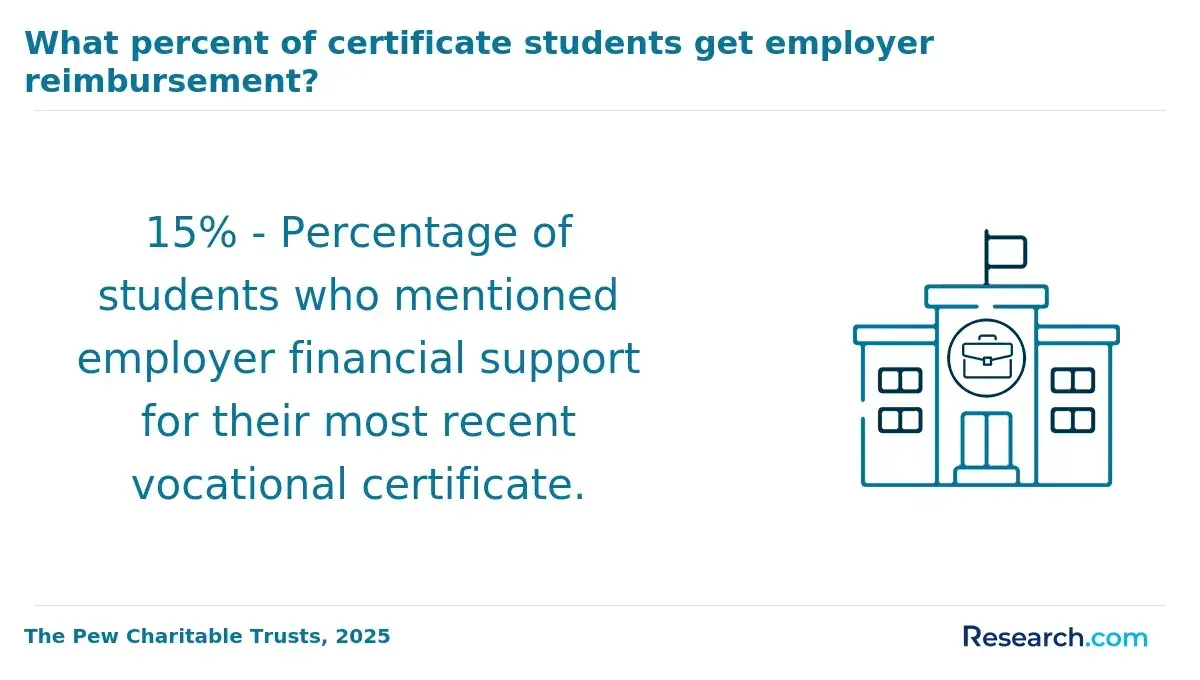
- Financial aid and assistance: Full-time enrollees generally qualify for more substantial scholarships, grants, and federal loans, while part-time students often face limited aid options but may access employer tuition assistance or flexible payment plans.
- Impact of enrollment intensity: Accelerated completion through full-time study means earlier entry into the workforce but requires upfront affordability; part-time study eases semester costs but may extend total financial obligations.
A graduate of a part-time dental assistant degree program shared her perspective: she found managing the extended timeline financially and emotionally challenging at first.
"Paying smaller amounts over a few years helped me balance work and school," she said, "but unexpected fees like lab kits sometimes caught me off guard." She appreciated the flexibility to maintain her job but noted that the drawn-out payments demanded steady budgeting.
Reflecting on her journey, she emphasized how crucial it was to plan for both tuition and incidental costs, as these shaped her experience just as much as the classes themselves.
Which Dental Assistant Degree Program Format Offers More Online or Hybrid Course Options?
Part-time dental assistant degree programs provide significantly more online and hybrid course options than full-time formats. This is largely due to their design, which caters to working adults seeking schedule flexibility. Below is a summary of how each format typically handles course delivery:
- Program Design: Part-time programs often incorporate virtual learning and spread clinical hours over extended periods, allowing students to balance work and study. Full-time programs prioritize on-campus instruction with intensive, structured clinical experiences for quicker completion.
- Institutional Policies: Community colleges and technical schools frequently offer part-time programs with hybrid models, while universities usually focus on traditional, face-to-face learning environments for full-time students.
- Student Demographics: Part-time formats primarily attract adult learners and working professionals needing flexibility. Full-time formats mainly serve recent high school graduates seeking immersive campus experiences.
- Course Availability: Approximately 65% of part-time learners engage in some form of online coursework, contrasting with around 30% of full-time students who have limited online options.
Can Dental Assistant Students Switch Between Part-Time and Full-Time Enrollment?
Students enrolled in dental assistant programs can usually switch between part-time and full-time status, though policies differ by school. Most institutions permit this but require adherence to specific guidelines, often involving approval from an academic advisor or program coordinator.
These policies help ensure students are prepared for the academic demands of their chosen enrollment status. Before making a change, students should weigh factors such as how the switch might affect their financial aid eligibility and tuition costs, as well as the availability of required courses in the different enrollment formats.
Institutions commonly expect students to maintain good academic standing to qualify for an enrollment change. Switching may also influence the length of time needed to graduate, particularly if reducing course loads. Students often need formal approval from advisors, helping them understand how the switch fits their academic goals.
Additionally, the availability of prerequisite or core courses in varying formats can impact a student's ability to stay on track. Financial aid packages might be adjusted, sometimes reducing benefits for part-time enrollment.
When asked about switching enrollment formats, a graduate who transitioned from part-time to full-time reflected on the experience as both challenging and rewarding.
He explained, "Initially, part-time felt manageable while working, but it stretched the program longer than I expected." Gaining approval to shift to full-time required detailed discussions with advisors and reassessing personal commitments.
"The full-time schedule was intense, but I progressed faster and built stronger connections with instructors and peers," he added. The transition brought initial stress but ultimately accelerated his career readiness and confidence.
How Do Online, Hybrid, and Campus Dental Assistant Program Delivery Formats Affect Part-time vs. full-time learning?
Delivery format significantly shapes a student's learning experience in dental assistant programs, with flexibility differing notably between part-time and full-time study. Choosing between online, hybrid, or campus options can influence how students balance schedules, workload, accessibility, and support.
- Scheduling Flexibility: Online dental assistant programs offer the greatest flexibility, making them ideal for part-time learners balancing work or family. Full-time students benefit less from this flexibility but can adjust study periods. Hybrid formats mix scheduled campus labs with online coursework, suiting those needing some in-person interaction while retaining flexibility, whereas traditional campus programs require fixed schedules, better for full-time students who can dedicate consistent on-site hours.
- Workload Management: Online and hybrid programs let part-time students manage workloads incrementally, reducing stress and supporting skill retention. Full-time campus programs demand intensive, continuous study, which speeds program completion but may overwhelm those with outside obligations. The American Dental Assistants Association (ADAA) notes part-time students often take 1.5 to 2 times longer to graduate but report less burnout.
- Accessibility and Resources: Online formats enhance access for students in remote locations or with mobility challenges, a notable advantage for part-time learners. Campus students typically have better real-time access to physical labs and faculty. Hybrid models offer a resource balance but may pose commuting challenges, especially for part-time learners managing travel or childcare.
- Learning Pace and Support: Full-time students usually finish dental assistant programs within 12 to 18 months, while part-time learners may take over two years. Online programs with asynchronous content enable self-paced study but can limit immediate instructor feedback. Campus programs provide quicker feedback and live interaction but with less flexibility. Hybrid formats offer scheduled labs paired with flexible online theory to partially bridge this gap.
For those seeking accredited online colleges non profit options, plenty of programs associated with dentistry are being offered. Check the curricula and offerings to see which ones agree with your goals and preferences.
Do Employers Prefer Full-Time Dental Assistant Degrees Over Part-Time Degrees?
Employers do not show a strict preference for full-time dental assistant degrees over part-time degrees; rather, they assess candidates based on several important factors.
Full-time programs are often viewed as more rigorous due to their intensive and accelerated nature, typically allowing students to complete training within 9 to 12 months. This pace can demonstrate sustained commitment and quicker workforce entry.
Conversely, part-time programs, usually spanning 18 to 24 months, highlight a student's time management and adaptability, traits that are valuable to employers. Professional experience, especially gained through hands-on clinical opportunities, also plays a critical role in hiring decisions, often outweighing the format of study.
Industry-specific employer preferences vary, but many prioritize candidates from accredited programs irrespective of whether the degree is full-time or part-time. The growing demand for dental assistants, expected to rise 11% through 2032 according to the Bureau of Labor Statistics (2022), underscores the value of competence over program length.
Part-time dental assistant degrees can effectively showcase career readiness and professionalism, making them a competitive option in the job market.
Meanwhile, for those balancing work and education, exploring options like a cheap online bachelor's degree might complement their career growth and training choices.
Is a Part-Time or Full-Time Dental Assistant Degree More Worth It for ROI?
Return on investment (ROI) plays a crucial role when deciding between part-time and full-time dental assistant degree programs, as it weighs costs, duration, and income potential. Full-time programs generally require higher upfront tuition but finish in under a year, minimizing lost wages by getting students into the workforce faster.
According to the Bureau of Labor Statistics, dental assistants earn a median annual wage near $45,000, with growth linked to experience and certification.
Part-time options extend over 18 to 24 months, allowing students to work alongside their studies, which eases immediate financial pressures. However, this longer timeline delays entering full salary potential and may increase overall tuition.
Both formats typically offer similar salary and career advancement once certified, but full-time graduates benefit from an earlier start on earnings, enhancing long-term financial outcomes.
Here are some more key facts:
- Total Cost and Duration: Full-time programs usually have a lower overall expense and complete faster, reducing cumulative costs.
- Opportunity Cost: Part-time study enables continued income during education but delays full earning capacity.
- Salary Potential: Both part-time and full-time graduates attain comparable wages after certification.
- Career Advancement: Opportunities for growth are alike regardless of study format.
How Do You Decide Between a Part-Time and Full-Time Dental Assistant Degree Program?
Selecting the appropriate format for a dental assistant degree is essential to align your educational goals with career ambitions and life responsibilities. The choice between part-time and full-time study affects how quickly you can complete your program and manage other obligations.
- Time availability: Full-time programs demand a more intensive schedule, often finishing in 9 to 12 months. Part-time options stretch from 18 months up to two years, suited to those who need a flexible routine.
- Financial resources: Committing to full-time might require pausing work, reducing income temporarily. Part-time study allows you to continue working, easing financial pressure while studying.
- Career goals: If your priority is rapid certification and swift entry into the workforce, full-time study accelerates this process. Part-time suits individuals focusing on steady progress without rushing.
- Learning style: Some students benefit from a focused, immersive environment found in full-time programs. Others prefer a paced, incremental approach that part-time schedules provide.
- Program duration and flexibility: Full-time offers a quicker, structured path, while part-time prioritizes adaptability, supporting work-life balance and other commitments.
What Graduates Say About Their Part-Time vs. Full-Time Dental Assistant Degree
- Jonathan: "Taking the full-time dental assistant program was an intense but rewarding experience. The hands-on training really prepared me for the fast pace of a dental office, and I was able to find a job quickly after graduating. Considering the average cost was reasonable compared to other healthcare programs, I found it to be a great investment in my future. "
- Antoni: "Pursuing the part-time dental assistant degree allowed me to balance work and study, which was crucial for me. Although it took longer to complete, the cost was manageable, and I appreciated the flexibility it offered. This program opened up new career opportunities that I hadn't considered before, and I feel confident in my skills now. "
- Bobby: "The full-time dental assistant course challenged me academically and personally, especially with the commitment required. The tuition was an important factor in my decision, and I found that investing in this program paid off when I secured a role that aligned perfectly with my career goals. Reflecting on the experience, it's clear this was a professional step worth taking. "
Other Things You Should Know About Dental Assistant Degrees
In 2027, to enroll in a full-time dental assistant program, candidates typically need a high school diploma or GED. Some programs may require prerequisite courses in biology or chemistry. Check specific program requirements as they vary by institution.
Yes, part-time dental assistant students in 2027 generally have access to the same clinical training experiences as their full-time counterparts. However, the scheduling may differ, with part-time students potentially completing their hands-on experiences over a longer period compared to full-time students who may progress more quickly.
References
- Frequently Asked Questions - Del Mar College https://delmar.edu/degrees/dental-assisting/frequently-asked-questions.html
- Online vs Hybrid vs Campus Learning in Healthcare: Which Is Right for You? https://www.edumed.org/articles/online-vs-hybrid-vs-campus/
- Dental | Healthcare Programs https://healthcare.seattlecentral.edu/programs/dental
- Dental Assistant Degree | Degree vs Certificate In 2024 https://www.onlinedegree.com/article/dental-assistant-degree/
- How Much Does Dental Assistant School Cost? | Climb Credit https://climbcredit.com/resources/healthcare/how-much-does-dental-assistant-school-cost/
- Where Should I Go for Dental Assistant Training? - High Desert Medical College https://hdmc.edu/where-should-i-go-for-dental-assistant-training/
- Dental Assistant Program | 40-Week Training – WCC https://wcc.ca/programs/health-care/dental-assistant-program/
- Is Dental Assisting School Worth It In 2024? - Pacific Northwest Dental Assisting School https://www.schoolofdentalassisting-vancouver.com/is-dental-assisting-school-worth-it-in-2024/
- Basic Dental Assisting (Part-time evening) | TCAT Pulaski https://tcatpulaski.edu/programs/basic-dental-assisting-part-time-evening
- Explore the Benefits of a Flexible Dental Assisting Career https://www.dentalcareerschoolkyle.com/dental-assisting-career-flexibility-and-growth/


