
2027 Return on Investment (ROI) of a Dental Assistant Degree Program

Co-Founder and Chief Data Scientist
Many prospective students hesitate to invest in a dental assistant degree without clear evidence of financial benefit. The challenge lies in balancing tuition costs and time commitment against future earnings and job stability. According to the U.S. Bureau of Labor Statistics, employment of dental assistants is projected to grow 8% through 2032, faster than the average for all occupations.
This growth suggests expanding opportunities in the field. This article analyzes the return on investment (ROI) of dental assistant degree programs, examining costs, career prospects, and salary expectations to guide readers in making informed educational and career decisions.
Key Things to Know About Dental Assistant Degree ROI
- Dental assistant degree holders report an average annual salary increase of 12% within five years, reflecting steady long-term salary growth aligned with expanding healthcare demands.
- Career advancement opportunities are prominent, with graduates qualifying for supervisory roles and specialized certifications that enhance job stability and professional diversification.
- The degree offers flexibility across dental offices, hospitals, and public health sectors, supporting consistent employment even amid healthcare industry fluctuations.
How Is ROI Calculated for a Dental Assistant Degree Program?
Return on investment (ROI) in higher education measures the financial value a student gains from completing a degree compared to the costs and time invested. For prospective students evaluating return on investment for dental assistant training, understanding these factors helps compare the degree's value relative to its expenses and duration.
Several key considerations play a role when calculating dental assistant degree program ROI:
- Tuition and Fees: Direct educational costs such as tuition, lab fees, and materials form the upfront investment required for the program. These costs vary between institutions and affect the total amount spent before entering the workforce.
- Opportunity Cost: This includes the income foregone while attending the program instead of working full-time. Shorter or accelerated programs reduce opportunity costs by enabling faster job entry, which is a crucial aspect when calculating dental assistant degree program ROI.
- Time to Completion: The duration of the program impacts both tuition paid and lost wages. Certificates or associate degrees that finish quickly can improve ROI by helping students enter the workforce sooner.
- Post-Graduation Salary: Expected earnings after completion drive the financial benefits of the program. Starting salaries in dental assisting and job growth potential strongly influence long-term returns.
- Career Advancement: Opportunities to increase skills and wages through certifications or experience enhance ongoing ROI, contributing to sustained financial growth over time.
Students may also consider exploring accelerated DNP programs for advanced healthcare training paths that complement dental care careers.
How Much Does a Dental Assistant Degree Program Cost?
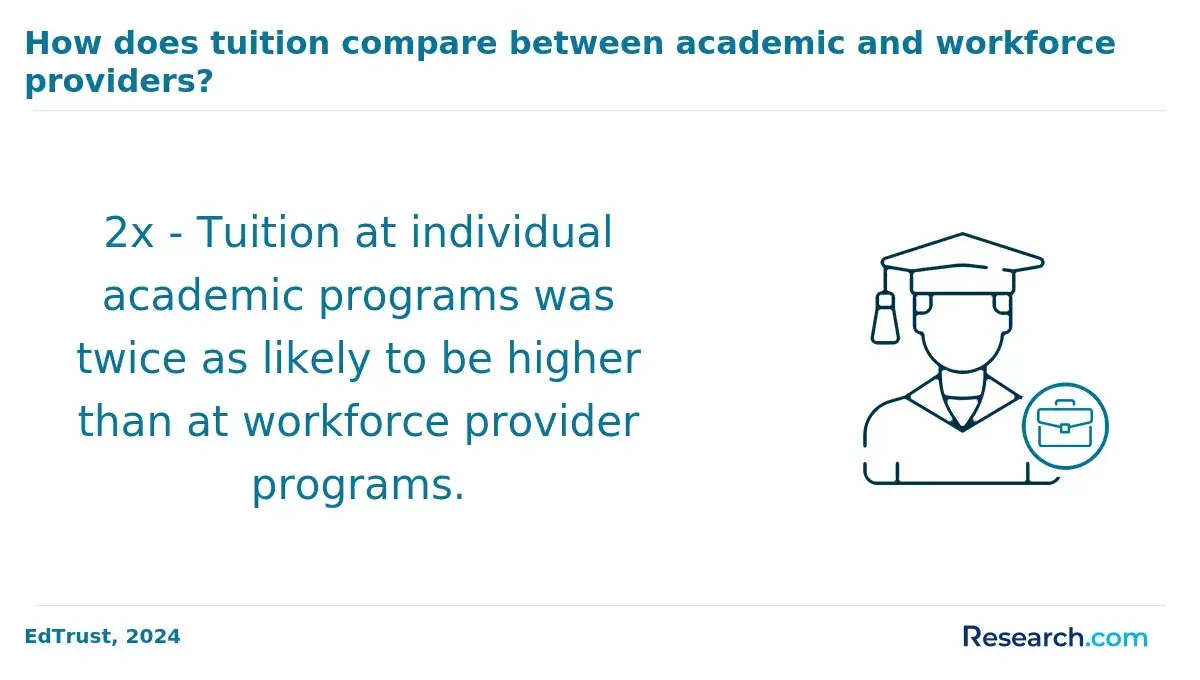
Knowing the full expenses of a dental assistant degree program is vital for accurately assessing its return on investment, especially as average undergraduate tuition and fees have risen approximately 3% to 5% annually in recent years. Costs extend beyond tuition and must be carefully evaluated to determine whether the career payoff justifies the upfront investment.
Several main factors influence total program costs and affect ROI considerations:
- Tuition and fees: This is typically the biggest expense, varying widely based on the program's duration and type of institution, generally falling between $5,000 and $20,000.
- Books and materials: Required textbooks, scrubs, and dental instruments can add from several hundred up to a few thousand dollars, depending on the program's requirements.
- Living or relocation expenses: For students attending in-person classes, housing and daily living costs contribute significantly to the overall financial commitment.
- Opportunity cost: Many candidates face lost income because they reduce work hours or leave jobs to focus on their studies, impacting the net financial outcome.
- Hidden or indirect costs: Additional fees such as transportation, licensing exams, and certification preparation must also be factored in to get the full picture of program expenses.
A graduate I spoke with described the process as "a challenging balancing act," explaining that "finding affordable housing near campus was tougher than expected, and budgeting for materials added unexpected strain."
He noted that "although the tuition was manageable, giving up part-time work during classes was one of the hardest sacrifices." His experience highlights how carefully weighing both direct and indirect expenses can clarify whether the program's cost aligns with personal financial and career goals.
What Financial Aid Is Available for Dental Assistant Degree Programs?
Financial aid can substantially reduce the initial expenses of a dental assistant program, leading to a stronger return on investment by lowering the need for costly borrowing. Recent statistics indicate that around 70% of graduates utilize some form of financial aid, with federal loans still the predominant choice, although scholarships are becoming increasingly accessible.
Several financial aid options play a key role in managing education costs and enhancing career ROI:
- Scholarships: Awarded based on merit or financial need, scholarships offer free funding that does not require repayment, decreasing overall education expenses and improving long-term financial outcomes.
- Grants: Usually provided by federal or state agencies, grants do not have to be repaid and often target students demonstrating financial necessity, reducing reliance on loans and lowering post-graduation debt.
- Federal loans: These loans must be repaid with interest but typically feature lower rates and flexible payment plans compared to private loans, making them a manageable option for covering costs.
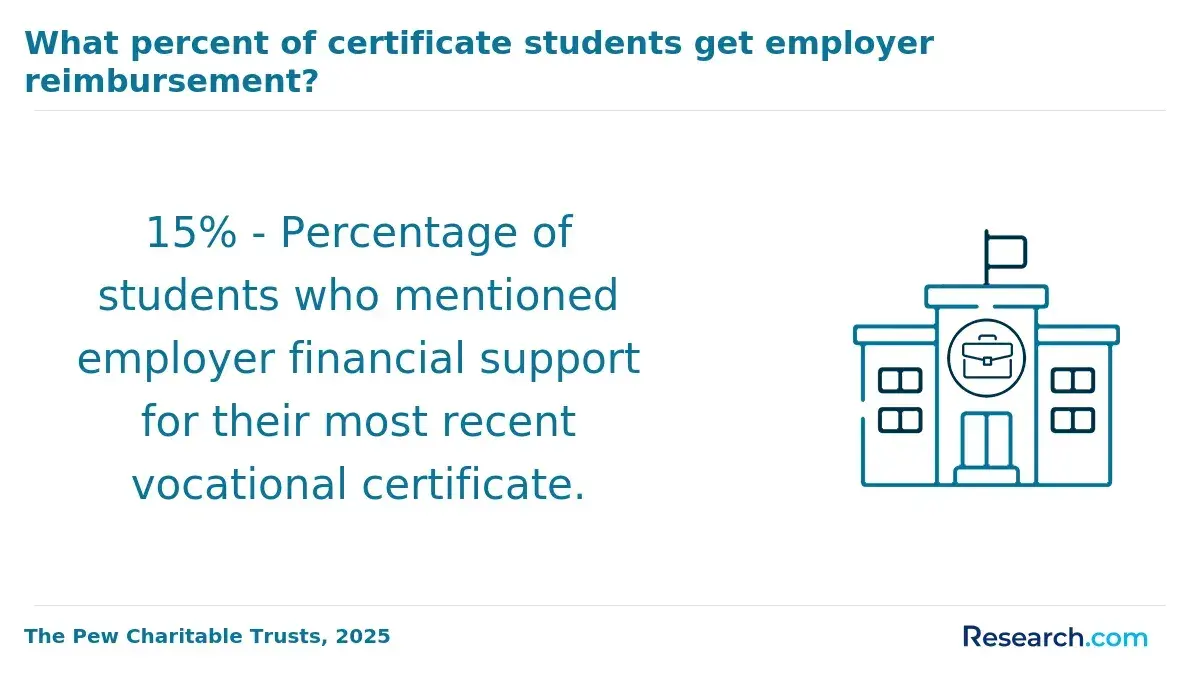
- Employer tuition assistance: Some employers in the healthcare sector provide programs to reimburse tuition fees, which can significantly lessen out-of-pocket expenses and boost financial returns.
- Fellowships or work-study programs: These opportunities offer stipends or wages during training, helping offset living costs and decreasing the amount students need to borrow.
How Long Does It Take to Complete a Dental Assistant Degree?
The length of time required to finish a dental assistant degree plays a crucial role in determining its return on investment (ROI) by impacting opportunity costs, enabling earlier entry into the workforce, and affecting overall expenses. Faster program completion typically means reduced tuition and living costs along with quicker income generation.
Several factors shape how long it takes to earn this credential and, consequently, influence its financial benefits. These include:
- Enrollment status: Full-time students often complete their studies more rapidly than part-time learners, which can boost ROI by shortening the period without income.
- Program format: Accelerated or online options may cut down on calendar time while providing flexibility, particularly helpful for those balancing employment.
- Transfer credits: Prior relevant coursework can be applied to reduce the required class load and overall duration.
- Practical requirements: Hands-on experiences such as internships or clinical practicums might extend the timeline but contribute to skill development and job readiness.
- Scheduling flexibility: Offering night or weekend classes can help accommodate work schedules, even if it lengthens the program slightly.
I spoke with a dental assistant degree graduate who described her journey as a balancing act. She shared, "I chose a program with evening classes since I had a full-time job. It took a bit longer to finish, but being able to work while studying eased the financial pressure."
She noted that although the extended timeline initially felt challenging, the practical clinical experience gained through her program helped build confidence and made job hunting easier after graduation. "It was tough managing everything, but having that real-world exposure was invaluable.
I feel like it prepared me far better than if I'd rushed straight through." Her story highlights how personal circumstances and program structure intertwine, affecting how long completion takes and shaping the ultimate value of the degree.
Is ROI Higher for Online or On-Campus Dental Assistant Programs?
Delivery format influences the return on investment (ROI) for dental assistant programs through differences in cost, flexibility, and career support. With over 40% of higher education students enrolled in at least one online course in 2023, many seek the cost-effectiveness of dental assistant degrees by learning format.
These factors shape students' financial and professional outcomes.
Key considerations include:
- Tuition and fees: Online programs generally feature lower tuition and fees, although technology charges may apply. This often results in reduced upfront costs compared to on-campus programs.
- Opportunity cost: Online students typically maintain employment while studying, minimizing lost wages and enhancing ROI by balancing income with education.
- Time to completion: Both formats largely require similar durations, but some online options offer accelerated paths, enabling faster entry into the workforce.
- Networking and career services: On-campus students benefit from face-to-face career support and stronger peer connections, which can be valuable for job placement and professional growth.
- Employer perception and earning potential: Although some employers have traditionally favored on-campus graduates, this gap is closing as the quality of online education improves, with potential impacts on long-term earnings.
Prospective students can explore specialized programs such as a medical coding school to complement their dental assistant skills and maximize career options.
What Is the Average Salary After Earning a Dental Assistant Degree?
Post-graduation salary is a crucial factor in evaluating the return on investment (ROI) of earning a dental assistant degree, as it directly affects how quickly graduates can recoup educational expenses and achieve financial stability. Typical earnings for dental assistant degree holders in the U.S. range between $36,000 and $48,000 annually, though this varies based on several key factors.
Below are important influences on average dental assistant salary after graduation and their impact on ROI:
- Industry: Dental assistants working in specialized practices or surgical dental centers often command higher salaries compared to those in general dental offices, improving financial returns.
- Geographic location: Salary levels differ widely by state and metropolitan area, with urban regions generally offering higher pay reflecting the local cost of living and demand.
- Prior experience: Individuals with healthcare or dental-related work experience before earning their degree tend to start at higher salary points, which enhances overall ROI.
- Specialization: Additional skills or certifications, such as in radiology or orthodontics, typically expand job opportunities and increase earnings potential.
- Career level: Entry-level dental assistants earn less initially, while seasoned professionals or those in supervisory roles often see significant salary growth over time.
Prospective students should carefully assess these factors in relation to their career goals and consider alternative pathways, such as pursuing a healthcare administration online degree, to optimize long-term career and financial prospects.
Does a Dental Assistant Degree Lead to Promotions?
Promotions contribute significantly to the return on investment (ROI) of earning a dental assistant degree by providing salary increases, expanded responsibilities, and greater career mobility. Such advances broaden long-term financial benefits and improve job satisfaction within oral healthcare settings.
A notable workforce trend emphasizes credential-based promotions as employers increasingly require formal education to ensure quality patient care and compliance with industry standards.
The impact of a dental assistant degree on promotion opportunities and ROI can be summarized as follows:
- Credential requirements: Many advanced roles, such as lead assistant or specialty support positions, specifically require formal credentials. Holding a dental assistant degree demonstrates both technical skills and a commitment to professionalism, making candidates more competitive for these opportunities.
- Leadership preparation: Degree programs often include foundational leadership training, preparing graduates to take on supervisory roles. This training increases eligibility for positions that involve managing teams or specialized tasks.
- Tuition reimbursement eligibility: Employers may offer tuition assistance programs for employees pursuing relevant certifications. Earning a degree can thus reduce education costs and improve the overall ROI of career advancement.
- Promotion policies alignment: Many dental offices and clinics emphasize internal promotion policies that favor candidates with both relevant experience and formal education, enhancing prospects for dental assistant career advancement opportunities.
- Experience and education balance: While experience remains valued, combining it with a dental assistant certification often results in stronger consideration for promotions and higher wages within healthcare teams.
For individuals pursuing career growth in healthcare, exploring affordable accredited healthcare administration degrees can also complement dental assistant expertise and expand leadership potential in the field.
Which Industries Offer the Best ROI for Dental Assistant Graduates?
Return on investment (ROI) for dental assistant graduates varies significantly across industries due to differences in salary levels, career advancement opportunities, and demand for specialized skills. These factors affect which sectors provide the best financial returns and career progression.
Below are some of the highest ROI industries for dental assistant graduates.
Industries offering strong ROI typically combine competitive compensation with stability and opportunities for skill development:
- General dentistry practices: These provide steady job availability and well-defined skill requirements, leading to consistent compensation and moderate room for advancement over time.
- Orthodontics: This specialty demands advanced technical skills, resulting in higher wages and strong demand for dental assistants trained in orthodontic procedures, enhancing long-term earning potential.
- Oral surgery centers: Assistants in this setting support complex procedures, benefiting from higher pay scales and the chance to build specialized expertise that can boost career prospects.
- Pediatric dentistry: Focusing on child dental care generates steady demand and career stability, especially for dental assistants skilled in managing young patients and related procedures.
- Dental laboratories and corporate dental offices: These environments often offer structured career paths and competitive salaries driven by organizational scale and efficiency, appealing to those pursuing higher ROI in the profession.
Those evaluating the best career sectors for dental assistant ROI should consider how specialization and industry growth impact long-term job security and rewards. Exploring educational pathways aligned with these industries is beneficial, and for those looking at related health programs, options like cheapest BSN programs can provide additional advancement opportunities.
Does Accreditation Affect ROI for a Dental Assistant Degree?
Accreditation indicates that a dental assistant degree program has undergone rigorous evaluation by a recognized agency to ensure it meets defined educational standards. This validation confirms that the curriculum equips students with essential skills and knowledge valued by the dental industry. Increasingly, employers favor graduates from accredited programs because this endorsement signals consistent, high-quality training.
Furthermore, accreditation often determines whether graduates qualify for state licensure or certification, which is a critical requirement for practicing legally and enhancing job prospects.
Accredited programs can significantly impact the long-term return on investment by fostering employer confidence in candidate qualifications and improving access to financial resources such as federal aid, which helps offset educational expenses. Additionally, completing an accredited curriculum facilitates the transfer of credits to other schools or advanced training programs, supporting continued education and upward mobility within the dental field.
Accreditation also plays a crucial role in maintaining licensure eligibility and broadening career opportunities, factors that contribute to sustained earning potential and professional growth over time.
Is a Dental Assistant Degree Worth It?
The return on investment for a dental assistant degree depends largely on program expenses, duration, and expected income after finishing. Most programs can be completed within a year, allowing graduates to enter the job market quickly compared to longer degree paths. The median annual wage for dental assistants is about $45,000, with employment opportunities expected to grow faster than the average for many other professions.
Career growth potential and additional certifications can also enhance long-term earnings and job stability.
A dental assistant degree may be a worthwhile investment when the demand for dental services is strong and the program costs are manageable, particularly if financial aid is available. Whether a program is online or in-person can influence overall expenses and access to resources.
Local job markets and individual career ambitions play significant roles in determining the degree's value. Prospective students should weigh these factors carefully, as ROI varies depending on personal goals and regional employment conditions.
What Graduates Say About The ROI of Their Dental Assistant Degree
- Denise: "Choosing to pursue a dental assistant degree in a traditional setting was one of the best investments I've made. While the average cost hovered around $10,000, the hands-on experience and direct access to instructors made every penny worth it. Since graduating, I've seen my career accelerate faster than I anticipated, landing a stable position with excellent benefits."
- Isabel: "I opted for an online dental assistant program mainly for the flexibility, and it was surprisingly affordable compared to in-person options, averaging closer to $7,000. The cost was definitely justified by the convenience and the solid foundation it provided. Completing the program opened doors to multiple job opportunities, proving the long-term ROI was well worth it."
- Andrea: " Balancing work and study meant choosing a part-time dental assistant program, which stretched the cost over a longer period-totaling around $8,500. Reflecting on the journey, I believe the investment was smart since it gave me the skills to confidently enter the workforce. The degree has significantly boosted my professionalism and earning potential over time."
Other Things You Should Know About Dental Assistant Degrees
Yes, in 2027, regional differences affect the ROI of a dental assistant degree. Areas with a higher demand for dental services or a higher cost of living may offer higher salaries, thus improving ROI, compared to regions with lower demand and lower salaries.
Continuing education can enhance job prospects and salary potential, thereby improving ROI over time. Certifications in specialized skills like orthodontic assistance or sedation monitoring can make candidates more competitive and open doors to higher-paying roles. However, the additional cost and time commitment should be weighed against the potential salary increases.
Practical experience is valuable and can sometimes lead to employment without a formal degree, but many employers prefer or require accredited dental assistant programs. Holding a degree often provides a clearer pathway to certification and advancement opportunities, which positively impacts long-term earnings and ROI. Therefore, while experience is important, the degree generally enhances career and financial growth prospects.
References
- Dental Assistant Career Pathways https://healthcarecareercollege.edu/dental-assistant/dental-assistant-career/dental-assistant-career-pathways/
- 8 Reasons to Become a Dental Assistant https://academy4da.com/8-reasons-dental-assistant/
- Career Paths After Dental Assisting: Where Can You Go Next? https://archdentalassistant.com/blog/dental-assisting/career-paths-after-dental-assisting_-where-can-you-go-next_/
- Dental Assistant Scholarships - PDS Health Foundation https://www.pdsfoundation.org/programs/scholarships/
- Why NYSMDA Is the Most Cost-Efficient Dental Assistant Program in New York City: A Deep Dive Into Smart Career Investment — https://www.nysmda.com/ https://www.nysmda.com/dental-news/why-nysmda-is-the-most-cost-efficient-dental-assistant-program-in-new-york-city-a-deep-dive-into-smart-career-investment
- Duration of Dental Assistant Programs Explained https://www.centuracollege.edu/blogs/student-development/dental-assistant-program-duration/
- Classroom vs Online Dental Assisting Programs https://dentalcareernow.com/articles/classroom-vs-online-dental-assisting-programs
- Certified Dental Assistant > Fees and costs https://www.ufv.ca/certified-dental-assistant/fees-and-costs/
- âExploring the ROI of Educating the Next Generation of Logan Dental Professionals https://logandentalassistant.com/blog/dental-assisting/exploring-the-roi-of-educating-the-next-generation-of-logan-dental-professionals/
- What You Need to Know About Dental Assistant School Financial Aid | Westchester Medical and Dental Assistant Training https://wsmda.edu/know-about-dental-assistant-school-financial-aid/


