
2027 How to Compare Early Childhood Education Degree Programs Effectively

Co-Founder and Chief Data Scientist
Choosing the right early childhood education degree program can be overwhelming given the variety of curricula, practicum opportunities, and accreditation standards. For example, some programs heavily emphasize child development theory, while others prioritize hands-on teaching experiences or administrative skills. This disparity affects graduates' readiness and employment prospects.
According to the Bureau of Labor Statistics, employment of preschool teachers is projected to grow 2% through 2032, highlighting the increasing demand for qualified educators. This article explores key factors to consider when comparing programs, aiming to help prospective students align their choice with career goals, budget, and scheduling needs.
Key Benefits of Comparing Early Childhood Education Degree Programs Effectively
- Verify program accreditation through recognized bodies to ensure credibility and eligibility for licensure, since 85% of employers prioritize graduates from accredited programs.
- Examine curriculum alignment with your career goals, focusing on specialization options like special needs or bilingual education reflecting workforce demand trends.
- Consider total cost and flexibility; programs offering online or part-time options support working students, while ROI varies by regional salary averages in early childhood education roles.
What types of accreditation should an early childhood education degree program have?
Accreditation is vital for comparing early childhood education degree programs, as it validates quality, credibility, and long-term value. Studies by the U.S. Department of Education show that graduates of accredited institutions enjoy higher employment rates and enhanced employer recognition. When evaluating options, it's important to understand the key types of accreditation that impact program quality and career readiness.
- Regional Accreditation: This is the most widely recognized early childhood education program accreditation standard in the U.S. It applies to the entire institution and confirms broad academic quality. Regional accreditation affects credit transferability between schools and eligibility for federal financial aid, which is essential for students who may pursue further education or need financial support.
- Programmatic Accreditation: Granted by specialized agencies such as the Council for the Accreditation of Educator Preparation (CAEP) or the National Association for the Education of Young Children (NAEYC), this accreditation focuses on the rigor and relevance of the early childhood education curriculum. It ensures that students are well-prepared for licensure and respected by employers in the field.
Both regionally recognized early childhood education accreditations are critical to ensuring program comparability, meeting licensure requirements, and accessing career advancement.
For professionals balancing work and study, choosing accredited programs guarantees time and financial investment are well spent. Prospective students may also explore online SLP master's programs that meet similar standards of accreditation.
What specializations are offered in early childhood education degree programs?
Specializations in early childhood education degree programs provide students with tailored academic paths that align with specific career goals and workforce needs. According to the U.S. Bureau of Labor Statistics, occupations in specialized childhood education areas are expected to grow by 8% through 2031, highlighting the increasing demand for focused expertise in this field.
Below are common specializations that help students compare programs based on their interests and professional ambitions.
- Special Education: Focuses on teaching children with disabilities, equipping students with skills in adaptive learning techniques and the creation of individualized education plans. This specialization prepares graduates to support diverse learners in various educational settings.
- Curriculum Development: Emphasizes designing age-appropriate educational programs, instructional strategies, and assessment methods. Graduates often pursue roles in developing or refining early learning curricula to enhance student outcomes.
- Early Childhood Administration: Prepares students for leadership and management positions in educational organizations by fostering skills in policy development, organizational management, and strategic planning.
- Family and Community Engagement: Concentrates on building strong partnerships between schools, families, and community resources. This specialization develops communication skills and strategies that support children's social and emotional development.
- Language and Literacy Development: Targets early language acquisition and literacy skill-building critical for foundational learning. Graduates support young learners in developing reading and communication proficiencies essential for academic success.
For those exploring educational paths with flexible scheduling, some may also consider related fields such as social work; resources like the accelerated social work degree online can provide complementary opportunities. Choosing among specialized tracks in early childhood education degrees helps candidates find the best fit for their passions and career plans.
How can you compare courses across early childhood education degree programs?
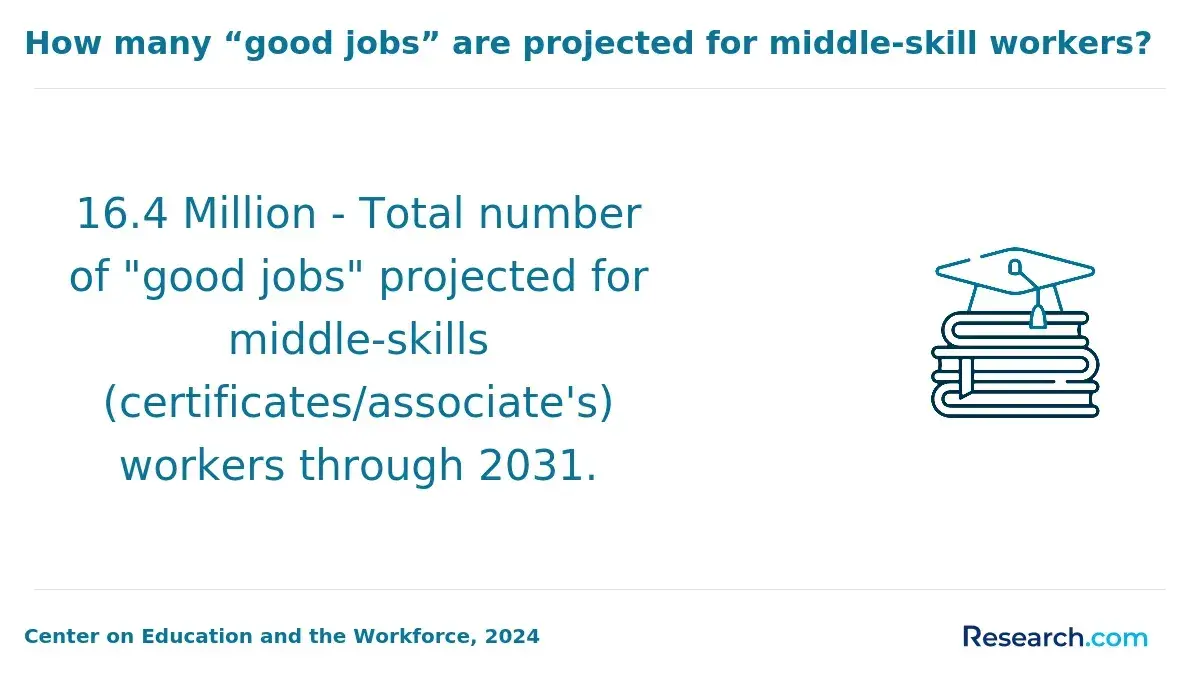
Comparing courses across early childhood education degree programs is essential for prospective students to evaluate program rigor, skill development, and alignment with career goals. Research shows that programs with well-defined, comprehensive curricula achieve 15% higher student completion rates, reflecting stronger engagement and clearer professional pathways. To effectively assess program quality, consider the following practical strategies:
- Reviewing Course Descriptions: This clarifies the specific topics covered and the depth of study, enabling students to compare curriculum quality across programs and identify those that best meet their career objectives.
- Analyzing Credit Hours and Workload: Understanding the academic demand helps evaluate the time commitment required, which is crucial for balancing study with personal and professional responsibilities.
- Checking for Skill-Based Modules: Prioritizing courses that offer practical, hands-on learning ensures students acquire applicable skills for real-world early childhood education settings.
- Alignment With Certification Requirements: Ensuring courses meet state or national licensure criteria supports smoother professional qualification and can impact long-term career opportunities.
- Exploring Course Sequencing and Flexibility: Examining how courses build on each other and whether schedules accommodate personal needs aids in determining program feasibility and success potential.
In addition to curriculum rigor, evaluating costs and licensure alignment in early childhood education programs should be part of your decision-making process. For those interested in related fields, consider exploring a MFT degree as a complementary option that broadens professional scope.
What scheduling options are available in early childhood education degree programs?
Flexible scheduling plays a crucial role for students comparing early childhood education degree programs, as it helps balance academic demands with work, family, and other responsibilities. Below are common scheduling options that accommodate various lifestyles and learning preferences.
- Traditional Daytime: Typically held on weekdays during the day, these in-person classes follow a fixed schedule. This format suits those who can attend campus regularly and prefer a structured routine.
- Evening and Weekend: Designed for working adults and caregivers, these classes occur outside regular work hours. They offer opportunities to continue education without disrupting professional or family commitments.
- Hybrid Programs: Combining online and on-campus instruction, hybrid formats provide flexibility and direct interaction. Students benefit from both remote access and face-to-face engagement, which can enhance learning and convenience.
- Fully Online: These programs allow students to complete coursework entirely via the internet, often with asynchronous options. This model supports those who need maximum schedule freedom or live far from campus, enabling them to learn anytime, anywhere.
Choosing a program with scheduling options that fit one's lifestyle can reduce stress and improve success. Those working full-time or managing other commitments might prioritize online or evening classes, while others may prefer the consistency of traditional schedules. Understanding these formats helps students select early childhood education degrees that best support their academic and personal goals.
What are the pros and cons of online vs campus-based early childhood education degrees?
Choosing between online and campus-based delivery formats is a key decision for students evaluating early childhood education degree programs, as it affects flexibility, engagement, and career preparedness. In 2023, approximately 37% of postsecondary students took at least some courses online, reflecting a rising trend toward digital learning options. Below is a comparison to help clarify the distinct benefits and drawbacks of each format.
Online Programs
- Flexibility: Offers the freedom to study from any location and often at your own pace, accommodating work and family commitments easily.
- Limited Interaction: Reduced face-to-face time can hinder development of hands-on skills and networking that are vital in early childhood education careers.
- Self-Discipline: Requires strong time-management and motivation since students may feel isolated without the structure of a physical classroom.
Campus-Based Programs
- Hands-On Learning: Provides direct access to faculty and on-site practicums, enhancing practical skill development in real-world settings.
- Networking Opportunities: Facilitates peer relationships, mentorship, and professional connections crucial for career advancement.
- Rigid Schedule: Fixed class times and commuting can pose challenges for those balancing other responsibilities.
When I spoke with a graduate who completed an online early childhood education degree, he shared how he sifted through numerous options. "The hardest part was figuring out which programs balanced accreditation and practical experience," he explained. Time constraints pushed him toward online study, but he worried about missing the peer interaction available on campus.
He ultimately chose a program with virtual practicums and live sessions, which helped ease feelings of isolation while still fitting his schedule. Reflecting on his journey, he said, "It took patience and constant self-motivation, but knowing I could keep up with work made the effort worthwhile."
How do GPA requirements vary among early childhood education degree programs?
GPA requirements serve as a key benchmark for evaluating early childhood education degree programs, offering insight into academic expectations. These standards also indicate how admissions committees balance grades with other applicant strengths. The following points highlight important dimensions of GPA policies to consider:
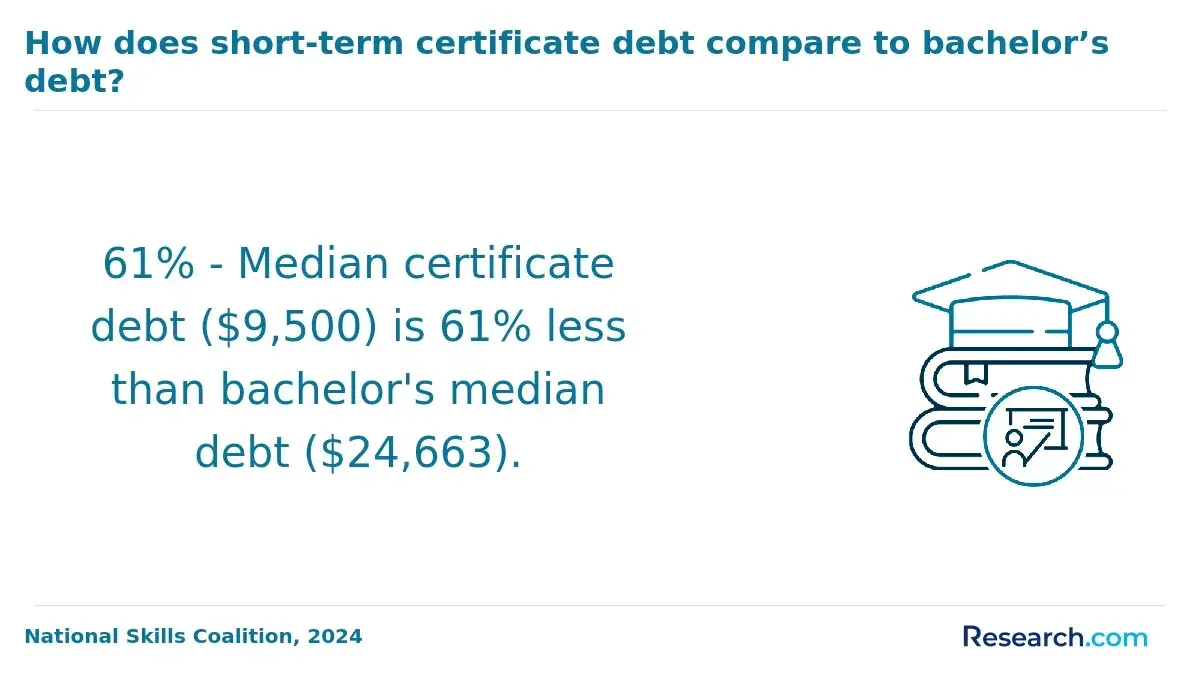
- Variation in Thresholds: GPA minimums often range from 2.5 to 3.0 on a 4.0 scale, but some programs enforce strict cutoffs to prioritize strong academic achievement, reflecting a competitive admissions process.
- Flexible Admissions: Certain programs are willing to consider candidates with lower GPAs if they demonstrate relevant experience or compelling recommendations, recognizing potential beyond grades alone.
- Holistic Review: Many institutions incorporate GPA as one part of a broader evaluation, weighing factors like work history, personal statements, and extracurricular activities to form a comprehensive view of the applicant.
- Impact on Curriculum: Programs with higher GPA standards may imply a more rigorous academic environment, while those with lenient requirements might offer more support or alternative pathways to help students succeed.
Understanding these distinctions helps prospective students align their qualifications with program expectations, allowing for more informed decisions during the selection process. This approach encourages applicants to highlight skills and motivation alongside academic records, optimizing their chances in varied admissions landscapes.
How can you compare tuition across early childhood education degree programs?
Comparing tuition is a vital step for students evaluating early childhood education degree programs, as it directly impacts long-term financial wellbeing. According to a 2023 College Board report, the average yearly tuition at public universities for in-state students was $10,940, yet many graduate with debts exceeding $30,000. The following factors help clarify the full financial picture when comparing programs.
- Total Program Cost: Examine the complete expense beyond just tuition. Include mandatory fees, textbooks, supplies, and technology requirements to capture the true price of completing the degree.
- Cost Per Credit: Knowing the cost per credit hour clarifies how much each course will add to your expenses, allowing for more precise budgeting especially if you plan to take varied course loads.
- Financial Aid Options: Availability and eligibility for scholarships, grants, and aid packages differ widely. Assess what types of assistance each program offers and how accessible they are based on your background.
- Employer Tuition Benefits: If you qualify for employer-sponsored tuition reimbursement, factor this into your cost analysis. Some programs may align better with companies that offer such benefits.
- Long-Term Value: Consider post-graduation outcomes, including career support and earning potential. A program with higher tuition may offer stronger networks or job placement, offsetting upfront costs.
When I asked a graduate who recently completed her early childhood education degree how she compared tuition across programs, she reflected on the challenging process. "I started by calculating every hidden cost-I was surprised how fees and materials added up," she said. She spent hours contacting financial aid offices to understand award opportunities and eligibility.
"It felt overwhelming, but focusing on programs that balanced tuition with real-world support made a difference." Her thoughtful comparison helped her choose a program that fit both her budget and career goals, making the financial investment feel manageable rather than daunting.
Does an early childhood education degree meet licensure requirements?
Aligning an early childhood education degree with licensure requirements is essential for those seeking employment in regulated educational roles or making career shifts. Nearly 25% of U.S. jobs require professional certification or licensure, making it vital to choose programs that prepare students accordingly. Consider the following factors when evaluating degree options:
- Curriculum Alignment: Programs should address state-specific early childhood standards, covering essential topics such as child development, health, safety, and educational psychology to meet licensure mandates.
- Accreditation Status: Verify that the program holds regional accreditation and recognition from organizations like the Council for the Accreditation of Educator Preparation (CAEP) or National Association for the Education of Young Children (NAEYC), ensuring quality and licensure eligibility.
- Supervised Experience: Look for degree options that include practicum or student teaching placements meeting state requirements for hands-on fieldwork experience necessary for certification.
- Exam Eligibility: Confirm that completing the program qualifies candidates to sit for required licensure exams, reflecting the program's official approval and alignment with state regulatory boards.
Which early childhood education programs have the best career placement rates?
Career placement rates reveal how effectively early childhood education programs prepare graduates for their professions, offering an important gauge of a program's value. Approximately 85% of early childhood education graduates secure employment in related fields within six months, highlighting the role of placement rates in choosing the most suitable program.
Here are key factors students can examine when evaluating programs with the highest career placement rates:
- Employer Partnerships: Programs with strong ties to local childcare centers, schools, and educational organizations often create direct pathways for graduate employment. These connections enhance the availability of internships and job opportunities, benefiting students seeking early career roles.
- Internship Pipelines: Early childhood education degrees that facilitate practical work experiences through established internships give students valuable hands-on skills. These pipelines help transition students from study to employment smoothly, improving job placement percentages.
- Alumni Outcomes: Reviewing the success stories and employment trajectories of program alumni helps gauge whether a program consistently supports graduates in finding relevant work. Successful alumni networks can also provide mentoring and job leads.
- Career Support Services: Programs investing in career resources such as resume workshops, interview coaching, and job placement assistance typically yield better outcomes. These services prepare students to compete effectively in the job market upon graduation.
Prospective students seeking top licensed early childhood education degrees for job placement should consider these elements carefully to identify programs offering the strongest professional launch. Exploring career placement rates alongside program quality can guide students toward options that fit their goals and schedules.
For those wishing to advance beyond undergraduate options, exploring online doctoral programs in leadership may complement their career trajectory in education administration or policy roles.
How do salaries compare across early childhood education degree program graduates?
Post-graduation salary outcomes are a key comparison metric for prospective students as they reveal the potential return on investment and help align career expectations. The average earnings of early childhood education degree holders typically range between $30,000 and $50,000 annually, depending on various factors. Several key elements influence these salary differences, including:
- Role Variation: Preschool teachers in public schools usually earn more than those in private daycare centers or non-profits, reflecting differences in funding and institutional resources.
- Industry Differences: Roles such as child development specialists or program coordinators tend to command higher salaries but often require additional credentials or specialized experience beyond the standard early childhood education graduate salary comparison.
- Geographic Location: Salaries vary significantly by state; for instance, states like California and New York with higher living costs offer median wages that are 15-25% above the national average.
- Experience Levels: Entry-level graduates generally start near the lower end of salary ranges, while those with five or more years in the field see steady incremental increases based on expertise and tenure.
When evaluating degree programs, students might also explore options such as quick online degrees that pay well and prepare graduates for these varied career paths and salary potentials across different industries and regions.
What Graduates Say About Comparing Early Childhood Education Degree Programs Effectively
- Julia: "Before enrolling in the early childhood education degree program, I was hesitant because of the high cost of many alternatives-some programs averaged upwards of $20,000 annually. Finding a program that balanced quality and affordability was crucial for me. Completing this degree has completely transformed my career opportunities, allowing me to work confidently in various educational settings. "
- Mika: "When I started looking into early childhood education degrees, I knew I wanted a program that offered solid content without burdening me with debt. The affordability of the program was a major deciding factor since other paths I considered often exceeded $25,000 per year. Reflecting on my journey, obtaining this degree has opened doors to leadership roles in early learning centers, far beyond what I initially imagined. "
- Kenji: "Choosing to pursue an early childhood education degree was influenced heavily by cost comparisons; I researched many programs with tuition ranging from $15,000 to $30,000 per year. This particular program struck the right balance between price and educational quality. Professionally, the degree has given me the expertise and credentials I needed to advance in my teaching career and make a meaningful impact on young learners."
Other Things You Should Know About Early Childhood Education Degrees
Most early childhood education degree programs require a high school diploma or equivalent for admission. Some programs, especially at the bachelor's level, may ask for standardized test scores, letters of recommendation, and a personal statement demonstrating interest in child development and education. Prior experience with children can be beneficial but is not always mandatory.
Practical experience is a crucial component of early childhood education degrees and often includes supervised student teaching or practicum placements in preschools or daycare centers. These hands-on opportunities help students develop classroom management skills and apply theoretical knowledge in real-world settings. The duration and intensity of fieldwork vary between programs.
Some early childhood education degree programs include preparation for state-specific certifications or licensing exams, providing coursework aligned with these requirements. Programs may also offer guidance through advising services or partnerships with local education agencies. Checking if a program supports licensure pathways can streamline the transition into the workforce.
References
- The Pros and Cons of Online Learning vs. Traditional Education https://www.sophia.org/blog/higher-education/pros-cons-online-learning-vs-traditional-education/
- Comparing Early Childhood Ed with Other Education Degrees https://www.athenacareers.edu/early-childhood-education-degree-vs-other-education-degrees/
- The benefits of studying early childhood education https://www.swinburneonline.edu.au/the-benefits-of-studying-early-childhood-education/
- Online Vs On-Campus - What Are The Pros and Cons? https://notgoingtouni.co.uk/blogs/online-vs-on-campus-what-are-the-pros-and-cons-322
- How to Pick Degrees in Early Childhood Education | All Education Schools https://www.alleducationschools.com/teaching-degrees/early-childhood-education/
- 22 Pa. Code § 405.44. Staffing and professional development. https://www.pacodeandbulletin.gov/Display/pacode
- Guide: Choosing between online or in-person classes for your Early Childhood Education - Capital College https://www.capitalcollege.ca/guide-choosing-between-online-or-in-person-classes-for-your-early-childhood-education/
- Pros and Cons: Online vs. In-Person Classes | UT San Antonio Online https://online.utsa.edu/blog-content/pros-and-cons-online-vs-in-person-classes/
- The benefits of studying early childhood education https://www.open.edu.au/advice/insights/benefits-early-childhood-education
- How to choose online childcare courses for your career | FE https://www.foundationeducation.edu.au/articles/online-childcare-courses-vs-in-person


