
2027 Return on Investment (ROI) of an Early Childhood Education Degree Program

Co-Founder and Chief Data Scientist
Many prospective students worry whether investing time and money in an early childhood education degree will lead to meaningful career advancement. The U.S. Bureau of Labor Statistics projects a 7% growth in preschool and childcare worker employment through 2032, reflecting steady demand for qualified professionals.
However, the median annual wage for these roles remains modest at around $30,000, raising questions about return on investment. This article examines the financial and professional benefits of earning an early childhood education degree, helping readers assess if the long-term career opportunities justify the initial commitments involved.
Key Things to Know About Early Childhood Education Degree ROI
- Early childhood education degree holders earn approximately 15% more than non-degree educators, reflecting increased earning potential in specialized teaching roles.
- Graduates have access to leadership roles and administrative positions, enabling career advancement beyond classroom teaching.
- Job stability in early childhood education is strong due to consistent demand, with long-term salary growth supported by industry expansion and policy investment.
How Is ROI Calculated for a Early Childhood Education Degree Program?
Return on investment (ROI) in higher education measures the financial benefits a student gains relative to the costs and time spent earning a degree. For early childhood education degree programs, ROI helps students and working professionals compare the value of the degree against its cost and time commitment, aiding decisions about educational investments.
The calculation of ROI involves several key factors that capture both expenses and expected financial returns. These include:
- Tuition and Fees: Total costs paid for courses, books, and materials during the program directly affect ROI. Programs with lower tuition generally improve potential financial returns.
- Opportunity Cost: Income forgone while studying, such as lost wages from not working full-time, plays a significant role in assessing true financial impact and overall ROI.
- Time to Completion: The duration of the program matters because a shorter timeframe can reduce lost income and living expenses, thereby increasing the program's financial attractiveness.
- Post-Graduation Salary Outcomes: The average earnings of graduates entering the early childhood education workforce strongly influence ROI. Higher or stable salaries yield better financial returns over time.
- Career Advancement and Long-Term Earnings: Potential wage growth, certification opportunities, and promotions drive lifetime earnings upward, significantly enhancing educational ROI.
Students evaluating educational ROI for early childhood programs should also compare these factors to similar degrees, such as an online AI degree, to understand broader career and financial landscapes.
How Much Does a Early Childhood Education Degree Program Cost?
Accurately assessing the return on investment for an early childhood education degree requires a clear picture of all costs involved, as graduate tuition and fees have risen nearly 3% annually over the last ten years, fueling increasing student debt. A comprehensive understanding of these expenses helps students weigh potential earnings against their total outlay.
Consider these primary factors impacting program cost and ROI:
- Tuition and fees: These represent the biggest immediate financial commitment and can vary widely depending on enrollment at public, private, or online schools.
- Books and materials: Textbooks and classroom supplies accumulate substantial expenses each semester that are often overlooked in budgeting.
- Living or relocation expenses: For those studying away from home, costs like rent, utilities, and meals add significantly to the overall investment.
- Opportunity cost: Time dedicated to coursework translates to lost wages from full-time employment, creating an indirect but meaningful financial impact.
- Hidden or indirect costs: Additional fees such as applications, commuting, and technology needs also contribute to the total expenditure over the course duration.
One graduate I spoke with shared how balancing coursework with part-time work was an unexpected challenge. He said, "Managing shifts and classes meant stretching every dollar."
He also mentioned the stress of additional costs like childcare and transportation, which weren't fully anticipated. Despite these hurdles, he believes the experience was worth it but emphasizes careful financial planning before starting the program.
What Financial Aid Is Available for Early Childhood Education Degree Programs?
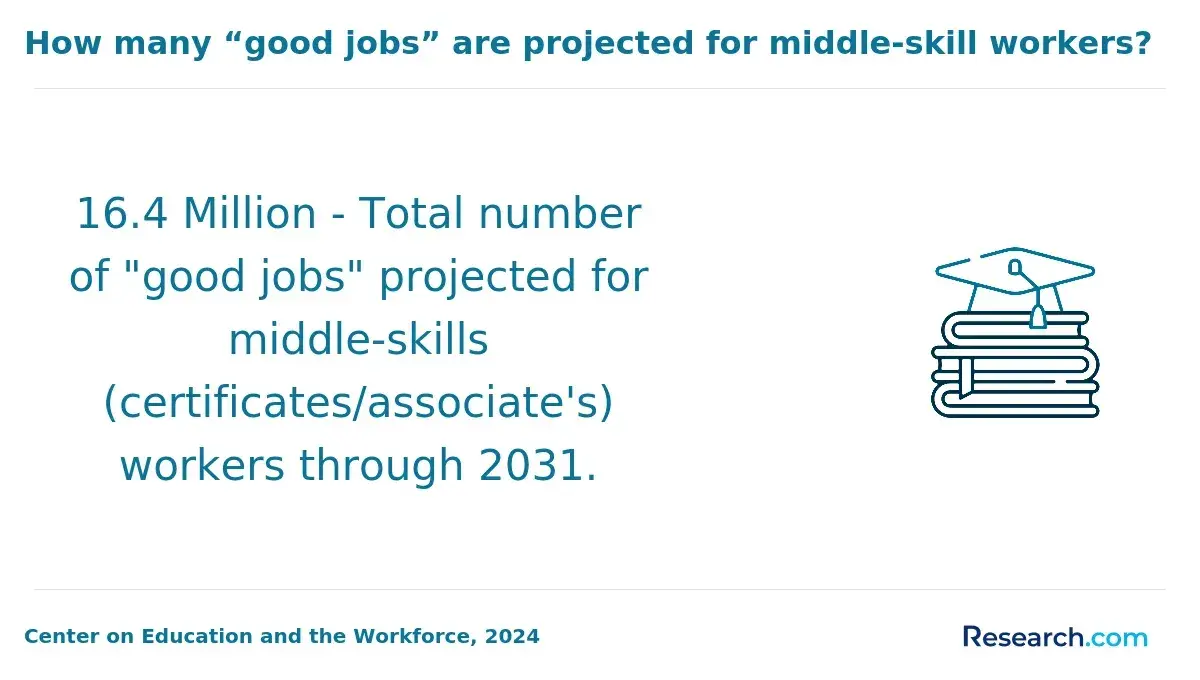
Financial aid helps reduce initial expenses and lowers long-term debt, which improves the return on investment for students pursuing an early childhood education degree. Recent studies show that around 62% of graduate students depend on financial aid to help manage education costs, highlighting its significance in easing financial challenges.
Below are some common types of financial aid that can affect the overall cost and debt burden, positively influencing ROI:
- Scholarships: These are usually merit-based awards that do not require repayment, directly decreasing the amount students pay out of pocket and reducing reliance on loans.
- Grants: Often need-based, grants provide funds that cover tuition or fees without adding to student debt, improving affordability and future financial outcomes.
- Fellowships: Awarded for academic or research excellence, fellowships may include stipends for living expenses, helping reduce financial stress during the program.
- Employer tuition assistance: Some employers offer financial support for continuing education, which lowers personal expenses and preserves earnings, enhancing ROI by minimizing out-of-pocket payments.
- Federal student loans: While requiring repayment, these loans typically have lower interest rates and more flexible repayment plans than private loans, helping students manage debt more effectively.
How Long Does It Take to Complete a Early Childhood Education Degree?
The duration of completing an early childhood education degree directly affects its return on investment by influencing opportunity costs, overall expenses, and how quickly graduates can start earning. Shorter programs or faster completion times can reduce lost income and education-related costs, improving financial outcomes.
Several factors determine how long it takes to finish this degree and impact its ultimate value:
- Enrollment status: Full-time students generally complete their degrees sooner, which helps minimize lost wages, while part-time enrollment can spread out costs but extend the timeline.
- Program format: Online and accelerated courses offer flexibility and allow students to progress efficiently, often boosting early workforce entry and shortening financial burdens.
- Transfer credits: Utilizing previously earned college credits can reduce the credit load and time required, directly lowering expenses and enabling earlier employment.
- Practical requirements: Internships or thesis projects may prolong the program but provide valuable experience that can elevate future earnings and job placement.
- Scheduling flexibility: Options such as evening or weekend classes allow students to continue working while studying, balancing income with timely degree completion.
When I asked a graduate of an early childhood education degree about how long it took her and what she thought about the timeframe, she shared how balancing work, study, and family was a constant challenge. "I started part-time because I needed to keep my job, which stretched the program longer than I hoped. Some semesters felt overwhelming, but the online classes helped me stay on track," she said.
She emphasized that applying previous credits from community college accelerated her progress and reduced financial strain. Reflecting on the experience, she found that while the journey wasn't quick, the flexible scheduling and practical teaching experiences made the extended timeline worthwhile. "It wasn't just about finishing fast but gaining skills that made me confident and ready for the classroom," she explained.
Is ROI Higher for Online or On-Campus Early Childhood Education Programs?
The delivery format of early childhood education degree programs significantly affects return on investment due to differences in cost, flexibility, and career outcomes. Online enrollment in higher education has grown by over 10% annually, making remote learning an increasingly accessible option for many students balancing work and study.
Key factors contribute to the online versus on-campus early childhood education ROI comparison:
- Tuition and fees: Online programs generally feature lower upfront costs, reducing debt and overall program expense in an early childhood education degree program cost comparison.
- Opportunity cost: Students enrolled online often continue working, preserving their income while completing coursework, which enhances overall financial return.
- Time to completion: Flexible pacing and some accelerated online programs can shorten the time needed to enter the workforce sooner.
- Networking and career services: On-campus students usually benefit from more comprehensive in-person networking and career support, which can influence job placement and salary trajectories.
- Employer perception: Although acceptance of online credentials is rising, certain employers may still favor traditional on-campus degrees, which may impact initial employment conditions.
Prospective students should weigh these elements carefully. For those interested in engineering degrees online or similar fields, affordability and program flexibility are key considerations. Exploring resources such as engineering degrees online can provide further insight into cost-effective online education options.
What Is the Average Salary After Earning a Early Childhood Education Degree?
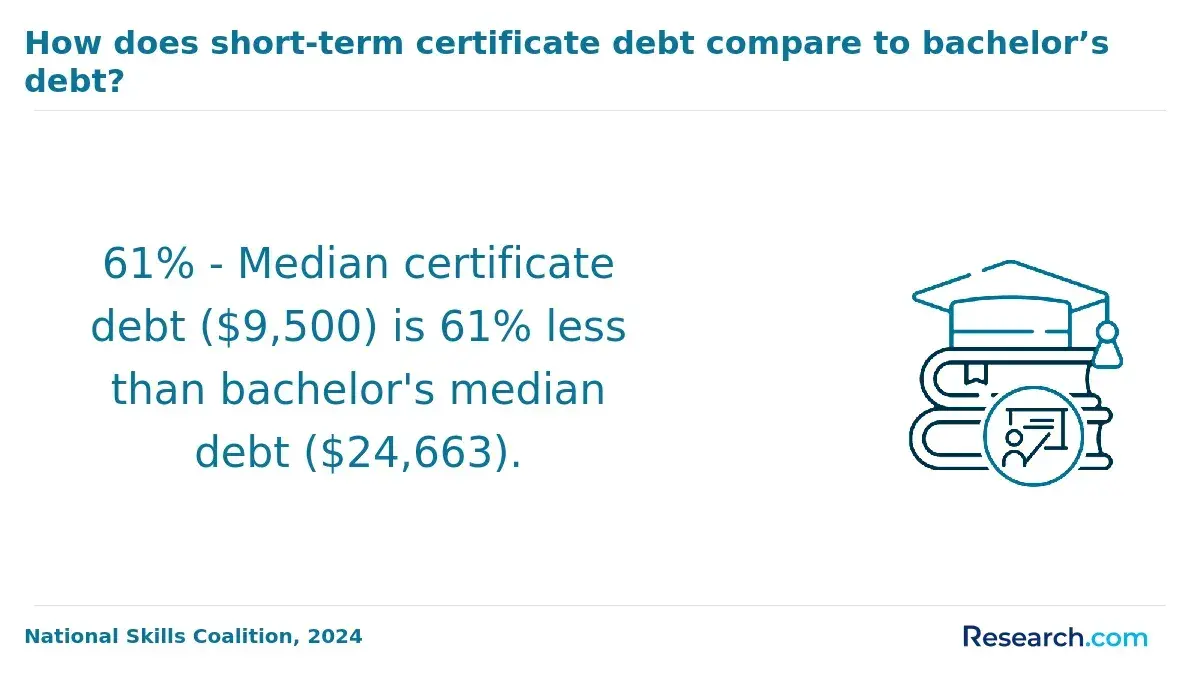
Post-graduation salary is a primary factor in assessing the return on investment (ROI) for an early childhood education degree, as it helps offset the expenses of tuition and time invested. Graduates typically earn between $30,000 and $50,000 annually, though actual earnings vary widely based on several key considerations.
Several important factors influence early childhood education degree salary expectations and their impact on ROI:
- Industry: Employment in public schools or government programs often yields higher salaries and better benefits compared to private childcare centers, affecting overall earning potential.
- Geographic location: Salaries are generally higher in urban centers or states with a greater cost of living, such as California and New York, compared to rural or lower-cost areas.
- Prior experience: Practical experience, including internships, can lead to better starting salaries and faster salary growth over time.
- Specialization: Graduates focused on fields like special education or curriculum development often command higher wages due to specialized skill sets.
- Career level: Entry-level roles tend to offer lower pay, while supervisors, administrators, or those with advanced credentials typically earn more.
Understanding these variables is essential for managing salary expectations after graduation. For those interested in related fields, exploring the cheapest MLIS degree online can offer alternative career pathways with competitive financial returns.
Does a Early Childhood Education Degree Lead to Promotions?
Promotions drive the return on investment of earning an early childhood education degree by providing salary increases, expanded job responsibilities, and improved career mobility. These advancements enhance both the financial and professional benefits gained from completing the program.
A growing trend in the workforce is the rising emphasis on formal credentials for career advancement in early childhood education. Many organizations now require degrees as a baseline for leadership roles like lead teacher, program coordinator, or director, reflecting a broader move toward professionalizing the field.
Key factors illustrating how an early childhood education degree impacts promotion opportunities and ROI include:
- Credential Requirements: Many supervisory or administrative positions now mandate formal degrees, so holding an early childhood education degree ensures eligibility for these advanced roles.
- Leadership Preparation: Degree programs often include coursework and practical training focused on leadership skills, better preparing graduates to take on greater responsibilities.
- Employer Support: Degrees can improve access to tuition reimbursement or professional development benefits, making further education financially more feasible.
- Internal Promotion Policies: Organizations commonly prioritize employees with higher education degrees when making promotion decisions, which benefits degree holders.
- Experience Alignment: When combined with relevant work experience, an early childhood education degree significantly enhances prospects for career advancement.
These advantages demonstrate how formal education complements practical experience, positioning degree holders more competitively for higher-level roles. For prospective students or working professionals weighing career paths, an early childhood education degree offers not only personal fulfillment but also tangible returns in promotion potential and long-term earnings.
For those curious about related fields, examining the easiest college majors with high pay may provide additional options to consider alongside early childhood education degree career advancement. Overall, promotions with early childhood education degree credentials remain a critical vehicle for maximizing ROI in early childhood careers.
Which Industries Offer the Best ROI for Early Childhood Education Graduates?
The return on investment for graduates with a degree in early childhood education varies widely depending on the industry they enter. Differences in salary levels, career progression opportunities, and demand for specialized skills all impact the financial benefits and long-term growth prospects.
Industries that provide more consistent demand or emphasize promotion tend to offer stronger financial returns. Common industries offering strong ROI for early childhood education graduates include:
- Public Education: Positions in public schools usually provide stable salaries, robust benefits, and clear pathways for advancement from teaching roles to administrative leadership, enhancing earning potential over time.
- Private Childcare and Preschool Centers: These employers often allow flexible schedules and chances to develop specialized skills, contributing to career growth, although compensation levels can vary substantially.
- Government and Nonprofit Organizations: Early childhood education professionals in policy development, program management, or early intervention can access competitive pay and job security linked to sustained public funding.
- Healthcare and Social Services: Roles such as developmental therapy and family support services have high demand, offering opportunities for skill specialization and steady income increases.
- Educational Consulting and Training: Graduates moving into consulting or professional development roles benefit from higher earning potential and diverse career opportunities leveraging their expertise.
For those evaluating early childhood education career ROI by sector, these industries often deliver the strongest returns by combining career progression with sustained market demand. Exploring additional qualifications, including online certifications, can further enhance earning potential and job prospects.
Does Accreditation Affect ROI for a Early Childhood Education Degree?
Accreditation in early childhood education degree programs signifies that the curriculum, faculty, and resources meet nationally recognized quality standards. This validation is important because it impacts how employers view graduates and whether those graduates qualify for state licensure, both critical factors influencing return on investment.
Increasingly, employers prefer candidates who hold degrees from accredited programs, viewing them as better prepared and more reliable. Additionally, accreditation can determine eligibility for professional certifications and directly affect graduate employment prospects.
Over time, accreditation supports higher ROI by building employer confidence in a graduate's credentials and ensuring they meet licensure requirements needed for teaching roles. It also opens doors to federal and state financial aid, reducing the financial burden during education.
Furthermore, accredited degrees often allow smoother credit transfers between institutions, aiding career advancement through continued education. These advantages collectively enhance career flexibility and long-term earning potential within the field.
Is a Early Childhood Education Degree Worth It?
The return on investment for an early childhood education degree depends on factors like program cost, duration, and earning potential after graduation. These programs typically cost less and take two to four years to complete, which helps minimize lost wages during study.
Median salaries for graduates usually fall between $30,000 and $40,000 annually, with job growth projected at about 8% over the next decade. Opportunities for advancement exist, especially in administrative or specialized roles, which can improve long-term financial rewards.
Whether this degree is a sound investment depends on several variables, including industry demand and the availability of flexible program formats such as online or part-time options. Access to financial aid can significantly offset education costs, enhancing the overall value.
Personal motivation and alignment with career aspirations in early childhood development also play crucial roles, as satisfaction from the work may outweigh purely financial considerations. In fields with steady employment prospects, the degree may be worthwhile despite a modest salary range.
What Graduates Say About The ROI of Their Early Childhood Education Degree
- Beth: "Choosing to pursue an early childhood education degree was a confident investment in my future, despite the average cost of around $20,000 for in-state attendance. The comprehensive training and hands-on experience I gained far exceeded my expectations and prepared me thoroughly for the workforce. Today, I'm proud to say the doors this program opened have made every tuition dollar worth it. "
- Emmy: "Balancing work while completing my early childhood education degree online was challenging, but the flexible tuition options, often ranging between $15,000 and $25,000, made it more accessible. Reflecting back, the ROI is clear-not only did I deepen my understanding, but it also elevated my career, allowing me to step into leadership roles I hadn't imagined before. It's a professional milestone I recommend wholeheartedly. "
- Clara: "As a part-time student, the decision to get into an early childhood education program felt daunting, given the costs, usually around $18,000 to $22,000, but the value has been undeniable. The knowledge and skills I acquired have translated directly into better job opportunities and higher earning potential, validating my investment long-term. This degree truly transformed my career trajectory. "
Other Things You Should Know About Early Childhood Education Degrees
Work experience in early childhood education can often enhance ROI by leading to higher salary potential and career advancement opportunities. In 2027, experienced educators may command better positions and salaries compared to recent graduates, positively impacting the financial returns on their degree investment.
Yes, experience significantly affects the ROI of this degree. With several years of practical teaching or administrative experience, graduates can qualify for higher-paying roles and leadership positions. Accumulating experience also enhances skills that may lead to job stability and incremental salary increases over time.
In 2027, regional differences significantly impact the ROI of an early childhood education degree due to varying state budgets, demand for educators, and cost of living. Areas with higher demand and funding for early childhood education could offer better salaries, enhancing ROI. Conversely, regions with lower funding may yield smaller financial returns.
Pursuing additional certifications or a master's degree in early childhood education or related fields can improve earning potential. Advanced qualifications often open doors to specialized roles or administrative positions with better compensation. Continuing education also keeps professionals current with evolving teaching methods and regulations.
References
- The Economics of Accreditation: Costs, Benefits, ROI - Course Accreditation https://course-accreditation.com/blog/the-economics-of-accreditation-costs-benefits-roi/
- How to Measure Learning ROI for Associations https://momentivesoftware.com/blog/learning-roi/
- 10 Career Paths You Can Pursue with an Early Childhood Education (ECE) Diploma - Oxford International Career Colleges https://oicolleges.com/2025/12/03/10-career-paths-you-can-pursue-with-an-early-childhood-education-ece-diploma/
- What Career Opportunities are There in Early Childhood Education? https://www.swinburneonline.edu.au/what-career-opportunities-are-there-in-early-childhood-education/
- Examining the Significant Return on Investment from High-Quality Early Learning & Care https://www.ffyf.org/resources/2022/01/examining-the-significant-return-on-investment-from-high-quality-early-learning-care/
- Cost of Early Childhood Ed Academic Programs | Erikson Institute https://www.erikson.edu/admissions/financial-aid-tuition/cost-of-attendance/
- Is the CDA Worth It? ROI Analysis for New and Experienced Childcare Providers - post https://www.childcareed.com/a/is-the-cda-worth-it-roi-analysis-for-new-and-experienced-childcare-providers.html
- Analyzing the return on investment for online education https://www.insidehighered.com/news/tech-innovation/teaching-learning/2022/11/27/analyzing-return-investment-online-education
- Teaching Degree ROI Guide: The Return on Investment You Can Expect with a Degree in Education https://www.educationdegree.com/articles/return-on-investment-guide-to-education-degrees/


