
2027 Is a 2-Year Patient Safety & Quality Degree Worth It: Accelerated Bachelor's ROI & Time Trade-Offs

Co-Founder and Chief Data Scientist
Many prospective students face uncertainty about whether a two-year accelerated bachelor's degree in patient safety & quality offers sufficient return on investment.
With healthcare jobs expected to grow 11% from 2022 to 2032, faster educational paths attract those aiming to enter the workforce quickly. However, the intense time commitment and condensed curriculum raise questions about career readiness and salary gains compared to traditional programs.
This article examines the financial and time trade-offs of accelerated degrees, analyzing salary data, employment outlooks, and program costs. It aims to guide readers on whether this accelerated path aligns with their long-term professional and economic goals.
Key Benefits of a 2-Year Patient Safety & Quality Degree
- Accelerated 2-year patient safety & quality degrees enable quicker workforce entry, enhancing early earning potential compared to traditional 4-year degrees.
- Graduates often see a positive ROI within five years due to growing demand for healthcare quality professionals, with employment projected to grow 15% through 2030.
- The condensed program reduces time and tuition costs, balancing educational investment with the ability to gain practical experience sooner in a competitive job market.
How Do 2-Year Patient Safety & Quality Programs Work?
Two-year patient safety and quality degree structure offers an accelerated option for those aiming to complete a bachelor's degree efficiently. These programs compress traditional coursework, enabling students to enter the workforce sooner and reduce overall costs.
Below is a breakdown of the core components in accelerated patient safety program coursework.
- Accelerated pacing and year-round enrollment: Courses run continuously throughout the year, often with shorter terms lasting 8 to 12 weeks, allowing students to complete more classes annually than in traditional programs.
- Condensed course terms: Compact terms require intensive study and focus, as classes cover material faster than the typical 15-week semester without lowering instructional quality.
- Credit load expectations: Students generally manage 12 to 15 credits per term, demanding strong time management and commitment to keep up with the fast pace.
- Instructional format: Programs commonly blend online coursework with some synchronous or in-person sessions, offering flexibility for adult learners or those balancing work and family.
- Assessment methods: Evaluations include quizzes, discussion participation, applied projects, and exams designed to measure mastery of critical topics like risk management and quality improvement.
- Curriculum progression: Students follow structured plans either within cohorts or at individualized paces, supported by advising to promote on-time graduation.
Given the growing importance of healthcare quality professionals, accelerated programs present a practical pathway for career advancement. Those considering further healthcare education might also explore a PharmD degree as another accelerated option.
What Are the Admission Requirements for a 2-Year Patient Safety & Quality Degree?
For those exploring accelerated bachelor's options, understanding admission requirements for a 2-year patient safety & quality program is crucial to gauge readiness and plan effectively. These requirements serve as a gatekeeper, ensuring candidates can handle the program's fast pace and academic demands.
Below is a breakdown of the key criteria typically involved in qualification.
- Prior Education: Most programs require a high school diploma or equivalent as the fundamental eligibility. This baseline ensures students have completed essential secondary education before advancing.
- GPA Expectations: A minimum GPA generally ranges from 2.5 to 3.0 on a 4.0 scale. This reflects the academic proficiency needed, as accelerated patient safety degree curricula demand consistent performance in challenging courses.
- Standardized Tests: While some programs waive the SAT or ACT, particularly for community college transfers or accelerated tracks, others may still require these scores to assess academic aptitude.
- Prerequisite Courses: Foundational classes in biology, chemistry, or health sciences are often necessary. These prepare students for the specialized content in patient safety and quality management.
- Work Experience: Although not mandatory, healthcare or quality management experience can strengthen applications. Some admissions committees consider professional backgrounds as part of a holistic review process, valuing practical insights alongside academic metrics.
Accelerated programs align well with working adults seeking shorter degree completion times and a quicker entry into a labor market expecting an 11% employment growth through 2031, making the criteria for 2-year patient safety program admission requirements especially relevant for informed decisions.
Students weighing their options might also explore pathways related to online medical billing and coding with financial aid to complement or bridge into healthcare quality roles.
What Does a Typical Week Look Like in a 2-Year Patient Safety & Quality Program?
Knowing how a typical week is structured in a 2-year accelerated patient safety & quality program helps prospective students gauge the workload and decide if the pace aligns with their personal and professional lives. This understanding is key to managing time and expectations effectively.
Below is a breakdown of the core weekly activities that most students experience.
- Class Sessions: Students attend two to three live or recorded lectures weekly, each lasting between one and two hours. These sessions cover essential topics such as healthcare risk management, quality improvement methods, and compliance standards.
- Assignments and Assessments: Regular coursework includes case studies, research projects, and data analysis tasks designed to reinforce theoretical knowledge through practical application.
- Group Work: Collaborative projects encourage students to engage with peers, fostering teamwork skills while applying patient safety principles in simulated or real-world scenarios.
- Independent Study: Outside of scheduled classes, learners dedicate time to reading materials, reviewing lectures, and preparing for quizzes or exams to deepen understanding.
- Instructor Interaction: Active participation is expected through discussion forums, virtual office hours, and personalized feedback sessions, enabling students to clarify concepts and receive guidance.
- Time Management: With an intense curriculum, students typically invest 15 to 20 hours per week on coursework, balancing their studies alongside other commitments in a fast-paced environment.
When I asked a recent graduate who completed an accelerated bachelor's in patient safety & quality within two years about his weekly routine, he shared how overwhelming the workload felt initially. "There were moments when juggling multiple assignments and group deadlines felt like running a marathon," he admitted. Yet, he also emphasized the necessity of staying organized.
"Breaking down the tasks week by week and setting strict schedules was crucial to keeping stress at bay." He recalled relying heavily on peer support during group projects, which not only lightened the load but also enhanced his learning. Though demanding, he viewed the experience as transformative, remarking, "The intense pace pushed me to develop skills I use daily in my healthcare role."
Are 2-Year Patient Safety & Quality Programs Available Online?
Choosing the right delivery format is crucial for students pursuing an accelerated patient safety & quality degree, as it directly impacts flexibility, accessibility, and time management. Online options offer a convenient way to balance education with personal and professional commitments.
The following points detail key aspects of these programs to help guide your decision.
- Fully online vs. hybrid formats: Some programs are entirely online, allowing students to complete all coursework remotely, while hybrid models blend online lessons with occasional in-person requirements. This variety accommodates different learning preferences and schedules.
- Asynchronous and synchronous learning: Many courses combine independent, on-demand lectures with live sessions like webinars or discussions. Asynchronous content offers flexibility, while synchronous meetings provide real-time interaction and networking opportunities.
- Technology requirements: Reliable internet access, a computer or tablet, and video conferencing software are essential for participation. Institutions typically use course management systems to facilitate learning and communication.
- Student support services: Online learners can access resources such as academic advising, tutoring, virtual libraries, technical assistance, and career counseling, helping maintain engagement and academic progress.
- Program pacing and engagement: Online tracks often accelerate completion time compared to traditional schedules, sometimes shortening a two-year program by several months. However, success depends on strong self-discipline and effective time management to keep pace and stay motivated.
How Much Does a 2-year Patient Safety & Quality Degree Cost?
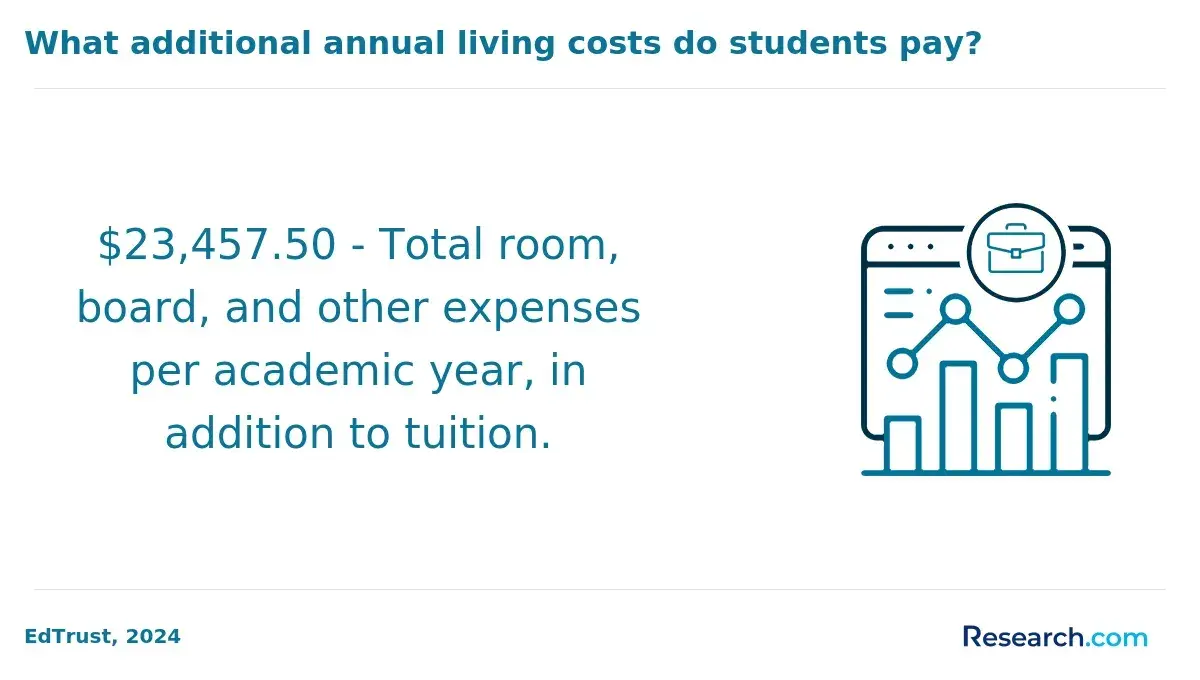
Assessing the total cost of a two-year patient safety and quality degree is vital when weighing its return on investment. Accelerated programs shorten the duration compared to traditional paths, which can reduce both tuition and living expenses.
Understanding the detailed cost components helps prospective students budget effectively and anticipate financial commitments.
- Tuition structure: Accelerated patient safety program tuition fees are typically charged per credit hour, but the condensed schedule requires a heavier course load each term. This intensive pacing may increase short-term tuition expenses, though overall duration is shorter.
- Additional fees: Beyond tuition, students often face registration, technology, and lab fees. These can include charges for specialized healthcare software or simulation tools essential for quality and safety training.
- Textbooks and materials: Costs for textbooks and other resources may be significant since courses necessitate up-to-date information on healthcare regulations and quality management practices.
- Technology costs: Reliable computers, specific software, and high-speed internet access are often required to support online components or virtual labs within the program.
- Program pacing and savings: Due to the accelerated format, students save one to two years of tuition and related expenses compared to traditional four-year degrees. This also allows earlier workforce entry, which can improve medium-term financial gains in patient safety careers.
For those exploring accelerated healthcare degrees, numerous options exist, including solid recommendations for an online healthcare administration degree. Analyzing all associated costs alongside career outlook will ensure a well-informed decision regarding an accelerated patient safety and quality degree cost.
Can You Get Financial Aid for 2-Year Patient Safety & Quality Programs?
Affording an accelerated patient safety & quality degree is a critical factor for many students weighing their educational investments. Understanding the financial aid options available can influence decisions about enrollment and help manage the unique costs associated with completing a degree in just two years.
Several funding sources exist, each with distinct benefits and considerations.
- Federal aid eligibility: Most accredited accelerated programs qualify for federal student aid, including Pell Grants and Direct Subsidized and Unsubsidized Loans. The shorter program duration may adjust how funds are distributed but generally doesn't affect overall eligibility.
- Scholarships and grants: Targeted awards for healthcare or safety-related studies can provide meaningful support, though availability and qualifications vary widely. Applying early and broadly is advisable to maximize potential aid.
- Employer tuition assistance: Many healthcare employers offer programs to subsidize further education, which can significantly reduce out-of-pocket expenses. This is especially useful for working adults balancing career advancement with schooling.
- State and private grants: Beyond federal aid, various grants may be available from state agencies or private organizations. These often require separate applications and specific criteria, so proactive planning is essential.
- Payment plans: Institutions frequently offer flexible payment options that spread tuition costs over several months or semesters, easing the financial burden of paying for an accelerated program upfront.
When discussing financial aid experiences, a professional who completed an accelerated bachelor's degree in patient safety & quality shared that navigating the aid process felt overwhelming at times due to the fast pace. She explained, "I worried about whether the compressed timeline would limit my aid options, but thankfully, the financial aid office was very helpful in clarifying what was available." Balancing work and study, she appreciated employer tuition assistance, noting it made a tangible difference in managing expenses.
Although the accelerated schedule meant quicker loan disbursements and budgeting adjustments, she found that combining scholarships, employer support, and payment plans allowed her to focus more on coursework and less on financial stress. Reflecting on her journey, she highlighted how planning ahead and actively engaging with multiple aid resources were key to successfully funding her 2-year degree.
What Jobs Can You Get With a 2-Year Patient Safety & Quality Degree?
Evaluating career outcomes is crucial when considering the value of an accelerated patient safety and quality bachelor's degree. Understanding the types of jobs and industries accessible with this credential helps students align their educational investment with their professional goals.
The following overview highlights common roles and opportunities for graduates entering this field.
- Patient Safety Coordinator: This role involves monitoring healthcare practices to identify risks and ensure compliance with safety protocols. Coordinators work closely with clinical teams to implement improvements that enhance patient outcomes.
- Quality Assurance Analyst: Focused on data collection and analysis, these professionals assess healthcare processes to support quality improvement initiatives. Their work helps organizations maintain standards and comply with regulatory requirements.
- Risk Management Assistant: Assisting in identifying and mitigating potential losses in healthcare settings, this entry-level role involves incident reporting and reviewing safety policies to prevent future issues.
- Healthcare Compliance Specialist: Ensuring that healthcare organizations adhere to legal and ethical standards, these specialists support audits and help maintain documentation crucial for regulatory adherence.
- Accelerated Degree Advantages: The compressed timeline of an accelerated program prepares students quickly for these roles by emphasizing applied skills such as data analysis, process improvement, and regulatory knowledge. This format appeals particularly to those seeking rapid entry into patient safety and quality-related careers.
- Industry Opportunities: Graduates find job prospects in hospitals, outpatient centers, insurance firms, and government health agencies. The growing demand for entry level patient safety and quality careers reflects an increased focus on improving healthcare outcomes nationally.
Those interested in exploring affordable online educational options may find value in reviewing the cheapest ADN online programs as part of their decision-making process.
How Do Salaries Compare for 2-year Patient Safety & Quality Degree vs. Traditional Bachelor's Degrees?
Salary outcomes are a critical factor when evaluating the return on investment (ROI) of accelerated and traditional degree paths in healthcare quality. Potential students need to understand how earnings differ between those holding a 2-year patient safety and quality degree versus a traditional bachelor's degree to make informed decisions about their education and career.
This comparison offers valuable insight into immediate and long-term financial prospects in the field. Consider the following points:
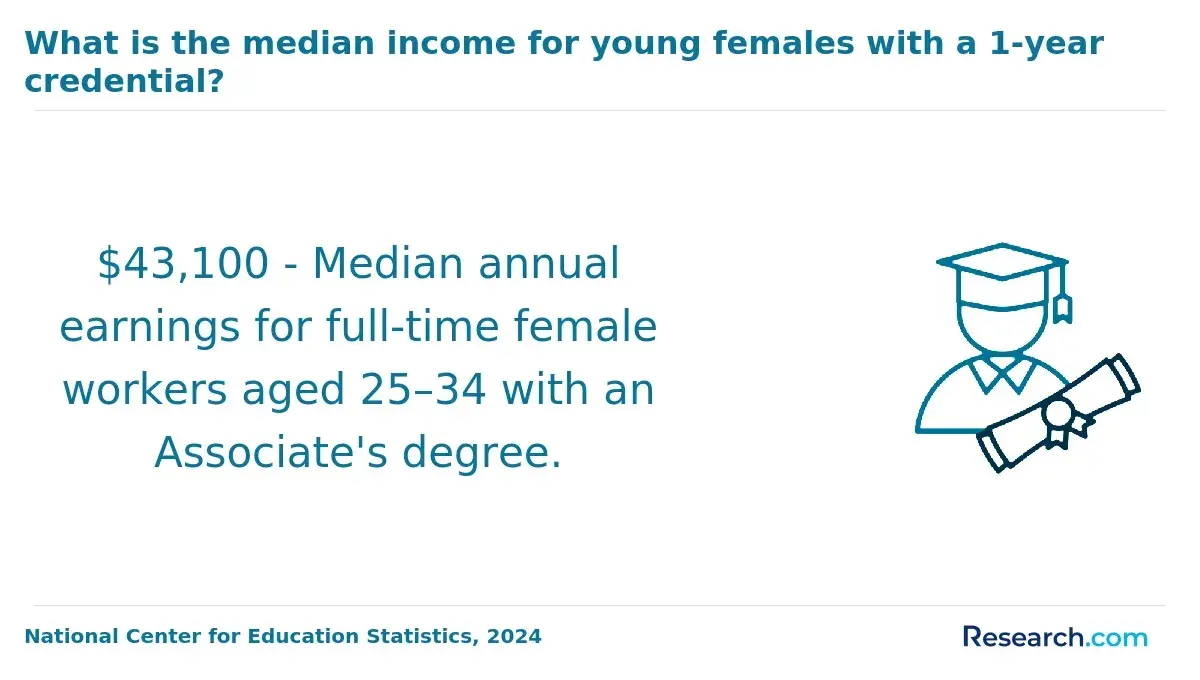
- Early-career earnings: Graduates with a 2-year patient safety and quality degree typically begin their careers with annual salaries ranging from $40,000 to $55,000, while those holding traditional bachelor's degrees tend to earn between $60,000 and $80,000. This difference reflects the additional training and credentials associated with a bachelor's degree.
- Long-term earning potential: While initial salaries may be lower for 2-year degree holders, the accelerated timeline allows earlier workforce entry, which can enhance total lifetime earnings. Those who pursue certifications or further education can bridge salary gaps over time.
- Employer perception and career progression: Healthcare employers often prefer candidates with bachelor's degrees for management or senior specialist roles, which offer higher salaries. Graduates from shorter programs may need extra time or education to access these advanced positions.
- Faster workforce entry benefits: Completing a 2-year degree enables quicker entry into the healthcare quality sector. This can reduce educational debt and provide an income stream sooner, offsetting some salary differences when compared to traditional bachelor's degree earnings in healthcare quality.
For students considering their educational pathways, exploring options such as the cheapest DNP programs online may offer additional ways to advance healthcare careers efficiently while balancing education costs and earning potential.
Which Factors Most Affect ROI for Accelerated Patient Safety & Quality Degrees?
Evaluating the return on investment (ROI) is essential for anyone considering an accelerated patient safety & quality degree. Since these programs often require substantial financial and time commitments, understanding how different factors influence ROI can help prospective students make informed choices.
Below are key elements that play a role in determining the value of such degrees.
- Reduced Time-to-Completion: Accelerated programs typically shorten the standard four-year timeline to around two years or less, allowing students to enter the workforce faster. This quickened pace minimizes the length of study, which can enhance ROI by accelerating earning potential.
- Tuition and Total Cost: Although accelerated degrees may offer savings in total tuition compared to traditional routes, the cost per credit or extra fees linked to intensive course schedules might offset some of these benefits. Prospective students should compare all expenses, including fees and financial aid options.
- Opportunity Cost Savings: By finishing sooner, students reduce the income lost during years spent out of the workforce. These savings in opportunity cost significantly contribute to improved ROI and faster financial return.
- Employment Prospects: The healthcare sector shows strong and growing demand for patient safety & quality professionals. Graduates from accelerated programs often benefit from robust job opportunities, which can directly affect their ROI through steady employment.
- Salary Advancement: Earning an advanced degree in patient safety & quality tends to correlate with higher salaries over time. Educational credentials can unlock wage growth and career advancement in healthcare quality management roles.
- Skill Transferability: Programs emphasizing interdisciplinary knowledge and practical experience produce graduates equipped for diverse healthcare settings. This versatility can lead to better job stability and promotion prospects, boosting long-term ROI.
How Do You Decide If a 2-year Patient Safety & Quality Degree Is Right for You?
Choosing a 2-year patient safety & quality degree requires reflection on your personal and academic readiness. Consider if you thrive in fast-paced learning environments, as these programs often condense coursework to save up to half the time of traditional degrees.
Assess your current schedule and how much time you can dedicate, especially if entering the workforce quickly is a priority. This path demands strong time management skills and resilience to maintain steady progress. Understanding your career goals and urgency will help determine if this accelerated option aligns with your ambitions.
From a practical perspective, the overall cost is typically lower, which may ease financial burdens compared to longer programs. Evaluate the potential return on investment by reviewing salary data.
Patient safety roles have median wages exceeding $75,000 annually, depending on experience. Employers often prioritize hands-on skills and relevant certifications, so ensure the degree meets industry standards. Also, verify if the program supports credit transfers or further education to keep options open for future advancement.
What Graduates Say About Their 2-Year Patient Safety & Quality Degree
- Morgan: "The decision to pursue a 2-year accelerated bachelor's in patient safety & quality was based on my desire to enhance my credentials swiftly and affordably. The program's rigorous schedule demanded discipline, but the practical skills I gained have been invaluable in my role as a healthcare quality analyst. The investment, considering the average cost, was immediately justified by my career growth and the respect I earned from peers and supervisors."
- Juno: "I chose the 2-year program to save time and focus on advancing my expertise in patient safety & quality without unnecessary delays. Balancing coursework with my family commitments was challenging, but the flexible class options and comprehensive curriculum helped me stay on track. Reflecting on my career now, this degree has given me the confidence and knowledge to lead quality improvement initiatives that truly make a difference in patient outcomes. "
- Elsa: "Choosing the 2-year accelerated bachelor's degree in patient safety & quality was a game-changer for me because I wanted to quickly enter the healthcare industry without accumulating massive student debt. The fast-paced schedule was intense but well-structured, allowing me to balance work and study effectively. Since graduating, the degree has opened doors to management roles and significantly increased my earning potential, which made the average cost of attendance well worth it. "
Other Things You Should Know About Patient Safety & Quality Degrees
While a 2-year degree offers entry-level opportunities in patient safety and quality roles, it typically limits eligibility for higher-level positions and leadership roles. Many managerial or specialized jobs in healthcare quality require a bachelor's degree or higher for advancement. Without advancing your education, salary growth and career progression might be slower.
An accelerated bachelor's degree shortens the time needed to complete a full degree, often allowing students to finish in about two years compared to four. This faster completion can lead to quicker eligibility for higher-paying jobs and advanced certifications. However, it requires intense time commitment and disciplined study to balance work and coursework effectively.
In 2027, the ROI of a 2-year degree in patient safety and quality may be less than that of an accelerated bachelor's. While it offers quicker entry into the workforce, the accelerated bachelor's typically leads to higher salaries and broader career opportunities, potentially yielding a greater long-term financial benefit.
References
- Certificate in Healthcare Quality & Safety https://www.snhu.edu/online-degrees/certificates/graduate-patient-quality-and-safety
- Patient Safety and Healthcare Quality https://www.fastweb.com/directory/scholarships-for-patient-safety-and-healthcare-quality-majors
- Healthcare Quality and Patient Safety | Online https://usm.maine.edu/academics/academic_programs/healthcare-quality-and-patient-safety/
- Master of Applied Science in Patient Safety and Healthcare Quality, MAS https://e-catalogue.jhu.edu/public-health/departments/MAS-Office/patient-safety-healthcare-quality-master-applied-science/
- Degree Specialization in Healthcare Quality and Patient Safety https://csuglobal.edu/academic-programs/undergraduate-specializations/undergraduate-specialization-in-healthcare-quality-and-patient-safety


