
2027 Is a Creative Writing Online Degree Worth It?

Co-Founder and Chief Data Scientist
Online education has grown rapidly, with over 6 million students enrolled in distance learning programs in the U.S. alone. Many aspiring writers are drawn to online creative writing degrees for their convenience and accessibility, especially as the demand for strong storytelling and content creation skills continues to rise across multiple industries.
This article will help students decide if an online creative writing degree is worth pursuing by examining key factors such as tuition costs, program flexibility, accreditation standards, job-market prospects, and how employers view these credentials in today's competitive landscape.
Key Benefits of Online Creative Writing Degree
- Online creative writing programs offer flexible scheduling and self-paced formats, ideal for working professionals balancing education with other responsibilities.
- Many degrees emphasize practical skills, including publishing, editing, and digital storytelling, aligning with evolving media and literary job markets.
- Graduates report a 15% higher likelihood of pursuing freelance or adjunct teaching careers, reflecting the degree's value for diverse creative professions.
Who should choose an online creative writing degree program?
Online learning has become a practical choice for many students due to its ability to offer quality instruction without the constraints of location or rigid schedules. This flexibility is especially appealing to those balancing varied personal and professional responsibilities. Below are some key types of learners who find online creative writing degree programs particularly beneficial.
- Working Professionals and Career Changers: These individuals can enhance their writing skills while managing full-time jobs and other commitments. The online format allows for steady progress without interrupting their daily routines.
- Geographically Dispersed Writers: Writers located far from major education hubs can access expert faculty and vibrant writing communities remotely, eliminating the need to relocate for specialized programs.
- Self-Directed Learners: Those who excel with clear deadlines and structured feedback thrive in online settings where assignments, critiques, and instructor guidance provide accountability while allowing flexible pacing.
- Writers Seeking Community and Mentorship: Online programs create meaningful connections through interactive class discussions and peer reviews, helping students build lasting professional relationships beyond the classroom.
- Individuals Exploring Multiple Genres: Students interested in diverse writing styles can benefit from comprehensive curricula that cover fiction, poetry, screenwriting, and more with expert analysis of both contemporary and classic works.
What are the pros and cons of an online creative writing degree?
Online creative writing programs have surged in popularity by offering flexible, accessible education for students and professionals aiming to advance their skills without sacrificing personal or work commitments. This adaptability makes pursuing an online creative writing degree flexibility and affordability a major appeal for many.
Pros of an Online Creative Writing Degree
- Flexibility and Self-Directed Learning: Online programs allow study from any location with 24/7 access to materials, ideal for writers balancing jobs or family. The solitary craft of writing fits well with remote study, enhancing focus free from campus distractions.
- Networking and Mentorship Opportunities: Despite physical distance, students connect through diverse writing communities and gain mentorship from faculty and industry professionals, enriching perspectives and creative growth.
- Portfolio Development and Credentials: Coursework builds a concrete body of work and earns credentials valuable for resumes or platforms like LinkedIn, providing tangible proof of craft development helpful in competitive job markets.
- Cost Efficiency: Online programs typically reduce expenses by eliminating campus fees and commuting, making them a more economical choice. When combined with continued employment, this contributes to the benefits and drawbacks of online creative writing programs for budget-conscious learners.
Cons of an Online Creative Writing Degree
- Restrictive Coursework Requirements: Assigned topics might limit creative freedom, as program objectives require specific formats that may not align with personal interests, potentially dampening inspiration.
- Limited Genre Depth: While covering many genres, programs often don't provide deep specialization, leaving independent reading as a key method to master genre conventions.
- Self-Discipline Requirements: Success demands strong time management and motivation, as the lack of structured classrooms can lead to isolation or inconsistent productivity.
- Uncertain Career Outcomes: A degree doesn't guarantee publishing or academic jobs due to high industry competition. Prospective students should carefully weigh these factors when considering a one year masters program or similar online options.
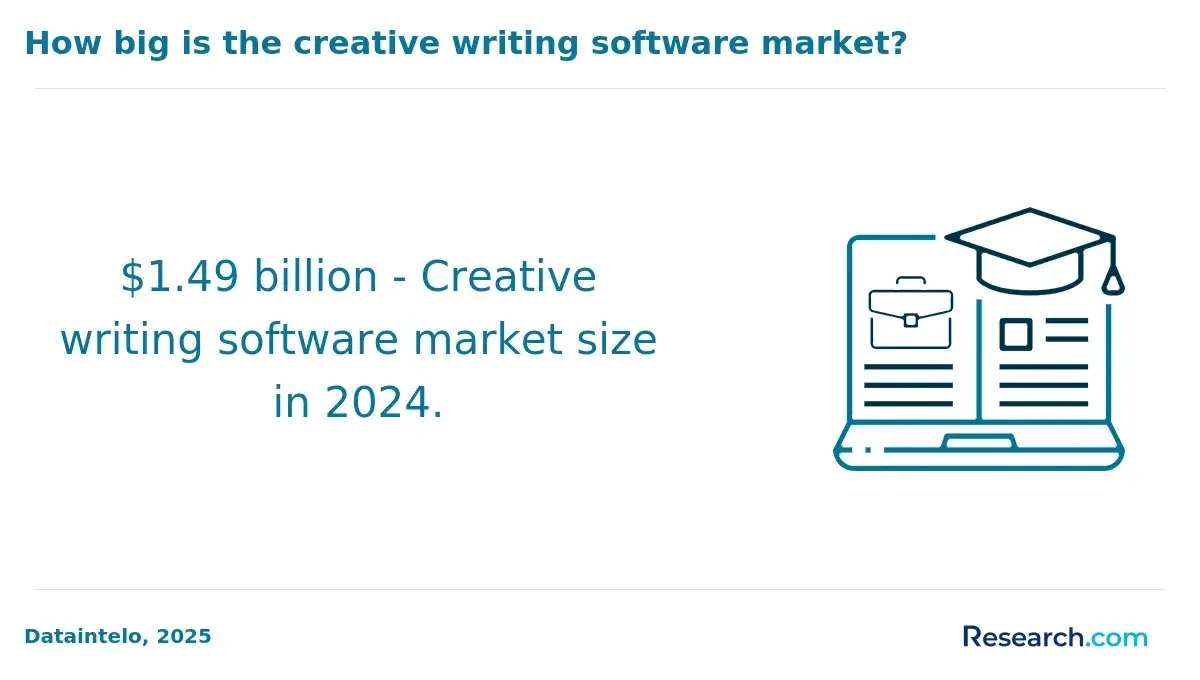
How do AI-enhanced virtual classrooms work in online creative writing programs?
AI technologies have become central to modern online education by enhancing interactivity and personalizing learning experiences for students. In creative writing programs, these innovations improve instruction and provide continuous support, making the learning process more engaging and effective.
Below are key features of AI-powered virtual learning environments that transform online creative writing courses.
- AI-powered writing tools: Platforms integrate AI-powered writing tools in online creative writing courses to offer real-time feedback on grammar, clarity, tone, and style. This helps students develop stronger, more polished drafts beyond traditional editing methods.
- Collaborative peer review: Students participate in anonymous feedback exchanges within structured challenges, fostering psychologically safe spaces that encourage risk-taking and creative growth.
- Real-time AI feedback: AI systems analyze submissions to identify literary devices and provide targeted, formative feedback, highlighting both strengths and areas for improvement, which deepens students' analytical skills.
- Idea generation support: During live discussions, AI assists brainstorming by delivering research-based content without interrupting collaboration, enriching the creative process.
- Administrative automation: Routine feedback and organizational tasks are automated, allowing instructors more time for mentorship while students focus on developing their creative voices.
Prospective students curious about the value of an online creative writing degree might also explore what's the easiest degree to get online as they consider their options.
What technology do you need for an online creative writing degree?
Having the right technology setup is essential for success in modern online creative writing programs, ensuring smooth access to virtual classrooms, writing tools, and communication platforms. Without adequate technology, students may struggle to engage fully in workshops, peer reviews, and assignment submissions.
Below is a list of specific tools, equipment, and software students should prepare before enrolling in an online creative writing program.
- Reliable Computer: A modern laptop or desktop with at least an Intel Core i7 or AMD Ryzen 7 processor, 16GB RAM (32GB recommended for multitasking), and a 512GB SSD (1TB preferred) is ideal. This setup allows students to run multiple writing applications, video calls, and online research simultaneously without lag, which is crucial during live virtual workshops.
- High-Speed Internet: A stable internet connection with minimum speeds of 5Mbps download and 1Mbps upload, and low latency (<100ms), is necessary for streaming lectures and submitting assignments seamlessly. A reliable connection prevents disruptions during live sessions and group discussions.
- Microsoft Office Suite: Access to Office 365, especially Word, Excel, and PowerPoint, supports drafting stories, organizing notes, and creating presentations. Word's track-changes feature is often used for peer feedback, enhancing collaborative editing.
- Antivirus Software: Robust antivirus protection safeguards work files and personal data during online submissions and downloads. Many internet providers offer free options for students, which help maintain security throughout the program.
- Webcam and Microphone: Essential for participating in live discussions, oral presentations, and workshops, good-quality audio and video equipment improve communication clarity and engagement with instructors and peers.
- Backup and Cloud Storage: Platforms like Google Drive or OneDrive ensure important drafts and portfolios are safely stored and accessible across devices. Cloud storage also facilitates sharing work with classmates and instructors in real time.
Students considering an online creative writing degree should ensure their equipment meets these recommendations to fully benefit from coursework and virtual collaboration. Additionally, researching the affordable online PhD programs can help those planning to continue their education. Choosing the best laptop for creative writing students will contribute significantly to a smooth and productive learning experience.
How long does it take to finish an online creative writing in 2027?
Program length is a key consideration for students planning their education, especially when balancing personal and professional commitments. Timelines for completing an online creative writing degree can vary widely depending on the program's format and pacing options. Below is an overview of typical completion durations for different online creative writing tracks.
- Full-Time Online Track: Most programs follow a four-year full-time schedule, similar to traditional bachelor's degrees. Some universities offer accelerated paths where students can finish in two years by committing up to 50 hours a week, often with intensive courses lasting about eight weeks.
- Part-Time Enrollment: Designed for those balancing work or family, part-time study can extend completion to three to six years. This option offers greater flexibility, allowing students to take fewer courses each term and adjust their pace based on their availability.
- Self-Paced & Flexible Formats: Many programs now provide self-paced learning, enabling students to progress faster or slower depending on their schedule. Transfer credits can also accelerate graduation by reducing required coursework.
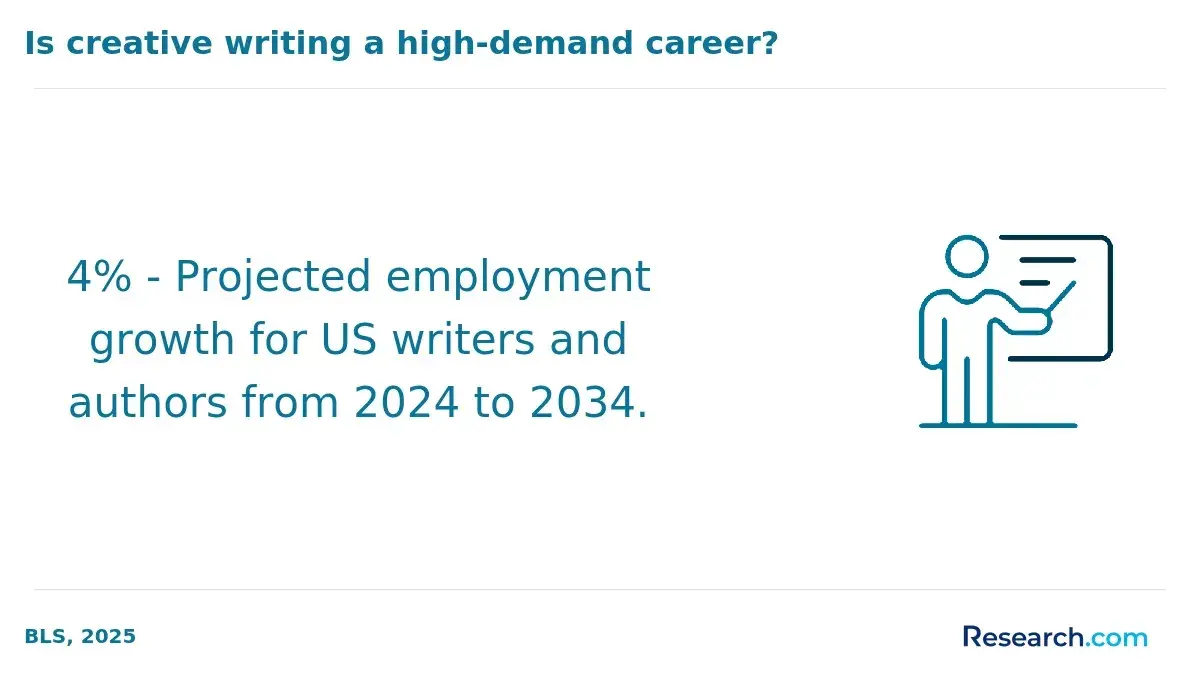
Can you work full-time while completing an online creative writing degree?
Balancing full-time employment with online study is a common concern for many prospective students interested in creative writing degrees. Managing both commitments requires understanding specific factors that influence how well one can juggle work and academics.
Key considerations for working full-time while enrolled in an online creative writing program include:
- Flexible pacing: Many programs allow students to choose between full-time and part-time enrollment, enabling adjustments based on workload and personal schedules.
- Asynchronous coursework: Online classes often let students complete assignments on their own time rather than attending live sessions, making it easier to fit study around work hours.
- Workload breakdown: Dividing writing projects into smaller tasks like research, drafting, and revision helps sustain steady progress despite limited free time.
- Support from employers: Some students benefit from employer flexibility or designated time off, providing opportunities for concentrated study or writing retreats.
- Time management: Developing disciplined routines and using small pockets of time efficiently encourages consistent momentum on coursework.
When I spoke with a graduate who worked full-time during her online creative writing degree, she described the experience as challenging but rewarding. "It was tough balancing unexpected work demands and deadlines," she said, "but breaking assignments into manageable chunks helped me stay afloat."
She emphasized how using early mornings and lunch breaks for writing became her most productive hours. Despite occasional stress, she viewed this journey as a valuable lesson in perseverance and self-motivation, proving that with intentional planning, working full-time and completing an online writing degree is achievable.
How do online creative writing degree programs help with internships?
Internships offer essential practical experience for students pursuing careers in creative writing, helping them apply classroom knowledge to real-world projects. These opportunities are crucial for building writing skills, professional portfolios, and industry connections. Online creative writing programs use various methods to help students secure and succeed in internships.
- Remote and Flexible Opportunities: Many internships are designed to accommodate online students by offering remote work and adaptable schedules, allowing learners to balance coursework and professional experience.
- Career Services Support: Programs often provide dedicated placement assistance through partnerships with organizations and curated job boards focused on writing-related roles, such as editorial tasks and digital content creation.
- Mentorship and Supervision: Students receive guidance and feedback from experienced writers or supervisors during internships, ensuring professional growth and clear expectations.
- Portfolio Development: Online programs encourage students to compile their internship work, creating a strong portfolio that enhances job prospects or freelance opportunities.
What is the average tuition cost of an online creative writing program?
Understanding tuition expenses is crucial for those considering an online creative writing degree, as it directly influences budgeting and educational planning. Knowing the financial specifics helps applicants weigh the value of their investment against potential career outcomes. Below is a breakdown of typical costs associated with these programs:
- Average Tuition Per Year: In-state students at public universities can expect to pay around $10,595 annually, while out-of-state students often face much higher fees, averaging near $37,658. This wide range reflects variations in institutional policies and residency status.
- Cost Per Credit: Rates fluctuate by provider, with some universities charging approximately $342 per credit-totaling around $1,026 per standard three-credit course. Public institutions may offer lower rates, sometimes ranging from $179 to $330 per credit based on residency.
- Public vs. Private Institutions: Public universities generally provide more affordable tuition, with costs averaging 72% less than private colleges. This difference plays a significant role in student choice, especially for budget-conscious learners.
- Residency Discounts: Students attending as residents benefit from reduced tuition, occasionally paying as little as $5,736 per year at select public universities. Out-of-state fees, conversely, can substantially increase total costs.
- Additional Fees: Many programs impose a nonrefundable application fee, usually near $50. Notably, some schools, such as Oregon State, do not charge extra fees for nonresident students, promoting tuition transparency.
When discussing the average tuition cost with a student currently enrolled in an online creative writing degree, he shared that navigating financial decisions was a pivotal part of his journey. He described feeling initially overwhelmed by the variance in tuition rates and the complexity of potential hidden fees.
However, after thorough research and comparing public and private options, he found a balanced program that fit his budget without sacrificing quality. "Knowing where to look and what questions to ask made all the difference," he reflected. For him, the investment felt worthwhile given the flexibility and opportunities the degree provided, emphasizing that financial clarity helped alleviate stress and supported his academic and personal growth.
What is the average salary for someone with an online creative writing degree in 2027?
Understanding the potential earnings is a crucial factor when evaluating whether an online creative writing program is worth the investment. Knowing salary outcomes helps prospective students weigh tuition costs against possible career returns. The following key salary insights offer a clear overview of what to expect after earning an online creative writing degree.
- Average Entry-Level Salary: Graduates starting in roles such as content writing or copywriting can expect to earn around $20 per hour. This aligns with job listings seen on popular employment sites like Indeed, reflecting the entry point in a competitive field.
- Mid-Career Salary Growth: As writers advance, especially into technical writing or editing, salaries increase significantly. Mid-career professionals may see median earnings around $75,260 for editors and up to $91,670 for technical writers, showing strong growth potential within specialized sectors.
- Salary by Industry and Region: Creative writing degree salary outcomes and job prospects vary widely based on industry and geography. Technical writers and public relations specialists often command higher wages, while poets and fiction writers may earn less, frequently supplementing income with additional work. Metropolitan areas tend to offer above-average salaries, reflecting higher demand and cost of living.
The average salary for online creative writing degree graduates in the United States 2026 is approximately $62,185 annually or $29.90 per hour, according to ZipRecruiter's latest data. This range accounts for the varied career paths creative writing alumni pursue, including freelance writing, editing, publishing, and public relations.
For those considering further academic advancement, some may explore accelerated options like a one year PhD program to deepen expertise and potentially enhance salary prospects.
By considering these earnings data alongside tuition and educational goals, students can make informed decisions about pursuing an online creative writing degree and its alignment with their career objectives.
Which industries hire graduates from online creative writing programs?
Graduates with an online creative writing degree gain versatile skills that prepare them for a wide array of professional fields. The degree emphasizes storytelling, clear communication, and critical thinking, making holders valuable across industries.
Below are key industries hiring creative writing graduates, showing how the degree translates into real-world opportunities.
- Publishing: This traditional sector remains a strong employer, offering roles such as editors, content developers, and literary agents. Graduates contribute to producing books, magazines, and digital media, leveraging their writing and storytelling expertise to craft compelling content.
- Marketing and Advertising: Companies in these industries hire creative writing graduates for copywriting, content creation, social media management, and email marketing. The ability to craft persuasive messages aligns with growing digital marketing demands, and many positions are now remote, increasing job accessibility.
- Media and Entertainment: Creative writers find opportunities in journalism, screenwriting, and ghostwriting. These roles often require adaptability and strong narrative skills, which online programs emphasize, preparing graduates for the entertainment sector's evolving needs.
- Education and E-Learning: The rise of online learning platforms fuels demand for instructional writers and curriculum developers. Creative writing graduates help design engaging educational content, blending creativity with clarity to support diverse learners.
- Freelance and Remote Work: Websites like Upwork and ZipRecruiter report high demand for freelance creative writers in content creation and editing. Indeed lists remote roles with salaries up to $80,000 annually for senior positions, reflecting labor trends favoring flexible, location-independent careers.
Given the variety of industries hiring creative writing graduates, this degree offers flexibility and strong career prospects. Students can tailor their focus to specific interests, enhancing employability in diverse sectors. For those exploring career options beyond traditional paths, reviewing a trade schools list of careers may also provide valuable insights.
What Graduates of Online Creative Writing Programs Say About Their Degree
- Jaime: "Pursuing an online creative writing degree allowed me to learn at my own pace, which was crucial balancing work and study. The program's flexibility made the experience enjoyable and deeply enriching, and the average cost was surprisingly affordable compared to traditional universities. This degree has significantly boosted my confidence and opened doors in freelance writing."
- Enzo: "Reflecting on my online creative writing degree, I appreciate the blend of structured coursework and self-directed projects that challenged my creativity daily. The financial investment, which averaged around $15,000, felt justified as it led me to a rewarding career in editing and publishing. It's an experience that reshaped my professional path profoundly."
- Rowan: "The professional development gained from completing an online creative writing degree far outweighed the cost, which was reasonable compared to other programs. The curriculum's focus on both craft and career preparation allowed me to refine my voice while building practical skills. This degree has been instrumental in advancing my career as a novelist with several publications."
Other Things You Should Know About Creative Writing Degrees
In 2027, aspiring students should consider tuition costs, which vary by institution, and necessary materials like software and books. While online programs may offer financial aid, graduates should weigh potential debt against earning potential in a competitive job market where initial salaries in creative writing roles may be modest.
An online creative writing degree offers structured learning that can improve writing skills through coursework, peer reviews, and instructor feedback. Students can develop a deeper understanding of narrative techniques, genres, and editing processes. However, the degree's effectiveness largely depends on the student's commitment to practicing and applying what they learn.
References
- How an online Creative Writing training helped me land my first content writing internship - Internshala blog https://internshala.com/blog/internshala-creative-writing-training-review-how-an-online-creative-writing-training-helped-me-land-my-first-content-writing-internship/
- Writing and Literature (Online) - Atlantic Technological University https://www.atu.ie/courses/bachelor-of-arts-honours-writing-and-literature-online
- Online Creative Writing Classes Pros and Cons https://marymackey.com/online-creative-writing-classes-pros-and-cons/
- Why Consider Creative Writing Internships with Nonprofits https://www.rootsinterns.com/blog/why-you-should-consider-creative-writing-internships-with-nonprofits/
- Is an online creative writing certificate program right for you? https://www.interlochen.org/stories/online-creative-writing-certificate-program-right-for-you
- Online Creative Writing Degrees https://www.snhu.edu/online-degrees/bachelors/creative-writing
- Can you be a full-time student and have a full-time job? https://www.thestudentroom.co.uk/showthread.php
- ZipRecruiter. (2026). Creative writer salary in the United States. https://www.ziprecruiter.com/Salaries/Creative-Writer-Salary
- Zippia. (2025). Creative writer education requirements: Degrees, majors, and colleges. https://www.zippia.com/creative-writer-jobs/education/
- U.S. Bureau of Labor Statistics. (2025). Writers and authors: Occupational outlook handbook. https://www.bls.gov/ooh/media-and-communication/writers-and-authors.htm
- Dataintelo. (2025). Creative writing software market research report 2033. https://dataintelo.com/report/creative-writing-software-market


