
2027 What Does an Operational Accountant Do: Responsibilities, Requirements, and Salary

Co-Founder and Chief Data Scientist
Operational accounting is the accounting specialization closest to day-to-day business performance. While financial accounting summarizes results for external users, operational accounting helps managers understand what is happening inside the business: costs, margins, budgets, inventory, staffing, production efficiency, service delivery, and process performance.
This guide is designed for students exploring accounting careers, early-career accountants comparing specializations, and working professionals who want a finance role with visible impact on business decisions. It is especially relevant if you like analyzing data, improving systems, and explaining why financial results changed—not just recording that they changed.
The outlook for this career path is steady. The U.S. Bureau of Labor Statistics projects employment of accountants and auditors to grow 4.6% through 2034, faster than the average for all occupations. Below, you will learn what operational accountants do, how the role differs from traditional financial accounting, what reports and skills matter, what credentials can help, how much these professionals earn, and how the career path typically develops.
Key Things You Should Know About What an Operational Accountant Does
- Operational accountants analyze the daily financial activities of a business, focusing on internal reporting, budgeting, cost analysis, and finding operational inefficiencies to support management decision-making.
- The job outlook for accountants and auditors, the broader category that includes this role, is positive, with the U.S. Bureau of Labor Statistics projecting a 4.6% through 2034, which is faster than the average for all occupations.
- The median annual salary for an accountant in the U.S. is approximately $81,680, with specialized operational roles often earning within a range where the average is about $93,520 annually.
What is an operational accountant?
An operational accountant is an internal accounting professional who analyzes the financial activity behind everyday business operations. Instead of focusing mainly on external statements, the role examines how costs, resources, labor, inventory, overhead, and processes affect performance.
In practice, operational accountants help managers answer questions such as: Why did production costs rise this month? Which product line is losing margin? Is inventory moving too slowly? Are staffing levels aligned with demand? Did a department exceed its budget because of higher volume, poor planning, waste, or price increases?
The role sits at the intersection of accounting, finance, and operations. A strong operational accountant understands the accounting system, but also knows how work is actually performed in a plant, warehouse, hospital department, retail network, logistics operation, or service business. That context is what turns financial data into useful business advice.
This specialization requires more targeted preparation than a broad academic foundation. A general studies online degree can support communication and analytical development, but operational accounting typically requires focused coursework or experience in accounting systems, cost behavior, budgeting, forecasting, internal reporting, and business analytics.
How does operational accounting differ from traditional financial accounting?
Operational accounting and financial accounting both rely on financial data, but they serve different users and different decisions. Financial accounting documents what happened during a reporting period for outside stakeholders. Operational accounting helps internal leaders decide what to change, where to invest, and how to improve performance.
Financial accounting must follow standardized rules because investors, lenders, regulators, auditors, and tax authorities need consistent reports. Operational accounting is more flexible because managers need decision-specific analysis by product, department, location, process, customer group, or project.
Operational Accounting
- Primary audience: Internal decision-makers, including executives, operations leaders, department heads, plant managers, project teams, and finance managers.
- Main purpose: Improve decisions about cost control, pricing, budgeting, capacity, productivity, inventory, staffing, and profitability.
- Time orientation: Current and forward-looking, with an emphasis on planning, forecasting, early warning signs, and corrective action.
- Reporting format: Customized reports, dashboards, variance analyses, cost models, forecasts, and performance summaries.
- Rules and standards: Flexible, as long as the analysis is accurate, consistent, explainable, and useful for internal decision-making.
- Typical question answered: “Why are costs rising in this area, and what should management do about it?”
Financial Accounting
- Primary audience: External users, including investors, creditors, auditors, government agencies like the IRS, and other stakeholders.
- Main purpose: Present the organization’s financial position and results for a defined period.
- Time orientation: Historical, with emphasis on completed transactions and prior performance.
- Reporting format: Standard financial statements, including income statements, balance sheets, and cash flow statements.
- Rules and standards: Strict adherence to frameworks such as GAAP or IFRS.
- Typical question answered: “What were the company’s financial results for the period?”
For career planning, the difference is important. Financial accounting may be a better fit if you prefer compliance, audit support, external reporting, and standardized statements. Operational accounting may be a stronger fit if you want to work closely with managers, investigate performance problems, build forecasts, and influence business decisions from inside the organization.
What are the core responsibilities of operational accountants?
Operational accountants convert accounting data into guidance that managers can use. The exact duties vary by industry and employer, but most roles combine cost analysis, budgeting, variance investigation, management reporting, and process improvement.
- Cost accounting: Track and analyze the cost of producing goods or delivering services, including direct materials, direct labor, and overhead. This helps the business understand the true cost of a product, service, project, or activity.
- Inventory analysis: Monitor inventory levels, turnover, carrying costs, shrinkage, waste, obsolete stock, and purchasing patterns. Good inventory analysis protects cash flow and reduces the risk of tying up capital in slow-moving goods.
- Budgeting and forecasting: Help build department, project, product, or company-wide budgets. Operational accountants also compare actual results with forecasts so managers can adjust before small issues become larger financial problems.
- Variance analysis: Investigate the difference between expected and actual results. Variances may come from price changes, labor inefficiency, material waste, lower sales volume, inaccurate assumptions, process bottlenecks, or timing differences.
- Process improvement: Identify where operations are wasting money, time, capacity, inventory, or labor. Strong recommendations are specific, measurable, and tied to operational causes rather than vague cost-cutting targets.
- Management reporting: Prepare reports for non-accounting leaders that explain what changed, why it changed, what the financial impact is, and what action management should consider.
- Operational performance monitoring: Help define and track metrics such as unit cost, gross margin by product, scrap rates, labor utilization, throughput, overtime, and department-level spending.
- Cross-functional support: Work with operations, procurement, sales, logistics, human resources, and leadership teams to connect financial results with real business activity.
A common mistake is viewing the role as purely technical. Operational accountants need strong accounting skills, but their value grows when they can explain the operational reason behind a number and help managers decide what to do next.
How do operational accountants directly impact business profitability?
Operational accountants improve profitability by helping a company get more value from the resources it already uses. They do this through better cost visibility, stronger budgeting, smarter pricing support, tighter inventory control, and earlier detection of operational problems.
For example, an operational accountant may find that a production process is using more materials than expected. The cause might be poor supplier quality, incorrect machine setup, weak training, scheduling problems, waste, or outdated cost assumptions. Once the cause is clear, managers can address the problem instead of simply accepting lower margins.
Pricing is another major area of impact. A company cannot price products or services effectively unless it understands direct costs, overhead allocation, labor requirements, margin targets, and volume assumptions. Operational accountants provide the cost evidence needed to avoid underpricing work, overestimating profitability, or investing too heavily in low-margin offerings.
Budgeting and forecasting also support profitability. When departments understand their spending patterns and expected resource needs, leadership can allocate capital more carefully. That can mean funding high-return activities, delaying weak investments, or correcting overspending before it becomes embedded in the business.
The same principles apply across industries. In manufacturing, the emphasis may be production costs, scrap, labor efficiency, and inventory. In healthcare, it may be staffing, reimbursement, supply use, and department-level performance. In digital and entertainment sectors, including careers connected to esports business jobs, operational accountants may analyze event costs, sponsorship economics, platform expenses, and revenue streams. The setting changes, but the goal remains consistent: help managers make decisions that improve financial performance.
What key financial reports and analyses do operational accountants prepare?
Operational accountants prepare internal reports built for action. These reports are usually more detailed than standard financial statements because they are designed to support specific management decisions.
- Cost of goods sold reports: Break down the direct and indirect costs involved in producing goods or delivering services. Managers use them for pricing, margin review, product planning, and cost control.
- Variance analysis reports: Compare actual results with budgeted or forecasted results. A useful variance report explains the likely cause of the difference and identifies the next step, not just the dollar amount.
- Breakeven analysis: Calculates the sales volume or revenue needed for total revenue to equal total costs. This is useful when launching products, opening locations, changing prices, or evaluating fixed-cost commitments.
- Product profitability analysis: Shows which products or services generate stronger or weaker margins after relevant costs are considered. This can influence sales strategy, marketing spend, production planning, and discontinuation decisions.
- Inventory turnover reports: Measure how quickly inventory is sold or used. These reports can reveal slow-moving stock, excess purchasing, weak demand planning, shrinkage, or operational delays.
- Departmental performance reports: Compare spending, productivity, output, and budget performance across departments or business units. These reports support accountability at the operating level.
- Labor and overhead analysis: Examines how labor hours, overtime, staffing levels, machine time, facility costs, and indirect expenses affect unit costs and margins.
- Forecast updates: Revise expected revenue, costs, cash needs, or production volumes based on current operating conditions.
The strongest operational reports are not data dumps. They make the decision clear, show the financial evidence, explain the operational trade-offs, and give managers enough context to act.
What is the required educational and professional background?
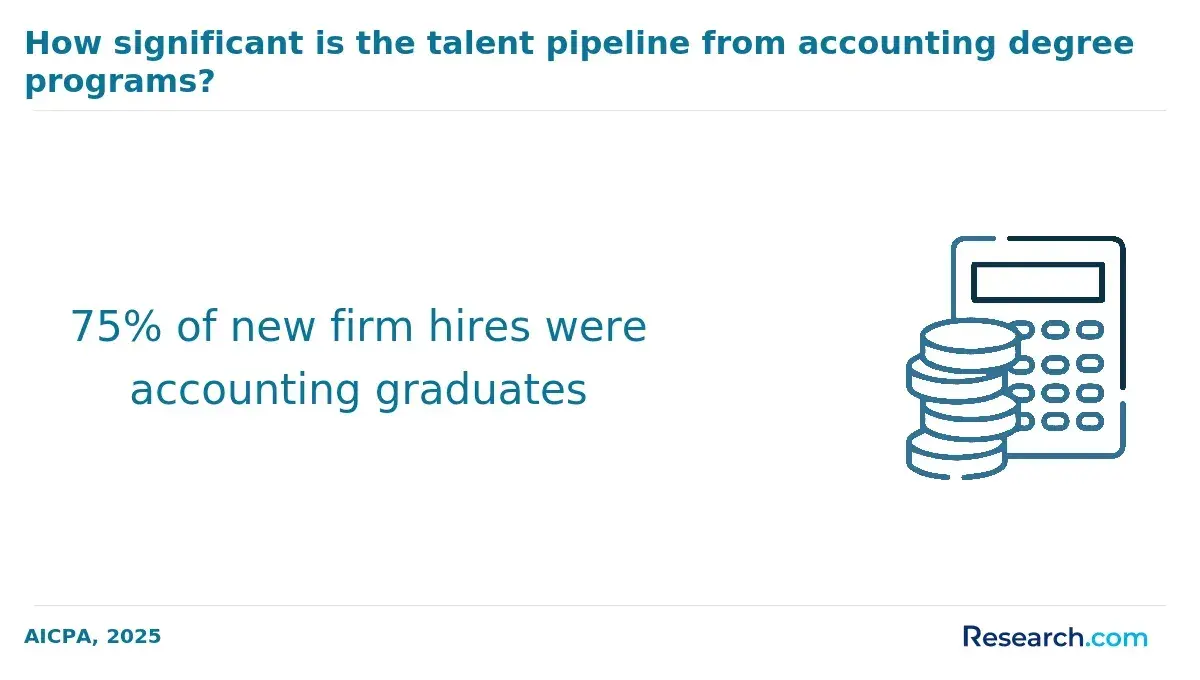
The most direct path into operational accounting is a bachelor’s degree in accounting. Employers may also consider candidates with degrees in finance, business administration, economics, mathematics, or other quantitative fields, especially if they have completed meaningful accounting coursework.
Because operational accounting is applied inside a business, education alone is rarely enough. Employers usually look for evidence that you can work with real data, understand business processes, use accounting systems, and explain findings to managers who may not have an accounting background.
- Core education: A bachelor’s degree in accounting is the clearest route. Helpful coursework includes managerial accounting, cost accounting, financial accounting, auditing, taxation, statistics, business analytics, information systems, and operations management.
- Relevant internships: Internships in accounting, corporate finance, manufacturing finance, cost accounting, internal audit, supply chain finance, or financial planning and analysis can help students build job-ready experience.
- Entry-level roles: Common starting points include staff accountant, cost accounting clerk, junior financial analyst, accounts payable analyst, inventory analyst, accounting associate, or finance analyst.
- Industry exposure: Experience in manufacturing, retail, healthcare, logistics, technology, or another operations-heavy setting is valuable because it helps candidates understand how accounting data connects to daily workflows.
- Advanced education: A Master of Accountancy (MAcc) or MBA is not always required, but it can support advancement into senior analyst, controller, finance manager, or leadership roles.
- Professional development: Training in ERP systems, analytics tools, budgeting, forecasting, and data visualization can make a candidate more competitive.
Cost and flexibility also matter when choosing a program. Students comparing online accounting options may want to review accredited pathways carefully; a resource on finding an accounting degree online cheap can be useful when affordability is a major factor.
Students from analytical degree backgrounds can transition into operational accounting with the right preparation. For example, someone who completes a bachelor's degree in mathematics online may already have strong quantitative skills, but would typically need accounting, finance, and business systems coursework to compete for operational accounting roles.
What is the essential skillset for an operational accountant?
Operational accountants need a practical mix of accounting knowledge, analytical skill, systems fluency, and communication ability. The technical work helps identify the problem; the business-facing work helps managers understand and solve it.
Essential Technical Skills
- Cost and managerial accounting: Understand cost behavior, overhead allocation, standard costing, job costing, process costing, contribution margin, budgeting, and performance measurement.
- Advanced spreadsheet skills: Use Microsoft Excel or Google Sheets for modeling, lookups, PivotTables, scenario analysis, reconciliations, and large data review.
- ERP system knowledge: Work with systems such as SAP, Oracle NetSuite, or Microsoft Dynamics 365, which often store purchasing, inventory, production, payroll, and financial data.
- Data visualization: Use tools such as Tableau or Power BI to build dashboards that help managers identify trends, exceptions, and performance gaps quickly.
- Data querying and management: Use basic SQL or similar skills to extract, join, and validate data instead of relying only on prebuilt reports.
- Budgeting and forecasting: Build assumptions, update projections, test scenarios, and explain how operational changes affect financial outcomes.
- Internal controls awareness: Recognize risks in purchasing, inventory, payroll, approvals, cost allocation, and reporting processes.
Critical Soft Skills
- Communication: Explain financial results to non-financial managers in plain language. A good explanation connects the number to the operational cause.
- Analytical judgment: Know when a variance is meaningful, when data may be unreliable, and when a trend requires deeper investigation.
- Business acumen: Understand how revenue, costs, operations, customers, suppliers, capacity, and timing interact.
- Collaboration: Work with people outside accounting to verify assumptions, understand processes, and develop realistic solutions.
- Influence: Present recommendations in a way that helps managers change behavior, not just acknowledge a report.
- Curiosity: Ask why results changed, what is driving the pattern, and whether the accounting data matches what is happening operationally.
The best operational accountants are not simply “good with numbers.” They are trusted business partners who can turn financial information into better decisions.
Is a CPA or CMA certification necessary to advance?
A CPA or CMA is not always required for entry-level operational accounting jobs, but certification can strengthen credibility and improve advancement prospects. The better choice depends on the direction you want your career to take.
The CPA license is broadly recognized across accounting. It is especially useful for professionals interested in public accounting, audit, external reporting, technical accounting, controllership, or roles where regulatory credibility and financial statement expertise matter.
The CMA is often more directly aligned with operational accounting. Offered by the Institute of Management Accountants (IMA), the CMA focuses on management accounting, financial decision-making, performance management, planning, and strategic analysis. Those topics closely match the work operational accountants perform inside organizations.
For many operational accounting careers, the CMA sends a clear signal that you can connect accounting data with management decisions. A CPA can still be valuable, especially for broader accounting leadership paths, but candidates should not assume it is the only credential employers value.
The best approach is to match the credential to the work you want. Just as a cybersecurity professional may pursue CISM online training for a security management path, an operational accountant may choose the CMA to demonstrate focused expertise in management accounting and performance improvement.
How much do operational accountants earn?
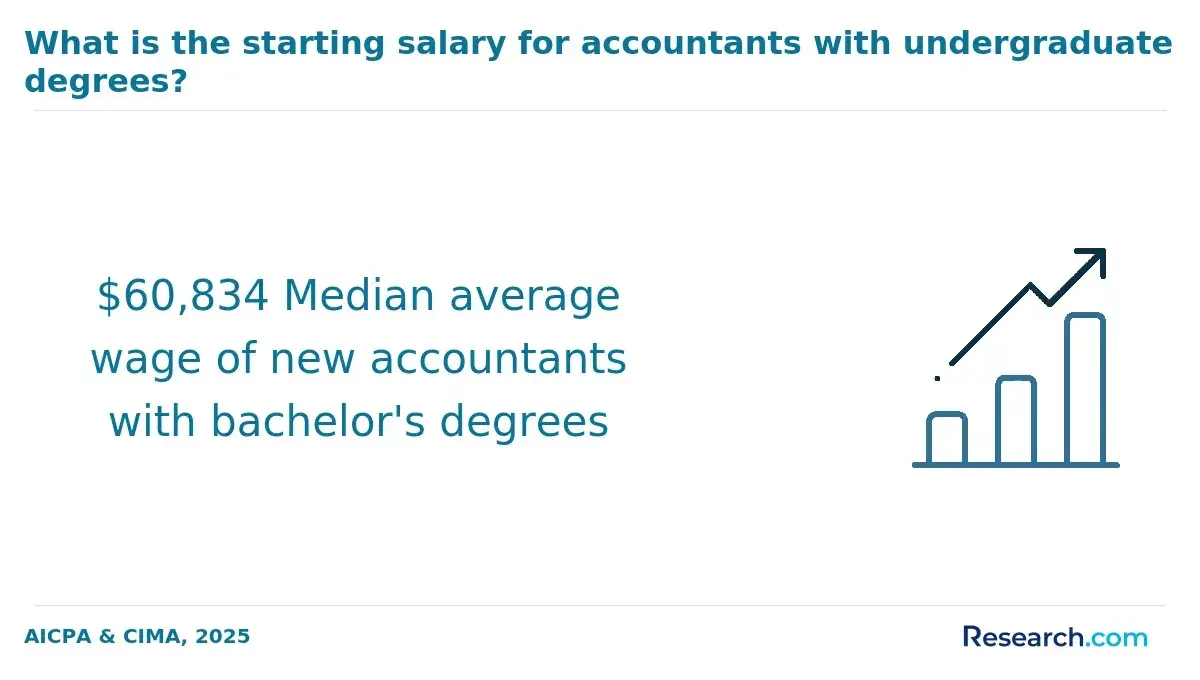
Operational accountant salaries vary by employer, industry, location, experience, credentials, and level of responsibility. According to data from Glassdoor and ZipRecruiter, operational accountants earn around $70,000 to $116,000 each year.
Senior professionals, especially those with a CMA or CPA and management experience, can earn well over $120,000. Higher compensation is more likely when the position includes team leadership, budget and forecast ownership, plant or division finance responsibilities, or direct support for executive decision-making.
Industry also affects earnings. According to the U.S. Bureau of Labor Statistics, as shown in the chart below, accountants and auditors working in the Web Search Portals, Libraries, Archives, & Other Information Services industry earn well beyond this threshold.
When comparing job offers, look beyond base salary. Review bonus eligibility, retirement contributions, health benefits, remote or hybrid flexibility, expected overtime during close or budget cycles, certification support, tuition assistance, and promotion potential. A slightly lower salary may be more attractive if the role offers stronger training, better systems exposure, or a clearer path to senior finance work.
What is the job outlook for operational accountants?
The job outlook is stable because organizations continue to need professionals who can control costs, explain financial performance, and improve efficiency. According to the U.S. Bureau of Labor Statistics, overall employment of accountants and auditors is projected to grow by 4.6% through 2034. The field is also expected to produce around 124,200 annual openings throughout the decade.
Operational accounting remains useful because complex organizations need internal financial insight. Leaders must understand where money is being spent, which activities generate value, which processes weaken margins, and where forecasts need to change.
Automation is changing the work, but it is not eliminating the need for operational accountants. Routine tasks such as data entry, reconciliations, and basic report generation are increasingly supported by software. That shift places more value on professionals who can interpret data, question assumptions, advise managers, and connect financial results to actual operations.
Demand is especially practical in industries with significant operational complexity, including manufacturing, healthcare, logistics, retail, technology, and service organizations with multiple locations or cost centers. Similar to asking what you can do with a health information management degree when evaluating healthcare data careers, aspiring operational accountants should think carefully about which industry context best fits their strengths and interests.
What does a typical operational accounting career path look like?
An operational accounting career often progresses from transaction support and reporting into analysis, management, and strategic finance leadership. Advancement depends on technical accuracy, business judgment, communication skill, and the ability to help other departments make better decisions.
- Entry-Level (0-3 years): Common titles include cost accountant, staff accountant, junior operational analyst, inventory accounting associate, or finance analyst. The focus is learning systems, supporting month-end close, tracking costs, preparing basic reports, and understanding how the business operates.
- Mid-Career (3-7 years): Professionals may move into senior operational accountant, senior cost accountant, plant accountant, or senior financial analyst roles. The work becomes more analytical, with responsibility for variance explanations, forecasts, cost models, and recommendations to managers.
- Management Level (5-10+ years): Titles may include cost accounting manager, plant controller, operations finance manager, accounting manager, or finance business partner. These roles often involve supervising staff, leading budgets, advising operational leaders, and improving reporting processes.
- Executive Level (10+ years): Experienced professionals may move into divisional CFO, vice president of Finance, controller, or corporate chief financial officer (CFO) positions. At this level, the work shifts from preparing reports to shaping strategy, capital allocation, profitability, and risk management.
The path is not always linear. Some professionals move from public accounting into operational accounting, while others begin in financial analysis, supply chain finance, cost accounting, or inventory accounting. Credentials such as the CMA or CPA, advanced ERP experience, and strong analytics skills can help accelerate advancement.
Senior operational finance roles can offer strong earning potential because they influence profitability at a high level. Much like a strong master’s in engineering management salary reflects specialized leadership in a technical field, compensation for senior operational finance leaders reflects their role in improving business performance.
Here’s What Graduates Have to Say About Becoming an Operational Accountant
- : "As someone who switched from general accounting, I was amazed at how much broader operational accounting feels. It’s not just about tracking transactions; it’s about improving systems. Learning to use analytics tools and forecasting models gave me an edge in my current role. I feel like I finally understand how to drive real operational value. — Sean"
- : "I pursued operational accounting because I wanted a career that combined analysis and problem-solving. The program’s emphasis on data-driven decision-making taught me how to link numbers to strategy. I’ve since joined a multinational firm, and every day I apply what I learned about process optimization. It feels good knowing my skills make a tangible difference. — Megan"
- : "I have always been good with numbers, but earning my degree in operational accounting helped me understand the bigger picture; how financial operations influence strategic decisions. The case studies were especially eye-opening, showing how operational accounting supports long-term growth. After graduating, I was promoted to a senior analyst position. It was one of the best professional steps I’ve ever taken. — Thomas"
Key Findings
- Operational accountants focus on internal decision-making, cost control, budgeting, forecasting, variance analysis, management reporting, and process improvement.
- The role differs from traditional financial accounting because it is forward-looking, customized for managers, and closely tied to daily operations rather than external reporting alone.
- A bachelor’s degree in accounting is the most direct educational path, but finance, business, mathematics, and other analytical backgrounds can also lead to the field with enough accounting preparation.
- Core skills include cost accounting, spreadsheet modeling, ERP systems, data visualization, budgeting, forecasting, communication, collaboration, and business acumen.
- The CMA is often especially relevant for operational accounting because it emphasizes management accounting, performance management, planning, and financial decision-making. The CPA can also support advancement, particularly for broader accounting leadership roles.
- According to data from Glassdoor and ZipRecruiter, operational accountants earn around $70,000 to $116,000 each year, while senior professionals with certifications and management responsibility can earn well over $120,000.
- The U.S. Bureau of Labor Statistics projects employment of accountants and auditors to grow by 4.6% through 2034, with around 124,200 annual openings throughout the decade.
- Automation is shifting operational accounting toward higher-value analysis, advising, forecasting, and strategic support rather than removing the need for this expertise.
Other Things You Should Know About Becoming an Operational Accountant
In 2027, operational accountants handle budget management, financial reporting, and data analysis. They ensure compliance with financial regulations, streamline accounting processes, and support strategic decision-making by interpreting financial data. These tasks are vital for maintaining a company’s financial health.
Operational accountants handle a range of tasks including managing financial data, preparing and analyzing reports, reconciling accounts, and ensuring compliance with financial regulations. They also support budget management and collaborate with other departments to optimize financial processes in 2027.
In 2027, operational accountants can expect to earn an average annual salary ranging from $55,000 to $80,000, depending on experience, location, and industry. Entry-level positions may start at around $45,000, while senior roles can exceed $100,000.
References
- Association of International Certified Professional Accountants. (n.d.). Management accounting resources. Retrieved October 27, 2025, from https://www.aicpa-cima.com/resources/topic/management-accounting
- Association of International Certified Professional Accountants. (2025). AICPA 2025 Trends Report. https://www.aicpa-cima.com/professional-insights/download/2025-trends-report
- AICPA & CIMA. (2025). MAP survey executive summary. https://www.aicpa-cima.com/resources/download/map-survey-executive-summary
- Institute of Management Accountants. (2024). IMA global salary survey 2024. https://www.imanet.org/career-resources/salary-information
- National Student Clearinghouse Research Center. (2025). Clearinghouse Enrollment Insights Series: Final Fall Enrollment Trends. https://nscresearchcenter.org/final-fall-enrollment-trends
- Robert Half. (2024). 2025 Salary guide for accounting and finance. https://www.roberthalf.com/us/en/salary-guide/accounting-and-finance
- Smith, J. A. (2024, May). The evolving role of the management accountant in the age of AI. Journal of Accountancy. https://www.journalofaccountancy.com/news/2024/may/evolving-role-management-accountant-ai.html
- U.S. BLS. (2024). May 2024 Occupational Employment and Wage Statistics. Occupational Employment and Wage Statistics Query System. Retrieved January 2026, from https://data.bls.gov/oes/#/industry/000000


