
2027 What Prerequisites Do You Need for an Information Security & Assurance Degree? Entry Requirements, Credits & Eligibility Rules

Co-Founder and Chief Data Scientist
Many students feel uncertain about the varied prerequisites for an information security & assurance degree, often unsure which courses or skills they must have beforehand. Studies indicate that nearly 40% of applicants to cybersecurity-related programs lack key foundational courses, complicating admissions and preparedness. This confusion can delay enrollment or diminish academic success once admitted.
This article aims to clarify typical entry requirements, credit expectations, and eligibility rules for information security & assurance programs, helping prospective students confidently plan their academic path. Understanding these standards ensures applicants meet essential criteria and are well-prepared to advance in this growing, specialized field.
Key Things to Know About the Prerequisites for a Information Security & Assurance Degree
- Foundational courses often include computer science basics, networking, and introductory cybersecurity to ensure readiness for advanced information security concepts.
- Most programs require a minimum GPA of 2.5 to 3.0, reflecting the rigor and precision needed in the field.
- Applicants must typically complete 60+ transferable credits and demonstrate skills in problem-solving, critical thinking, and familiarity with security protocols.
Do information security & assurance programs require specific high school prerequisites?
Information security & assurance programs generally do not require specific high school prerequisites, but these requirements can vary depending on the institution and the type of program. Admissions committees often emphasize a strong foundation in STEM and communication subjects to prepare students for the technical rigor of information security and assurance degrees.
The most common high school subjects suggested include:
- Mathematics: Courses such as algebra, geometry, and introductory statistics or discrete math promote logical thinking and problem-solving skills critical for cryptography and algorithm analysis.
- Computer Science or Information Technology: Basic programming knowledge and familiarity with computer concepts provide practical groundwork, making it easier to grasp advanced cyber security topics.
- Physics or Science: These subjects encourage analytical reasoning and methodical troubleshooting abilities that are essential for incident response and security design.
- English or Communication: Proficiency in written and verbal communication is vital for documenting processes clearly and collaborating with multidisciplinary teams in security environments.
Students researching high school requirements for information security degree 2026 should know that programs often recommend a GPA between 2.5 and 3.0, along with proof of proficiency in math and science. The NCES reports that schools offering computer science and STEM courses have increased by 30% over the last decade, reflecting the rising demand for digital skills relevant to this field.
Prospective learners seeking flexible pathways to meet program prerequisites might explore the best accredited non profit online colleges. These institutions frequently offer prerequisite coursework and alternative entry options tailored for non-traditional students. Overall, while formal prerequisites for information security and assurance programs are not universally mandated, establishing a strong STEM and communication foundation using these flexible options will significantly enhance both eligibility and overall readiness for these degrees.
What college-level prerequisites are required before starting an information security & assurance degree?
Students preparing to start an information security & assurance degree benefit from completing specific college-level prerequisites to ensure they are academically ready and can progress smoothly through the program. These foundational courses develop essential skills that form the basis of advanced security studies. The following list highlights common prerequisite courses typically required for entry into these programs.
- Introductory computer science or information technology: Builds a fundamental understanding of programming, networking, and system operations, essential for grasping complex security protocols.
- Mathematics (statistics or discrete math): Develops analytical skills critical for cryptography, risk assessment, and data analysis within information security fields.
- Writing and communication: Prepares students to effectively document security policies, incidents, and technical reports, a vital part of assurance roles.
- Basic lab sciences (physics or general science): Encourages methodical and experimental thinking, which aids in problem-solving and technical reasoning.
According to data on college prerequisites for information security degree 2026, about 75% of institutions enforcing these entry requirements see improved student success. This foundation equips learners to understand threat models and assurance techniques.
Prospective students seeking efficient, high-value pathways into the cybersecurity field might consider exploring programs categorized among fast degrees that pay well. These options sometimes include accelerated information security tracks that strategically balance accessibility with the academic rigor required for professional success.
How many credits can you transfer into an information security & assurance degree?
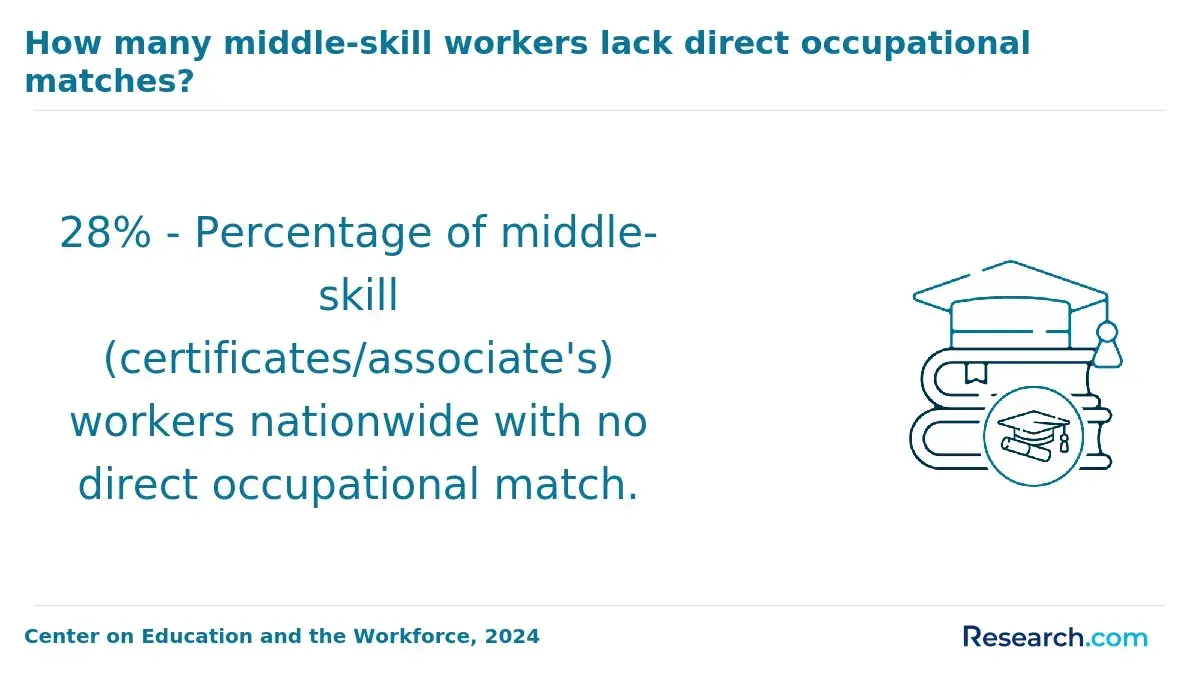
Transfer credit limits for an information security & assurance degree typically range from 50% to 75% of total required credits, though these vary significantly depending on the institution, program design, and accreditation standards. For instance, a 120-credit bachelor's program may allow between 60 and 90 transferred credits. However, some schools enforce stricter caps, especially for technical or specialized degrees, to maintain academic rigor and ensure a comprehensive grasp of essential topics.
Key factors influencing transferability include the level of prior coursework-credits generally must come from accredited institutions and be at a comparable academic level, often upper-division for advanced courses. Programs usually require a minimum grade, commonly a C or better, for acceptance. Residency rules often mandate completing a certain number of credits directly through the institution, typically between 30 and 40. Additionally, transfer credits need to align with core information security subjects or approved electives to be valid.
Students should be aware that vocational, remedial, and pass/fail courses are frequently excluded from transfer eligibility. Many programs also limit experiential learning credits. The U.S. Department of Education notes increased scrutiny in security & assurance programs due to the technical skills involved. Academic advising is crucial to navigate these rules effectively.
When I spoke with a student currently enrolled in an information security & assurance program, she shared how navigating credit transfers was both challenging and enlightening. "It was surprising how detailed the review process was," she explained. She found that aligning her previous coursework with the new program's curriculum took significant effort and discussions with multiple advisors. "I had to be patient and persistent, especially to understand which credits would count toward my degree." Her experience underscored the importance of early planning and proactive communication when transferring credits in this field.
Do you need SAT or ACT scores to get into an information security & assurance degree program?
Most information security & assurance degree programs no longer require SAT or ACT scores for admission as of 2026, reflecting a growing trend toward test-optional or test-free policies nationwide. However, some highly competitive programs and public university systems continue to require these standardized tests, particularly for awarding merit-based scholarships or meeting automatic admission standards.
This shift away from mandatory testing aims to increase access and reduce reliance on standardized metrics, which may not fully represent a student's potential. Nearly 1,000 U.S. colleges had adopted test-optional policies by 2023, signaling substantial change in admissions practices.
Instead of standardized test scores, many programs prioritize other factors to evaluate applicants' readiness. These include high school GPA, success in core prerequisite courses like math and computer science, as well as personal essays and letters of recommendation.
Some schools also consider technical portfolios or relevant certifications such as CompTIA Security+ to assess practical skills and experience. This holistic review process helps admissions committees identify candidates best prepared for the challenges of information security & assurance education beyond traditional testing methods.
What essential skills do you need before enrolling in an information security & assurance degree program?
Success in an information security & assurance degree program depends on several vital skills that prepare students for both academic challenges and industry demands. These abilities enable students to grasp complex cybersecurity topics and engage effectively with coursework and practical scenarios.
Key skills to develop before enrollment include:
- Foundational academic abilities: Proficiency in mathematics and computer science is essential to understand encryption, algorithms, and security protocols that underpin modern cybersecurity systems.
- Technical or software competencies: Familiarity with programming languages like Python or Java and basic networking concepts improves practical learning and application of security measures.
- Analytical and problem-solving skills: The ability to identify vulnerabilities and respond to security incidents swiftly is critical in a field centered on threat detection and mitigation.
- Communication skills: Explaining technical risks clearly to colleagues and stakeholders who lack technical backgrounds is necessary for effective collaboration and security advocacy.
- Field-specific readiness: Understanding core cybersecurity principles and ethical considerations ensures students are prepared for the program's specialized content and industry expectations.
When asked about the skills needed before starting his program, a graduate shared how challenging it was to balance learning complex coding concepts while building confidence in networking fundamentals.
He explained, "I often felt overwhelmed at first, especially since the coursework moved fast, but focusing on strengthening my problem-solving and communication skills helped me keep up." His experience showed that adaptation and perseverance in mastering foundational knowledge were key to thriving in the program.
Do you need professional experience to enter an information security & assurance degree program?
Whether professional experience is required to enroll in an information security & assurance degree program depends largely on the institution, level of study, and area of focus. Undergraduate programs generally do not require prior work experience, emphasizing academic qualifications like a high school diploma.
In contrast, many graduate programs, especially master's degrees, often recommend or require relevant experience in cybersecurity, IT, or related fields. Specialized areas such as risk management or penetration testing tend to favor applicants with hands-on experience.
When considered, this usually ranges from 1 to 3 years in roles like IT support, security analysis, or network administration, enhancing both application strength and mastery of practical material.
Programs that prioritize professional experience view it as essential for fostering experiential learning and preparing students for rigorous coursework. Admissions committees may give preference to candidates with work history to promote diverse perspectives and practical engagement in the classroom.
However, students lacking experience can still gain admission if they demonstrate strong academic performance or theoretical knowledge. Competitiveness also factors in-more selective programs often treat experience as a key differentiator. According to the National Center for Education Statistics, approximately 40% of U.S. cybersecurity master's programs either require or prefer prior professional experience, reflecting its increasing importance.
What tech prerequisites must you meet before starting an online information security & assurance degree?
Online information security & assurance degree programs require students to meet specific technology prerequisites to ensure smooth participation in coursework and access to essential resources. These requirements are necessary because the field relies heavily on practical use of cybersecurity tools, real-time simulations, and secure data management, all of which demand a stable and capable technical setup.
Common technology prerequisites often include:
- Hardware: A modern computer with at least an Intel i5 processor or equivalent, 8GB of RAM, and a minimum of 256GB SSD storage is typical to handle software and virtual lab environments efficiently, allowing students to run resource-intensive cybersecurity applications smoothly.
- Internet Speed: Reliable high-speed broadband internet, usually 25 Mbps or higher, is essential for streaming video lectures, participating in interactive labs, and submitting assignments on time, which is critical for remote learning success.
- Software and Platforms: Compatibility with learning management systems such as Blackboard or Canvas is required, along with specific cybersecurity software like Wireshark, Kali Linux (often accessed through virtual machines), or VPN clients to engage in practical exercises securely.
- Digital Literacy: Students should possess basic proficiency in operating systems, navigating virtual environments, and grasping core cybersecurity concepts to fully benefit from advanced coursework and hands-on activities.
The technology prerequisites for online information security programs reflect the hands-on nature of the education, preparing students to manage real-world tech threats effectively. Entry requirements often emphasize technical readiness, and leading institutions typically provide technical support to help learners meet these standards. Prospective students aiming for financial aid can expect these technical guidelines as part of the pathway toward industry-relevant skills and certifications offered by the best online colleges that accept FAFSA.
What prerequisites do international students need for information security & assurance programs?
International students applying for information security & assurance programs often face additional prerequisites beyond those required of domestic applicants. These ensure that candidates are academically prepared and can meet the program's rigorous demands. Below is a list of the most common prerequisites international applicants must satisfy before enrollment.
- English Language Proficiency: Most programs require proof of English skills, often through standardized tests like TOEFL or IELTS. This ensures international students can effectively engage with coursework and communicate within academic settings.
- Academic Transcripts Evaluation: International transcripts must be evaluated for U.S. equivalency, verifying that applicants have completed necessary prior education such as undergraduate degrees in related fields. This step assesses whether credits and coursework match program expectations.
- Standardized Test Scores: Some institutions mandate GRE or other entrance exams to evaluate analytical and quantitative skills. These scores help admissions teams assess applicants' readiness for advanced study in information security & assurance.
- Statement of Purpose and Letters of Recommendation: Applicants usually need to submit a clear statement detailing their academic and professional goals along with strong recommendations. These documents provide insights into the candidate's motivation and fit for the program.
- Visa and Financial Documentation: Proof of visa eligibility and sufficient funding is crucial for international students to comply with U.S. immigration policies and demonstrate the ability to finance their education.
Meeting these foundational prerequisites is essential for all candidates, especially international learners aiming to enter competitive information security and assurance programs. For more detailed information on program structures, prerequisite alternatives, and flexible schedules—crucial for both international students and working professionals—consider exploring top academic resources, such as those provided by accredited colleges online without an application fee.
How do program-specific prerequisites differ from general university requirements?
Planning academic timelines and confirming eligibility for an information security & assurance degree program require recognizing the distinction between general university admission requirements and program-specific prerequisites. This understanding helps prospective students align their preparation and expectations effectively.
General University Admission Requirements for Cybersecurity Degrees
- Minimum GPA thresholds: Most universities require a cumulative GPA around 2.5 to 3.0 for admission, ensuring students meet broad academic standards.
- English language proficiency: International applicants typically need TOEFL or IELTS scores demonstrating adequate command of English.
- General education coursework: Completion of core courses in humanities, social sciences, and basic sciences is usually mandatory before full admission.
Information Security Degree Program Prerequisites 2026
- Foundational mathematics and science: Many programs require prior coursework in calculus, discrete math, or physical sciences essential for grasping cybersecurity concepts.
- Technical background: Coursework or experience in computer science, programming, or networking is often mandatory to build technical readiness.
- Portfolio or experience: Some institutions request submission of a portfolio showcasing technical projects or practical cybersecurity exposure, reflecting professional-level competence.
These differences influence student eligibility by narrowing the admissions pool to those with relevant academic and technical preparation. Applicants lacking required courses may face extended timelines to complete prerequisite classes before enrolling fully.
Additionally, meeting the more focused information security degree program prerequisites 2026 often means demonstrating stronger hands-on skills compared to general admission.
Prospective students interested in finding cost-effective and highly accelerated options to fulfill foundational requirements might research educational models similar to those advertised as one year PhD programs online. These institutions and specialized tracks sometimes offer flexible pathways to satisfy both university admission standards and specific program prerequisites in competitive fields like information security and assurance.
Do you need to pay for prerequisite courses before applying to an information security & assurance program?
Yes, students typically must pay for prerequisite courses before enrolling in an information security & assurance program. These courses can be completed at the same institution offering the program, community colleges, or accredited online providers. Tuition fees vary widely: community colleges often charge between $100 and $200 per credit hour, while four-year universities can exceed $400 per credit.
Some programs bundle prerequisites into the overall tuition, but many require separate payment for these classes prior to admission. Additional fees may also apply depending on the institution.
To alleviate these expenses, students frequently rely on financial aid such as federal Pell Grants or scholarships aimed at STEM disciplines, including cyber security. Credit transfer agreements between schools allow some learners to apply previously earned credits toward required courses.
Many also choose community college or online options to lower overall costs while ensuring credits will be accepted. According to national data, nearly 60% of students in cyber security-related fields utilize these strategies to ease the financial burden of prerequisite coursework.
What Graduates Say About the Prerequisites for Their Information Security & Assurance Degree
- Joss: "Getting into the information security & assurance degree program was straightforward once I met the prerequisite requirements, which really motivated me to stay focused. The overall cost was reasonable compared to other tech degrees, making it a smart investment for my future. Since graduating, I've seen a significant boost in my professional opportunities and salary, confirming that this degree truly opens doors."
- Andrea: "Reflecting back on my journey, the prerequisite courses laid a solid foundation that made the information security & assurance program manageable and rewarding. I was pleasantly surprised by the cost, which was quite affordable, especially for the quality of education I received. This degree has profoundly shaped my career, allowing me to take on challenging roles with confidence and authority. "
- Nolan: "Fulfillment of the prerequisite requirements was the first major hurdle, but it felt like a necessary step toward a specialized education that would justify the degree's cost. Investing in the information security & assurance program paid off by equipping me with skills that led directly to my professional growth and credibility in the cybersecurity field. The ROI on this degree has been undeniably positive."
Other Things You Should Know About Information Security & Assurance Degrees
In 2027, most universities offering degrees in Information Security & Assurance do not require standardized tests like the SAT or ACT for admission. However, some institutions may request test scores to supplement application materials and provide additional context.
Background checks or security clearances are not typically required for admission to an information security & assurance degree program in 2027. However, acquiring such clearances may become valuable when seeking internships or jobs in sensitive sectors post-graduation.
While certifications are not mandatory before admission, earning industry-recognized credentials such as CompTIA Security+ or Certified Ethical Hacker (CEH) can strengthen a candidate's profile. These certifications demonstrate a commitment to the field and foundational knowledge that aligns well with degree program content. They may also facilitate advanced standing or better internship opportunities once admitted.
References
- Criteria for Accrediting Computing Programs, 2025 - 2026 - ABET https://www.abet.org/accreditation/accreditation-criteria/criteria-for-accrediting-computing-programs-2025-2026/
- 25 Best Online Cybersecurity Degree Programs https://cybersecurityguide.org/online/cybersecurity-bachelors-degree/
- Cybersecurity and Information Assurance A.S. Degree (Full Time) Map | American River College https://arc.losrios.edu/academics/programs-majors/cybersecurity-and-information-assurance-as-degree-(full-time)-map
- Transfer Guidance https://www.nvcc.edu/academics/programs/cybersecurity/cybersecurity-transfer-guidance.html
- Information Assurance & Cyber Security | Bachelor of Science Degree (B.S.) | Pennsylvania College of Technology https://www.pct.edu/academics/et/information-technology/information-assurance-cyber-security
- Anne Arundel Community College https://catalog.aacc.edu/preview_program.php
- Master's in Cybersecurity and Information Assurance https://business.ucdenver.edu/ms/cybersecurity
- Essential Skills for Cybersecurity Success with a Bachelor’s or Online Degree https://www.eccu.edu/blog/essential-skills-for-cybersecurity-graduates-to-succeed-in-todays-job-market/
- Information Assurance and Security Certificate | University of Phoenix https://www.phoenix.edu/online-information-technology-certificates/information-assurance-security.html
- Cybersecurity Degree Requirements: What’s New for 2025 - Programs.com https://programs.com/resources/cybersecurity-degree-requirements/


