
2027 How to Become a Physical Education Teacher in Georgia

Co-Founder and Chief Data Scientist
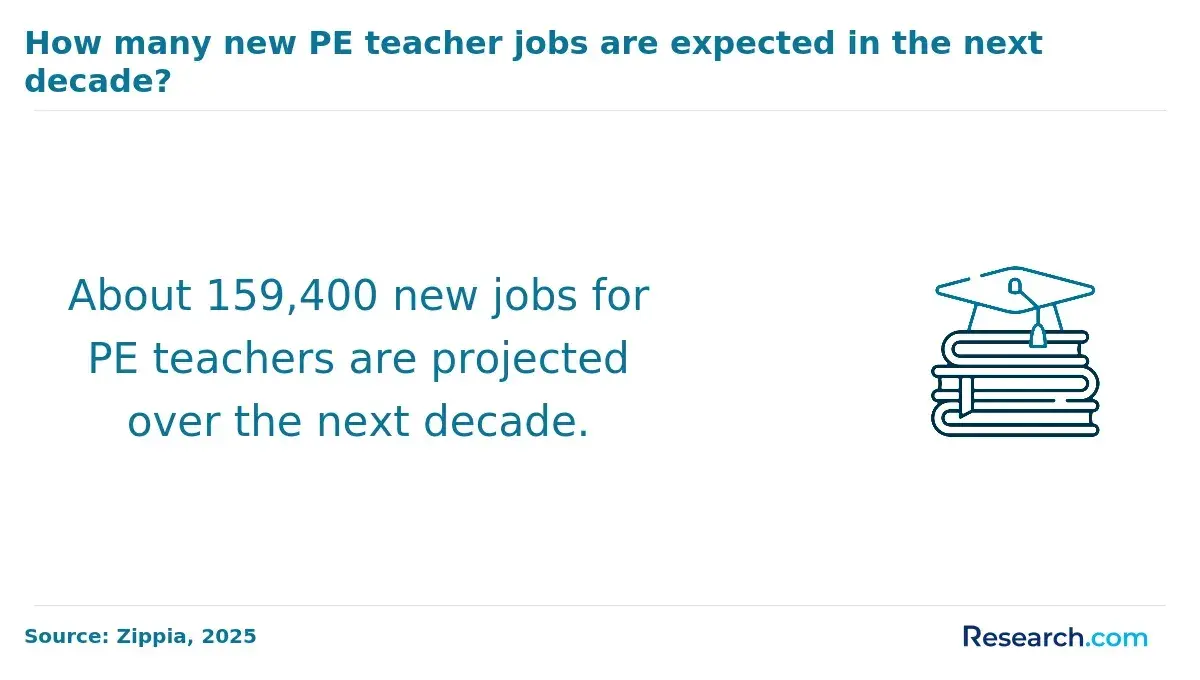
In Georgia, the demand for qualified physical education teachers is growing, with employment expected to rise by 8% over the next decade, faster than the national average. This trend highlights promising job stability and opportunities in schools across the state. A career in physical education offers the chance to promote student health and well-being while enjoying competitive salaries and benefits. Pursuing this path in Georgia combines meaningful work with a practical outlook on long-term career growth.
This article, crafted by experts in career planning, outlines the essential steps to become a physical education teacher in Georgia. It provides clear guidance on certification requirements, educational pathways, and professional development to help readers make informed decisions efficiently.
Key Things to Know About Becoming a Physical Education Teacher in Georgia
- Obtain a bachelor’s degree in physical education or a related field from a GA-certified institution, meeting coursework in kinesiology and health education.
- Pass the Georgia Assessments for the Certification of Educators (GACE) in Physical Education, a requirement for state teaching certification.
- Complete a state-approved teacher preparation program including student teaching; maintain certification through ongoing professional development as Georgia requires renewal every five years.
- What are the education requirements to become a physical education teacher in Georgia?
- What skills are essential for physical education teachers in Georgia?
- Do PE teachers in Georgia need a teaching license?
- How do you get certified as a PE teacher in Georgia?
- Can out-of-state teachers transfer their license to Georgia for PE teaching?
- How long does it take to become a PE teacher in Georgia?
- How much does it cost to become a PE teacher in Georgia?
- Are there scholarships for physical education teaching students in Georgia?
- Is there demand for physical education teachers in Georgia?
- What is the average salary of a PE teacher in Georgia?
- What are the career advancement opportunities for PE teachers in Georgia?
What are the education requirements to become a physical education teacher in Georgia?
Formal education is essential for preparing physical education teachers in Georgia to create effective PE programs that support student wellness and encourage lifelong healthy habits. A strong academic foundation equips teachers to meet the diverse physical, cognitive, and social needs of students at all grade levels. The following outlines the key education requirements to pursue a career as a physical education teacher in Georgia.
- Bachelor's Degree in Physical Education in Georgia: Candidates must earn a bachelor’s degree from an accredited institution, focusing on physical education, kinesiology, health education, or a related field. This degree integrates scientific principles like anatomy and motor development with teaching methods to prepare students for PE instruction.
- Completion of a State-Approved Teacher Preparation Program: Prospective teachers need to finish an educator preparation program approved by the Georgia Professional Standards Commission. This program may be part of the bachelor’s degree or taken separately, combining classroom learning with supervised student teaching for practical experience.
- Core Curriculum and Teaching Field Requirements: Students must meet general education requirements early in their studies, then complete upper-level courses in PE content and pedagogy. Essential courses in exercise science, health education, and adapted physical education are required before student teaching.
- Minimum Academic Performance: Most programs require maintaining at least a 2.5 GPA and earning a grade of C or higher in all professional and teaching courses. This ensures readiness and competency before graduating.
For those considering advanced studies, exploring the best 1 year online masters degree in education program can offer flexible pathways to deepen expertise in education. Meeting these Georgia physical education teacher certification requirements through thorough academic preparation is vital for becoming an effective educator in this field.
What skills are essential for physical education teachers in Georgia?
Success as a physical education teacher in Georgia relies heavily on mastering a set of essential skills that facilitate student engagement, promote healthy lifelong habits, and effectively manage classrooms with diverse cultural and physical needs. These skills allow teachers to create inclusive, motivating environments aligned with state standards and responsive to the unique challenges within Georgia’s schools. Below are key skills that every aspiring physical education teacher must develop to thrive.
- Communication Skills: Clear and positive communication is crucial for guiding students of all ages and backgrounds. Effective communication also supports collaboration with parents, counselors, and colleagues, helping bridge cultural differences and enhance student inclusion within diverse classrooms.
- Leadership and Motivation: Physical education teachers must inspire participation and foster teamwork through strong leadership. This includes organizing activities, setting behavioral expectations, and encouraging students to achieve personal and group goals while developing citizenship and social skills.
- Adaptability and Differentiation: Tailoring lesson plans to meet the needs of students with varying abilities, languages, and cultural backgrounds ensures equitable access to learning. Adapting activities and assessments is vital to support students with physical or cognitive challenges and to comply with Georgia’s educational standards.
- Expertise in Fitness, Health, and Safety: Deep knowledge of exercise science, nutrition, injury prevention, and safety protocols is fundamental. Teachers must apply this expertise to deliver accurate health education and maintain safe environments that align with Georgia’s guidelines and best practices.
Developing these essential skills for physical education teachers in Georgia complements formal training, such as a bachelor’s degree and state certification. If you want to advance efficiently, consider exploring programs like the best online education degree options to gain foundational knowledge and practical skills.
Do PE teachers in Georgia need a teaching license?
Teaching licenses in Georgia play a critical role in maintaining consistent education quality and effective student outcomes. They ensure that educators, including physical education (PE) teachers, meet established professional standards before entering classrooms.
In public schools across Georgia, PE teachers must obtain a teaching license with a Health and Physical Education endorsement. This requires at least a bachelor’s degree and completion of an approved teacher education program if one is not already finished. Candidates must also pass the Georgia Assessments for the Certification of Educators (GACE) exams, which evaluate both content knowledge and instructional skills. The Georgia Professional Standards Commission (GaPSC) handles certification, ensuring that all public school PE teachers adhere to state standards and deliver a quality education consistently.
Private and charter schools generally have more flexibility regarding PE teacher licensing. Some private schools prefer or require a teaching license, but many focus on relevant experience and specialized skills instead.
Charter schools vary but often align with state standards to maintain educational quality. This variability means that aspiring PE teachers who hold state licenses have clearer access to public school jobs, while those without formal credentials might find opportunities in private or charter schools where practical experience or specialized expertise can weigh more heavily. Knowing these distinctions helps candidates target their training and career planning effectively.
How do you get certified as a PE teacher in Georgia?
Certification is essential to ensure that physical education teachers in Georgia are fully equipped to promote student fitness, health, and lifelong wellness. This process guarantees teachers meet high standards in both knowledge and practical skills necessary for effective PE instruction. Below are the practical steps typically required to become a certified PE teacher in Georgia.
- Earn a Bachelor’s Degree in Physical Education or a Related Field: Obtain a bachelor’s degree in physical education, health and physical education, or a related area from a regionally accredited college or university. This degree often includes hands-on fieldwork and student teaching experiences in K-12 schools.
- Complete a State-Approved Teacher Preparation Program: Enroll in and finish a Georgia Professional Standards Commission-approved educator preparation program that combines coursework and supervised teaching practice. These programs focus on content knowledge, instructional strategies, and promoting student health and physical literacy.
- Pass Required State Exams: Successfully complete the Georgia Assessments for the Certification of Educators (GACE) in Health and Physical Education and the Georgia Educator Ethics Assessment. These exams assess both professional readiness and subject-matter expertise.
- Apply for Certification: Submit your application to the GaPSC with official transcripts, proof of exam completion, and program verification. The initial certificate permits teaching health and physical education from preschool through grade 12.
A PE teacher from Georgia, who graduated from a local university, shared his reflections on the certification journey. He described the challenges of balancing rigorous coursework with the demands of student teaching, noting how the preparation program pushed him to develop both confidence and adaptability. “Passing the GACE exams felt like a major milestone,” he recalled, “but the real growth happened during the classroom experiences.” He emphasized the support he received from mentors, which helped him navigate GaPSC’s application process smoothly. Looking back, he recognized that while the certification steps required dedication and persistence, they thoroughly prepared him to meet the needs of diverse students in Georgia schools.
Can out-of-state teachers transfer their license to Georgia for PE teaching?
Georgia allows out-of-state teachers to transfer their license for physical education positions through a reciprocity pathway, but it is not automatic. Applicants must hold a valid or recently expired professional certificate from a program recognized by Georgia’s Professional Standards Commission and have at least a bachelor's degree from an accredited institution. Additionally, candidates must have a minimum of three years of successful full-time teaching experience outside Georgia.
Even with these qualifications, teachers must meet specific state requirements such as passing the Georgia Educator Ethics Assessment. In some cases, extra coursework or subject-specific testing may be necessary, especially if the candidate doesn’t fully meet the experience or preparation standards. Temporary or provisional certifications may be issued to allow teachers to start working while they complete these outstanding requirements within a set timeframe.
For physical education teachers, this means the transfer process can involve several steps beyond simply submitting credentials. Those with the required three years of experience and proper certifications will have an easier transition, but early-career P.E. teachers or those with alternative certification routes may face delays and additional costs. The need to demonstrate competency through testing or coursework can extend the time before full certification is granted. This process impacts workforce mobility, making it important for relocating PE teachers to plan ahead and prepare for possible supplementary requirements.
However, successful transfer candidates will find Georgia offers strong opportunities in a state where physical education remains an essential part of K-12 education, supported by ongoing professional development and quality standards.
How long does it take to become a PE teacher in Georgia?
The timeline to become a physical education teacher in Georgia varies depending on the selected degree program, completion of necessary certification requirements, and accumulation of practical teaching experience. Generally, the process spans several years, but alternative pathways may adjust this timeframe based on prior education or credentials. A clear understanding of each stage helps candidates plan their progress effectively within the overall PE teacher education timeline Georgia.
- Earning a Bachelor’s Degree: This core requirement typically involves four years of full-time study in physical education, kinesiology, or related fields. Some start with an associate degree before transferring to a four-year program, which can extend the timeline accordingly.
- Completion of a Teacher Preparation Program: Often integrated into the undergraduate degree, this program includes coursework on teaching methods and practical experiences. If taken separately after the bachelor’s degree, it usually lasts about three semesters or one and a half years.
- Student Teaching and Field Experience: Hands-on classroom experience is essential and generally occurs during the last year of study. This phase takes one full academic semester, allowing candidates to apply teaching skills in real school settings.
- Passing State Certification Exams: Candidates must pass the Georgia Assessments for the Certification of Educators (GACE) in Health and Physical Education along with an Educator Ethics Assessment. Scheduling and preparing for these exams can add several months to the timeline.
- Applying for State Certification: After completing education and exams, candidates apply for the Georgia Induction Certificate. Processing this application typically takes a few weeks to a couple of months while documentation is verified.
- Alternative Certification Pathways: Those with a bachelor’s degree in a different field can enter teaching under an alternative certificate while finishing required education and assessments. This route may shorten or lengthen the overall timeline depending on individual circumstances.
For those unsure about the specific degree requirements, understanding what is degree in education and how it fits into the certification process can clarify planning and accelerate readiness to teach. On average, the process from starting college to full certification takes about four to five years, aligning with common expectations for how many years to become a PE teacher in Georgia.
How much does it cost to become a PE teacher in Georgia?
Becoming a physical education teacher in Georgia involves several key expenses, including tuition, testing, and certification fees. These costs contribute significantly to the overall investment required to enter the profession. Planning ahead for these financial commitments can help you manage the Georgia physical education degree cost more effectively. Below are the main cost components to consider:
- Tuition for a Bachelor’s Degree: Earning a bachelor’s degree is the foundational step, often in physical education or a related field. In-state public universities typically charge between $5,000 and $10,000 per year, while private colleges may exceed $20,000 annually. Out-of-state tuition usually comes at an even higher price.
- PE Teacher Preparation Program Expenses: Completing a teacher preparation program is essential and can add extra fees for practicum placements or student teaching. These costs generally range from several hundred to over a thousand dollars depending on the institution and pathway chosen.
- Licensing and Exam Fees: The Georgia Assessments for the Certification of Educators (GACE) Health and Physical Education test costs $193 for the combined exam or $123 per subtest. Additionally, there is often a $20 certification application fee, especially for those without an approved educator preparation program.
- Additional Costs: Books and course materials may add $500 to $1,000 annually. Background checks necessary for student teaching and certification typically cost around $40–$50. Other potential expenses include liability insurance or membership dues in professional associations.
For those considering alternative routes, exploring an early childhood education online degree might provide flexibility in managing these costs while preparing for a teaching career.
Are there scholarships for physical education teaching students in Georgia?
Financial aid and scholarships play a vital role in helping aspiring physical education teachers in Georgia manage the high costs of tuition and related expenses. Leveraging these resources can make education more affordable and reduce future debt.
- Federal and State Financial Aid: Complete the FAFSA to determine eligibility for Pell Grants, federal loans, and work-study. Georgia offers the HOPE Scholarship and Grant, providing tuition help based on academic merit and state residency.
- Institutional Scholarships: Many Georgia colleges grant scholarships specifically for PE majors, rewarding academic achievement and commitment to teaching, often requiring strong GPAs and financial need documentation.
- Teaching Grants and Incentives: Programs like the Charles McDaniel Teacher Scholarship reward students who plan to teach in shortage areas and maintain a solid GPA, offering targeted financial support.
- Loan Forgiveness Programs: Teachers working five consecutive years in low-income Georgia schools can qualify for loan forgiveness of up to $17,500, easing student debt after graduation.
A PE teacher from Georgia, who graduated from a local university, shared her experience with scholarships: “Applying was definitely stressful, balancing deadlines and paperwork, but receiving the Clifford Gray Lewis Scholarship eased the load significantly. It wasn’t just about the money—it felt like recognition of my dedication.” She added that while managing her budget was tough, the combined support from state grants and a small federal work-study made her education journey manageable and motivated her to continue teaching in underserved schools.
Is there demand for physical education teachers in Georgia?
The demand for physical education teachers in Georgia is influenced by several key factors, including rising school enrollment, state health initiatives focused on combating childhood obesity, and the retirement of existing educators. These elements combine to shape the ongoing need for qualified professionals who can support student wellness and fulfill growing program requirements. As Georgia's population continues to expand, especially in metropolitan regions, schools respond by increasing staff to manage larger classrooms and introducing updated physical education curricula.
Most physical education teacher jobs Georgia are concentrated in public schools, which represent the largest segment of the K–12 education system and adhere to state mandates on health and fitness education. While urban districts such as Atlanta, Gwinnett, Cobb, and DeKalb counties exhibit the highest volume of openings, there is also significant demand in rural and underserved areas where attracting and retaining certified PE teachers can be challenging.
Private and specialized schools provide limited opportunities due to their smaller size. Nationally, the projected job growth for PE teachers sits at about 3.1% from 2022 to 2032, with retirements driving much of the turnover rather than newly created roles; however, Georgia may see some pockets of increased need aligned with state-supported health priorities and population growth trends.
For aspiring physical education teachers, these conditions translate into steady employment possibilities, especially in districts with rising enrollment or high turnover. Candidates with additional skills, such as coaching expertise or advanced credentials, stand out in a competitive job market. To enhance career prospects further, pursuing a doctor in education degree can provide a significant advantage. Overall, demand for PE teachers Georgia remains consistent, offering viable pathways for dedicated and well-prepared educators.
What is the average salary of a PE teacher in Georgia?
The national average salary for physical education (PE) teachers ranges from $60,000 to $62,000. In comparison, PE teachers in Georgia earn slightly less, with annual salaries typically ranging from $45,840 to $61,894. Salary is a crucial factor for those pursuing a career in physical education, as it influences financial stability, job satisfaction, and long-term professional growth in the state. Below are the main factors that affect PE teacher salaries in Georgia:
- Years of Experience: Salary increases with experience, with entry-level teachers earning less and seasoned educators reaching the top of the state’s pay scale.
- Education Level: Advanced degrees, such as master’s or doctorates, often lead to higher earnings than a bachelor’s degree alone.
- School Type (Public vs. Private): Public schools usually offer higher salaries and better benefits compared to private schools.
- Geographic Location within Georgia: Urban and suburban districts, like Atlanta’s metro area, tend to pay more than rural districts, reflecting cost of living and funding differences.
Ultimately, earning potential for PE teachers in Georgia reflects both regional economic challenges and opportunities for professional development, requiring careful consideration for those entering the field.
What are the career advancement opportunities for PE teachers in Georgia?
Physical education teachers in Georgia can pursue multiple pathways for career growth beyond classroom instruction. Educators may advance to supervisory or administrative roles—such as athletic directors or department heads—by obtaining additional certifications and endorsements in coaching, sports management, or health education. These credentials enable professionals to mentor peers, design comprehensive district-wide programs, and lead extracurricular initiatives. For insights on foundational timelines, review how long does it take to become a teacher in Georgia. Proactive participation in ongoing professional development and networking with local education leaders further supports upward mobility in the field.
What Do Physical Education Teachers in Georgia Say About Their Career?
- Completing my physical education certification at Augusta Sports Academy truly prepared me for a fulfilling career. Starting out in a local school in Georgia allowed me to witness firsthand how dedicated physical activity shapes children's confidence and teamwork skills. I’ve found immense joy in not only teaching sports but also promoting healthy lifestyles amidst the unique southern culture and community spirit here. The balance of job stability and opportunities for ongoing professional growth make this career especially rewarding. I’m proud to help foster a healthier next generation right in my home state. Tyrell
- Reflecting on my journey after finishing the program at Midtown Charter Academy, I see how becoming a PE teacher here in Georgia has enriched my understanding of community connection and personal growth. Teaching in a local school environment has allowed me to encourage students from diverse backgrounds to embrace physical wellness and resilience. The natural environment of Georgia offers great chances for outdoor classes and creative fitness programs that keep both students and educators engaged. Being part of this profession is deeply satisfying, and it continuously pushes me to grow both professionally and personally. Cheryl
- Starting my physical education career in a Georgia school after graduating from Savannah Ridge Institute has been an exhilarating challenge. The chance to work amid the state’s vibrant mix of urban and rural settings gives me unique ways to tailor programs to fit varied student needs and resources. I appreciate the career advancement pathways available through state-supported professional development, which keep me motivated to innovate in my teaching strategies. Above all, the passion I see in students’ eyes when they achieve new fitness milestones makes every effort worthwhile. Yvonne
Related Articles for Nearby States
- 2027 How to Become a Physical Education Teacher in South Carolina
- 2027 How to Become a Physical Education Teacher in Florida
- 2027 How to Become a Physical Education Teacher in Alabama
- 2027 How to Become a Physical Education Teacher in Tennessee
- 2027 How to Become a Physical Education Teacher in North Carolina
- 2027 How to Become a Physical Education Teacher in Mississippi
- 2027 How to Become a Physical Education Teacher in Kentucky
- 2027 How to Become a Physical Education Teacher in Virginia
- 2027 How to Become a Physical Education Teacher in Louisiana
- 2027 How to Become a Physical Education Teacher in West Virginia
References:
- How to Become a PE Teacher in Georgia | Requirements for PE Teacher Jobs in GA https://www.peteacheredu.org/georgia/
- Physical Education Teacher Education (BSEd) https://ung.edu/degrees/bachelors/physical-education-teacher-education.php
- Certification in Health and Physical Education - Mary Frances Early College of Education https://coe.uga.edu/academics/non-degree/certification-health-physical-education/
- Health and Physical Education & Coaching, B.S.E. | Georgia State University https://admissions.gsu.edu/program/bse-health-physical-education-coaching/
- Kinesiology (BS) - Health & Physical Education Teacher Certification Concentration < Columbus State University Academic Catalog https://catalog.columbusstate.edu/academic-units/education-health-professions/kinesiology-health-sciences/kinesiology-bs-health-physical-education-teacher-certification-concentration/
- GaPSC https://www.gapsc.com/
- For those unsure about the specific degree requirements, understanding and how it fits into the certification process can clarify planning and accelerate readiness to teach. https://research.com/degrees/education-degree-types
- Physical education teacher salary in Georgia ‐ CareerExplorer https://www.careerexplorer.com/careers/physical-education-teacher/salary/georgia/
- Physical Education Teacher Salary in Georgia (October 01, 2025) | Salary.com https://www.salary.com/research/salary/recruiting/physical-education-teacher-salary/ga
- Becoming a Teacher in Georgia: What You Need to Know https://www.augusta.edu/online/blog/becoming-a-teacher-in-georgia
Other Things You Should Know About Becoming a Physical Education Teacher in Georgia
To become a certified physical education teacher in Georgia by 2026, earn a bachelor's degree in physical education or related fields, complete a teacher preparation program, pass the GACE assessments in PE, and apply for a Georgia Clear Renewable Certificate through the Georgia Professional Standards Commission.
Yes, in 2027, Georgia offers alternative certification routes for aspiring PE teachers through programs like the Georgia Teacher Academy for Preparation and Pedagogy (GaTAPP). These programs provide a pathway for those with a bachelor's degree in a related field to become certified while gaining on-the-job teaching experience.
To become a PE teacher in Georgia, candidates must pass the Praxis Physical Education: Content Knowledge exam. This test evaluates understanding in areas like fitness, sports, and movement concepts and is a key requirement for certification in Georgia starting from 2027.


