
2027 How to Teach Online with No Experience

Co-Founder and Chief Data Scientist
Entering the online teaching field in 2027 without prior experience can mean missing out on one of the fastest-growing career opportunities. With the global online learning market projected to exceed $350 billion this year, delaying action could result in lost income potential and professional growth.
Prepared by career planning experts, this article breaks down how to teach online with no experience. It offers practical guidance on gaining credibility, mastering essential skills, and launching a successful digital teaching career before the opportunity slips away.
Key Benefits of Teaching Online
- Access to a variety of remote teaching jobs, from K-12 to higher education and corporate training.
- Median salary around $60,000–$65,000 per year, depending on role and experience.
- Flexibility to work from anywhere while shaping learners’ success on a global scale.
- What qualifications are needed to teach online in 2027? Qualifications
- How do I decide which subject to teach online? Subject Selection
- What skills do I need to start teaching online with no experience? Core Skills
- Which online platforms hire teachers with no experience? Online Platforms
- How can beginners establish credibility without prior experience? How can beginners establish credibility without prior experience?
- What are the best formats for online teaching content? Formats
- How can beginners market their first online class? How can beginners market their first online class?
- What software do beginner online instructors need in 2025? Software
- How can an advanced degree accelerate your online teaching career? How can an advanced degree accelerate your online teaching career?
- How much can beginners earn teaching online? How much can beginners earn teaching online?
- What challenges do beginners face when teaching online? What challenges do beginners face when teaching online?
What qualifications are needed to teach online in 2027?
To learn how to teach online in 2027, you don’t always need formal teaching experience, but you do need the right combination of education, skills, and preparation. Most platforms and schools look for a mix of subject knowledge, digital skills, and clear communication abilities.
Here are the main qualifications that can help beginners get started:
- Education or expertise in a subject: A degree, certification, or proven experience in the topic you want to teach. Consider areas in demand, such as the fastest online digital photography degree programs, which can help you attract students interested in practical skills.
- Digital literacy: Comfort using video conferencing tools, learning management systems, and basic editing software.
- Communication skills: Ability to explain concepts clearly in writing and speaking.
- Optional teaching credentials: Some platforms prefer a teaching certificate, especially for K-12 or academic courses.
- Portfolio or sample content: Demonstrating lessons, tutorials, or mini-courses can boost credibility for beginners.
Even without formal teaching experience, focusing on these qualifications can open doors to online teaching opportunities. By combining subject expertise with digital skills and practical examples of your work, you can start building a career in online education quickly and confidently.
How do I decide which subject to teach online?
Choosing the right subject is a key step for anyone learning how to teach online. You need to balance your expertise with what students are looking for to create a course that attracts learners and provides value.
Assess your expertise and interests
Begin by listing subjects you know well or are passionate about. Consider your education, work experience, and hobbies that could translate into teaching. Courses you enjoy creating are more likely to engage students. You can also explore high-demand areas like the fastest online bachelor's degree in entrepreneurship programs, which attract students looking for practical business skills.
Research demand and trends
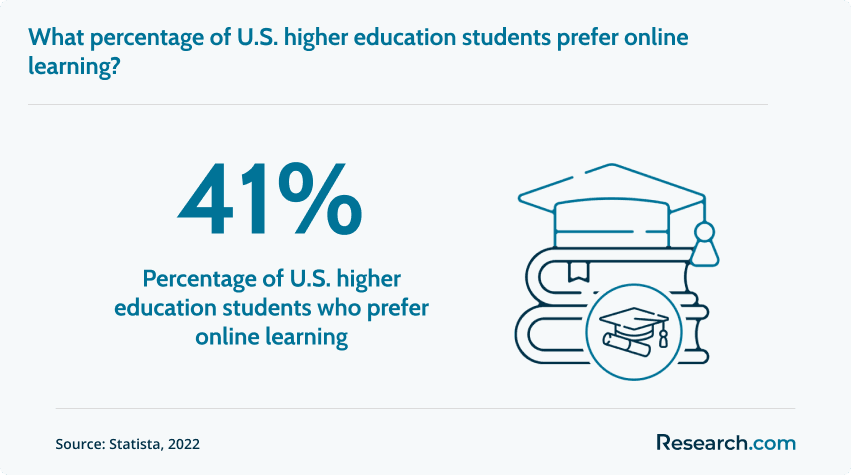
Look at popular online courses, job boards, and e-learning marketplaces to see which subjects are in high demand. Data shows that 41% of U.S. higher education students prefer online learning, highlighting a strong audience for online courses. Targeting subjects that appeal to this online-learning segment increases the likelihood of student enrollment.
Evaluate competition
Check how many instructors are already teaching your potential topic. High competition can make it harder to stand out, but niche topics with fewer courses may attract a dedicated audience.
Consider your target audience
Think about who will benefit from your course. Are they beginners, professionals, or hobbyists? Tailoring your subject to their needs can increase enrollments and engagement.
Test and refine
Before fully committing, try small workshops, free webinars, or sample lessons to see which subjects resonate most with learners. Feedback will guide your final choice.
By carefully combining personal expertise with market demand and audience needs, you can confidently select a subject that maximizes your chances of online teaching success.
What skills do I need to start teaching online with no experience?
Even without prior teaching experience, you can start how to teach online by developing a mix of practical, technical, and interpersonal skills. These abilities help you create engaging lessons, connect with students, and deliver content effectively in a digital environment.
Subject knowledge
A strong understanding of the topic you want to teach is essential. You don’t need formal teaching experience, but you should be able to explain concepts clearly and confidently. Beginners can also explore high-demand areas like the fastest online master's degree in homeland security programs, which attract learners seeking specialized skills.
Digital literacy
Comfort using online tools is key. Learn to navigate video conferencing platforms, learning management systems, presentation software, and basic video or audio editing tools.
Communication skills
Being able to explain ideas in simple, clear language is crucial. Writing well, speaking clearly, and using visual aids effectively help students understand your lessons.
Organization and time management
Plan lessons, manage schedules, and track student progress. Staying organized ensures smooth delivery and a positive learning experience.
Engagement and adaptability
Use interactive activities, quizzes, or discussions to keep learners interested. Be ready to adjust your approach based on student feedback or learning challenges.
By focusing on these skills, even beginners can confidently start teaching online, deliver value to students, and grow their teaching career.
Which online platforms hire teachers with no experience?
If you want to start how to teach online in 2027 with no experience, several platforms make it easy to get started. Most require good English skills, a reliable internet connection, and sometimes a TEFL certificate. Some prefer a degree, but beginners are often accepted. High-demand areas, like the fastest online master's degree in sports analytics programs, can also help attract students.
Cambly
Cambly requires no formal teaching experience or degree. You can focus on casual conversation practice with students worldwide. Pay is around $10–$12 per hour, and schedules are very flexible.
Preply
Preply allows beginners to set their own rates and choose subjects to teach. TEFL certification can help but is not required. It’s a good platform to gradually build experience and a student base.
EF Education First
EF Education First hires teachers without prior experience and provides lesson materials. This allows beginners to focus on teaching while earning competitive hourly pay.
VIPKid
VIPKid focuses on teaching English to children in China. A bachelor’s degree and teaching experience are preferred, but beginners can apply. Pay ranges from $14–$22 per hour, and lesson plans are supplied.
iTalki
iTalki offers one-on-one lessons in multiple languages. Teachers set their own rates and schedules. Prior teaching experience is helpful but not mandatory, making it beginner-friendly.
The opportunities for beginners are also reflected in the broader employment landscape. According to 2024 BLS data, the largest employers of tutors are private schools and instruction services (31%), followed by local elementary and secondary schools (14%), self-employed tutors (14%), private educational support services (7%), and state colleges or universities (5%).
This shows that a significant portion of tutoring and instruction roles are accessible to beginners, especially through private platforms and self-employment, making online teaching a flexible and viable entry point into education careers.
How can beginners establish credibility without prior experience?
Even without prior teaching experience, beginners can build credibility online by showing knowledge, professionalism, and commitment. Developing these qualities is an essential part of how to teach online successfully.
Credibility helps attract students and build trust quickly. Highlighting expertise in high-demand areas, like the fastest online taxation management degree programs, can also make beginners more appealing to learners.
Highlight Subject Expertise
Showcase your education, certifications, or real-world experience in your subject. Even informal experience, like personal projects or volunteering, can demonstrate knowledge to potential students.
Obtain Relevant Certifications
Earning certificates like TEFL, online teaching courses, or platform-specific badges can boost credibility. Certifications signal that you are serious and prepared to teach effectively.
Create Sample Lessons or Content
Publishing short videos, tutorials, or free mini-lessons gives students a chance to see your teaching style. This builds trust and shows your ability to explain concepts clearly.
Collect Testimonials or Reviews
Feedback from early students, peers, or colleagues can help validate your teaching skills. Positive testimonials make new learners more likely to enroll in your courses.
Build a Professional Online Presence
Maintain a clean, informative profile on teaching platforms and professional networks. Include a clear bio, photo, and description of your skills and teaching approach to appear trustworthy.
By combining expertise, certifications, sample content, testimonials, and a strong online presence, beginners can establish credibility and attract students even without prior teaching experience.
What are the best formats for online teaching content?
Choosing the right content format is key to keeping students engaged and helping them learn effectively. Beginners can use a mix of formats depending on their subject, audience, and available tools.
Video Lessons
Video is the most popular format for online teaching. Short, clear videos allow students to watch at their own pace. Both live and pre-recorded videos can be used, depending on whether you want real-time interaction or flexible learning.
Slide Presentations
Slides help organize information visually and are ideal for explaining concepts step by step. Pair slides with voiceovers or notes to make them more engaging.
Interactive Quizzes and Exercises
Quizzes, polls, and exercises make learning active rather than passive. These tools help students practice skills and check their understanding, increasing engagement and retention.
Written Guides and PDFs
Downloadable materials like guides, worksheets, or cheat sheets provide reference material for students. They are especially useful for learners who prefer reading or need offline resources.
Live Workshops and Webinars
Live sessions create interaction between teacher and students. They allow real-time questions, discussions, and hands-on practice, making the learning experience more personal.
Using a combination of video, slides, interactive exercises, written guides, and live sessions can help beginners deliver online lessons effectively while keeping students engaged.
In addition, if you’re teaching content related to financial planning or family finance, it’s helpful to understand professional credentialing standards, such as the CFF exam requirements, so that your materials align with the knowledge and competencies expected for certification.
How can beginners market their first online class?
Marketing your first online class is essential to attract students and start building a teaching career. Beginners can use simple strategies to reach the right audience without spending too much time or money.
Use Social Media
Promote your class on platforms like Facebook, Instagram, LinkedIn, or TikTok. Share short videos, tips, or free resources to attract attention and encourage sign-ups. Highlighting the value of your course compared with the cost of formal education can make your offering more appealing.
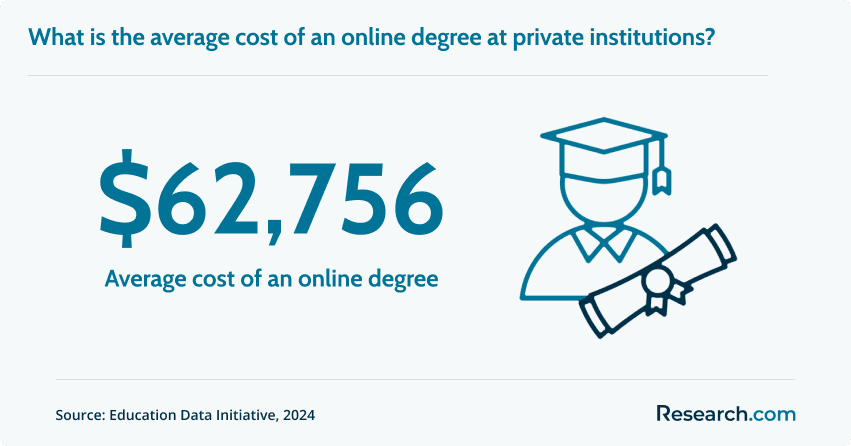
For instance, the average cost of an online degree at private institutions is $62,756, so a reasonably priced course can be an attractive alternative for students seeking affordable learning options.
Leverage Email Marketing
Collect email addresses from interested learners and send announcements, updates, or free mini-lessons. Personalized emails can increase engagement and enrollment.
Offer Free Workshops or Samples
Hosting a free webinar or sharing sample lessons gives students a taste of your teaching style. This builds trust and motivates learners to enroll in paid courses.
Optimize for Search Engines (SEO)
Use relevant keywords in your course title, description, and content. This helps your class appear in search results when students are looking for similar courses online.
Ask for Reviews and Testimonials
Early student feedback can boost credibility and attract new learners. Positive reviews help beginners stand out on teaching platforms and social media.
By combining social media promotion, email campaigns, free workshops, SEO, and testimonials, beginners can successfully market their first online class and start attracting students.
Additionally, if your course touches on geospatial technologies, it’s useful to be familiar with the types of GIS programs available, as this knowledge can help you position your class effectively and highlight its relevance to students interested in mapping, spatial analysis, or environmental studies.
What software do beginner online instructors need in 2027?
Beginner online instructors need the right software to create, deliver, and manage their courses effectively. The right tools make teaching smoother, help engage students, and allow instructors to appear professional even without prior experience.
- Video Conferencing Tools: Platforms like Zoom, Google Meet, or Microsoft Teams allow live teaching sessions and student interaction.
- Learning Management Systems (LMS): Tools like Teachable, Thinkific, or Moodle help organize courses, track progress, and deliver content efficiently.
- Presentation Software: Programs like PowerPoint, Google Slides, or Canva assist in creating clear and visually appealing lesson materials.
- Video and Audio Editing Tools: Beginner-friendly tools like iMovie, CapCut, or Audacity help polish recorded lessons and audio.
- Collaboration and Communication Tools: Apps like Slack, Trello, or Google Workspace help manage schedules, assignments, and communication with students.
By using these essential software tools, beginner instructors can deliver professional, organized, and engaging online courses. Even without prior teaching experience, mastering these tools sets the foundation for a successful online teaching career.
Additionally, for instructors or students interested in long-term career advancement in academia or research, understanding which fields offer the highest paid PhD degrees can help guide course content, specialization choices, or professional development strategies.
How can an advanced degree accelerate your online teaching career?
Advanced academic credentials can enhance credibility and unlock higher-level opportunities in digital education. Pursuing an accelerated degree allows instructors to deepen their understanding of pedagogical strategies, research methodologies, and innovative course design while maintaining a professional teaching role. This advancement can translate into leadership prospects and a competitive edge in both academia and industry, supporting long-term career growth. For those seeking an efficient path to a doctorate, consider exploring 2 year Ed.D programs online.
How much can beginners earn teaching online?
Beginners teaching online can expect a wide range of earnings depending on the platform, subject, and number of hours they teach. Entry-level instructors on platforms like Cambly or Preply typically earn between $10 and $15 per hour. These platforms are beginner-friendly and provide flexible schedules, making it easier for new teachers to start earning quickly.
Some platforms, such as VIPKid or EF Education First, offer higher pay rates for beginners, often ranging from $14 to $22 per hour. These platforms usually provide lesson plans and materials, allowing instructors to focus on teaching rather than creating content. Earning potential also increases if instructors teach more hours, work with multiple platforms, or specialize in in-demand subjects like English language instruction, coding, or professional skills.
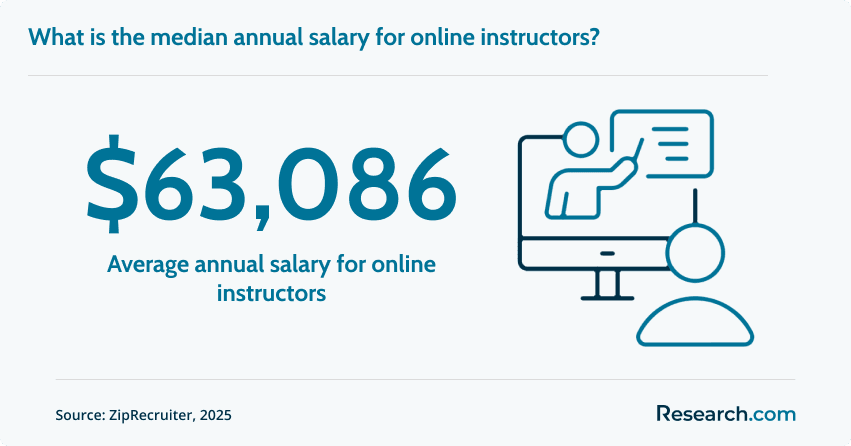
Data shows that the median annual salary for online instructors is $63,086, highlighting that even beginners who steadily build experience and expand their teaching opportunities can eventually reach a competitive income. Over time, online instructors can increase their earnings by building a student base, creating self-paced courses, or offering private lessons. Experienced teachers who combine multiple income streams can earn $60,000–$70,000 annually or more, often rivaling traditional teaching salaries.
By starting with flexible platforms, focusing on high-demand areas, and gradually expanding their reach, beginners can grow their income and achieve long-term financial success in online teaching.
Additionally, for those teaching or studying in specialized scientific fields, incorporating content related to forensic chemistry specialty areas can attract a niche audience and potentially command higher rates, as learners often seek expertise in these focused, technical subjects.
What challenges do beginners face when teaching online?
Teaching online as a beginner can be rewarding, but it comes with several challenges that require preparation and adaptation. Understanding these hurdles can help new instructors overcome them and build a successful online teaching career.
Technical Issues
Beginners often face problems with internet connections, software glitches, or unfamiliar teaching tools. These technical difficulties can disrupt lessons and frustrate both students and instructors.
Engaging Students Remotely
Keeping students motivated and attentive in a virtual environment is harder than in-person teaching. Beginners may struggle with creating interactive content and maintaining student participation.
Time Management
Balancing lesson planning, teaching, and student communication can be overwhelming for new instructors. Poor time management may lead to stress and lower teaching quality.
Building Credibility
Without prior experience, gaining trust from students can be challenging. Beginners need to showcase their expertise, use certifications, and provide sample lessons to establish authority.
Handling Feedback and Criticism
Receiving criticism or negative feedback can be discouraging for new teachers. Beginners must learn to use feedback constructively to improve their teaching methods and course content.
Beyond these personal hurdles, systemic challenges also affect beginners. For example, data from VLLA representatives shows that 57% of openings are only in specialized areas such as special education, foreign languages, and STEM fields, making it harder for beginners to find suitable roles.
Compensation is another concern, with 54% citing non-competitive pay, and 20% noting retirement plans incompatible with public pensions. Finally, 20% of respondents said that online teaching programs are not well-known among prospective instructors, which can make entering the field even more challenging.
By understanding both the personal challenges of online teaching—technical issues, engagement, time management, credibility, and feedback—and the broader systemic barriers reflected in recruitment data, beginners can develop strategies to overcome these obstacles and succeed in the online teaching landscape.
Key Findings
- 41% of U.S. higher education students prefer online learning, indicating a substantial market for online courses.
- Private schools and instruction services employ the most tutors (31%), followed by local elementary and secondary schools (14%) and self-employed tutors (14%).
- The average cost of an online degree at private institutions is $62,756, highlighting the potential affordability advantage of shorter online courses or independent instruction.
- The median annual salary for online instructors is $63,086, showing that online teaching can be a competitive income option.
- Top recruitment challenges include openings only in specialized subjects (57%), non-competitive compensation packages (54%), and issues with retirement plan compatibility and program visibility (20% each).
Here’s What Graduates Have to Say About Teaching Online with No Experience
- Travis: "Starting my online teaching journey with no prior experience was intimidating at first, but the support and flexibility of the platforms made it easy to get started. Within weeks, I was confidently leading lessons and building connections with students from around the world. The sense of accomplishment and growth has been incredible. "
- Luna: "I never imagined I could teach online without prior experience, but the step-by-step resources and accessible tools allowed me to develop my skills quickly. Seeing students succeed and hearing their feedback has been both motivating and rewarding. It’s empowering to know I can make an impact while learning myself. "
- Jessica: "Teaching online with no experience gave me the freedom to explore my passion for project management and gain professional confidence. The flexible schedule allowed me to balance learning, teaching, and personal commitments seamlessly. Every new class reinforces that starting from zero doesn’t limit your potential—it expands it. "
References:
- EducationData.org. (2024). Cost of online education vs traditional education. EducationData.org.
- Michigan Virtual. (2022). Recruitment and retention of online teachers. Michigan Virtual.
- Statista. (2024). Opinions online college students quality online education. Statista.
- U.S. Bureau of Labor Statistics. (2024). Postsecondary teachers: Occupational outlook handbook. U.S. Bureau of Labor Statistics.
- ZipRecruiter. (2025, September 9). Online instructor salary: Hourly rate September 2025 USA. ZipRecruiter.
Other Things You Should Know About Teaching Online with No Experience
To engage students online in 2027 as a new teacher, utilize interactive tools like quizzes and polls in platforms like Zoom or Microsoft Teams. Incorporate multimedia content and utilize breakout rooms for discussions. Fostering a community via discussion boards and maintaining regular communication through emails also enhances student engagement.
Yes, several marketplaces connect freelance teachers with students worldwide. Platforms like Preply, iTalki, and Outschool allow instructors to offer courses, set rates, and schedule lessons independently. These marketplaces handle student acquisition, payments, and sometimes provide teaching materials, making it easier for beginners to start teaching online without building an audience from scratch. They are ideal for flexible, freelance teaching opportunities.
To teach online and get paid, you need to choose a platform, create a course or tutoring profile, and attract students. Payment usually occurs through the platform via hourly rates, course fees, or subscription models. Beginners should focus on delivering quality lessons, building credibility, and collecting positive reviews to increase enrollment and earnings. Setting clear pricing and using reliable payment systems ensures you are compensated promptly for your teaching.


