
2027 Jobs in Law Enforcement: Non-Police Roles

Co-Founder and Chief Data Scientist
A significant portion of the law enforcement field comprises non-police roles crucial to maintaining public safety and supporting the criminal justice system. For example, the latest data indicates that California reported about 40,700 civilian staff working alongside roughly 76,300 sworn officers in full-time law enforcement roles—making civilians nearly 35% of the workforce in that state.
This article will explore the many non-police law enforcement jobs available, including the day-to-day responsibilities, required qualifications, and growth opportunities. You'll learn about roles like crime scene investigator, probation officer, and cybersecurity analyst. Whether you're interested in science, social work, or data analysis, there's a non-police role in law enforcement that can offer a fulfilling and impactful career.
Key things you should know about non-police roles in law enforcement
- Non-police roles in law enforcement are essential for supporting public safety and the smooth functioning of agencies without direct policing duties, contributing critically behind the scenes to law enforcement efforts.
- Administrative staff in law enforcement agencies earn an average salary of around $42,500 to $89,800 per year, with some higher-level law enforcement administration reaching up to $138,500 annually.
- Law enforcement roles are diverse beyond police officers, including dispatchers, administrative personnel, legal, technical support, intelligence, and specialized units.
- Can you work in law enforcement without being a cop? Career Overview
- What are non-police roles in law enforcement? Non-police Roles
- What education is needed for a non-police role? Required Education
- What skills are needed for non-police roles? Essential Skills
- What training is required for non-police roles? Required Training
- How long does the hiring process take for a civilian law enforcement position? Hiring Process
- What is the average salary of a non-police role? Average Salary
- Which non-police law enforcement jobs are in high demand right now? Top Jobs
- Do federal law enforcement agencies hire civilian specialists? Federal Jobs
- How can I advance my career in law enforcement without becoming a police officer? Career Advancement
Can you work in law enforcement without being a cop?
Yes, you can work in law enforcement without being a cop. The modern law enforcement system is a complex network of professionals, not all of whom are sworn officers with arrest powers. The need for non-police law enforcement jobs arises from the increasing specialization of tasks within the field.
Law enforcement agencies require a wide range of skills that go beyond traditional policing, such as forensic analysis, data management, and community outreach. By employing civilians in these roles, police departments can maximize the efficiency of their sworn officers, allowing them to focus on primary duties like patrol, investigations, and emergency response.
Similarly, prospective social workers often ask “do you need a BSW to get an MSW” to understand alternative pathways, showing that many fields offer multiple entry routes depending on skills and prior experience.
The relevance of non-police roles stems from their ability to provide specialized expertise. Criminal investigations or the process of how to become a crime scene investigator, for example, rely heavily on evidence collected and analyzed by forensic scientists.
The effective deployment of officers and resources is guided by crime analysts who identify patterns and trends using complex data. Meanwhile, administrative and IT personnel are essential for the day-to-day operations and technological infrastructure of a department.
What are non-police roles in law enforcement?
Non-police roles in law enforcement are careers that support law enforcement agencies and public safety without involving direct police work or carrying a badge. These roles contribute to public safety, investigations, and agency functionality. Just as students carefully plan when transferring MBA programs to ensure a smooth transition, individuals considering non-police law enforcement roles must understand the skills, qualifications, and pathways required to enter these positions.
Key examples of these law enforcement jobs include:
- Dispatcher: These professionals provide emergency communication support by answering 911 calls, gathering information, and dispatching appropriate resources. They require strong communication and calmness under pressure, usually needing only a high school diploma or GED.
- Administrative Staff: These roles handle agency records, logistics, and communications, ensuring smooth organizational operations. Like dispatchers, they typically need a high school diploma and are critical "behind the scenes" personnel.
- Crime or Intelligence Analysts: These professionals analyze data to identify crime patterns and trends, helping law enforcement predict and prevent criminal activity. They usually require a bachelor's degree and specialized training.
- Private Investigators: Hired by clients or agencies, they conduct investigations independently from direct police work, collecting evidence and background information. Licensing and some postsecondary education are usually required.
- Probation or Parole Officers: They supervise and assist offenders reintegrating into society, ensuring compliance with conditions and connecting them with community resources. A bachelor’s degree and on-the-job training are typically required.
- Correctional Staff or Jailers: Work in detention facilities providing security, managing inmates, and supporting facility operations. A high school diploma and physical ability are necessary.
What education is needed for a non-police role?
The education requirements for non-police law enforcement jobs vary widely, from high school diplomas to specialized degrees, depending on the complexity and responsibility of the position. Understanding these education requirements can help in planning a career in the many supportive positions within law enforcement.
Similarly, students often ask “is nursing considered a STEM major” to determine how their education aligns with career paths that require technical, scientific, or analytical skills, highlighting the importance of understanding degree classifications across fields.
- High school diploma or GED: Common for entry-level roles such as dispatchers, administrative staff, and correctional officers.
- Some college coursework or an associate degree: Often preferred for technical roles like crime scene technicians or support staff.
- Bachelor’s degree: Typically required for roles such as crime analysts, probation officers, and federal agency positions; degrees in criminal justice, public safety, or related fields are common.
- Specialized certifications or training: Important for certain investigative and forensic roles, and sometimes required for advancement within a position.
- Advanced degrees: Optional but beneficial for higher-level roles, leadership positions, or specialized areas such as forensic analysis or intelligence.
What skills are needed for non-police roles?
Skills needed for non-police roles in law enforcement include a mix of communication, technical, analytical, and interpersonal abilities crucial for effectively supporting law enforcement functions. These law enforcement jobs often require the ability to stay calm under pressure, strong organizational skills, and proficiency with technology and data. N
on-police law enforcement professionals contribute to public safety and agency operations through a variety of specialized skill sets.
- Communication Skills: Active listening, clear verbal communication, and effective writing for report generation and information relay.
- Calmness Under Pressure: Ability to manage stressful situations, such as emergency dispatch or crisis coordination.
- Technical and Computer Literacy: Proficiency with databases, information systems, and specialized law enforcement technology.
- Analytical and Research Skills: Ability to analyze crime data, interpret legal documents, and support investigations.
- Attention to Detail: Essential for record keeping, evidence handling, and administrative tasks.
- Interpersonal Skills: Empathy, teamwork, and ethical judgment to interact with colleagues, victims, and the public.
- Decision-Making: Quick and effective decision-making, especially important for dispatchers and support roles in emergencies.
- Physical and Ethical Stamina: While not as physically demanding as police roles, some non-police positions still require physical stamina and a strong ethical foundation.
What training is required for non-police roles?
The training required for non-police roles varies significantly depending on the specific job, from formal college degrees to on-the-job training. These law enforcement jobs are not subject to the intensive physical and tactical training of a police academy, but they do require specialized knowledge and skills relevant to their area of expertise.
For instance, a bachelor's degree in a relevant field, such as forensic science, chemistry, or biology, is often a requirement for a forensic analyst and is included in crime scene technician job requirements.
Many professionals in these fields also pursue advanced degrees or professional certifications to specialize in areas like DNA analysis, toxicology, or crime mapping. Their training is highly academic and technical, focusing on scientific methods, data analysis software, and detailed report writing.
Conversely, roles such as 911 dispatcher or police records clerk do not typically require a college degree. Instead, candidates undergo a rigorous on-the-job training program after being hired.
For a dispatcher, training often includes classroom instruction, simulated call scenarios, and a long probationary period under the supervision of a senior dispatcher. This hands-on training is focused on developing critical skills like multitasking, clear communication under pressure, and knowledge of emergency response protocols.
How long does the hiring process take for a civilian law enforcement position?
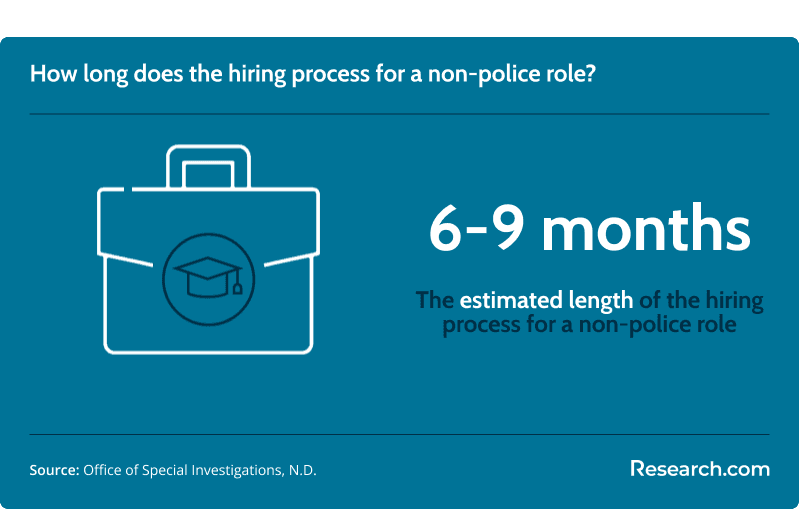
The hiring process for civilian law enforcement jobs can vary greatly, but it generally takes anywhere from a few weeks to several months. The timeline is influenced by the specific role, the size of the law enforcement agency, and the thoroughness of the required background investigation.
For example, how are court clerks hired is a process that involves a similar, detailed screening, including an application review, interviews, and a comprehensive background check. This screening is designed to ensure the candidate has the integrity and reliability needed for a position of trust within a police department or courthouse.
Some specialized roles may also require additional testing, such as a polygraph exam or a skills-based test.
While not as lengthy as the process for sworn officers, civilian applicants still undergo a detailed screening. This can include an initial application review, interviews, and often a comprehensive background check that examines employment, financial, and criminal history.
Some specialized roles may also require additional testing, such as a polygraph exam or a skills-based test. The process is designed to ensure the candidate has the integrity and reliability needed for a position of trust within a police department.
What is the average salary of a non-police role?
The average salary of non-police law enforcement jobs varies widely depending on the specific job and location, but generally falls within the range of approximately $39,000 to $63,750 per year. For example:
- Police dispatchers typically earn between $39,000 and $52,900 annually.
- Private investigators average around $47,600 per year.
- Probation officers earn approximately $50,300 per year.
- Immigration officers have an average salary of $39,000 annually.
- State troopers, though sworn officers, have an average salary of around $63,750, illustrating the upper scale of non-police enforcement roles.
Just as prospective students often research librarian salary with master's degree to understand earning potential in that field, examining salary ranges for non-police law enforcement roles helps job seekers evaluate the financial prospects of different supportive careers in public safety.
This range reflects the diversity of responsibilities and educational requirements among non-police law enforcement positions, with broader roles often commanding higher pay within the spectrum.
Which non-police law enforcement jobs are in high demand right now?
Based on recent job market data and law enforcement hiring trends, several non-police civilian positions are currently in high demand. These roles are essential for modern police and government agencies, which are increasingly relying on specialized skills to support their missions.
The most in-demand non-police law enforcement jobs include the following:
- Public Safety Telecommunicators (911 Dispatchers): The job outlook is growing, and a 2023 survey found an average vacancy rate of 25% in 911 centers across the U.S. Many agencies are using mandatory overtime to fill staffing gaps, which highlights the urgent need for new hires.
- Forensic Science Technicians (Crime Scene Investigators): The blood spatter analyst job outlook and the wider forensic science field are projected to grow much faster than average. The U.S. Bureau of Labor Statistics projects a 13% growth rate over the next decade. Advances in technology and the need to process high caseloads are driving this demand.
- Crime Analysts: The demand for crime analysts is also increasing as law enforcement agencies adopt more data-driven strategies to solve and prevent crime. This role is crucial for identifying patterns and trends in criminal activity.
Do federal law enforcement agencies hire civilian specialists?
Yes, federal law enforcement agencies hire a wide variety of civilian specialists. These non-sworn professionals provide essential support in areas that do not require law enforcement authority or the power to carry a firearm.
Civilian specialists often have specialized knowledge that complements the work of special agents and officers, creating alternative career pathways for those who may not wish to follow the traditional steps to becoming a police officer.
For example, the FBI hires intelligence analysts, IT specialists, and forensic examiners who work alongside sworn agents to analyze evidence, track criminal networks, and strengthen cybersecurity defenses.
Meanwhile, the Department of Homeland Security employs civilian experts in areas like border security technology, emergency management, and cyber threat prevention. Linguists and translators provide critical language support for investigations, interrogations, and surveillance, helping to bridge communication gaps and gather crucial evidence.
The hiring process for these federal roles often involves submitting a detailed federal résumé, completing eligibility assessments, and undergoing background checks, with certain positions also requiring security clearances.
While the process can be competitive and lengthy, those who qualify gain access to stable, well-compensated careers that directly support federal law enforcement missions.
How can I advance my career in law enforcement without becoming a police officer?
Advancing a career in law enforcement without becoming a sworn officer is primarily achieved through specialization, continuous education, and taking on greater responsibilities.
As a civilian employee, you can progress from entry-level law enforcement jobs, such as an evidence technician or a junior crime analyst, to a more senior position, like a supervisor or manager within your division.
This career path often involves a combination of acquiring new skills, pursuing advanced degrees, and obtaining professional certifications from organizations relevant to your field. These credentials demonstrate a commitment to your craft and a higher level of expertise and can open more opportunities, such as steps to becoming a probation officer.
Civilians can move into leadership roles that involve managing budgets, directing teams of both civilian and sworn personnel, and helping to set departmental policies. This allows for significant career growth, with the opportunity to have a substantial impact on the effectiveness and strategy of a law enforcement agency from an administrative or technical standpoint.
Here's what graduates have to say about their non-police roles
- Darren: "I’m so glad I chose this path—my training in forensic science prepared me perfectly for my role as a crime scene investigator. Every day, I apply the knowledge I gained in my studies to help bring closure to victims and their families, which is incredibly rewarding. It's a job that requires meticulous attention to detail and a passion for justice, and I feel like I'm making a real difference"
- Amelia: "After graduation, I found a job as a crime analyst and discovered how much my education in data analysis helped me succeed. It’s fascinating to use statistics to identify crime patterns and help allocate police resources, knowing my work directly contributes to community safety. I get to use my skills to solve complex problems and help the community without ever having to be on the front lines."
- Charlie: "The courses I took on social work and counseling were invaluable for my current role as a victim services coordinator. I get to provide direct support to people in their most vulnerable moments, offering resources and a compassionate ear. This career allows me to combine my passion for helping others with the structured environment of law enforcement, creating a job that is both challenging and deeply meaningful. "
Key Findings
- According to the most recent law enforcement employment reports, approximately 36% of all full-time law enforcement employees in state and local agencies were non-sworn personnel.
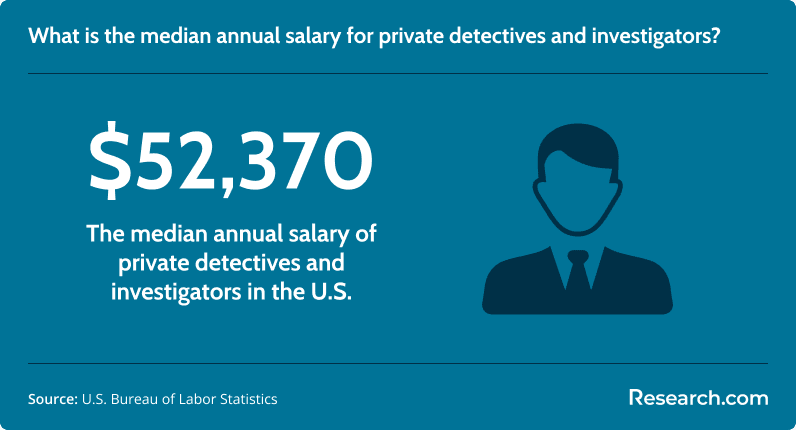
- Private investigators have a median salary of around $52,000 per year.
- The job outlook is growing, and recent data found an average vacancy rate of 25% in 911 centers across the U.S.
- The hiring process for a civilian law enforcement position can vary greatly, but it generally takes anywhere from a few weeks to several months.
- Police dispatchers typically earn between $39,000 and $52,900 annually.
References:
- Alpha Training and Tactics. (n.d.). Law enforcement training programs.
- Data USA. (n.d.). Criminal justice & law enforcement administration.
- Statista. (2024). Number of law enforcement officers U.S. 2004-2023.
- The University of Southern Mississippi. (n.d.). Law enforcement certifications.
- US Bureau of Labor Statistics. (2024). Police & detectives.
- ZipRecruiter. (2025). 25 of the Highest Paying Police Jobs in 2025.
Other Things You Should Know About Jobs in Law Enforcement
In 2027, non-police roles within law enforcement typically require specialized qualifications, such as degrees in criminal justice, IT certification for cybercrime units, or forensic science degrees for lab roles. Employers also value relevant experience, strong analytical skills, and a comprehensive understanding of updated legal frameworks and technologies.
Essential skills for non-police law enforcement roles in 2027 include strong communication abilities, analytical thinking, and proficiency with digital tools. Familiarity with criminal justice software and an understanding of legal regulations are also crucial for effective performance in administrative and investigative positions.
In 2027, common non-police roles in law enforcement include crime analysts, forensic technicians, dispatchers, and victim advocates. These roles support law enforcement operations by analyzing data, collecting evidence, coordinating communication, and providing aid to victims, each requiring specialized training and skills.


