
2027 Steps to Become a Registered Dietitian in Maryland

Co-Founder and Chief Data Scientist
Many aspiring nutrition professionals face uncertainty about the path to becoming a registered dietitian in Maryland. With the demand for dietitians rising by 13% in the state over the past decade, the need for qualified experts is clear. Maryland offers competitive salaries and diverse opportunities in healthcare, community programs, and research, making it a strategic choice for this career.
This article, prepared by seasoned career planning experts, will clarify each step toward registration. It provides reliable, up-to-date guidance to help candidates navigate education, supervised practice, and certification requirements efficiently and confidently.
Key Things to Know About Becoming a Registered Dietitian in Maryland
- Earn a minimum of a bachelor’s degree in dietetics or a related field accredited by the Accreditation Council for Education in Nutrition and Dietetics (ACEND), crucial for eligibility in Maryland.
- Complete an ACEND-accredited supervised practice program, typically 1,200 hours, to gain hands-on experience required for the Registered Dietitian Nutritionist (RDN) credential.
- Pass the Commission on Dietetic Registration (CDR) exam and apply for Maryland state licensure, which mandates ongoing continuing education to maintain professional standards.
- What degree is required to become a registered dietitian in Maryland?
- How many supervised practice hours are needed to become a registered dietitian in Maryland?
- What are the eligibility requirements for the dietetic registration exam in Maryland?
- How can you get a license after passing the dietetic registration exam in Maryland?
- What types of dietitian specializations can you pursue in Maryland?
- What is the average salary of a registered dietitian in Maryland?
- What do you need to keep your dietitian registration active in Maryland?
- How can professional organizations boost your registered dietitian career in Maryland?
- What emerging trends are shaping registered dietitian practice in Maryland?
- How long does it take to become a registered dietitian in Maryland?
- Can international students qualify to become registered dietitians in Maryland?
- What career paths can registered dietitians pursue in Maryland?
What degree is required to become a registered dietitian in Maryland?
Choosing the right degree path is fundamental for anyone considering a career as a registered dietitian in Maryland. The academic foundation you build will directly influence your professional readiness and future opportunities.
- Bachelor’s Degree in Nutrition or Dietetics: This is the minimum educational requirement for most registered dietitian programs, providing essential knowledge in food science, nutrition, and health.
- Master’s Degree in Nutrition and Dietetics in Maryland: Increasingly preferred or required, this advanced degree deepens expertise and often includes supervised practice essential for credentialing.
- Completion of ACEND-Accredited Dietitian Programs in Maryland: Accreditation by the Accreditation Council for Education in Nutrition and Dietetics ensures the program meets professional standards necessary for licensure and certification.
Reflecting on the evolving standards, it is clear that pursuing a master’s degree in nutrition and dietetics in Maryland not only enhances your credentials but also prepares you to meet the complex demands of the field. For those weighing their educational options, exploring what are the best careers to pursue with a nutrition masters degree can offer valuable insights into aligning your degree choice with long-term goals.
How many supervised practice hours are needed to become a registered dietitian in Maryland?
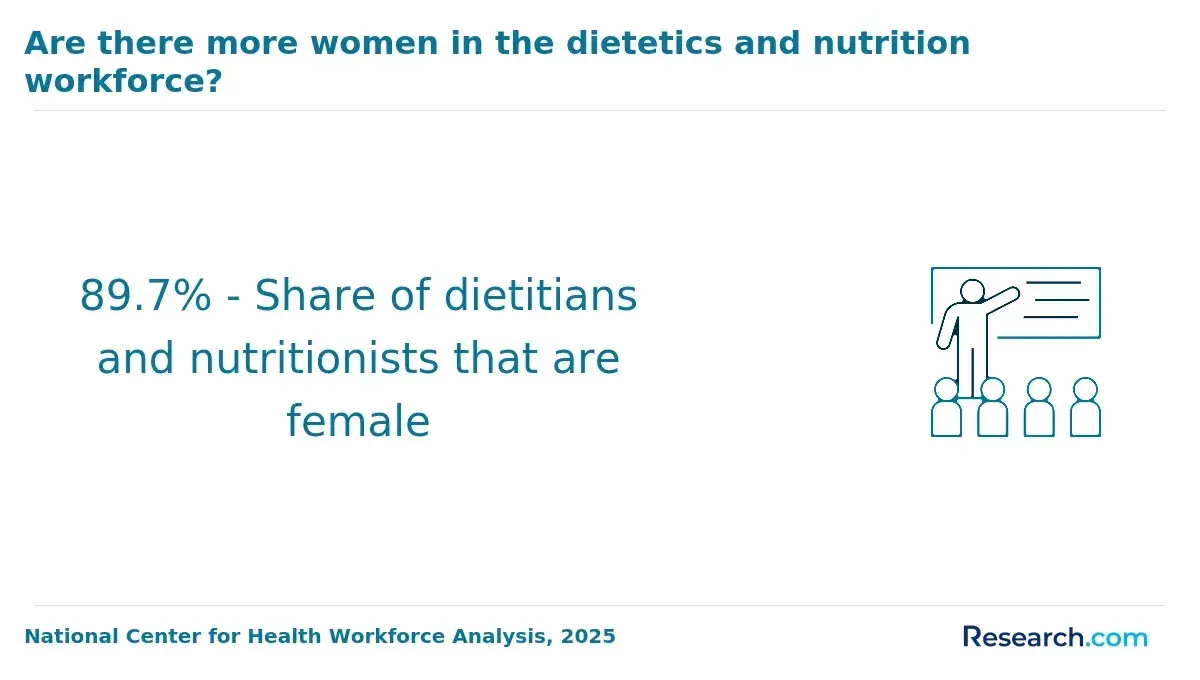
To become a registered dietitian in Maryland, you must complete a minimum of 1,000 supervised practice hours through an ACEND-accredited program. This standard aligns with national requirements set by the Commission on Dietetic Registration (CDR). The following points highlight important aspects of supervised practice hours and related requirements in Maryland.
- ACEND-Accredited Program Requirement: All supervised practice hours must be completed within programs accredited by the Accreditation Council for Education in Nutrition and Dietetics (ACEND), ensuring consistent quality and rigor.
- Distribution of Practice Hours: Hours are typically spread across diverse settings, including clinical nutrition, food service management, community nutrition, research, and specialty areas such as diabetes or long-term care.
- Program-Specific Variations: Some Maryland programs may require more than the baseline hours, with institutions like the University of Maryland Eastern Shore requiring up to 1,288 hours for deeper training.
- Integration with Graduate Education: Since January 2024, a master’s degree is necessary to be eligible for the CDR exam, with supervised practice often embedded within these graduate programs.
- Licensure Prerequisite: Completion of these supervised hours is mandatory before sitting for the CDR exam and applying for Maryland state licensure as a dietitian-nutritionist.
- No Additional State-Specific Hour Requirements: Maryland follows national standards without imposing extra supervised practice hour mandates but requires licensure after passing the registration exam.
- Continuing Education: Licensed dietitians in Maryland must complete 30 hours of continuing education every two years to maintain their license and ensure ongoing competency.
What are the eligibility requirements for the dietetic registration exam in Maryland?
Meeting the eligibility requirements for the dietetic registration exam in Maryland involves several key academic and procedural steps. These ensure candidates possess the necessary foundation in nutrition and dietetics to succeed in their professional careers. Below is a detailed overview of the qualifications and processes involved in becoming eligible for the exam.
- Minimum Educational Qualification: Applicants must have a graduate degree from an institution recognized by the U.S. Department of Education or an equivalent foreign degree, reflecting Maryland’s alignment with national standards.
- Completion of ACEND-Accredited Coursework: Candidates must finish an ACEND-accredited Didactic Program in Dietetics (DPD), Coordinated Program, or Graduate Program, which includes essential nutrition, biology, and chemistry courses with satisfactory grades and GPA requirements.
- Verification of Eligibility by Program Director: Upon completing required coursework, the program director issues a Verification Statement confirming eligibility, which is sent directly to the Commission on Dietetic Registration (CDR) to facilitate exam registration.
- Registration and Examination: Eligible candidates receive instructions from Pearson VUE to register for the national Registration Examination for Dietitians, which must be scheduled within one year and successfully passed to proceed in the profession.
- Maryland-Specific Licensure Requirements: Beyond exam eligibility, Maryland law mandates that nutritionists hold a master’s or doctoral degree in relevant fields and complete state licensure applications, including fees and continuing education for license maintenance.
It is important to note that supervised practice hours, completed through an ACEND-accredited Dietetic Internship, remain a separate but essential requirement for eligibility.
For those exploring dietitian pathways, understanding these Maryland dietitian registration exam qualifications is crucial to planning effectively. Exploring various nutrition career options can further help tailor your education and training toward a successful career in this field.
How can you get a license after passing the dietetic registration exam in Maryland?
Obtaining your Registered Dietitian license in Maryland involves clear, methodical steps designed to uphold professional standards and public safety. Each phase requires attention to detail and timely action to ensure a smooth transition from exam success to legal practice.
- Confirm Eligibility: Verify you meet all state criteria, including passing the CDR exam, holding the appropriate graduate degree, and fulfilling age and character requirements.
- Complete the Application: Submit the official Application for Licensure as a Dietitian-Nutritionist online or by mail through the Maryland State Board of Dietetic Practice.
- Notarize Signature (if paper): For mailed applications, ensure the signature page is notarized to validate your submission.
- Pay the Fee: Prepare to pay the $300 initial application fee via accepted payment methods like Visa, MasterCard, check, or money order.
- Submit Documentation: Provide necessary proofs such as exam results, transcripts, and possibly a Verification Statement from your educational institution.
- Send or Upload Materials: Depending on your application method, either upload documents online or mail them to the Board’s official address in Baltimore.
- Await Review: Allow time for the Board to evaluate your file; proactive communication can help clarify any questions or delays.
- Receive License: Upon approval, your Maryland license grants you the legal authority to practice as a Registered Dietitian within the state.
When I spoke with a registered dietitian who graduated from a Maryland university, she reflected thoughtfully on her licensing journey. She recalled that despite passing the CDR exam, navigating the state’s specific licensure requirements felt like entering a distinct professional chapter.
“What stood out was the lack of reciprocity for licenses from other states,” she explained, emphasizing the advantage she had by studying locally and understanding Maryland’s regulations early on. This familiarity eased her path, allowing her to anticipate each step rather than face unexpected hurdles.
She described the process as a rite of passage, noting, “It’s more than paperwork; it’s about committing to Maryland’s standards of care.” Her experience underscores how knowing the state’s unique demands can transform a daunting process into an empowering professional milestone.
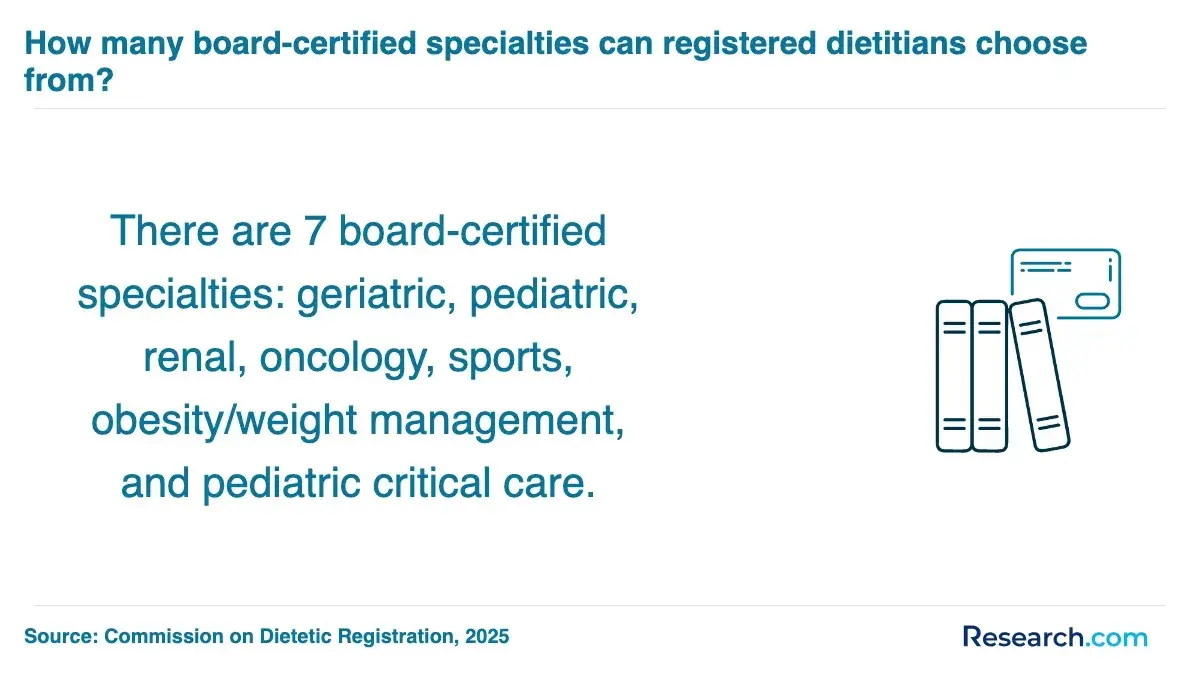
What types of dietitian specializations can you pursue in Maryland?
Maryland offers a diverse range of dietitian specializations that allow professionals to tailor their careers to specific populations and healthcare settings. Each specialization addresses unique nutritional challenges and contributes to improving public health outcomes across the state. Below is an overview of key dietitian roles you can pursue in Maryland.
- Clinical Dietitian: Provides medical nutrition therapy in hospitals and clinics, managing conditions like diabetes and cardiovascular disease within multidisciplinary teams.
- Community Dietitian: Develops nutrition education and wellness programs for at-risk populations in public health settings and nonprofit organizations.
- Pediatric Dietitian: Focuses on the nutritional needs of children, addressing issues such as obesity, allergies, and growth concerns in pediatric care.
- Geriatric Dietitian: Specializes in nutrition for older adults, managing chronic diseases and age-related metabolic changes in Maryland’s aging population.
- Sports Dietitian: Works with athletes to optimize performance and recovery through customized nutrition plans in universities or professional teams.
- Food Service Management Dietitian: Oversees large-scale food operations ensuring nutritional adequacy and safety in hospitals, schools, and correctional facilities.
- Research Dietitian: Conducts scientific nutrition research at universities and government agencies, contributing to advancements in the field.
- Oncology Dietitian: Provides specialized nutrition care to support cancer patients through treatment and recovery.
- Renal Dietitian: Tailors dietary plans for individuals with kidney disease, managing fluid and electrolyte balance effectively.
- Private Practice Dietitian: Offers personalized nutrition counseling for diverse needs, including weight management and preventive health.
What is the average salary of a registered dietitian in Maryland?
The average salary for a registered dietitian in Maryland is approximately $72,491 per year, with an hourly wage around $35, based on the most recent data as of February 2026. This salary exceeds the national average of about $70,000, reflecting Maryland’s strong demand and competitive market for dietetics professionals.
Several factors influence salary variations within the state:
- Location within Maryland: Urban centers like Baltimore and Montgomery County typically offer higher wages due to increased demand and higher living costs.
- Experience and Credentials: More experienced dietitians and those with advanced certifications can earn significantly more, with top salaries nearing $97,000 annually.
- Work Setting: Employment in hospitals, research, or private consulting generally provides better pay compared to schools or community health roles.
- Demand and Job Market: Although the job market is currently less active, specialized skills and advanced degrees improve salary potential and job prospects.
- Regional Salary Trends: Metropolitan areas consistently report salaries above the state average, while rural regions often fall below.
- Salary Growth and Projections: Wages have risen steadily in recent years, with ongoing emphasis on preventive healthcare expected to sustain strong demand statewide.
What do you need to keep your dietitian registration active in Maryland?
Maintaining an active dietitian registration in Maryland is vital for legal practice and professional growth. Staying compliant ensures you remain connected to evolving nutrition science and continue to serve clients effectively. Here are the core requirements to keep your registration current:
- License Renewal Frequency: Renew every two years through the Maryland Board of Dietetic Practice’s online portal during the specified renewal window.
- Renewal Fees: Pay a $250 fee per renewal cycle, with occasional additional fees covered by the Board in some years.
- Continuing Education: Complete at least 30 hours of Board-approved continuing professional education every two years.
- Documentation: Submit license number, Social Security number, CPE proof, and payment online; keep records for potential audits.
- Inactive Status: Optional $75 fee allows pause in practice without losing license but prohibits active work.
One Maryland-licensed dietitian, who graduated from a local institution, shared valuable insight on this process. He reflected on the challenge of navigating license reciprocity, noting that Maryland’s strict renewal deadlines left no room for delay, unlike some states he experienced earlier. “It taught me discipline and the importance of staying organized,” he said, appreciating the smooth online system despite the pressure.
He found that maintaining active status opened doors professionally, while inactive status offered flexibility during career breaks. His journey highlights that understanding these nuances early can save frustration and keep your career on track in Maryland’s competitive nutrition field.
How can professional organizations boost your registered dietitian career in Maryland?
Professional organizations in Maryland offer access to specialized mentorship, industry events, and targeted continuing education opportunities that enhance career growth. They provide avenues for networking with peers and leaders, ensuring you remain informed about evolving best practices and regulatory updates. Membership in such groups also bolsters professional credibility while opening channels for collaborative projects and research initiatives. For professionals seeking to expand their scope and explore related fields, learning how to become a nutritionist in Maryland could complement your career trajectory.
What emerging trends are shaping registered dietitian practice in Maryland?
Recent developments in healthcare technology and patient engagement are influencing practice models for registered dietitians in Maryland. Telehealth platforms, digital nutrition tracking, and data-driven assessments are expanding service delivery options and patient accessibility. Advancements in remote care enable dietitians to offer personalized guidance beyond traditional clinical settings, while interdisciplinary collaboration is increasingly valued in integrated care models with complementary healthcare professionals such as learning how to become a medical assistant in Maryland. Regulatory adaptations and consumer demands for innovative nutritional solutions further reinforce the need for continuous professional development and tech literacy in the field.
How long does it take to become a registered dietitian in Maryland?
Becoming a registered dietitian in Maryland is a process that requires careful planning and time. Generally, the timeline from starting college to obtaining the dietetic registration credential spans six to eight years. This duration accounts for completing both undergraduate and graduate education alongside supervised practical experience.
The registered dietitian education requirements in Maryland now include earning a master’s degree, which extends the traditional pathway by about two years after the initial bachelor's degree. Following this, candidates must complete an accredited dietetic internship before taking the final registration exam. The overall timeline can vary based on how quickly students progress through each stage and secure their internships.
For those considering this career, balancing work or personal commitments can affect the timeline significantly. A motivated individual moving directly from undergraduate study into graduate programs and internships may finish closer to six years. Exploring options like what are the cheapest nutrition and dietetics online degree programs can also influence the duration and affordability of the path to becoming a registered dietitian in Maryland.
Your timeline depends on where you start. The chart shows most RDs major in Dietetics or Food and Nutrition—paths designed for ACEND prerequisites that keep you on schedule. Choose Nutrition Science or Food Science, and expect extra prerequisite catch-up that can add months.
Can international students qualify to become registered dietitians in Maryland?
International students have a viable path to becoming registered dietitians in Maryland, provided they fulfill certain credentialing and educational criteria. These additional steps ensure that international qualifications align with U.S. standards, maintaining the profession’s integrity and quality.
- Foreign Degree Equivalency Evaluation: International degrees must be evaluated to confirm they are equivalent to a U.S. regionally accredited bachelor’s or master’s degree, which is essential before advancing in the licensure process.
- ACEND-Accredited Education: Completion of coursework and supervised practice through an ACEND-accredited program, either within Maryland or elsewhere in the U.S., is required to ensure the educational experience meets national standards.
- Supervised Practice Requirement: A minimum of 1,000 hours of supervised practice, typically fulfilled through a dietetic internship or coordinated program, is necessary to gain practical skills and meet licensure prerequisites.
- English Language Proficiency: Demonstrating proficiency in English via tests like TOEFL or IELTS is usually required by Maryland programs to ensure effective communication in professional settings.
- Eligibility for the CDR Exam: After completing education and internship requirements, passing the Commission on Dietetic Registration Examination is mandatory to obtain the registered dietitian credential.
- State Licensure Application: Applicants must submit their credentials and immigration documents to the Maryland Department of Health for licensure approval, finalizing the pathway to practice.
For those interested in further academic opportunities, exploring the online nutrition masters degree benefits can offer valuable insights into balancing advanced education with professional goals.
What career paths can registered dietitians pursue in Maryland?
Registered dietitians in Maryland have access to diverse career opportunities that blend clinical expertise with community impact. Exploring these paths reveals options that align with various interests and skill sets, supported by a healthy job market and competitive salaries.
- Clinical Dietitian: Providing medical nutrition therapy in hospitals or clinics, these professionals earn an average salary of $84,080 with strong demand reflecting the importance of nutrition in disease management.
- Community Nutritionist: Working in public health departments or non-profits, they focus on education and outreach, benefiting from an 11% projected job growth by 2030.
- Food Service Management Dietitian: Managing nutrition programs in institutions like schools or healthcare facilities, they oversee compliance and menu planning, often holding leadership roles.
- Corporate Wellness Dietitian: Designing wellness programs for businesses, they earn $60,700 to $76,900 and contribute to preventive health initiatives amid growing employer investment.
- Renal or Specialty Dietitian: Offering specialized care for conditions like dialysis or eating disorders, these roles are concentrated in urban centers like Baltimore with salaries above average.
- Research Dietitian: Engaged in nutrition science studies at academic or medical centers, they typically require advanced degrees and enjoy competitive compensation.
- Academic Educator: Teaching nutrition courses and supervising interns at colleges, these dietitians usually hold master's degrees and earn salaries aligned with statewide averages.
- Private Practice Dietitian: Operating independently, they provide personalized counseling and often earn above average based on clientele and specialization.
- Government and Policy Dietitian: Advising on nutrition policy and program development within agencies, they play key roles in public health with stable employment benefits.
For anyone considering these career opportunities for registered dietitians in Maryland, exploring what can you do with a nutritional science degree can provide valuable insights into education pathways that lead to these roles. The landscape of clinical dietitian jobs in Maryland remains promising, especially in metro areas like Baltimore where demand and salary potential are highest.
What do registered dietitians in Maryland say about their career?
- Completing my dietetics program at Towson University was a transformative experience that laid a strong foundation for my career. Starting my work as a registered dietitian in a local Maryland school allowed me to combine my passion for nutrition with my love for education. The stability and support in Maryland's academic institutions helped me grow professionally while making a significant impact on students' health and well-being. Being part of a community that values holistic care has been incredibly rewarding and motivating. Jennie
- Graduating from the University of Maryland's nutrition program gave me the skills and confidence to pursue a career that truly matters. Working as a registered dietitian in a local school has been both challenging and fulfilling, especially as I navigate the unique cultural diversity and dietary needs of Maryland’s population. This role has helped me develop professionally and personally, allowing me to contribute meaningfully to community health initiatives and support young people’s nutrition education. Hart
- My time at Johns Hopkins University’s dietetics program prepared me well for the dynamic environment of Maryland’s schools. Starting my career as a registered dietitian in a local academic setting has been a journey of constant learning and adaptation, especially given Maryland’s rich agricultural resources and diverse culinary traditions. The opportunity to influence students' lifelong eating habits and promote wellness in an educational context continues to inspire me every day. Mikey
Related Articles for Nearby States
- 2027 Steps to Become a Registered Dietitian in Virginia
- 2027 Steps to Become a Registered Dietitian in West Virginia
- 2027 Steps to Become a Registered Dietitian in Pennsylvania
- 2027 Steps to Become a Registered Dietitian in Delaware
- 2027 Steps to Become a Registered Dietitian in New Jersey
- 2027 Steps to Become a Registered Dietitian in New York
- 2027 Steps to Become a Registered Dietitian in Ohio
- 2027 Steps to Become a Registered Dietitian in North Carolina
- 2027 Steps to Become a Registered Dietitian in Kentucky
- 2027 Steps to Become a Registered Dietitian in Connecticut
References:
- Academy of Nutrition and Dietetics. Become a Registered Dietitian Nutritionist.
- American Society for Nutrition. Career Pathways in Nutrition.
- Anne Arundel Community College. Nutrition.
- Become a Nutritionist. How to Become a Registered Dietitian in Maryland.
- Commission on Dietetic Registration. RDN Eligibility.
- Evans, M. C. (2025, August 18). U.S. adults rate their diet as healthy, worry about food safety. Gallup. https://news.gallup.com/poll/693497/adults-rate-diet-healthy-worry-food-safety.aspx
- Kikuchi, E., Pula, I., Tyson, A., & Yam, E. (2025, May 7). Americans on healthy food and eating. Pew Research Center. https://www.pewresearch.org/science/2025/05/07/americans-on-healthy-food-and-eating/
- Maryland Department of Health. Licensure.
- Mayo Clinic College of Medicine & Science. Dietitian — Explore Healthcare Careers.
- NutritionED.org. How to Become a Registered Dietitian in Maryland — Exam, License, and Education Requirements in Maryland.
- University of Maryland — Department of Nutrition and Food Science. Becoming a Registered Dietitian.
- University of Maryland Medical Center. Dietetic Internship.
Other Things You Should Know About Registered Dietitians in Maryland
In 2027, the first step to becoming a Registered Dietitian in Maryland is to earn a bachelor's degree accredited by the Accreditation Council for Education in Nutrition and Dietetics (ACEND). This is a prerequisite for proceeding to supervised practice through an accredited dietetic internship.
In Maryland, you do not need to major specifically in dietetics or nutrition to qualify for dietetics prerequisites, as long as you complete the required coursework outlined by the Commission on Dietetic Registration (CDR). Many students choose related majors such as biology, chemistry, or health sciences and then take the additional dietetics prerequisite courses separately.
However, majoring outside of nutrition may require more careful planning to ensure all essential courses are completed, since the dietetics track includes specific classes in food science, nutrition, and medical nutrition therapy. Ultimately, any major can work if you fulfill the prerequisite requirements, but a nutrition-focused major often streamlines the process and better prepares you for supervised practice and registration exams.


