
2027 Top Career Paths for AGACNPs

Co-Founder and Chief Data Scientist
People aged 65 and older represented 17.3% of the US population in 2022, and projections indicate this will grow to 22% by 2040. This demographic shift, combined with rising chronic illness rates, underscores the urgent need for acute care providers. For nurse practitioners, an AGACNP career offers opportunities to address these evolving healthcare demands.
In this article, I will discuss the top career paths for AGACNPs, guiding graduates and practitioners toward roles that align with their skills and interests. I will also cover the diverse specialties, practice settings, and employment options to help identify the most rewarding and sustainable professional direction.
What are the benefits of pursuing the top AGACNP career paths?
- The demand for AGACNPs continues to grow as healthcare systems expand critical care services and adapt to an aging population with complex needs.
- Graduates can pursue careers in diverse settings, including intensive care units, emergency departments, specialty clinics, surgical teams, or long-term acute care facilities.
- AGACNPs typically earn competitive salaries within advanced practice nursing, with higher earning potential in high-acuity specialties such as cardiology, oncology, or trauma medicine.
- What career opportunities exist for AGACNPs in intensive care units? ICU Career Path
- How can AGACNPs build a career in emergency and trauma medicine? Emergency Medicine Career Path
- What roles do AGACNPs play on hospitalist and inpatient medicine teams? In-Patient Medicine Career Path
- Which cardiology career paths are open to AGACNPs? Cardiology Career Path
- How can AGACNPs specialize in oncology and hematology care? How can AGACNPs specialize in oncology and hematology care?
- What career options are available for AGACNPs in surgical specialties? Surgical Specialties
- Can AGACNPs pursue careers in subspecialties? Subspecialty Careers
- What careers are available for AGACNPs in rehabilitation and LTAC? Rehabilitation and LTAC Careers
- How can AGACNPs develop careers in interventional services? Interventional Service Careers
- Are outpatient specialty clinics viable career paths for AGACNPs? Are outpatient specialty clinics viable career paths for AGACNPs?
What career opportunities exist for AGACNPs in intensive care units?
According to the American Association of Nurse Practitioners (AANP), Adult-Gerontology Acute Care Nurse Practitioners (AGACNPs) deliver a full range of services that emphasize the management of patients with complex, acute conditions.
Their expertise spans late adolescence through older adulthood, enabling them to design treatment plans that address emergent needs, prevent complications, and support recovery. Because of this advanced preparation, intensive care units (ICUs) represent one of the most prominent and impactful career opportunities for AGACNPs.
In ICUs, AGACNPs collaborate closely with intensivists, critical care nurses, and interdisciplinary teams to stabilize critically ill patients while ensuring continuity of care. Within this setting, they engage in both rapid interventions and sustained management, tailoring decisions to each patient’s evolving condition.
Some of the AGACNP career paths in the ICU include:
- Medical ICU: Here, AGACNPs manage patients with sepsis, respiratory failure, or multi-organ dysfunction while coordinating multidisciplinary care.
- Surgical ICU: AGACNPs oversee post-operative patients to identify complications early and guide recovery strategies.
- Cardiac ICU: AGACNPs monitor and treat patients with arrhythmias, heart failure, or post-surgical cardiac needs.
- Neurological ICU: AGACNPs provide acute care for strokes, traumatic brain injuries, and seizure disorders.
- Pediatric Transition ICU (Adolescents): AGACNPs support older adolescents with acute conditions during the transition to adult care.
How can AGACNPs build a career in emergency and trauma medicine?
Emergency and trauma medicine offers AGACNPs a dynamic career path where rapid decision-making and advanced clinical expertise directly impact patient survival. With only about 7% of nurse practitioners trained in acute care, these practitioners fill a critical need by stabilizing patients, initiating evidence-based protocols, and coordinating with trauma specialists in high-intensity environments (AANP, 2021).
Although the national supply of nurse practitioners is projected to exceed demand by 2027, with an estimated 465,150 NPs compared to 369,050 needed (126% adequacy), the demand for AGACNPs remains strong. Their highly specialized training in managing acute, complex conditions ensures continued necessity in hospital-based and critical care settings, where generalist NPs cannot fully substitute their role.
Within the emergency and trauma medicine field, AGACNP career options are:
- Level I Trauma Centers: Here, AGACNPs manage complex polytrauma cases while collaborating with surgeons and intensivists.
- Emergency Departments: AGACNPs act as first-line providers for acute conditions such as myocardial infarction, sepsis, or major injuries.
- Rapid Response Teams: They deliver immediate interventions for in-hospital emergencies, including cardiac arrests and sudden decompensations.
- Flight Medicine and Emergency Transport: They provide advanced pre-hospital care during critical air or ground transfers.
- Disaster Response Units: AGACNPs offer acute care in mass casualty or natural disaster scenarios through hospital, government, or nonprofit programs.
What roles do AGACNPs play on hospitalist and inpatient medicine teams?
Hospitalist and inpatient medicine provide AGACNPs with opportunities to deliver comprehensive, patient-centered care across a broad spectrum of conditions. In these roles, AGACNPs function as frontline providers who bridge acute management with longitudinal continuity, ensuring that hospitalized patients receive evidence-based interventions from admission through discharge. Many AGACNPs enter these roles through accelerated online MSN AGACNP programs, which equip them with the advanced skills necessary for high-acuity settings.
The work of AGACNPs emphasizes collaboration with interdisciplinary teams, integration of family-centered communication, and coordination of care transitions that reduce complications and rehospitalizations.
Although AGACNPs represent a smaller proportion of the overall NP workforce, with 20.5% practicing in cardiovascular care and 12.1% in critical care, their expertise is increasingly vital in hospitalist medicine, where acuity and complexity are high, such as:
- General Medicine Wards: AGACNPs manage prevalent conditions such as pneumonia, sepsis, and renal failure, tailoring care plans to individual patient needs.
- Step-Down Units: They oversee patients recovering from critical illness who still require intensive monitoring, balancing safety with progression toward recovery.
- Observation Units: AGACNPs assess and treat patients admitted for short-term monitoring, such as chest pain or syncope, facilitating timely decision-making for discharge or admission.
- Palliative Care Integration: They collaborate on end-of-life care, guiding symptom management, facilitating family discussions, and ensuring dignified treatment pathways, similar to specialized training in best online criminal justice certificate programs.
- Discharge Coordination: AGACNPs streamline care transitions, working closely with case managers and social workers to promote safe discharges and reduce readmission risk.
This chart by Kleinpell et al. highlights the leading areas of practice for ACNPs.
Which cardiology career paths are open to AGACNPs?
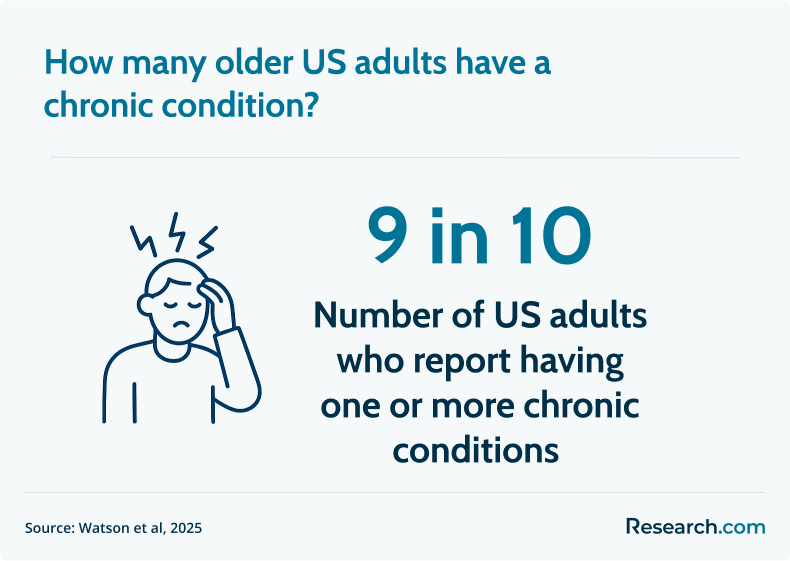
With nine in ten older US adults reporting at least one chronic condition, cardiovascular disease remains a leading driver of morbidity, mortality, and hospital utilization. Against this backdrop, cardiology offers AGACNPs dynamic and rewarding career pathways that address both acute presentations and long-term management of heart disease. Many professionals pursuing DNP AGACNP jobs find these roles especially fulfilling due to their blend of high-acuity care and preventive cardiology.
AGACNPs’ advanced training enables them to collaborate closely with cardiologists, interventional teams, and rehabilitation specialists, ensuring continuity of care across multiple settings. By combining acute interventions with preventive strategies, AGACNPs reduce readmissions and improve the quality of life for cardiac patients.
AGACNP career opportunities in cardiology practice areas include:
- Heart Failure Clinics: AGACNPs titrate complex medication regimens, monitor disease progression, and provide patient education on self-care and lifestyle modification.
- Cardiac Catheterization Labs: They manage pre-procedure stabilization and post-intervention recovery for patients undergoing angioplasty, stenting, or diagnostic catheterizations.
- Electrophysiology Units: AGACNPs oversee arrhythmia care, adjust device therapies, and assist in supporting patients undergoing ablation procedures.
- Cardiac Surgery Teams: They coordinate perioperative care for patients receiving bypass surgery, valve repair, or replacement, ensuring early detection of complications.
- Cardiac Rehabilitation Programs: AGACNPs guide structured recovery, emphasizing safe physical activity, risk factor management, and long-term cardiovascular health.
How can AGACNPs specialize in oncology and hematology care?
Oncology and hematology are critical fields where AGACNPs address the complex needs of patients with cancer and blood disorders. These specialties require practitioners to balance acute interventions with the continuity of long-term care, often managing the side effects of treatments and providing supportive care through challenging trajectories, all of which require top qualities of a good nurse leader.
AGACNPs in the oncology and hematology path collaborate closely with oncologists, hematologists, and palliative care teams. They blend clinical expertise with compassion to improve both survival outcomes and quality of life. AGACNP career paths in oncology and hematology serve in diverse roles, including:
- Inpatient Oncology Units: AGACNPs stabilize patients with chemotherapy complications, neutropenic fevers, and uncontrolled pain.
- Bone Marrow Transplant Programs: They oversee post-transplant recovery, managing infection risk and graft-versus-host disease.
- Palliative Oncology Teams: AGACNPs focus on symptom relief and advanced care planning for patients with limited prognoses.
- Hematology Clinics: They treat complex conditions like sickle cell crises, anemias, and clotting disorders.
- Radiation Oncology Centers: AGACNPs monitor patients through radiation courses, intervening promptly for acute toxicities.
What career options are available for AGACNPs in surgical specialties?
Surgical specialties offer AGACNPs a career path where they integrate advanced clinical judgment with hands-on perioperative care. In these roles, AGACNPs collaborate closely with surgeons and multidisciplinary teams, ensuring patients are prepared for procedures, stabilized during the immediate postoperative period, and supported through recovery. They may also consider the top roles for nurses with an associate degree.
The responsibilities of AGACNPs working in surgical specialties often extend beyond acute management. In the AGACNP career options below, these professionals blend procedural knowledge with long-term care coordination to optimize outcomes.
- General Surgery Teams: AGACNPs oversee patients recovering from appendectomies, hernia repairs, or bowel resections, ensuring early complication detection.
- Cardiothoracic Surgery: They provide ventilatory support, monitor chest tubes, and stabilize patients after open-heart procedures.
- Neurosurgery: AGACNPs manage post-craniotomy or spinal surgery patients, watching closely for neurological changes.
- Orthopedic Surgery: They coordinate rehabilitation after fractures, joint replacements, and trauma-related surgeries.
- Vascular Surgery: AGACNPs monitor outcomes following aneurysm repairs and peripheral bypass procedures, addressing risks like bleeding or thrombosis.
Can AGACNPs pursue careers in subspecialties?
AGACNPs have the opportunity to pursue subspecialties that expand their scope beyond traditional acute care while deepening expertise in highly focused areas of practice. These roles enable them to combine advanced clinical skills with specialized knowledge, tailoring interventions to patients with complex needs in specific systems of care.
Many professionals enhance their qualifications through online AGACNP graduate certificate programs, which provide targeted training for subspecialty practice while offering flexibility for working clinicians.
Pursuing subspecialties like those outlined below allows an AGACNP career to greatly expand professional versatility, foster specialized expertise, and strengthen opportunities for career advancement and higher earning potential.
- Nephrology: In this subspecialty, AGACNPs manage dialysis patients, monitor transplant recipients, and address acute kidney injury. They frequently prescribe medications such as diuretics (31.9%) to manage fluid balance and analgesic narcotics (31.2%) to control pain associated with advanced renal disease.
- Pulmonology: Here, they treat acute respiratory failure, advanced COPD exacerbations, and severe asthma episodes.
- Gastroenterology: AGACNPs in this field are expected to stabilize acute GI bleeds, manage liver failure, and support patients with inflammatory bowel disease flare-ups.
- Infectious Disease: AGACNPs specializing in this area coordinate care for patients with sepsis, drug-resistant infections, and complications of HIV or immunosuppression.
- Endocrinology: Here, AGACNPs lead inpatient management of acute diabetic crises such as diabetic ketoacidosis (DKA) or hyperosmolar hyperglycemic state (HHS)
This chart from Kleinpell et al. shows the leading medication classes most frequently prescribed by ACNPs.
What careers are available for AGACNPs in rehabilitation and LTAC?
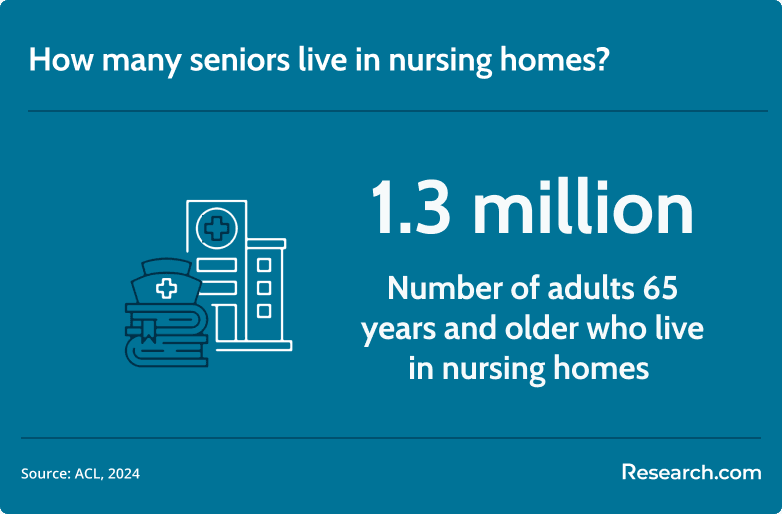
Rehabilitation and long-term acute care (LTAC) facilities provide AGACNPs with unique opportunities to extend care beyond the hospital and support patients requiring complex recovery. Although only about 1.3 million adults aged 65 and older lived in nursing homes in 2022, many more relied on rehabilitation or LTAC settings to regain independence after serious illness or surgery, a path sometimes followed by those from top schools with online EdS to EdD programs.
In LTAC environments, an AGACNP career involves integrating acute care expertise with long-term management strategies, enabling patients to stabilize and progress toward meaningful recovery goals. Their responsibilities encompass a diverse range of roles, including but not limited to:
- Manage LTAC Patients: Oversee ventilator support, complex wound care, and prolonged intravenous therapies.
- Support Stroke Rehabilitation: Design recovery plans and monitoring for complications such as aspiration or recurrent stroke.
- Coordinate Cardiac Rehabilitation: Guide patients in regaining strength and endurance after cardiac surgeries or acute events.
- Facilitating Post-Surgical Recovery: Ensure pain control, mobility progression, and infection prevention during rehabilitation.
How can AGACNPs develop careers in interventional services?
Interventional services provide AGACNPs with an advanced career pathway that integrates acute patient care with highly technical, procedure-based practice. In these settings, AGACNPs collaborate closely with proceduralists to ensure patient safety and optimize outcomes, from pre-procedural preparation to immediate post-procedural recovery.
Their expertise is especially valuable in environments where rapid decision-making, precision, and comprehensive monitoring are critical. The demand for these specialized skills also influences the acute care nurse practitioner salary, making interventional services an attractive option for career growth.
The interventional services path provides a unique avenue for an AGACNP career, allowing practitioners to work in dynamic settings that combine diagnostic precision with advanced therapeutic procedures. Key areas of practice include:
- Interventional Radiology: Prepare patients and manage recovery after biopsies, drain placements, or embolizations.
- Cardiac Catheterization Labs: Support angioplasties, stent insertions, and hemodynamic monitoring.
- Electrophysiology Labs: Oversee ablation procedures, pacemaker placements, and defibrillator insertions.
- Pulmonary Interventions: Assist with bronchoscopies and pleural procedures.
- Endoscopy Suites: Monitor patients during upper and lower GI procedures, including sedation and recovery.
Are outpatient specialty clinics viable career paths for AGACNPs?
Outpatient specialty clinics provide AGACNPs with opportunities for continuity of care, interdisciplinary collaboration, and balanced work schedules while maintaining clinical complexity. AGACNPs in outpatient practice manage both chronic conditions and acute exacerbations, enabling them to foster long-term therapeutic relationships, advance preventive health, and engage in procedural care.
Many choose to advance their expertise and expand opportunities for an AGACNP career by enrolling in AGACNP DNP programs online, which offer flexible, advanced training to meet the demands of specialty practice.
Physicians’ offices remain the largest employers of nurse practitioners, with over 143,000 positions, while outpatient care centers employ more than 29,000, underscoring the strong and growing demand for AGACNPs across diverse specialties. The common AGACNP clinic roles in outpatient practice include:
- Oncology Clinics: AGACNPs monitor treatment regimens, manage chemotherapy side effects, and provide survivorship care.
- Cardiology Clinics: They oversee chronic heart failure patients and device management.
- Orthopedic Clinics: AGACNPs evaluate post-operative patients, treat fractures, and provide joint injections.
- Dermatology Clinics: They handle acute skin infections, abscesses, and post-surgical wound checks.
- Pulmonology Clinics: AGACNPs manage asthma, COPD, and post-hospitalization respiratory follow-ups.
This chart from the US BLS shows the industries employing the largest number of NPs.
What Graduates Have to Say About Pursuing the Top AGACNP Careers
- Cassie: "Pursuing my AGACNP degree opened doors I never imagined, from managing critically ill patients in the ICU to leading care plans alongside physicians. The training was intense, but the reward of saving lives every day makes it all worthwhile. "
- Dana: "As an AGACNP, I found my calling in cardiology, where I help patients through some of their most vulnerable moments. The career path not only sharpened my clinical expertise but also gave me the confidence to guide families with compassion. "
- Eva: "Transitioning into oncology as an AGACNP allowed me to combine advanced skills with deeply personal patient relationships. It’s a career that challenges me clinically while giving me the privilege of making a real difference in people’s journeys."
Key Findings
- 7% of nurse practitioners specialize in acute care, highlighting AGACNPs’ focus on managing complex, urgent health needs.
- Despite a projected surplus of NPs by 2027 (465,150 vs. 369,050; 126% adequacy), demand for AGACNPs remains strong.
- 20.5% of the ACNP workforce practices in cardiovascular care, reflecting the critical role AGACNPs play in managing heart-related conditions.
- Nine in ten older US adults report one or more chronic conditions, underscoring the importance of AGACNPs in chronic disease management and acute interventions.
- In 2022, 1.3 million adults aged 65 and older lived in nursing homes, illustrating opportunities for AGACNPs in long-term and rehabilitative care.
References:
- AANP (2021). Findings From 2020 Survey Show Nurse Practitioners (NPs) Continue to Provide Quality Health Care During the Pandemic. Retrieved from https://www.aanp.org/news-feed/findings-from-2020-survey-show-nurse-practitioners-nps-continue-to-provide-quality-health-care-during-the-pandemic
- ACL (2024). 2023 Profile of Older Americans. Retrieved from https://www.advancingstates.org/sites/default/files/ACL_ProfileOlderAmericans2023_508.pdf
- KleinPell R., Cook, M., Padden, D. (2018). American Association of Nurse Practitioners National Nurse Practitioner Sample Survey: Update on Acute Care Nurse Practitioner Practice. Retrieved from https://doi.org/10.1097/jxx.0000000000000030
- US BLS (2024). Occupational Employment and Wage Statistics (OEWS) Profiles. Retrieved from https://data.bls.gov/oesprofile/
- Watson, K. B., Wiltz, J. L., Nhim, K., Kaufmann, R. B., Thomas, C. W., & Greenlund, K. J. (2025). Trends in multiple chronic conditions among US adults, by life stage, Behavioral Risk Factor Surveillance System, 2013–2023. Preventing Chronic Disease, 22, E539. https://doi.org/10.5888/pcd22.240539
Other Things You Should Know About Top Career Paths for AGACNPs
In 2027, AGACNPs will find leading career opportunities in hospital settings, specializing in cardiology, oncology, emergency medicine, and intensive care. They can also advance in leadership roles, such as nurse managers, or contribute to healthcare policies and research development for acute patients.
Board certification from the American Nurses Credentialing Center (ANCC) is crucial for AGACNPs aiming for top positions in 2027. Maintaining this certification may involve renewal every five years, requiring continuing education and clinical practice hours.
In 2027, state regulations will significantly influence AGACNP practice settings by determining the scope of practice, prescriptive authority, and collaborative agreements required. As states continue to update legislation, AGACNPs may experience changes in autonomy and the settings they can work in, leading to potential shifts in career opportunities and roles.


