
2027 How to Get Into Ivy League MBA Programs

Co-Founder and Chief Data Scientist
Many question whether pursuing an MBA from an Ivy League institution is a worthwhile investment. This decision is significant, especially considering the time, effort, and financial commitment required. However, the potential returns are substantial; for example, a graduate with an MBA can expect a median annual salary of approximately $165,372.
We understand the challenges of navigating the complex admissions process for elite business schools. By reading this article, you will gain a clear understanding of what it takes to get into an Ivy League MBA program, from meeting foundational requirements to crafting a compelling application that gets you noticed.
Key Things You Should Know About Getting Into an Ivy League MBA Program
- To gain admission, an applicant must have a GMAT score of over 720 or GRE scores of 160-165+ in Verbal and 160-170 in Quantitative, a competitive GPA of 3.4-3.7, and significant professional experience with demonstrated leadership, all while crafting compelling and tailored essays, securing strong recommendations, and preparing for a behavioral interview.
- The cost of an MBA is high, with two-year totals ranging from $180,000 to $220,000.
- Admission to Ivy League MBA programs is extremely competitive, with acceptance rates between 3% and 11%.
- What are the strategies to get into an Ivy League MBA program? Strategies
- What are the minimum GPA and GMAT/GRE scores for top Ivy League MBA programs? Required Scores
- Do Ivy League MBA programs prefer a specific undergraduate major? Do Ivy League MBA programs prefer a specific undergraduate major?
- What is the ideal timeline for applying to Ivy League MBA programs? Application Timeline
- What common mistakes should I avoid when writing my Ivy League MBA essays? Common Mistakes
- How many recommendations do Ivy League MBA programs require, and what are the formats? How many recommendations do Ivy League MBA programs require, and what are the formats?
- How can I prepare for a behavioral interview for an Ivy League MBA program? How can I prepare for a behavioral interview for an Ivy League MBA program?
- What are the average costs of tuition and living expenses for a top MBA program? Average Costs
- What's the difference between merit-based and need-based financial aid for MBAs? Financial Aid
- Are There Cost-Effective MBA Alternatives Worth Considering? Are There Cost-Effective MBA Alternatives Worth Considering?
- How do student loans work for financing a master's degree in business administration? Student Loans
- Which extracurricular activities do Ivy League MBA admissions committees value most? Which extracurricular activities do Ivy League MBA admissions committees value most?
What are the strategies to get into an Ivy League MBA program?
Ivy League MBA programs are known for their rigorous academics, selective admissions, and strong global networks, making them highly attractive to aspiring business leaders. You need more than just strong test scores to stand out. You need a holistic application that demonstrates intellectual ability, leadership potential, and a clear vision for your career.
Achieve a competitive GMAT or GRE score
Ivy League MBA programs typically expect GMAT scores above 720 or GRE scores above 320. Some schools allow you to submit both, considering the highest score, which can give you added flexibility. A strong score signals not only academic ability but also readiness for the program’s quantitative rigor.
Maintain strong academic credentials
Successful applicants often have a GPA between 3.4 and 3.7, though higher scores are always advantageous. Admissions committees want to see consistent academic excellence, especially in quantitative courses such as economics, statistics, or finance. If your GPA is on the lower end, additional coursework in these areas can help strengthen your profile.
Build meaningful professional experience
The most competitive candidates have five to six years of progressive responsibility, demonstrating leadership potential and measurable impact. Admissions committees value clear evidence of career advancement, contributions to team success, and the ability to manage people, budgets, or projects. Highlighting achievements with quantifiable results helps showcase your readiness for executive-level training.
Craft compelling personal statements and essays
Essays are your chance to stand out beyond numbers and credentials. Strong applications include well-crafted personal statements that clearly outline career goals, leadership qualities, unique experiences, and fit with the program.
The most effective essays tell a story that reflects authenticity and purpose while showing how the MBA will help you achieve both personal and professional aspirations.
Secure strong letters of recommendation
Recommendations give admissions committees a third-party perspective on your capabilities. Seek out supervisors or mentors who know you well and can provide specific examples of your accomplishments, leadership style, and growth potential.
General or vague letters are less persuasive than those that highlight concrete contributions and professional impact.
Prepare for the admissions interview
Interviews allow admissions officers to assess your fit beyond your paper application. Prepare by demonstrating your leadership style, strategic thinking, teamwork, and communication skills. You should also be able to articulate why you want an MBA from that specific Ivy League school and how it aligns with your career vision.
Strengthen business foundations through coursework
If your academic or professional background lacks exposure to business fundamentals, consider taking supplementary business or quantitative coursework. Certificates or online programs in accounting, finance, or statistics can demonstrate readiness for the program’s rigorous curriculum and reassure admissions committees of your ability to handle quantitative challenges.
Showcase strategic mindset and self-awareness
Admissions officers look for more than technical skills; they want to see emotional intelligence, humility, and confidence. Demonstrating self-awareness about your strengths and weaknesses, paired with a clear vision of your long-term goals, can set you apart. A strategic mindset and the ability to reflect on experiences show maturity and leadership potential.
Start preparing early with a clear plan
Finally, early preparation is key to success. Ideally, you should begin working on your application at least a year in advance, mapping out a timeline that includes test preparation, essay drafting, recommendation requests, and interview practice. Using an application checklist and staying organized ensures that you meet deadlines and present your strongest possible application.
For those interested in expanding their expertise in information and library science, pursuing an online MLIS degree ALA accredited can provide the flexibility to complete a professional master’s program while meeting accreditation standards that are widely recognized in the field.
What are the minimum GPA and GMAT/GRE scores for top Ivy League MBA programs?
The minimum GPA and GMAT/GRE scores for top Ivy League MBA programs generally are as follows:
- Undergraduate GPA: Most Ivy League MBA programs expect a competitive GPA, typically ranging from about 3.4 to 3.7. A GPA significantly below this range may require compensating with strong test scores or other application components.
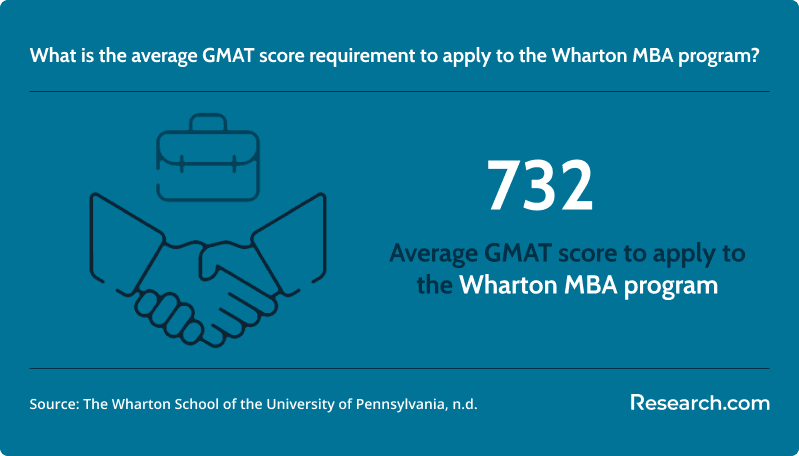
- GMAT Scores: The GMAT score expectations are high, usually with the median score around 720-730 or above for Ivy League schools. Specific examples include Harvard Business School with a median GMAT of 740, Wharton at 732 average, Columbia Business School also around 732, and Yale SOM with a median of around 730.
- GRE Scores: GRE scores are accepted as an alternative to GMAT scores by over 90% of Ivy League MBA programs. Competitive GRE scores for Ivy League programs typically fall in the range of about 160-165+ for Verbal, 160-170 for Quantitative, and 4.0-5.0 in Analytical Writing. Exact GRE expectations vary by program, but aiming near these benchmarks is advised.
For professionals looking to expand their credentials in finance and accounting, understanding how to get CFF certification can be a strategic next step. The Certified in Financial Forensics (CFF) designation, offered by the AICPA, requires meeting education and experience criteria, completing the application, and passing a rigorous exam, helping accountants demonstrate specialized expertise in forensic accounting and financial investigations.
Do Ivy League MBA programs prefer a specific undergraduate major?
Ivy League MBA programs do not prefer a specific undergraduate major. While there is no required major for admission, candidates must demonstrate readiness for a rigorous curriculum with a quantitative focus.
Many admitted students come from diverse backgrounds, including humanities like history, English, and philosophy, as well as social sciences and business-related fields.
The admissions focus is more on overall academic excellence, leadership potential, professional experience, and the ability to handle the MBA coursework rather than the particular undergraduate major.
This open-minded approach to majors also applies to specialized degrees, as schools recognize that a fast-track online MBA in HRM or a similar targeted program might be the ideal path for a student who wants to quickly gain expertise in a niche field.
What is the ideal timeline for applying to Ivy League MBA programs?
The ideal timeline for applying to Ivy League MBA programs typically spans about one year of preparation before the application deadlines.
- 12 months before the application deadline: Research the programs you're interested in. Start building your resume with relevant leadership experience, and plan for the GMAT/GRE.
- 8 to 10 months before the deadline: Register for and take the GMAT or GRE early so you have time for retakes if needed. You should also begin drafting your application essays and securing your letters of recommendation.
- 4 to 6 months before the deadline: Focus on finalizing your essays, preparing for interviews, and meticulously polishing all your application materials. Submit your application during Round One to maximize your admission chances.
Consider early submission
Ivy League MBA programs generally have three rounds of application deadlines. Round One usually falls in early September, with some schools like Harvard and Wharton having deadlines around September 3, 2025. Round Two typically occurs in early January, with deadlines for schools like Harvard and Wharton around January 5-6, 2026.
While some programs offer a Round Three in March or April, it is important to note that Harvard, for example, does not have a third round.
Submitting your application during the early Round One is ideal as it demonstrates a strong interest in the program and often provides more favorable admission odds. Following the submission, interviews typically take place four to six weeks after the deadline, with final decisions usually rendered about two months later.
This structured process is a hallmark of elite programs, unlike the more flexible timelines often found in other fields, such as fast-track online counselor education programs.
Moving on from the application process, the following graph provides a clear look at the career paths of Harvard Business School's Class of 2024.
What common mistakes should I avoid when writing my Ivy League MBA essays?
Beyond grades and test scores, essays give you the opportunity to showcase your personality, leadership potential, and long-term vision. However, many applicants fall into common traps that weaken their applications. Knowing what mistakes to avoid can help you craft essays that truly stand out.
Common mistakes to avoid when writing Ivy League MBA essays include:
- Not answering the essay question: This directly weakens the focus and impact of your response. Admissions committees expect clear, complete answers to their prompts.
- Simply listing your resume achievements: You must add depth, reflection, or a narrative that shows your unique insights, challenges, and growth.
- Using overly complex language or jargon: This can appear insincere or forced. Authenticity and clarity are more effective.
- Being vague or generic: Avoid stating broad goals like "I want to work in finance" without specifics or concrete examples.
- Failing to tailor essays to each school: Generic "why this school" responses hurt your application; instead, highlight specific programs, values, and how you fit the school's culture.
- Over-focusing on negative experiences: Consider framing these as learning and growth opportunities.
- Making typographical or grammatical errors: These careless mistakes suggest a lack of attention to detail.
- Including irrelevant or name-dropping references: If you must mention references, you must establish a meaningful connection to them.
- Writing goals or motivations just to fit perceived expectations: Admissions committees can recognize when an applicant is not genuine about their goals or motivations.
For students considering a career in social work, it’s also helpful to understand how long does it take to complete an MSW program. Typically, a full-time Master of Social Work program can be completed in two years, though part-time and accelerated options may vary, allowing flexibility for those balancing work or other commitments.
How many recommendations do Ivy League MBA programs require, and what are the formats?
Ivy League MBA programs generally require two letters of recommendation. These recommendations usually come from professional contacts such as current or former supervisors who know the applicant's work performance and leadership potential well.
The recommender must specify their relationship to the applicant. Recommenders are typically asked to compare the applicant against peers, provide examples of performance and leadership, and describe how the applicant responded to constructive feedback. In some cases, recommenders complete a skills assessment grid on leadership, teamwork, and cognitive abilities.
Letters usually range from about 300 to 600 words and balance qualitative storytelling with specific examples of accomplishments and growth. These are usually completed through an online form or platform, as specified by different schools.
For those considering careers post-MBA, understanding compensation trends is useful—for example, a project manager with MBA salary often reflects both advanced business knowledge and leadership skills, typically earning higher-than-average pay compared to project managers without graduate-level business training. This highlights how an MBA can directly enhance earning potential in project management roles.
How can I prepare for a behavioral interview for an Ivy League MBA program?
Preparing for a behavioral interview is about showcasing your leadership, problem-solving, and teamwork through real-life examples. By practicing structured responses and aligning your stories with the program’s values, you can demonstrate both competence and cultural fit.
To prepare for a behavioral interview for an Ivy League MBA program, focus on these key strategies:
- Understand the format: Behavioral interviews assess how you handled past situations to predict your future performance. Expect questions like "Tell me about a time when..." focused on teamwork, leadership, conflict resolution, and problem-solving.
- Use the STAR method: The STAR method (Situation, Task, Action, Result) keeps your answers clear and focused. Start by describing the context, explaining your role, the actions you took, and the positive outcome you achieved.
- Prepare several recent, diverse stories: These stories, preferably from the last 2-3 years, must highlight leadership, teamwork, adaptability, overcoming challenges, and initiative. Avoid repeating the same story for multiple questions.
- End stories with a clear takeaway: You must be able to tie your experience back to how you will succeed in the MBA program.
- Show self-awareness: Be honest in discussing mistakes or challenges and what you learned from them.
- Tailor responses: Make sure to highlight qualities Ivy League programs value, such as collaboration, emotional resilience, business acumen, and problem-solving.
- Practice aloud: Have mock interviews or talk in front of a mirror to gain confidence and refine delivery without memorizing answers.
- Demonstrate enthusiasm: Admissions committees appreciate applicants who have a genuine passion for your experiences and future goals.
Just as you would strategically prepare for a traditional business interview, you might also consider the specialized skills needed for other career paths, such as those you could gain from fast-track ESL graduate certificate programs online.
What are the average costs of tuition and living expenses for a top MBA program?
The average costs for tuition and living expenses for a top Ivy League MBA program in the 2025-2026 academic year are approximately:
- Tuition: Around $75,000 to $88,000 per year.
- Total tuition and fees: About $90,000 to $95,000 annually.
- Living expenses: From $25,000 to $34,000 per year, including room, board, transportation, books, personal expenses, and health insurance.
Over two years, total costs (tuition plus living) often sum to roughly $180,000 to $220,000. These costs are a significant investment and contrast sharply with the much lower financial commitment required for many vocational certifications, such as the cheapest online certified nursing assistant programs.
Given the high costs of Ivy League MBA programs, the following chart provides a valuable comparison of the typical debt load carried by graduate students versus that of the general population.
What's the difference between merit-based and need-based financial aid for MBAs?
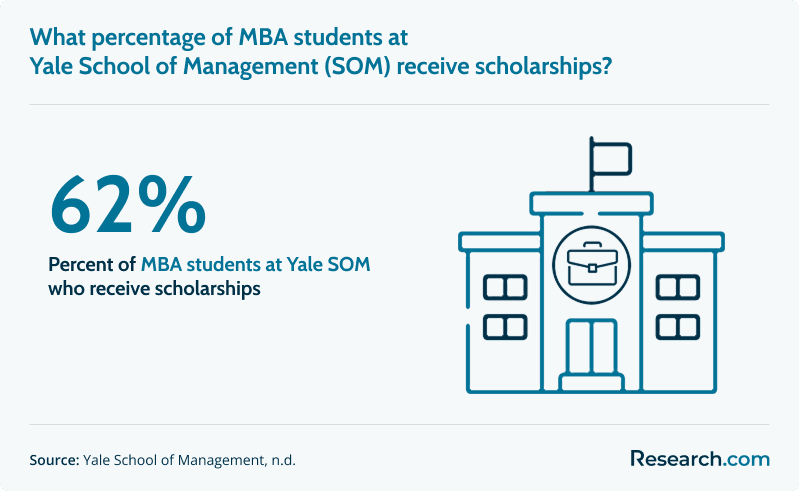
Merit-based financial aid for MBAs is awarded based on a student's academic achievements, professional accomplishments, leadership qualities, or extracurricular success. It does not consider the student's financial situation or income level. These awards are often scholarships or grants provided by universities, private organizations, or businesses to recognize excellence and potential.
Recipients usually must meet performance criteria such as maintaining a minimum GPA to continue receiving the aid. Merit-based aid is competitive and often requires applications highlighting achievements and sometimes essays or recommendations.
Need-based financial aid, by contrast, is provided based on demonstrated financial need, usually determined through documents like the FAFSA or similar financial disclosures. It aims to help students from low-income or middle-class backgrounds who would struggle to afford tuition and living expenses otherwise.
Need-based aid can include grants, scholarships, work-study, and subsidized loans. Ivy League schools are known to provide ample need-based aid, but typically do not offer merit scholarships.
Are There Cost-Effective MBA Alternatives Worth Considering?
While Ivy League MBAs offer prestige and extensive alumni networks, candidates may also find value in exploring alternatives that balance quality and cost. Evaluating options such as online programs can reveal opportunities for a strong business education with lower tuition and flexible scheduling. For instance, programs like the cheapest online accredited MBA provide accredited curricula designed to enhance career prospects without a prohibitive financial commitment. Consider accreditation, curriculum rigor, and post-graduation outcomes when comparing these alternatives to ensure alignment with your professional goals.
How do student loans work for financing a master's degree in business administration?
Student loans for financing a master's degree in business administration work by providing funds to cover tuition, fees, living expenses, books, and other related costs, which must be repaid with interest after graduation or leaving the program. Here are key points about MBA student loans:
Two main types of loans are common: federal student loans and private loans.
Federal loans
U.S. citizens and permanent residents can apply for federal loans like the Direct Unsubsidized Loan (up to $20,500 per year) with fixed interest rates around 7.9%, and the Graduate PLUS Loan that covers remaining costs with a higher interest rate of about 8.9%.
The loan application process often requires completing the FAFSA for federal loans, credit checks for PLUS loans, and school certification of costs. Entrance counseling and promissory notes are typically mandatory. It's important to note that loan amounts cannot exceed the certified cost of attendance minus other aid received.
Repayment usually begins six months after graduation or dropping below half-time enrollment, with various plans available, including standard, extended, and income-driven repayment.
Private loans
Private loans are available to domestic and international students, sometimes requiring a cosigner for approval. Interest rates on private loans vary widely, from about 2.89% to 14.99% Annual Percentage Rate (APR), with fixed and variable rate options.
Private lenders offer more flexible repayment terms and options, often targeted at graduate and MBA students. Some lenders and programs provide benefits like deferment during residency/fellowship, grace periods, and interest-only payment options. It is recommended to exhaust scholarships, grants, and federal loans before resorting to private loans.
To provide more context on how these loans are distributed across different schools, the following chart illustrates the breakdown of federal grants and loans by institution for the 2024-2025 academic year.
Which extracurricular activities do Ivy League MBA admissions committees value most?
Ivy League MBA admissions committees value extracurricular activities that demonstrate leadership, long-term commitment, measurable impact, and alignment with your personal and academic interests. These committees prioritize quality over quantity, seeking candidates who show genuine passion and take initiative.
Top-valued extracurriculars include:
- Leadership roles in clubs, organizations, or community projects where applicants drive change and influence others.
- Community service and volunteering, especially when sustained over time, lead to tangible improvements.
- Entrepreneurship or launching ventures that show innovation and business acumen.
- Research projects or academic initiatives that reflect intellectual curiosity and rigor.
- Sports achievements, especially at regional or national competitive levels, show discipline and teamwork.
- Unique or creative pursuits that align with your interests and demonstrate personal initiative.
The same principles of passion and impact that apply to traditional extracurriculars also extend to specialized academic paths, such as pursuing an accelerated online MBA in sports management to combine business skills with a specific industry focus.
Here's what graduates have to say about Ivy League MBA programs:
- Anne: "Applying to an Ivy League MBA program pushed me to reflect deeply on my career goals and leadership style. The application essays and interviews were challenging but helped me clarify what I truly wanted in my professional life. That clarity has shaped every decision since."
- Matthew: "The application process itself was a growth experience. I learned to present my achievements with confidence while staying authentic. Compiling recommendations and preparing for interviews strengthened my relationships with mentors and colleagues. It felt like the first step toward becoming the leader I am today."
- Priya: "Even before acceptance, applying to an Ivy League MBA program gave me access to valuable prep resources and networking opportunities. I connected with alumni and peers who inspired me with their stories, and that community made the process exciting rather than intimidating. The journey of applying alone was transformative."
Key Findings
- Graduates with an MBA can expect a median annual salary of approximately $165,372.
- A competitive GMAT score for Ivy League MBA programs is typically above 720, while a competitive GRE score is usually 160-165+ for Verbal and 160-170 for Quantitative.
- Most Ivy League MBA programs require a strong undergraduate GPA, with the average falling between 3.4 and 3.7.
- The total cost for a two-year Ivy League MBA, including tuition and living expenses, often ranges from $180,000 to $220,000.
- Admission to Ivy League MBA programs is extremely competitive, with acceptance rates generally between 3% and 11%.
References:
- Affording your MBA. (n.d.). Yale School of Management. https://som.yale.edu/programs/mba/affording-your-mba
- Employment data. (n.d.). https://www.hbs.edu/recruiting/employment-data/Pages/default.aspx
- Federal Student Aid. (n.d.). https://studentaid.gov/understand-aid/types/loans/subsidized-unsubsidized
- Hanson, M. (2024, November 24). Average Cost of a Master’s Degree: 2024 analysis. Education Data Initiative. https://educationdata.org/average-cost-of-a-masters-degree
- Hanson, M. (2025, February 3). Financial Aid Statistics [2025]: Average aid per student. Education Data Initiative. https://educationdata.org/financial-aid-statistics
- MBA salary. (2025). ZipRecruiter. Retrieved September 11, 2025, from https://www.ziprecruiter.com/Salaries/Mba-Salary
- Wharton MBA Class Profile & Acceptance Rate | Wharton MBA. (2025, February 24). MBA Program. https://mba.wharton.upenn.edu/class-profile
Other Things You Should Know About Getting Into Ivy League MBA Programs
For 2027 Ivy League MBA applications, most programs require either the GMAT or GRE for admission. It's essential to check each school's specific requirements, as some may prefer one test over the other or have minimum score thresholds.
Focus on crafting a compelling personal statement, showcasing leadership experience, and achieving a competitive GMAT score. Engage in networking opportunities, obtain strong recommendation letters, and demonstrate a unique perspective or contribution you can offer to the program.


