2027 Online MBA for Nurses and Healthcare Workers

Co-Founder and Chief Data Scientist
Healthcare professionals often face challenges advancing into leadership roles due to a lack of formal business training. Balancing demanding work schedules with academic pursuits can be overwhelming, making traditional MBA programs impractical. This gap hinders career growth and limits opportunities for impactful decision-making within healthcare organizations. Online MBA programs tailored for nurses and healthcare workers offer flexible solutions that accommodate busy lifestyles while providing relevant business knowledge. This article examines accredited online MBA options designed for health professionals, highlighting their advantages and guiding readers toward informed choices that support career advancement and leadership development in healthcare management.
Key Things You Should Know
- Online MBA programs for nurses and healthcare workers offer flexible schedules, allowing working professionals to advance into leadership roles without pausing their careers.
- By 2026, healthcare administration ranked among the top five fastest-growing fields, with projected job growth of 28%, highlighting strong career prospects post-MBA.
- Programs emphasize healthcare finance, policy, and operations management, equipping graduates to improve patient outcomes and navigate healthcare systems effectively.
What is an online MBA for nurses and healthcare workers?
An online MBA for nurses and healthcare professionals offers advanced training in business management tailored to healthcare settings. These programs blend core business skills-finance, marketing, strategy-with specialized healthcare topics such as health informatics, organizational behavior, and healthcare policy. This unique focus prepares students to tackle challenges in clinical environments, hospitals, and medical organizations.
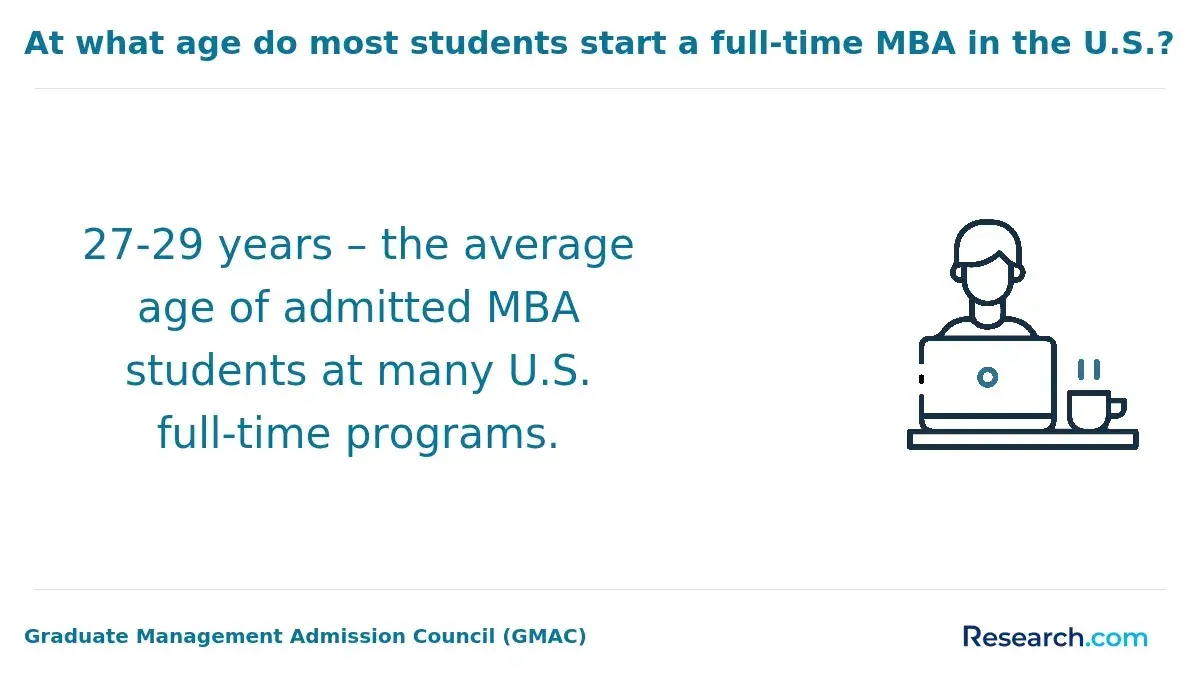
Graduates often transition from clinical roles to leadership positions like healthcare administrators, clinical managers, or consultants. The degree enhances decision-making, financial literacy, and strategic planning relevant to health services. For example, a nurse might lead quality improvement projects or oversee hospital departments. Flexible MBA degrees for healthcare workers in the US commonly include options like asynchronous courses or cohort learning to fit working professionals' schedules.
The demand for skilled healthcare managers is rising; according to AACSB, interest in healthcare careers among prospective business students increased from 7% to 19% within five years. When choosing a program, accreditation, healthcare-specific curriculum, and alumni outcomes should be top priorities. Prospective students can explore programs to find the online MBA cheapest while maintaining quality and relevance.
Why pursue an online MBA as a nurse or healthcare worker?
Pursuing an online MBA program for nurses in the US supports career advancement and leadership opportunities in healthcare. Registered nurses and healthcare professionals with MBA credentials qualify for higher-level administrative and management roles such as nurse managers, healthcare consultants, or hospital executives. These positions often offer significant salary increases along with greater influence over clinical and operational decisions.
Healthcare organizations now prioritize business acumen alongside clinical expertise to navigate regulatory challenges, optimize budgeting, and implement patient care models efficiently. Nurses with an MBA develop critical skills in finance, strategic planning, and organizational behavior, which traditional nursing programs often lack.
Job market data shows strong demand for nurse leaders: 84% of new BSN graduates received job offers at graduation. Adding an MBA credential enhances competitiveness and can accelerate promotion timelines, especially through healthcare leadership MBA programs for nursing professionals.
Online MBA formats provide much-needed flexibility for healthcare workers, allowing part-time study that fits demanding schedules without interrupting clinical duties or family commitments. Many programs also emphasize healthcare management concentrations, blending core business knowledge with healthcare-specific case studies to prepare graduates for leading cross-functional teams and quality improvement projects.
Nurses seeking affordable options might explore the cheapest AACSB online MBA programs, which balance cost with respected accreditation.
What are the best online MBA programs for nurses?
The best online MBA programs for nurses in the United States blend healthcare management expertise with essential business skills. Notable schools such as Johns Hopkins Carey Business School, University of North Carolina Kenan-Flagler, and Indiana University Kelley School of Business offer healthcare-focused tracks, enabling nurses to gain knowledge in healthcare finance, policy, and administration alongside leadership and strategic decision-making.
Choosing the top accredited online MBA degrees for healthcare professionals involves evaluating factors like accreditation, curriculum relevance, flexibility, and alumni outcomes. AACSB accreditation guarantees rigorous academics and industry recognition. Programs featuring healthcare electives or dual degrees (e.g., MSN/MBA) address challenges unique to nurses in healthcare settings.
Flexibility is vital for working nurses balancing shifts and studies. Many leading programs offer asynchronous courses and part-time paths enabling completion in two to three years. Experiential learning components-such as virtual simulations or healthcare consulting projects-enhance practical skills.
Salary potential highlights program value. NurseJournal.org reports a median salary of $109,768 four years after graduation for master's nursing graduates. Nurses with an MBA in healthcare management often surpass this by advancing into roles like chief nursing officer or healthcare administrator.
Evaluating programs by career goals-whether leadership in hospitals, healthcare consulting, or entrepreneurship-is essential. Schools with strong employer networks and services tailored to healthcare professionals improve job placement and salary growth. For cost-conscious candidates, exploring an affordable EMBA can be a strategic option.
What accreditation should online MBA programs for nurses have?
The primary accreditation for accredited online MBA programs for nurses in the US is recognition by the Association to Advance Collegiate Schools of Business (AACSB). This accreditation confirms that programs meet high standards in faculty expertise, curriculum quality, and continuous improvement, vital for healthcare professionals developing leadership and financial skills specific to the healthcare industry. Employers value candidates holding degrees from AACSB-accredited schools for their proven academic rigor and relevance.
Regional accreditations such as the Middle States Commission on Higher Education (MSCHE), Southern Association of Colleges and Schools Commission on Colleges (SACSCOC), and Higher Learning Commission (HLC) further assure educational quality and federal aid eligibility for online MBA programs. These are essential markers of institutional legitimacy.
Some programs also secure healthcare-specific accreditation through the Commission on Accreditation of Healthcare Management Education (CAHME), reflecting a focus on healthcare leadership skills. Dual-degree options, like MSN-MBA combinations, are increasingly popular, with healthcare ranking among the top post-MBA sectors for graduates.
For those researching healthcare-focused MBA accreditation standards, it is crucial to verify accreditation status directly on accrediting agencies' websites. Considering costs is important too, and prospective students may find helpful information on the cheapest online MBA no GMAT programs as part of their selection process.
What are admission requirements for online MBA nursing programs?
Admission to online MBA nursing programs generally requires applicants to hold a bachelor's degree from an accredited college, often in nursing, healthcare, or a related field. Candidates with degrees in other disciplines may qualify if they demonstrate relevant healthcare experience or complete prerequisite courses. A minimum GPA of around 3.0 on a 4.0 scale is commonly expected.
Professional experience is important; many programs prefer 1 to 3 years in nursing or healthcare management. This ensures candidates can integrate clinical knowledge with business leadership. Applicants typically must submit letters of recommendation from supervisors or professors who can attest to their skills and leadership potential.
A statement of purpose or personal essay highlighting career goals in healthcare management is usually required. While some schools request GMAT or GRE scores, many waive this for experienced professionals or those holding advanced nursing degrees such as MSN or DNP.
International students need to provide proof of English proficiency through TOEFL or IELTS scores. Additional materials like resumes, transcripts, and sometimes interviews can also be part of the process.
Meeting these admissions criteria opens pathways to leadership roles in healthcare, with top-tier MBA nursing graduates earning up to ₹20 LPA ($24,000 USD equivalent) in private hospital chains and consultancies.
How long do online MBA programs for healthcare workers take?
Online MBA programs for healthcare professionals typically range from 18 months to three years, depending on the program format, enrollment status, and prerequisite courses. Full-time students often complete their degrees within 18 to 24 months, while part-time learners may take around three years or longer. Accelerated options are also available, sometimes allowing completion in less than 18 months for those seeking faster career advancement.
Many programs tailored for nurses and healthcare workers offer flexible pacing to accommodate demanding work schedules and clinical duties. For instance, part-time students might stretch coursework over six to eight semesters to balance professional and academic responsibilities. Some institutions use competency-based models, enabling students to progress at their own speed and potentially shorten their time to graduation.
Prerequisites and specialization choices play a crucial role. Healthcare-focused MBA programs might require prior healthcare management experience or foundational courses, which can extend the overall timeline. Those without a business background may need extra coursework, adding to the duration.
The benefits of earning an MBA in healthcare are significant. The 2023 AACN employment research brief reports that 82% of entry-level MSN graduates received job offers immediately after graduation, emphasizing the value of advanced credentials in healthcare leadership. Prospective students should carefully assess each program's timeline and format to align with their career goals and personal commitments.
What does the curriculum cover in an online MBA for nurses?
The curriculum of an online MBA for nurses integrates business knowledge with healthcare leadership skills, preparing professionals to manage complex health organizations. Core subjects include financial management, healthcare economics, organizational behavior, strategic planning, and quality improvement. Nurses learn to allocate budgets efficiently, assess healthcare policies, and lead diverse teams.
Healthcare management courses cover regulatory compliance and legal frameworks essential for leadership roles. With 79.8% of actively licensed RNs holding a bachelor's degree (HRSA, 2024), many nurses are positioned to advance into managerial positions requiring this expertise. Leadership training emphasizes conflict resolution, staff motivation, and change management to support career growth beyond clinical duties.
Electives often feature health informatics, healthcare marketing, and project management, allowing students to tailor their education to specific career objectives. Practical case studies on hospital mergers and community health efforts reinforce real-world application. Data analysis skills are highlighted to improve both patient outcomes and operational efficiency.
The online format provides flexibility for working nurses, including virtual collaborations and interactive projects that simulate professional challenges. This approach helps balance demanding clinical schedules while developing leadership competencies. Graduates emerge ready to influence healthcare policy, drive innovation, and effectively manage interdisciplinary teams in evolving health systems.
What careers can nurses pursue with an online MBA?
Nurses with an online MBA gain access to diverse leadership and administrative roles across healthcare systems, combining clinical expertise with advanced business knowledge to enhance patient care and operational efficiency.
Typical positions include healthcare administrator, clinical manager, nurse executive, and quality improvement director. Nurse executives, for instance, oversee nursing services in hospitals, managing budgets, staffing, and regulatory compliance. Clinical managers lead specific departments such as surgical units or outpatient clinics, ensuring optimal resource use aligned with patient care standards. Healthcare administrators often direct entire facilities or networks, focusing on strategic planning and policy implementation.
Graduates with this background also work in healthcare consulting, advising on operational improvements and financial strategies. Careers in healthcare informatics and project management enable nurses to drive technology integration within clinical settings. Some transition to roles in health insurance firms, such as claims management or provider relations.
With 14% of Vanderbilt Owen MBA's class of 2024 entering healthcare, the value of business education in clinical leadership is clear (AACSB, 2025 employment report). An MBA hones skills in finance, marketing, data analysis, and organizational behavior, key to advancing beyond traditional nursing roles.
When choosing programs, candidates should seek health-focused electives or concentrations and pursue relevant healthcare experience. Building connections through healthcare MBA alumni networks can open doors for mentorship and job opportunities.
What salary can nurses expect after an online MBA?
Nurses with an online MBA can see substantial salary growth compared to their clinical-only peers. Median salaries often rise by 20% to 40%, depending on the role and healthcare environment. For instance, nurse managers holding an MBA typically earn between $95,000 and $125,000 annually, compared to $70,000 to $90,000 for those without business credentials. Clinical nurse leaders with an MBA in hospital administration report salaries of around $90,000 to $110,000.
The healthcare industry increasingly values business skills paired with clinical expertise. AACSB data shows 13.8% of Indiana Kelley School MBA graduates recently entered healthcare, reflecting a growing demand for professionals blending management and clinical knowledge. Leadership roles requiring MBAs often drive these salary improvements.
Common advanced roles for nurses with MBAs include healthcare project managers, hospital administrators, and operations directors. These jobs generally start at about $85,000, with potential earnings over $130,000 in large health systems or consulting. Specializing in healthcare finance or strategy can lead to salaries above $120,000, aligning with healthcare executive compensation.
Nurses aiming to maximize earning potential should consider MBAs focused on healthcare management or finance. These specializations meet employer demands and represent some of the highest-paying career paths. An online MBA also opens opportunities beyond patient care, enabling nurses to influence organizational strategies that enhance operational efficiency and quality improvement.
What is the job outlook for healthcare leaders with an MBA?
The job outlook for healthcare leaders holding an MBA remains highly promising, supported by strong growth in healthcare administration roles. According to the U.S. Bureau of Labor Statistics, employment for medical and health services managers is expected to increase by 28% from 2022 to 2032, far exceeding the average growth for all occupations. This rising demand reflects expanding healthcare needs, regulatory changes, and the growing complexity of healthcare systems.
Many ICU nurses with 3-5 years of experience pursue online MBA programs to transition into leadership roles, illustrating the shift of clinical professionals into administrative positions. Insights from the Reddit r/MBA community highlight that these programs provide critical skills in finance, organizational leadership, and healthcare policy, all essential to executive management.
Healthcare leaders with an MBA typically oversee:
- Hospital departments or entire facilities
- Health information systems implementation and optimization
- Compliance with federal healthcare regulations
- Financial planning and resource allocation
Graduates aiming for advancement should prioritize MBA programs with healthcare management specializations and practical experience to enhance their qualifications for roles such as chief nursing officer, healthcare consultant, or director of clinical services. Median wages for medical and health services managers reached $104,280 in 2022, with higher salaries available in major metropolitan areas or specialty institutions.
Other Things You Should Know About MBA
Yes, many online MBA programs are designed for working professionals, offering flexible schedules and asynchronous coursework. This allows nurses and healthcare workers to balance their studies with full-time employment and personal commitments effectively. Part-time enrollment options are often available to extend the program duration as needed.
Yes, scholarships and financial aid options are typically available for nurses pursuing an online MBA. Many institutions offer financial support tailored to working professionals, including nursing scholarships, employer tuition assistance, and federal or state educational grants. It's advisable to explore the specific options each school provides to find the best fit for your financial needs.
An online MBA equips nurses with knowledge in organizational behavior, health economics, and policy, enabling a smoother transition into administrative roles. The program also enhances critical thinking, communication, and leadership abilities, which are crucial for managing departments or healthcare facilities. Practical case studies related to healthcare industries help students apply business concepts directly to their field.
References
- Top 35 Online Healthcare MBA Programs - Healthcare Management Degree Guide https://www.healthcare-management-degree.net/best/best-online-healthcare-mba-programs/
- RN with MBA Salary: Realistic Expectations and Career Paths — Shine On RN https://www.shineonrn.com/blog/rn-with-mba-salary-realistic-expectations-and-career-paths
- An MSN Degree Can Boost Your Knowledge and Earnings https://www.allnursingschools.com/msn/salary/
- Accreditation | AACSB & NWCCU, CAHME Candidacy - The Healthcare MBA - OHSU https://thehealthcaremba.org/admissions/accreditation_rankings/
- What Can a Nurse Do with an MBA? | Elmhurst University Blog https://www.elmhurst.edu/blog/nurse-mba/
- Why Earning an MBA for Nurses is Transforming Healthcare Leadership https://reviewnprep.com/blog/why-earning-an-mba-for-nurses-is-transforming-healthcare-leadership/
- What are the benefits of an online MBA in Healthcare Management? https://ecofico.com/what-are-the-benefits-of-an-online-mba-in-healthcare-management/
- Admissions | Dual MSN MBA | Carlow University Online https://online.carlow.edu/programs/dual-msn-mba/admissions/
- From Nursing to MBA: 7 Reasons for RNs to Switch to Business https://www.herzing.edu/pathway/nurse-to-mba
- Top Online MBAs for Accreditations | FIND MBA Online https://findmbaonline.com/lists/top-10-online-mbas-with-the-best-accreditations