2027 Why Accreditation Matters in Online MBA Rankings

Co-Founder and Chief Data Scientist
Choosing an online MBA program can be overwhelming when faced with varying rankings and unclear accreditation statuses. Students may enroll in schools lacking proper academic approval, risking wasted time, money, and effort on credentials that employers might not recognize. This creates challenges for professionals seeking career advancement without traditional campus attendance.
Understanding why accreditation influences online MBA rankings helps applicants distinguish credible programs from misleading ones. This article explains the role of accreditation in ranking methodologies and guides readers on making informed decisions to ensure their chosen program holds respected academic value and industry acceptance.
Key Things You Should Know
- Accreditation ensures online MBA programs meet strict quality standards, with AACSB-accredited schools typically showing 20% higher graduate salaries than non-accredited counterparts as of 2025.
- Accredited rankings reflect verified curriculum rigor and faculty expertise, aiding students in identifying programs with validated academic and career value.
- By 2025, employer preference for graduates from accredited online MBA programs has risen by 15%, emphasizing accreditation's role in career advancement and networking opportunities.
What is accreditation in online MBA programs?
Accreditation standards for online MBA programs in the United States ensure a program meets established benchmarks of quality, rigor, and legitimacy from recognized accrediting organizations. This verification covers curriculum, faculty qualifications, student support, and learning outcomes, thereby assuring students that their degree is valued by employers and other educational institutions.
There are two primary types of accreditation important in online MBA rankings: regional accreditation, which applies to the entire institution confirming broad academic quality, and specialized accreditation focused on business schools, such as AACSB, ACBSP, or IACBE, which evaluate the caliber of business education specifically.
- Regional accreditation: Confirms institutional academic standards and enables credit transfers and federal financial aid eligibility.
- Specialized accreditation: Validates the quality of business programs and enhances professional credibility.
Choosing a program with proper accreditation affects career prospects and educational opportunities. For example, Indiana University's Kelley School of Business online MBA, known for its AACSB accreditation and competitive 23% acceptance rate, demonstrates selectivity and academic excellence valued in the job market. Prospective students should verify accreditation status through official websites rather than relying solely on school claims, which helps avoid diploma mills and ensures program legitimacy.
For those exploring affordable online MBA programs, accreditation safeguards educational investment and career outcomes. Many employers and advanced degree programs require candidates to have graduated from accredited institutions to be considered.
Why does accreditation matter for MBA rankings?
Accreditation impacts MBA rankings by verifying programs meet strict quality standards, which boosts credibility and overall value. Recognized bodies such as AACSB and ACBSP conduct thorough evaluations covering curriculum relevance, faculty qualifications, and student outcomes. This consistent measure of program excellence is a major factor in ranking methodologies.
The importance of regional accreditation in MBA rankings is evident as accredited programs attract stronger applicants, leading to more selective admissions and higher-quality student cohorts. Accredited online MBA programs, for instance, experienced a 6.6% decline in acceptance rates among the top 10 schools between 2019-2020 and 2026, underscoring increasing competitiveness.
Employers favor degrees from accredited institutions, which strengthens career prospects for graduates. Rankings often incorporate employment rates and salaries that accredited schools tend to deliver more reliably due to robust industry connections. Prospective students should consider accredited options, which hold recognized status across industries and regions.
Accreditation standards also drive continuous program improvement, ensuring MBA programs keep pace with evolving market needs. This focus on current quality influences rankings positively, unlike unaccredited programs that may face lower recognition and diminished graduate ROI. Additionally, accreditation standards significantly impact online MBA program quality, making it a critical factor for online learners.
For those seeking affordable options with recognized standards, exploring most affordable AACSB online MBA programs can provide valuable guidance when balancing cost and quality.
How does accreditation affect online MBA legitimacy?
Accreditation directly determines the legitimacy of an online MBA by verifying that a program meets established educational standards. Accredited programs undergo rigorous evaluation by recognized agencies, such as AACSB or ACBSP, ensuring curriculum quality, qualified faculty, and reliable student support. This validation is essential for prospective students concerned about the value of their degree in the job market or for further education. The impact of accreditation on online MBA ranking legitimacy is evident as employers often prefer candidates from accredited schools, signaling consistent training and competence.
Students in non-accredited programs risk investing time and money in degrees that may not be recognized by employers or other institutions. Accreditation also affects access to federal financial aid, which is typically restricted to students enrolled in accredited institutions-critical for working professionals managing tuition with personal expenses. Furthermore, accredited programs are more likely to offer strong alumni networks and career services that foster career advancement.
Thirteen of 61 ranked online MBA programs in 2026 reported lower acceptance rates than pre-pandemic levels, reflecting heightened selectivity and a commitment to quality. This trend emphasizes how selectivity correlates with program quality and reputation, enhancing legitimacy.
For those exploring an executive online MBA, verifying accreditation status should be a priority. Check the accrediting agency's recognition by the U.S. Department of Education or the Council for Higher Education Accreditation to avoid diploma mills and ensure the credential supports career growth. Understanding how accreditation influences online MBA program credibility can help students make informed decisions.
What are the top accrediting bodies for MBAs?
The top MBA accrediting bodies in the United States include the Association to Advance Collegiate Schools of Business (AACSB), the Accreditation Council for Business Schools and Programs (ACBSP), and the International Accreditation Council for Business Education (IACBE). These organizations ensure program quality and relevance, each serving different types of institutions and student needs.
AACSB accreditation is regarded as the gold standard, granted to less than 5% of business schools globally. It stresses faculty credentials, research, and curriculum rigor. Schools with AACSB-accredited online MBA programs often have higher tuition but strong employer recognition. For instance, the University of Massachusetts-Amherst (Isenberg) offers an AACSB-accredited online MBA at $925 per credit for out-of-state students, ranking among the most affordable for top-tier accredited programs.
ACBSP accreditation emphasizes teaching quality and practical business skills, appealing to non-traditional students and those focused on management careers. IACBE accreditation suits smaller or regionally focused schools promoting continuous improvement and outcomes assessment, often providing flexible and cost-effective curricula.
When evaluating the best accreditation organizations for online MBA programs, verifying accreditation is essential for federal financial aid eligibility, credit transfer, and employer acceptance. Students should check official school sites or trusted databases to confirm status.
Prospective students interested in affordable options may explore programs such as those listed in the online MBA without GMAT category, which balances cost and quality effectively.
Which accredited online MBA programs rank highest?
Indiana University-Bloomington's Kelley online MBA program leads accredited options with 1,652 students enrolled, reflecting high demand for AACSB-accredited online MBA programs noted for their quality and market relevance. Such enrollment figures often indicate strong student satisfaction and effective program marketing.
Other top-tier accredited programs include Carnegie Mellon, University of North Carolina (Kenan-Flagler), and University of Florida (Warrington). These schools maintain AACSB accreditation, offer flexible learning formats tailored to working professionals, and consistently rank well nationally due to rigorous faculty standards, strong alumni networks, and employer recognition.
Prospective students seeking reputable online MBA programs should prioritize those accredited by recognized bodies like AACSB, which ensures curriculum quality and broad recognition by employers and academics. Programs with smaller enrollments may excel in specialized areas but often lack the wide support and reputation of larger programs.
Many top-ranked accredited programs also provide asynchronous coursework, live sessions, and dedicated career services aimed at remote learners balancing work and study. Evaluating programs by accreditation status, enrollment, and format flexibility offers a well-rounded perspective for making informed decisions.
How does accreditation influence MBA career outcomes?
Accreditation plays a crucial role in shaping MBA career outcomes by confirming the educational quality and rigor of programs. Employers favor graduates from accredited schools because these credentials verify that students have met well-established academic standards and acquired applicable skills. Recognized U.S. accrediting bodies such as AACSB, ACBSP, and IACBE enforce strict criteria on curriculum, faculty qualifications, and student support. Graduates from these institutions often benefit from greater recognition, leading to higher starting salaries and stronger promotion potential.
Accredited MBA programs typically offer better connections with employers through networks, internships, and alumni relations. This results in improved job placement and career progression opportunities. Conversely, unaccredited programs, which may admit over 90% of applicants, tend to diminish the perceived value of their degrees. Data from Yahoo Finance's 2026 OMBA Ranking shows that 23 out of 61 ranked online MBA schools increased acceptance rates while still maintaining quality controls-unlike many unaccredited schools that risk graduates' professional prospects due to employer skepticism.
Key points for prospective students include:
- Verify accreditation status before enrolling to ensure employer recognition.
- Select accredited programs to access career services and recruitment events.
- Recognize that a diploma alone is not enough; accreditation signals credible education and skill development.
Accreditation ultimately supports mba career advancement by ensuring educational rigor, trust from employers, and valuable career resources.
What salary differences exist for accredited MBAs?
Graduates from accredited online MBA programs typically earn substantially higher salaries than those from non-accredited schools. For instance, the Financial Times rankings, which list the University of Southern California Marshall as #5 in the Online MBA 2026 rankings, highlight how accreditation factors heavily into salary outcomes.
Research shows accredited MBA holders can expect 15% to 25% higher earnings on average. Key findings include:
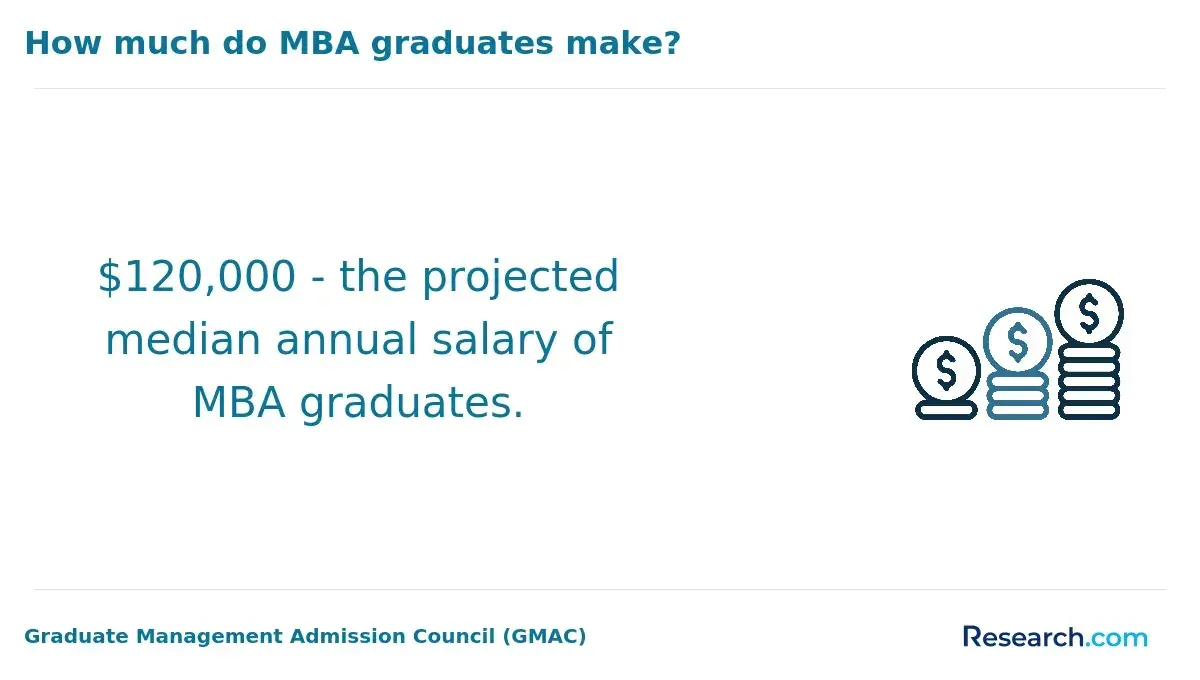
- Median starting salaries for AACSB-accredited MBA graduates around $115,000 versus $92,000 for non-accredited programs.
- Employers prefer candidates from accredited schools, associating them with rigorous curricula and stronger skills, which often lead to superior compensation.
- In industries like consulting and finance, salary premiums for accredited MBA holders may reach up to 30% in competitive job markets.
Accreditation also plays a critical role for working professionals seeking employer tuition reimbursement, as many companies limit support to degrees from accredited institutions. Regional and international accreditation further affect hiring and salary, depending on industry preferences and location.
Prospective students should verify accreditation status before enrolling to optimize return on investment. Consulting rankings such as those by Financial Times, which emphasize accreditation metrics, can serve as reliable guides for career and salary expectations.
Can unaccredited online MBAs lead to jobs?
Unaccredited online MBAs may open some job opportunities, but their value is limited compared to accredited programs. Employers generally prefer candidates with degrees from accredited institutions because accreditation signifies a verified standard of curriculum quality, faculty expertise, and institutional resources. Without this, the credibility of the degree is often questioned, hindering hiring chances.
Many industries and large employers require an accredited MBA for management and leadership roles. Consulting firms, financial institutions, and tech companies frequently exclude unaccredited MBA holders from competitive career paths or leadership development programs. In contrast, accredited MBAs, especially those recognized by organizations like AACSB, serve as a trusted signal of graduate competence.
The return on investment (ROI) from accredited MBAs is notably higher. For instance, Carnegie Mellon's Tepper School charges $2,274 per credit, reflecting the premium associated with AACSB accreditation. This investment commonly yields stronger networking opportunities, enhanced career services, and greater recruiter confidence, often resulting in higher starting salaries and accelerated career growth.
Unaccredited MBAs may benefit career changers, entrepreneurs, and professionals seeking knowledge without formal hiring benefits. However, they often limit access to federal financial aid, graduate licensure, and advanced educational opportunities. Prospective students should carefully assess employer acceptance of unaccredited degrees in their field and consider these implications.
Ultimately, pursuing an accredited online MBA typically maximizes professional prospects and long-term ROI while unaccredited programs come with recognized risks in the U.S. job market.
How to verify accreditation for online MBAs?
To verify accreditation for online MBAs, focus on reputable accrediting bodies recognized by the U.S. Department of Education and the Council for Higher Education Accreditation (CHEA). The two leading accreditors for business programs are the Association to Advance Collegiate Schools of Business (AACSB) and the Accreditation Council for Business Schools and Programs (ACBSP), both ensuring programs meet rigorous academic and ethical standards.
Check the program's official website, especially the homepage or admissions section, for clear accreditation details. Cross-reference this with official accreditation directories on the AACSB or ACBSP websites to confirm legitimacy and avoid unrecognized degrees or diploma mills.
You can also use the U.S. Department of Education's Database of Accredited Postsecondary Institutions and Programs (DAPIP) for thorough verification. This helps ensure the entire institution or individual programs hold valid accreditation.
Prospective students should contact admissions directly for accreditation timelines, as some newer programs may still be pending official approval. Note that programs without full accreditation may look credible but lack full recognition.
What future trends shape accredited MBA rankings?
Accredited MBA rankings are increasingly shaped by measurable outcomes such as graduate employment rates and salary increases. Accreditation bodies like AACSB uphold program quality, but rankings now weigh career placement heavily. For instance, the University of Florida (Warrington) online MBA, AACSB-accredited, costs $1,208 per credit for out-of-state students and boasts a 99% employment rate upon enrollment, demonstrating how cost-efficiency combined with strong employment outcomes influences rankings.
Transparency in data reporting is crucial. Prospective students seek verified salary and job placement information, so programs that lack clear statistics may suffer in rankings. Online MBA programs that offer flexible pacing and specializations in technology, healthcare, or sustainability often rank higher due to their market relevance and adaptability.
Other factors gaining importance include:
- Student demographic diversity and global exposure
- Accreditation agencies promoting diversity and inclusion initiatives
- Collaboration with industry via internships, mentorships, and live projects
Cost considerations remain vital as online options expand. Programs balancing AACSB accreditation with competitive tuition, like Florida Warrington, attract more applicants. Additionally, rankings reflect student satisfaction and the strength of alumni networks, highlighting long-term career success beyond graduation.
Ultimately, accredited MBA rankings reflect a comprehensive evaluation of quality, affordability, career readiness, and continuous improvement supported by transparent and verifiable data.
Other Things You Should Know About MBA
Accreditation is crucial for online MBA rankings in 2027 because it ensures the program meets rigorous academic and professional standards. Accredited programs are more likely to be recognized by employers and are often ranked higher due to their commitment to quality education and continuous improvement.
In 2027, accrediting bodies like AACSB, AMBA, and EQUIS play a crucial role in influencing online MBA rankings. Their standards ensure quality and rigor, affecting how programs are perceived in rankings and by employers, as they only accredit programs meeting stringent criteria.
Employers increasingly view accredited online MBA degrees as equivalent in quality to traditional on-campus degrees, especially when offered by reputable institutions. The growth of online education and the use of the same curriculum contribute to this perception. However, recognition still depends on the employer's familiarity with the school and program accreditation.
References
- MBA Salaries, Cost, “Bad” MBAs, Online MBAs, and Diversity in Business School https://mbaprotocol.com/articles/profile-building/career-gameplan/mba-salary-and-cost/
- What Are the Benefits of Choosing an Accredited Business School? https://www.amba-bga.com/insights/what-are-the-benefits-of-choosing-an-accredited-business-school
- Why Accreditation Matters for Business Schools - IBA | International Business Academy https://ibalondon.co.uk/why-accreditation-matters-for-business-schools/
- Top 5 Trends Shaping the Future of MBA Programs https://www.mywestford.com/blog/exploring-global-horizons-the-latest-trends-in-international-mba-courses/
- Why Accreditation Matters in an Online MBA Program- Amity Online https://amityonline.com/blog/what-to-look-for-in-a-top-online-mba-program
- MBA Resources | MBA Salary Guide | edX https://www.edx.org/resources/mba-salary-guide
- How Much Can I Make with an MBA? https://www.allbusinessschools.com/mba/salary/
- Legitimacy of MBA Accreditation: Ensuring Quality and Value https://www.qahe.org/article/legitimacy-of-mba-accreditation-ensuring-quality-and-value/