2027 Most Popular Marketing Degree Programs Ranking in Massachusetts

Co-Founder and Chief Data Scientist
Choosing the right marketing degree program in Massachusetts can feel overwhelming. To help you navigate your options, this article shares the 2027 Most Popular Marketing Degree Programs Ranking in Massachusetts, developed by the Research.com team of data scientists.
By exploring this ranking, you'll get clear insights into the programs that stand out, making it easier to find the best fit for your goals. Pursuing a marketing degree opens doors to exciting career opportunities and creative challenges. This guide is designed to support your journey toward a fulfilling future in marketing.
Key benefits of getting marketing degree in Massachusetts
- Marketing degree graduates in Massachusetts can expect competitive salaries, such as $83,190 annually for Marketing Assistants and Digital Marketing Specialists, while Public Relations Specialists earn an impressive $159,420 per year.
- Career paths for marketing graduates include roles like Sales Associate, Media Planner, and PR Specialist, with versatile opportunities reflecting the strong business networks near leading schools like Boston University.
- Obtaining a marketing degree online from institutions like the University of Massachusetts offers flexibility and affordable access while maintaining quality education, making it easier to balance work and study.
- Key benefits of getting marketing degree in Massachusetts
- What can I expect from marketing degree in Massachusetts?
- Where can I work with marketing degree in Massachusetts?
- How much can I make with marketing degree in Massachusetts?
- 2027 Most Popular Marketing Degree Programs Ranking in Massachusetts
- Key Findings
- How long does it take to complete marketing degree in Massachusetts?
- What's the difference between online and on-campus marketing degree?
- Industry Trends and Future Outlook for Marketing Graduates in Massachusetts
- What is the average cost of marketing degree in Massachusetts?
- Cost Comparison with Neighboring States
- What financial aid is available to marketing degree students in Massachusetts?
- Return on Investment: Is a Marketing Degree Worth It?
- What are the prerequisites for enrolling in marketing degree program in Massachusetts?
- What courses are typically in marketing degree programs in Massachusetts?
- What types of specializations are available in marketing degree programs in Massachusetts?
- How do you choose the best marketing degree in Massachusetts?
- What career paths are available for marketing degree students in Massachusetts?
- What is the job market for marketing degree in Massachusetts?
- Related Marketing Rankings for Nearby States
- Top Trending Marketing Rankings
- See What Experts Have To Say About Studying Marketing
What can I expect from marketing degree in Massachusetts?
When considering the average cost of a marketing degree in Massachusetts, expect a range shaped largely by whether you attend a public or private institution. Graduates from public universities often share how in-state tuition made their education more manageable, typically ranging from $15,000 to $25,000 per year. On the other hand, private colleges, known for smaller class sizes and specialized programs, can cost between $40,000 and $55,000 annually. Many students at well-known Massachusetts universities report balancing these costs with scholarships, financial aid, and flexible assistantships that lighten the financial load without sacrificing quality.
One common story among marketing grads is their relief in discovering robust financial support, especially in schools around Boston and Cambridge where marketing programs connect students with vibrant industry networks. This access not only enriches their learning but also opens doors for internships that often come with stipends, turning education into a rewarding investment.
Where can I work with marketing degree in Massachusetts?
With a marketing degree from Massachusetts, the possibilities are truly exciting. Graduates from schools like Boston University and Northeastern often find themselves stepping into dynamic roles across industries that thrive here-tech hubs in Boston and Cambridge, renowned hospitals, and financial firms. Imagine working on a campaign for a tech giant like HubSpot, or shaping public health outreach at Massachusetts General Hospital. These experiences are very real and accessible.
Many marketing students from Massachusetts colleges share how internships led them directly into roles in digital marketing, brand management, or market analysis within these sectors. The state's diverse economy means your skills won't be confined to one field; whether it's retail brands launching new products or universities promoting their programs, there's always a place to apply your talents.
Knowing that companies like Fidelity Investments and Boston Children's Hospital actively recruit marketing graduates should reassure you. Your degree opens doors to careers where creativity meets strategy, making an impact in communities and businesses statewide.
How much can I make with marketing degree in Massachusetts?
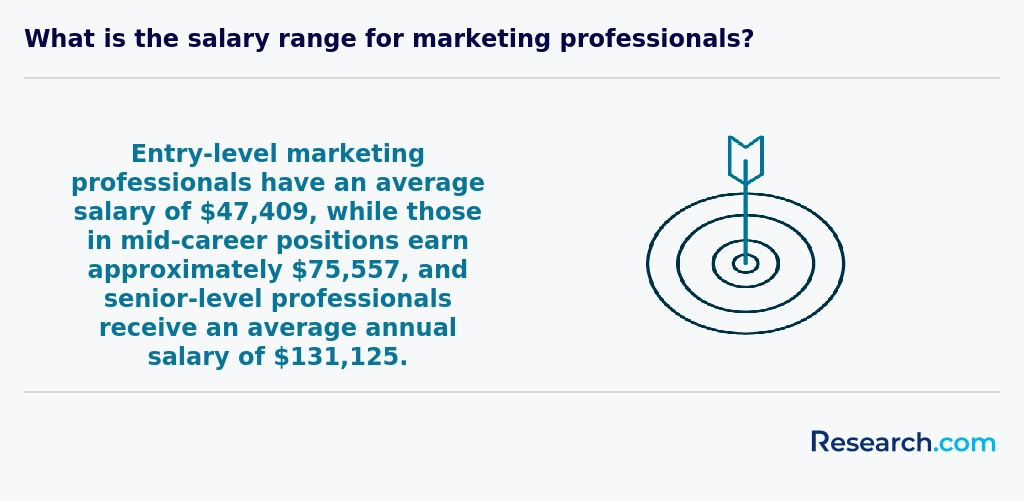
Graduates with a marketing degree in Massachusetts are positioned to earn competitive salaries thanks to the state's vibrant economy and strong industry presence. For example, a Marketing Assistant typically makes around $83,190 annually, a solid starting point that reflects the value of skills gained through programs at schools like Boston University or Northeastern University. Many recent grads have expressed excitement when landing roles that pay close to this figure, feeling confident their education prepared them well.
Stepping up, Digital Marketing Specialists often earn a similar mean wage of roughly $83,190 per year, especially in tech hubs like Cambridge. This salary showcases how graduates applying digital strategies are in high demand. Meanwhile, Public Relations Specialists can expect an impressive average salary near $159,420, offering tremendous incentive for those who want to specialize in building strong brand reputations.
Even Sales Associates with marketing backgrounds start around $53,280, showing good entry-level earning potential. Students who embrace internships during their studies at Massachusetts' top marketing programs often find they can progress quickly, maximizing their salary growth within a few years after graduation.
2027 Most Popular Marketing Degree Programs Ranking in Massachusetts
How do we rank schools?
Investing in your education is a significant decision that can profoundly impact your career, and the Research.com team recognizes the importance of making well-informed choices. To support prospective students in Massachusetts, we have carefully developed the "2027 Most Popular Marketing Degree Programs Ranking in Massachusetts." Our dedication to quality, credibility, and accuracy is demonstrated through rigorous research and thorough analysis.
We utilized the following reputable data sources to ensure a comprehensive evaluation of marketing degree programs:
By exploring this ranking, readers will gain essential insights into the top marketing degree programs in Massachusetts, empowering them to make confident and informed decisions about their educational journey. For more information about how this ranking was created, please visit our Research.com methodology page.


Key Findings
- Marketing degrees in Massachusetts are offered by public institutions like the University of Massachusetts and private colleges such as Boston University.
- Annual tuition for marketing programs ranges from $15,000 to $25,000 at public universities and can exceed $50,000 at private schools.
- Starting salaries for marketing graduates average around $50,000 per year, with mid-career professionals earning between $75,000 and $100,000.
- Massachusetts has a strong job market for marketing graduates, especially in Boston, with projected growth above the national average.
- Many programs include internships and co-op options, and some offer specialized tracks in digital marketing, analytics, and brand management.
How long does it take to complete marketing degree in Massachusetts?
Completing a marketing degree in Massachusetts typically takes about four years for full-time students, which aligns with the traditional undergraduate structure you'll find at institutions like Boston University or Northeastern University. Graduates often share how the consistent rhythm of eight semesters helps them build a solid foundation in marketing principles while balancing other life commitments.
Some students choose accelerated paths, finishing their degree in just three years by embracing heavier course loads and summer classes. This route demands focus and dedication, but it's rewarding for those eager to jumpstart their careers sooner and save on tuition costs. Many graduates from schools like UMass Amherst highlight how this option pushed them to grow both academically and personally.
Part-time learners or those juggling work may take longer, stretching their studies beyond the typical four years. This flexibility is especially valuable in Massachusetts, where balancing internships or co-op programs can enhance practical experience and open doors to future opportunities.
What's the difference between online and on-campus marketing degree?
Choosing between an online and an on-campus marketing degree in Massachusetts hinges on your lifestyle and learning preferences. Graduates from Boston University often speak of the energizing atmosphere created by face-to-face classes, where hands-on projects, immediate professor feedback, and engaging peer discussions fuel their passion for marketing. They cherish access to campus resources like career centers and marketing-focused clubs, which open doors to internships and networking in Boston's vibrant business scene.
Meanwhile, graduates from Northeastern University value the flexibility that online programs provide, especially when balancing work or family. They appreciate logging into lectures from home, replaying recorded sessions, and submitting assignments on their own schedule without sacrificing educational rigor. This route often reduces living expenses and commute stress, crucial perks for many.
Both formats in Massachusetts carry strong regional accreditation, but your choice depends on whether you thrive in a collaborative campus environment or prefer the independence and convenience of online learning.
Industry Trends and Future Outlook for Marketing Graduates in Massachusetts
As the marketing landscape continues to evolve, staying ahead of industry trends has become essential for graduates aiming to secure a competitive edge. Emerging technologies like AI-driven analytics, blockchain for data transparency, and advanced digital advertising tools are reshaping how marketers plan and execute campaigns. Future-proof strategies now require a blend of traditional marketing fundamentals and innovative tech skills, making it crucial for current and prospective students to integrate continuous learning into their career plans. In addition, sustainability and ethical marketing practices are increasingly valued, driving brands to adopt environmentally friendly methods and socially responsible messaging. For students seeking not only high-quality education but also cost-effective options, exploring affordable marketing programs in massachusetts can be an excellent step towards building a resilient career. By keeping pace with these trends, graduates ensure that their marketing expertise remains relevant in an ever-changing global marketplace.
What is the average cost of marketing degree in Massachusetts?
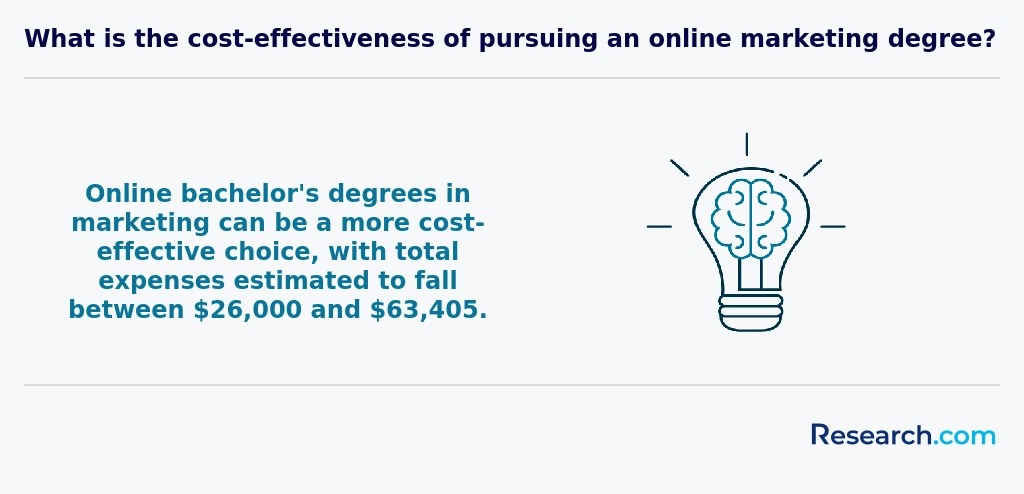
When considering the average cost of a marketing degree in Massachusetts, it's important to note that the median total expense for completing such a program is around $59,723. In-state students often benefit from reduced costs, with a median total closer to $47,038, making public universities like the University of Massachusetts attractive options. Graduates from these institutions often share how investing in their education opened doors to fulfilling careers despite initial financial concerns.
On the other hand, private colleges in Massachusetts-renowned for their strong marketing programs-tend to have higher tuition and fees, steadily increasing the total expenses for marketing degree programs Massachusetts students face. Students attending schools such as Boston University or Northeastern University often balance their passion for marketing with careful budgeting and scholarship searches to handle these costs successfully.
Many students find that financial aid, merit scholarships, and strategic planning ease the pressure caused by tuition and living expenses. For those seeking more affordable options without sacrificing quality, exploring affordable marketing programs in Massachusetts can be a smart step toward achieving their goals while managing expenses effectively.

Cost Comparison with Neighboring States
When evaluating the total investment for a marketing degree in Massachusetts-where private institutions average $38,070 per year and public in-state tuition often exceeds $25,000-prospective students should also consider more affordable options in nearby regions. States like Maine and New Hampshire frequently offer similar program quality at reduced costs, making them attractive alternatives for budget-conscious learners. To see how Maine’s offerings stack up in terms of tuition and fees, consult the Most Affordable Marketing Degree Programs Ranking in Maine, which highlights institutions with tuition rates up to 30% lower than Massachusetts averages. Beyond sticker price, analyzing net cost-tuition minus average financial aid-is essential. In Massachusetts, the typical aid package of $13,218 per year narrows the net cost gap, but state grants and merit scholarships in neighboring states can further reduce out-of-pocket expenses. For example, Maine’s public universities often provide automatic merit awards to out-of-state students, effectively lowering the net tuition to under $15,000 annually for qualified applicants. Finally, it’s crucial to factor in living expenses and post-graduation earning potential. While Massachusetts boasts higher median salaries for marketing roles (e.g., $138,730 for marketing managers), Maine’s lower cost of living can yield a comparable or superior return on investment. Prospective students should weigh program affordability, average salaries, and living costs to determine which state offers the optimal balance of quality and value for their marketing education.
What financial aid is available to marketing degree students in Massachusetts?
When pursuing a marketing degree in Massachusetts, numerous financial aid options can lighten the financial load and open doors to opportunities. Graduates from schools like the University of Massachusetts often share how federal aid, accessed through FAFSA, provided essential grants and subsidized loans that made their education manageable. Federal Pell Grants, for instance, offer need-based support that doesn't require repayment - a true relief for many.
State programs, such as MassGrant, specifically help Massachusetts residents by awarding need-based grants to students attending public institutions. Many marketing students at Boston University and Northeastern have benefited from institutional scholarships grounded in academic merit and leadership, fueling their drive without overwhelming debt.
Work-study and paid internships are also incredible avenues. One graduate recalled how balancing a marketing internship with work-study at a local Boston firm not only helped pay bills but also built critical experience-turning financial aid into a career springboard.
Finally, don't overlook private scholarships from organizations like the American Marketing Association, which reward passion and promise in marketing. Applying widely can truly pay off.
Return on Investment: Is a Marketing Degree Worth It?
Understanding the return on investment (ROI) of a marketing degree is crucial for students weighing the benefits against the costs. To determine whether a marketing degree is financially viable and is marketing degree affordable, prospective students should analyze tuition expenses, potential earnings, and payback periods. On average, Massachusetts students invest between $10,000 and $60,000 per year in tuition, depending on public or private institutions, plus living expenses ranging from $15,000 to $25,000 annually. Graduates of Massachusetts marketing programs report median starting salaries of $50,370 for entry-level sales associates and $78,880 for marketing assistants. With these figures, a bachelor’s degree holder can expect to recoup direct educational costs within approximately 4–6 years, assuming an average annual salary increase of 3–5%. Those advancing to mid-career roles like marketing managers or PR specialists, earning upwards of $90,000 to $150,030, often achieve full ROI in as little as 3–4 years post-graduation. Beyond direct earnings, intangible benefits-such as robust alumni networks, campus career services, and hands-on internships-enhance long-term career mobility. Massachusetts marketing graduates frequently secure promotions faster than peers without specialized degrees, leveraging faculty mentorship and industry partnerships. Additionally, higher salary trajectories over a 20–30-year career can translate into an average lifetime earnings premium of $300,000 to $500,000, compared to individuals without a degree. To optimize ROI, students should seek programs with strong internship pipelines, mentorship opportunities, and transparent graduation-to-employment statistics. Factoring in scholarships, grants, and federal aid can further reduce payback periods. In sum, when aligned with career goals and financial planning, a marketing degree in Massachusetts offers a compelling ROI that justifies both the investment of time and resources.
What are the prerequisites for enrolling in marketing degree program in Massachusetts?
To enroll in a marketing degree in Massachusetts, you need to start with a high school diploma or equivalent like a GED. This straightforward step is the foundation that opens doors to vibrant programs at well-known institutions such as Boston University or UMass Amherst, where many graduates began their journeys.
Most colleges expect you to have completed core courses in math, English, and social sciences during high school. This preparation sharpens your communication skills, essential for crafting powerful marketing messages and strategies. Graduates often mention how these skills helped them excel in group projects and presentations.
While standardized tests like the SAT or ACT are often optional, submitting strong scores can boost your application, especially for competitive programs in the Boston area. Imagine impressing admissions by demonstrating your readiness through your test scores and a compelling personal essay.
Make sure your application includes official transcripts, a heartfelt personal statement about your passion for marketing, recommendation letters, and sometimes a resume highlighting internships or extracurricular activities. Many successful students have found that showcasing real-world experiences related to business or communications makes their application stand out.
What courses are typically in marketing degree programs in Massachusetts?
In Massachusetts, marketing degree programs immerse you in essential courses that build a powerful toolkit for today's business world. Graduates from schools like Boston University and Northeastern have shared how mastering Principles of Marketing gave them confidence to dissect real consumer trends, while courses like Marketing Strategy helped them craft campaigns for local startups during internships.
You'll also dive into Digital Marketing, where learning about social media algorithms, SEO, and emerging tech sparks creativity-imagine designing a viral campaign for a Boston-based tech company. Marketing Analytics places data at your fingertips, enabling deep insights that shape smart decisions, just as many students have done in real projects within Cambridge's vibrant business scene.
Expect to build a solid business foundation with courses in accounting, finance, and management, so you see marketing within the whole company context. Skills from Consumer Behavior and Market Research Methods empower you to understand customers' minds and gather valuable data-critical for success in Massachusetts' competitive job market.
What types of specializations are available in marketing degree programs in Massachusetts?
When exploring marketing degree specializations in Massachusetts, you'll find paths that align perfectly with the vibrant economic landscape here. Graduates from renowned schools have thrived by focusing on Digital Marketing, mastering SEO and social media strategies vital to Boston's booming tech startups. Others have found Marketing Analytics rewarding, using data to make smarter decisions-a skill highly prized in Massachusetts's data-driven business environment.
Brand Management is another dynamic specialization, popular among students aiming to work with large corporations based in the state, where maintaining a powerful brand identity is key. Real-life examples from business marketing programs in Massachusetts show that students specializing in Consumer Behavior or Sales Management gain a strong advantage by deeply understanding customer psychology or leading sales efforts, preparing them for leadership roles.
Those interested in global opportunities benefit from International Marketing, ideal for firms involved in worldwide trade. Advertising also offers a creative edge, allowing students to design impactful campaigns that resonate locally and beyond. If you're concerned about costs, reviewing is marketing degree affordable can help you make informed decisions that align with your goals.
How do you choose the best marketing degree in Massachusetts?
Choosing the right marketing degree in Massachusetts means focusing on programs that offer both solid fundamentals and real-world experiences. Graduates from schools like the University of Massachusetts and well-known private colleges often share how internships connected to Boston's vibrant business scene boosted their confidence and opened doors to careers in digital marketing or brand management. When exploring the best marketing degree programs Massachusetts offers, pay close attention to curriculum flexibility-can you dive into analytics or social media marketing?-and whether the school has strong ties with local companies for valuable internship placements.
Cost considerations are equally important. Many students find that understanding tuition alongside financial aid options helps balance quality and affordability. For those seeking affordable marketing colleges in Massachusetts, comparing public universities with private institutions can reveal great value without sacrificing the networking and career growth benefits. To make informed choices, also explore rankings like the Most Affordable Marketing Degree Programs Ranking in Maine, which can offer useful insights on similar New England options.
What career paths are available for marketing degree students in Massachusetts?
Graduates with a marketing degree in Massachusetts find themselves stepping into a vibrant array of career paths that reflect the state's dynamic economy. Many begin as marketing coordinators, social media specialists, or market research analysts-roles that allow them to gain hands-on experience analyzing consumer behavior and supporting creative campaigns. Alumni from well-known institutions like Boston University or Northeastern often share how these entry positions gave them crucial insights into real-world marketing challenges right in tech and finance hubs.
As experience grows, marketing degree career opportunities Massachusetts become even more exciting. Graduates advance into leadership roles such as marketing manager or brand manager, steering entire campaigns and inspiring teams. Imagine crafting marketing strategies that influence Boston startups or major educational organizations, fueling innovation while enjoying competitive salaries. This progression taps into the state's growing demand for digital skills like SEO and data analytics.
For those exploring diverse jobs with marketing degree in Massachusetts, opportunities extend beyond traditional roles-public relations, advertising, and entrepreneurial ventures thrive here. Graduates often leverage their knowledge to launch businesses or excel in cities like Cambridge.
Considering cost and flexibility, some students choose best associate degrees in 6 months online to build foundational marketing skills before advancing.
What is the job market for marketing degree in Massachusetts?
The job market for marketing degree job opportunities in Massachusetts is vibrant and full of promise. Graduates from well-known universities across the state often find themselves quickly placed in roles such as digital marketing managers or brand strategists, particularly in Boston's thriving business environment. Many have shared how internships with local startups or established corporations helped them build networks, which made landing their first positions much smoother. This reflects the competitive yet rewarding nature of Massachusetts marketing career outlook 2027, where a blend of creativity and data analytics is highly sought after.
One common experience for marketing graduates is the growing importance of digital skills-social media management, SEO, and content marketing have become essential. Schools like those in Boston provide ample opportunity to hone these skills through hands-on projects. Plus, the salary prospects are encouraging, with marketing managers earning significantly above national averages despite the state's higher living costs. Prospective students should also consider exploring certifications online that pay well to further boost their employability and open doors to specialized roles.
Frequently Asked Questions About marketing
Marketing degree students in Massachusetts can maximize their learning experience by engaging with the state's dynamic business environment. Massachusetts hosts numerous marketing firms and startups, especially in Boston, offering valuable internship opportunities. According to the Massachusetts Executive Office of Labor and Workforce Development, internships in marketing-related fields are growing annually by 3%, providing hands-on learning crucial for career success.
Students should take advantage of networking events hosted by local chapters of the American Marketing Association and other professional groups. Additionally, Massachusetts universities often collaborate with local businesses for case studies and projects, enabling practical skill development.
Leveraging state resources such as the Massachusetts Small Business Development Center Network allows students to understand real-world marketing challenges. Finally, staying current on digital marketing trends through workshops and certifications helps students align their education with market demands.
Emerging niches within the marketing field in Massachusetts reflect broader national trends while capitalizing on the state's strong technology and innovation sectors. One key area is digital marketing analytics, where professionals use data to drive targeted campaigns. According to the Massachusetts Technology Collaborative, demand for data-driven marketing experts has grown by over 15% in recent years.
Another promising niche is sustainable marketing, focusing on promoting eco-friendly products and corporate responsibility. This aligns with Massachusetts' leadership in green energy and environmental policy. Additionally, influencer marketing continues to expand, especially in Boston's vibrant startup scene, requiring skills in social media strategy and content creation.
Finally, healthcare marketing represents a strong sector due to the state's robust medical research institutions, demanding expertise in regulatory environments and patient engagement strategies.
After completing a marketing degree in Massachusetts, graduates should focus on gaining practical experience to enhance employability. Internships and cooperative education programs offered by local colleges provide valuable opportunities to build real-world skills and professional networks.
Massachusetts hosts numerous marketing firms especially around Boston, a hub for tech and finance, which increases job prospects. According to the Massachusetts Executive Office of Labor and Workforce Development, the marketing sector is projected to grow by 6% through 2028, highlighting steady demand.
Additionally, developing digital marketing skills such as SEO, data analytics, and social media management is essential. Certifications from recognized platforms can supplement academic knowledge.
Networking through local marketing associations and attending career fairs in Massachusetts are practical steps toward entering the job market successfully.
Employers in Massachusetts increasingly value marketing degree graduates who possess strong digital marketing skills. According to the Massachusetts Department of Labor, proficiency in data analytics, social media management, and SEO is essential for entry-level roles. Graduates should also demonstrate solid communication abilities, both written and verbal, to effectively engage diverse audiences.
Additionally, creativity and critical thinking rank high among sought-after traits, enabling marketers to develop innovative campaigns in a competitive market. Familiarity with marketing software such as Google Analytics and HubSpot is often preferred. As Boston grows into a tech hub, the demand for graduates who combine technical expertise with strategic insight continues to rise, highlighting the importance of adaptability and continuous learning.
Finding marketing internships in Massachusetts involves leveraging multiple resources tailored to students in the state. Many colleges, including the University of Massachusetts system, offer career centers with databases specifically for marketing roles.
Boston, as a major business hub, hosts numerous marketing agencies and companies offering internships, often posted on platforms like Handshake and LinkedIn. According to the Massachusetts Department of Labor, marketing internships have grown by 12% since 2020, reflecting local demand.
Students should also attend networking events and job fairs held by organizations such as the Boston Marketing Association to connect directly with employers.
A marketing degree in Massachusetts significantly enhances career mobility and advancement opportunities. The state's dynamic economy, with a strong presence of technology, healthcare, and financial sectors, demands skilled marketing professionals who understand both digital and traditional strategies.
According to the Massachusetts Executive Office of Labor and Workforce Development, marketing occupations in the state are projected to grow about 7% from 2022 to 2032, reflecting steady demand. Graduates with marketing degrees can access roles ranging from brand management to digital marketing analytics, often leading to higher earning potential.
Employers in Boston and other urban centers value candidates with formal marketing education, which frequently correlates with faster promotions and access to leadership positions. Additionally, networking opportunities through Massachusetts' numerous colleges and industry events contribute to career growth.
Studying for a marketing degree in Massachusetts equips students with skills that extend beyond traditional marketing roles. Programs often integrate coursework in data analytics, psychology, communications, and technology, reflecting the interdisciplinary nature of modern marketing. This approach prepares graduates to collaborate effectively with IT, finance, and design teams.
Massachusetts schools emphasize real-world projects and internships, offering connections to industries such as biotechnology, finance, and e-commerce. According to the Massachusetts Department of Higher Education, nearly 40% of marketing graduates secure jobs in tech-driven sectors, requiring cross-functional expertise. This practical experience enhances adaptability in diverse professional environments.
Choosing between a thesis and a non-thesis marketing degree program in Massachusetts depends largely on your career goals and learning preferences. Thesis programs typically involve original research, suitable for students aiming at academic careers or roles requiring strong analytical skills. Non-thesis options usually focus on practical coursework and internships, appealing to professionals targeting immediate industry employment.
Massachusetts hosts renowned universities offering both paths, reflecting local market demands in Boston's robust marketing sector, which saw a 7% job growth from 2019 to 2023, according to the Massachusetts Department of Labor. Consider your time commitment as thesis tracks often require more months for research and writing.
The University of Massachusetts and Boston University provide diverse program structures, allowing students to align studies with interests. Reviewing program curricula and speaking with advisors can clarify which option suits your ambitions best.
Students in Massachusetts seeking to study marketing abroad have several programs available through their home institutions. Many Massachusetts universities, such as Boston University and Northeastern University, offer study abroad partnerships with schools in Europe, Asia, and Latin America, enabling students to earn credits toward their marketing degrees while gaining international experience.
According to the Institute of International Education's 2023 report, Massachusetts ranks among the top states for sending students abroad, with popular destinations including the United Kingdom, Spain, and China. These programs often blend marketing theory with immersion in global business environments, which enhances cultural competency-a key skill in marketing careers.
Study abroad durations vary from short summer sessions to full academic semesters. Financial aid and scholarships tailored to marketing students are frequently available to minimize costs. For those interested, checking university international offices and marketing departments for current exchange options is essential.
Massachusetts offers several part-time job opportunities that complement marketing degree education effectively. Students can pursue roles such as social media coordinators, content creators, or marketing assistants, which provide hands-on experience with digital marketing tools and consumer analytics.
According to the Massachusetts Department of Labor, the marketing sector in the state grew by 5% annually prior to 2024, highlighting demand for skilled workers. Part-time work in retail marketing or event promotion in cities like Boston and Cambridge also helps students develop communication and customer engagement skills.
These jobs offer valuable insights into market research, brand management, and advertising strategies, aligning well with academic coursework.
Marketing students in Massachusetts benefit from numerous networking opportunities thanks to the state's dynamic business environment. The Boston metropolitan area hosts a variety of marketing associations and industry events, including chapters of the American Marketing Association (AMA), which offers students access to local professionals, workshops, and conferences.
Many universities in Massachusetts also collaborate with nearby firms for internships and mentorship programs, giving students hands-on experience and important industry contacts. According to the Massachusetts Department of Higher Education, nearly 80% of marketing graduates find employment within six months, often aided by such networking connections.
Additionally, career fairs and alumni events at institutions like Boston University, Northeastern, and UMass attract key marketing employers from the region.
Alumni networks play a crucial role in supporting marketing degree students in Massachusetts by offering valuable connections. Graduates from Massachusetts institutions such as Boston University and Northeastern University often remain active in these networks, facilitating mentorship opportunities and job referrals. According to the Massachusetts Department of Higher Education, nearly 70% of jobs in marketing and related fields are secured through professional contacts.
These networks provide access to industry events and internships, which are important due to the state's competitive marketing job market. Students can gain insights into local trends, including digital marketing and biotech promotion, sectors that are particularly strong in Massachusetts.
By linking students with alumni working in top companies headquartered in the Boston area, these networks enhance career prospects and ensure practical guidance throughout their academic journey.
Customizing a marketing degree program in Massachusetts allows students to tailor their education to specific career goals. Many colleges offer elective courses in digital marketing, consumer behavior, and brand management, enabling focused study in areas like social media or analytics. Internships with Boston's vibrant marketing firms provide practical experience and networking opportunities.
Students can often choose interdisciplinary options, combining marketing with data science or communications, enhancing versatility in the job market. According to the Massachusetts Department of Higher Education, about 65% of marketing graduates in the state pursue roles in digital and content marketing fields, reflecting industry demand.
Additionally, certificate programs and workshops complement degree studies, helping students develop specialized skills that align with evolving marketing trends in Massachusetts.
Marketing students in Massachusetts often face the challenge of keeping up with rapidly evolving digital trends. With marketing technology changing constantly, students must learn skills like data analytics, social media management, and content creation at a fast pace. According to the Massachusetts Department of Higher Education, nearly 30% of marketing programs now include significant digital marketing coursework, but staying current remains difficult.
Another common challenge is the competitive job market. Massachusetts hosts many leading companies, especially in Boston, but this means students must differentiate themselves through internships and practical experience. The state's cost of living also adds pressure, making unpaid internships less accessible for some.
Finally, aligning academic knowledge with real-world marketing demands is a hurdle. Students often report needing more hands-on projects to bridge theory and practice, as noted in a 2023 survey by the American Marketing Association.
Graduates with a marketing degree in Massachusetts have several valuable professional certifications to enhance their careers. Popular options include the American Marketing Association's Professional Certified Marketer (PCM), recognized nationally for validating marketing expertise. Another key certification is the HubSpot Content Marketing Certification, useful for those focusing on digital marketing. In Massachusetts' competitive job market, employers often value certifications in data analytics, such as Google's Analytics Individual Qualification (IQ), reflecting the state's growing tech sector.
Certifications can improve job prospects and salary potential. According to the Bureau of Labor Statistics, marketing managers in Massachusetts earn a median annual wage above the national average, making certification a strong investment.
Writing a winning application for a marketing program in Massachusetts requires a clear focus on academic achievement and relevant experience. Applicants should highlight coursework or work related to marketing, business, or communications. Including internships or projects linked to Massachusetts companies can strengthen the application by showing local industry knowledge.
Massachusetts hosts renowned universities, so strong standardized test scores and a compelling personal statement are essential. The statement should explain career goals in marketing and reference Massachusetts's dynamic marketing sector, which is expected to grow by 7.5% from 2023 to 2033, according to the U.S. Bureau of Labor Statistics.
Letters of recommendation from professors or employers familiar with marketing skills add credibility. Applicants are also advised to tailor their resumes to reflect both analytical and creative skills, two areas valued highly in the state's marketing job market.
The marketing field continues to globalize, requiring professionals to understand diverse consumer behaviors and international markets. For students in Massachusetts, earning a marketing degree means preparing for careers that extend beyond local or national boundaries.
According to the U.S. Bureau of Labor Statistics, marketing managers are projected to grow 10% nationally between 2022 and 2032. Massachusetts, with its strong economy and global business connections, especially in Boston and Cambridge, offers marketing graduates access to multinational firms and startups that compete internationally.
Global perspectives emphasize digital marketing, cross-cultural communication, and data analytics-skills increasingly taught in Massachusetts colleges. Institutions like Northeastern University and Boston University incorporate global case studies, ensuring students learn how marketing strategies differ worldwide.
Understanding international marketing trends helps graduates adapt to evolving global markets, making a marketing degree in Massachusetts valuable for entering a competitive, worldwide profession.
Gaining practical experience while studying for a marketing degree in Massachusetts is essential to stand out in today's competitive job market. Many universities in the state offer internship opportunities through partnerships with local businesses and startups, allowing students to apply classroom knowledge in real-world settings.
Internships often range from summer positions to semester-long commitments, providing hands-on experience in digital marketing, market research, and advertising. According to the Massachusetts Department of Higher Education, about 60% of marketing students secure internships before graduation, boosting their employability.
Additionally, students can engage in campus-led consulting projects or join marketing clubs that work with local nonprofits, further enhancing practical skills. These experiences complement coursework and prepare students for careers in the dynamic marketing field.
Choosing the right concentration within a marketing degree program in Massachusetts depends on your career goals and interests. Popular concentrations include digital marketing, brand management, market research, and advertising. Massachusetts is a hub for tech and innovation, so digital marketing skills are often in high demand. According to the Massachusetts Executive Office of Labor and Workforce Development, marketing jobs related to digital strategy grow faster than average statewide.
Evaluate programs based on faculty expertise, internship opportunities, and regional industry connections to increase job prospects. Consider concentrations offering practical experience in data analytics or consumer behavior, which many Massachusetts employers prioritize in candidates.
Related Marketing Rankings for Nearby States
- 2027 Most Popular Marketing Degree Programs Ranking in Connecticut
- 2027 Most Popular Marketing Degree Programs Ranking in New Hampshire
- 2027 Most Popular Marketing Degree Programs Ranking in New Jersey
- 2027 Most Popular Marketing Degree Programs Ranking in Maine
- 2027 Most Popular Marketing Degree Programs Ranking in Indiana
- 2027 Most Popular Marketing Degree Programs Ranking in Michigan
- 2027 Most Popular Marketing Degree Programs Ranking in Georgia
- 2027 Most Popular Marketing Degree Programs Ranking in Illinois
- 2027 Most Popular Marketing Degree Programs Ranking in Florida
- 2027 Most Popular Marketing Degree Programs Ranking in Alabama
Top Trending Marketing Rankings
See What Experts Have To Say About Studying Marketing
Read our interview with Marketing experts

Aidin Namin, Ph.D.
Marketing Expert
Associate Professor of Marketing Analytics
Loyola Marymount University

Sonya A. Grier, Ph.D.
Marketing Expert
Professor, Department of Marketing
American University

References
- Master of Science (M.S.) Major in Marketing Research and Analysis (Non-thesis Option) https://mycatalog.txstate.edu/graduate/mccoy-business-administration/marketing/marketing-research-analysis-ms/
- Marketing Manager Salaries State-by-State https://www.allbusinessschools.com/marketing/salary/
- Student Jobs and Networking: Unlock Career Success Early https://ydiak.hu/en/student-jobs-why-is-networking-important
- Digital Marketing Major https://www.kozminski.edu.pl/en/digital-marketing-major
- Know more about thesis vs non- thesis: what is the difference? https://studyfans.com/en/blogs/816
- Niche Digital Marketing Roles: Exploring Specialized Career Paths https://www.cellainc.com/insights/blog/niche-digital-marketing-roles-exploring-specialized-career-paths/
- How to Become an International Marketing Executive https://online.maryville.edu/online-bachelors-degrees/marketing/careers/international-marketing-executive/
- Best Marketing Certifications for Your Marketing Career https://www.business.com/articles/guide-to-marketing-certifications/
- Marketing | Massachusetts Bay Community College https://www.massbay.edu/academics/business-professional/marketing
- How to Set Your Marketing Career Goals (and Actually Achieve Them) - Odeo Academy https://odeoacademy.com/how-to-set-your-marketing-career-goals-and-actually-achieve-them/