2027 CFY Placement Tips for New Speech-Language Pathology Graduates

Co-Founder and Chief Data Scientist
Many new speech-language pathology graduates face challenges securing a clinical fellowship year (CFY) placement due to limited availability and high competition. This difficulty often delays licensure and career progression, causing frustration. Graduates with nontraditional backgrounds encounter additional obstacles navigating the CFY process while balancing other responsibilities.
Understanding strategic approaches to finding and securing placements can reduce stress and improve outcomes. This article highlights proven tips and practical advice to help new speech-language pathology graduates efficiently identify, apply for, and obtain CFY placements, accelerating their path toward professional certification and successful entry into the field.
Key Things You Should Know
- Competition for CFY placements in 2026 remains high, with over 70% of new speech-language pathology graduates securing internships within six months of graduation.
- Programs emphasize diverse clinical experiences; candidates with bilingual skills or expertise in teletherapy have a 25% higher placement success rate.
- Networking through professional associations and early application submissions before program deadlines significantly increase CFY placement opportunities in 2026.
What are CFY placement tips for new SLP graduates?
New graduates seeking effective strategies for securing CFY placements for speech-language pathology graduates should strategically target settings that match their clinical interests and future goals. For instance, school placements enhance behavioral management and advocacy, while medical environments build expertise in neurological disorders. Researching supervisors with strong credentials and a reputation for mentorship is crucial, as their guidance significantly influences development throughout the CFY.
Practical experience is key. Aim for placements offering varied caseloads and chances to conduct assessments and interventions with supervision. Asking about client demographics and diagnostic diversity ensures broad clinical exposure. Keeping detailed records to meet ASHA certification requirements is essential, so confirm the site's documentation practices early.
Networking plays a vital role; attend professional events and connect with local clinicians to uncover unadvertised CFY opportunities. Utilize online job boards and state association resources, as competition is rising alongside a projected 15% growth in employment for speech-language pathologists, creating about 13,300 openings annually.
Stay proactive, communicate your learning goals clearly with supervisors, and seek early feedback. For those considering further education, exploring online SLP master programs can strengthen credentials and expand career options.
What is the CFY in speech-language pathology?
The clinical fellowship year (CFY) process in speech-language pathology is a crucial step toward licensure in the US. It requires completion of a minimum of 1,260 supervised hours within a 36-month period, under the guidance of a licensed and certified Speech-Language Pathologist. This experience bridges academic training and independent practice, allowing new clinicians to refine skills across various settings, such as schools, hospitals, and private practices.
Competition for CFY placements is intense. For example, in AY 2019-2020, over 56,000 applications were submitted to master's programs in speech-language pathology, but fewer than 10,000 students were accepted, reflecting a competitive pipeline that continues through CFY opportunities. Prospective candidates must be strategic, networking early, researching potential supervisors, and applying promptly to secure positions aligned with their career paths.
CFY settings often reflect candidates' interests, from pediatric speech sound disorders in educational environments to adult neurogenic communication disorders in clinical hospitals. Preparation includes documenting clinical competencies, obtaining recommendation letters from experienced clinicians or professors, and attending professional association meetings to build connections.
The CFY requirements for speech-language pathology licensure in the US emphasize both clinical growth and professional readiness. For those curious about how much do speech therapists make, this structured experience is key to advancing in the field.
How do I secure a CFY position after graduation?
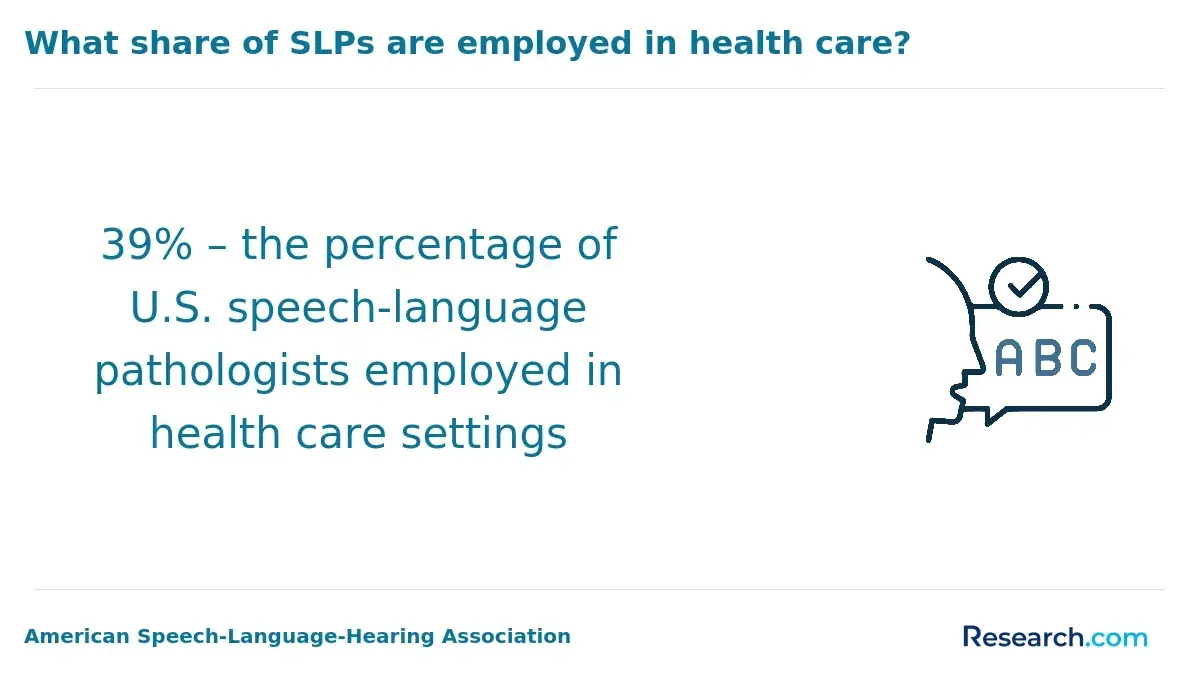
Securing a CFY position in speech pathology in the United States requires a focused, strategic approach. Tailor your resume and cover letter to settings with the highest demand; for example, 47% of ASHA-certified speech-language pathologists primarily work in nonresidential health care facilities like outpatient clinics and rehabilitation centers, based on 2020 ASHA Member Data cited in 2024 CAPCSD reports. Highlight relevant clinical experiences in these environments to meet employer priorities.
Expand your job search beyond traditional school or hospital roles. Consider emerging opportunities in nonresidential healthcare, private practice, and telepractice. Networking plays a key role-connect with clinical educators, supervisors from your placements, peers, and alumni. Engaging with local ASHA interest groups and attending job fairs can also increase your visibility.
Effective strategies for landing a CFY placement for speech pathology graduates include preparing thoroughly for interviews by reviewing employer needs and showcasing your expertise in evidence-based assessment, intervention methods, caseload management, and interdisciplinary collaboration.
Apply early and widely, as CFY positions often fill quickly. Use online job boards like ASHA's Career Portal and facility websites, customizing each application to reflect your knowledge of the practice environment. Consider mentorship from licensed SLPs who recently completed their CFY to gain valuable market insights. Keep detailed documentation of your clinical hours and competencies to support licensure and certification requirements once employed. Prospective students may also explore fast track speech pathology programs to accelerate their journey toward securing a CFY position.
What are ASHA certification requirements for SLPs?
ASHA certification requirements for speech pathology graduates include three key steps: obtaining a graduate degree from an accredited program, completing a clinical fellowship year (CFY), and passing the Praxis Examination in Speech-Language Pathology. Candidates must earn a master's or doctoral degree from a program accredited by the Council on Academic Accreditation in Audiology and Speech-Language Pathology (CAA), ensuring a strong foundation that meets professional standards.
After academic preparation, candidates complete a supervised CFY lasting about 36 weeks full-time or equivalent part-time. This clinical experience provides essential, mentored training in settings like schools, hospitals, or private practices, under ASHA-approved supervisors. Successfully navigating the CFY is a critical part of the steps to obtain ASHA certification for new speech-language pathologists.
The Praxis exam, administered by the Educational Testing Service, is the final hurdle. Passing this standardized test demonstrates readiness for independent professional practice and earns the Certificate of Clinical Competence (CCC). Candidates must also consider that state licensure requirements vary and may require additional exams or background checks.
Graduates aiming for timely certification and employment should verify their state's mandates early. Strong interview skills and completing ASHA certification steps promptly improve chances for desirable CFY placements and job offers. For those researching the best pathways, exploring the easiest SLP programs to get into can guide educational choices.
Which accredited master's programs prepare for SLP CFY?
Accredited master's programs in speech pathology hold approval from the American Speech-Language-Hearing Association (ASHA) and rigorously meet standards needed to prepare students for the Clinical Fellowship Year (CFY). Completion of such programs is essential for obtaining the Certificate of Clinical Competence (CCC-SLP), a mandatory credential for licensure and CFY eligibility. Students should prioritize enrollment in these accredited programs to ensure their education meets professional and clinical standards.
Notable universities offering accredited master's degrees include the University of Wisconsin-Madison, Boston University, and the University of Iowa. These programs combine comprehensive coursework with clinical practicum experiences aligned with ASHA standards, enabling graduates to fulfill CFY clinical hour requirements and transition effectively into professional roles.
Prospective students must verify program accreditation through the ASHA online directory before applying. Many accredited programs now offer hybrid or online formats, expanding accessibility while maintaining required in-person clinical training components.
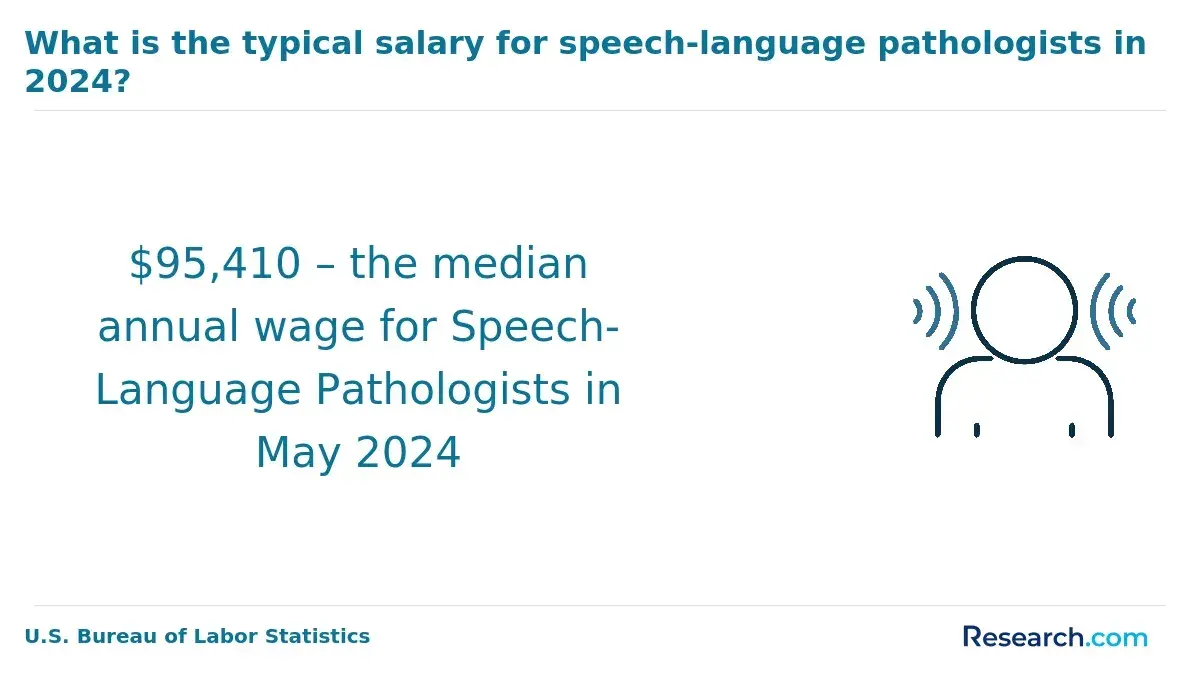
Choosing an accredited program affects salary potential during CFY placement; speech-language pathologists earn a median salary of $95,980, with top earners exceeding $137,620, providing negotiation leverage. Employers prefer candidates from accredited programs for their proven competencies and adherence to clinical standards, which also supports stronger placement opportunities. Applicants should also look for programs with strong clinical partnerships and mentorship that promote CFY placement, along with emphasis on evidence-based practice and cultural competence to prepare graduates for diverse caseloads.
What does an SLP CFY entail day-to-day?
Clinical fellows in speech-language pathology (SLP CFY) engage in a range of activities that foster both clinical expertise and professional growth. Their daily work typically involves conducting thorough assessments, creating tailored treatment plans, and tracking patient progress across various communication disorders and age groups. Clinical fellows often practice in settings like schools, hospitals, outpatient clinics, and rehabilitation centers, each presenting unique caseload challenges.
Accurate documentation is a vital part of the role, requiring detailed treatment notes, progress reports, and billing records that comply with regulatory standards. Effective time management is essential to balance patient care with paperwork demands. Weekly supervision meetings with certified speech-language pathologists help clinical fellows refine therapeutic techniques and enhance clinical decision-making. These sessions provide opportunities to review caseloads, address challenges, and receive constructive feedback.
Additional responsibilities vary by workplace and may include collaboration with multidisciplinary teams, family education, and engagement in professional development. For example, school-based CFYs often participate in IEP meetings and set educational goals, while medical settings emphasize swallowing evaluations and cognitive-communication therapy.
What is the average SLP salary after CFY?
After completing their Clinical Fellowship Year (CFY), speech-language pathologists (SLPs) can expect salaries ranging widely depending on their work setting, typically between $65,000 and $90,000 annually. Those placed in skilled nursing facilities during their CFY earn the highest average salary, approximately $113,630, according to the SpeechPathologyGraduatePrograms.org SLP Salary Guide 2026 and 2024 Bureau of Labor Statistics data.
Entry-level SLPs in school settings often start with salaries closer to $65,000 to $75,000, influenced by education budgets and location. Medical CFY pathways, especially in skilled nursing, offer not only higher pay but also valuable experience with diverse clinical populations, supporting professional growth and enhancing future earning potential.
Salary variations also depend on regional demand and cost of living. Urban areas tend to provide higher wages but come with higher living expenses. Many SLPs successfully negotiate salaries based on clinical specialization, bilingual skills, or certifications, which can raise starting pay. Thorough research on local salary trends and work environments supports well-informed decisions for CFY placements, balancing compensation with professional development in a speech pathology career.
What is the job outlook for SLPs post-CFY?
The job market for speech-language pathologists (SLPs) just after completing the Clinical Fellowship Year (CFY) is competitive but shows steady growth due to aging populations and greater recognition of speech and language disorders. However, the limited availability of funded and well-supported CFY positions presents a significant challenge. For example, only 16% of applicants to SLP master's programs secured funded admission in the 2019-2020 academic year, indicating a similar scarcity in CFY opportunities.
Job seekers should consider factors such as geographic location and work setting. Rural and underserved areas may have more openings but fewer resources, while urban centers offer more positions with higher competition. Common settings include schools, healthcare facilities, and private practice, each with distinct hiring dynamics.
Building a strong resume during the CFY is essential. Strategies include:
- Gaining diverse clinical experiences
- Networking with professionals
- Obtaining additional certifications or specialty credentials
- Exploring telepractice or interdisciplinary roles
- Considering temporary or part-time positions to maintain momentum
Staying current with local licensing requirements and healthcare funding changes also helps prepare candidates for successful post-CFY employment.
Online vs campus SLP programs: which for CFY success?
Choosing between online and campus speech-language pathology (SLP) programs can significantly influence Clinical Fellowship Year (CFY) success. Campus programs provide immediate access to clinical facilities, live supervision, and in-person networking, contributing to stronger practical skills and professional connections. Employers often favor candidates from traditional programs due to their hands-on experience, which may improve job placement and salary prospects.
Online programs offer flexibility for those balancing work or family but require students to proactively secure quality clinical placements. While accredited online SLP programs include local in-person clinical experiences, strong self-direction is essential. Some employers may view online degrees as less rigorous unless paired with substantial clinical hours.
State licensure and CFY site availability should be carefully considered. Campus programs generally have established partnerships ensuring CFY placements, unlike online students who might face challenges finding approved sites independently. Adequate supervision and mentorship during the CFY are critical for preparedness and future career success.
Financial outcomes vary, with only 6% of Pennsylvania SLP CFY roles paying $62,600 to $72,700, and many entry-level jobs below $52,600. Campus graduates with extensive clinical exposure often secure higher-paying positions more easily. Ultimately, CFY success depends more on clinical quality, supervision, and job market integration than program delivery method.
How to choose the best SLP program for CFY placement?
Selecting the right slp program for your clinical fellowship year (CFY) involves careful consideration of factors that align with your career goals and lifestyle. Prioritize programs with strong mentorship and supervisors who have expertise in your area of interest, such as pediatric or adult care, to enhance your clinical skills and professional growth.
Clinical placement diversity is crucial. Programs affiliated with hospitals, schools, or rehabilitation centers provide varied caseloads and experiences that build confidence and competence. Opt for settings that match the population you want to work with.
Job placement success is a key indicator of program quality. According to CAPCSD's 2020 report, 93% of Speech-Language Pathology master's graduates secured employment in their field, and 21% advanced to research or specialized roles. This data highlights the value of programs that support graduates beyond just entry-level positions.
Consider practical aspects like location, hours, and workload to maintain balance and reduce burnout during this demanding year. Additionally, inquire about resources such as research opportunities, continuing education, and networking events, which contribute to ongoing professional development.
Other Things You Should Know About Speech Pathology
New SLPs should seek mentors who provide constructive feedback, discuss complex cases, and guide them in navigating workplace dynamics. This support is crucial for developing clinical competencies and confidence in real-world settings.
Yes, speech-language pathologists must participate in continuing education to maintain their certification and licensure after their CFY. The American Speech-Language-Hearing Association (ASHA) requires clinicians to complete a specific number of professional development hours every three years. State licensure boards also have individual requirements, so staying informed about both is essential for ongoing practice and career advancement.
Professional organizations such as ASHA provide valuable resources, networking opportunities, and advocacy for new SLPs. Joining these organizations can offer access to mentorship programs, job boards, and current research, which support professional growth. Early involvement helps clinicians stay updated on industry standards and connect with peers who share similar career interests.
Accurate and thorough documentation is crucial throughout the CFY and beyond, as it supports client care and meets regulatory requirements. SLPs must document assessments, treatment plans, progress notes, and outcomes consistently. Proper documentation also facilitates communication with other professionals and ensures compliance with ethical and legal standards.
References
- Career Pathways Of Speech-Language Pathology Professionals https://www.therapyabroad.org/career-pathways-of-speech-language-pathology-professionals/
- SLP CFY Jobs https://www.slpjobs.com/speech-therapy-jobs/cfy/
- SLP Advice: Finding My First Job (CFY SLP) https://epicspecialeducationstaffing.com/slp-advice-finding-my-first-job-cfy/
- Online Master of Science in Speech-Language Pathology | Maryville University https://slp.maryville.edu/online-programs/online-masters-degrees/speech-language-pathology/
- Is Speech-Language Pathology a Good Career? Salary, Demand & Outlook https://www.mghihp.edu/news-and-more/opinions/csd-discussions/speech-language-pathology-good-career-salary-demand-outlook
- Speech Language Pathology CFY - Sunbelt Staffing https://www.sunbeltstaffing.com/school-jobs/slp-cfy/
- The Guide to the ASHA Speech Pathology Certification Standards https://speechpathologymastersprograms.com/become-speech-pathologist/ccc-slp-guide/asha-certification-standards/
- Your Perfect Clinical Fellowship in Speech Therapy — Anna Ollinger Speech Therapy https://annaospeech.com/blog/tips-for-finding-your-perfect-clinical-fellowship
- A Day in the Life of an Acute Care SLP https://tactustherapy.com/day-in-the-life-acute-care-slp/
- Top 10 Budget-Friendly Online Master’s in Speech Therapy for 2024 – Specialist Language Courses https://specialistlanguagecourses.com/top-10-budget-friendly-online-masters-in-speech-therapy-for-2024/