
2027 Online Dental Assistant Degree Programs Costs: Tuition & Fees

Co-Founder and Chief Data Scientist
Choosing an online Dental Assistant program is partly an academic decision and partly a cost decision. Many programs are marketed as fast and affordable, but the total price can change once you add supplies, lab requirements, externship costs, certification fees, and residency-based tuition rules.
This guide explains what students can expect to pay for an online Dental Assistant degree, certificate, or diploma program, what tuition usually includes, which costs are often separate, and how online programs compare with traditional campus options. It also covers financial aid, return on investment, and the factors that make one program more expensive than another so you can compare schools with a clearer budget in mind.
Key Points About Online Dental Assistant Degree Costs
- The average tuition for online Dental Assistant degrees ranges from $5,000 to $15,000, varying by institution, program length, and accreditation status.
- Cost factors include materials, certification exam fees, and access to clinical placements, which can influence total expenses beyond tuition.
- Investing in accredited programs often leads to better job prospects and higher salary potential, justifying the initial financial commitment.
What Is the Average Cost of an Online Dental Assistant Degree?
The average tuition for an online Dental Assistant degree in 2025 generally falls between $3,000 and $15,000, depending on the school, credential level, program length, and whether clinical training is included. Shorter certificate and diploma programs at public community colleges and technical schools are usually the lower-cost options, while private vocational schools and some online providers may charge more.
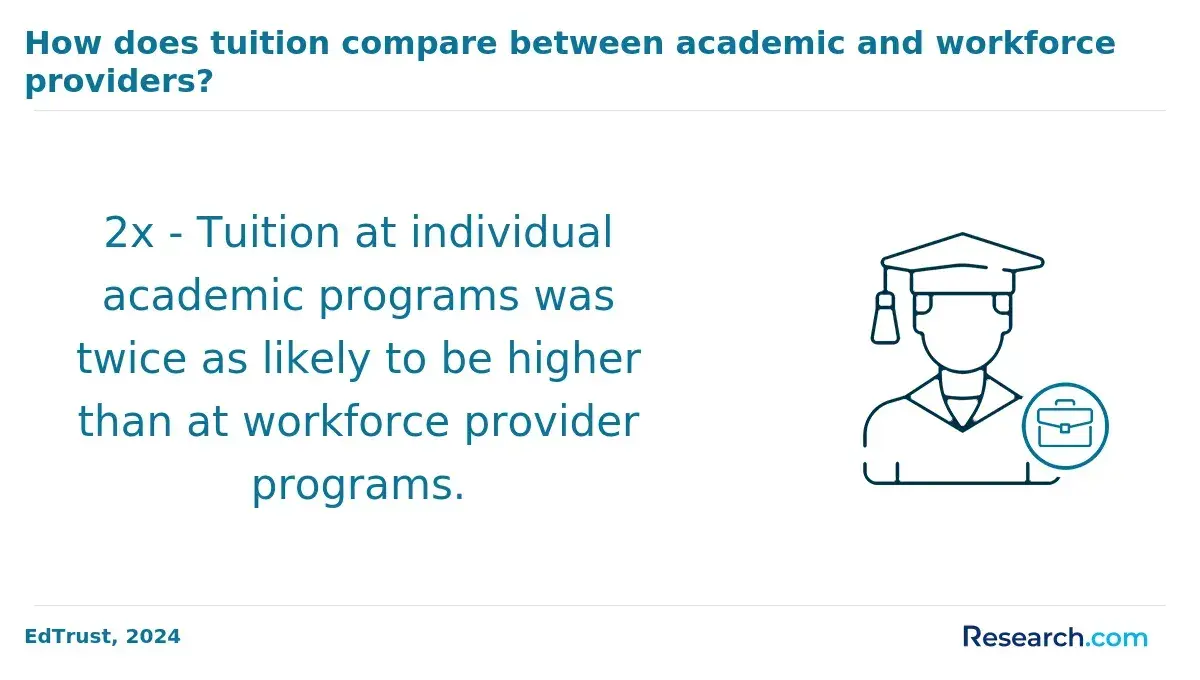
At public institutions, certificate programs typically cost around $3,000 to $6,000 for the full curriculum. These programs are often designed for students who want to enter the workforce quickly and do not need a broader associate degree. For example, TCAT Knoxville charges about $3,255 for its certificate program, excluding supply expenses.
National online-only providers can be less expensive, especially when the program is self-paced and does not include extensive in-person clinical training. U.S. Career Institute provides accredited certificates at a total cost of $1,239 to $1,539, which includes study materials but not CPR certification.
Associate degrees are less common in a fully online format and usually cost more because they take longer and include general education coursework. They can extend toward or above the higher end of the price spectrum, especially at private schools or institutions that charge higher annual tuition.
| Program type | Typical cost pattern | Best fit |
| Online certificate or diploma | Often lower cost and shorter in length | Students seeking entry-level dental assisting training quickly |
| Community college certificate | Typically around $3,000 to $6,000 | Students who want affordability plus local support or lab access |
| Private vocational program | May range up to $15,000 | Students who want structured career training and can justify the higher cost |
| Associate degree | Usually higher because of longer study and general education courses | Students who want a broader academic credential or future transfer options |
Compared with many other allied health options, Dental Assistant programs are often more economical or similarly priced. Their costs are comparable to medical assisting or pharmacy technician certificates, which makes dental assisting a relatively accessible pathway for students seeking a healthcare support role without committing to a longer degree.
What Is Typically Included in the Tuition for an Online Dental Assistant Degree?
Tuition for an online Dental Assistant program usually covers the academic instruction needed to complete the curriculum. However, “included” costs vary widely by school, so students should ask for a written cost breakdown before enrolling.
Most programs include some combination of online learning tools, course materials, faculty support, and practice-based resources. Programs with clinical or hybrid components may also bundle some hands-on training expenses into tuition.
- Virtual instruction: Tuition commonly includes access to online classrooms, recorded or live lessons, assignments, course modules, and digital learning platforms.
- Digital or printed study materials: Some schools include textbooks, study guides, or dental assisting manuals, while others charge separately for required books.
- Academic support: Students may receive access to tutoring, faculty office hours, advising, technical support, or progress coaching.
- Lab kits and equipment: Programs that require simulated practice may include lab kits, basic dental materials, or uniforms, but this should be confirmed before enrollment.
- Clinical or externship fees: If the program includes hands-on training, tuition may cover externship coordination, liability insurance, or certain clinical placement costs.
- Certification exam registration: Some schools bundle exam fees for credentials such as the Registered Dental Assistant (RDA) or Certified Dental Assistant (CDA), while others require students to pay separately.
Common out-of-pocket costs include CPR certification, immunizations, background checks, drug screenings, transportation to clinical sites, replacement uniforms, additional supplies, and reliable internet access. Students also need a suitable computer or device for coursework, which is usually not included in tuition.
The most important step is to compare total program cost, not just advertised tuition. A lower-tuition program may become more expensive if certification fees, clinical supplies, and required screenings are excluded.
What Factors Influence the Cost of Pursuing an Online Dental Assistant Degree?
The cost of an online Dental Assistant program depends on more than the published tuition rate. Program format, credential type, clinical requirements, school ownership, and included fees can all change the final amount a student pays.
- Program type and institution: Community colleges usually charge $3,000 to $6,000, private vocational schools range from $8,000 to $15,000, while online certificate programs can be as low as $1,239 to $1,539. Shorter online courses may cost less, but students should check whether they include enough clinical preparation for their goals.
- Program length and structure: Longer programs, such as associate degrees spanning 18 to 24 months, include general education and increase overall expenses compared to shorter certificate or diploma programs typically lasting 9 to 12 months. Self-paced options may be completed in about 5 months, which can reduce time out of the workforce.
- Included fees and materials: Students may need to budget for lab kits, uniforms, textbooks, radiation safety gear, externship fees, liability insurance, and background checks. Some programs include certification exam fees-around $150-while others require separate CPR certification costs.
- Credential pursuit: Students pursuing credentials such as the Certified Dental Assistant (CDA) or Registered Dental Assistant (RDA) may face examination and continuing education costs. Requirements and costs vary by state, so students should verify local rules before enrolling.
- Clinical components: Programs that combine online coursework with hands-on clinical hours usually cost more than coursework-only options. For example, programs combining 300 hours online plus 100 clinical hours typically cost about $3,799.
- Residency and tuition policy: Public schools may charge different rates for in-state and out-of-state students, while private or national online providers may use one flat rate.
- Accreditation and state approval: Programs that meet recognized educational or state requirements may involve more structured instruction, clinical supervision, and administrative support, which can affect cost.
Students considering accelerated training should compare price, clinical preparation, and career outcomes instead of choosing only the shortest option. For related fast-track education ideas, reviewing the best 6 month courses that pay well can help students think through the trade-off between speed, cost, and job readiness.
Are Online Dental Assistant Programs Cheaper Than Traditional Programs?
Online Dental Assistant programs are often cheaper than traditional on-campus programs, but not always. The lowest-cost online options can be significantly less expensive because they do not rely on the same level of campus facilities, classroom space, and on-site staffing. However, hybrid and clinically intensive programs may cost more than basic online certificates.
Most online Dental Assistant programs cost between $1,000 and $10,000. U.S. Career Institute, for example, offers a program at about $1,239 if paid in full. Traditional in-person certificate programs at community colleges typically range from $3,000 to $29,000, while associate degree programs average around $7,600, with some private colleges charging up to $40,000.
| Format | Cost pattern | Main advantage | Main trade-off |
| Online program | Most tuition costs between $1,000 and $10,000 | Lower overhead and more flexible scheduling | May require students to arrange or travel for hands-on components |
| Traditional certificate program | Typically ranges from $3,000 to $29,000 | More direct access to labs and in-person instruction | May involve commuting, fixed schedules, and higher fees |
| Associate degree program | Average around $7,600, with some private colleges charging up to $40,000 | Broader academic credential | Longer time commitment and higher total cost |
The cost difference is often tied to overhead. Online programs may not need to maintain as much classroom space or campus infrastructure. Traditional programs, however, may bundle lab kits, clinical supplies, equipment access, and externship insurance into the program price.
Students should also budget for certification exams in either format. The DANB CDA exam costs about $450 plus an annual $75 renewal. Those considering additional educational pathways can also review resources on the easiest bachelors to get when comparing long-term degree options.
Are There In-state and Out-of-state Tuition for Online Dental Assistant Programs?
Yes, some online Dental Assistant programs charge different tuition rates for in-state and out-of-state students, especially when the program is offered by a public community college or university. However, this is not universal. Many private schools and national online providers charge the same tuition regardless of residency.
Public institutions often use residency-based tuition because they receive state support. In those cases, residents typically pay less than non-residents for the same online certificate, diploma, or degree program. This can make a local community college the most affordable option for students who qualify for in-state tuition.
Some schools use a flat online tuition model instead. Under this approach, all online students pay the same rate no matter where they live. This is common among private institutions and fully online, self-paced training providers.
Regional tuition agreements may also reduce costs for some students. For example, certain regional tuition compacts, like the Western Undergraduate Exchange, allow eligible out-of-state students to pay reduced fees at participating schools. These agreements are not available for every Dental Assistant program, so students should confirm eligibility directly with the institution.
Before enrolling, ask the school three questions: whether online students pay residency-based tuition, whether additional distance-learning fees apply, and whether clinical placements are available in your state.
Which Schools Offer the Most Affordable Dental Assistant Degree Programs?
The most affordable online Dental Assistant programs are usually certificate or diploma options that keep tuition low, shorten the time to completion, and limit extra fees. Affordability should not be judged by tuition alone, however. Students should also check whether the program includes study materials, exam fees, lab requirements, and clinical or externship support.
Several institutions are known for relatively affordable online or hybrid Dental Assistant training options:
- U.S. Career Institute offers a self-paced online certification completed in about five months. The total cost is $1,239 if paid in full or $79 monthly. This program includes the Registered Dental Assistant (RDA) certification exam fee, valued at $150, which helps reduce an additional credentialing expense.
- Sinclair Community College in Dayton, Ohio offers a short-term certificate requiring 17 credit hours, costing $3,649. The hybrid format combines online coursework with one to two on-campus lab days each week, and students can complete it in roughly 32 weeks.
- California State University-San Marcos provides multiple certificate options through extended learning partnerships with tuition around $5,742. Students can finish in six months, and optional externships at local dental offices can add practical experience.
When comparing affordable programs, students should look beyond the listed price. A program that includes exam fees, materials, and career support may be more cost-effective than a cheaper program that charges separately for every requirement. Students should also confirm whether the program aligns with the credential or state requirements they plan to pursue.
For those researching longer healthcare or academic pathways, resources on topics such as do all doctorates require a dissertation can help clarify how different credentials vary in structure and expectations.
Which Schools Offer the Most Expensive Dental Assistant Degree Programs?
The most expensive Dental Assistant programs tend to be offered by institutions with higher annual tuition, more structured support, extensive clinical expectations, or specialized training formats. A higher price does not automatically mean a better fit, so students should compare outcomes, accreditation, clinical access, and total required fees before enrolling.
Examples of higher-cost online or hybrid Dental Assistant program options include:
- Hudson Valley Community College offers a fully online Dental Assistant program with tuition approximately $22,518 per year for in-state students and $27,318 per year for out-of-state students. This makes it the highest-priced option among fully accredited online programs, likely due to the college's strong reputation, rigorous curriculum, and extensive student support.
- Monroe Community College features an online Dental Assisting Rapid Track (D.A.R.T.) program with tuition set at $21,194 per year for both in-state and out-of-state students. This program targets those already employed in dental settings and emphasizes intensive clinical practice, contributing to its elevated cost.
- Sinclair College provides a hybrid Dental Assistant program with tuition at $15,526 per year for in-state students and $19,273 for out-of-state students. The higher tuition reflects specialized faculty, accredited curriculum, and additional student resources available in this program.
Students considering a higher-priced program should ask what the extra cost buys. Useful value indicators include stronger clinical placement support, exam preparation, access to digital labs, faculty availability, employer connections, and clear licensure or certification guidance where applicable.
If cost is a major concern, students may want to compare these options with lower-cost accredited online programs and schools that reduce upfront fees. Information on affordable accredited online colleges no application fee can be useful for identifying broader low-cost online education options.
How Long Does It Take to See a Return on an Online Dental Assistant Degree?
Many graduates can begin recovering the cost of an online Dental Assistant program within one to two years of full-time work, especially if they choose a lower-cost certificate or accelerated program. The exact timeline depends on tuition, borrowing, starting pay, local job availability, and whether the student keeps working while enrolled.
Online program fees generally range from $3,500 to $17,000 annually, while the median yearly salary is about $46,540. Students who pay closer to the low end of the tuition range and enter full-time work soon after completing the program may see a faster return. Students who attend a higher-cost program or borrow heavily may need longer to break even.
Return on investment is also affected by location and workplace type. Starting salaries tend to be higher in urban areas or specialized dental offices, though local cost of living may also be higher. The dental assistant field is expected to grow by 6% through 2034, which can support job opportunities for trained graduates.
Students can improve their return by choosing a program with transparent pricing, avoiding unnecessary borrowing, completing training efficiently, and confirming that the curriculum supports the credential or job requirements in their state. Those using loans should factor in interest and repayment terms, not just tuition.
Are Online Dental Assistant Students Eligible for Financial Aid?
Online Dental Assistant students may be eligible for financial aid if they enroll in an accredited program that participates in federal aid programs. Eligibility generally depends on the school, the credential level, the student's enrollment status, and the results of the Free Application for Federal Student Aid (FAFSA).
Federal financial aid for online dental assistant programs can help cover tuition, fees, and other approved education-related expenses. However, not every short-term certificate program qualifies for federal aid, so students should confirm eligibility with the school's financial aid office before applying.
- Pell Grants: These grants are for students who demonstrate financial need. They do not require repayment and can cover a substantial portion of tuition expenses for eligible students.
- Stafford Loans: These low-interest federal loans are available to many students but must be repaid after leaving school or dropping below eligible enrollment status.
- Federal Work-Study: This program provides part-time work opportunities that help eligible students earn money toward educational costs while enrolled.
- Institutional scholarships and grants: Some schools award funding based on FAFSA results, academic criteria, program enrollment, or separate scholarship applications.
- Private scholarships: Dental associations, community organizations, and local foundations may offer awards based on academic performance, service, financial need, or career goals.
- Employer tuition assistance: Students already working in dental offices may be able to receive partial reimbursement or support for certification-related training.
- Payment plans: Some schools allow students to divide tuition into monthly payments, which can reduce the need for loans but may include additional administrative costs.
The best approach is to compare the net cost after grants and scholarships, not just the listed tuition. Students exploring broader affordable online education options can also review the cheapest online bachelor programs list for additional cost-comparison context.
Are Online Dental Assistant Program Costs Expected to Increase in the Coming Years?
Online Dental Assistant program costs are expected to increase moderately in the coming years, although pricing will continue to vary by institution and program format. Students should plan for possible tuition changes if they are not enrolling immediately.
Currently, the price of online Dental Assistant courses often ranges between $3,000 and $10,000 for the full certificate or diploma. Community colleges tend to offer more affordable options, while private institutions may charge higher fees. Additional expenses such as textbooks, examination fees, and equipment can add to the overall cost.
Several pressures can push costs upward, including rising operational expenses, demand for flexible online learning, technology investments, student support services, and clinical coordination. At the same time, the growth of online programs may encourage more competitive pricing, self-paced formats, and payment plans.
Students can reduce the impact of future increases by requesting a full tuition-and-fee schedule, asking whether tuition is locked once enrolled, applying early for financial aid or scholarships, and comparing programs by total cost rather than advertised tuition alone.
What Students Say About The Cost of Pursuing Online Dental Assistant Programs
-
: "Choosing to pursue my Dental Assistant degree online was a game-changer, especially considering the affordable tuition compared to traditional programs. The cost was manageable, and now I'm confident my investment will pay off as I'm already seeing job opportunities opening up. I couldn't be happier with how this decision is shaping my career.
— Guillermo"
-
: "Reflecting on the cost of my online Dental Assistant program, I realize how much value I received for the price. While the tuition was reasonable, the real reward is the flexibility and knowledge gained that sets me apart professionally. It's been a worthwhile journey that balances both expense and quality education.
— Isabelle"
-
: "The financial commitment for the online Dental Assistant degree was a big consideration, but it was worth every penny. Completing the program has already improved my earning potential and professional stability, proving that the return on investment is solid. For anyone weighing costs, this program provides an excellent pathway within my budget.
— Hannah"
Other Things You Should Know About Dental Assistant Degree Program Costs
Aside from tuition, students can expect costs for textbooks, lab kits, uniforms, and certification exam fees. Some programs may also have technology fees or require purchasing specific dental software for virtual labs, making it essential to review all associated program costs upfront.
In 2027, the typical tuition for online Dental Assistant programs ranges from $5,000 to $12,000. Additional fees may include technology fees, lab materials, and possible state certification exam costs. It's advisable to review each program's breakdown to understand specific financial commitments.
References
- Dental Assistant Certification Training - MedCerts https://medcerts.com/programs/healthcare/dental-assistant
- Affordable Dental Assistant School Tuition Overview https://www.hdas.biz/affordable-dental-assistant-school-tuition-overview/
- Online Dental Assistant Program | Stepful https://www.stepful.com/dental-assistant
- Online Dental Assistant Certificate Program | Self-Paced Course https://www.uscareerinstitute.edu/online-dental-assistant-school
- Financial Aid Options for Dental Assisting Students https://cariscollege.edu/dental-assisting/dental-assistant-certification/financial-aid-options-for-dental-assisting-students/
- How Much Does Dental Assistant School Cost? | Climb Credit https://climbcredit.com/resources/healthcare/how-much-does-dental-assistant-school-cost/
- How to Become a Dental Assistant: Timeline & Costs https://www.toothio.com/blog/how-to-become-dental-assistant
- Searching for Online Dental Assistant Programs? Start at CHCP Now! https://www.chcp.edu/degrees-certificates/online/dental-assisting/
- Dental Assistant School Tuition | Penn Foster https://www.pennfoster.edu/programs/healthcare/dental-assistant-career-diploma/tuition
- Can You Become a Dental Assistant Online? - American Institute of Dental Assisting https://dentalassistantco.com/blog/can-become-dental-assistant-online/


