
2027 Medical-Surgical Nurse Salary by State

Co-Founder and Chief Data Scientist
Choosing a career as a Medical-Surgical Nurse can be one of the best decisions for students entering the nursing profession. According to the Bureau of Labor Statistics (BLS), registered nurses earn a national average salary of $93,600 per year, but actual earnings can vary widely depending on where you work. Some states offer salaries far above the national average to attract and retain nurses, while others provide lower pay but balance it with a lower cost of living.
I, along with my research team, have analyzed state-by-state salary data to help you see where Medical-Surgical Nurses earn the most, what factors affect pay, future demand, and strategies to increase your income.
Key Points About Medical-Surgical Nurse Salaries
- Medical-Surgical Nurses can earn between $57,000 and $166,500 annually, with opportunities for top pay in states like Washington and New York.
- The specialty is ranked #11 among the highest-paying nursing roles, reflecting its competitiveness and demand.
- Many nurses in this field hold only an Associate’s or Bachelor’s degree, leaving significant potential for salary growth through advanced education.
- How much does a Medical-Surgical Nurse make? Average Salary
- Which states offer the highest salaries for Medical-Surgical Nurses? Highest Paying States
- Do Medical-Surgical Nurses earn more in metropolitan areas compared to rural regions? Highest Paying Cities
- What factors affect the salary of a Medical-Surgical Nurse? Salary Drivers
- How do scheduling, night shifts, and overtime affect the annual earnings of a Medical-Surgical Nurse? How do scheduling, night shifts, and overtime affect the annual earnings of a Medical-Surgical Nurse?
- How do Medical-Surgical Nurse salaries compare to those of other nursing specialties? How do Medical-Surgical Nurse salaries compare to those of other nursing specialties?
- What certifications can increase a Medical-Surgical Nurse's salary? What certifications can increase a Medical-Surgical Nurse's salary?
- What advanced practice credentials or degrees lead to a higher salary? What advanced practice credentials or degrees lead to a higher salary?
- What leadership or management roles can Medical-Surgical Nurses transition into for higher pay? What leadership or management roles can Medical-Surgical Nurses transition into for higher pay?
- Are Medical-Surgical Nurses in demand? Job Outlook
How much does a Medical-Surgical Nurse make?
Medical-Surgical Nurse salaries can vary widely depending on the source, reflecting differences in data collection methods, geographic coverage, and reported base pay versus total compensation. Below are salary insights from four major sources:
- ZipRecruiter ($117,052). According to ZipRecruiter, Medical-Surgical Nurses earn an average annual salary of $117,052, with reported wages ranging from $57,000 to as high as $166,500 per year. This suggests that highly experienced nurses or those in high-demand areas can make significantly more than the national average.
- Glassdoor ($96,000). Glassdoor reports an average salary of $96,000 per year for Medical-Surgical Nurses. This includes an estimated base pay range of $75,000 to $99,000 annually, plus additional pay between $7,000 and $13,000 per year from bonuses or incentives.
- Zippia ($67,649). Zippia lists the average annual salary for Medical-Surgical Staff Nurses at $67,649, with salaries typically ranging between $39,000 and $115,000 yearly. Their data also highlights an average hourly wage of $32.52, which is useful for nurses working per diem or part-time.
- Indeed ($111,468). Indeed reports an average annual salary of $111,468 for Medical-Surgical Nurses. Their data shows a low-end salary of $86,229 and a high-end salary reaching $144,093, indicating competitive earning potential, particularly in high-demand regions.
Just as obtaining specialized credentials, like a certification for medical billing and coding, can increase earning potential and career opportunities in healthcare administration, pursuing advanced nursing certifications or specialized training can enhance a Medical-Surgical Nurse’s salary prospects.
Which states offer the highest salaries for Medical-Surgical Nurses?
Medical-Surgical Nurse salaries vary significantly by state, with some locations offering well above the national average to attract and retain skilled nurses. According to ZipRecruiter (2025), the following states lead the nation in pay for Medical-Surgical Nurses:
- Washington ($132,573). Washington ranks at the top with salaries well above the national average of $93,600. Strong demand and a competitive healthcare market drive wages higher for nurses in this state. Just as an MBA MHA dual degree salary can reflect the premium placed on advanced healthcare management skills, states with high nurse salaries often reward specialized expertise and experience in the field.
- District of Columbia ($132,272). The nation's capital offers competitive pay that reflects its elevated cost of living. The concentration of prestigious hospitals and government health agencies further boosts compensation.
- New York ($128,059). New York provides lucrative pay packages, particularly in urban areas such as New York City. High patient volumes and specialized care facilities increase demand for skilled nurses.
- Massachusetts ($127,835). This state is known for its high pay due to its top-ranked teaching hospitals and research facilities. Nurses benefit from opportunities in advanced practice and academic settings.
- Alaska ($126,059). Alaska salaries are among the highest, largely due to location-based incentives. The state faces unique staffing challenges in remote and rural regions.
- New Brunswick ($125,700). Nurses here enjoy elevated pay rates that help balance the smaller labor pool. This compensation supports retention and recruitment in the region.
- Vermont ($124,456). Vermont offers competitive wages to attract nurses to its rural communities. These salaries address ongoing staffing shortages across the state.
- North Dakota ($123,851). This state provides strong salaries as part of its efforts to expand healthcare access. Competitive pay helps recruit nurses to meet rising demand.
- Oregon ($123,758). Oregon’s wages reflect high demand for nurses in both urban and rural settings. Efforts to maintain safe nurse-to-patient ratios further justify the competitive pay.
- Colorado ($123,082). Colorado offers attractive compensation to draw nurses to its growing healthcare sector. The mix of urban hospitals and suburban facilities creates consistent demand for skilled staff.
Do Medical-Surgical Nurses earn more in metropolitan areas compared to rural regions?
Medical-Surgical Nurses typically earn higher base salaries in metropolitan areas because of the higher cost of living, competitive hospital systems, and the demand for specialized staff in large healthcare facilities. Metro areas such as San Francisco, San Jose, and other cities in the Bay Area often offer salaries well above the national average to attract and retain nurses in a high-cost environment.
However, rural regions can sometimes offer surprisingly competitive or even higher pay due to location-based incentives, staffing shortages, and retention bonuses. Similar to how professionals weigh the benefits of CFA vs MBA when choosing a career path, nurses and healthcare administrators must consider multiple factors—including location, demand, and incentives—when evaluating potential earnings.
As shown in the chart below, Metropolitan cities like Berkeley, CA ($143,323), Mountain View, CA ($138,084), and San Francisco, CA ($137,908), Medical-Surgical Nurses receive consistently high salaries that reflect the region’s cost of living. Surprisingly, rural locations such as Nome, AK ($145,203) and Berlin Corners, VT ($143,062) actually surpass these metro salaries, demonstrating how remote or hard-to-staff areas can offer premium pay. This data shows that while metro areas generally maintain strong salary levels, rural regions may provide even higher earning potential, especially when factoring in recruitment incentives and additional benefits.
What factors affect the salary of a Medical-Surgical Nurse?
Several factors can influence how much a Medical-Surgical Nurse earns, and understanding them can help nurses maximize their earning potential. Just as studies often examine differences in male nurse salary to understand pay trends across genders, evaluating factors such as experience, education, location, certifications, and workplace setting can provide insight into what drives compensation for Medical-Surgical Nurses.
- Education Level. Nurses with a Bachelor of Science in Nursing (BSN) or higher typically earn more than those with an associate degree because they have advanced qualifications and are eligible for leadership roles.
- Years of Experience. Salaries generally increase as nurses gain more clinical experience, with senior nursing positions typically paying significantly higher than the average nursing entry level salary.
- Professional Certifications. Obtaining certifications such as the Certified Medical-Surgical Registered Nurse (CMSRN) credential can lead to salary increases by showcasing specialized expertise.
- Work Schedule. Nurses who work night shifts, weekends, or holidays often receive differential pay, which can significantly raise total earnings.
- Job Role and Responsibilities. Medical-surgical nurses serving as charge nurses, preceptors, or in supervisory roles tend to earn more because of their added responsibilities.
- Type of Employer. Nurses working for larger hospitals or specialty facilities may receive higher compensation compared to those in smaller clinics or long-term care settings.
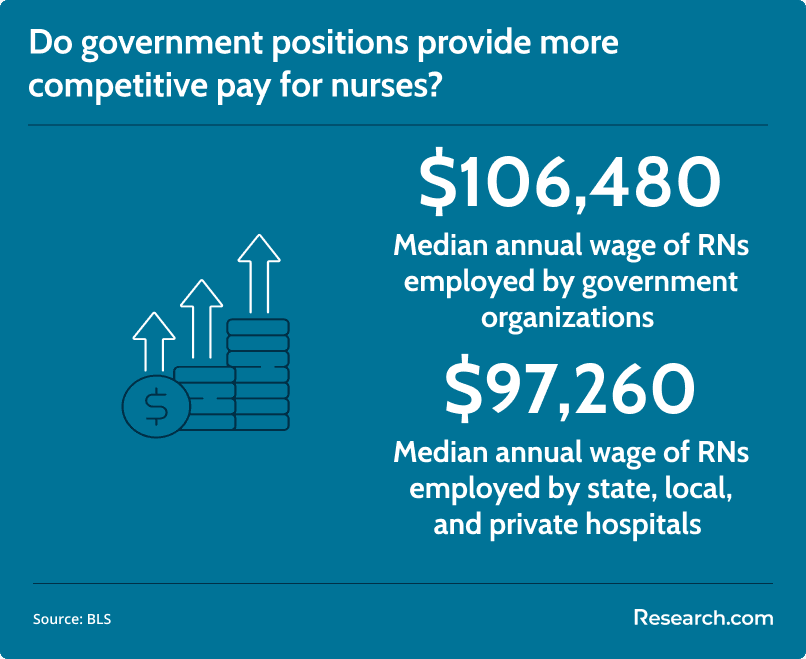
The type of workplace impacts the salaries of registered nurses (RNs) in general. According to the Bureau of Labor Statistics (2024), RNs working in government roles, excluding state and local education and hospitals, earn a median annual wage of $106,480—significantly higher than the $97,260 median earned by those working in hospitals. For Medical-Surgical Nurses, this highlights the potential financial advantage of exploring government healthcare roles over traditional hospital employment.
How do scheduling, night shifts, and overtime affect the annual earnings of a Medical-Surgical Nurse?
Scheduling, night shifts, and overtime can significantly increase a Medical-Surgical Nurse’s annual earnings beyond their base salary. Night shift differential is typically calculated by adding 10–20% to the nurse’s hourly rate, providing extra pay for working overnight hours. Weekend and holiday shifts often pay time-and-a-half or include a flat bonus per shift, which makes them attractive options for nurses looking to boost income.
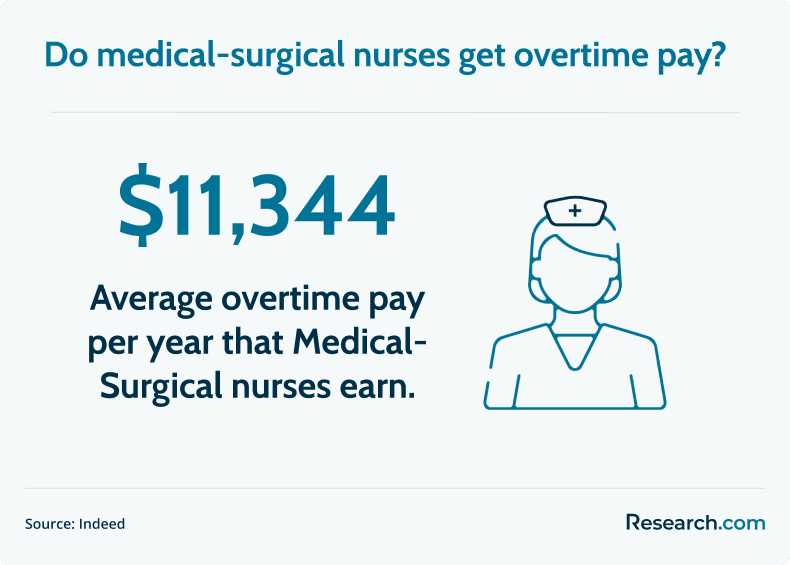
Overtime pay is generally calculated at 1.5 times the regular hourly rate for hours worked beyond 40 hours per week or the contracted shift schedule. Some hospitals also offer incentive or “critical staffing” bonuses to nurses who cover last-minute or high-need shifts. According to Indeed (2025), Medical-Surgical Nurses earn an additional $11,344 from overtime alone — an amount that can grow with frequent extra shifts or premium pay opportunities.
How do Medical-Surgical Nurse salaries compare to those of other nursing specialties?
Medical-Surgical Nurse salaries are competitive but generally lower than those of many advanced practice and highly specialized nursing roles. According to the ranking of high-paying nursing jobs, Medical-Surgical Nurses are ranked 11th overall, with salaries averaging close to the national RN median of about $97,000 per year (Indeed, 2025).
In comparison, top earners like Certified Registered Nurse Anesthetists earn around $216,896 annually. Meanwhile, nurses with a Family Nurse Practitioner specialization and Advanced Practice Registered Nurses earn between $148,000 and $158,000. Even ICU Nurses, Travel Nurses, and Nurse Midwives report salaries exceeding $110,000.
This ranking shows that Medical-Surgical Nursing offers a solid income and valuable experience, but also highlights the potential for significantly higher pay by advancing into specialized or advanced practice roles.
What certifications can increase a Medical-Surgical Nurse's salary?
Several professional certifications can help Medical-Surgical Nurses increase their earning potential by showcasing specialized expertise and improving their qualifications.
- Certified Medical-Surgical Registered Nurse (CMSRN). This certification validates advanced knowledge in medical-surgical nursing and often leads to higher pay and career growth opportunities.
- Basic Life Support (BLS) & Advanced Cardiovascular Life Support (ACLS). These are core hospital certifications that can qualify nurses for higher-paying shifts in critical care areas.
- Critical Care Registered Nurse (CCRN). This demonstrates expertise in caring for critically ill patients and may open doors to higher-paying acute care roles.
- Wound Care Certification (WOCN or CWCN). Specializing in wound and ostomy management can result in higher compensation, particularly in surgical and rehabilitation settings.
- Progressive Care Certification (PCCN). This shows advanced skill in caring for patients with complex medical conditions, which can be rewarded with pay differentials.
What advanced practice credentials or degrees lead to a higher salary?
Pursuing advanced practice credentials or graduate-level degrees can significantly raise a Medical-Surgical Nurse’s salary by expanding their scope of practice and leadership opportunities.
- Master of Science in Nursing (MSN) – Nurse Practitioner (NP). This graduate degree prepares nurses to diagnose, prescribe, and manage patient care, which typically results in salaries well above the RN average.
- Master of Science in Nursing (MSN) – Clinical Nurse Specialist (CNS). This degree focuses on clinical expertise and leadership, qualifying nurses to guide staff and improve patient outcomes with competitive compensation.
- Master of Science in Nursing (MSN) – Nurse Educator Track. This program equips nurses to teach in nursing schools or lead clinical education, often accompanied by a higher pay scale.
- Master of Science in Nursing (MSN) or Doctor of Nursing Practice (DNP) – Nurse Administrator/Executive. MSN or DNP leadership programs online prepare nurses for director- and executive-level roles with higher salaries and performance-based bonuses.
- Doctor of Nursing Practice (DNP). This terminal practice-focused doctorate qualifies nurses for top clinical, academic, and administrative roles with some of the highest earning potential in the field.
Medical-surgical nursing is among the best careers with an ASN degree in nursing. According to the table below, 38% have an Associate degree and 47% of Medical-Surgical Nurses hold a Bachelor’s degree. However, only 5% pursue a Master’s degree. This means that nurses with advanced education represent a small but highly competitive group — and they often earn more due to their expanded scope of practice and eligibility for leadership or specialized roles.
What leadership or management roles can Medical-Surgical Nurses transition into for higher pay?
Medical-Surgical Nurses who gain experience and develop leadership skills have several opportunities to move into management roles that offer higher salaries and greater responsibility. Here are some common options:
- Charge Nurse. How do you become a charge nurse? A charge nurse oversees a specific unit during a shift, coordinating patient assignments and supporting the team. This leadership position is typically offered to experienced nurses who show strong communication, problem-solving, and organizational skills.
- Nurse Manager. Nurse managers are responsible for staffing, budgeting, and operations for an entire unit or department, earning significantly more than bedside nurses.
- Clinical Nurse Leader (CNL). CNLs focus on improving patient care outcomes through evidence-based practice and quality improvement initiatives, often receiving higher pay for their expertise.
- Director of Nursing. This senior role involves managing multiple units, setting policies, and leading strategic planning efforts within a facility. Salaries at this level are typically among the highest in nursing.
- Chief Nursing Officer (CNO). The CNO is the top executive nurse in a hospital or healthcare organization, earning executive-level compensation and influencing decisions at the highest level.
Are Medical-Surgical Nurses in demand?
Medical-Surgical Nurses remain in strong demand across the United States, and this trend is expected to continue well into the next decade. According to Zippia (2025), there are currently over 1.89 million medical-surgical staff nurses employed nationwide, making this the largest nursing specialty.
However, projections from the Health Resources and Services Administration (2025) indicate that nurse shortages will persist until at least 2037, with a projected 10% shortage of registered nurses (RNs) in 2027 and a 6% shortage — equivalent to 207,980 full-time RNs — by 2037. The total demand for RNs is expected to grow by 16% between 2022 and 2037.
Based on the chart below, states like California (367,720), Texas (310,700), and Florida (267,260) are projected to have the highest RN demand, meaning nurses in these regions will see plentiful job openings and strong bargaining power for competitive salaries. These trends make Medical-Surgical Nursing a stable and rewarding career choice with excellent opportunities for growth and advancement for years to come.
Key Findings
- There are currently over 1.89 million medical-surgical staff nurses employed nationwide.
- Medical-Surgical Nurses typically earn between $57,000 and $166,500 annually.
- Washington is the highest-paying state for medical-surgical nurses, with an average annual salary of $93,600.
- States like California (367,720), Texas (310,700), and Florida (267,260) are projected to have the highest RN demand.
- Medical-Surgical Nurses earn an additional $11,344 from overtime alone.
- Metropolitan cities like Berkeley, CA ($143,323), Mountain View, CA ($138,084), and San Francisco, CA ($137,908), Medical-Surgical Nurses receive consistently high salaries that reflect the region’s cost of living.
References:
- Bureau of Labor Statistics. (2024, April 17). Registered nurses. U.S. Department of Labor. https://www.bls.gov/ooh/healthcare/registered-nurses.htm
- Glassdoor. (2025). Medical surgical nurse salaries. Glassdoor. https://www.glassdoor.com/Salaries/medical-surgical-nurse-salary-SRCH_KO0,22.htm
- Health Resources and Services Administration. (2025). Workforce projections. U.S. Department of Health and Human Services. https://data.hrsa.gov/topics/health-workforce/nchwa/workforce-projections
- Indeed. (2025). Registered nurse - medical/surgical salaries. Indeed. https://www.indeed.com/career/registered-nurse-%20-medical-%2F-surgical/salaries
- ZipRecruiter. (2025). Medical surgical nurse salary. ZipRecruiter. https://www.ziprecruiter.com/Salaries/Medical-Surgical-Nurse-Salary
- Zippia. (2025). Medical surgical staff nurse education. Zippia. https://www.zippia.com/medical-surgical-staff-nurse-jobs/education/
- Zippia. (2025). Medical surgical staff nurse salaries. Zippia. https://www.zippia.com/salaries/medical-surgical-staff-nurse/
Other Things You Should Know About Medical-Surgical Nurse Salaries
Experience significantly impacts a Medical-Surgical Nurse's salary in 2027. Nurses with over 10 years of experience can earn up to 20% more than entry-level nurses. This increase often varies by state, with California and New York offering the highest increments.
In 2026, top-paying industries for Medical-Surgical Nurses likely include hospitals, outpatient care centers, and specialty hospitals. These sectors traditionally offer competitive salaries due to higher demand for specialized care and complex patient needs, often providing attractive compensation to recruit and retain skilled nurses.


