
2027 Best ABSN Programs - List of Accelerated BSN Programs in New Jersey: Online & Campus

Co-Founder and Chief Data Scientist
New Jersey boasts a growing healthcare sector, with a 12% increase in registered nurse employment over the past five years. Choosing an accelerated BSN program here, whether online or on-campus, offers a fast track into this expanding job market. The state's mix of urban and suburban healthcare facilities provides varied clinical experiences, making it an ideal place to jumpstart a nursing career quickly and effectively.
This article breaks down what accelerated BSN programs in New Jersey really involve. Prepared by career planning pros, it guides readers on what to expect, what to look for, and how to navigate picking the best fit. It's designed to make the decision process smoother and clearer for anyone considering this fast-paced route into nursing.
Key Benefits of ABSN Programs in New Jersey
- New Jersey's ABSN programs let you finish fast-typically in 12 to 18 months-so you can jump into nursing quicker than traditional routes.
- Many programs offer flexible online coursework combined with local clinicals, perfect for busy students balancing work and life.
- The state boasts a strong healthcare job market with over 30% growth expected in nursing by 2030, making ABSN grads highly sought after.
- Who can apply for accelerated BSN programs in New Jersey?
- What are the admission requirements for accelerated BSN programs in New Jersey?
- Do accelerated BSN programs in New Jersey require entrance exams?
- What does the curriculum of an accelerated BSN program in New Jersey include?
- What accreditation should I look for in an ABSN program in New Jersey?
- How long does it take to complete an accelerated BSN in New Jersey?
- How much does an accelerated BSN program cost in New Jersey?
- What financial aid options are available for ABSN students in New Jersey?
- What career paths are available after earning an ABSN in New Jersey?
- What is the average salary for nurses with an ABSN degree in New Jersey?
Who can apply for accelerated BSN programs in New Jersey?
Accelerated Bachelor of Science in Nursing (ABSN) programs in New Jersey are tailored for people who already have a bachelor's degree in a non-nursing field and want to jump into nursing without starting from scratch. These programs make the transition faster and more direct for those ready to move into healthcare. Applicants usually need a previous bachelor's degree and must meet certain academic criteria, like having a decent GPA and completing prerequisite courses. Whether online or on-campus, these programs let you leverage your past education to quickly build nursing skills and credentials. If you're looking to switch career gears without a long wait, ABSN is a solid path.
People who typically apply for ABSN programs in New Jersey include career changers from all sorts of backgrounds, recent grads who want a quicker entry into healthcare, and professionals searching for stable and fulfilling jobs. What really helps applicants succeed in these accelerated BSN programs eligibility requirements are a strong work ethic, excellent time management, and a real passion for patient care. Since the course load is intense, being motivated and organized makes all the difference. For those curious about nursing paths after ABSN, it's worth checking out the differences between fnp vs agnp which is better to plan ahead.
What are the admission requirements for accelerated BSN programs in New Jersey?
Getting into accelerated BSN programs in New Jersey is pretty competitive since schools want to make sure students are both academically prepared and motivated to tackle an intense nursing curriculum. If you're curious about the New Jersey ABSN program requirements, here are some key points that most programs look at when reviewing candidates.
- Non-nursing bachelor's degree: Applicants usually need to hold a bachelor's degree in a field other than nursing. This ensures you have a solid academic background and life experience before diving into nursing studies.
- Prerequisite courses: Completing specific science and general education classes, like anatomy, physiology, microbiology, and chemistry, is essential. These classes build the foundational knowledge schools expect before starting the accelerated program.
- Minimum GPA standards: Maintaining a competitive GPA, often around 3.0 or higher, shows you have the ability to succeed in demanding coursework. This benchmark helps programs filter candidates who are likely to handle the fast pace.
- Application materials: Submitting recommendation letters and a personal statement helps schools get to know your motivation and character. These documents reveal your commitment to nursing and give insight beyond grades.
Whether you're looking at online or on-campus accelerated options, meeting these admission basics is crucial. It's also a good idea to check out the psychiatric nurse practitioner salary by state if you're thinking about where your nursing career could lead once you graduate and get licensed.
Do accelerated BSN programs in New Jersey require entrance exams?
When it comes to Accelerated Bachelor of Science in Nursing (ABSN) programs in New Jersey, entrance exam requirements really depend on the school you're looking at. Some programs, like New Jersey City University, require the HESI Admission Assessment Exam, which tests skills in math, English, and basic science like anatomy and biology. Others, such as The College of New Jersey, ask for the TEAS exam that covers reading, math, science, and English language use. But not all schools make entrance exams a must-some focus more on your previous academic records, letters of intent, and references. So, it's a good idea to check each program's specific criteria before applying.
Schools that do require these exams use them as a way to see if applicants have the foundational knowledge and critical thinking skills needed to handle the fast pace and challenging coursework of an accelerated nursing program. These exams act like a checkpoint, making sure students are ready to jump into intense study and clinical experiences without getting overwhelmed. They also help programs keep their quality high and maintain strong pass rates on the nursing licensure exam. For students coming from non-nursing backgrounds or switching careers, the tests provide a level playing field for everyone.
Talking with a nurse from New Jersey who recently completed an ABSN program locally, he shared that the entrance exam was definitely a hurdle but also a valuable filter. He said, "Taking the exam made me realize how much I needed to brush up on science and math before starting." He appreciated that the program gave him resources to prepare, especially since he was juggling work and studying. Whether he went online or on campus, he noted that this step ensured everyone was ready to hit the ground running, which in the end made the intense program feel more manageable and fair for all students.
What does the curriculum of an accelerated BSN program in New Jersey include?
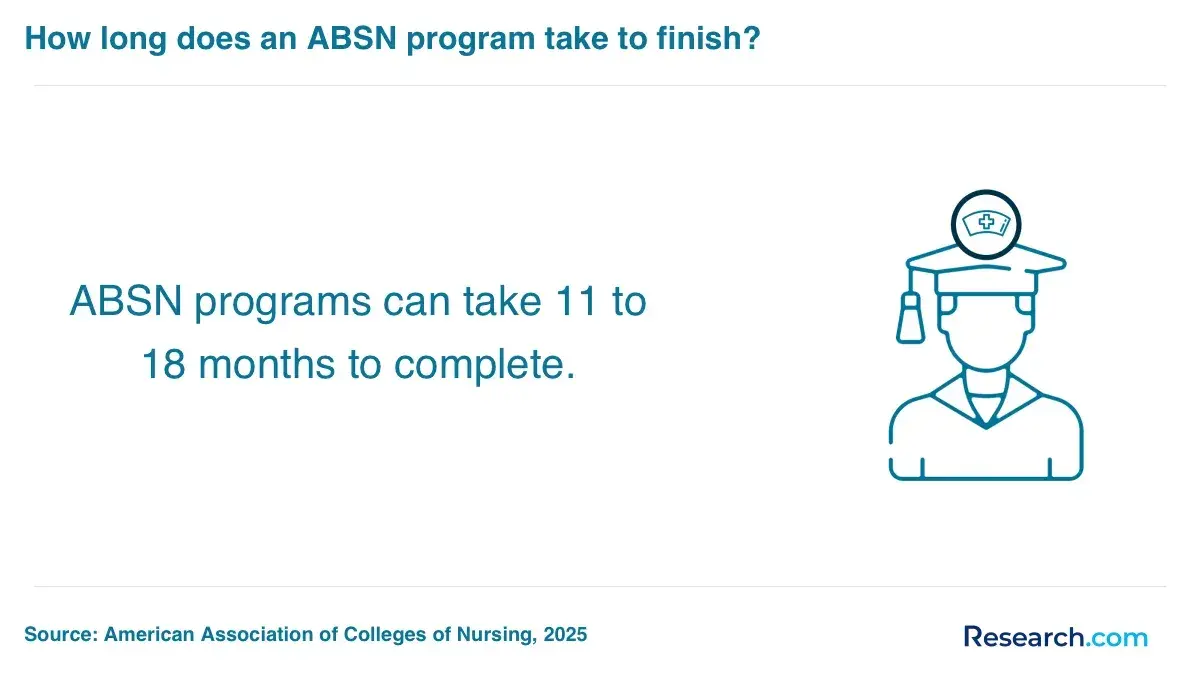
The accelerated BSN programs in New Jersey are structured to help students build solid clinical skills and nursing knowledge quickly, usually within 12 to 18 months. Whether you're learning mostly online or on campus, these programs focus on preparing you to succeed in real healthcare settings and pass the NCLEX-RN exam. Here's a breakdown of the core parts of the curriculum you can expect:
- Foundational Nursing Courses: These cover the basics like pharmacology, health assessments, and wellness promotion. They set the stage for understanding patient care and safe medication practices.
- Clinical Training and Rotations: Hands-on experience is a must, with time spent in various settings like pediatrics, psychiatric care, and community health to build real-world skills.
- Simulation Labs: High-tech simulations help you practice critical thinking and decision-making in lifelike medical scenarios before working directly with patients.
- Specialty Population Care: Focused lessons teach you how to care for different age groups and complex health cases, making sure you're ready for diverse patient needs.
- Professional Role Development: Courses develop your teamwork, communication, and leadership abilities, helping you grow into a confident nurse ready for the field.
- Research and Evidence-Based Practice: You'll learn how to evaluate studies and apply the latest research to improve patient care and outcomes.
- NCLEX-RN Preparation: Throughout the program, expect strong focus on exam prep, combining coursework and practice to boost your confidence and readiness for licensure.
What accreditation should I look for in an ABSN program in New Jersey?
Accreditation is super important because it guarantees the quality of your education, makes sure you're eligible for nursing licensure, and boosts your future career chances. Here are the main accreditations you should watch for when checking out online or on-campus ABSN programs in New Jersey:
- Institutional Accreditation: This applies to the entire school, showing that it meets high standards of education and effectiveness. Think of it as a stamp that your credits will be recognized and your degree will carry weight. Schools like Rutgers and Thomas Edison State University have this kind of accreditation, which is a good sign of solid overall quality.
- Programmatic Accreditation by CCNE: The Commission on Collegiate Nursing Education (CCNE) focuses just on nursing programs. If an ABSN program is CCNE accredited, it means the curriculum, faculty, and clinical training meet tough standards. It's a big deal because it confirms you're getting a top-notch nursing education that prepares you well for the real world.
- Programmatic Accreditation by ACEN: Similar to CCNE, the Accreditation Commission for Education in Nursing (ACEN) ensures nursing programs deliver comprehensive training to get you ready for the NCLEX-RN exam and your nursing career. Both CCNE and ACEN are nationally recognized, so having either one on your program is key.
- State Board of Nursing Approval: Besides national accreditations, the program has to be approved by New Jersey's Board of Nursing. This approval means you can sit for the NCLEX-RN licensing exam and practice legally in New Jersey. Without this, your degree won't help you become a registered nurse in the state.
How long does it take to complete an accelerated BSN in New Jersey?
Accelerated BSN programs in New Jersey are perfect for students who already have a non-nursing bachelor's degree and want to jump into nursing fast. Here's a quick look at what influences how long these programs take:
- Program Length: Most programs last about 15 months, but some can be as quick as 12 months or stretch up to 16 months, depending on the school and pacing.
- Full-Time Commitment: These programs are full-time only-no part-time options-so you're packed with classes and clinicals nearly every day, which keeps the timeline tight.
- Learning Format: Some schools offer hybrid options, mixing online classes with required in-person clinicals, but clinical hours still need to be completed onsite, which impacts scheduling.
- Prerequisites & Sequencing: You need to finish certain science prerequisites before starting, and once in the program, you follow a set course schedule that everyone sticks to, so no extending your timeline.
I spoke with a nurse who completed her ABSN at a local New Jersey school, and she said, "It was intense but totally worth it. The program was about 15 months, and having to juggle nonstop classes and clinical shifts was challenging. Sometimes it felt overwhelming, especially moving from a completely different career, but knowing there was no part-time option pushed me to stay focused. The hands-on clinicals really made the experience real and helped me feel ready. Honestly, it flew by faster than I expected, and I was thrilled to start nursing without waiting years."
How much does an accelerated BSN program cost in New Jersey?
Tuition and fees for accelerated BSN programs in New Jersey can vary quite a bit depending on which school you choose, whether the program is online or on-campus, and other expenses that come into play. Here's a quick look at the main cost factors you'll want to consider when budgeting for an accelerated nursing program tuition New Jersey.
- Tuition Rates: This is usually the biggest chunk of the cost. Schools like Felician University charge around $855 per credit, leading to a total that can top $57,000, while others like Rutgers University-Newark offer programs under $30,000. These price differences can really impact your overall financial investment.
- Technology and Lab Fees: Whether you're studying online or in person, many programs require additional fees for access to online platforms, simulation labs, or special nursing assessment tools. These charges can add several thousand dollars to your total cost.
- Clinical Supplies and Uniforms: On-campus and hybrid students usually have to buy clinical gear, uniforms, and equipment required for hospital placements. These items might seem small individually but can add up to a few thousand dollars over the course of the program.
- Travel and Housing for In-Person Components: If your accelerated program includes on-ground sessions or clinical rotations, factor in travel expenses and possibly temporary housing. This is especially important for hybrid formats where you might commute to campus or clinical sites regularly.
- Financial Aid Availability: Many ABSN programs offer financial support like scholarships, payment plans, or federal loans. Getting familiar with your options early can help you manage the cost more easily and maximize aid to reduce your out-of-pocket expenses.
If you're curious about options beyond New Jersey or want to explore specialized nursing degrees, check out the best online acute care nurse practitioner program rankings for more insights.
What financial aid options are available for ABSN students in New Jersey?
Because accelerated nursing programs in New Jersey can be costly, many students explore different financial aid opportunities to make their education more affordable. Here are some common types of support that can help ease the financial load for ABSN students.
- Federal Student Loans: These loans are available to eligible students who complete the FAFSA, providing flexible repayment options. Whether subsidized or unsubsidized, federal loans can cover a significant portion of tuition costs for ABSN programs.
- State and Institutional Grants: Many New Jersey schools offer grants based on need or merit, which don't need to be repaid. For example, Thomas Edison State University provides specific financial aid and scholarships aimed at nursing students to help lower expenses.
- Nursing Scholarships: Various organizations award scholarships specifically for nursing students, often based on academic achievement or financial need. These awards provide valuable financial relief and can be a key part of New Jersey ABSN program financial assistance.
- Employer Tuition Assistance: If you're already working in healthcare, some employers offer tuition help to support your continued education. This can be a great way to fund your ABSN degree while continuing to gain experience.
- Loan Forgiveness Programs: New Jersey participates in federal programs that forgive student loans for nurses working in high-need healthcare settings. These programs reward graduates for serving communities in critical demand, reducing long-term debt.
For those exploring nursing routes, checking out easy neonatal nurse practitioner online programs can be another helpful step in planning your education path..
What career paths are available after earning an ABSN in New Jersey?
Completing an ABSN program in New Jersey opens doors to a wide range of nursing jobs after accelerated BSN New Jersey programs, offering exciting career options across hospitals, clinics, schools, and community settings. Here are some popular paths to consider:
- Registered Nurse (RN): RNs are the core of patient care, managing medication, coordinating with healthcare teams, and educating patients and families. ABSN graduates are well prepared to pass the NCLEX-RN exam and jump into roles in hospitals, outpatient centers, and long-term care facilities with confidence.
- Critical Care Nurse: These nurses specialize in high-stress environments like ICUs and emergency rooms. The accelerated curriculum equips students with strong clinical and decision-making skills needed to handle emergencies and complex patient needs.
- Public Health Nurse: Focused on community health, these nurses work with local health departments and nonprofits to promote wellness and disease prevention. ABSN programs emphasize population health, preparing grads to tackle public health challenges creatively.
- Nurse Educator: For those who love teaching, this role involves mentoring future nurses in schools or hospitals. The ABSN builds a solid foundation in clinical knowledge and communication, making new grads valuable in academic and staff development roles.
- Nurse Manager: Nurse managers lead teams, oversee patient care quality, and ensure safety standards. ABSN programs help develop leadership and teamwork skills, setting graduates up for smooth transitions into management positions.
Many ABSN grads also explore specialties like pediatric or psychiatric nursing or continue training to become advanced practice nurses. If you're curious about how long is the training to become a nurse practitioner, this can be a rewarding next step after earning your ABSN.
What is the average salary for nurses with an ABSN degree in New Jersey?
Earning an Accelerated Bachelor of Science in Nursing (ABSN) degree in New Jersey can lead to some pretty competitive salaries, but the exact pay depends on a few things like your experience, where you work, and any special skills you bring to the table. Here's a quick look at the main factors that influence how much ABSN nurses can make in the Garden State:
- Years of Experience: Just starting out? Expect a lower salary at first, but as you gain experience and maybe snag some extra certifications, your paycheck can grow significantly.
- Type of Employer: Big health systems like RWJBarnabas and Hackensack Meridian tend to offer higher salaries than smaller clinics or community agencies, thanks to the complexity and demand of the care provided.
- Geographic Area: Urban spots usually pay more than rural areas due to cost of living and higher demand for healthcare pros.
- Specialization or Certification: Nurses with certifications in areas like critical care or pediatrics often earn more, since those skills are in high demand.
- Level of Education: Pursuing advanced degrees or certifications can open doors to higher-paying roles, like nurse practitioners or educators.
Here's What Graduates Have to Say About Their ABSN Degree in New Jersey
- Completing the ABSN program at Rutgers University was a transformative journey for me. The on-campus experience allowed me to connect deeply with instructors and peers, making the rigorous coursework manageable and rewarding. Starting my nursing career in a nearby school district feels incredibly fulfilling, knowing I'm making a direct impact on students' health and well-being every day. The program provided not only clinical skills but also confidence to thrive in a fast-paced healthcare environment here in New Jersey. Kylie
- Choosing an online ABSN program through William Paterson University gave me the flexibility to balance family life while advancing my career. The unique challenges of virtual learning during such a pivotal time pushed me to develop stronger self-discipline and time management skills. Now, as a nurse educator in a local school, I cherish how this degree has opened doors for my professional growth and enhances my ability to support young people's health education effectively. James
- My experience at Monmouth University's ABSN program was enriching beyond academics. The sense of community and emphasis on serving diverse populations within New Jersey inspired me to grow personally and professionally. Working as a school nurse here, I appreciate the stable job market and the opportunity to create lasting, positive change at the grassroots level. This path has fueled my passion for advocacy and lifelong learning in healthcare. Allana
Related Articles for Nearby States
- 2027 Best ABSN Programs - Accelerated BSN Programs in Delaware: Online & Campus
- 2027 Best ABSN Programs - List of Accelerated BSN Programs in Pennsylvania: Online & Campus
- 2027 Best ABSN Programs - Accelerated BSN Programs in New York: Online & Campus
- 2027 Best ABSN Programs - Accelerated BSN Programs in Maryland: Online & Campus
- 2027 Best ABSN Programs - List of Accelerated BSN Programs in Connecticut: Online & Campus
- 2027 Best ABSN Programs - List of Accelerated BSN Programs in Rhode Island: Online & Campus
- 2027 Best ABSN Programs - Accelerated BSN Programs in Virginia: Online & Campus
- 2027 Best ABSN Programs - List of Accelerated BSN Programs in Massachusetts: Online & Campus
- 2027 Best ABSN Programs - List of Accelerated BSN Programs in West Virginia: Online & Campus
- 2027 Best ABSN Programs - Accelerated BSN Programs in Ohio: Online & Campus
References:
- Scholarships & Financial Aid https://www.aacnnursing.org/students/scholarships-financial-aid
- Application Requirements https://www.ramapo.edu/nursing/accelerated-bsn/application-requirements/
- Top Accelerated BSN (ABSN) Programs in New Jersey https://nurse.org/education/new-jersey-ABSN-programs/
- Accelerated BSN program in NJ | Felician University ABSN https://absn.felician.edu/accelerated-bsn/
- ABSN vs ADN - What's the Difference? https://www.absnprograms.org/resources/absn-vs-adn/
- ABSN Curriculum https://nursing.tcnj.edu/programs/absn-curriculum/
- Registered Nurse Salary in New Jersey | Incredible Health https://www.incrediblehealth.com/salaries/rn/nj
- Admission Requirements Second Degree Accelerated B.S.N. - Seton Hall University https://www.shu.edu/nursing/admission-requirements-bsn-second-degree.html
- Second-Degree BS Admissions - Rutgers Nursing https://nursing.rutgers.edu/academics-admissions/bachelors/seconddegree/admissions/
- ABSN vs. ADN: What’s the Difference and Which Is Right for You? - Accelerated BSN Degrees https://absn.org/resources/absn-vs-adn/
Other Things You Need to Know About Accelerated BSN Programs in New Jersey
In 2027, ABSN programs in New Jersey typically require students to complete at least 700 hours of clinical experience. This hands-on training is often conducted in local hospitals and healthcare facilities to provide real-world healthcare settings.
In 2027, ABSN students in New Jersey can access various financial aid options, including federal loans, scholarships, and grants. Many schools offer institutional scholarships, and students may qualify for state-specific grants like the New Jersey Tuition Aid Grant (TAG). It's crucial to apply early and consult individual schools for detailed guidance.
The top accelerated BSN programs in New Jersey for 2027 include Rutgers University, Seton Hall University, Felician University, and Thomas Edison State University. These programs offer rigorous curriculums and excellent faculty support, preparing students for a successful career in nursing in a shorter time frame.


