
2027 Best ABSN Programs - List of Accelerated BSN Programs in South Carolina: Online & Campus

Co-Founder and Chief Data Scientist
South Carolina reports a 15% faster-than-average growth in nursing careers, making accelerated BSN (ABSN) programs an appealing choice for aspiring nurses. The state's blend of online and campus options offers flexibility without compromising the intensity required to advance quickly. Pursuing an ABSN in South Carolina means engaging with a robust healthcare environment poised for expansion, yet choosing the right program demands more than surface-level comparison.
This article, crafted by experts in career planning, explores what ABSN programs truly entail in South Carolina. It guides readers through expectations, key considerations, and decision-making factors to help navigate this critical educational investment with clarity and confidence.
Key Benefits of ABSN Programs in South Carolina
- South Carolina's ABSN programs often blend online coursework with campus labs, offering flexibility without compromising clinical experience, crucial for mastering hands-on nursing skills efficiently.
- The state's accelerated BSN tracks typically span 12 to 18 months, significantly reducing time to licensure compared to traditional routes, responding to urgent regional nurse shortages.
- Graduates of South Carolina ABSN programs benefit from high NCLEX pass rates, often exceeding 85%, reflecting rigorous curricula aligned with evolving healthcare demands.
- Who can apply for accelerated BSN programs in South Carolina?
- What are the admission requirements for accelerated BSN programs in South Carolina?
- Do accelerated BSN programs in South Carolina require entrance exams?
- What does the curriculum of an accelerated BSN program in South Carolina include?
- What accreditation should I look for in an ABSN program in South Carolina?
- How long does it take to complete an accelerated BSN in South Carolina?
- How much does an accelerated BSN program cost in South Carolina?
- What financial aid options are available for ABSN students in South Carolina?
- What career paths are available after earning an ABSN in South Carolina?
- What is the average salary for nurses with an ABSN degree in South Carolina?
Who can apply for accelerated BSN programs in South Carolina?
Accelerated Bachelor of Science in Nursing (ABSN) programs in South Carolina specifically serve individuals who already hold a non-nursing bachelor's degree and aim to transition into nursing swiftly. These programs emphasize building upon prior academic achievements while covering essential nursing coursework in a condensed and focused manner. Applicants must meet prerequisite requirements that typically include courses such as anatomy, physiology, microbiology, and chemistry. Meeting the accelerated BSN programs in South Carolina requirements often means maintaining a strong academic record, usually with a minimum GPA around 3.0, alongside demonstrated readiness for rigorous study. This streamlined approach challenges the traditional path, offering a direct bridge into nursing without starting over in undergraduate studies.
The pool of students attracted to these programs is diverse yet purposeful. Career changers from unrelated fields often seek new directions, while recent graduates look for a fast entry into healthcare's dynamic environment. Professionals desiring meaningful and stable employment also find these programs appealing. Successful candidates commonly exhibit strong academic motivation, time management skills, and a deep passion for patient care, traits essential for navigating the program's accelerated pace and clinical demands. Understanding one's own eligibility for South Carolina ABSN programs requires reflecting not just on academic background but also on personal commitment and resilience. For those wondering about the return on investment in their nursing journey, exploring what is a DNP can provide insight into advanced nursing careers and compensation trends.
What are the admission requirements for accelerated BSN programs in South Carolina?
Admission into accelerated BSN programs in South Carolina is highly competitive, designed to identify students who are academically prepared and motivated to handle an intensive nursing curriculum. These programs, whether online or on-campus, require applicants to meet specific standards that reflect their readiness and commitment.
Below are some key admission requirements common to both formats:
- Non-Nursing Bachelor's Degree: Applicants must hold a bachelor's degree in a field other than nursing. This prerequisite ensures candidates have a solid foundation of higher education, enabling a focused transition into the nursing discipline without repeating general education coursework.
- Prerequisite Coursework: Completion of essential science and social science courses such as anatomy, physiology, microbiology, and statistics is mandatory. These courses prepare students for the rigorous health science concepts covered in ABSN programs and demonstrate their capability to handle accelerated nursing studies.
- Minimum GPA Standards: Maintaining a competitive GPA, usually around 3.0 or higher, is critical. This benchmark helps nursing schools assess applicants' academic aptitude and likelihood of success in a demanding curriculum, especially given the fast pace of accelerated programs.
- Application Materials: Submission of detailed application packets including letters of recommendation, personal statements, and resumes allows admissions committees to evaluate motivation, communication skills, and relevant experiences beyond academics. These elements illustrate the applicant's dedication and preparedness for a challenging nursing pathway.
For those curious about how nursing preparation evolves post-ABSN, exploring how many years to become a nurse practitioner offers valuable insight into advanced clinical roles and timelines following accelerated nursing education.
Do accelerated BSN programs in South Carolina require entrance exams?
The requirement for entrance exams in Accelerated Bachelor of Science in Nursing (ABSN) programs in South Carolina is not uniform across all institutions. Many programs do mandate an exam, with the Test of Essential Academic Skills (TEAS) being the most commonly required. This exam evaluates applicants on critical areas such as reading, mathematics, science, and English language usage, offering schools a standardized lens to measure academic readiness. However, some programs may accept alternative exams or waive the requirement for students with exceptional academic records, emphasizing the variability among schools. Notably, exams like the GRE or HESI are not broadly demanded, though candidates should verify each program's specific criteria before applying.
Schools that employ entrance exams aim to identify candidates best prepared to handle the accelerated, intense nature of ABSN curricula. These assessments provide an objective method for evaluating critical thinking and foundational knowledge, which are essential for success in fast-paced nursing programs. Given the significant tuition investment and the competitive admission landscape, standardized testing helps schools predict which students are likely to excel academically and succeed on the NCLEX-RN licensing exam. Ultimately, entrance exams support maintaining rigorous academic standards and ensuring graduating nurses are well-equipped for practical demands.
When I spoke with a nurse from South Carolina who graduated from a local ABSN program, he recounted how the entrance exam was a pivotal part of his application process, both for the on-campus and online options he considered. "It wasn't just a hurdle; it felt like a checkpoint that truly gauged whether I was ready for the challenge," he reflected. Despite the pressure, the ability to take the exam twice offered some reassurance. He appreciated that the exam clarified expectations early and helped him build confidence before classes even began. This experience shaped his positive view of entrance exams as a valuable step in a demanding yet rewarding journey.
What does the curriculum of an accelerated BSN program in South Carolina include?
The accelerated Bachelor of Science in Nursing curriculum in South Carolina is meticulously designed to develop clinical competence and nursing knowledge within a condensed timeframe, challenging students to quickly adapt to the demands of healthcare. The following core components reveal how this intense structure fosters both practical skills and intellectual growth essential for modern nursing.
- Foundational Nursing Courses: These courses delve deeply into anatomy, physiology, pharmacology, and ethics, creating a robust scientific framework. By integrating evidence-based principles early, students cultivate critical thinking necessary for safe, patient-centered care.
- Clinical Training: Immersive hands-on rotations in diverse healthcare settings push students beyond theory to real-world application. This rigorous exposure refines judgment and interpersonal skills, emphasizing the complexity of human health across populations.
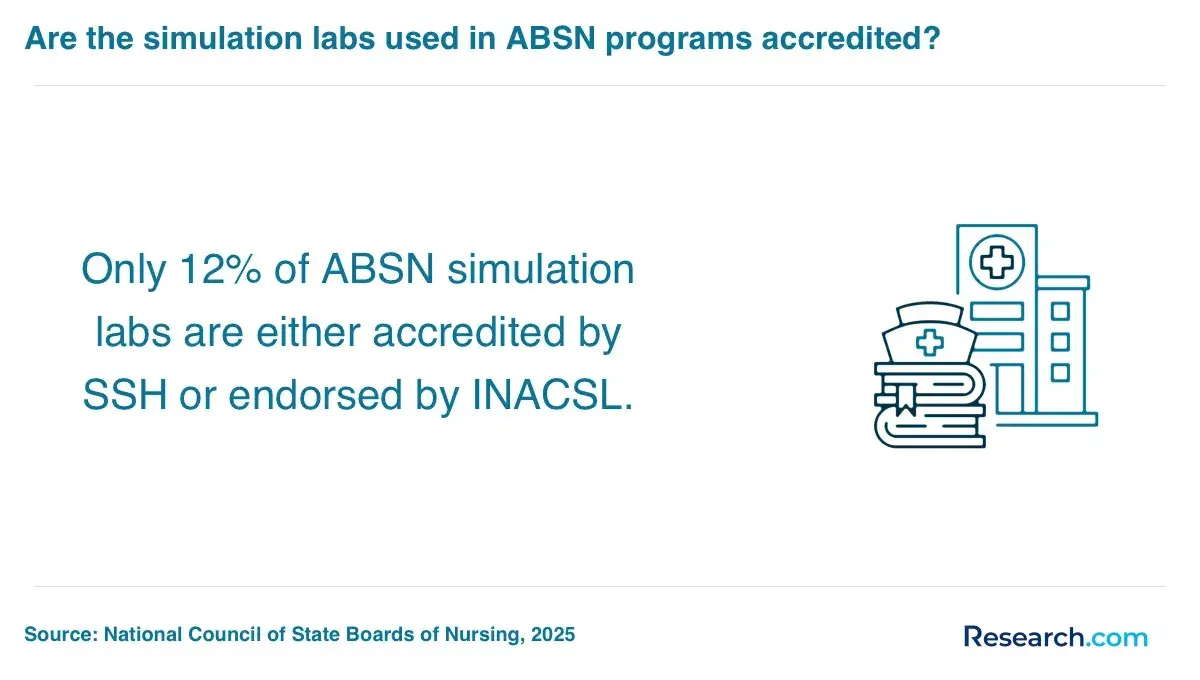
- Simulation Labs: High-fidelity simulation environments challenge students to navigate medical emergencies and routine care with precision before entering live settings. This experiential learning bridges gaps between knowledge and action under controlled, reflective conditions.
- Specialty Nursing Courses: These classes explore mental health, community and geriatric care, and leadership, urging students to think systemically about patient needs and healthcare dynamics beyond bedside nursing.
- NCLEX-RN Preparation: Continuous exam-style assessments and review sessions condition students for the pivotal licensure test, emphasizing mastery rather than memorization, which ultimately shapes confident, competent practitioners.
What accreditation should I look for in an ABSN program in South Carolina?
Accreditation serves as the essential gatekeeper for quality education, ensuring that your Accelerated BSN program meets rigorous standards necessary for licensure eligibility and meaningful career advancement. To evaluate programs thoughtfully, focus on three critical forms of accreditation:
- Institutional Accreditation: This verifies the overall academic integrity of the college or university, typically granted by regional bodies like the Southern Association of Colleges and Schools Commission on Colleges (SACSCOC). It confirms the institution's ability to provide a recognized degree, which impacts federal financial aid eligibility and acceptance into graduate programs.
- Programmatic Accreditation (CCNE or ACEN): Granted by national nursing agencies such as the Commission on Collegiate Nursing Education (CCNE) or the Accreditation Commission for Education in Nursing (ACEN), this specialized accreditation zeroes in on the nursing program's curriculum, faculty, and student outcomes. It is a critical indicator that the program aligns with national standards and prepares graduates effectively for the NCLEX-RN and competitive employment.
- State Board of Nursing Approval: The South Carolina Board of Nursing's endorsement is mandatory for licensure within the state. It ensures the program's clinical and theoretical components meet state-specific requirements, safeguarding your eligibility to practice as a registered nurse upon graduation.
How long does it take to complete an accelerated BSN in South Carolina?
Accelerated Bachelor of Science in Nursing (ABSN) programs in South Carolina cater to individuals with a non-nursing bachelor's degree seeking a swift transition into nursing. Several key factors shape the length of these programs, impacting how soon students can enter the profession:
- Typical Program Length: Most programs span 16 to 20 months of full-time study, balancing a demanding curriculum with clinical practice to ensure readiness for licensure.
- Full-Time vs. Part-Time Study: These programs emphasize an intensive, full-time approach; part-time options are limited and usually extend the timeline significantly.
- Online vs. On-Campus Formats: Hybrid models blend online coursework with mandatory on-campus clinical hours, generally maintaining a similar overall duration.
- Clinical Hour Requirements: Required direct patient care hours are rigidly scheduled and essential for state licensure, influencing pacing and completion.
- Course Sequencing: Cohort-based, lock-step progressions prevent acceleration by skipping courses and demand consistent academic performance to avoid delays.
One South Carolina nurse who completed her ABSN program locally reflected on the intensity and clarity of this timeline. She recalled juggling relentless coursework and clinical shifts packed into just 16 months, a stark contrast to her previous career's slower pace. "It felt like my entire life was compressed into that tight schedule," she said, "but knowing it was a defined timeframe kept me motivated." Despite the pressure, that clear endpoint gave her a focused goal-a whirlwind journey that transformed uncertainty into professional confidence faster than she ever expected.
How much does an accelerated BSN program cost in South Carolina?
Tuition and fees for accelerated BSN programs in South Carolina vary widely depending on the institution, program format, and a range of associated costs that often go overlooked. Considering these expenses in detail can reveal how complex the true cost of accelerated BSN programs in South Carolina can be.
Below are key elements that significantly impact the total financial commitment.
- Tuition Rates: Tuition is typically the largest single expense and differs greatly between public and private schools and between in-state and out-of-state students. Some programs charge as low as around $15,000 per year for residents, while others may exceed $80,000 for the entire accelerated degree, challenging the idea that cost alone can predict program quality.
- Mandatory Fees: Beyond tuition, students must budget for required fees covering registration, technology, lab use, and activities. These can add several thousand dollars over the course of the program, reflecting resources critical to an immersive learning experience but often underestimated when evaluating affordability.
- Technology and Online Learning Fees: For those in online or hybrid ABSN programs, technology fees support virtual platforms, proctoring, and IT services. These costs might seem minor individually but accumulate to a substantial amount, altering the net price and calling attention to the digital infrastructure underlying these programs.
- Lab and Clinical Supplies: Students often must purchase uniforms, clinical kits, and assessment tools which are essential for practical training but not included in tuition. These expenses, ranging from several hundred to a few thousand dollars, emphasize how the cost of education extends beyond just classes and lectures.
- Travel and Transportation Costs: Clinical placements and simulation sessions require travel, even for online students, adding potentially significant costs for commuting or temporary relocation. This intangible expense disrupts the common assumption that online programs eliminate all location-based costs.
- Financial Aid and Scholarships: Many programs offer federal aid, grants, or scholarships that can reduce net expenses substantially. Understanding what funding options exist encourages students to look beyond sticker prices and consider actual affordability, especially important when crediting the cost of accelerated BSN programs in South Carolina.
For an informed perspective on accelerated nursing education, it's useful to explore resources like the best online acute care nurse practitioner programs, which offer insights into how technology-driven curricula are reshaping cost structures in nursing education.
What financial aid options are available for ABSN students in South Carolina?
Because accelerated nursing programs in South Carolina can be costly, many students actively seek out financial aid opportunities to ease their financial burden. Below are key options that highlight how prospective nurses can strategically manage education expenses while pursuing their goals.
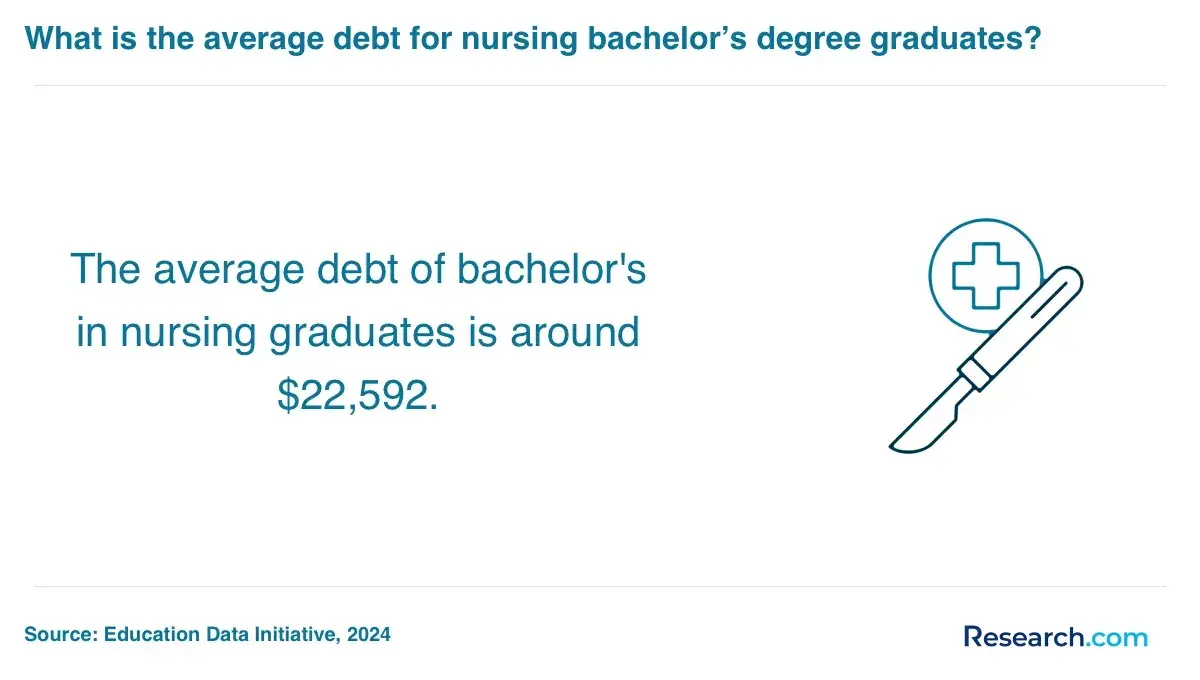
- Federal Student Loans: These loans often serve as the first resource for funding nursing education. With options that include subsidized loans-where interest is paused during school-and unsubsidized loans-where interest begins immediately-federal loans cover tuition, fees, and living costs, enabling many students to focus on their studies with manageable repayment terms after graduation.
- State and Institutional Grants: South Carolina offers grants such as the South Carolina Need-based Grant to residents, while some universities extend additional institutional grants or discounts. These nondiscounted funds are crucial for reducing overall debt since they do not require repayment and target students demonstrating financial need or specific affiliations.
- Nursing Scholarships: Scholarships from nursing foundations, healthcare organizations, and state groups like the South Carolina Nurses Foundation reward academic merit and need. Unlike loans, these awards are gift aid, allowing students to lessen tuition expenses significantly without accumulating debt.
- Employer Tuition Assistance: Healthcare employers such as Prisma Health and MUSC Health provide valuable tuition reimbursement or loan repayment programs. These incentives encourage career advancement while minimizing educational expenses for employees committed to growing within healthcare fields.
- Loan Forgiveness Programs: Committing to underserved or rural areas can unlock forgiveness of federal and state nursing loans through programs like the Nurse Corps Loan Repayment Program. Such initiatives not only alleviate financial strain but also respond to the pressing healthcare workforce shortages in South Carolina.
For students considering further advancement, understanding what is the best online BSN to FNP program may uncover additional financial pathways aligned with career goals in nursing. Exploring these South Carolina ABSN financial aid options carefully can empower future nurses to navigate their education with greater confidence and fiscal control.
What career paths are available after earning an ABSN in South Carolina?
Completing an ABSN program in South Carolina unlocks nursing jobs for ABSN graduates in South Carolina across diverse healthcare settings, from bustling hospitals to community-based organizations. The degree not only equips nurses with essential clinical skills but also prepares them to advance into a variety of specialized and leadership roles.
Below are some of the most common career paths for those holding an Accelerated Bachelor of Science in Nursing in this state.
- Registered Nurse (RN): Graduates typically begin as registered nurses, delivering direct patient care in settings like major hospital systems, outpatient clinics, and community health centers. The curriculum rigorously prepares students for the NCLEX-RN exam and practical work in specialties including pediatrics and adult medicine.
- Critical Care Nurse: ABSN holders may choose to specialize in high-pressure environments such as intensive care units and emergency departments. These roles demand advanced assessment abilities and the capacity to manage severe or life-threatening patient conditions.
- Public Health Nurse: This path emphasizes population health by delivering education and preventive services in communities, schools, and government agencies, especially in underserved areas. ABSN programs incorporate community nursing principles that bolster effectiveness in these roles.
- Nurse Educator: Some graduates transition into teaching roles within academia or healthcare organizations, often pursuing further graduate studies. The ABSN foundation balances clinical expertise with nursing theory to support this career progression.
- Nurse Manager/Leader: Leadership positions become accessible with experience, where nurse managers oversee teams, coordinate care, and implement quality improvements. ABSN curricula stress leadership skills and ethics, preparing nurses for such responsibilities.
For those seeking to extend their practice beyond traditional nursing roles, exploring the list of most affordable online RN to FNP degree programs can be a strategic next step toward advanced nursing careers in South Carolina.
What is the average salary for nurses with an ABSN degree in South Carolina?
Earning an Accelerated Bachelor of Science in Nursing (ABSN) degree can lead to competitive salaries for nurses in South Carolina, with pay varying based on factors such as experience, specialization, healthcare setting, and location. These influences shape the pathway from graduation to financial reward. Consider the key elements that determine ABSN nurse salaries in the state:
- Years of Experience: Entry-level ABSN nurses often begin with modest salaries, but compensation significantly increases with clinical experience, reflecting growing expertise and responsibility.
- Type of Employer: Hospitals and large healthcare systems generally offer higher pay and better benefits compared to smaller clinics or long-term care facilities, impacting overall earnings.
- Geographic Area: Urban centers like Mount Pleasant and North Charleston typically provide salaries above the state average, while rural areas may offer incentives to attract qualified nurses.
- Specialization or Certification: Nurses with specialized skills or certifications in high-demand fields frequently command higher salaries and greater advancement opportunities.
- Level of Education: Further education beyond the ABSN, such as master's or doctoral degrees, often leads to advanced roles and higher compensation.
Here's What Graduates Have to Say About Their ABSN Degree in South Carolina
- Completing the ABSN program at Charleston Southern University truly transformed my life. The on-campus experience allowed me to connect deeply with my peers and instructors, which made the rigorous curriculum feel manageable and supportive. I've gained the confidence to start my nursing career here in South Carolina, where the demand for skilled nurses is strong and rewarding. Watching the positive impact I have on patients in my community motivates me every day to keep learning and growing in this profession. Monroe
- The online ABSN program at the University of South Carolina was challenging but incredibly flexible, allowing me to balance school with family responsibilities. This program gave me the professional skills and knowledge to pursue a nursing career in a local school environment, where I enjoy promoting health education among students. It's fulfilling to know I'm contributing both to individual well-being and the larger community's future. The opportunities for advancement following graduation have been promising and keep me motivated to excel. Coralie
- Enrolling in the ABSN program at Limestone University was a pivotal step in my professional development. The unique challenges of South Carolina's healthcare needs pushed me to develop resilience and adaptability. Starting work as a nurse in a local school setting has been deeply rewarding, allowing me to serve youth with diverse backgrounds and health needs. I'm proud to be part of a growing network of nurses dedicated to enhancing community health and creating lasting change. Zayden
Related Articles for Nearby States
- 2027 Best ABSN Programs - Accelerated BSN Programs in Georgia: Online & Campus
- 2027 Best ABSN Programs - List of Accelerated BSN Programs in North Carolina: Online & Campus
- 2027 Best ABSN Programs - Accelerated BSN Programs in Florida: Online & Campus
- 2027 Best ABSN Programs - List of Accelerated BSN Programs in Tennessee: Online & Campus
- 2027 Best ABSN Programs - Accelerated BSN Programs in Alabama: Online & Campus
- 2027 Best ABSN Programs - Accelerated BSN Programs in Virginia: Online & Campus
- 2027 Best ABSN Programs - Accelerated BSN Programs in Kentucky: Online & Campus
- 2027 Best ABSN Programs - List of Accelerated BSN Programs in Mississippi: Online & Campus
- 2027 Best ABSN Programs - List of Accelerated BSN Programs in West Virginia: Online & Campus
- 2027 Best ABSN Programs - List of Accelerated BSN Programs in Louisiana: Online & Campus
References:
- Accelerated BSN (ABSN) Programs by State for 2025 https://nurse.org/education/absn-programs-by-state/
- ABSN Admission, Application and Fees https://nursing.ecu.edu/bsn/absn/admission/
- Registered Nurse Salary In South Carolina | NurseJournal.org https://nursejournal.org/state/south-carolina/rn-salary/
- South Carolina ABSN Programs - Accelerated Nursing https://www.absnprograms.org/programs/south-carolina/
- Best Nursing Schools in South Carolina - ADN, BSN - Updated https://www.registerednursing.org/state/south-carolina/
- Licensed Practical Nurse Salary in South Carolina https://ceufast.com/nursesalaryguide/state/south%20carolina
- Financial Aid Resources | South Carolina https://sc.gov/residents/learning-sc/financial-aid-resources
- Home - Accelerated BSN Degrees https://absn.org/
- Working In Nursing School | Can You Work During an ABSN Program? https://bayadaeducation.org/resources/absn/working-in-nursing-school
- Registered Nurse Salary in South Carolina (2024) | Trusted Health https://www.trustedhealth.com/nurse-salary-guide/south-carolina
Other Things You Should Know About Accelerated BSN Programs in South Carolina
A key consideration for students choosing an ABSN program in South Carolina in 2027 is the program's clinical placement opportunities. It's vital to assess how each program partners with local healthcare facilities to provide hands-on training and ensure you gain practical experience necessary for a nursing career.
ABSN students in South Carolina often face a demanding curriculum that requires a full-time commitment due to the accelerated nature of the program. While some students may choose to work part-time, it is generally challenging to balance employment with the intensive coursework and clinical hours required. Many programs recommend limiting work hours to ensure students can maintain their academic performance and meet clinical obligations. Ultimately, whether a student can work while completing an ABSN depends on their time management skills and the specific program's structure, but prioritizing studies is crucial for success in South Carolina's rigorous ABSN programs.


