
2027 Best ABSN Programs - Accelerated BSN Programs in Maryland: Online & Campus

Co-Founder and Chief Data Scientist
Maryland hosts over 70,000 registered nurses, reflecting a robust healthcare sector that values accelerated Bachelor of Science in Nursing (ABSN) graduates. Choosing between online or campus-based ABSN programs in Maryland provides flexibility without compromising quality, catering to diverse learning needs while addressing the state's growing demand for skilled nurses. The investment in an ABSN degree here aligns with expanding career opportunities and competitive salaries within the region's health systems.
This article, crafted by experts in career planning, offers a clear understanding of ABSN programs in Maryland. It guides readers on what to expect from these accelerated options, what factors to consider, and how to confidently navigate the path to selecting the right program for their professional goals.
Key Benefits of ABSN Programs in Maryland
- Maryland's ABSN programs offer a fast-track path to nursing licensure, often completed in 12 to 18 months, saving time for career changers eager to enter the workforce.
- Many programs integrate both online and campus-based learning, providing flexibility while maintaining essential hands-on clinical experiences required by the state's nursing board.
- The state's strong healthcare network supports excellent clinical placements, with Maryland ABSN graduates seeing a high NCLEX pass rate of over 90%, reflecting program quality and student preparedness.
- Who can apply for accelerated BSN programs in Maryland?
- What are the admission requirements for accelerated BSN programs in Maryland?
- Do accelerated BSN programs in Maryland require entrance exams?
- What does the curriculum of an accelerated BSN program in Maryland include?
- What accreditation should I look for in an ABSN program in Maryland?
- How long does it take to complete an accelerated BSN in Maryland?
- How much does an accelerated BSN program cost in Maryland?
- What financial aid options are available for ABSN students in Maryland?
- What career paths are available after earning an ABSN in Maryland?
- What is the average salary for nurses with an ABSN degree in Maryland?
Who can apply for accelerated BSN programs in Maryland?
Accelerated Bachelor of Science in Nursing (ABSN) programs in Maryland are tailored for individuals who already hold a non-nursing bachelor's degree and wish to transition swiftly into a nursing career. These programs build on prior academic achievements, allowing students to focus intensively on nursing coursework and clinical experience. Applicants must meet specific eligibility requirements for ABSN programs in Maryland, which generally include a minimum GPA standard and completion of prerequisite classes. The coursework prerequisites often cover subjects like anatomy and physiology, microbiology, and statistics. This foundational knowledge ensures students can handle the accelerated pace and rigorous content of the program with confidence.
Students pursuing an accelerated nursing program prerequisites in Maryland commonly include career changers seeking meaningful work that aligns with their personal values and professional goals. Recent graduates eager for a direct path into healthcare also find these programs appealing. Additionally, many professionals seek greater career stability or more impactful roles by entering nursing through these accelerated tracks. Successful candidates typically demonstrate strong academic motivation, disciplined time management, and a sincere passion for patient care, all essential for managing the demanding curriculum and clinical responsibilities. Navigating these programs requires resilience and the ability to communicate effectively within healthcare teams. For those comparing advanced nursing paths, understanding the distinctions and opportunities between a DNP vs FNP which is better can further inform their decisions about their future in nursing.
What are the admission requirements for accelerated BSN programs in Maryland?
Admission to accelerated Bachelor of Science in Nursing (ABSN) programs in Maryland is highly competitive, aiming to identify students who are both academically prepared and personally motivated to thrive in a rigorous nursing curriculum. These programs, whether online or on-campus, require candidates to meet several critical standards that reflect their readiness and dedication. Below are the key admission requirements common across Maryland's accelerated BSN program prerequisites.
- Bachelor's Degree in a Non-Nursing Field: Applicants must hold a bachelor's degree from an accredited institution in a discipline other than nursing. This foundation demonstrates that students have already attained essential college-level skills and critical thinking abilities necessary for advanced nursing study.
- Completion of Prerequisite Courses: Prospective students need to complete specific prerequisite courses such as human anatomy and physiology, microbiology, statistics, and chemistry. These courses confirm a baseline of scientific knowledge key for nursing and often must be completed recently to ensure currency.
- Minimum Cumulative GPA: A competitive GPA, generally between 3.0 and 3.25, is expected to show consistent academic achievement. Some programs may further require minimum grades in science prerequisites, reflecting the strong correlation between GPA and success in accelerated nursing programs.
- Official Transcripts: Submission of official transcripts from all post-secondary institutions is mandatory to verify completed coursework and academic performance. This ensures the admissions committee can accurately assess the academic background of each candidate.
- Letters of Recommendation: Typically, two to three recommendation letters are requested, offering insights into the applicant's character, work ethic, and suitability for nursing. Strong endorsements from nursing or science professionals can significantly enhance an application.
- Personal Statement or Essay: A written statement allows candidates to articulate their motivation, understanding of nursing, and fit for the accelerated program. This component helps assess communication skills and genuine commitment to the profession.
- Resume or Curriculum Vitae: A current resume detailing education, work experience, and volunteer activities provides a broader view of the applicant's professional preparedness and transferable skills, which are vital for success in demanding accelerated BSN programs in Maryland.
For those interested in expanding their nursing career beyond the ABSN, understanding what requirements are needed to become a psychiatric nurse practitioner can also provide valuable context on advanced nursing roles.
Do accelerated BSN programs in Maryland require entrance exams?
Accelerated Bachelor of Science in Nursing (ABSN) programs in Maryland generally require an entrance exam as part of the admission process, though the specifics differ across schools. The most commonly used exam is the Test of Essential Academic Skills (TEAS), which evaluates proficiency in reading, math, science, and English language usage. Some programs may also accept other standardized tests but these are less frequent. These exams serve as a standardized tool helping schools assess academic preparedness, providing a fair basis for selecting candidates for their intensive nursing curriculums. It is important for applicants to carefully review each program's requirements, as some schools allow exemptions based on prior academic achievements or transfer credits, while others maintain strict testing policies.
Maryland nursing schools use entrance exams to ensure that incoming students possess the critical thinking and academic foundation necessary for success in accelerated programs. These programs condense traditional nursing education into 12 to 24 months, creating a demanding learning environment where strong skills in science and math are essential. Entrance exams offer an objective measure to identify students who can thrive under such pressure and maintain the standards needed for safe and effective patient care. By evaluating applicants' readiness early on, programs aim to support both student success and the quality of nursing graduates entering the workforce.
When I spoke with a nurse from Maryland who completed an ABSN program locally, he reflected on the entrance exam experience as a significant but fair hurdle. He recalled that whether attending in person or through an online platform, the exam tested the same core skills and prepared him to meet the program's fast pace. "It wasn't just about passing a test," he explained, "it was about confirming I was ready to handle everything that came next." His journey included balancing work and study, and passing the entrance exam gave him confidence and a sense of accomplishment. He emphasized that both online and on-campus ABSN options maintained this requirement, underscoring the consistent high standards across Maryland programs.
What does the curriculum of an accelerated BSN program in Maryland include?
The accelerated BSN curriculum in Maryland is thoughtfully crafted to develop both clinical competence and deep nursing knowledge within a shortened timeframe, blending rigorous academic content with essential hands-on experience. Below are the core elements that shape this comprehensive learning journey in both online and on-campus ABSN programs.
- Foundational Nursing Courses: These courses lay the groundwork in critical subjects like health assessment, pathopharmacology, and nursing ethics. They ensure students acquire the theoretical understanding necessary to navigate complex healthcare situations with sound clinical judgment.
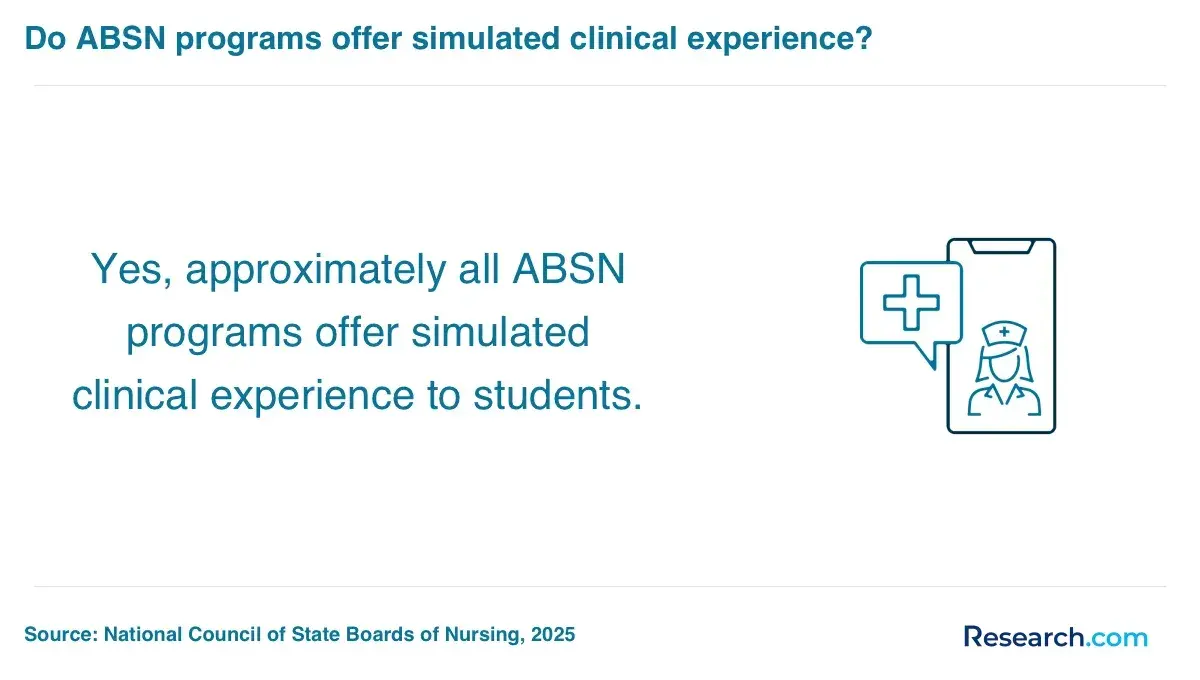
- Clinical Training: Immersive, supervised clinical rotations are mandatory and always completed in person. This real-world exposure sharpens patient care skills, promotes critical thinking, and bridges classroom knowledge with practical application.
- Simulation Labs and Skills Training: Using advanced simulation technology, students practice vital nursing procedures in a controlled environment. This experiential learning builds confidence and technical proficiency, preparing them for diverse clinical challenges.
- NCLEX-RN Preparation: Integrated throughout the curriculum, targeted preparation includes review sessions and practice exams aligned to licensure requirements. This focus maximizes the likelihood of passing the NCLEX-RN on the first attempt, demonstrating readiness for professional nursing roles.
What accreditation should I look for in an ABSN program in Maryland?
Accreditation is crucial for ensuring an ABSN program delivers high-quality education, prepares students for licensure exams, and supports long-term career success in nursing. When choosing an ABSN program in Maryland, consider these key types of accreditation:
- Institutional Accreditation: This regional accreditation, such as from the Middle States Commission on Higher Education, verifies the overall legitimacy and academic standards of the university offering the ABSN program. It assures students that their degree will be recognized widely and that credits can transfer if needed.
- Commission on Collegiate Nursing Education (CCNE) Accreditation: CCNE accreditation specifically evaluates nursing programs for curriculum rigor, faculty expertise, and clinical partnerships. Graduates from CCNE-accredited programs are often preferred by employers and have better options for advanced nursing education.
- Accreditation Commission for Education in Nursing (ACEN): ACEN accredits nursing programs across all academic levels and serves as an alternative to CCNE. Maryland ABSN programs holding ACEN accreditation meet national standards and are equally respected for professional practice.
- Maryland Board of Nursing Approval: State-level approval ensures that an ABSN program complies with Maryland's educational and regulatory standards. It guarantees eligibility to sit for the NCLEX-RN licensure exam in Maryland, which is essential for legal practice, especially considering the Nurse Licensure Compact's multistate advantages.
- NC-SARA Participation: For online or hybrid ABSN programs, institutional membership in the National Council for State Authorization Reciprocity Agreements facilitates legal delivery of online education and clinical placements across state lines, an important factor for flexible learning options.
How long does it take to complete an accelerated BSN in Maryland?
Accelerated Bachelor of Science in Nursing (ABSN) programs in Maryland cater to students who already hold a non-nursing bachelor's degree and want to transition swiftly into nursing. Several important factors shape how long it takes to complete these programs:
- Typical Program Length: Most ABSN programs last between 12 and 15 months, reflecting an intensive curriculum that balances theory with clinical experience.
- Full-time vs. Part-time Study: Full-time enrollment expedites completion, while part-time options, though rare, extend the timeline due to reduced course loads.
- Online vs. On-Campus Formats: Online components offer flexibility, but mandatory on-campus clinicals and labs maintain the program's hands-on rigor, so timeframes remain mostly consistent.
- Clinical Hour Requirements: Completing extensive clinical hours is essential and often dictates pacing, ensuring readiness for real-world nursing demands.
- Course Sequencing: Efficient course planning ensures foundational knowledge precedes clinical practice, preventing delays and preserving the accelerated pace.
I recently spoke with a nurse who completed an ABSN program at a local Maryland school, transitioning from a prior career in business. She recalled the challenge of condensing such a demanding curriculum into just over a year, juggling intense study hours with clinical placements. "It was a whirlwind," she shared, "but knowing the program was designed to move quickly kept me motivated." Reflecting on her journey, she highlighted how the structured sequencing and immersive clinical experiences, though exhausting at times, gave her confidence to pass the licensure exam and step into nursing much sooner than traditional paths would allow.
How much does an accelerated BSN program cost in Maryland?
Tuition and fees for accelerated BSN programs in Maryland can vary widely based on the school, program format, and other additional expenses. These variations make it vital for prospective students to carefully evaluate the cost of accelerated BSN programs in Maryland before committing. Here are the main cost factors to consider:
- Tuition Rates: Tuition for online ABSN programs in Maryland typically ranges from around $36,500 to over $62,500 for the entire program. Hybrid or fully on-campus options often have different pricing structures, reflecting variations in delivery methods and resources provided by each institution.
- Program and Technology Fees: Beyond tuition, mandatory fees such as technology charges and program fees can add several thousand dollars to overall costs. These fees cover access to digital learning platforms and technical support, which are essential for online or hybrid learners.
- Lab, Simulation, and Clinical Fees: Clinical components require specialized supplies, simulation labs, and liability insurance, all of which contribute additional expenses. These can vary by course but are a necessary investment in hands-on nursing skills development.
- Clinical Supplies and Uniforms: Students must often purchase personal clinical equipment like stethoscopes and scrubs, which may cost anywhere from $200 to $1,000. These supplies are critical tools for practical training and patient care.
- Travel and Housing Expenses: Even online students must attend in-person clinicals and skills labs. This can mean costs for commuting, parking, or temporary housing, especially if clinical sites are far from the student's residence. On-campus students should also account for daily transportation or relocation costs.
- Course Materials and Textbooks: Nursing textbooks, software, and supplemental learning modules can add $1,000 to $2,000 to the total expenses. Access to up-to-date resources is crucial for success in these rigorous programs.
- Financial Aid and Scholarships: Many Maryland institutions offer financial counseling and scholarship opportunities that can substantially lower the cost burden. Students should also explore federal aid and, if necessary, private loans to cover remaining expenses. For those interested in advanced nursing pathways, resources such as a 12-month FNP program online might offer additional options for financing further education.
What financial aid options are available for ABSN students in Maryland?
Because accelerated nursing programs in Maryland can be costly, many students explore different financial aid opportunities to make their education more affordable. Below are some of the most valuable options that can significantly ease the financial burden.
- Federal Student Loans: Eligible ABSN students can apply for federal student loans through the FAFSA. These loans typically offer lower interest rates and flexible repayment plans, making them a practical way to cover tuition, fees, and living expenses during the program.
- State and Institutional Grants: Maryland offers need-based grants like the Guaranteed Access Grant and Campus-Based Educational Assistance Grant, which do not require repayment. Additionally, many universities provide institutional grants or scholarships specifically for nursing students, helping reduce out-of-pocket costs.
- Maryland Nursing Scholarships and Grants: A variety of scholarships are available through local hospitals and organizations such as the Maryland Higher Education Commission. These awards often range from $200 to $1,000 and can be renewed, offering consistent support throughout the program.
- Employer Tuition Assistance: Healthcare employers in Maryland sometimes offer tuition reimbursement or assistance programs to support employees pursuing nursing degrees. This can be especially advantageous for those already employed in healthcare fields or planning to work in partnership facilities.
- Loan Forgiveness and Repayment Programs: Graduates who serve in underserved areas may qualify for loan forgiveness through programs like the Nurse Corps Loan Repayment Program. These initiatives provide meaningful debt relief in exchange for service, aligning financial aid with career goals.
Students interested in advanced nursing credentials might also find value in online pmhnp programs, which can complement their clinical experience and expand career opportunities.
What career paths are available after earning an ABSN in Maryland?
Completing an ABSN program in Maryland opens the door to a variety of nursing career paths across hospitals, community health, and leadership roles. Graduates find themselves well-prepared to meet the demands of diverse healthcare settings. Below are some of the key job opportunities for ABSN graduates in Maryland.
- Registered Nurse (RN): ABSN graduates can take the NCLEX-RN exam to become licensed RNs, working in hospitals, outpatient clinics, long-term care, or home health agencies. The hands-on clinical training in accelerated programs ensures they are ready to deliver patient care, coordinate treatments, and serve as vital links between patients and healthcare teams.
- Critical Care Nurse: Specializing in intensive care units and emergency departments, these nurses manage patients with serious health conditions. ABSN programs provide simulation labs and acute care experience that build confidence and skills necessary for high-pressure critical care environments.
- Public Health Nurse: Focusing on community wellness and disease prevention, public health nurses often work in local health departments or nonprofits. The population health emphasis in ABSN curricula equips graduates to address health disparities and lead public health initiatives within Maryland's diverse communities.
- Nurse Educator: While advanced degrees are often required for academic roles, ABSN graduates may begin as clinical instructors or adjunct faculty, sharing practical experience with nursing students. Maryland's educational institutions value the real-world insight these graduates bring to training the next generation.
- Nurse Manager: Combining clinical expertise with leadership, nurse managers oversee staff and patient care quality. ABSN coursework in healthcare systems and leadership prepares graduates to advance into these management roles within Maryland's healthcare networks.
For graduates interested in expanding their credentials or exploring specialized roles, resources such as the list of most affordable online psychiatric nurse practitioner programs offer pathways to advanced nursing careers beyond the typical nursing career paths in Maryland.
What is the average salary for nurses with an ABSN degree in Maryland?
Earning an Accelerated Bachelor of Science in Nursing (ABSN) degree in Maryland can lead to competitive salaries, with compensation influenced by factors such as experience, specialization, healthcare setting, and geographic location. Understanding these variables is essential for prospective nurses aiming to maximize their earning potential. Key considerations include:
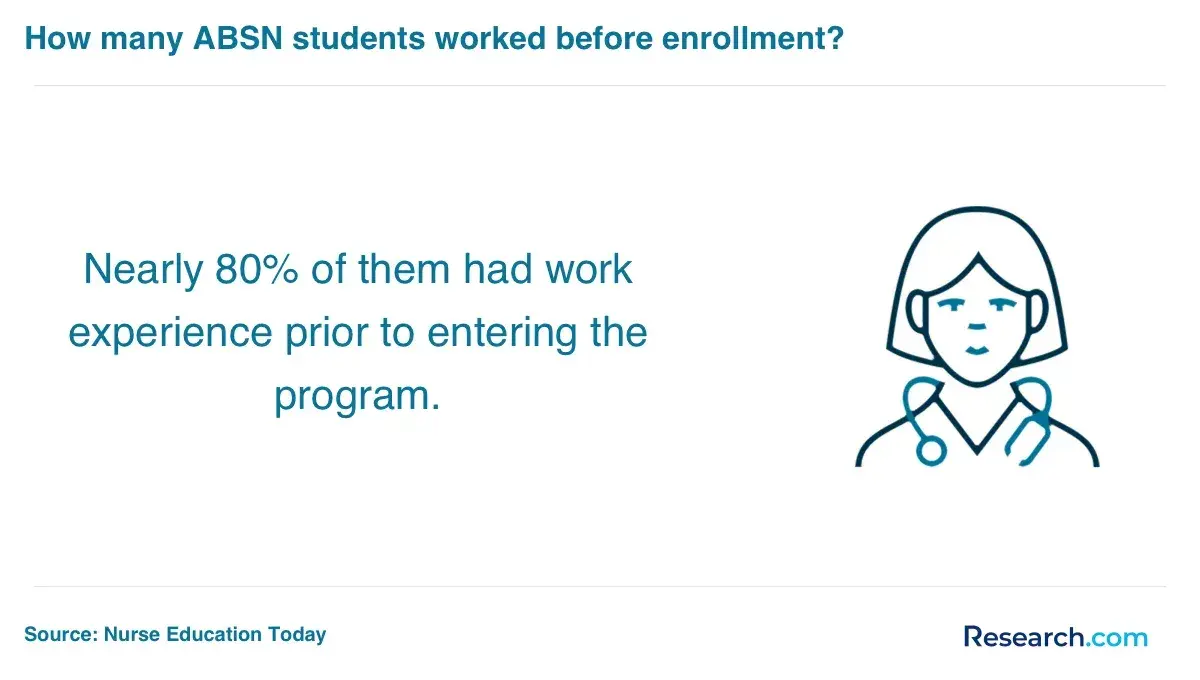
- Years of Experience: Entry-level ABSN nurses typically start around $62,220 annually. With time and professional growth, salaries can rise significantly, exceeding $100,000 in advanced roles after 15-20 years.
- Type of Employer: Large hospitals, academic centers, and government agencies often offer higher pay and better benefits compared to smaller clinics or outpatient facilities, impacting overall compensation.
- Geographic Area: Salaries tend to be higher in metropolitan regions like Baltimore and Washington D.C. suburbs, reflecting local demand and cost of living variations.
- Specialization or Certification: Advanced credentials in fields such as critical care or oncology can lead to leadership positions with increased salary potential.
- Level of Education: ABSN degree holders earn notably more than those with associate degrees, benefiting from broader practice scope and career opportunities.
Here's What Graduates Have to Say About Their ABSN Degree in Maryland
- Completing my ABSN through the University of Maryland's on-campus program was a transformative journey. The hands-on clinical experiences and the supportive faculty prepared me thoroughly for my nursing career. Starting work in a local school, I feel empowered to make a real difference in the health and well-being of students every day. The program's focus on community care resonated deeply with my passion for helping young people thrive in a safe environment. I'm proud to be part of a profession that truly impacts lives in such a meaningful way. Jasmine
- The online ABSN program at Towson University perfectly balanced flexibility with rigorous academic standards, allowing me to continue working while pursuing my dream of becoming a nurse. Beginning my nursing career in a local school, I noticed how essential skilled nurses are in supporting students' health and safety. This experience has fueled my professional growth and desire to specialize further, knowing that the opportunities for advancement in Maryland's healthcare system are abundant. I am grateful for the program's structure and the way it equipped me to meet the challenges of nursing with confidence and competence. Alexis
- Joining Stevenson University's ABSN program was one of the best decisions I made for my career. The blend of on-campus learning and clinical hours allowed me to develop both my knowledge and empathy, which I now bring to my nursing role at a local school. This opportunity has allowed me to contribute positively to my community while continuously growing in my professional skills. The challenges of juggling rigorous coursework and personal responsibilities were intense, but Maryland's strong healthcare networks and support systems offered me the foundation I needed to succeed. I am excited about where my career in nursing will take me next. Nia
Related Articles for Nearby States
- 2027 Best ABSN Programs - Accelerated BSN Programs in Virginia: Online & Campus
- 2027 Best ABSN Programs - List of Accelerated BSN Programs in West Virginia: Online & Campus
- 2027 Best ABSN Programs - List of Accelerated BSN Programs in Pennsylvania: Online & Campus
- 2027 Best ABSN Programs - Accelerated BSN Programs in Delaware: Online & Campus
- 2027 Best ABSN Programs - List of Accelerated BSN Programs in New Jersey: Online & Campus
- 2027 Best ABSN Programs - Accelerated BSN Programs in New York: Online & Campus
- 2027 Best ABSN Programs - Accelerated BSN Programs in Ohio: Online & Campus
- 2027 Best ABSN Programs - List of Accelerated BSN Programs in North Carolina: Online & Campus
- 2027 Best ABSN Programs - Accelerated BSN Programs in Kentucky: Online & Campus
- 2027 Best ABSN Programs - List of Accelerated BSN Programs in Connecticut: Online & Campus
References:
- Scholarships & Financial Aid https://www.aacnnursing.org/students/scholarships-financial-aid
- Nursing Careers | Maryland | Adventist HealthCare https://www.adventisthealthcare.com/careers/areas/nurses/
- Online ABSN Program Coursework - Notre Dame of Maryland https://absn.ndm.edu/second-degree-bsn/coursework/
- Is An MSN Degree Worth It? | Salary & Guide 2025 https://nurse.org/articles/advantages-drawbacks-msn-masters-science-nursing/
- Registered Nurse Salary in Maryland | Incredible Health https://www.incrediblehealth.com/salaries/rn/md
- Nursing Career https://www.nexusmontgomery.org/nursingcareerpathway.html
- Evaluating the Accelerated BSN Program at the University of Washington and Its Potential for Implementation in China https://pmc.ncbi.nlm.nih.gov/articles/PMC11277974/
- ABSN vs ADN - What's the Difference? https://www.absnprograms.org/resources/absn-vs-adn/
- Maryland ABSN Programs Guide - Accelerated BSN Degrees https://absn.org/states/maryland/absn-programs-md/
- UMMC Nursing Career Pathways | University of Maryland Medical Center https://www.umms.org/ummc/pros/nursing/careers
Other Things You Should Know About ABSN Programs in Maryland
In 2027, top accelerated BSN programs in Maryland include Johns Hopkins University, Stevenson University, and the University of Maryland. These programs offer robust curricula combining online and campus learning, providing students with vital skills to thrive in diverse healthcare environments.
When selecting an accelerated BSN program in Maryland for 2027, consider factors such as program accreditation, graduation rates, NCLEX pass rates, faculty expertise, clinical placement opportunities, and program length. These elements will ensure a comprehensive education aligned with career needs and professional standards.


