
2027 Best ABSN Programs - Accelerated BSN Programs in Kentucky: Online & Campus

Co-Founder and Chief Data Scientist
Kentucky faces a growing demand for nurses, with healthcare jobs expected to increase by over 15% in the next decade. Choosing an accelerated BSN program, whether online or on-campus, offers a fast track into this expanding field. The flexibility of online options combined with traditional campus experiences allows students to balance studies with personal commitments, making nursing education accessible and practical for many. This approach is ideal for those eager to start their nursing career without years of delay.
This article, crafted by career planning experts, dives into what accelerated BSN programs in Kentucky really involve. It helps readers understand program structures, key factors to consider, and how to confidently pick the best path forward. Expect clear insights to guide your decision-making and set realistic expectations about nursing education in the Bluegrass State.
Key Benefits of ABSN Programs in Kentucky
- Kentucky's ABSN programs offer fast-track options, letting you finish your nursing degree in as little as 12-18 months, way quicker than traditional routes.
- Many programs feature hybrid formats, combining online coursework with on-campus clinicals, giving flexibility while ensuring hands-on experience.
- The state's strong healthcare job market means ABSN grads often find work quickly, with some hospitals partnering directly with schools for hiring pipelines.
- Who can apply for accelerated BSN programs in Kentucky?
- What are the admission requirements for accelerated BSN programs in Kentucky?
- Do accelerated BSN programs in Kentucky require entrance exams?
- What does the curriculum of an accelerated BSN program in Kentucky include?
- What accreditation should I look for in an ABSN program in Kentucky?
- How long does it take to complete an accelerated BSN in Kentucky?
- How much does an accelerated BSN program cost in Kentucky?
- What financial aid options are available for ABSN students in Kentucky?
- What career paths are available after earning an ABSN in Kentucky?
- What is the average salary for nurses with an ABSN degree in Kentucky?
Who can apply for accelerated BSN programs in Kentucky?
Online and on-campus Accelerated Bachelor of Science in Nursing (ABSN) programs in Kentucky are tailored for folks who already hold a non-nursing bachelor's degree and want to jump into nursing faster. These programs pack all the essential nursing coursework into a focused, full-time schedule, helping students pivot quickly without starting from scratch. To apply, candidates typically need a completed bachelor's degree and must have finished prerequisite courses like anatomy, physiology, and chemistry with decent grades. If you're wondering about ABSN admission requirements Kentucky, the key is showing you've got the academic background and readiness to handle an intense program.
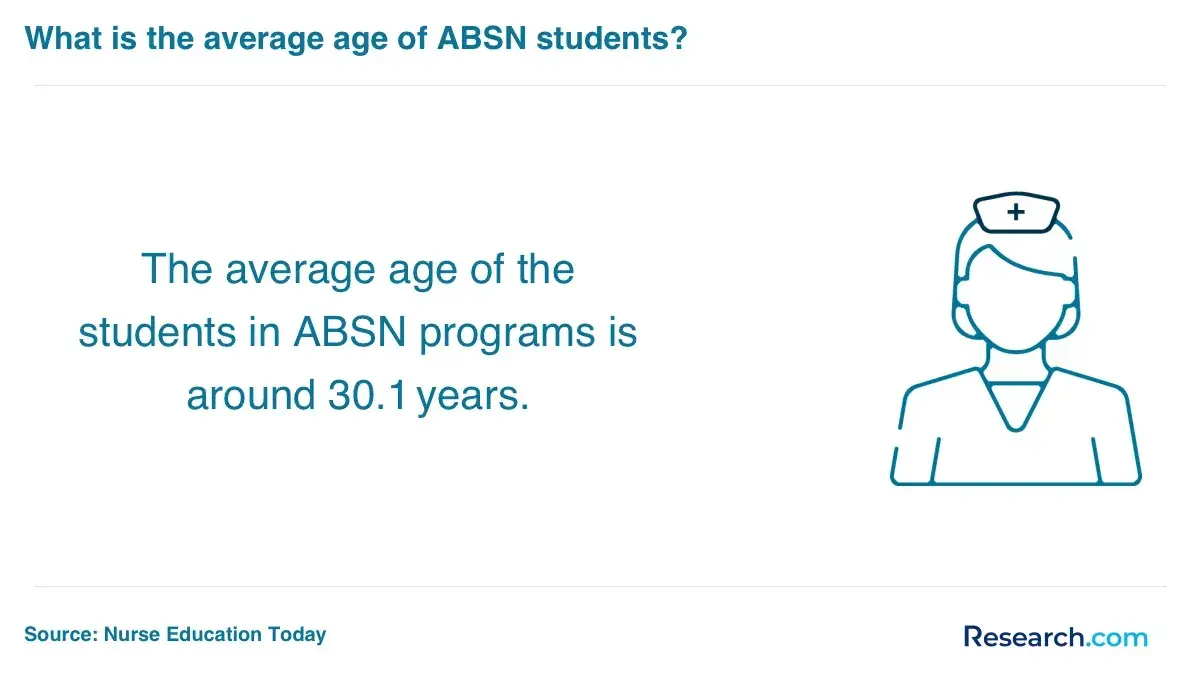
The types of students drawn to accelerated BSN programs in Kentucky often come from diverse backgrounds - career changers moving from business, education, or science fields, recent grads looking for a quicker path into healthcare, and even professionals seeking work that's more meaningful or stable. Successful applicants usually have strong academic motivation and a solid GPA, often around 2.5 to 2.8 or higher, especially in those prerequisite courses. Time management skills are a must because the pace is fast and demanding. Plus, nursing calls for real passion for patient care and the ability to handle stress well. If you're interested in advancing your nursing career further, you might want to explore options like becoming a family nurse practitioner, which can be a great next step once you've completed your ABSN.
What are the admission requirements for accelerated BSN programs in Kentucky?
Admission into accelerated BSN programs in Kentucky is pretty competitive and carefully designed to find students who not only have the academic chops but also the motivation to keep up with a fast-paced nursing curriculum. Whether you're eyeing online or on-campus ABSN options, there are some core things you'll need to check off before you can get in.
Here are the main admission requirements for ABSN programs in Kentucky that most schools look for.
- Non-Nursing Bachelor's Degree: You need to already have a bachelor's degree in a field other than nursing from an accredited school. This shows you've proven you can handle college-level work and have a solid academic base, which is key for the quick pace of an accelerated program.
- Completion of Prerequisite Courses: Specific classes like anatomy, physiology, microbiology, and statistics (sometimes nutrition too) have to be done before you apply. Most programs want to see at least a "C" grade or better here, making sure you've got the science and quantitative skills to keep up.
- Minimum GPA Standards: Schools typically expect a cumulative undergraduate GPA between 2.75 and 3.0 at minimum. Some programs also look at your GPA just for the prerequisite courses to make sure you're strong in the subjects that matter most for nursing.
- Personal Statement or Essay: This is your chance to show why nursing excites you, how well you understand the profession, and that you're ready for an intense study schedule. Admissions use this to size up your communication skills and your personal commitment.
- Letters of Recommendation: Usually, two or three letters from instructors, employers, or professionals who know your strengths academically and personally are required. These help programs see if you have qualities like reliability and teamwork, which matter a lot in nursing.
- Professional Resume: Having a resume that outlines your schooling, work history (especially healthcare-related), volunteer work, and skills helps schools get a full picture of your background and dedication.
- Interview (in some programs): Some schools might invite you for an interview to get a feel for your communication, professionalism, and readiness to handle the accelerated format firsthand.
For those interested in nursing paths beyond a BSN, check out what requirements are needed to become a psychiatric nurse practitioner for more career insights.
Do accelerated BSN programs in Kentucky require entrance exams?
Entrance exams aren't always a must for ABSN programs in Kentucky, but it really depends on the school you're eyeing. Some programs don't require tests like the TEAS or HESI at all, focusing instead on whether you've completed prerequisite courses, usually needing a grade of "C" or better. When these exams are required, they mainly check your skills in math, science, and reading to make sure you're ready for the fast pace and complex content of nursing studies. The TEAS and HESI are the most common tests used, assessing critical thinking and academic abilities that nursing programs expect. That said, many programs lean more on a holistic review rather than just test scores to decide who gets in.
Some nursing schools in Kentucky find entrance exams helpful because they offer a standardized way to see if applicants can handle the academic demands ahead. These exams level the playing field by comparing students from all sorts of backgrounds and give schools confidence in applicants' readiness. Also, critical thinking skills tested by these exams are crucial since nursing isn't just about knowledge but about making smart decisions in real time. Beyond exams, programs often consider your past grades, healthcare experience, and personal goals to get the full picture of your potential. This approach aims to make sure students are set up for success, not just admitted based on a test score.
When I spoke with a nurse from Kentucky who completed an ABSN at a local university, he mentioned that his program didn't require an entrance exam, which took some pressure off at the start. He explained that the focus was more on showing good academic standing and passing certain prerequisite courses before starting. However, he also said that once the program began, the coursework and clinicals were intense enough to prove the program's challenge without needing extra entrance hurdles. He appreciated the mix of online and in-person classes that helped him balance work and school, noting, "While I didn't have to stress over a big entrance test, the program itself definitely kept me on my toes." This perspective highlights that ABSN programs in Kentucky are designed to find motivated and prepared students, with or without formal entrance exams.
What does the curriculum of an accelerated BSN program in Kentucky include?
The accelerated BSN curriculum in Kentucky is crafted to help students quickly build the clinical skills and nursing knowledge needed to start their careers sooner.
Here's a quick look at the main parts of these programs that both online and on-campus students experience:
- Foundational Nursing Courses: These classes cover essential nursing topics like health assessment, mental health, and care across different life stages. They set the groundwork for evidence-based practice and patient-centered care.
- Clinical Training: Hands-on practice in various healthcare settings is a big focus, with students completing 500+ clinical hours. This real-world experience helps develop decision-making, patient communication, and teamwork skills.
- Simulation Labs: Modern simulation centers let students practice procedures and respond to medical scenarios in a safe environment. It's a great way to build confidence and critical thinking before working with actual patients.
- NCLEX-RN Preparation: Programs align their courses with the national licensing exam, often including dedicated review sessions. This ensures graduates are ready and eligible to pass the NCLEX-RN and become licensed nurses.
What accreditation should I look for in an ABSN program in Kentucky?
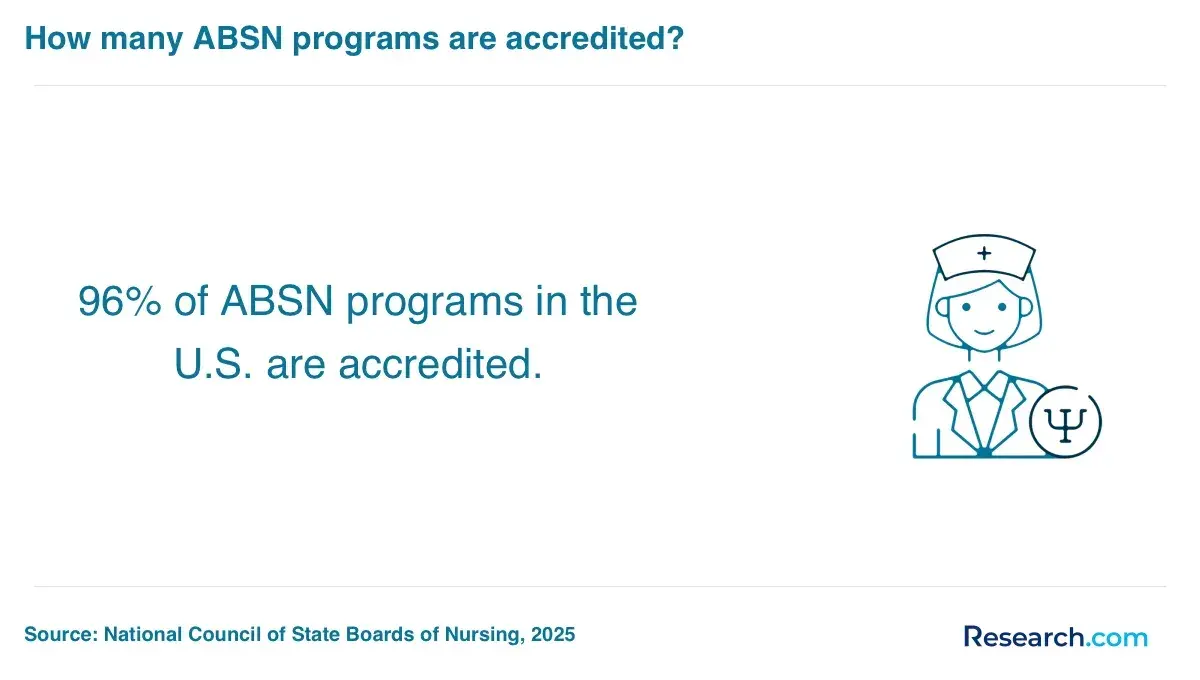
Accreditation is super important when picking an ABSN program in Kentucky because it guarantees the education is solid, helps you qualify for nursing licensure, and opens doors for your nursing career down the road.
Here are the main types of accreditation you want to look for:
- Institutional Accreditation: This means the school itself meets regional educational standards, which is key because Kentucky requires you to have a bachelor's degree from a regionally accredited college to enter an ABSN program. It ensures your degree holds value with employers and other schools if you decide to keep studying.
- Kentucky Board of Nursing (KBN) Approval: This state board approval is a must-have since it confirms the program follows Kentucky's nursing laws and prepares you properly for the NCLEX-RN exam. Without KBN approval, you can't get licensed as an RN in Kentucky, so don't skip checking this!
- Commission on Collegiate Nursing Education (CCNE) Accreditation: Known as a top programmatic accreditation, CCNE shows the program excels in teaching quality, faculty, and support. It's voluntary but highly respected and can make transferring credits or pursuing a graduate degree easier.
- Accreditation Commission for Education in Nursing (ACEN): This national accreditor is similar to CCNE and equally valued by employers and grad schools. It means the program meets high-quality nursing education standards, so either CCNE or ACEN boosts your diploma's credibility.
How long does it take to complete an accelerated BSN in Kentucky?
Accelerated BSN programs in Kentucky are perfect for those who already have a bachelor's degree in a different field and want to switch into nursing fast. The time it takes to finish can really depend on a few key things, like these:
- Program Length Variability: Most ABSN programs last between 13 to 20 months. Some schools offer accelerated tracks around 13 months, while others might stretch closer to 20, depending on credit transfers and curriculum design.
- Full-Time vs. Part-Time Study: Full-time study is common and speeds things up, with programs built for full immersion, while part-time options take longer but offer more flexibility if you're balancing work or family.
- Online vs. On-Campus Format: Some programs blend online classes with in-person labs and clinicals, letting students learn flexibly while still getting hands-on experience crucial for nursing.
- Clinical Hour Requirements: Nursing demands plenty of clinical hours, often 500 or more, packed into the study timeline, which shapes how long you'll be enrolled.
- Course Sequencing and Prerequisites: Some programs need certain science courses done beforehand, while others build them in. This prep time can add months if prerequisites aren't fulfilled upfront.
I chatted with a nurse who completed an ABSN program at a Kentucky school, and she told me the experience was intense but rewarding. "The 16-month program flew by, but it required total dedication," she said. Balancing clinical shifts and tough exams wasn't easy, especially since she switched careers from a completely different field. She mentioned how the mix of online lectures and on-campus labs helped her manage time better. Reflecting back, she appreciated that the program was structured with realistic expectations, so even though it was fast-paced, the hands-on training made the busy months feel worth it. "It truly prepared me to jump into nursing confidently," she added.
How much does an accelerated BSN program cost in Kentucky?
Tuition and fees for accelerated BSN programs in Kentucky can vary quite a bit depending on the school you choose, whether the program is online or on-campus, and other extra costs you might face along the way.
Here are the main cost factors you should keep in mind when looking into the cost of accelerated BSN programs in Kentucky:
- Tuition Rates: Tuition is usually the biggest chunk of your expenses. Kentucky's ABSN programs charge anywhere from about $654 to $905 per credit hour, with total tuition often landing between $35,000 and $58,000 depending on the school and credit load. Online options might have slightly different rates than in-person programs.
- Technology and Lab Fees: If you're in an online or hybrid program, expect some technology fees to support digital learning. On-campus students often pay lab fees for hands-on practice with equipment and simulation labs, which adds up but is crucial for your training.
- Clinical Supplies and Uniforms: Beyond tuition, you'll need to buy clinical uniforms, nursing supplies like stethoscopes and shoes, and sometimes additional certifications. These costs can add several hundred to over a thousand dollars to your budget.
- Travel and Housing for In-Person Components: Whether your program is online or on-campus, you'll have clinical rotations that require you to travel to healthcare sites. Budget for transportation, parking, meals, and possibly housing if those locations aren't close to home.
- Application and Enrollment Fees: Don't forget the smaller fees, like application costs or deposits. These might range from $60 to $100 but should be part of your overall financial plan.
- Financial Aid and Scholarships: Many Kentucky ABSN programs offer options like federal student loans and hospital-based scholarships that can help offset costs. It's smart to explore these opportunities to reduce your financial burden.
- Books and Learning Materials: Sometimes books and materials are included in tuition, but other times you'll need to buy textbooks and online resources separately, so factor in a few hundred extra dollars for this.
- Online vs. On-Campus Cost Differences: Online programs might be a bit cheaper or offer flexible schedules, but don't forget about costs for required campus visits and clinical rotations. Overall, the total investment often balances out when you add everything up.
As you consider the cost of accelerated BSN programs in Kentucky, it's helpful to also check out options like 12 month nurse practitioner programs that could be a next step after finishing your degree.
What financial aid options are available for ABSN students in Kentucky?
Since accelerated nursing programs in Kentucky can be pretty pricey, many students look into various financial aid options to help ease the burden. Here's a quick rundown of some common ways to make ABSN financial aid options in Kentucky work for you.
- Federal Student Loans: By filling out the FAFSA, students can access federal Direct Loans to cover tuition, fees, and living costs. Independent students may borrow up to $12,500 annually, while dependent students have a lower cap, making this a helpful way to manage those upfront expenses.
- State and Institutional Grants: Kentucky residents might qualify for need-based state grants, and many schools offer their own aid packages. Universities like the University of Kentucky and University of Louisville provide targeted grants specifically for ABSN students, which can significantly reduce out-of-pocket costs.
- Nursing Scholarships: Scholarships based on merit, financial need, or community service commitments are widely available through nursing schools and organizations. Some, like Bellarmine University, have tuition assistance covering a substantial portion of costs, making accelerated BSN scholarships and grants Kentucky really valuable.
- Employer Tuition Assistance: If you're working for a healthcare employer, they might offer tuition reimbursement or scholarship-to-work deals. These programs often require working for the employer post-graduation but can dramatically cut expenses while you earn your degree.
- Loan Forgiveness Programs: Working in high-need areas or for certain employers can qualify you for loan forgiveness through federal or state programs. The Public Service Loan Forgiveness plan and Kentucky's nurse loan repayment initiatives help reduce debt for nurses serving underserved communities.
For those exploring advanced nursing degrees, it's worth checking out options like the easiest online MSN program to get into to plan your next step after ABSN completion.
What career paths are available after earning an ABSN in Kentucky?
Completing an ABSN program in Kentucky opens doors to diverse nursing roles across hospitals, clinics, community settings, and leadership positions. These programs prepare graduates for various nursing career paths in Kentucky that build on skills gained during accelerated training.
Here are some common options for ABSN graduates:
- Registered Nurse (RN): RNs provide hands-on patient care, manage treatments, and educate patients across many environments like hospitals, outpatient clinics, and home health settings. The ABSN curriculum readies graduates to pass the NCLEX-RN exam and step confidently into these roles.
- Critical Care Nurse: These nurses work in intensive care units and emergency departments, handling complex medical equipment and monitoring unstable patients. ABSN programs emphasize clinical experience and simulations that prepare nurses for the fast-paced demands of critical care.
- Public Health Nurse: Focusing on community wellness, public health nurses coordinate vaccination campaigns, conduct screenings, and promote disease prevention. The coursework in population health prepares ABSN grads for impactful work in public health agencies and nonprofits.
- Nurse Educator: Nurse educators train future nurses by developing curricula and leading hands-on clinical instruction. While many roles require master's degrees, ABSN graduates can start as clinical instructors and later advance through further education.
- Nurse Manager: Overseeing nursing teams, budgets, and schedules, nurse managers drive quality and safety initiatives in healthcare settings. ABSN programs strengthen leadership and management skills essential for these roles.
Beyond these pathways, ABSN graduates can explore specialty areas like oncology or pediatrics or pursue graduate education for advanced roles such as nurse practitioner or nurse anesthetist. For those interested in expanding their scope, consider checking out this ranking of affordable online psychiatric nurse practitioner programs that highlight flexible, budget-friendly options. With a strong foundation, graduates have many job opportunities for ABSN graduates that match their interests and goals.
What is the average salary for nurses with an ABSN degree in Kentucky?
Earning an Accelerated Bachelor of Science in Nursing (ABSN) degree in Kentucky can open the door to competitive salaries, though pay varies depending on factors like experience, specialization, healthcare setting, and location. Understanding these key factors can help you get a clearer picture of what to expect as an ABSN nurse in the state.
Here are some important points to consider:
- Years of Experience: Early-career nurses usually start with lower salaries, but as you gain experience and skills, your earning potential rises significantly, with seasoned nurses earning much more.
- Type of Employer: Where you work matters-a hospital, specialty clinic, or long-term care facility will each offer different pay scales and benefits.
- Geographic Area: Urban areas generally offer higher salaries compared to rural regions, reflecting differences in living costs and healthcare demand.
- Specialization or Certification: Nurses with specialized certifications or working in high-demand areas tend to earn higher wages than those in general nursing roles.
- Level of Education: Pursuing advanced degrees beyond the ABSN can lead to advanced practice roles with increased salary opportunities.
Here's What Graduates Have to Say About Their ABSN Degree in Kentucky
- Completing the on-campus ABSN program at the University of Louisville was a transformative journey for me. The hands-on experience and direct interaction with patients helped solidify my passion for nursing. Starting my career in a local school setting has allowed me to make a tangible difference in the lives of children every day. I appreciate how the program emphasized community health and prepared me to handle the unique challenges that Kentucky schools face. This path truly empowered me to give back in a meaningful way. Lennan
- The flexibility of the online ABSN program at Bellarmine University allowed me to balance work and study effectively. This convenience was crucial as I navigated my career transition into nursing. Upon finishing the program, beginning work in a local school was a proud milestone, where I could put my new skills to use supporting students' health needs. The program's focus on professional development encouraged me to pursue certifications that have opened doors for advancement. I feel confident and well-prepared for the ever-evolving demands of nursing in Kentucky. Zyana
- Pursuing my ABSN degree on campus at Eastern Kentucky University was challenging but incredibly rewarding. Beyond academic growth, it deepened my commitment to community service and gave me the tools to advocate for health education in schools. The unique rural healthcare elements incorporated in the program made me aware of the disparities some schools face and inspired me to be a change agent. Starting a nursing career in a local academic environment has been fulfilling, as I witness firsthand how proper care impacts student well-being and success. It has been a journey of professional maturity and personal fulfillment. Brecken
Related Articles for Nearby States
- 2027 Best ABSN Programs - Accelerated BSN Programs in Indiana: Online & Campus
- 2027 Best ABSN Programs - Accelerated BSN Programs in Ohio: Online & Campus
- 2027 Best ABSN Programs - List of Accelerated BSN Programs in Tennessee: Online & Campus
- 2027 Best ABSN Programs - List of Accelerated BSN Programs in West Virginia: Online & Campus
- 2027 Best ABSN Programs - Accelerated BSN Programs in Virginia: Online & Campus
- 2027 Best ABSN Programs - Accelerated BSN Programs in Illinois: Online & Campus
- 2027 Best ABSN Programs - Accelerated BSN Programs in Missouri: Online & Campus
- 2027 Best ABSN Programs - List of Accelerated BSN Programs in North Carolina: Online & Campus
- 2027 Best ABSN Programs - Accelerated BSN Programs in Georgia: Online & Campus
- 2027 Best ABSN Programs - List of Accelerated BSN Programs in Mississippi: Online & Campus
References:
- Undergraduate Accelerated BSN https://nursing.uky.edu/undergraduate-programs/accelerated-bsn
- Nursing, Accelerated B.S.N. https://onlinecatalog.nku.edu/preview_program.php
- BSN Salary in Kentucky | RN-BSN Salary in KY https://www.bsnedu.org/kentucky-salary/
- Is an ABSN Worth It? How an Accelerated Nursing Program Saves You Time and Money | UK Online https://online.uky.edu/blog/absn-worth-it-how-accelerated-nursing-program-saves-you-time-and-money
- ABSN vs ADN - What's the Difference? https://www.absnprograms.org/resources/absn-vs-adn/
- How to thrive in the Accelerated BSN program https://www.bellarmine.edu/blog/article/posts/2021/07/28/how-to-survive-the-accelerated-bsn-program/
- BSN-Accelerated https://nursing.louisville.edu/academics/undergraduate/bsn-accelerated
- Accelerated Bachelor of Science in Nursing (ABSN) https://nursing.utk.edu/undergraduate-programs/accelerated-bachelor-of-science-in-nursing-absn/
- Accelerated Bachelor of Science in Nursing https://www.nku.edu/academics/chhs/programs/undergraduate/absn.html
- Best Nursing Schools in Kentucky - ADN, BSN - Updated https://www.registerednursing.org/state/kentucky/
Other Things You Should Know About Accelerated BSN Programs in Kentucky
In 2027, Kentucky offers several accelerated BSN programs, including those at Bellarmine University, the University of Louisville, and Northern Kentucky University. These programs are designed to help students with a prior bachelor’s degree in a non-nursing field quickly obtain a nursing degree in about 12-18 months, providing both online and on-campus options.
In 2027, accelerated BSN programs in Kentucky typically range from 12 to 24 months. These programs are designed for students who already hold a non-nursing bachelor's degree and are seeking a fast track into the nursing profession.
Balancing work with an accelerated BSN program in 2027 requires effective time management, prioritizing tasks, and seeking employer support if possible. It's also important to communicate with instructors about scheduling conflicts and to utilize online resources for studying efficiently during limited free time.


