
2027 Best ABSN Programs - List of Accelerated BSN Programs in Louisiana: Online & Campus

Co-Founder and Chief Data Scientist
Louisiana's healthcare sector is experiencing rapid growth, with employment for registered nurses projected to increase by 12% over the next decade. Pursuing an accelerated Bachelor of Science in Nursing (ABSN) program online or on campus in Louisiana offers a timely pathway to meet this demand efficiently. These programs allow career changers and degree holders to fast-track their nursing education while gaining practical skills recognized statewide. The flexibility of online and traditional formats caters to diverse student needs, aligning education with professional goals and market requirements in Louisiana's evolving healthcare system.
This article, prepared by experts in career planning, provides an in-depth understanding of what accelerated BSN programs in Louisiana entail. It will guide readers through key aspects to expect, critical factors to consider, and strategies for making informed decisions when selecting appropriate ABSN options in the state.
Key Benefits of ABSN Programs in Louisiana
- Louisiana's ABSN programs offer completion timelines as short as 12 to 18 months, allowing students to enter the nursing workforce rapidly.
- Many programs provide hybrid options combining online coursework with on-campus clinicals, enhancing flexibility for working professionals.
- The state's ABSN graduates benefit from strong clinical partnerships with Louisiana hospitals, contributing to a high NCLEX-RN pass rate exceeding 85% in recent years.
- Who can apply for accelerated BSN programs in Louisiana?
- What are the admission requirements for accelerated BSN programs in Louisiana?
- Do accelerated BSN programs in Louisiana require entrance exams?
- What does the curriculum of an accelerated BSN program in Louisiana include?
- What accreditation should I look for in an ABSN program in Louisiana?
- How long does it take to complete an accelerated BSN in Louisiana?
- How much does an accelerated BSN program cost in Louisiana?
- What financial aid options are available for ABSN students in Louisiana?
- What career paths are available after earning an ABSN in Louisiana?
- What is the average salary for nurses with an ABSN degree in Louisiana?
Who can apply for accelerated BSN programs in Louisiana?
Accelerated Bachelor of Science in Nursing (ABSN) programs in Louisiana cater specifically to individuals who already hold a non-nursing bachelor's degree and wish to enter the nursing profession through a faster, more intensive route. These programs build on previous academic achievements, allowing applicants to bypass introductory courses and focus directly on nursing coursework and clinical training. Admission into these programs requires meeting specific standards, including completing prerequisite courses such as anatomy, physiology, microbiology, and statistics. Prospective students must also fulfill ABSN admission requirements Louisiana criteria, which often include minimum GPA thresholds and standardized exam scores to demonstrate readiness for the program's rigor.
The typical applicants for accelerated nursing program prerequisites Louisiana include career changers transitioning from fields like business, education, or the sciences, as well as recent graduates eager to quickly enter healthcare. Many are motivated by the prospect of stable employment, professional growth, and making a tangible difference in their communities. Success in these demanding programs depends on strong academic motivation, excellent time management skills, and a genuine passion for patient care. While prior healthcare experience is generally not necessary, applicants benefit from qualities like resilience and adaptability. For those weighing clinical career options, understanding distinctions such as FNP vs AGNP which is better may help clarify long-term professional pathways post-graduation.
What are the admission requirements for accelerated BSN programs in Louisiana?
Admission into accelerated BSN programs in Louisiana is highly competitive and designed to identify students who are academically prepared and motivated to handle an intensive nursing curriculum. Both online and on-campus programs share essential criteria to evaluate candidates' readiness. The following outlines key admission requirements commonly observed across these accelerated nursing pathways in Louisiana.
- Non-Nursing Bachelor's Degree: Applicants must have completed a bachelor's degree in a non-nursing field from an accredited institution. This requirement ensures foundational academic skills and a broad collegiate background, which supports transitioning successfully into an accelerated nursing program.
- Completion of Prerequisite Courses: Candidates need to finish prerequisite science and general education courses such as anatomy and physiology, microbiology, human growth and development, statistics, and nutrition. These prerequisites validate essential scientific knowledge and analytical abilities necessary for succeeding in nursing coursework and are critical components of ABSN admission requirements Louisiana.
- Minimum GPA Standard: Most programs require a cumulative GPA of 2.75 to 3.0 on a 4.0 scale, often with additional expectations for science course grades. This standard helps programs assess academic capability and predict a student's success in a demanding accelerated nursing curriculum.
- Official Transcripts: Submission of official transcripts from all postsecondary institutions attended is mandatory. Review of transcripts allows admissions committees to verify degree conferral, evaluate academic history, and assess consistent performance.
- Personal Statement or Essay: Applicants are typically asked to provide a personal statement explaining their motivation for nursing, relevant experiences, and career ambitions. This gives insight into commitment and suitability for the accelerated nursing track.
- Letters of Recommendation: One to three letters from instructors, employers, or professionals knowledgeable about the applicant's abilities and character are usually required. These references provide third-party validation of readiness, work ethic, and interpersonal skills.
- Resume or Curriculum Vitae (CV): A current resume or CV showcasing educational background, work experience, and healthcare exposure enables admissions to assess relevant qualifications.
- Background Check and Immunization Records: Evidence of up-to-date immunizations and a successful criminal background check are often prerequisites for enrollment, ensuring eligibility for clinical placements.
Applicants interested in understanding accelerated nursing program prerequisites Louisiana should prepare carefully to meet these standards. Additionally, exploring how many years to become a women's health nurse practitioner can provide further guidance on advanced nursing career pathways through resources such as how many years to become a womens health nurse practitioner.
Do accelerated BSN programs in Louisiana require entrance exams?
Accelerated Bachelor of Science in Nursing (ABSN) programs in Louisiana commonly require entrance exams as part of the admissions process, though specific requirements vary by institution. Many schools mandate exams such as the HESI Admission Assessment Exam or the Test of Essential Academic Skills (TEAS), both designed to evaluate key academic skills in areas like math, reading comprehension, science, and English language usage. These tests provide a standardized measure for assessing applicants' readiness for the accelerated curriculum. While some programs emphasize prerequisite coursework and GPA alongside or instead of entrance exams, the use of assessments like HESI and TEAS remains prevalent among ABSN programs statewide.
Louisiana nursing schools adopt these entrance exams to ensure candidates possess the academic preparation and critical thinking skills required for the intensive nature of accelerated nursing education. The condensed format demands quick information processing and a solid foundational knowledge base, making the evaluation of these competencies crucial before admission. Entrance exams serve as objective tools to compare applicants' qualifications and help predict their potential success in passing the NCLEX-RN licensure exam. By setting these standards, programs aim to uphold educational quality and support student outcomes in a fast-paced professional environment.
A nurse who completed an ABSN program at a Louisiana institution reflected that the requirement of entrance exams was a significant initial hurdle but ultimately beneficial. He recounted navigating the TEAS exam before gaining admission, describing the process as challenging yet fair, preparing him mentally for the program's rigor. Whether attending classes online or on-campus, he noticed consistent expectations across the board, with entrance assessments serving as a gatekeeper to ensure everyone started on a level playing field. His experience underscored how these exams helped build confidence early on, providing reassurance that he met the program's demands before embarking on his nursing education journey.
What does the curriculum of an accelerated BSN program in Louisiana include?
The accelerated BSN curriculum in Louisiana is structured to develop robust clinical skills and comprehensive nursing knowledge within an intensive, shortened timeframe. The following core components are integral to both online and on-campus ABSN programs in the state:
- Prerequisite Coursework: Foundational courses in anatomy, physiology, microbiology, chemistry or biochemistry, developmental psychology, and statistics establish the essential scientific background, ensuring readiness for advanced nursing studies.
- Core Nursing Theory Courses: Between 53 and 70 credit hours cover critical subjects such as pathophysiology, pharmacology, health assessment, and various specialized nursing fields, delivered through interactive online platforms, classroom lectures, and hybrid methods.
- Clinical Rotations: Supervised practicum experiences across diverse healthcare settings enable students to apply theory to practice, enhancing clinical judgment and hands-on skills under professional guidance.
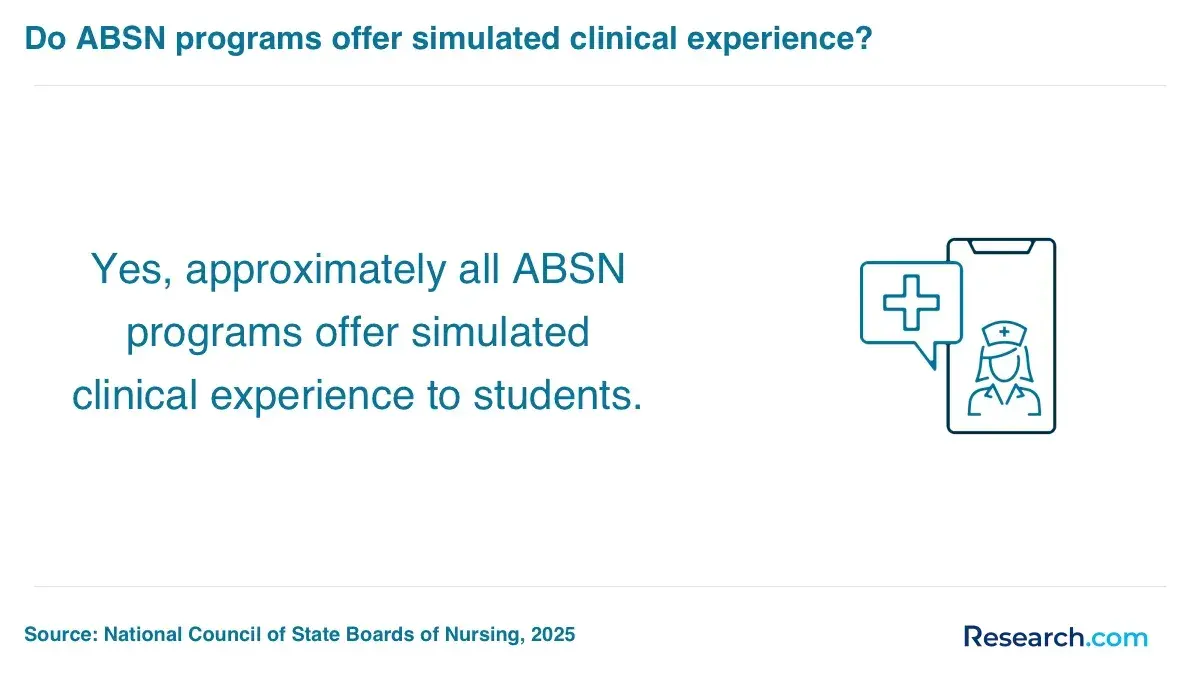
- Simulation Laboratory Experiences: High-fidelity simulations provide controlled environments for students to hone decision-making and clinical competencies, often encouraging interprofessional collaboration through joint training sessions.
- NCLEX-RN Preparation: Integrated strategies focusing on clinical judgment and examination readiness aim to optimize first-attempt pass rates on the licensure exam, reinforcing students' confidence and competence for professional practice.
What accreditation should I look for in an ABSN program in Louisiana?
Accreditation is essential in ensuring the quality of education, eligibility for licensure, and the credibility of your nursing degree for career advancement. When evaluating ABSN programs in Louisiana, several key types of accreditation and approvals indicate a program's legitimacy and alignment with industry standards.
- Institutional Accreditation: This accreditation is granted by regional agencies recognized by the U.S. Department of Education and confirms that the college or university meets comprehensive academic and financial standards. It is critical for credit transferability, access to federal financial aid, and employer recognition.
- Programmatic Accreditation - CCNE: The Commission on Collegiate Nursing Education (CCNE) accredits nursing programs that meet strict national standards for curriculum quality, faculty qualifications, and student outcomes. Graduating from a CCNE-accredited ABSN program supports eligibility to take the NCLEX-RN exam required for nursing licensure.
- Programmatic Accreditation - ACEN: The Accreditation Commission for Education in Nursing (ACEN) ensures nursing programs meet national educational standards across all degree levels. ACEN accreditation is widely accepted for transfer credits and advanced study, evidencing thorough preparation for professional nursing roles.
- Louisiana State Board of Nursing (LSBN) Approval: LSBN approval is mandatory for all ABSN programs in Louisiana, ensuring curriculum compliance with state-specific licensure and practice requirements. Only graduates from LSBN-approved programs can pursue licensure and enroll in clinical courses within the state.
How long does it take to complete an accelerated BSN in Louisiana?
Accelerated Bachelor of Science in Nursing (ABSN) programs in Louisiana cater to individuals holding a bachelor's degree in a non-nursing field who aim to enter nursing swiftly. Several key factors influence the time required to complete these programs:
- Program Length: ABSN programs typically range from 15 to 18 months, combining intensive coursework and clinical training to prepare students thoroughly within a condensed timeframe.
- Full-time vs. Part-time Study: Most programs require full-time enrollment due to their accelerated nature, limiting options for part-time study and necessitating a rigorous commitment to completing the curriculum promptly.
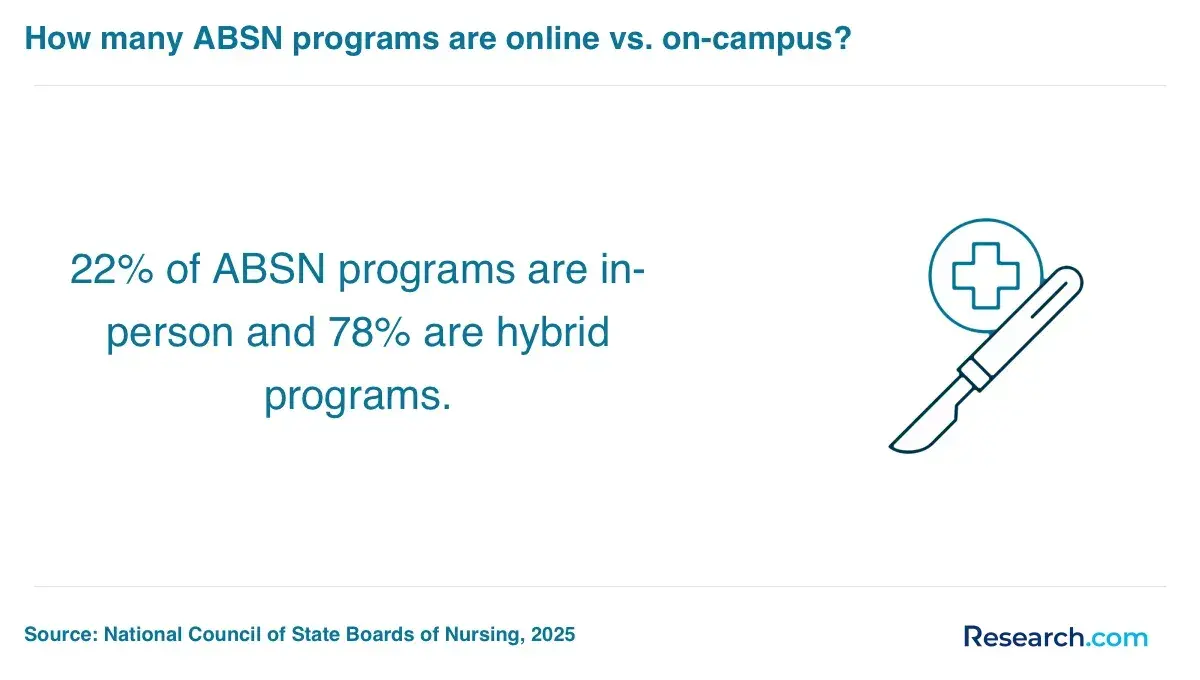
- Online vs. On-campus Formats: While predominantly on-campus to ensure hands-on clinical experience, some hybrid formats offer online coursework paired with local clinical placements, allowing flexible learning without extending program duration significantly.
- Clinical Hour Requirements: Extensive clinical hours conducted at local healthcare facilities are mandatory, ensuring practical skills are developed alongside theoretical knowledge, which directly affects program length.
- Course Sequencing: A carefully structured sequence of courses builds foundational knowledge progressively, maintaining the program's accelerated pace by avoiding delays in transitioning between academic and clinical phases.
Reflecting on her experience, a nurse who completed an ABSN program from Louisiana shared that balancing the intense schedule was challenging but rewarding. She noted, "The 15 months flew by because every week was packed with new skills and real patient care. It felt like an emotional sprint, but staying focused kept me moving forward." Transitioning from a non-healthcare background, she emphasized that the program's well-organized structure helped manage the workload effectively and quickly prepare her for the nursing profession.
How much does an accelerated BSN program cost in Louisiana?
Tuition and fees for accelerated BSN programs in Louisiana can vary widely depending on the institution, program delivery format, and additional costs related to the curriculum. Evaluating these expenses carefully is essential to estimate the total financial commitment required. Below are the primary cost factors associated with both online and on-campus ABSN programs in Louisiana:
- Tuition Rates: Tuition represents the largest portion of accelerated BSN program costs in Louisiana. Rates differ significantly between schools, where some charge as much as $586 per credit hour while others offer lower fees around $375 per credit hour. This variation directly influences the overall cost, which can range from $20,000 to over $100,000 based on the number of credits and program length.
- Technology and Lab Fees: Many programs include mandatory technology fees and lab simulation charges that cover access to online platforms, software, and clinical tools. These expenses are frequently bundled into tuition but can increase total costs, especially for online components requiring specialized equipment or software.
- Clinical Supplies and Attire: Students must budget for clinical attire and supplies such as uniforms, shoes, and medical instruments. While these costs are relatively modest compared to tuition, they are indispensable for participation in clinical rotations and practical training.
- Travel Expenses: Those enrolled in hybrid or on-campus ABSN formats should consider travel costs for in-person clinical sessions or campus visits. Travel expenses vary based on distance and frequency of required on-site presence, potentially adding a notable amount to the total program cost.
- Financial Aid Availability: Financial assistance including federal loans, scholarships, and grants play a significant role in offsetting accelerated BSN program costs in Louisiana. For instance, students may qualify for up to $12,000 through federal loan programs, and some schools offer targeted scholarships to reduce out-of-pocket expenses.
For prospective students seeking comprehensive guidance on accelerated nursing education, exploring the best rated accelerated nurse practitioner online programs can provide valuable insights into cost structures and funding opportunities.
What financial aid options are available for ABSN students in Louisiana?
Accelerated nursing programs in Louisiana can be costly, prompting many students to explore various financial aid opportunities to make their education more affordable. Several options are available to help manage the expenses associated with these intensive programs. Below are some of the most common types of financial aid accessible to students pursuing Louisiana ABSN programs.
- Federal Student Loans: Available through the Free Application for Federal Student Aid (FAFSA), these loans help cover tuition and living costs. They offer flexible repayment plans and may be subsidized or unsubsidized, making them a vital resource for many ABSN students.
- State and Institutional Grants: Grants awarded based on financial need or academic merit can significantly reduce educational costs. For instance, programs like the Cabrini Scholars at Louisiana Christian University provide grants in increments of $5,000 to qualifying students.
- Nursing Scholarships: Numerous scholarships are offered specifically for nursing students, often targeting those committed to serving particular healthcare sectors or geographic regions. Resources such as the American Association of Colleges of Nursing provide listings of these opportunities, which can help defray program expenses.
- Employer Tuition Assistance: Partnerships between ABSN programs and healthcare employers, such as the UL Lafayette · Ochsner Accelerated BSN Program, may cover tuition costs in exchange for a work commitment post-graduation, easing the financial burden while securing employment.
- Loan Forgiveness Programs for Nurses: Louisiana offers programs that forgive student loan debt for nurses who work in underserved areas or specific healthcare roles, effectively reducing long-term educational debt for participants.
Prospective students interested in advancing their nursing education may also find value in exploring what are the best online MSN to FNP programs as a further pathway after completing an accelerated BSN program in Louisiana.
What career paths are available after earning an ABSN in Louisiana?
Completing an Accelerated Bachelor of Science in Nursing (ABSN) program in Louisiana opens doors to a variety of nursing jobs for ABSN graduates in Louisiana across clinical, educational, and leadership roles in diverse healthcare environments. The following outlines the most common career opportunities after accelerated BSN Louisiana programs:
- Registered Nurse (RN): Serving as the foundation for many nursing careers, RNs provide direct patient care, administer medications, and coordinate with healthcare teams. Graduates work in settings such as hospitals, outpatient clinics, and long-term care facilities, with ABSN programs offering clinical rotations that prepare them for licensure and practical demands.
- Critical Care Nurse: Specializing in high-acuity care, these nurses monitor and treat patients in intensive care units, emergency rooms, and trauma centers. The rigorous training in ABSN programs equips graduates with the skills needed to manage complex medical situations and equipment in fast-paced environments.
- Public Health Nurse: Focused on community health, public health nurses address disease prevention and health education in schools, health departments, and outreach organizations. Louisiana's ABSN programs emphasize community-based clinical experience, preparing graduates to improve health outcomes and reduce disparities.
- Nurse Educator: Nurse educators impart knowledge by developing curricula and supervising clinical practice in academic or clinical settings. The hands-on training and simulation experiences in ABSN programs help prepare graduates for these roles supporting future nursing professionals.
- Nurse Manager: Combining clinical expertise with leadership, nurse managers oversee nursing teams, manage patient care coordination, and implement quality initiatives. ABSN curricula build essential skills in communication, collaboration, and administration to support these management responsibilities.
For those interested in advancing further, exploring cheapest PMHNP online programs can provide additional specialization and career growth opportunities beyond the initial ABSN pathway.
What is the average salary for nurses with an ABSN degree in Louisiana?
Earning an Accelerated Bachelor of Science in Nursing (ABSN) degree in Louisiana can lead to competitive salaries, with compensation varying according to factors such as experience, specialization, healthcare setting, and geographic location. Understanding these influences is essential for prospective nursing students evaluating career prospects. Key factors affecting ABSN nurse salaries in Louisiana include:
- Years of Experience: Nurses with greater clinical experience generally command higher salaries, reflecting their advanced skills and accumulated expertise in patient care.
- Type of Employer: Compensation packages differ among hospitals, clinics, and specialized care centers, with larger institutions often offering more substantial salaries than smaller healthcare facilities.
- Geographic Area: Urban centers such as New Orleans and Baton Rouge typically provide higher wages compared to rural regions, influenced by cost of living and demand for healthcare professionals.
- Specialization or Certification: Nurses holding specialized credentials in areas like intensive care or pediatrics often receive increased pay due to the specialized nature of their responsibilities.
- Level of Education: Additional certifications or advanced degrees beyond the ABSN can enhance earning potential by expanding clinical capabilities and career advancement opportunities.
Here's What Graduates Have to Say About Their ABSN Degree in Louisiana
- Completing the online ABSN program at Louisiana State University was an incredible experience that allowed me to balance work and study seamlessly. The flexibility of learning remotely made it possible to focus deeply on my coursework without sacrificing family time. After graduating, starting my nursing career in a local school has been rewarding as I contribute to student health and safety every day. I appreciate how the program prepared me not just academically but also emotionally for the challenges of nursing. The sense of community in the program kept me motivated throughout the journey. Tyrell
- Attending the Southeastern Louisiana University campus-based ABSN program was a transformative journey for me both personally and professionally. Living and learning in Louisiana provided a unique cultural context that enriched my nursing education and deepened my connection to local communities. Beginning my career as a school nurse has given me the opportunity to impact young lives directly, supporting their well-being and promoting healthier futures. The program's rigorous training pushed me to grow in confidence and adaptability, essential qualities for any nurse today. I truly feel equipped for advancement and lifelong learning in healthcare. Lainey
- My experience in the on-campus ABSN program at Tulane University merged academic excellence with real-world exposure in Louisiana's diverse healthcare settings. Facing the challenges of an accelerated curriculum in such a dynamic environment prepared me well for my role as a nurse in a local school. The program emphasized cultural competence and community engagement, which has been crucial in serving students from varied backgrounds. Professionally, earning my ABSN degree opened pathways for leadership roles and specialized training that I am excited to pursue. This journey has been both humbling and empowering. Sandy
Related Articles for Nearby States
- 2027 Best ABSN Programs - List of Accelerated BSN Programs in Mississippi: Online & Campus
- 2027 Best ABSN Programs - Accelerated BSN Programs in Arkansas: Online & Campus
- 2027 Best ABSN Programs - Accelerated BSN Programs in Texas: Online & Campus
- 2027 Best ABSN Programs - Accelerated BSN Programs in Alabama: Online & Campus
- 2027 Best ABSN Programs - List of Accelerated BSN Programs in Tennessee: Online & Campus
- 2027 Best ABSN Programs - Accelerated BSN Programs in Missouri: Online & Campus
- 2027 Best ABSN Programs - Accelerated BSN Programs in Oklahoma: Online & Campus
- 2027 Best ABSN Programs - Accelerated BSN Programs in Florida: Online & Campus
- 2027 Best ABSN Programs - Accelerated BSN Programs in Kentucky: Online & Campus
- 2027 Best ABSN Programs - Accelerated BSN Programs in Georgia: Online & Campus
References:
- 7 Challenges to Prepare for in Accelerated Nursing Programs https://www.edumed.org/articles/7-challenges-to-prepare-for-in-accelerated-nursing-programs/
- Accelerated Bachelor of Science in Nursing https://franu.edu/academics/academic-programs/nursing/bachelor-of-science-in-nursing-accelerated
- Accelerated Nursing Programs in Louisiana: The 7 Best for Your Career https://betternurse.org/accelerated-nursing-programs-louisiana/
- The two Louisiana schools with most affordable online nursing programs in U.S. https://www.ktalnews.com/news/louisiana/these-two-louisiana-schools-have-most-affordable-online-nursing-programs-in-u-s/
- The School of Nursing – Louisiana Christian University https://lcuniversity.edu/academics/school-of-nursing/
- Best Nursing Schools in Louisiana - ADN, BSN - Updated https://www.registerednursing.org/state/louisiana/
- Approved Schools of Nursing - Louisiana State Board of Nursing https://www.lsbn.state.la.us/schools-nursing/
- Accelerated Nursing Program https://www.southeastern.edu/majors-and-minors/nursing-accelerated-bs-baton-rouge/
- What Is an ABSN and Is It Worth It? https://nurse.org/education/what-is-absn/
- Accelerated BSN Option - New Orleans https://www.herzing.edu/nursing/accelerated-bsn/louisiana/new-orleans
Other Things You Should Know About Becoming a Nurse in Louisiana
In 2027, top-rated Accelerated BSN programs in Louisiana include those from LSU Health New Orleans, Loyno, and Louisiana College, known for their rigorous curriculum, high NCLEX pass rates, and strong clinical placements. These programs offer comprehensive training for aspiring nurses.
An accelerated BSN offers a comprehensive foundation in nursing, enabling graduates to gain critical knowledge and clinical skills quickly, making it easier to transition into an MSN program. Most MSN programs prefer or require a BSN, positioning graduates well for advanced nursing education in Louisiana.
In 2027, Louisiana State University Health New Orleans and Louisiana College are among the accredited institutions offering accelerated BSN programs. These programs provide comprehensive nursing education that prepares students for the NCLEX-RN and a career in nursing within a shorter timeframe.


