
2027 Best ABSN Programs - List of Accelerated BSN Programs in Wisconsin: Online & Campus

Co-Founder and Chief Data Scientist
Wisconsin's healthcare sector is growing steadily, with the state expecting a 15% increase in nursing job openings by 2030. This demand makes pursuing accelerated BSN programs, available both online and on-campus, a strategic move for aspiring nurses. Online programs offer flexibility for working adults, while campus options provide immersive clinical experiences. Both paths lead to licensure eligibility and career advancement. Understanding how these programs operate in Wisconsin helps candidates align their goals with practical timelines and state-specific requirements.
This article, crafted by career planning experts, explains what accelerated BSN programs in Wisconsin entail. It guides readers through what to expect, key factors to consider, and how to make informed decisions when selecting the right ABSN pathway in the state.
Key Benefits of ABSN Programs in Wisconsin
- Wisconsin's ABSN programs often offer flexible online coursework combined with on-campus clinicals, making it easier for working students to balance study and life commitments.
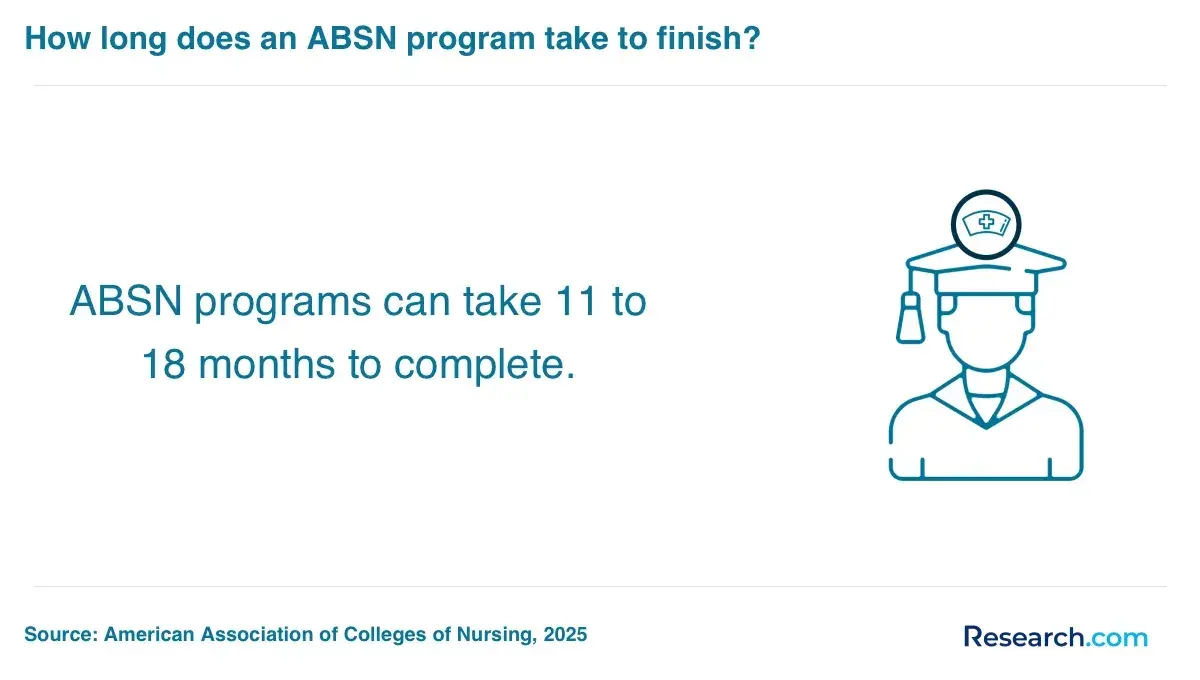
- These programs typically complete in 12 to 18 months, allowing graduates to enter the nursing workforce faster compared to traditional BSN paths.
- Many Wisconsin ABSN programs have strong ties to local healthcare systems, improving job placement rates that reach up to 90% within six months post-graduation.
- Who can apply for accelerated BSN programs in Wisconsin?
- What are the admission requirements for accelerated BSN programs in Wisconsin?
- Do accelerated BSN programs in Wisconsin require entrance exams?
- What does the curriculum of an accelerated BSN program in Wisconsin include?
- What accreditation should I look for in an ABSN program in Wisconsin?
- How long does it take to complete an accelerated BSN in Wisconsin?
- How much does an accelerated BSN program cost in Wisconsin?
- What financial aid options are available for ABSN students in Wisconsin?
- What career paths are available after earning an ABSN in Wisconsin?
- What is the average salary for nurses with an ABSN degree in Wisconsin?
Who can apply for accelerated BSN programs in Wisconsin?
Accelerated Bachelor of Science in Nursing (ABSN) programs in Wisconsin are tailored for individuals who already possess a bachelor's degree in a non-nursing field and seek a quicker transition into nursing. These programs compress essential nursing education, building on previous academic achievements to prepare students for nursing roles efficiently. Applicants must meet specific academic criteria, reflecting the rigorous nature of accelerated study. Understanding the admission requirements for accelerated BSN programs in Wisconsin helps prospective students ensure they are well-prepared to apply. The competitive admissions process emphasizes readiness for an intensive curriculum rather than just minimum qualifications.
Those pursuing ABSN programs in Wisconsin often include career changers from business, education, or social sciences, recent graduates aiming for a fast entry into healthcare, and professionals seeking more meaningful or stable employment. Successful applicants typically demonstrate strong academic motivation, effective time management skills, and a genuine passion for patient care, all essential to thrive in accelerated settings. Meeting the eligibility criteria for ABSN programs in Wisconsin usually involves a satisfactory GPA and prerequisite science coursework, with some programs requiring additional certification or testing. For those interested in nursing specialties, exploring the psychiatric nurse practitioner career path can offer insight into potential future opportunities.
What are the admission requirements for accelerated BSN programs in Wisconsin?
Admission into accelerated BSN programs in Wisconsin is competitive and carefully structured to identify students who are academically prepared and motivated to handle an intensive nursing curriculum. Below are the core admission requirements common to both online and on-campus ABSN programs in Wisconsin to help you understand the prerequisites for ABSN programs in Wisconsin:
- Non-Nursing Bachelor's Degree: Applicants must hold a bachelor's degree in a field other than nursing. This ensures candidates have demonstrated the discipline required to complete a rigorous undergraduate program, laying a solid foundation for the accelerated nursing studies ahead.
- Prerequisite Coursework: Completion of specific prerequisite courses, typically including human anatomy, physiology, microbiology, chemistry, and psychology, is essential. These courses prepare students with the necessary scientific background and critical thinking skills to succeed in nursing education.
- Minimum GPA Standards: A competitive cumulative GPA, often around 3.0 or higher, is required to demonstrate consistent academic performance. Meeting this threshold helps programs select students capable of managing the demanding accelerated curriculum.
- Application Materials: Applicants must submit a comprehensive application package that includes recommendation letters and a personal statement. These documents provide insight into the applicant's character, motivation, and readiness for the nursing profession, supporting the academic data with personal context.
For those interested in the career benefits and financial rewards of advancing in nursing, including post-graduation earnings, examining the psychiatric mental health nurse practitioner salary across states can provide perspective on potential future opportunities.
Do accelerated BSN programs in Wisconsin require entrance exams?
Entrance exam requirements for Accelerated Bachelor of Science in Nursing (ABSN) programs in Wisconsin vary by institution, with no universal mandate across the state. Some programs, especially at schools like the University of Wisconsin Oshkosh, require the Test of Essential Academic Skills (TEAS) for candidates whose academic records fall below certain GPA thresholds. The TEAS evaluates foundational skills in reading, math, science, and English, aiming to predict applicants' readiness for the demanding ABSN curriculum. Other schools, including prominent ones such as the University of Wisconsin-Madison and Edgewood College, typically do not require standardized entrance exams but focus heavily on GPA and prerequisite coursework performance. Applicants should carefully review each program's admissions criteria to determine if an entrance exam is necessary.
Wisconsin nursing schools that use entrance exams do so to objectively assess applicants' academic preparedness and critical thinking capabilities. These exams provide a standardized benchmark beyond GPA, helping admissions committees distinguish among candidates when academic records alone may not fully reflect potential success. Entrance exams measure essential skills like scientific reasoning and quantitative literacy, which are crucial for managing the accelerated pace of ABSN programs. By setting this bar, programs aim to ensure students can cope with rigorous course requirements and maintain strong pass rates on nursing licensure exams. This approach aligns with the state's goal of graduating competent, practice-ready nurses who meet healthcare workforce demands efficiently.
One Wisconsin nurse who graduated from a local ABSN program shared that while their campus-based program did not require a formal entrance exam, there was a strong emphasis on maintaining a high GPA and completing all prerequisite courses thoroughly. They recalled hearing from peers in online ABSN tracks that certain schools do use exams like the TEAS selectively, which initially caused some anxiety among applicants. However, this nurse viewed the process positively, noting the clarity it provided about academic expectations. "It helped me understand where I stood and what gaps I needed to focus on before I even started," they said, emphasizing how entrance exams, when required, can serve as a useful preparatory step, especially for those transitioning from different fields or returning to school after a gap.
What does the curriculum of an accelerated BSN program in Wisconsin include?
The accelerated BSN curriculum in Wisconsin is designed to build clinical competence and nursing knowledge efficiently, condensing essential learning into about 12 to 24 months. This approach balances theory, hands-on practice, and exam preparation to ready students for immediate entry into nursing roles. Key components common to both online and on-campus ABSN programs include:
- Foundational Nursing Courses: These cover anatomy, physiology, pharmacology, and nursing theory, providing a solid base in human health and nursing principles necessary for advanced study and clinical work.
- Health Assessment and Patient Care: Students develop skills in conducting thorough physical, psychological, and social assessments, enhancing their ability to deliver comprehensive, patient-centered care.
- Nursing Skills and Simulation Labs: Practical labs use simulation technology for activities like IV insertion and medication administration, allowing students to hone technical skills safely before clinical placements.
- Clinical Rotations: Supervised hands-on experience in diverse healthcare settings connects classroom learning to real-world patient care, building critical thinking and bedside manner.
- Mental Health and Community Nursing: Coursework prepares students to address mental health issues and community health challenges, equipping them to serve both urban and rural populations.
- Nursing Ethics, Leadership, and Management: These classes focus on ethical decision-making, healthcare law, and leadership skills vital for navigating modern nursing roles.
- NCLEX-RN Preparation: Integrated review modules and practice exams ensure graduates are ready and confident to pass the RN licensure exam on their first attempt.
- Integration of Prior Learning and Accelerated Pace: Programs leverage previous bachelor's degree credits, requiring students to commit to an intensive, fast-tracked schedule that demands discipline and focus.
What accreditation should I look for in an ABSN program in Wisconsin?
Accreditation is essential for ensuring your ABSN education meets high standards, qualifies you for the nursing licensure exam, and supports your career prospects across healthcare settings. When choosing an online or on-campus ABSN program in Wisconsin, verify these key accreditations and approvals:
- Institutional Accreditation: Ensure your school is regionally accredited by a recognized agency like the Higher Learning Commission. This confirms the overall quality, financial health, and ethical operation of the institution, which affects credit transfers, graduate study eligibility, and federal aid.
- Programmatic Accreditation (CCNE or ACEN): Look for program accreditation from the Commission on Collegiate Nursing Education or the Accreditation Commission for Education in Nursing. These accreditations verify that the nursing curriculum, faculty, and outcomes meet national standards and are required to qualify for the NCLEX-RN exam and competitive employment.
- Wisconsin State Board of Nursing Approval: The program must be approved by the Wisconsin Board of Nursing to ensure it complies with state-specific educational and clinical standards. This approval is mandatory for graduates to sit for the licensing exam and practice nursing in Wisconsin.
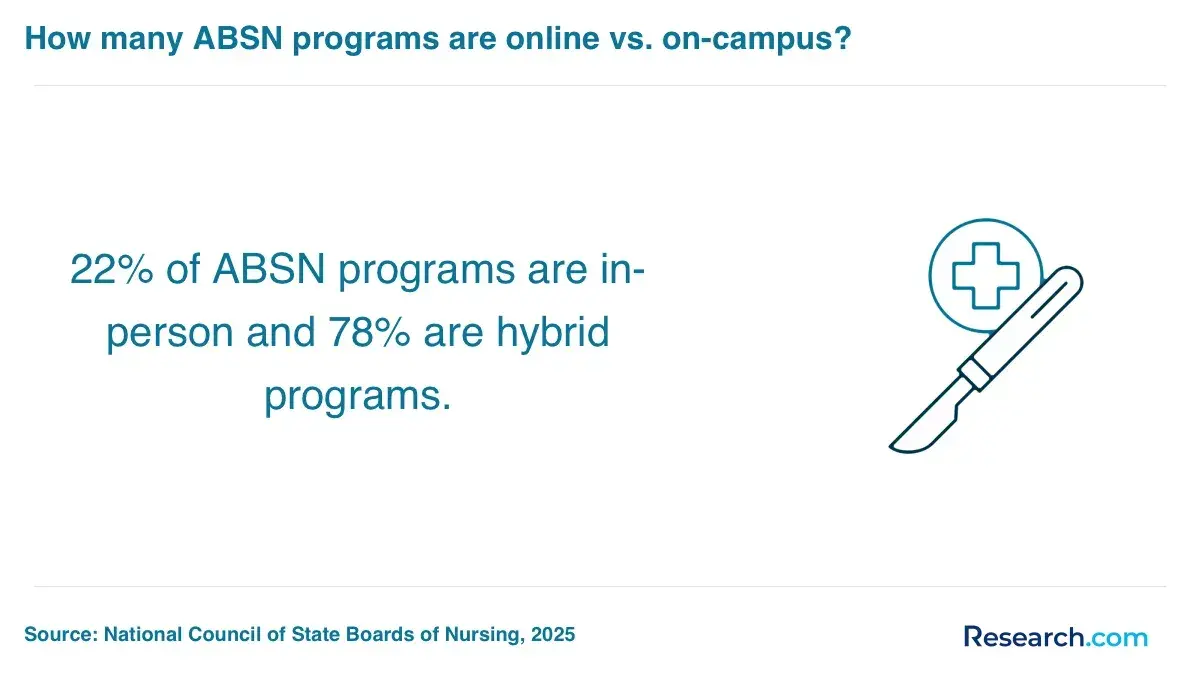
- Online Education Authorization (if applicable): For hybrid or online ABSN programs, confirm the institution is authorized to provide distance education in your state and that online coursework adheres to the same quality and clinical requirements as on-campus programs.
How long does it take to complete an accelerated BSN in Wisconsin?
ABSN programs in Wisconsin cater to students who already have a bachelor's degree in a non-nursing field and want to transition into nursing quickly. Various factors influence how long it takes to complete these programs, including format, study intensity, and clinical requirements.
- Typical Program Length: Most programs range from 12 to 24 months, with full-time, year-round options completing in about a year, while some part-time paths may extend the timeline.
- Full-Time vs. Part-Time Study: These programs are mainly full-time, with part-time options being rare; full-time attendance is essential to keep pace in the accelerated curriculum.
- Online vs. On-Campus Formats: Hybrid programs offer flexible coursework but still demand in-person clinical hours, so total duration remains similar across formats.
- Clinical Hours: Hands-on clinical rotations must be completed in person, often requiring several hundred hours spaced throughout the program.
- Course Sequencing and Prerequisites: Courses follow a strict sequence, and any missing science prerequisites must be finished before starting, which can delay enrollment.
When I spoke with a nurse who graduated from a Wisconsin ABSN program, she reflected on the intense but rewarding year-long journey. Transitioning from a different career, she described the first summer semester as "a whirlwind," balancing fast-paced classes with demanding clinical hours. She noted, "You really have to commit fully because the program doesn't wait." Her experience highlighted how the program's tight schedule and clinical requirements shaped her daily routine but ultimately prepared her thoroughly for nursing practice. She valued the clear structure that helped her stay focused during the accelerated timeline, proving that with determination, the transition is achievable in about a year.
How much does an accelerated BSN program cost in Wisconsin?
Tuition and fees for accelerated BSN programs in Wisconsin can vary depending on the school, program format, and other related expenses. Considering these factors carefully will help you budget for the full scope of costs involved in pursuing your nursing degree. Here are the main cost factors to keep in mind for both online and campus ABSN programs in Wisconsin:
- Tuition Rates: Tuition costs vary widely by institution and residency status. Some programs charge a flat rate for in-state students while others have the same tuition for residents and non-residents. For example, some Wisconsin colleges offer tuition around $45,000 for residents, with out-of-state students paying more, whereas others set a single rate near $50,000 regardless of residency.
- Technology and Lab Fees: Additional fees commonly cover technology platforms, lab equipment, and clinical simulations essential for hands-on learning. These fees are sometimes bundled into the overall program cost but can also be billed separately, adding several hundred to a few thousand dollars to your total expenses.
- Clinical Supplies and Equipment: Beyond tuition, students must budget for clinical supplies such as uniforms and personal equipment. These items are necessary for clinical rotations and usually are not included in tuition or lab fees, so plan for these extra costs accordingly.
- Travel Expenses for In-Person Components: Hybrid and on-campus ABSN students should anticipate travel costs to attend classes and clinical sessions. This variable expense depends largely on your distance from campus and clinical sites, and it can impact your overall budget significantly.
- Financial Aid Availability: Many schools offer financial aid options like federal loans and nursing scholarships, though grants through FAFSA are often limited for second-degree students. It's important to connect with financial aid offices early to maximize your funding opportunities and manage the cost of accelerated programs effectively.
Careful consideration of these key factors will give you a clearer picture of the cost of accelerated BSN programs in Wisconsin. For insight into advanced nursing education paths, review details about the best rated bsn to np degree program to plan your future steps after completion.
What financial aid options are available for ABSN students in Wisconsin?
Because accelerated nursing programs in Wisconsin can be costly, many students explore different financial aid opportunities to make their education more affordable. Below are practical financial aid options commonly available for ABSN students in the state.
- Federal Student Loans: Federal loans are the primary financial aid option for accelerated BSN programs in Wisconsin since Pell Grants are typically unavailable to second-degree students. Completing the FAFSA can qualify you for Direct Unsubsidized Loans and, in some cases, Graduate PLUS Loans to help cover tuition and living expenses.
- State and Institutional Grants: Wisconsin residents should investigate state-based programs like the Wisconsin Grant Program, which offers need-based aid specifically for eligible students. Additionally, some nursing schools provide institutional grants or need-based awards that can reduce out-of-pocket costs depending on your financial situation.
- Nursing Scholarships: Wisconsin nursing scholarships and grants are plentiful, especially at universities like UW-Madison, which awards significant scholarship funds annually. External scholarships from organizations such as the Wisconsin Nurses Association may also support your education, so applying broadly can maximize your funding.
- Employer Tuition Assistance: If you are currently employed in healthcare, check whether your employer offers tuition reimbursement or loan repayment programs. Such benefits can significantly offset tuition costs if you agree to continue working for the organization after graduation.
- Loan Forgiveness Programs for Nurses: To make student debt more manageable, graduates working in underserved or rural Wisconsin areas might qualify for loan forgiveness through programs like the Nurse Corps Loan Repayment Program. These initiatives repay a portion of student loans in exchange for service commitments, easing financial pressure during early career years.
For those seeking advanced credentials, consider exploring post graduate fnp certificate online options that may also offer financial aid tailored to working professionals.
What career paths are available after earning an ABSN in Wisconsin?
Completing an Accelerated Bachelor of Science in Nursing (ABSN) program in Wisconsin opens doors to diverse nursing roles across various healthcare settings, providing numerous ABSN career opportunities in Wisconsin. Here are some common nursing jobs after ABSN Wisconsin graduates often pursue:
- Registered Nurse (RN): RNs deliver direct patient care, administer medications, and monitor health conditions in hospitals, clinics, and community health centers. The ABSN curriculum offers strong clinical training and prepares students to pass the NCLEX-RN licensure exam, equipping graduates for success in various healthcare environments.
- Critical Care Nurse: These nurses care for patients facing severe illnesses or injuries, typically in intensive care units. Wisconsin ABSN programs include clinical rotations in critical care settings, building the quick decision-making and assessment skills required for these high-pressure roles.
- Public Health Nurse: Focusing on disease prevention and health promotion in communities, public health nurses work in schools, agencies, and community organizations. ABSN coursework covers population health concepts, preparing graduates to address community health needs effectively.
- Nurse Educator: After gaining clinical experience, some graduates choose to teach nursing students in academic settings. Nurse educators must combine clinical expertise with strong communication skills to guide future nurses.
- Nurse Manager: Nurse managers lead nursing teams, manage staffing and budgeting, and develop policies to ensure quality care. ABSN programs provide leadership training tailored to roles in healthcare organizations across Wisconsin.
For those interested in advancing further, exploring if are online womens health nurse practitioner degree programs affordable can be a practical next step toward specialization and higher earning potential.
What is the average salary for nurses with an ABSN degree in Wisconsin?
Earning an Accelerated Bachelor of Science in Nursing (ABSN) degree in Wisconsin can lead to competitive salaries, though compensation varies based on experience, specialization, healthcare setting, and geographic location. Understanding the key factors that influence nurse salaries helps in planning a career path effectively. Consider the following elements when evaluating earning potential:
- Years of Experience: More clinical experience typically results in higher salaries, with entry-level ABSN nurses starting near the lower salary range and seasoned professionals earning substantially more through incremental raises.
- Type of Employer: Larger hospitals, academic medical centers, and Magnet-designated facilities tend to offer better pay and benefits compared to smaller clinics or long-term care settings.
- Geographic Area: Urban centers like Milwaukee and Madison generally offer higher wages due to increased demand and cost of living, whereas rural regions may present lower salary ranges.
- Specialization or Certification: Pursuing certifications in areas such as critical care or emergency nursing can significantly boost salary prospects by demonstrating advanced skills and dedication.
- Level of Education and Continued Learning: Additional graduate education and professional development open doors to leadership or advanced practice roles with higher earning potential.
Here's What Graduates Have to Say About Their ABSN Degree in Wisconsin
- Completing the online ABSN program at the University of Wisconsin-Milwaukee allowed me to balance my family life while pursuing my passion for nursing. The flexibility of remote classes combined with occasional on-campus labs created a perfect learning environment that prepared me well for the challenges on the floor. Starting my nursing career in a local hospital, I quickly realized how valuable my education was in real-world scenarios, especially in fast-paced medical settings. I'm proud to contribute to my community's health and look forward to continual growth in my profession. Kyrie
- Attending Marquette University's on-campus ABSN program was a transformative experience that challenged me intellectually and emotionally. The hands-on clinical experiences and nurturing faculty guided me towards a deeper understanding of patient care. After graduation, beginning work as a nurse within a local school gave me the unique opportunity to support children's health and wellness directly, which is incredibly rewarding. The program not only honed my skills but also cemented my commitment to making a positive impact where it matters most. Lucas
- Pursuing my ABSN degree through the University of Wisconsin-Madison ignited my professional development beyond my expectations. The demanding curriculum and community-focused projects enhanced my critical thinking and leadership skills. Starting my career in a local outpatient clinic, I've witnessed how my advanced training facilitates better patient outcomes and provides me with the confidence to guide healthcare teams. Being a nurse in Wisconsin offers stability and growth potential, which motivates me every day to continue learning and advancing. Hyacinth
Related Articles for Nearby States
- 2027 Best ABSN Programs - List of Accelerated BSN Programs in Minnesota: Online & Campus
- 2027 Best ABSN Programs - Accelerated BSN Programs in Iowa: Online & Campus
- 2027 Best ABSN Programs - Accelerated BSN Programs in Illinois: Online & Campus
- 2027 Best ABSN Programs - Accelerated BSN Programs in Michigan: Online & Campus
- 2027 Best ABSN Programs - Accelerated BSN Programs in Indiana: Online & Campus
- 2027 Best ABSN Programs - Accelerated BSN Programs in Missouri: Online & Campus
- 2027 Best ABSN Programs - Accelerated BSN Programs in Ohio: Online & Campus
- 2027 Best ABSN Programs - List of Accelerated BSN Programs in South Dakota: Online & Campus
- 2027 Best ABSN Programs - Accelerated BSN Programs in Nebraska: Online & Campus
- 2027 Best ABSN Programs - Accelerated BSN Programs in Kentucky: Online & Campus
References:
- Financial Support – School of Nursing – UW–Madison https://nursing.wisc.edu/financial-support/
- BSN-ASD Common Questions https://www.msoe.edu/academics/undergraduate-degrees/nursing/bs-in-nursing-accelerated-second-degree-track/common-questions/
- Accelerated Nursing Students - Financial Aid Office https://www.uwosh.edu/financialaid/students/accel/
- Post-Baccalaureate Accelerated Bachelor of Science in Nursing - Edgewood University https://www.edgewood.edu/academics/programs/post-baccalaureate-accelerated-bachelor-of-science-in-nursing/
- How much can I work during an accelerated BSN program? https://www.herzing.edu/faq/how-much-can-i-work-during-accelerated-nursing-program
- Best Accelerated BSN (ABSN) Programs 2025 https://nurse.org/articles/accelerated-bsn-programs-fast-track-into-an-rn-car/
- Student Spotlight: Netra Chhantyal https://blog.cuw.edu/student-spotlight-netra-chhantyal-2163-4/
- Accelerated bachelor’s helps student transition to nursing career quickly - Professional Degrees & Certificates https://pdc.wisc.edu/blog/accelerated-bachelors-helps-student-transition-to-nursing-career-quickly-2/
- Best Nursing Schools in Wisconsin - ADN, BSN - Updated https://www.registerednursing.org/state/wisconsin/
- Registered Nurse Salary in Wisconsin | Incredible Health https://www.incrediblehealth.com/salaries/rn/wi
Other Things You Need to Know About Accelerated BSN Programs in Wisconsin
Most Accelerated BSN programs in Wisconsin require the TEAS (Test of Essential Academic Skills) or the HESI A2 exam for admission. These exams assess applicants' academic readiness for nursing programs, ensuring they meet the rigorous demands of healthcare education.
Accelerated BSN programs in Wisconsin in 2027 play a crucial role in addressing the nursing shortage by offering expedited pathways for individuals with non-nursing bachelor's degrees to become registered nurses. These programs typically use intensive curricula and practical experiences to quickly prepare students for the workforce.
Students enrolled in ABSN programs in Wisconsin often face challenges balancing the accelerated pace with personal and professional responsibilities, as these programs demand intense time commitment and rigorous coursework. Additionally, clinical placement availability can be competitive due to limited local sites, creating scheduling difficulties. Navigating both online and on-campus components requires strong time-management skills, while adapting quickly to diverse clinical environments tests students' ability to apply theoretical knowledge effectively in practice. These challenges highlight the importance of resilience and support systems for success in Wisconsin's ABSN programs.


