
2027 Best ABSN Programs - Accelerated BSN Programs in Maine: Online & Campus

Co-Founder and Chief Data Scientist
Maine's healthcare sector is growing steadily, with employment for registered nurses expected to increase by over 12% in the next decade. This rise creates strong demand for qualified nurses, making accelerated Bachelor of Science in Nursing (ABSN) programs an excellent pathway for career changers or motivated students seeking swift entry into the nursing field. Whether online or campus-based, these programs offer flexibility and quality education tailored to adapt to diverse lifestyles while meeting Maine's healthcare needs.
This article, crafted by experts in career planning, unpacks what ABSN programs in Maine truly entail. It guides readers through understanding program structures, essential features, and key factors to consider. By illuminating what to expect and how to choose wisely, it empowers prospective students to navigate their ABSN journey with clarity and confidence.
Key Benefits of ABSN Programs in Maine
- Accelerated BSN programs in Maine offer flexible online and campus options, making it easier for busy professionals to advance their nursing careers quickly.
- Maine's ABSN programs have a strong NCLEX pass rate, often exceeding 90%, demonstrating high-quality education and preparation for licensure.
- Students benefit from Maine's supportive clinical partnerships, gaining diverse hands-on experience in renowned healthcare settings across the state.
- Who can apply for accelerated BSN programs in Maine?
- What are the admission requirements for accelerated BSN programs in Maine?
- Do accelerated BSN programs in Maine require entrance exams?
- What does the curriculum of an accelerated BSN program in Maine include?
- What accreditation should I look for in an ABSN program in Maine?
- How long does it take to complete an accelerated BSN in Maine?
- How much does an accelerated BSN program cost in Maine?
- What financial aid options are available for ABSN students in Maine?
- What career paths are available after earning an ABSN in Maine?
- What is the average salary for nurses with an ABSN degree in Maine?
Who can apply for accelerated BSN programs in Maine?
Accelerated Bachelor of Science in Nursing (ABSN) programs in Maine offer a tailored path for individuals who already hold a bachelor's degree in a non-nursing field and want to transition into a nursing career more quickly. These programs are structured to build on prior academic achievements, requiring applicants to meet specific academic prerequisites such as science courses in anatomy, physiology, and microbiology. Understanding the admission requirements for ABSN programs in Maine is essential for prospective students to prepare for this fast-paced educational journey. By leveraging previous education and focusing on nursing-specific knowledge, these programs provide an efficient route into a rewarding healthcare profession.
The typical candidates for accelerated nursing programs in Maine include career changers seeking a meaningful shift to healthcare, recent graduates eager to enter the workforce rapidly, and professionals desiring more stable and fulfilling work. Successful applicants often demonstrate strong academic motivation, excellent time management skills, and a genuine passion for patient care. These qualities are crucial for managing the rigorous demands of both online and on-campus formats. For those considering advancement in nursing, understanding factors like the fnp vs dnp salary may also help inform their educational and career decisions. Overall, individuals who embrace these accelerated nursing programs are positioned to make a significant impact in healthcare while building a promising professional future.
What are the admission requirements for accelerated BSN programs in Maine?
Admission into accelerated BSN programs in Maine is competitive and designed to identify students who are academically prepared and motivated to handle an intensive nursing curriculum. These programs attract individuals eager to transition quickly and effectively into the nursing profession. Below are the key admission requirements common to both online and on-campus accelerated BSN programs in Maine that help ensure candidates are ready for this challenge.
- Non-Nursing Bachelor's Degree: Applicants must hold a bachelor's degree from an accredited institution in a field other than nursing. This prior degree reflects a foundation of academic maturity and critical thinking skills essential for success in an accelerated nursing curriculum.
- Prerequisite Courses: Completion of specific prerequisite courses, such as anatomy, physiology, microbiology, and statistics, is required. These sciences prepare students with the foundational knowledge needed to excel, emphasizing the importance of meeting the prerequisites for ABSN programs in Maine.
- Minimum GPA Standards: Most programs require a minimum cumulative GPA, often around 3.0, and may also set standards for prerequisite course grades. Maintaining strong academic performance signals readiness to manage the rigors of nursing studies and helps ensure success throughout the program.
- Application Materials: Applicants typically submit letters of recommendation, a personal statement, and official transcripts. These materials enable admissions committees to assess motivation, commitment to nursing, and academic potential. Crafting a thoughtful personal statement can be a powerful way to express your passion and determination for nursing.
For those interested in expanding their nursing expertise beyond the ABSN program, exploring career advancement opportunities such as how to become functional medicine nurse practitioner may provide inspiring next steps on your healthcare journey.
Do accelerated BSN programs in Maine require entrance exams?
In Maine, Accelerated Bachelor of Science in Nursing (ABSN) programs generally do not require standardized entrance exams such as the TEAS, HESI, or GRE for admission to most four-year colleges and universities. Instead, many institutions focus on applicants' previous academic achievements and completion of prerequisite courses like Anatomy and Physiology, Microbiology, and Statistics. However, requirements can differ depending on the school; some community colleges may request the TEAS exam or have conditional requirements based on academic performance. The TEAS, when used, evaluates essential skills including reading, math, science, and English language usage, ensuring that students possess foundational knowledge for the demanding pace of ABSN coursework. This approach allows applicants with diverse educational backgrounds to demonstrate readiness in multiple ways.
Some nursing schools in Maine utilize entrance exams to assess academic preparedness and critical thinking abilities, aiming to admit students who will thrive in accelerated programs. These exams offer a standardized way to compare candidates beyond grades alone, especially important in competitive programs with limited seats. Entrance exams can help predict student success in both theoretical learning and clinical performance, contributing to lower attrition rates. This ensures that future nurses are well-prepared to meet the state's healthcare needs with strong skills and confidence. The exams serve as a tool to uphold the high standards of Maine's nursing workforce, reinforcing the quality and integrity of fast-track nursing education.
When I spoke with a nurse from Maine who graduated from an ABSN program at a local university, he reflected thoughtfully on his admissions experience. Though the program did not require an entrance exam, he recalled friends who attended community colleges where the TEAS was mandatory. He found the process encouraging, as it allowed him to focus on excelling in prerequisite courses rather than preparing for an exam. Yet, he acknowledged the value of entrance tests for some, noting they helped peers identify areas to strengthen before intensive nursing studies. His journey highlighted the flexibility and personal nature of admissions across Maine's ABSN programs, stressing that whether online or on-campus, candidates have multiple pathways to pursue their nursing ambitions with determination and support.
What does the curriculum of an accelerated BSN program in Maine include?
The accelerated BSN curriculum in Maine is thoughtfully designed to equip students with comprehensive clinical skills and nursing knowledge within a focused, fast-paced timeframe. This approach balances rigorous academics with practical experiences to prepare confident, competent nurses. Key elements included across both online and on-campus programs emphasize a strong foundation in nursing and readiness for professional practice.
- Foundational Nursing Courses: These courses build essential biomedical and psychosocial knowledge, covering subjects like anatomy, microbiology, and pharmacology. They create a solid base for understanding patient care across all age groups and health conditions.
- Adult Health Nursing: Focused on acute and chronic illnesses in adults, these courses combine classroom learning with clinical practice to develop critical assessment and care planning skills for diverse patient needs.
- Maternal-Child and Pediatric Nursing: Emphasizing family-centered care, this component prepares students to support childbearing families, newborns, and children through both theory and clinical experience in relevant settings.
- Mental Health Nursing: Students explore therapeutic communication and evidence-based interventions for mental health challenges, gaining empathy and practical assessment strategies through hands-on clinical work.
- Community and Public Health Nursing: This area expands nursing roles to population health, emphasizing disease prevention, health promotion, and advocacy for vulnerable groups within community environments.
- Clinical Training and Simulation Labs: High-impact clinical hours paired with realistic simulation labs allow students to practice critical thinking and technical skills safely, building confidence before real-world patient care.
- Research and Evidence-Based Practice: Training in research methods equips students to apply the latest scientific evidence for high-quality, informed nursing decisions and lifelong learning.
- Leadership and Professional Transition: Coursework nurtures leadership, ethical decision-making, and navigation of healthcare systems, supporting a smooth transition into the nursing workforce.
- NCLEX-RN Preparation: Integrated review sessions, practice tests, and personalized coaching ensure students are well-prepared to succeed on this essential licensing exam.
What accreditation should I look for in an ABSN program in Maine?
Accreditation is essential for assuring the quality of an ABSN program, unlocking eligibility for licensure, and opening doors to rewarding nursing careers. Here are the key accreditations to look for when choosing an online or on-campus ABSN program in Maine:
- Institutional Accreditation: This comes from a regional accrediting body like the New England Commission of Higher Education (NECHE). It confirms that the college or university meets high standards in academics and operations, ensuring your degree is respected and credits can transfer smoothly.
- Programmatic Accreditation (CCNE): The Commission on Collegiate Nursing Education focuses specifically on nursing programs, verifying that the curriculum, faculty, and student outcomes meet national excellence standards. Graduation from a CCNE-accredited ABSN strengthens your career prospects and graduate school applications.
- Programmatic Accreditation (ACEN): Another respected nursing accreditor, the Accreditation Commission for Education in Nursing evaluates nursing programs comprehensively, underscoring program quality and preparing students for success in licensure and professional practice.
- Maine State Board of Nursing Approval: This state-level approval confirms the program meets Maine's regulatory standards. It's a crucial requirement for eligibility to take the NCLEX-RN exam and practice as a registered nurse within the state.
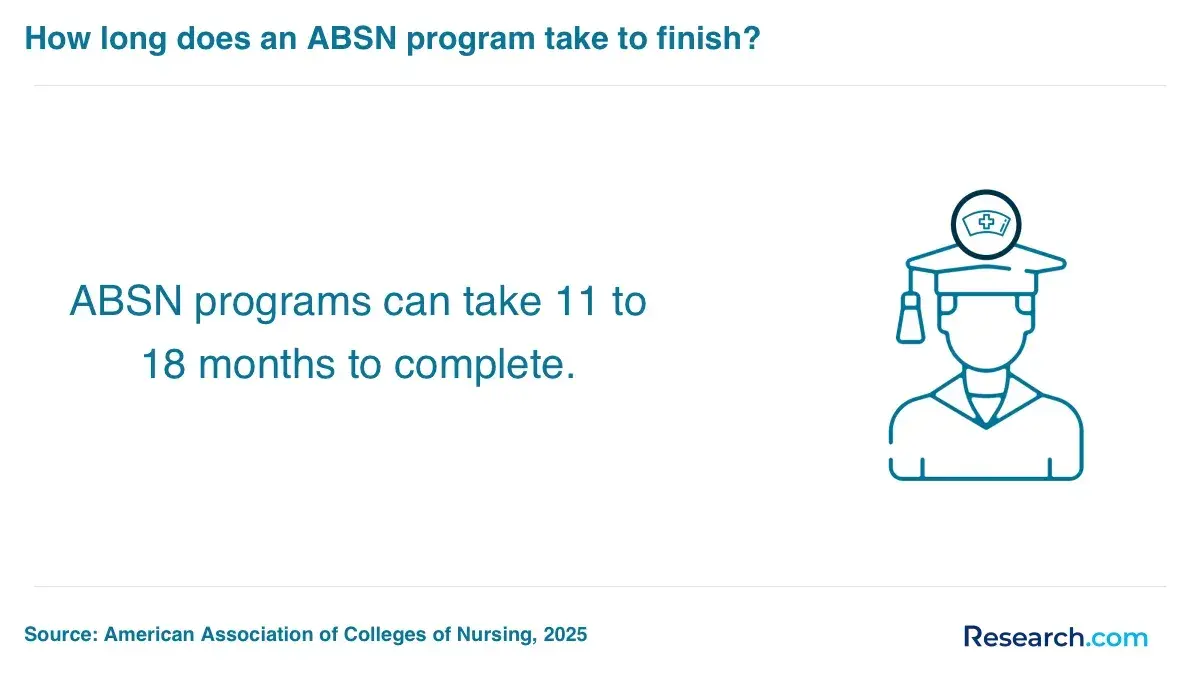
How long does it take to complete an accelerated BSN in Maine?
Accelerated Bachelor of Science in Nursing (ABSN) programs in Maine welcome students with non-nursing bachelor's degrees who are eager to transition swiftly into nursing. These programs balance intensity with flexibility to help you reach your nursing goals efficiently. Here are the main factors shaping how long it takes to complete an ABSN in Maine:
- Typical Program Lengths: Most ABSN programs last between 12 and 15 months of full-time study, with some offering hybrid or fully on-campus formats to fit different learning styles.
- Full-Time vs. Part-Time Study: ABSN programs are designed as full-time commitments due to rigorous coursework and clinical hours; part-time options are rare and would extend completion time substantially.
- Online vs. On-Campus Formats: Hybrid programs blend online coursework with on-campus immersions and local clinical placements, maintaining hands-on experience without sacrificing convenience.
- Clinical Hour Requirements: Completing substantial clinical hours is essential and carefully scheduled, anchoring the program's length and ensuring readiness for professional nursing.
- Course Sequencing: A structured sequence builds essential nursing skills step-by-step, so prerequisite completion and timely progression are key to staying on track.
A nurse I spoke with, who completed her ABSN at a local Maine school, described the journey as both exhilarating and demanding. Transitioning from a previous career, she highlighted that the 15-month program felt like an intense but rewarding marathon. "Balancing full-time study with clinical hours pushed me beyond what I thought possible," she reflected, "but the structured schedule and supportive faculty made every challenge manageable." Her story is a testament to the transformative power of Maine's ABSN programs, proving that with dedication, a nursing career is truly within reach in just over a year.
How much does an accelerated BSN program cost in Maine?
Tuition and fees for accelerated BSN programs in Maine can vary widely depending on the school, whether the program is online or on-campus, and additional expenses related to clinical placements and technology. To help you plan your educational investment wisely, here are the key cost factors to consider when exploring accelerated BSN program cost Maine options.
- Tuition Rates: Tuition differs between public and private institutions and often between residents and non-residents. Public universities offer more affordable rates, while private colleges typically charge higher tuition per credit hour. These differences can strongly influence your total program cost.
- Technology and Lab Fees: Online and hybrid programs may include technology fees that support virtual learning platforms. On-campus programs can have lab fees related to hands-on clinical practice, affecting the overall expense.
- Clinical Supplies and Uniforms: Regardless of format, students must budget for clinical essentials like uniforms, immunizations, background checks, and liability insurance. These necessary costs add to the investment in completing the program.
- Travel and Housing for In-Person Components: Hybrid and on-campus programs require travel to clinical sites and campus immersions, which may involve housing and transportation costs. For students in rural Maine, these expenses can be a significant consideration over the course of the program.
- Financial Aid and Scholarships: Many Maine institutions offer financial aid options such as loans, grants, and scholarships that help reduce the cost burden. Establishing residency can also cut tuition fees considerably, and it's worth exploring state-specific nursing support programs to maximize savings.
For those comparing program options, checking out this list of the best bsn to np degree programs can also provide valuable insights for planning your nursing education path.
What financial aid options are available for ABSN students in Maine?
Because accelerated nursing programs in Maine can be costly, many students explore different financial aid opportunities to make their education more affordable. Below are the most common types of financial aid that help manage ABSN program costs and scholarships Maine candidates can access:
- Federal Student Loans: These loans, including Direct Unsubsidized and Graduate PLUS Loans, offer lower interest rates and flexible repayment terms compared to private loans. They help cover tuition, fees, and living expenses upon completing the FAFSA, which is required for most Maine ABSN programs.
- State and Institutional Grants: Many Maine schools and the state offer grants based on financial need or academic merit. Unlike loans, these grants do not require repayment, reducing the overall financial burden for eligible ABSN students.
- Nursing Scholarships: Scholarships from nursing organizations, schools, and foundations reward academic excellence, financial need, or dedication to nursing. For example, adult learner scholarships at some Maine institutions provide significant support for accelerated nursing students.
- Employer Tuition Assistance: Some healthcare employers in Maine offer tuition reimbursement programs for employees enrolled in ABSN programs, often with a service commitment attached. This option makes nursing education accessible for working professionals aiming to advance their careers.
- Loan Forgiveness Programs for Nurses: Federal and state initiatives, including Maine's Opportunity Maine Tax Credit, encourage graduates to serve in high-demand areas by forgiving or reimbursing student loan debt. These programs are key incentives to retain qualified nurses within the state.
Careful exploration of these options, whether you are pursuing classes on campus or bsn to fnp programs online, can significantly ease the financial strain of accelerated nursing education in Maine.

What career paths are available after earning an ABSN in Maine?
Completing an Accelerated Bachelor of Science in Nursing (ABSN) program in Maine opens doors to a variety of rewarding nursing career paths across hospitals, clinics, community organizations, and educational settings. Here are some of the most common and impactful jobs for ABSN graduates in Maine:
- Registered Nurse (RN): RNs provide essential patient care, administer medications, and coordinate treatments in diverse healthcare settings, including hospitals, long-term care facilities, and home health agencies. Maine ABSN programs equip students with robust clinical training and prepare them to pass the NCLEX-RN licensure exam, positioning graduates for success in this vital role.
- Critical Care Nurse: Working in high-stakes environments such as emergency rooms and intensive care units, critical care nurses manage complex patient needs through rapid assessment and intervention. Maine's ABSN curriculum emphasizes hands-on simulation and clinical judgment, helping graduates confidently enter these specialized, demanding positions.
- Public Health Nurse: Focused on improving community health, public health nurses lead education initiatives, manage immunization efforts, and respond to health emergencies. ABSN students gain experience through service learning with local agencies, preparing them to contribute meaningfully to public health goals across Maine.
- Nurse Educator: Nurse educators shape the future of nursing by teaching and mentoring students in academic or clinical training programs. ABSN graduates with strong communication and leadership skills are well-suited to meet Maine's growing need for educators who can expand nursing program capacities.
- Nurse Manager: Nurse managers oversee clinical teams, manage resources, and ensure patient care quality in various healthcare settings. Leadership components in Maine's ABSN programs support graduates aspiring to these influential roles within healthcare organizations.
For those weighing career options, understanding which is better physician assistant vs nurse practitioner can also inform long-term professional goals. The nursing career paths in Maine available after an ABSN are diverse and growing, offering graduates numerous opportunities to make a strong impact in healthcare.
What is the average salary for nurses with an ABSN degree in Maine?
Earning an Accelerated Bachelor of Science in Nursing (ABSN) degree in Maine opens the door to competitive salaries, influenced by diverse factors such as experience, specialization, healthcare setting, and geographic location. Understanding these elements can help prospective nurses make informed career choices and maximize their earning potential. Here are the key factors that shape ABSN nurse salaries in Maine:
- Years of Experience: Entry-level ABSN nurses start with a foundational salary that grows substantially as they gain experience. Those advancing into leadership or specialized roles often see significant income increases.
- Type of Employer: Large hospitals and health systems typically offer higher salaries compared to smaller clinics or private practices, reflecting the breadth and resources of these organizations.
- Geographic Area: Salaries vary by region, with nurses in urban centers like Portland generally earning more than those in rural areas, reflecting local demand and cost of living.
- Specialization or Certification: Additional certifications and specialized skills, such as in psychiatric or cardiac care, often lead to higher compensation and expanded job opportunities.
- Level of Education: Further educational achievements beyond the ABSN, like a master's degree, can unlock advanced career paths and greater earning potential.
Here's What Graduates Have to Say About Their ABSN Degree in Maine
- Completing the on-campus ABSN program at the University of Southern Maine was a transformative experience. The hands-on clinical training in local hospitals deeply prepared me to start my nursing career with confidence. Being able to learn alongside passionate instructors and supportive peers helped fuel my dedication to improving healthcare in our community. I truly felt a strong sense of purpose, knowing I could contribute directly to the well-being of patients across Maine. This program not only built my skills but also my confidence as a future nurse. - Alondra
- The online ABSN program at Husson University offered an incredible balance between flexibility and rigorous academics. Finishing the degree remotely allowed me to manage my family commitments while advancing my nursing education. Starting work in a local school as a nurse has been so rewarding, giving me the opportunity to positively impact children's health and promote wellness in the community. This pathway showed me that with determination and the right program, you can overcome unique challenges and launch a fulfilling career in nursing. - Kwame
- Reflecting on my professional development during the ABSN program at Maine College of Health Professions, I appreciate how it sharpened my clinical judgment and leadership skills. The curriculum's emphasis on real-world application and community health needs in Maine prepared me for career advancement opportunities I hadn't expected. Working now in a local school setting, I am proud to support young patients and families while continuing to grow as a healthcare professional. This journey has strengthened my commitment to serving diverse populations with compassion and expertise. - Leila
Related Articles for Nearby States
- 2027 Best ABSN Programs - List of Accelerated BSN Programs in New Hampshire: Online & Campus
- 2027 Best ABSN Programs - List of Accelerated BSN Programs in Massachusetts: Online & Campus
- 2027 Best ABSN Programs - Accelerated BSN Programs in Vermont: Online & Campus
- 2027 Best ABSN Programs - List of Accelerated BSN Programs in Connecticut: Online & Campus
- 2027 Best ABSN Programs - List of Accelerated BSN Programs in Rhode Island: Online & Campus
- 2027 Best ABSN Programs - Accelerated BSN Programs in New York: Online & Campus
- 2027 Best ABSN Programs - List of Accelerated BSN Programs in New Jersey: Online & Campus
- 2027 Best ABSN Programs - List of Accelerated BSN Programs in Pennsylvania: Online & Campus
- 2027 Best ABSN Programs - Accelerated BSN Programs in Delaware: Online & Campus
- 2027 Best ABSN Programs - Accelerated BSN Programs in Maryland: Online & Campus
References:
- Tuition and Financial Aid https://studyonline.sjcme.edu/tuition
- Top 10 Online ABSN Programs for 2025 https://nurse.org/education/online-absn-programs/
- Up for the challenge: Maine’s nursing programs rise to meet steep demands | Mainebiz.biz https://www.mainebiz.biz/article/up-for-the-challenge-maines-nursing-programs-rise-to-meet-steep-demands
- Accelerated Bachelor of Science (ABSN) Degree in Nursing at SMU https://www.samuelmerritt.edu/college-nursing/accelerated-bachelor-science-nursing
- University of Southern Maine ABSN - Accelerated Nursing Program https://www.absnprograms.org/absn-schools/university-of-southern-maine-absn/
- RN Nursing Programs https://www.maine.gov/boardofnursing/education/rn-nursing-programs.html
- Licensed Practical Nurse Salary in Maine https://ceufast.com/nursesalaryguide/state/maine
- Curriculum - School of Nursing - University of Maine https://umaine.edu/nursing/undergraduate/curriculum/
- Work in Healthcare https://www.umfk.edu/motivations/work-in-healthcare/
- Accelerated B.S. in Nursing: 16 Month https://www.une.edu/wchp/nursing/accelerated-bs-nursing-12-month/accelerated-bs-nursing-16-month
Other Things to Know About ABSN Programs in Maine
In 2027, top ABSN programs in Maine, like the University of New England and the University of Southern Maine, stand out for their robust curriculums and strong clinical partnerships. These programs provide comprehensive training and networking opportunities, preparing students for the NCLEX-RN exam and further studies, including MSN degrees.
An accelerated Bachelor of Science in Nursing (ABSN) is a valuable pathway for those seeking to pursue a Master of Science in Nursing (MSN) in Maine, as it allows individuals with prior degrees to quickly enter the nursing field. Maine's growing healthcare needs and increasing demand for advanced nursing roles make the ABSN an efficient starting point for further graduate education. By completing an ABSN, students can meet the prerequisite clinical experience and foundational knowledge required for many MSN programs in the state, enabling a smoother transition. Therefore, an ABSN is generally considered a strong and practical step toward advancing nursing education and career opportunities in Maine.
Students pursuing Accelerated Bachelor of Science in Nursing (ABSN) programs in Maine often face challenges related to the intense pace and rigorous curriculum, which demand strong time management and dedication. Balancing clinical hours, coursework, and personal responsibilities can be especially difficult in programs that combine online learning with on-campus clinical requirements. Additionally, limited availability of clinical placement sites in Maine may create scheduling conflicts or delays. Finally, the financial burden of ABSN programs, including tuition and living expenses, can add stress for many students striving to complete their nursing education efficiently.
Maine's ABSN programs are intense due to their accelerated nature, often requiring a full-time commitment. While some students may work part-time, it is generally advised to focus fully on studies due to the demanding coursework and clinical components.


