
2027 Best ABSN Programs - Accelerated BSN Programs in Michigan: Online & Campus

Co-Founder and Chief Data Scientist
Michigan's healthcare sector is growing rapidly, with a projected 15% increase in registered nurse employment by 2030. Pursuing an online or on-campus accelerated Bachelor of Science in Nursing (ABSN) program in Michigan offers a strategic advantage for career advancement. The flexibility of these programs aligns with evolving educational trends and workforce demands, making nursing education more accessible without compromising quality. This growth anticipates new innovations and an increasing need for skilled nurses across diverse care settings.
This article provides an expert analysis of what ABSN programs in Michigan entail. It helps prospective students understand what to expect, key factors to consider, and how to effectively navigate the decision-making process when selecting accelerated nursing pathways in the state.
Key Benefits of ABSN Programs in Michigan
- Michigan's ABSN programs offer a fast-track path to nursing, allowing students to complete their degrees in as little as 12 to 18 months, meeting the rising demand for nurses projected to grow by 15% through 2030.
- Many programs combine online coursework with vital in-person clinical experiences, providing flexibility while maintaining hands-on training essential for licensure and real-world readiness.
- Strong industry partnerships in Michigan enable ABSN students to access diverse clinical sites and improve job placement rates, with some programs reporting over 90% employment within six months post-graduation.
- Who can apply for accelerated BSN programs in Michigan?
- What are the admission requirements for accelerated BSN programs in Michigan?
- Do accelerated BSN programs in Michigan require entrance exams?
- What does the curriculum of an accelerated BSN program in Michigan include?
- What accreditation should I look for in an ABSN program in Michigan?
- How long does it take to complete an accelerated BSN in Michigan?
- How much does an accelerated BSN program cost in Michigan?
- What financial aid options are available for ABSN students in Michigan?
- What career paths are available after earning an ABSN in Michigan?
- What is the average salary for nurses with an ABSN degree in Michigan?
Who can apply for accelerated BSN programs in Michigan?
Accelerated Bachelor of Science in Nursing (ABSN) programs in Michigan cater to individuals who already possess a non-nursing bachelor's degree and are eager to enter the nursing profession swiftly. These programs are structured to build on existing academic achievements, focusing on intensive nursing education both online and on-campus. This approach allows students to efficiently prepare for licensure exams while gaining practical clinical experience. As healthcare demands evolve, these accelerated nursing program admission requirements highlight the shift toward versatile educational models that balance flexibility with rigorous training.
Typically, applicants to ABSN programs in Michigan include career changers seeking a new professional path, recent college graduates who want a rapid route into healthcare, and professionals aiming for a more stable and fulfilling career. Successful candidates usually exhibit strong academic motivation, effective time management, and a sincere commitment to patient care. These qualities are essential for navigating the fast-paced curriculum of accelerated studies.
Future trends may see these programs integrating more hybrid models and specialized content, reflecting emerging healthcare roles and patient needs, such as those outlined by differences in nursing specialties like FNP vs AGNP differences. Understanding ABSN program requirements Michigan will be key for prospective students evaluating their fit for these evolving nursing education opportunities.
What are the admission requirements for accelerated BSN programs in Michigan?
Admission into accelerated BSN programs in Michigan is competitive, aiming to identify students who are academically prepared and motivated to manage an intensive nursing curriculum. The following summarizes key admission requirements common to both online and on-campus ABSN programs in Michigan.
- Non-Nursing Bachelor's Degree: Applicants must have completed a bachelor's degree in a field other than nursing. This ensures candidates possess foundational academic skills and a mature approach necessary for the rigor of accelerated nursing studies.
- Prerequisites for ABSN Programs in Michigan: Completion of specific prerequisite courses such as human anatomy, physiology, microbiology, chemistry, and statistics is mandatory. These courses prepare students with essential scientific knowledge and critical thinking abilities needed before entering clinical training.
- Minimum GPA Standards: Most programs require a competitive minimum GPA, often around 3.0 or higher, to demonstrate consistent academic performance. GPA benchmarks help schools assess the likelihood of students' success in the demanding ABSN curriculum.
- Application Materials: Submission of materials like recommendation letters, personal statements, and sometimes resumes is standard. These documents provide admissions committees with insight into applicants' motivation, interpersonal skills, and readiness for the nursing profession.
As ABSN programs continue evolving, some may also integrate assessments or portfolios highlighting relevant healthcare experience or soft skills. For those interested in specialized paths, understanding how long does it take to become a psychiatric nurse practitioner could be a natural next step after completing an accelerated BSN.
Do accelerated BSN programs in Michigan require entrance exams?
Most Accelerated Bachelor of Science in Nursing (ABSN) programs in Michigan do not require standardized entrance exams such as the TEAS, HESI, or GRE as a formal admission component, though requirements can vary by institution. When these exams are used, they typically assess essential academic skills, critical thinking, and readiness for rigorous nursing coursework. The TEAS and HESI exams focus on subjects like reading comprehension, math, science, and English language skills, aiming to ensure applicants can manage the demanding curriculum. Many Michigan programs emphasize cumulative undergraduate GPA, prerequisite course grades, personal essays, and professional or life experiences over exam scores. This approach reflects a holistic view of candidate preparedness rather than reliance on a single test metric.
Some nursing schools in Michigan include entrance exams to objectively measure applicants' academic readiness and critical thinking abilities before admitting students, helping to predict success in intensive programs. These exams can serve as standardized benchmarks amid diverse educational backgrounds, offering an additional data point beyond GPA and experience. Schools may use exam results to identify students needing academic support early, helping to maintain program quality and student retention. While exams provide useful insight, many programs balance them against other application elements to create a fuller picture of candidate potential and motivation.
Reflecting on this, a nurse from Michigan who completed an ABSN program locally shared that while the school did not require formal entrance exams, the application process was nevertheless demanding. He recalled spending considerable time preparing detailed reflections and gathering professional references, which felt more personal than standardized testing. He noted, "It wasn't about passing a particular exam but demonstrating my readiness through my background and commitment." This experience highlights how Michigan's ABSN pathways often look beyond test scores to understand each applicant's unique capabilities and journey, whether enrolled online or on-campus.
What does the curriculum of an accelerated BSN program in Michigan include?
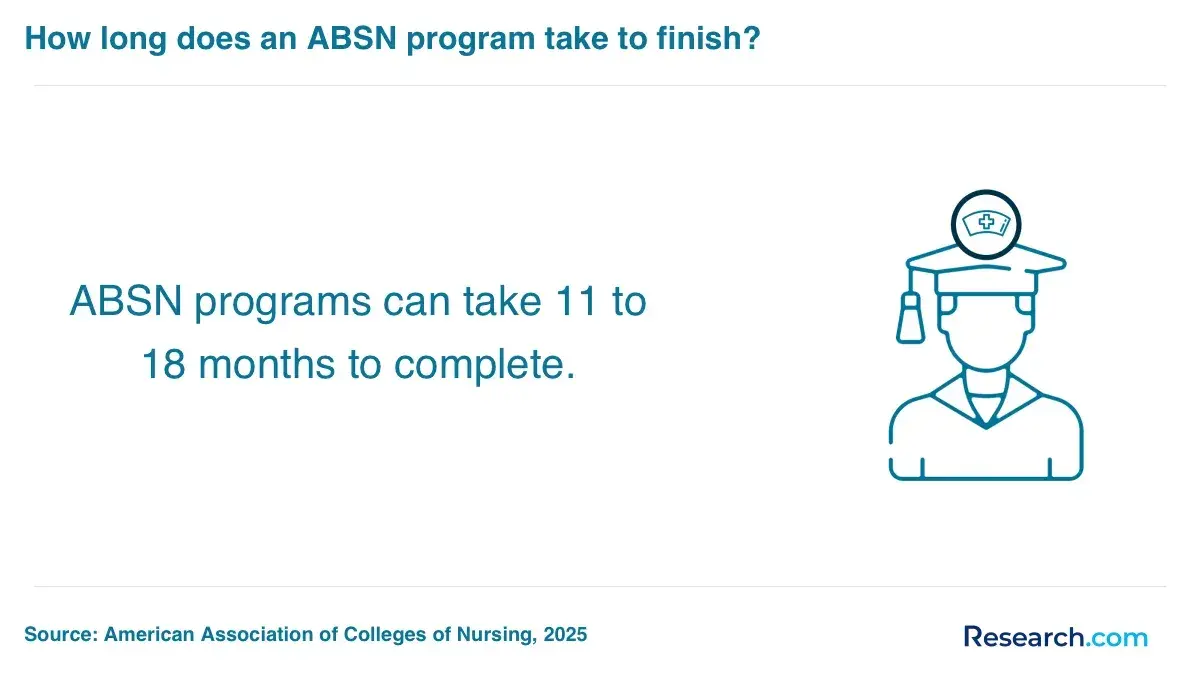
The accelerated BSN curriculum in Michigan is designed to help students rapidly build clinical competence and nursing knowledge within a condensed timeframe, often 15 to 16 months, preparing them for the evolving demands of healthcare. Below are the core components typical to both online and on-campus ABSN programs in Michigan that together shape a robust nursing education:
- Foundational Nursing Courses: These focus on essential nursing principles such as health assessment and clinical skills, laying the groundwork for more advanced studies. Emphasis on theory combined with practical application ensures students develop a thorough understanding of nursing fundamentals necessary for all healthcare settings.
- Clinical Training: Immersive clinical experiences expose students to diverse patient care environments, enhancing critical thinking and adaptability. This hands-on training is pivotal for bridging classroom knowledge with real-world nursing challenges and improving decision-making skills.
- Simulation Labs: Utilizing advanced simulation technology, these labs provide risk-free environments for students to refine their clinical skills. As technology evolves, simulation is increasingly integrated with virtual and augmented reality, offering richer, interactive practice opportunities that boost confidence and competence.
- NCLEX-RN Preparation: Comprehensive exam preparation is embedded within the curriculum, including review seminars and practice tests. This targeted focus supports students' readiness for licensure exams, incorporating adaptive learning tools that can personalize study approaches.
- Specialized Nursing Courses: Courses addressing pediatrics, mental health, and gerontology help students gain expertise in varied patient populations. Emerging trends suggest increasing inclusion of community health and telehealth to meet shifting healthcare delivery models.
- Leadership and Management: Instruction on transformational leadership prepares students for evolving healthcare roles that demand collaboration and innovation. Growing emphasis on healthcare informatics and team management reflects future directions in nursing leadership.
What accreditation should I look for in an ABSN program in Michigan?
Accreditation is essential to ensure that an ABSN program in Michigan maintains high educational standards, qualifies graduates for RN licensure, and supports career growth in nursing. Below are the key types of accreditation and approval prospective students should verify before enrolling.
- Institutional Accreditation: This confirms that the college or university meets broad regional academic standards, typically through bodies like the Higher Learning Commission (HLC). It's vital for federal financial aid eligibility and transfer credit recognition, and most Michigan ABSN programs require applicants to hold a bachelor's degree from a regionally accredited institution.
- Programmatic Accreditation - Commission on Collegiate Nursing Education (CCNE): CCNE is a nationally recognized accrediting agency ensuring nursing programs maintain rigorous curriculum quality, qualified faculty, and effective student outcomes, preparing graduates for the NCLEX-RN exam and nursing careers. Many leading ABSN programs in Michigan hold CCNE accreditation, which also supports licensure and future educational opportunities.
- Programmatic Accreditation - Accreditation Commission for Education in Nursing (ACEN): ACEN accredits nursing programs to national standards similar to CCNE, providing assurance of program quality and licensure readiness. ABSN programs accredited by ACEN meet recognized standards that employers and licensure boards trust, offering additional options for students seeking reputable programs.
- Michigan Board of Nursing Approval: Approval from the state board ensures that the ABSN program's curriculum and clinical experiences comply with Michigan's specific licensure requirements. Without this state approval, graduates cannot sit for the NCLEX-RN exam or practice as registered nurses in Michigan, making it a non-negotiable aspect of program selection.
How long does it take to complete an accelerated BSN in Michigan?
Accelerated Bachelor of Science in Nursing (ABSN) programs in Michigan cater to individuals holding non-nursing bachelor's degrees, enabling a swift transition into nursing careers. The length of these programs varies depending on several important factors, affecting how soon students can become licensed nurses. Key aspects influencing program duration include:
- Standard Program Length: Most programs run between 15 and 16 months, requiring dedicated full-time study with little room for outside work.
- Extended Options: Some schools offer 20-month tracks that provide a slightly slower pace, accommodating students balancing family or part-time jobs.
- Study Format: While programs are primarily full-time, emerging blended or online formats may impact completion time as schools explore more flexible delivery models.
- Clinical Hours: Clinical requirements remain intensive, often scheduled in condensed blocks, which compresses hands-on learning into a shorter timeframe.
- Course Sequencing: Strict curricular sequencing demands completion in set terms without breaks, firmly shaping overall program length.
A nurse who completed an ABSN program at a Michigan school reflected on the challenging yet rewarding intensity of the 16-month journey. Transitioning from a different field, she noted how the condensed schedule demanded strong discipline, saying, "Every week felt packed-from lectures to clinicals-but knowing this timeline was fixed helped me stay focused." She appreciated how the program's structure pushed her to adapt quickly and build confidence in patient care. Despite the fast pace, she described the experience as "a transformative sprint" that prepared her well for entering the profession efficiently.
How much does an accelerated BSN program cost in Michigan?
Tuition and fees for accelerated BSN programs in Michigan can vary widely depending on the institution, whether the program is online or on-campus, and other related expenses. These factors collectively influence the overall investment required to complete the degree. Below is a breakdown of the key cost elements to consider when evaluating BSN Programs Michigan Cost.
- Tuition Rates: Tuition often represents the largest portion of costs, with rates varying significantly by school. On-campus programs may charge more per credit hour than some online options, while public universities might offer reduced rates for in-state students. Keeping an eye on tuition fluctuations can help prospective students plan their finances more effectively.
- Technology and Lab Fees: Online ABSN programs typically require technology fees to support virtual learning platforms, while on-campus programs add lab fees for clinical training. Both fees can add several hundred dollars per semester and may not be included in base tuition, making it important to request a detailed fee sheet from the school.
- Clinical Supplies and Uniforms: Students are responsible for essential supplies such as stethoscopes, uniforms, and shoes, which can range between $200 and $500. Some programs bundle these expenses as a kit fee, but for others, they represent separate, upfront costs that should be factored into the budget.
- Travel and Housing Expenses: While online students minimize travel costs, hybrid and on-campus students may have commuting or relocation expenses. Occasional on-site requirements for clinicals or proctored exams can also add to travel costs, and living expenses vary widely depending on location.
- Financial Aid Opportunities: Many Michigan programs participate in federal aid, scholarships, and special tuition rates, including benefits for military personnel. Students are encouraged to complete the FAFSA and explore institutional scholarships early on to offset total expenses, as accelerated schedules often limit outside employment options.
When planning your accelerated BSN in Michigan, it is helpful to also consider the non-tuition costs and potential opportunity cost of full-time study. For more insights on advanced nursing programs, check out what is the best acute care nurse practitioner program.
What financial aid options are available for ABSN students in Michigan?
Because accelerated nursing programs in Michigan can be costly, many students explore different financial aid opportunities to make their education more affordable. Below are some common types of financial aid available to help manage the expenses associated with these rigorous programs.
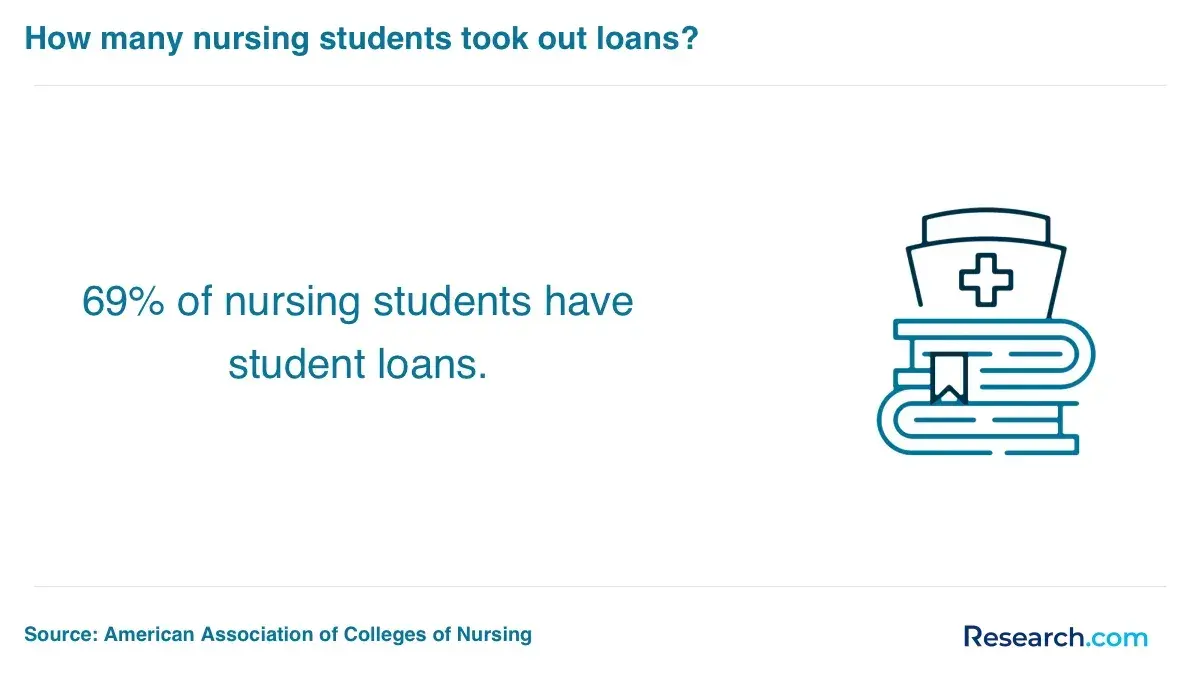
- Federal Student Loans: These loans, including Direct Subsidized and Unsubsidized Loans, provide crucial funding for tuition, fees, and living costs. Completing the FAFSA opens access to these loans, which often come with lower interest rates and flexible repayment options tailored to nursing students.
- State and Institutional Grants: Michigan offers various grants aimed at reducing out-of-pocket expenses. Additionally, many institutions provide state and federal grants based on financial need, which can dramatically lower the total cost of attendance for students enrolled in ABSN programs.
- Nursing Scholarships: Numerous scholarships target nursing students specifically, such as scholarships funded by the Michigan Board of Nursing. These awards consider academic performance and financial need, offering targeted support that can ease the financial demands of accelerated study. Students are encouraged to keep an eye on emerging scholarship opportunities that increasingly reward diverse backgrounds and specialties.
- Employer Tuition Assistance: Employers, especially in healthcare, are expanding tuition reimbursement programs to support employees pursuing advanced nursing degrees. This kind of aid is particularly advantageous for those making a career change or already working in health services, allowing students to balance work and study more effectively.
- Loan Forgiveness Programs: Specialized programs like the Nurse Faculty Loan Program offer loan forgiveness to graduates who commit to teaching nursing after completing their degree. Such initiatives not only alleviate financial burdens but also help address future shortages in nursing educators. For those interested in nursing specialties, exploring easy NP specialty programs to get into could further enhance career flexibility post-graduation.
What career paths are available after earning an ABSN in Michigan?
Completing an Accelerated Bachelor of Science in Nursing (ABSN) program in Michigan opens doors to diverse nursing roles across various healthcare settings, offering graduates a launchpad into multiple dynamic career trajectories. Below are some of the most common career paths for ABSN graduates pursuing nursing career paths in Michigan:
- Registered Nurse (RN): Serving as the primary entry point into professional nursing, RNs provide direct patient care, administer medications, and coordinate treatment plans in hospitals, clinics, and rehabilitation centers. Michigan's accelerated programs prepare students through hands-on clinical practice to confidently navigate fast-paced healthcare environments.
- Critical Care Nurse: These nurses specialize in monitoring and treating patients in critical condition within emergency and intensive care units. ABSN programs in Michigan foster advanced assessment skills and familiarity with medical technology, equipping graduates for high-pressure acute care settings.
- Public Health Nurse: Focused on wellness promotion and disease prevention, public health nurses work in community clinics, schools, and local health departments to address population health challenges. Rotations in community health during ABSN studies build the necessary perspective for these public-focused roles and highlight evolving job opportunities for ABSN graduates Michigan-wide.
- Nurse Educator: After gaining clinical experience, graduates can move into teaching roles, developing curricula and mentoring students or staff using simulation technology and evidence-based practices. Michigan ABSN programs exposing students to educational methods help lay the groundwork for careers in nursing education.
- Nurse Manager: This leadership role combines clinical expertise with administrative duties, overseeing nursing units and staff coordination in healthcare facilities. ABSN graduates entering management benefit from prior professional experience paired with rigorous nursing education to cultivate essential leadership qualities.
For those interested in advanced practice nursing degrees, exploring the cheapest PMHNP online programs can provide affordable pathways to specialization.
What is the average salary for nurses with an ABSN degree in Michigan?
Accelerated Bachelor of Science in Nursing (ABSN) programs in Michigan are increasingly embracing hybrid models, blending the flexibility of online coursework with essential on-campus clinical experiences. This trend not only caters to diverse learning preferences but also prepares students to navigate a rapidly evolving healthcare landscape. As technology advances, virtual simulations and augmented reality may further enhance remote clinical training, potentially expanding access to high-quality nursing education statewide. Meanwhile, on-campus programs continue to offer immersive hands-on practice and immediate peer collaboration, fostering the critical interpersonal skills nurses need.
Looking ahead, partnerships between healthcare providers and academic institutions might become more integral, ensuring ABSN curricula remain aligned with real-world demands. Additionally, evolving licensure requirements and employer preferences could increasingly value adaptable graduates who excel in both virtual and physical clinical settings. Thus, prospective students should consider how these emerging trends in online and on-campus ABSN education might impact their readiness and competitiveness in Michigan's nursing workforce.
Here's What Graduates Have to Say About Their ABSN Degree in Michigan
- Completing my ABSN program at Grand Valley State University was a transformative experience. The online format allowed me to balance my studies with personal commitments, and the curriculum's focus on Michigan's healthcare needs prepared me well for my nursing career. Starting work in a local school setting has been incredibly rewarding, as I get to directly impact the health and well-being of young students every day. This program not only provided me with strong clinical skills but also ignited a passion for community health. I feel equipped and excited for the professional growth opportunities ahead in Michigan's healthcare environment. Laila
- The on-campus ABSN program at Oakland University gave me the hands-on experience I needed to feel confident entering the nursing field. The faculty were supportive and challenged me to think critically, which has been invaluable as I began my career working in a local school. Being able to bring health education and care to children in my community is deeply fulfilling. Reflecting on the challenges of accelerated learning and adapting to a fast-paced environment, I can say it shaped my resilience and empathy. Professionally, this program opened doors I never imagined possible in Michigan's healthcare sector. Tyrese
- Pursuing my ABSN degree at Wayne State University was an intense but life-changing journey. The opportunity to engage with diverse patient populations in Michigan's urban areas broadened my perspective and honed my clinical skills. I've found great satisfaction in contributing to community health and advocating for underserved groups through my nursing role at a local school. The experience fostered significant personal growth, and I appreciate the career stability and advancement potential that an ABSN provides in today's job market. I am confident that this degree will continue to support my development as a compassionate and effective nurse. Camila
Related Articles for Nearby States
- 2027 Best ABSN Programs - Accelerated BSN Programs in Ohio: Online & Campus
- 2027 Best ABSN Programs - Accelerated BSN Programs in Indiana: Online & Campus
- 2027 Best ABSN Programs - List of Accelerated BSN Programs in Wisconsin: Online & Campus
- 2027 Best ABSN Programs - Accelerated BSN Programs in Illinois: Online & Campus
- 2027 Best ABSN Programs - List of Accelerated BSN Programs in Minnesota: Online & Campus
- 2027 Best ABSN Programs - List of Accelerated BSN Programs in Pennsylvania: Online & Campus
- 2027 Best ABSN Programs - Accelerated BSN Programs in Kentucky: Online & Campus
- 2027 Best ABSN Programs - List of Accelerated BSN Programs in West Virginia: Online & Campus
- 2027 Best ABSN Programs - Accelerated BSN Programs in Iowa: Online & Campus
- 2027 Best ABSN Programs - Accelerated BSN Programs in Missouri: Online & Campus
References:
- What Is an ABSN, and Are You an Ideal Candidate? - Madonna https://absn.madonna.edu/blog/learn-what-is-an-absn/
- BSN Second Career/Degree - College of Nursing - Wayne State University https://nursing.wayne.edu/bsn-second-career
- Loans for Nursing Students | Office of Financial Aid | Michigan State University https://finaid.msu.edu/grad/medical/loans-for-nursing-students
- DNP Salary in Michigan – MI for Advanced Nursing Clinical Practitioners and More https://www.doctorofnursingpracticednp.org/michigan/michigan-salary/
- 2025 Best MSN and RN-to-MSN Programs in Michigan https://www.registerednursing.org/degree/msn/michigan/
- Nurse Salary: How Much Do Nurses Make? https://nurse.org/education/how-much-do-nurses-make/
- Registered Nurse Salary in Michigan (2024) | Trusted Health https://www.trustedhealth.com/nurse-salary-guide/michigan
- Michigan State University College of Nursing https://nursing.msu.edu/undergraduate/accelerated-second-degree-bsn/admissions
- Best ABSN Programs in Michigan 2025 https://allnurses.com/programs/best-accelerated-bsn-absn-programs-r392/
- Become a Nurse in Two Years with an Accelerated BSN Program https://www.baker.edu/about/get-to-know-us/blog/become-a-nurse-in-two-years-accelerated-bsn-programs/
Other Things You Should Know About Becoming a Nurse in Michigan
In 2027, top accelerated BSN programs in Michigan include the University of Michigan's School of Nursing, Michigan State University's College of Nursing, and Wayne State University's College of Nursing. These programs are known for their innovative curricula, expert faculty, and strong clinical partnerships.
Students pursuing Accelerated Bachelor of Science in Nursing (ABSN) programs in Michigan often encounter challenges related to the intensive and fast-paced nature of the curriculum, which demands strong time management and dedication. Balancing rigorous coursework with clinical hours can be particularly stressful, especially for those managing work or family responsibilities. Additionally, navigating clinical placements within Michigan's healthcare facilities may present logistical difficulties due to limited availability and competition. Despite these hurdles, many students find that the comprehensive support services offered by ABSN programs help them overcome these challenges and successfully achieve their nursing goals.


