
2027 Best ABSN Programs - Accelerated BSN Programs in Hawaii: Online & Campus

Co-Founder and Chief Data Scientist
Hawaii faces a growing demand for registered nurses, with a projected 23% increase in nursing jobs by 2030, outpacing the national average. Accelerated Bachelor of Science in Nursing (ABSN) programs, available both online and on campus, offer a streamlined path to meet this need by allowing students to complete their degree in as little as 12 to 18 months. The state's unique geography and healthcare environment make flexible learning options particularly valuable for many aspiring nurses seeking to balance education with existing responsibilities.
This article explores the structure and benefits of accelerated BSN programs in Hawaii. Prepared by experts in career planning, it guides readers in understanding what these programs entail, what to expect during enrollment, and how to evaluate options effectively. The information aims to support informed decisions about pursuing nursing education within Hawaii's specific context.
Key Benefits of ABSN Programs in Hawaii
- Hawaii's ABSN programs offer completion times averaging 12 to 18 months, significantly shorter than traditional BSN tracks, which helps students enter the workforce faster.
- These programs feature hybrid formats combining online coursework with clinical placements in diverse healthcare settings, enhancing flexibility while maintaining hands-on experience.
- The state's strong nursing job growth, projected at 18% over the next decade, increases ABSN graduates' employment prospects, supported by Hawaii's investments in healthcare infrastructure.
- Who can apply for accelerated BSN programs in Hawaii?
- What are the admission requirements for accelerated BSN programs in Hawaii?
- Do accelerated BSN programs in Hawaii require entrance exams?
- What does the curriculum of an accelerated BSN program in Hawaii include?
- What accreditation should I look for in an ABSN program in Hawaii?
- How long does it take to complete an accelerated BSN in Hawaii?
- How much does an accelerated BSN program cost in Hawaii?
- What financial aid options are available for ABSN students in Hawaii?
- What career paths are available after earning an ABSN in Hawaii?
- What is the average salary for nurses with an ABSN degree in Hawaii?
Who can apply for accelerated BSN programs in Hawaii?
ABSN programs in Hawaii are designed for individuals who already hold a non-nursing bachelor's degree and seek a faster transition into a nursing career. These programs utilize a rigorous curriculum that builds on prior academic experience to meet the core competencies necessary for nursing practice.
Applicants must typically satisfy ABSN program admission requirements Hawaii, including prerequisite courses in areas like anatomy, physiology, microbiology, and statistics. A minimum GPA of around 3.0 is usually expected, along with submission of transcripts and a personal statement demonstrating commitment to nursing. This focused approach allows eligible students to enter the nursing workforce more efficiently.
Those pursuing accelerated BSN prerequisites Hawaii often include career changers from diverse professional backgrounds, recent college graduates wanting a swift entry into healthcare, and individuals seeking more meaningful or stable employment. Successful candidates generally demonstrate strong academic motivation and excellent time management skills, essential for managing the pace of accelerated coursework.
A genuine passion for patient care and collaboration in team environments are also highly valued traits. In Hawaii, where nursing demand is high, these qualities enhance graduates' readiness to address community healthcare needs. For those choosing between advanced nursing pathways, understanding the difference between FNP and AGNP can be an important part of career planning.
What are the admission requirements for accelerated BSN programs in Hawaii?
Admission into accelerated BSN programs in Hawaii is highly competitive, aiming to select students who are academically prepared and motivated to handle a demanding nursing curriculum. Both online and on-campus programs share several rigorous requirements designed to ensure applicants possess the necessary foundation and dedication. Below are the essential prerequisites for ABSN programs in Hawaii applicants should be aware of.
- Non-Nursing Bachelor's Degree: Applicants must have completed a bachelor's degree in a field other than nursing from a regionally accredited institution. This criterion confirms that candidates are capable of managing college-level work and bring diverse academic perspectives to the nursing profession.
- Completion of Prerequisite Courses: Completion of specific science and math courses such as anatomy, physiology, microbiology, chemistry, and statistics is mandatory. These prerequisites, usually requiring a minimum grade and recent completion, establish the foundational knowledge critical for success in accelerated BSN admission requirements Hawaii.
- Minimum Cumulative GPA: A minimum GPA threshold, often set at 3.0 or above, is required to demonstrate an applicant's academic aptitude and ability to succeed in an accelerated learning environment.
- Official Transcripts: Applicants must submit official transcripts from all post-secondary institutions attended to verify degree completion, prerequisite course grades, and GPA compliance with program standards.
- Personal Statement: A well-crafted personal statement outlining an applicant's motivation, relevant experience, and career goals provides insight into their commitment and alignment with nursing program values.
- Letters of Recommendation: Two or three recommendation letters from academic or professional sources are typically required to offer third-party evaluation of the applicant's strengths and readiness for nursing education.
- Resume or Curriculum Vitae (CV): An updated resume or CV detailing academic history, work experience, and volunteer activities helps programs assess overall preparation and suitability for nursing roles.
- Background Check and Health Requirements: Though often completed after conditional acceptance, documentation for background checks and health screenings ensures students meet clinical placement eligibility and safety standards.
For those interested in advancing further, understanding how to start as a adult gerontology nurse practitioner can be a natural next step after completing accelerated programs.
Do accelerated BSN programs in Hawaii require entrance exams?
ABSN programs in Hawaii generally require applicants to complete an entrance exam, though the exact requirements differ between institutions. The most commonly required exam is the ATI Test of Essential Academic Skills (TEAS), which evaluates proficiency in reading, mathematics, science, and English language usage.
Some schools, such as the University of Hawai'i at Mānoa and Hawaii Pacific University, mandate minimum TEAS scores ranging from 66.7% in science to above 80% in other areas. While TEAS is the predominant test, some programs might also consider other academic metrics alongside entrance exams, including GPA and prerequisite coursework. This variation reflects schools' efforts to assess candidates comprehensively before admission.
Nursing programs use entrance exams to objectively measure academic readiness and critical thinking, skills essential for success in accelerated nursing curricula. These exams serve as standardized benchmarks to compare applicants from diverse backgrounds, particularly when program spots are limited and competitive.
Entrance exams help predict which students are most likely to keep pace with the fast-moving coursework and demanding clinical components. They also align with statewide objectives to produce qualified registered nurses efficiently, given Hawaii's healthcare needs. In complex educational environments, a consistent metric like the TEAS helps reduce attrition by identifying individuals equipped to manage the rigor of accelerated study.
When I spoke with a nurse who graduated from an ABSN program at a local Hawaiian school, he shared that the entrance exam felt like a significant hurdle initially but ultimately provided clarity about the program's expectations. He explained, "Knowing the exam was required for both on-campus and online tracks helped me focus my preparation early, which made the intense learning ahead less overwhelming."
He recalls balancing work and study time carefully to meet the minimum TEAS scores, describing the process as "challenging but fair," ensuring everyone started the program on similar footing. This nurse emphasized that while entrance testing was stressful, it validated his readiness and boosted his confidence as he progressed through the accelerated curriculum.
What does the curriculum of an accelerated BSN program in Hawaii include?
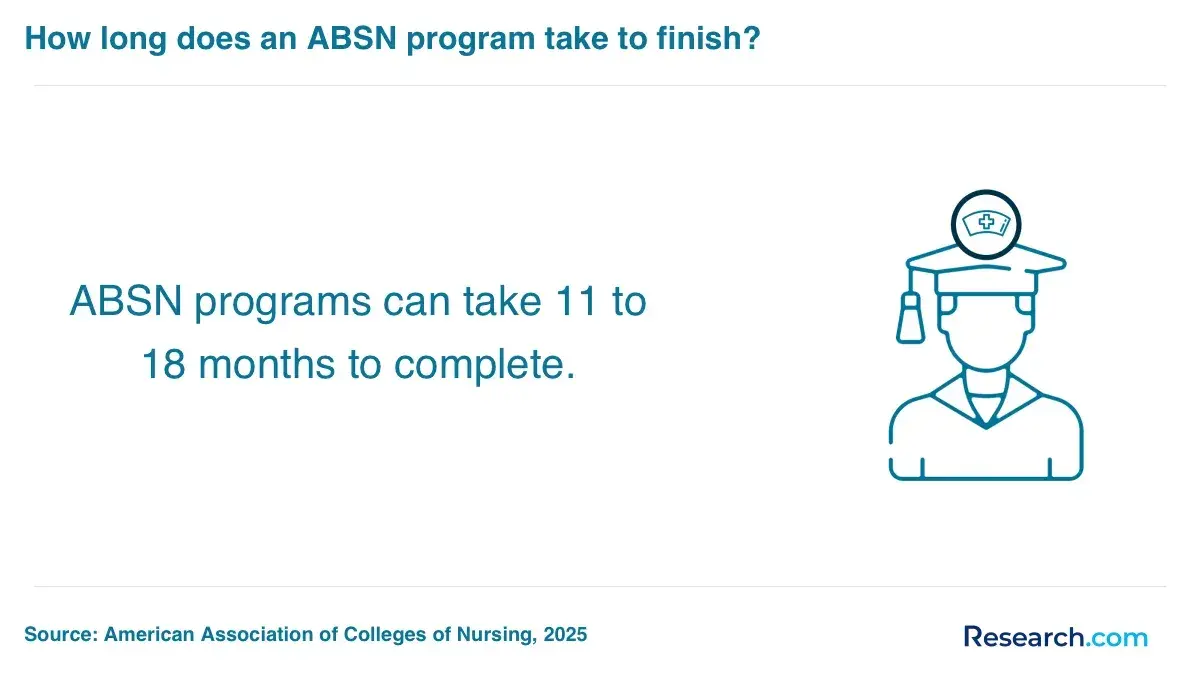
The accelerated BSN curriculum in Hawaii is designed to rapidly develop clinical competence and comprehensive nursing knowledge within 12 to 18 months, preparing students effectively for RN licensure and immediate professional practice. The following core components are integral to both online and on-campus programs in the state:
- Prerequisite and Foundational Science Courses: These essential courses cover biology, anatomy, physiology, chemistry, and microbiology, establishing the scientific basis for advanced nursing concepts and enhancing students' understanding of health and disease mechanisms.
- Core Nursing Theory Courses: Key subjects such as pharmacology, pathophysiology, and health assessment provide critical knowledge on medication management, disease processes, and patient evaluation needed for safe nursing practice.
- Specialty Nursing Courses: Areas like maternal-newborn care, pediatrics, psychiatric nursing, and gerontology address diverse population health needs in Hawaii, equipping students to support local public health priorities.
- Clinical Rotations: Mandatory in-person placements across healthcare facilities provide hands-on patient care experience, fostering clinical judgment and communication skills essential for real-world nursing.
- Simulation Labs: High-fidelity simulation scenarios allow students to practice interventions and crisis management in controlled environments, improving critical thinking before clinical exposure.
- Evidence-Based Practice and Nursing Research: Coursework emphasizes critical appraisal of scientific literature, promoting integration of current evidence into patient care to enhance healthcare quality.
- Leadership and Professional Development: Training in healthcare systems, management, and teamwork prepares graduates for leadership roles and adaptation to evolving professional demands.
- NCLEX-RN Preparation: Structured review courses and test-taking strategies enhance readiness for licensure exams, supporting Hawaii's above-average NCLEX-RN pass rates.
- Clinical Immersion and Capstone: Final clinical experiences enable students to consolidate skills through real-world practice alongside registered nurses, smoothing the transition to professional roles.
What accreditation should I look for in an ABSN program in Hawaii?
Accreditation is essential for ensuring ABSN programs in Hawaii provide quality education, enable graduates to obtain licensure, and support strong career prospects in nursing. Below are the primary accreditations and approvals to verify when choosing an online or on-campus ABSN program.
- Institutional Accreditation: This confirms that the college or university meets recognized educational standards. Regional accreditors like the Western Association of Schools and Colleges (WASC) assess the institution's overall academic quality, faculty, and student support, which also affects eligibility for federal financial aid.
- Programmatic Accreditation (CCNE or ACEN): Accredited by the Commission on Collegiate Nursing Education (CCNE) or the Accreditation Commission for Education in Nursing (ACEN), this certifies the nursing curriculum meets rigorous national standards. Graduating from a CCNE- or ACEN-accredited ABSN program is often required by employers and graduate schools and signals readiness for nursing practice.
- State Board of Nursing Approval: The Hawaii Board of Nursing must approve the ABSN program to ensure it complies with state educational standards and allows graduates to sit for the NCLEX-RN licensure exam. This approval is mandatory for legal licensure and protects students from unrecognized programs.
- Online Program State Authorization: For online ABSN options, verify the program is authorized to enroll students from Hawaii. State authorization guarantees clinical site access and ensures the curriculum meets Hawaii's licensure requirements, which is crucial for exam eligibility and licensing.
How long does it take to complete an accelerated BSN in Hawaii?
ABSN programs in Hawaii cater to students with a non-nursing bachelor's degree who aim to enter nursing quickly. Completion time varies depending on several factors, including study format and program requirements. Key elements influencing duration include:
- Typical Program Length: Most ABSN programs in Hawaii take 12 to 18 months of full-time study, sometimes structured into three semesters within a year.
- Full-Time vs. Part-Time Study: Full-time enrollment is common due to program intensity. Part-time options extend completion to around two years or more.
- Online vs. On-Campus: While some hybrid coursework exists, most clinical training is on-site, so full online completion is rare and does not reduce total time.
- Clinical Hours: Required clinical hours, dictated by state regulations, span hundreds of hours, impacting scheduling and program length.
- Course Sequencing and Prerequisites: Structured, sequential courses with prerequisite completion ensure steady progress, but additional prerequisites may lengthen time before starting the program.
A nurse who finished an ABSN program from a local Hawaii school shared that the pace felt rigorous but rewarding. She described balancing intense coursework and clinical hours as challenging, especially while managing personal responsibilities.
"The one-year full-time track was nonstop, but it enabled me to pivot from my previous career swiftly," she said. Despite occasional stress, she valued the clear structure and support throughout the process, reflecting that thoughtful planning is crucial to meet the demanding timeline and successfully transition into nursing.
How much does an accelerated BSN program cost in Hawaii?
Tuition and fees for accelerated BSN programs in Hawaii vary widely depending on the institution, program format, and additional costs beyond tuition. Students considering their options should carefully evaluate all potential expenses to determine the total investment required. The main cost factors associated with online and on-campus ABSN programs in Hawaii include the following:
- Tuition Rates: The tuition for accelerated BSN programs in Hawaii generally ranges from $25,000 to $40,000 for the full program duration, typically 12 to 18 months. Public universities offer lower tuition for in-state residents, with pricing for non-residents significantly higher. This tuition range plays a central role in the overall cost of accelerated BSN programs in Hawaii.
- Technology and Lab Fees: Students incur mandatory fees to support virtual learning platforms and simulation labs. These fees, such as a nursing lab fee of around $500 per semester at some institutions, ensure access to essential hands-on training and technology resources critical for nursing education.
- Clinical Supplies and Uniforms: Additional expenses include clinical uniforms, nursing shoes, stethoscopes, and other required supplies for clinical rotations. These costs, often amounting to several hundred dollars, are separate from tuition and must be factored into the overall budget.
- Travel and Housing Expenses: On-campus students need to consider commuting or relocation costs. Even online ABSN programs require in-person clinical rotations, which may involve travel to healthcare facilities, sometimes on different islands. These logistics can add significantly to the total cost for students residing far from clinical sites.
- Financial Aid and Scholarships: Many Hawaii programs offer financial aid, including federal loans, state grants, and nursing-specific scholarships. Prospective students are encouraged to explore these options and financial support resources. Some employers also provide tuition reimbursement or loan forgiveness, reducing the net cost for graduates.
- Program-Specific Costs: Additional fees may include standardized exam charges, liability insurance, or professional membership dues. These unique expenses vary by program and should be reviewed individually to understand their impact on total costs.
For students seeking detailed comparisons of nursing programs beyond just tuition, consulting resources like the best rated accelerated nurse practitioner online programs list can offer valuable insight into program quality and associated expenses, complementing the evaluation of tuition for online ABSN programs in Hawaii.
What financial aid options are available for ABSN students in Hawaii?
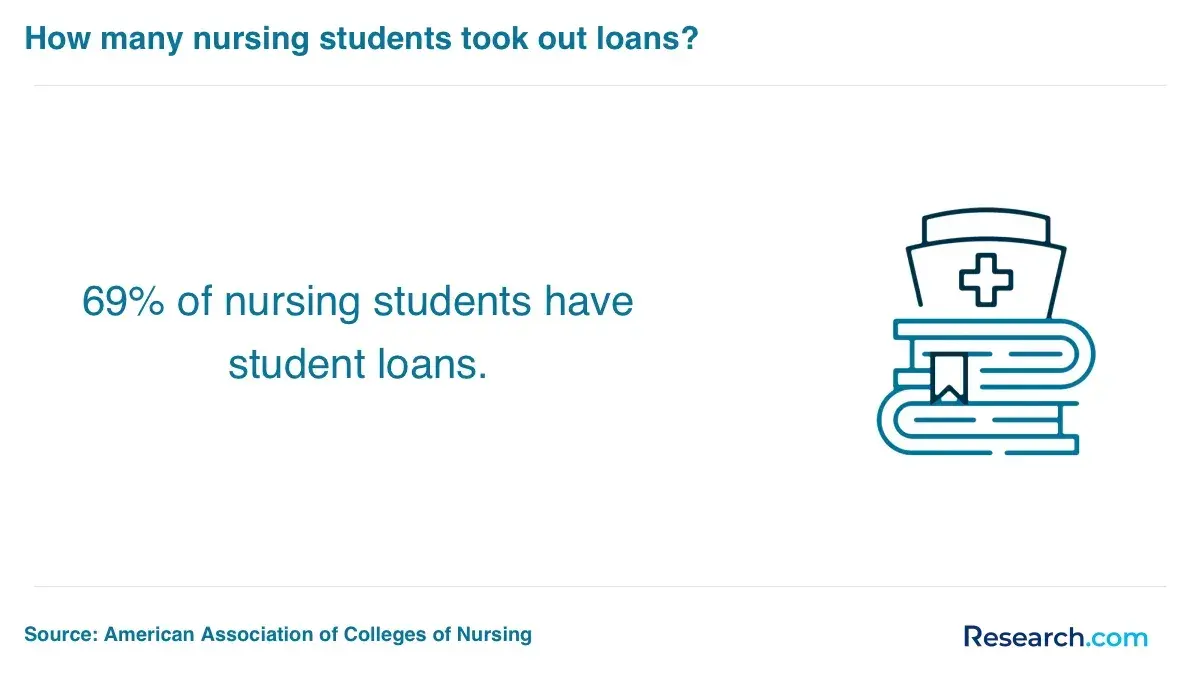
Accelerated nursing programs in Hawaii typically cost between $25,000 and $40,000 for 12 to 18 months of study, leading many students to consider various ABSN financial aid options in Hawaii to ease tuition and living expenses. Below are some primary financial assistance avenues available to support students through their accelerated BSN journey.
- Federal Student Loans: Eligible students can apply for federal loans such as Stafford and PLUS loans by submitting the FAFSA. These loans offer comparatively lower interest rates and flexible repayment plans, covering not only tuition but also fees and living costs.
- State and Institutional Grants: Hawaii provides need-based grants, including the University of Hawai'i Opportunity Grant and the Hawai'i State Higher Education Loan. Universities like the University of Hawai'i at Mānoa and Hawaii Pacific University have financial aid offices to assist students in securing these funds.
- Nursing Scholarships: Targeted scholarships from organizations like the Hawai'i Community Foundation and Asian & Pacific Islander American Scholars offer awards ranging from $1,500 to $20,000. Many scholarships are renewable and designed to support students with financial need or specific cultural backgrounds.
- Employer Tuition Assistance: Several healthcare employers in Hawaii provide tuition reimbursement or loan repayment options in exchange for a post-graduation work commitment. This benefit lowers immediate expenses and helps meet local healthcare workforce demands.
- Loan Forgiveness Programs for Nurses: Graduates practicing in underserved areas may qualify for loan forgiveness through programs such as the Nurse Corps Loan Repayment Program and the Hawaii State Loan Repayment Program, which reduce loan balances based on service commitments.
Students interested in expanding their nursing qualifications might explore programs listed in the ranking of the best online BSN to FNP programs, which can complement Hawaii accelerated BSN financial assistance strategies.
What career paths are available after earning an ABSN in Hawaii?
Completing an ABSN in Hawaii opens doors to diverse nursing roles across hospitals, clinics, community health centers, and beyond. These advanced nursing careers in Hawaii require specialized skills cultivated through rigorous coursework and clinical experience. The most common career paths for ABSN graduates include:
- Registered Nurse (RN): After passing the NCLEX-RN exam and obtaining licensure, graduates work in hospitals, outpatient clinics, and long-term care facilities providing direct patient care, medication administration, and coordinating treatment plans. Hawaii's median RN salary of $91,020 reflects strong demand, which is projected to grow by 13% through 2024.
- Critical Care Nurse: Specializing in acute care, these nurses serve in intensive care units, emergency departments, and cardiac care units. Their role involves managing complex patients with advanced intervention techniques. Oahu and Maui hospitals consistently seek skilled critical care nurses.
- Public Health Nurse: Equipped to work in health departments, schools, and nonprofits, public health nurses focus on disease prevention and education, often in underserved communities. This role supports state initiatives targeting chronic illness reduction and maternal-child health improvements.
- Nurse Educator: Graduates teaching in clinical and educational settings help prepare new nurses and update staff on best practices, leveraging leadership and evidence-based skills emphasized in the ABSN curriculum.
- Nurse Manager: Leadership training prepares graduates to supervise nursing teams, manage budgets, and ensure regulatory compliance in hospitals and large clinics, with a BSN often required for such advancement.
For those interested in women's health, ABSN graduates can follow specialized paths in maternity and prenatal care, with training aligned to Hawaii's goals for lowering preterm births. Similarly, care for aging populations creates opportunities in geriatrics. Explore more on pathways to specialization by reviewing the ranking of cheapest online womens health nurse practitioner degree programs.
What is the average salary for nurses with an ABSN degree in Hawaii?
Earning an ABSN degree in Hawaii can lead to competitive salaries for registered nurses, with pay influenced by experience, specialization, healthcare setting, and geographic location. Understanding these variables is crucial for prospective students assessing career prospects. The following outlines key factors impacting ABSN nurse salaries in Hawaii:
- Years of Experience: Nurses with more experience generally earn higher salaries, reflecting accumulated clinical skills and leadership. Entry-level ABSN graduates start near the lower pay scale, while seasoned nurses command significantly greater compensation.
- Type of Employer: Salary levels differ by employer type; urban hospitals typically offer higher wages compared to rural clinics or long-term care facilities due to patient acuity and budget size.
- Geographic Area: Location matters, with nurses in Honolulu and Pearl City earning more than those in rural areas. Top-earning cities may see salaries up to 10% above the state average.
- Specialization or Certification: Nurses pursuing advanced certifications or specializing in high-demand areas such as critical care or oncology often receive substantial pay increases.
- Level of Education: ABSN holders generally earn more than ADN graduates, with baccalaureate-prepared nurses seeing a considerable wage premium in Hawaii's healthcare market.
Here's What Graduates Have to Say About Their ABSN Degree in Hawaii
- Raye: "Completing the ABSN program at Hawaii Pacific University was truly transformative. The blend of on-campus learning with hands-on clinical experience in local hospitals gave me a real sense of community and purpose. I appreciated how the curriculum embraced Hawaiian culture and health practices, which made my education deeply relevant. Now, working as a nurse in a nearby school, I feel proud to be contributing to the wellness of young students by promoting healthy habits. This journey has deeply enriched both my professional skills and personal growth. "
- Janelle: "The flexibility of the online ABSN program from the University of Hawaii allowed me to balance my family responsibilities while pursuing my dream of becoming a nurse. The strong support network from faculty, combined with opportunities for in-person clinical rotations around the islands, prepared me well for real-world challenges. Starting my nursing career in a local school setting has been rewarding, as I get to directly impact children's lives every day. This program has opened doors for continual professional development and advancement in Hawaii's healthcare community."
- Derrick: "Enrolling in the ABSN program at Chaminade University gave me a unique perspective on healthcare in Hawaii's diverse communities. I embraced the challenge of learning in a culturally rich environment, which enhanced my ability to serve patients with respect and empathy. Now, as a nurse working in a local educational facility, I see firsthand how my career directly contributes to improving the health outcomes of young people. The program not only prepared me clinically but also instilled a passion for lifelong learning and leadership within Hawaii's nursing profession."
Related Articles for Nearby States
- 2027 Best ABSN Programs - Accelerated BSN Programs in Alaska: Online & Campus
- 2027 Best ABSN Programs - List of Accelerated BSN Programs in California: Online & Campus
- 2027 Best ABSN Programs - Accelerated BSN Programs in Oregon: Online & Campus
- 2027 Best ABSN Programs - List of Accelerated BSN Programs in Washington: Online & Campus
- 2027 Best ABSN Programs - Accelerated BSN Programs in Nevada: Online & Campus
- 2027 Best ABSN Programs - Accelerated BSN Programs in Arizona: Online & Campus
- 2027 Best ABSN Programs - Accelerated BSN Programs in Idaho: Online & Campus
- 2027 Best ABSN Programs - Accelerated BSN Programs in Utah: Online & Campus
- 2027 Best ABSN Programs - Accelerated BSN Programs in Montana: Online & Campus
- 2027 Best ABSN Programs - Accelerated BSN Programs in Wyoming: Online & Campus
References:
- All About ABSN https://onlinedegrees.rockhurst.edu/blog/all-about-absn-infographic
- Tuition and Fees | HPU Online https://online.hpu.edu/tuition-and-fees
- Accelerated Bachelor of Science in Nursing (ABSN) https://www.creighton.edu/academics/programs/accelerated-bsn
- Nursing | Hawai‘i Career Pathways https://hawaiicareerpathways.org/pathways/programs/health/nursing.html
- Best Nursing Schools in Hawaii - ADN, BSN - Updated https://www.registerednursing.org/state/hawaii/
- Careers https://www.hawaiipacifichealth.org/careers/find-your-career/nurses/nursing-academies/
- Smart'n | The GPT for nurses https://www.smartn.ca/blog/nursing-schools-in-hawaii
- Barriers to and facilitators of accelerated BSN students' success: a scoping review with possible strategies for success - PubMed https://pubmed.ncbi.nlm.nih.gov/39291914/
- BSN Pathway https://www.hpu.edu/nursing/bsn/bsn.html
- Accelerated Bachelor Of Science In Nursing (ABSN) Overview | Nursejournal.org https://nursejournal.org/degrees/absn/
Other Things You Need to Know About Accelerated BSN Programs in Hawaii
Yes, Hawaii's 2027 ABSN programs offer opportunities for online learning, which provides flexibility for students. These programs typically mix online coursework with in-person clinical experiences, allowing students to balance studies with other obligations while gaining hands-on practice.
Pursuing an accelerated BSN in Hawaii is an excellent foundation for those planning to advance to a Master of Science in Nursing (MSN). The rapid pace and comprehensive curriculum of ABSN programs provide a robust groundwork, enhancing students' readiness for more advanced nursing studies in Hawaii.
Many ABSN students in Hawaii find it challenging to work while completing their degree due to the demanding and accelerated nature of these programs. The intensive course schedules, clinical hours, and rigorous coursework typically require full-time commitment, leaving little time for employment.
However, some students may pursue part-time or flexible jobs, such as healthcare-related roles or on-campus positions, when their schedules allow. It is important for prospective students to carefully consider their time management and financial needs before attempting to balance work and study in an ABSN program in Hawaii.


