
2027 Best ABSN Programs - List of Accelerated BSN Programs in West Virginia: Online & Campus

Co-Founder and Chief Data Scientist
West Virginia faces a robust demand for registered nurses, with the state projected to experience a 15% growth in nursing jobs over the next decade. Accelerated Bachelor of Science in Nursing (ABSN) programs, available both online and on-campus, offer a strategic pathway for aspiring nurses to meet workforce needs efficiently. These programs provide a fast-tracked route that aligns well with the evolving healthcare landscape in the region, promoting flexibility while maintaining rigorous clinical training. Pursuing ABSN in West Virginia opens doors to integral roles in healthcare settings adapting to future challenges and innovations.
This article explores what accelerated BSN programs in West Virginia entail. Prepared by experts in career planning, it guides readers through understanding program structures, expectations, and key considerations. Insights will clarify how to assess ABSN options and navigate decisions with confidence, enabling prospective students to align their ambitions with the state's emerging educational and professional trends.
Key Benefits of ABSN Programs in West Virginia
- West Virginia's ABSN programs offer flexible online and campus options, enabling students to speed up their nursing careers in as little as 12 to 18 months, a significant advantage in today's fast-changing healthcare landscape.
- Graduates benefit from the state's growing healthcare sector with a projected 15% increase in nursing jobs by 2030, enhancing employment prospects immediately after program completion.
- Many programs integrate cutting-edge simulation technology and clinical partnerships with leading hospitals, preparing students for future innovations in patient care and nursing practice.
- Who can apply for accelerated BSN programs in West Virginia?
- What are the admission requirements for accelerated BSN programs in West Virginia?
- Do accelerated BSN programs in West Virginia require entrance exams?
- What does the curriculum of an accelerated BSN program in West Virginia include?
- What accreditation should I look for in an ABSN program in West Virginia?
- How long does it take to complete an accelerated BSN in West Virginia?
- How much does an accelerated BSN program cost in West Virginia?
- What financial aid options are available for ABSN students in West Virginia?
- What career paths are available after earning an ABSN in West Virginia?
- What is the average salary for nurses with an ABSN degree in West Virginia?
Who can apply for accelerated BSN programs in West Virginia?
Accelerated Bachelor of Science in Nursing (ABSN) programs in West Virginia are tailored for individuals who already hold a bachelor's degree in a non-nursing field and wish to transition into nursing more rapidly. These programs provide a focused and intensive curriculum that builds on previous academic achievements, allowing students to bypass traditional entry-level nursing courses. The eligibility for ABSN programs typically requires completion of specific prerequisite courses with satisfactory grades, reflecting preparedness for the rigorous study ahead. Those who pursue this pathway often seek an efficient route to join the nursing workforce without repeating foundational undergraduate material, making the accelerated bsn eligibility West Virginia applicants standard a key consideration in program admissions.
Most applicants to West Virginia's ABSN programs are career changers from diverse fields such as business, education, and the sciences who find nursing appealing due to its stability and meaningful work. Recent graduates who develop a passion for healthcare during their studies also see these programs as an ideal option to enter the profession quickly. Additionally, professionals desiring recession-resistant and fulfilling careers are drawn to nursing's unique challenges and rewards. Success in these accelerated settings depends heavily on strong academic motivation, excellent time management, and a genuine commitment to patient-centered care. With the healthcare industry evolving, these qualities help students manage the intense pace and balance clinical and classroom demands. For those weighing career options, exploring the highest paying jobs in nursing may further highlight nursing's potential benefits and future opportunities.
What are the admission requirements for accelerated BSN programs in West Virginia?
Admission into accelerated BSN programs in West Virginia is highly competitive and designed to identify students who are academically prepared and motivated to handle an intensive nursing curriculum. Both online and on-campus tracks maintain rigorous standards to ensure candidates are ready for the fast-paced learning environment. Below are the key admission requirements common to these programs:
- Non-Nursing Bachelor's Degree: Applicants must hold a completed bachelor's degree in a non-nursing field from a regionally accredited institution. This requirement confirms that students have successfully handled challenging coursework and allows accelerated programs to concentrate solely on nursing content.
- Completion of Prerequisite Courses: Key prerequisites such as anatomy and physiology, microbiology, chemistry, statistics, human growth and development, and nutrition must be completed, typically within the past five to seven years. These prerequisites equip applicants with essential scientific knowledge, forming a foundation critical to tackling advanced nursing concepts quickly. Meeting these prerequisites is central to fulfilling the prerequisites for ABSN programs in West Virginia.
- Minimum GPA Requirement: A cumulative undergraduate GPA of around 3.0 on a 4.0 scale is generally required, though some flexibility exists for exceptional candidates. Maintaining high academic standards ensures that admitted students can thrive in the rigorous accelerated BSN admission requirements West Virginia schools enforce.
- Transcripts Evaluation: Official transcripts from all post-secondary institutions are reviewed to verify degree completion and prerequisite fulfillment. This process also ensures alignment with accreditation standards and the expectations of state nursing boards.
- Letters of Recommendation: Two or three letters from academic or professional references must attest to the applicant's abilities, work ethic, and suitability for nursing. These letters offer insight into interpersonal skills and readiness for the collaborative nature of clinical nursing.
- Personal Statement or Essay: A personal narrative detailing motivation for nursing, career goals, and understanding of the profession is required. This essay helps admissions committees assess each applicant's commitment and alignment with program values.
- Resume or Curriculum Vitae (CV): Submission of a current resume or CV outlining education, work experience, volunteering, and healthcare-related activities is typically required, providing a comprehensive view of the applicant's qualifications and preparation for nursing.
- Interview (Varies by Program): Some programs include an interview to evaluate professionalism, communication skills, and dedication. This step enhances the selection process by allowing a more personal assessment of readiness for nursing.
As the demand for highly skilled nurses continues to grow, applicants might also explore specialized roles such as becoming a functional medicine nurse practitioner salary to understand career pathways that align with nursing education outcomes.
Do accelerated BSN programs in West Virginia require entrance exams?
Entrance exams are commonly required for Accelerated Bachelor of Science in Nursing (ABSN) programs in West Virginia, though specific requirements vary among institutions. The Test of Essential Academic Skills (TEAS) is the most frequently used exam, assessing applicants' abilities in reading, mathematics, science, and English language usage. Some schools may accept alternative exams like the HESI or GRE, but these are less common in the state. A few programs allow substitution of coursework or other assessments for entrance exams, but the TEAS remains the standard measurement of academic preparedness. Overall, entrance exams serve as key benchmarks that schools use to evaluate candidates before admission decisions.
Nursing schools in West Virginia rely on entrance exams to gauge applicants' academic readiness and critical thinking skills crucial for accelerated curricular demands. These exams help identify students who can handle the rapid pace and complexity of condensed nursing programs. Institutions often set minimum score thresholds to ensure candidates possess foundational knowledge in science and clinical reasoning. Standardized testing also aids in comparing applicants with similar grades and prerequisite courses, acting as an objective tool in a competitive admission process. Data from these exams supports schools in selecting students who are most likely to succeed in both coursework and licensure exams, ultimately benefiting program outcomes and patient care quality.
When I discussed this topic with a nurse who graduated from a local West Virginia ABSN program, he reflected on his own journey navigating the entrance exam process for both online and on-campus options. He recalled feeling both anxious and motivated to meet the TEAS requirements, noting that preparation extended beyond simply memorizing facts to developing test-taking strategies and time management skills. The program's initial screening, using the exam results, helped him appreciate the seriousness of the accelerated format and the commitment required. Despite the challenges, he described the exam as a useful early indicator of his readiness to engage fully in the demanding curriculum, reinforcing that these entrance exams play a critical role in shaping successful nursing careers in the state.
What does the curriculum of an accelerated BSN program in West Virginia include?
The accelerated BSN curriculum in West Virginia is designed to help students build clinical competence and nursing knowledge in a condensed timeframe, typically 12 to 18 months, enabling faster entry into nursing careers. This structure integrates essential components that collectively shape a well-rounded nurse prepared for evolving healthcare demands.
- Foundational Nursing Courses: These courses cover critical topics such as health assessment, pharmacology, and nursing fundamentals, providing the scientific and clinical base needed for advanced practice and decision-making.
- Clinical Training: Hands-on experience across diverse healthcare settings-including pediatrics, mental health, and adult care-develops adaptability and practical skills essential for future nursing roles.
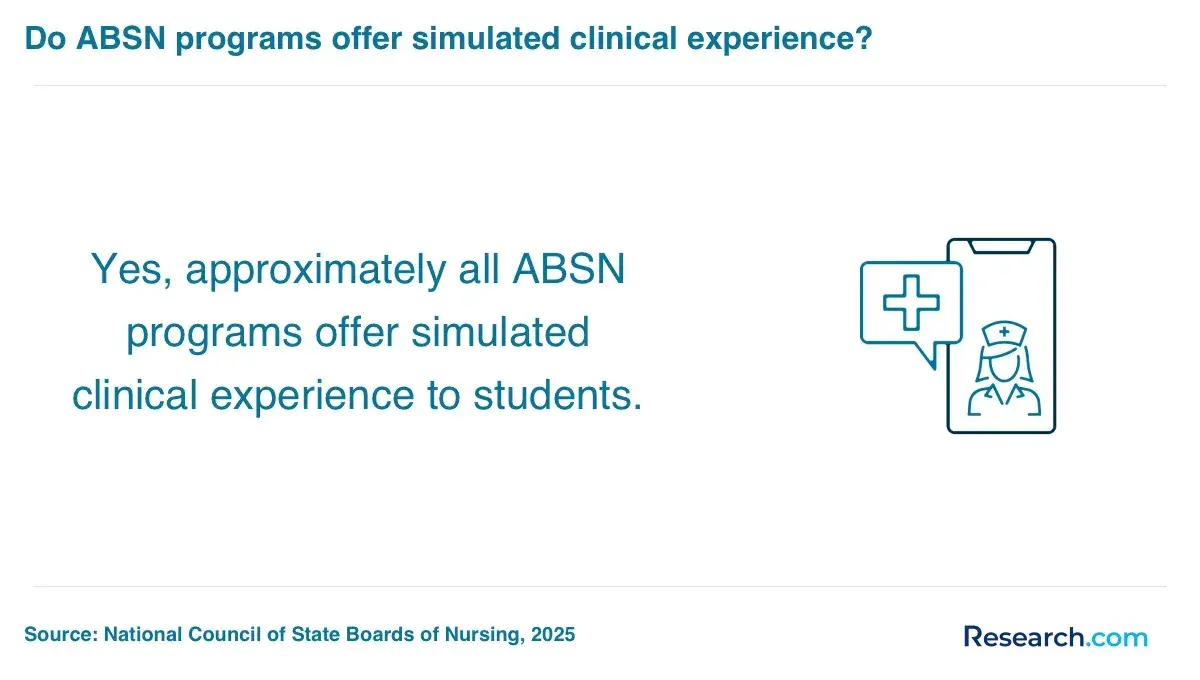
- Simulation Labs: State-of-the-art simulation environments allow students to engage in realistic patient scenarios, enhancing critical thinking and technical skills while ensuring patient safety during training.
- NCLEX-RN Preparation: Integrated exam review components focus on mastering licensure requirements, using evolving digital tools and adaptive learning to boost readiness and confidence for the licensing exam.
- Professional Development: Emphasis on leadership, evidence-based practice, and teamwork prepares students to navigate complex healthcare systems and contribute to improving patient outcomes.
- Ethics and Research: Courses equip students to address ethical challenges in practice and critically evaluate research, supporting a future where nursing decisions increasingly rely on rigorous evidence.
What accreditation should I look for in an ABSN program in West Virginia?
Accreditation is fundamental for ensuring an ABSN program in West Virginia meets rigorous standards that support licensure eligibility, academic quality, and career advancement. Here are the key accreditations to consider when evaluating both online and on-campus accelerated nursing programs:
- Institutional Accreditation: This validates that the college or university as a whole meets recognized quality benchmarks and is eligible for federal financial aid. Institutional accreditation affects credit transferability and the overall value of your degree, playing a crucial role in financing your education and future academic pursuits.
- Programmatic Accreditation (CCNE or ACEN): Specifically focused on nursing programs, accreditation by the Commission on Collegiate Nursing Education (CCNE) or Accreditation Commission for Education in Nursing (ACEN) ensures the curriculum, faculty, and clinical training adhere to national standards. This credential is key for graduate readiness, licensure eligibility, and access to advanced certifications and further education.
- State Board of Nursing Approval: Approval from the West Virginia State Board of Examiners for Registered Professional Nurses guarantees the program meets state-specific requirements needed to qualify for the NCLEX-RN exam and legal nursing practice in the state. Without this approval, licensure and employment opportunities within West Virginia are at risk.
- Veterans Benefits Approval (If Applicable): For veterans, verifying that the program is approved by the West Virginia Higher Education Policy Commission's State Approving Agency ensures eligibility for GI Bill® and other educational benefits-a vital consideration for military-connected students.
- Online/Hybrid Program Compliance: Regardless of program format, accreditation and state board approval must cover both online coursework and mandatory in-person clinical experiences. Ensuring these components are fully accredited preserves licensure eligibility and professional credibility in a future increasingly shaped by hybrid learning models.
How long does it take to complete an accelerated BSN in West Virginia?
Accelerated Bachelor of Science in Nursing (ABSN) programs in West Virginia cater to students with non-nursing bachelor's degrees eager to shift into nursing swiftly. Factors influencing program length vary and outline what to expect:
- Program Length: Typically ranging from 12 to 18 months, many programs offer a fast-track experience compared to traditional four-year degrees, with some extending slightly beyond a year and a half for thorough preparation.
- Full-time vs. Part-time Study: Full-time attendance accelerates completion, while part-time options introduce flexibility but lengthen the timeline, accommodating individual needs or work commitments.
- Online vs. On-Campus Formats: While theoretical coursework may be offered online, essential in-person clinical hours remain mandatory, impacting scheduling and overall duration.
- Clinical Hour Requirements: These hands-on experiences are critical and time-intensive, requiring careful integration into the program schedule to meet licensure standards.
- Course Sequencing: Structured curricula require students to follow a specific order of courses, ensuring competency development but limiting pace adjustments.
A nurse who completed an ABSN program from West Virginia shared that balancing intense clinical hours with full-time study felt like "a demanding sprint rather than a marathon." She recalled how the carefully timed course order, combined with strict clinical attendance, shaped her 16-month journey. Transitioning from an unrelated field, she described the experience as challenging yet rewarding, noting, "The program's design kept me on track, even when it felt overwhelming. Knowing it would all culminate in my new career made the focused timeline worthwhile." Her story highlights how the program length, while compact, provides a rigorous, immersive path toward nursing licensure in West Virginia.
How much does an accelerated BSN program cost in West Virginia?
Tuition and fees for accelerated BSN programs in West Virginia vary widely depending on the institution, whether the program is online or on-campus, and several other associated costs. Below are the key factors influencing the overall financial commitment for prospective students.
- Tuition Rates: Tuition remains the largest portion of the total cost, with resident and non-resident rates differing significantly. The accelerated BSN program tuition in West Virginia generally ranges between $25,000 and $40,000, influenced by program duration and credit hours required.
- Program-Specific Fees: Additional charges often apply for nursing labs, clinical simulation, and specialized instructional resources. These fees can add several hundred to a few thousand dollars to the final cost, especially at institutions with state-of-the-art facilities.
- Technology Fees for Online Students: Students enrolled in online ABSN programs may face technology or distance learning fees designed to support digital platforms and interactive content. These can fluctuate between moderate annual or per-term amounts, influencing the overall cost of online ABSN programs in West Virginia.
- Clinical Supplies and Uniforms: Nursing students must budget for essential items like scrubs, stethoscopes, background checks, and immunizations. These out-of-pocket expenses typically range from $500 to $1,500 and are rarely covered by tuition fees.
- Travel and Housing: Since both online and on-campus ABSN tracks require clinical rotations, students often incur travel, parking, and sometimes temporary housing expenses depending on the location of their clinical sites relative to their residence or campus.
- Financial Aid and Scholarships: Many West Virginia programs offer scholarships and financial assistance based on merit, need, or residency. Prospective students are encouraged to explore these options and complete the FAFSA to offset costs effectively.
- Licensure and Exam Fees: After graduation, costs continue with necessary NCLEX-RN exam fees and license applications, which can add several hundred dollars to the cumulative investment.
With evolving education models, students might also consider related fields by exploring acute care nurse practitioner programs online that complement an accelerated BSN degree and broaden future career prospects.
What financial aid options are available for ABSN students in West Virginia?
Accelerated nursing programs in West Virginia often carry significant costs, prompting many students to seek diverse financial aid options to help manage these expenses. Below are key types of aid commonly accessed by students pursuing a nursing degree in this state.
- Federal Student Loans: These loans remain a primary resource for those who still qualify after obtaining a prior bachelor's degree. They offer flexible repayment terms that may ease financial pressure during and after completing an ABSN program.
- State Nursing Workforce Grants: West Virginia invests heavily in nursing through programs like the Nursing Workforce Expansion, which supports students with grants and scholarships tied to service commitments, improving workforce retention and offering substantial financial relief.
- Institutional Scholarships: Many nursing schools in West Virginia have dedicated scholarship funds for accelerated nursing students. These awards help offset costs and often target non-traditional students balancing work and study.
- Employer Tuition Assistance: Healthcare employers increasingly provide tuition reimbursement as a benefit to encourage employee growth, which can significantly reduce out-of-pocket expenses for working students.
- Federal Nursing Loan Programs and Loan Forgiveness: Specialized loans for nursing education combined with loan forgiveness initiatives tied to clinical service promise future financial support avenues. Such trends point toward growing federal commitment to sustaining the nursing workforce.
Exploring financial aid for ABSN students in West Virginia reveals an evolving landscape of support that adapts to economic realities and workforce needs. For students curious whether an is online MSN program easy to get into, understanding these options helps clarify funding routes as they plan their educational journey with confidence.
What career paths are available after earning an ABSN in West Virginia?
Completing an Accelerated Bachelor of Science in Nursing (ABSN) program in West Virginia opens doors to diverse nursing roles across various healthcare settings, offering a strong foundation for dynamic career growth. The following list highlights the most common nursing careers for ABSN graduates in West Virginia, showcasing varied opportunities to apply advanced clinical skills and leadership development.
- Registered Nurse (RN): ABSN graduates can take the NCLEX-RN licensure exam to practice as registered nurses. RNs work in hospitals, outpatient clinics, and long-term care facilities, providing direct patient care and coordinating treatments. The rigorous ABSN clinical training helps prepare graduates for fast-paced healthcare environments.
- Critical Care Nurse: Specializing in intensive care units or emergency departments, critical care nurses manage patients with severe, life-threatening conditions. The comprehensive curriculum in West Virginia's ABSN programs equips students to handle high-pressure situations requiring quick decision-making and advanced assessment skills.
- Public Health Nurse: These nurses focus on community health promotion and disease prevention in rural and urban areas. ABSN graduates bring communication expertise and practical knowledge to roles in government agencies or nonprofit organizations addressing population-level health interventions.
- Nurse Educator: Graduates pursuing teaching positions contribute by designing curriculum and training nursing students or practicing nurses. ABSN programs provide foundational knowledge, and many move on to advanced degrees to specialize further in nursing education.
- Nurse Manager: Leadership roles such as nurse manager or charge nurse involve overseeing teams, managing resources, and ensuring regulatory compliance. The leadership skills integrated into ABSN studies support graduates in advancing healthcare delivery and administration.
Career changers can enter the workforce quickly through accelerated programs, addressing ongoing shortages while opening doors to specialized or leadership roles. Those seeking accelerated advancement may also explore options like what is the most affordable online AGNP program for further professional growth in nursing.
What is the average salary for nurses with an ABSN degree in West Virginia?
Earning an Accelerated Bachelor of Science in Nursing (ABSN) degree in West Virginia can lead to competitive salaries, with pay influenced by several evolving factors such as experience, specialization, healthcare setting, and geographic location. Understanding these dynamics is essential for prospective students considering online or on-campus ABSN programs. Key factors that shape earning potential include:
- Years of Experience: More experienced nurses generally command higher salaries as they take on leadership roles or advanced clinical responsibilities. Experience often correlates with increased earning capacity in both urban and rural healthcare settings.
- Type of Employer: Large hospitals and healthcare systems typically offer better compensation compared to smaller clinics or community health centers, reflecting resources and demand for specialized nursing skills.
- Geographic Area: Urban centers like Charleston and Huntington tend to provide higher wages than rural towns, influenced by local healthcare infrastructure and cost of living differences.
- Specialization or Certification: Obtaining certifications and focusing on in-demand specialties such as critical care or oncology can significantly boost salary prospects beyond general nursing roles.
- Level of Education: Further education beyond the ABSN, like a Master's degree, often opens pathways to higher-paying advanced practice roles or leadership positions.
Here's What Graduates Have to Say About Their ABSN Degree in West Virginia
- Completing the online ABSN program at West Virginia University was a game changer for me. Balancing work and study from home allowed me to stay connected to my family while pursuing my dream of becoming a nurse. The program's flexibility and strong support system empowered me to succeed, and now I'm proud to serve as a nurse in a local school where I can make a real difference in children's health and well-being. Knowing I'm helping students thrive both physically and emotionally gives me immense satisfaction every day. Anna
- Attending the on-campus ABSN program at Marshall University was a true journey of personal growth. The rigorous curriculum and hands-on clinical experiences challenged me to push my limits and develop confidence in my nursing skills. Starting my career as a nurse educator in a local school has been fulfilling because I can mentor the next generation while staying engaged with the community. The chance to give back and contribute to young people's futures makes every late night of study worth it. Javie
- Pursuing my ABSN degree at Shepherd University presented unique challenges given the rural setting, but it also offered incredible opportunities for professional development. The small class sizes and dedicated faculty created a personalized learning environment where I thrived. Now, working as a nurse in a nearby local school, I'm constantly inspired by the resilience of the community and proud to have advanced my career through this program. This path has truly enhanced my ability to lead and advocate for student health programs. Carla
Related Articles for Nearby States
- 2027 Best ABSN Programs - Accelerated BSN Programs in Virginia: Online & Campus
- 2027 Best ABSN Programs - Accelerated BSN Programs in Ohio: Online & Campus
- 2027 Best ABSN Programs - Accelerated BSN Programs in Kentucky: Online & Campus
- 2027 Best ABSN Programs - List of Accelerated BSN Programs in Pennsylvania: Online & Campus
- 2027 Best ABSN Programs - Accelerated BSN Programs in Maryland: Online & Campus
- 2027 Best ABSN Programs - List of Accelerated BSN Programs in North Carolina: Online & Campus
- 2027 Best ABSN Programs - List of Accelerated BSN Programs in Tennessee: Online & Campus
- 2027 Best ABSN Programs - Accelerated BSN Programs in Indiana: Online & Campus
- 2027 Best ABSN Programs - List of Accelerated BSN Programs in South Carolina: Online & Campus
- 2027 Best ABSN Programs - Accelerated BSN Programs in Georgia: Online & Campus
References:
- West Liberty ABSN - Accelerated Nursing Program https://www.absnprograms.org/absn-schools/west-liberty-university-absn/
- Accelerated Nursing Option Inquiry - Southern WV Community & Technical College https://www.southernwv.edu/accelerated-nursing-option-inquiry/
- Nursing Program Accreditation https://wvstateu.edu/college-of-professional-studies/departments/nursing/nursing-program-accreditation/
- Scholarship Opportunities https://nursing.wvu.edu/students/resources/scholarship-opportunities/
- For second-degree students, Aspiring Nurse Program helps turn nursing dreams into reality https://health.wvu.edu/news/story
- Registered Nurse Salary in West Virginia (2024) | Trusted Health https://www.trustedhealth.com/nurse-salary-guide/west-virginia
- How much can I work during an accelerated BSN program? https://www.herzing.edu/faq/how-much-can-i-work-during-accelerated-nursing-program
- Tuition at WVU | Home https://tuition.wvu.edu/
- Accelerated LPN – RN - WVU Parkersburg https://www.wvup.edu/academics/programs/accelerated-lpn-rn/
- Accelerated BSN (ABSN) Programs by State for 2025 https://nurse.org/education/absn-programs-by-state/
Other Things You Should Know About ABSN Programs in West Virginia
In 2027, top ABSN programs in West Virginia include West Virginia University and Shepherd University. Both offer robust, accredited curricula combining online coursework and clinical experiences, designed to fast-track students toward RN licensure and practice in diverse healthcare settings.
Eligibility for enrolling in an accelerated BSN program in West Virginia in 2027 typically includes holding a bachelor's degree in a non-nursing field. Prospective students may also need to complete prerequisite courses in areas like anatomy, physiology, and microbiology, along with achieving a minimum GPA as specified by the program.


