
2027 Best ABSN Programs - Accelerated BSN Programs in Ohio: Online & Campus

Co-Founder and Chief Data Scientist
Ohio reports a 15% growth in healthcare employment through 2030, reflecting robust demand for qualified nurses. Pursuing accelerated Bachelor of Science in Nursing (ABSN) programs, whether online or on-campus, offers a strategic pathway for career advancement amid this expanding market. The state's combination of reputable educational institutions and evolving healthcare needs positions ABSN candidates for promising opportunities, blending flexibility and comprehensive clinical experience to meet future trends.
This article, crafted by career planning experts, delves into the nature of accelerated BSN programs in Ohio. It guides readers through understanding program structures, admission criteria, and experiential components, clarifying what to expect. It also highlights critical factors influencing the decision-making process, equipping prospective students to make informed choices tailored to their professional goals and personal circumstances in Ohio's dynamic nursing landscape.
Key Benefits of ABSN Programs in Ohio
- Ohio's ABSN programs offer intensive 12-18 month courses, enabling faster workforce entry amid a projected 15% nursing demand increase by 2030.
- Online and campus hybrid options provide flexibility, accommodating working students while leveraging Ohio's leading healthcare partnerships for quality clinical experiences.
- Competitive tuition rates under $40,000 in Ohio make ABSN programs accessible, promoting diversity and expanding the future nursing workforce in the state.
- Who can apply for accelerated BSN programs in Ohio?
- What are the admission requirements for accelerated BSN programs in Ohio?
- Do accelerated BSN programs in Ohio require entrance exams?
- What does the curriculum of an accelerated BSN program in Ohio include?
- What accreditation should I look for in an ABSN program in Ohio?
- How long does it take to complete an accelerated BSN in Ohio?
- How much does an accelerated BSN program cost in Ohio?
- What financial aid options are available for ABSN students in Ohio?
- What career paths are available after earning an ABSN in Ohio?
- What is the average salary for nurses with an ABSN degree in Ohio?
Who can apply for accelerated BSN programs in Ohio?
Accelerated Bachelor of Science in Nursing (ABSN) programs in Ohio cater specifically to individuals who already possess a bachelor's degree in a non-nursing field and are eager to transition into nursing more efficiently. These programs build on existing academic foundations, allowing students to bypass certain introductory courses common in traditional nursing tracks. To meet the eligibility requirements for accelerated BSN programs in Ohio, applicants typically need to have completed prerequisite science and general education courses, combined with a minimum GPA standard. This pathway offers a focused, intensive curriculum designed to quickly prepare graduates for nursing licensure and practice, making it an attractive option for those ready to enter healthcare without starting over academically.
The types of students drawn to ABSN programs in Ohio often include career changers from fields like business, education, or the sciences who seek more meaningful or stable professional opportunities. Recent college graduates with degrees unrelated to nursing also find accelerated programs ideal for a swift entry into healthcare. The admission criteria for ABSN programs in Ohio favor applicants who demonstrate strong academic motivation, exceptional time management skills, and a genuine passion for patient care. Success in these rigorous programs depends heavily on resilience and the ability to handle a fast-paced schedule while engaging deeply with clinical experiences. For those curious about the next steps after nursing school, understanding what do I need to start working as family nurse practitioner offers valuable insight into advanced nursing careers.
What are the admission requirements for accelerated BSN programs in Ohio?
Admission into accelerated BSN programs in Ohio is highly competitive and designed to identify students who are academically prepared and motivated to handle an intensive nursing curriculum. The programs assess candidates based on several clear criteria to ensure readiness for the demanding coursework ahead. Below are the primary admission requirements common to both online and on-campus options, reflecting the evolving standards in nursing education.
- Non-Nursing Bachelor's Degree: Applicants must hold a bachelor's degree in a non-nursing field from an accredited institution, proving their academic ability and dedication. This requirement ensures that students bring a solid educational foundation, facilitating a smoother transition into an advanced healthcare discipline.
- Prerequisite Courses: Completion of specific courses like anatomy, physiology, microbiology, and statistics is essential to verify foundational knowledge in science and math. These prerequisite courses for ABSN programs in Ohio build the baseline expertise necessary to excel in accelerated nursing training.
- Minimum GPA Standards: Most programs require a minimum GPA, commonly a 3.0, to demonstrate consistent academic achievement. This criterion helps nursing schools predict a candidate's capacity to manage the rigorous and fast-paced ABSN curriculum.
- Application Materials: Submitting letters of recommendation, personal statements, or essays allows applicants to communicate their motivation and understanding of nursing. These documents provide valuable insight into the personal drive and goal clarity of prospective students, traits crucial for success in this demanding field.
As nursing education continues to adapt, candidates who meet these criteria are better positioned to thrive in programs that may increasingly integrate online and hybrid models. For a broader perspective on healthcare career paths, exploring nurse practitioner requirements can provide valuable context for those considering advanced nursing roles.
Do accelerated BSN programs in Ohio require entrance exams?
Accelerated Bachelor of Science in Nursing (ABSN) programs in Ohio show considerable variation in their entrance exam requirements. Some programs may waive entrance exams entirely, focusing instead on prior academic performance or other admissions criteria. However, many programs rely on standardized tests such as the TEAS (Test of Essential Academic Skills), which evaluates competencies in reading, mathematics, science, and English. Other schools might require the HESI A2 or similar assessments, each designed to gauge foundational knowledge relevant to nursing studies. Since there is no unified statewide standard, prospective students must verify specific exam requirements directly with the institutions they're interested in.
Entrance exams serve as a critical tool for nursing schools to assess applicants' academic readiness and critical thinking abilities before admission. These exams provide insights into whether candidates possess the necessary skills to manage the accelerated pace and academic rigor of ABSN programs. By testing essential areas like reading comprehension and scientific reasoning, schools better ensure admitted students can successfully navigate the demanding coursework. This careful screening supports maintaining high educational standards and helps prepare a competent nursing workforce capable of meeting clinical challenges.
When I spoke with a nurse from Ohio who graduated from a local ABSN program, he reflected on his admissions journey with a blend of relief and appreciation. He explained that both the online and on-campus options at his school required the TEAS exam, which he initially found intimidating given its broad scope. "Preparing for that test was tough-I had to brush up on sciences and reading strategies I hadn't used in years," he recalled. Yet, after passing, he felt a strong sense of validation, knowing that the exam helped confirm he was ready for the challenges ahead. The nurse emphasized how the entrance exam not only set expectations but also helped him approach the program with confidence, especially balancing the online coursework alongside clinical sessions. This experience underscored for him how entrance exams, though demanding, play a vital role in shaping capable nursing professionals in Ohio today.
What does the curriculum of an accelerated BSN program in Ohio include?
The accelerated BSN curriculum in Ohio is meticulously designed to build clinical competence and nursing knowledge within a condensed 15 to 20-month timeframe, equipping students for swift integration into healthcare settings. This curriculum balances theoretical understanding with practical application across multiple core areas:
- Foundational Nursing Courses: These courses cover essential nursing theories, ethical frameworks, and professional standards, laying the groundwork for critical thinking and evidence-based decision-making in rapidly evolving healthcare environments.
- Pharmacology and Pathophysiology: Students explore medication principles and disease mechanisms, enabling them to anticipate patient responses and adjust care plans dynamically as healthcare technologies advance.
- Health Assessment and Communication: Emphasizing physical exams and therapeutic communication, this component prepares students to collect accurate patient data and foster culturally sensitive interactions, vital for holistic care.
- Nursing Skills and Simulation Labs: Leveraging cutting-edge simulation technology, students refine clinical procedures and critical judgment in safe, controlled settings, reflecting trends toward virtual and augmented reality training tools.
- Clinical Rotations: Hands-on experiences across diverse specialties provide exposure to real-world patient care, ensuring readiness for complex care environments and interprofessional collaboration.
- Professional Nursing Concepts: Coursework develops leadership abilities and knowledge of healthcare systems, positioning graduates to navigate future policy shifts and quality improvement initiatives effectively.
- Research and Evidence-Based Practice: Focused on critical appraisal and application of new findings, this prepares nurses to contribute to innovation and continuous improvement in patient outcomes.
- NCLEX-RN Preparation: Comprehensive review and practice exams ensure students meet licensure requirements, supported increasingly by adaptive learning technologies that personalize study strategies.
- Community and Population Health: This segment trains nurses to address health disparities and promote wellness proactively, aligning with emerging population health management models influenced by data analytics and telehealth.
What accreditation should I look for in an ABSN program in Ohio?
Accreditation guarantees that an ABSN program in Ohio meets high standards of educational quality, licensure eligibility, and career readiness, forming a critical foundation for your success in nursing. Here are the essential types of accreditation and approvals to consider when evaluating both online and on-campus programs:
- Institutional Accreditation: This confirms that the entire college or university meets established standards of quality and is typically awarded by regional bodies like the Higher Learning Commission (HLC). It ensures federal financial aid eligibility and that your credits are recognized by employers and other institutions.
- Programmatic Accreditation by CCNE: The Commission on Collegiate Nursing Education accredits nursing programs that meet rigorous national benchmarks in curriculum, faculty, and resources. CCNE accreditation is especially valued by employers and state boards, often required for NCLEX-RN eligibility and recognized nationwide, supporting mobility and advanced study options.
- Programmatic Accreditation by ACEN: The Accreditation Commission for Education in Nursing also verifies that nursing programs maintain high standards. Though less common in Ohio, ACEN accreditation is equally important for licensure and federal aid and influences career trajectories and educational opportunities.
- Ohio Board of Nursing Approval: State approval is mandatory for graduates to sit for the NCLEX-RN exam in Ohio. This ensures programs comply with local regulations, including curriculum and clinical experience standards, confirming you will meet licensure requirements upon graduation.
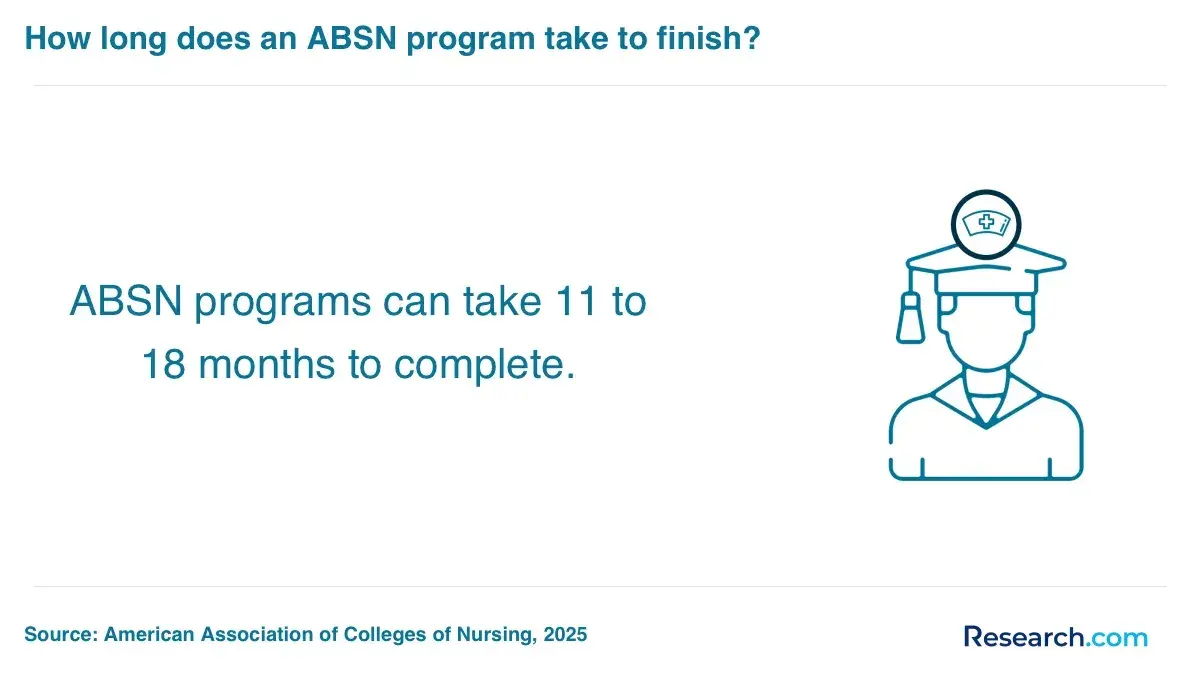
How long does it take to complete an accelerated BSN in Ohio?
Accelerated Bachelor of Science in Nursing (ABSN) programs in Ohio cater to students with a non-nursing bachelor's degree, offering a swift pathway into nursing. Various factors influence the time needed to complete these programs, shaping each student's experience:
- Typical Program Lengths: Most programs last between 13 and 20 months, with many clustered around 15 to 18 months depending on the institution and program format.
- Full-Time vs. Part-Time Study: ABSN programs generally demand full-time commitment, with few part-time options, speeding up completion but requiring intense dedication.
- Online vs. On-Campus Formats: Online or hybrid formats offer flexibility in scheduling clinical hours and coursework without significantly altering overall duration.
- Clinical Hour Requirements: Extensive clinical hours, typically 700-800, are mandatory and can affect progression based on availability and scheduling.
- Course Sequencing: The structured progression of courses and cohorts means delays can extend program length if interruptions occur.
Reflecting on her journey, a nurse who completed an ABSN program from Ohio recalled, "The intense schedule surprised me at first, but knowing it would take about 15 months helped me stay focused." She emphasized that balancing clinical hours with coursework was challenging, especially with occasional schedule shifts, yet the clear timeline kept her motivated. Transitioning from a different career, she valued the program's pace, saying, "It felt immersive but manageable, and finishing within that timeframe made the leap into nursing possible without feeling overwhelmed."
How much does an accelerated BSN program cost in Ohio?
Tuition and fees for accelerated BSN programs in Ohio can vary depending on the institution, whether the program is delivered online or on-campus, as well as additional expenses related to clinical requirements and materials. The following points highlight the main cost factors for both online and campus-based programs to consider when evaluating the overall investment.
- Tuition Rates: Tuition for Ohio ABSN programs typically ranges from $30,000 to $40,000 for the entire course, though some schools, especially private institutions, might charge more per credit hour. In-state students generally benefit from lower tuition, while out-of-state rates can increase the cost significantly, impacting the total expense.
- Technology and Lab Fees: Programs often include technology and lab fees that cover access to online platforms, simulation labs, and specialized instructional resources. These fees can add several thousand dollars to the overall cost and are sometimes bundled within per-credit-hour charges, especially in accelerated nursing programs.
- Clinical Supplies and Uniforms: Students must purchase clinical essentials such as uniforms, stethoscopes, and textbooks. These necessary materials typically cost several hundred to over a thousand dollars, which adds to the upfront investment required for hands-on training components.
- Travel and Housing Expenses: Even online ABSN programs require in-person clinical placements that may demand travel and temporary housing near clinical sites. On-campus students may also face relocation or commuting costs. These expenses can vary widely but are an important consideration in the total cost of attendance, especially for students far from clinical facilities.
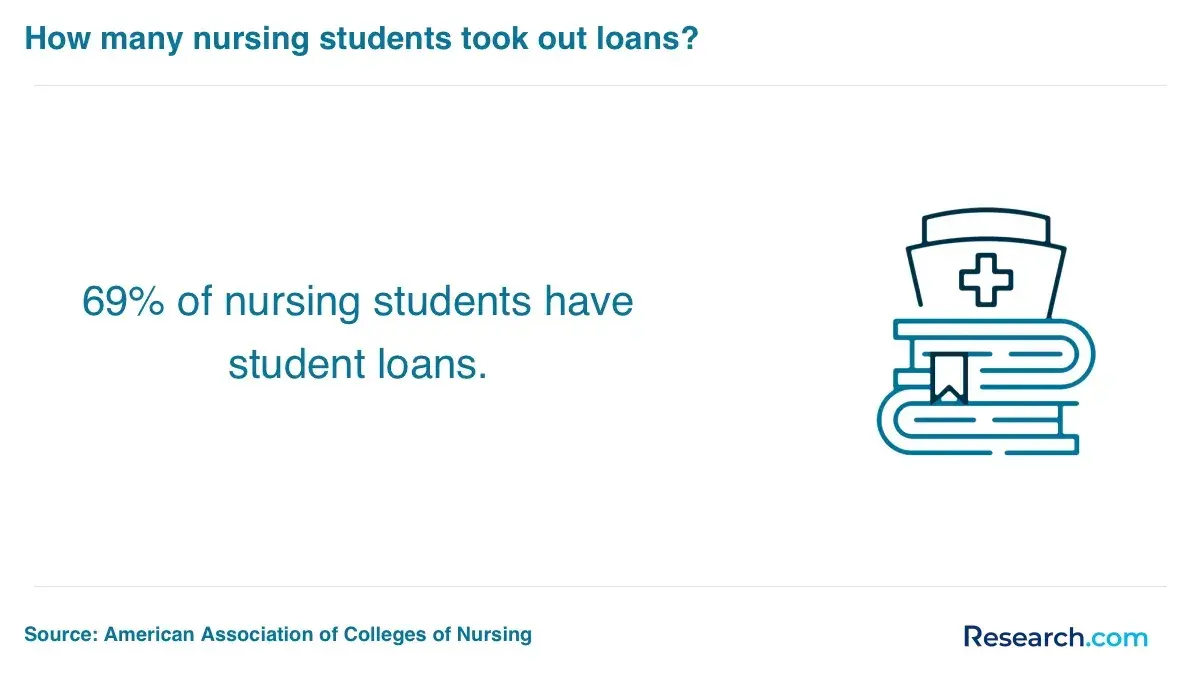
- Financial Aid and Scholarships: Financial assistance options include federal student loans, which have annual limits for students with prior degrees, plus institutional scholarships and tuition aid offered by some hospitals and agencies. Prospective students should explore these opportunities early to help offset the substantial cost of an accelerated BSN.
Ohio's ABSN tuition online and on campus is evolving, with programs seeking to balance quality instruction and affordability. For those investigating nursing education pathways, it can be helpful to research what are the best acute care nurse practitioner programs as part of future career planning.
What financial aid options are available for ABSN students in Ohio?
Because accelerated nursing programs in Ohio can be costly, many students explore different financial aid opportunities to make their education more affordable. Below are some key options available to support prospective ABSN students as they pursue their degrees.
- Federal Student Loans: These loans are a primary source of funding, accessible through FAFSA applications. They offer competitive interest rates and flexible repayment plans, often covering up to $12,500 annually for students with prior degrees.
- State and Institutional Grants: Ohio provides targeted programs such as the Ohio Nursing Scholarship, alongside university-specific grants at institutions like Kent State and Ohio State, designed to ease tuition fees and encourage completion of accelerated BSN programs in Ohio.
- Nursing Scholarships: Numerous scholarships are available from healthcare organizations and companies, including merit- and need-based awards. These Ohio nursing scholarships for ABSN students offer meaningful financial relief and recognize academic or community achievements.
- Employer Tuition Assistance: Healthcare employers are increasingly offering tuition reimbursement in exchange for work agreements post-graduation. This trend not only lowers immediate expenses but also secures career opportunities upon completing the program.
- Loan Forgiveness Programs: Emerging incentives aim to reduce debt burden by forgiving loans for nurses committing to underserved areas or critical care roles. These programs represent a growing effort to address nursing shortages while supporting graduates financially.
For those considering specializations beyond nursing, exploring the easiest nurse practitioner specialty can provide insights into future educational pathways that complement an ABSN degree.
What career paths are available after earning an ABSN in Ohio?
Completing an Accelerated Bachelor of Science in Nursing program in Ohio opens doors to diverse nursing roles across various healthcare settings, equipping graduates with skills applicable in many professional environments. The following outlines some prominent career opportunities for ABSN nurses in Ohio:
- Registered Nurse (RN): Providing direct patient care, administering medications, and coordinating treatment plans, RNs work in hospitals, outpatient clinics, and long-term care facilities. An ABSN degree equips graduates to pass the NCLEX-RN exam and develop both clinical skills and theoretical knowledge necessary for success in these roles focused on patient-centered care.
- Critical Care Nurse: Specializing in intensive monitoring and treatment of patients with life-threatening conditions, critical care nurses typically serve in intensive care units. The hands-on clinical training in ABSN programs prepares graduates to handle urgent, high-pressure situations with confidence and precision.
- Public Health Nurse: Emphasizing community health promotion and disease prevention, public health nurses engage with public health departments and non-profits to design education programs and conduct assessments. The focus on population health in ABSN curricula supports nurses aiming to impact broad health outcomes beyond individual patients.
- Nurse Educator: After gaining clinical experience, ABSN graduates can transition to teaching roles within academic settings, where they develop curricula and mentor future nurses. This path combines practical nursing knowledge with educational skills to shape the next generation of healthcare professionals.
- Nurse Manager: Overseeing nursing teams and managing patient care units, nurse managers are key leaders in healthcare environments responsible for staffing, budgeting, and quality assurance. ABSN alumni with leadership aspirations can leverage their clinical expertise and organizational abilities in these demanding roles.
Today's nursing jobs in Ohio for ABSN graduates are rapidly evolving, with emerging healthcare technologies and shifting patient needs expanding these career pathways. For those seeking advanced education options, programs like a cheap online AGNP program offer future-focused opportunities that complement ABSN foundations and further enhance professional versatility.
What is the average salary for nurses with an ABSN degree in Ohio?
Earning an Accelerated Bachelor of Science in Nursing (ABSN) in Ohio can lead to competitive salaries, with pay influenced by factors such as experience, specialization, healthcare setting, and geographic location within the state. These variables shape the financial outlook for ABSN graduates pursuing nursing careers in diverse environments. Key factors affecting salary include:
- Years of Experience: Nurses with more experience tend to earn higher salaries due to expanded clinical skills and leadership opportunities, with entry-level pay near the state median and growth into top percentiles over time.
- Type of Employer: Large hospitals and academic medical centers often offer the highest salaries, while outpatient clinics and long-term care facilities may pay less but provide other benefits like work-life balance.
- Geographic Area: Urban centers such as Cleveland and Columbus typically provide higher wages than rural areas, reflecting local demand and cost of living adjustments.
- Specialization or Certification: Holding specialty credentials in areas like critical care or emergency nursing can increase salary prospects significantly in Ohio's competitive nursing market.
- Level of Education: BSN-prepared nurses, including those with ABSN degrees, generally earn more than Associate Degree nurses, benefiting from higher job demand and advancement potential.
Here's What Graduates Have to Say About Their ABSN Degree in Ohio
- Completing my ABSN degree at Cleveland State University's on-campus program was an intense but incredibly rewarding journey. The hands-on clinical experiences prepared me thoroughly to enter the nursing workforce with confidence. Starting my career in a local school, I found immense joy in supporting children's health and making a meaningful impact in their daily lives. The community focus of Ohio's nursing programs really helped me grow both professionally and personally. I am grateful for the stability and opportunities this path has provided me. May
- The flexibility of the online ABSN program at Ohio University allowed me to balance my existing commitments with intensive study, which was essential for me. Transitioning to a nursing role within a local academic environment has been fulfilling, especially as I see the tangible difference nurses make in student well-being. This program not only enhanced my medical knowledge but also sharpened my communication and leadership skills. Pursuing nursing in Ohio opened doors I hadn't imagined before, and I am excited about the career advancement potential. Nursing is truly where my passion and profession meet. Yasmin
- Attending the ABSN program at the University of Cincinnati challenged me to push my limits, but it also offered unique experiences that connected me deeply with Ohio's healthcare communities. I started working in a local school setting, cherishing the opportunity to contribute positively to children's health education and safety. The program's blend of rigorous academics and community engagement helped me evolve both as a nurse and a person. Ohio's diverse healthcare environment has been instrumental in my ongoing professional development and career growth. I am proud to be part of this vibrant nursing community. Tara
Related Articles for Nearby States
- 2027 Best ABSN Programs - Accelerated BSN Programs in Indiana: Online & Campus
- 2027 Best ABSN Programs - Accelerated BSN Programs in Kentucky: Online & Campus
- 2027 Best ABSN Programs - List of Accelerated BSN Programs in West Virginia: Online & Campus
- 2027 Best ABSN Programs - List of Accelerated BSN Programs in Pennsylvania: Online & Campus
- 2027 Best ABSN Programs - Accelerated BSN Programs in Michigan: Online & Campus
- 2027 Best ABSN Programs - Accelerated BSN Programs in Illinois: Online & Campus
- 2027 Best ABSN Programs - Accelerated BSN Programs in Virginia: Online & Campus
- 2027 Best ABSN Programs - List of Accelerated BSN Programs in Tennessee: Online & Campus
- 2027 Best ABSN Programs - List of Accelerated BSN Programs in North Carolina: Online & Campus
- 2027 Best ABSN Programs - Accelerated BSN Programs in Missouri: Online & Campus
References:
- ABSN Tuition and Fees - Xavier University https://acceleratednursing.xavier.edu/admissions/tuition-and-fees/
- Accelerated BSN Program | Ursuline College | Ursuline - Liberal Arts College in OH https://www.ursuline.edu/academics/programs/accelerated-bachelor-of-science-in-nursing-absn-program
- aBSN Admissions http://nursing.osu.edu/academics/undergraduate/accelerated-bachelor-science-nursing/admissions
- ABSN vs ADN - What's the Difference? https://www.absnprograms.org/resources/absn-vs-adn/
- Accelerated BSN Program https://health.csuohio.edu/undergraduate-programs/accelerated-bsn-program
- Nurse Salaries By State + the Highest Paying States For RNs https://nurse.org/articles/highest-paying-states-for-registered-nurses/
- 7 Challenges to Prepare for in Accelerated Nursing Programs https://www.edumed.org/articles/7-challenges-to-prepare-for-in-accelerated-nursing-programs/
- Accelerated BSN (ABSN) https://www.bw.edu/academics/absn/
- ADN vs. BSN: Choosing the Right Degree - Mercer https://absn.mercer.edu/blog/adn-vs-bsn/
- Nursing - Accelerated Second Degree Bachelor of Science in Nursing (BSN) https://www.kent.edu/nursing/programs/accelerated-bsn
Other Things You Should Know About ABSN Programs in Ohio
In 2027, top accelerated BSN programs in Ohio include Case Western Reserve University, Ohio State University, and Cleveland State University. These programs offer rigorous coursework and clinical experiences, designed to transition students with non-nursing bachelor's degrees into the nursing profession efficiently.
In 2027, most accelerated BSN programs in Ohio are full-time due to the intensive nature and rigorous curriculum designed to quickly transition students into nursing. Balancing work with these programs is challenging, but some students manage part-time work with careful time management and support.


