
2027 Best ABSN Programs - List of Accelerated BSN Programs in North Dakota: Online & Campus

Co-Founder and Chief Data Scientist
North Dakota offers a unique landscape for pursuing accelerated Bachelor of Science in Nursing (ABSN) programs, balancing rural healthcare needs with growing urban opportunities. With a projected nursing job growth rate of 15% from 2020 to 2030, the state presents strong potential for career stability. Choosing between online and on-campus ABSN formats involves considering factors such as clinical placement availability and personal learning preferences. The state's healthcare demands suggest that accelerated programs may provide an efficient pathway, but the decision should reflect individual circumstances and expectations.
This article, prepared by career planning specialists, delves into what an ABSN program in North Dakota entails. It aims to help readers grasp the key elements, identify relevant criteria, and navigate choices effectively when evaluating ABSN options within the state. The goal is to inform with balanced insight rather than promote specific programs, empowering readers to make well-rounded educational decisions.
Key Benefits of ABSN Programs in North Dakota
- North Dakota's ABSN programs offer accelerated pathways that can be completed in as little as 12-18 months, allowing career changers to enter nursing quickly compared to traditional BSN timelines.
- Many programs blend online coursework with on-campus clinicals, providing flexibility while maintaining state-required hands-on training crucial for licensure.
- Graduates benefit from strong local demand, with North Dakota projected to see a 16% nurse employment growth by 2030, enhancing job prospects despite rural healthcare challenges.
- Who can apply for accelerated BSN programs in North Dakota?
- What are the admission requirements for accelerated BSN programs in North Dakota?
- Do accelerated BSN programs in North Dakota require entrance exams?
- What does the curriculum of an accelerated BSN program in North Dakota include?
- What accreditation should I look for in an ABSN program in North Dakota?
- How long does it take to complete an accelerated BSN in North Dakota?
- How much does an accelerated BSN program cost in North Dakota?
- What financial aid options are available for ABSN students in North Dakota?
- What career paths are available after earning an ABSN in North Dakota?
- What is the average salary for nurses with an ABSN degree in North Dakota?
Who can apply for accelerated BSN programs in North Dakota?
Accelerated Bachelor of Science in Nursing (ABSN) programs in North Dakota are tailored for individuals who already hold a bachelor's degree in a non-nursing discipline and want to shift into a nursing career at a faster pace. These programs capitalize on previous academic achievements by focusing primarily on nursing-specific courses and clinical practice. Eligibility generally requires completion of prerequisite science courses with satisfactory grades and meeting certain GPA thresholds. Candidates may also need to provide official transcripts, and in some cases, submit essays or attend interviews. The intensive nature of North Dakota accelerated nursing programs demands readiness for a challenging and focused study experience.
The students who pursue North Dakota Accelerated Nursing Programs often come from varied professional backgrounds, including business, education, or the sciences, drawn by the prospect of a meaningful and stable healthcare career. Recent graduates seeking swift entry into nursing also find these programs appealing. Success in an accelerated BSN program typically depends on strong academic motivation, disciplined time management, and a committed passion for patient care. These qualities help applicants navigate the demanding curriculum and clinical responsibilities.
For those weighing certification options after nursing education, understanding the differences between FNP C and FNP BC certification may be useful as they plan their career path.
What are the admission requirements for accelerated BSN programs in North Dakota?
Admission into accelerated BSN programs in North Dakota is competitive and designed to identify students who are academically prepared and motivated to handle an intensive nursing curriculum. These programs require applicants to meet several critical criteria to ensure they can successfully complete the rigorous training. Below are key admission requirements common to both online and on-campus ABSN programs in North Dakota.
- Non-Nursing Bachelor's Degree: Applicants must hold a bachelor's degree in a field other than nursing. This prerequisite assures that candidates have already demonstrated the ability to complete higher education and are ready to transition into a specialized nursing track.
- Prerequisite Coursework: Completing specific science and general education courses is essential, including subjects like anatomy, physiology, microbiology, chemistry, and statistics. These prerequisites establish a foundational knowledge base vital for success in nursing courses and clinical practice, making them a crucial part of accelerated BSN admission requirements North Dakota-focused programs emphasize.
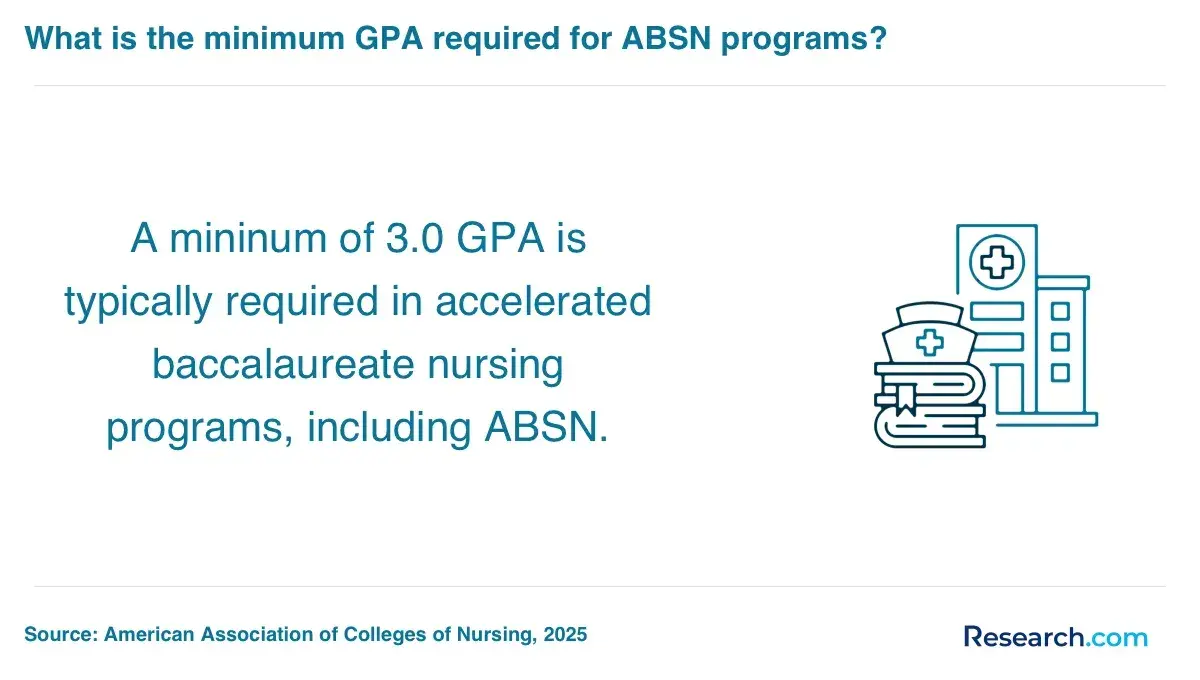
- Minimum GPA Standards: Schools typically require a competitive GPA, often around 3.0 or higher, in prerequisite courses and overall undergraduate work. This benchmark helps identify students with consistent academic performance, indicating their readiness for the accelerated pace of nursing education.
- Application Materials: Applicants need to submit a comprehensive application that usually includes letters of recommendation, a personal statement, and a resume or CV. These components provide insight into the applicant's motivation, communication skills, and suitability for nursing, offering a more holistic view beyond grades.
Balancing these criteria is demanding but essential for maintaining the quality of nursing graduates. Prospective students often benefit from reviewing detailed requirements at each school and preparing thoroughly. For those interested in the evolving roles within nursing, exploring specialized credentials such as functional medicine certification for nurse practitioners can offer additional career development opportunities alongside an accelerated BSN degree.
Do accelerated BSN programs in North Dakota require entrance exams?
Entrance exam requirements for Accelerated Bachelor of Science in Nursing (ABSN) programs in North Dakota are not uniform and can differ depending on the institution. Generally, these programs do not mandate exams like the GRE for admission. Instead, many schools emphasize applicants' academic background, often requiring a prior bachelor's degree and a minimum GPA. Some programs may require tests such as the TEAS or HESI, which assess core academic skills in reading, math, science, and English. However, these assessments are not a universal prerequisite across all ABSN offerings in the state.
Some nursing schools in North Dakota utilize entrance exams to gauge applicants' readiness for the demanding pace of accelerated studies and to measure critical thinking skills. These tests provide a standardized way to evaluate foundational knowledge, helping schools maintain educational quality and support successful student outcomes. Assessments like the TEAS offer insight into prospective students' strengths and weaknesses, allowing programs to better prepare or advise applicants. Additionally, using entrance exams can help level the playing field for candidates with diverse educational experiences, offering a more objective comparison during admissions decisions.
A nurse from North Dakota who graduated from a local ABSN program shared that his chosen school did not require an entrance exam but did emphasize strong academic performance in prerequisite courses. He described feeling relief knowing the admissions process focused more on his previous coursework than a single test under pressure. Though some of his peers attended other schools that required the TEAS, he appreciated how his program tailored resources and support based on transcripts and interviews rather than standardized testing. Reflecting on his journey, he noted, "The absence of a formal entrance exam didn't mean the program was easy, but it made the start less stressful and encouraged me to build confidence through consistent academic effort." This experience highlights how North Dakota's ABSN programs balance evaluation methods to support diverse student backgrounds both online and on-campus.
What does the curriculum of an accelerated BSN program in North Dakota include?
The accelerated BSN curriculum in North Dakota is designed to build clinical competence and nursing knowledge within a condensed timeframe, typically 12 to 18 months. This intensive approach balances theory and practice to prepare students effectively for nursing roles. Key components shared by both online and on-campus ABSN programs include:
- Foundational Nursing Courses: These courses cover essential subjects like health assessment, pharmacology, pathophysiology, and evidence-based practice. They provide a scientific and ethical framework that supports safe and informed patient care, accommodating the diverse academic backgrounds of ABSN students.
- Clinical Training: Practical experiences occur in various healthcare settings, including hospitals and community agencies. Clinical rotations encompass adult health, mental health, pediatrics, and public health, ensuring students apply theoretical knowledge under supervision to develop hands-on skills critical for professional nursing.
- Simulation Labs: Using technology such as high-fidelity manikins and virtual scenarios, simulation labs offer a risk-free environment to practice decision-making and clinical procedures. This component bridges the gap between classroom learning and real-world patient care, enhancing readiness before entering live clinical settings.
- NCLEX-RN Preparation: Programs integrate focused exam preparation through review courses, practice tests, and remediation support. This alignment with NDBON standards promotes an NCLEX first-time pass rate of at least 80%, reflecting consistent readiness for licensure and professional practice.
What accreditation should I look for in an ABSN program in North Dakota?
Accreditation is essential for ensuring that an ABSN program in North Dakota meets high educational standards, qualifies graduates for licensure, and supports future career growth. When evaluating programs, consider these key types of accreditation and approvals:
- Institutional Accreditation: This certifies that the entire college or university meets recognized quality standards, not just the nursing program. In North Dakota, look for accreditation from agencies recognized by the U.S. Department of Education, such as the Higher Learning Commission (HLC), as this confirms the institution provides a reliable educational foundation.
- Programmatic Accreditation by CCNE: The Commission on Collegiate Nursing Education focuses specifically on nursing programs, ensuring they adhere to rigorous national standards. CCNE accreditation indicates that an ABSN curriculum and faculty are properly equipped to prepare students for professional nursing roles.
- Programmatic Accreditation by ACEN: Although traditionally accrediting associate and diploma nursing programs, the Accreditation Commission for Education in Nursing also oversees some bachelor's level programs. ACEN accreditation signifies that a program maintains quality nursing education standards, especially in clinical training.
- State Board of Nursing Approval: Approval from the North Dakota Board of Nursing is crucial because it confirms that the program complies with state requirements for preparing students to sit for the NCLEX-RN exam. Without this approval, graduates may be ineligible for licensure in the state.
How long does it take to complete an accelerated BSN in North Dakota?
ABSN programs in North Dakota are designed for students with a non-nursing bachelor's degree seeking a swift transition into nursing. Several factors influence the time it takes to complete these accelerated programs, including:
- Program Length Flexibility: Most ABSN programs range from 12 to 18 months, allowing some choice based on institution and personal circumstances.
- Full-Time vs. Part-Time Study: Full-time enrollment typically leads to faster completion; part-time options may extend the timeline beyond 18 months.
- Online vs. On-Campus Formats: Hybrid models offer scheduling flexibility, but in-person clinical requirements can affect overall duration.
- Clinical Hour Requirements: Completing all clinical hours is essential and can limit acceleration if placements or sequencing are delayed.
- Course Sequencing: Structured course schedules help maintain momentum, ensuring foundational courses build efficiently toward advanced nursing topics.
A nurse, who graduated from a local North Dakota ABSN program, emphasized how intense the 14-month journey felt. Coming from a different profession, she described the challenge of balancing demanding clinical hours with rigorous coursework but appreciated the program's clear structure. "It was overwhelming at times," she shared, "but knowing the timeline was fixed helped me stay focused." Her experience highlights how precise scheduling and full-time study shaped her successful, swift transition into nursing. The fixed duration pushed her to prioritize rigorously, yet the program's design made the accelerated path achievable and rewarding.
How much does an accelerated BSN program cost in North Dakota?
Tuition and fees for accelerated BSN programs in North Dakota can vary significantly based on the institution, program format, and additional expenses like supplies and travel. These variables make it essential to consider several cost factors before committing to a program. Below are the main expenses students should expect when pursuing a North Dakota accelerated BSN tuition and fees structure.
- Tuition Rates: Tuition is typically the largest expense, with costs ranging from about $25,000 to $40,000 for the full program. Rates differ depending on whether the program is online or on-campus and the credit requirements, impacting the overall financial commitment significantly.
- Program and Technology Fees: Mandatory fees can include technology charges, nursing fees, and student services, often adding several thousand dollars over the program duration. Online ABSN options may have additional distance learning fees to support virtual platforms and proctoring.
- Clinical Supplies and Equipment: Students usually must purchase clinical uniforms, stethoscopes, and other supplies. These costs are generally not included in tuition and can vary, sometimes exceeding a thousand dollars depending on specific program requirements.
- Travel and Housing Expenses: Even online students often need to attend in-person clinical rotations, incurring travel costs. On-campus learners face additional living expenses such as housing and meals, which can push total costs notably higher.
- Financial Aid and Incentives: Various financial aid options, including federal loans and scholarships, may offset expenses. Some programs in North Dakota offer incentives through partnerships with healthcare employers, which can reduce the financial burden. Students interested in accelerated nursing education might also explore incentives linked to best online acute care nurse practitioner programs.
What financial aid options are available for ABSN students in North Dakota?
Because accelerated nursing programs in North Dakota can be costly, many students explore different financial aid opportunities to make their education more affordable. Here are some of the most common options available to help manage the expenses of ABSN programs in the state.
- Federal Student Loans: Available to most ABSN students who complete the FAFSA, federal Direct Loans offer lower interest rates and flexible repayment plans compared to private loans. Even those who don't qualify for grants can typically access these loans, with borrowing limits based on financial need and enrollment status.
- State and Institutional Grants: While specific grant amounts for North Dakota's ABSN programs are not always clear, applying through FAFSA can qualify students for state or school-based grants. These funds do not require repayment, presenting a valuable opportunity to reduce tuition costs.
- Nursing Scholarships: Numerous entities, including nursing organizations and healthcare foundations, provide scholarships targeted at nursing students. These awards, often merit- or need-based, can significantly lower educational expenses; actively seeking out local and national nursing scholarships is advisable for expanding funding options.
- Employer Tuition Assistance and Incentives: Some healthcare employers in North Dakota, such as Sanford Health, offer substantial incentives like tuition reimbursements or signing bonuses to ABSN graduates who commit to working with them. These incentives can cover a large portion of program costs and may include other educational support.
- Loan Forgiveness Programs for Nurses: After graduation, nurses working in high-need or underserved areas may qualify for federal or state loan forgiveness programs. These arrangements reduce loan balances in exchange for service commitments, easing the long-term financial burden associated with an ABSN degree.
Those interested in comparing program quality and financial support across institutions may also find the ranking of the best nurse practitioner programs online useful when considering options related to financial aid for accelerated BSN students in North Dakota.
What career paths are available after earning an ABSN in North Dakota?
Completing an Accelerated Bachelor of Science in Nursing (ABSN) program in North Dakota opens doors to diverse nursing roles across various healthcare settings, including hospitals, community clinics, and public health organizations. Graduates often take advantage of nursing career opportunities in North Dakota by pursuing specialized and leadership positions that reflect both clinical expertise and adaptability.
- Registered Nurse (RN): Serving as the foundational nursing role, RNs provide direct patient care in hospitals, clinics, and long-term care facilities. ABSN programs equip graduates with the clinical skills and critical thinking necessary to pass licensure exams and perform competently across care settings.
- Critical Care Nurse (ICU RN): These nurses deliver care for critically ill patients in intensive care units, requiring quick decision-making and proficiency with complex medical equipment. ABSN clinical rotations in critical care foster readiness for this high-demand, high-responsibility environment.
- Labor and Delivery Nurse: Focused on supporting expectant mothers through childbirth, these nurses monitor fetal health and assist during deliveries. The hands-on experience in maternity units offered by ABSN programs prepares graduates for this specialized nursing role.
- Public Health Nurse: Working in community settings, these nurses promote population health and disease prevention through outreach and education. This path aligns with the broader scope found among nursing career opportunities in North Dakota, emphasizing preventive care.
- Director of Nursing: As a leadership role, directors oversee nursing staff and policy implementation within healthcare organizations. Though it requires experience beyond an ABSN, the program cultivates critical thinking skills essential for advanced practice nursing roles in North Dakota.
For those considering further specialization, exploring whether an is online psychiatric nurse practitioner program affordable may be a prudent next step in expanding career horizons within advanced nursing roles.
What is the average salary for nurses with an ABSN degree in North Dakota?
Earning an Accelerated Bachelor of Science in Nursing (ABSN) in North Dakota can lead to competitive salaries, though pay varies considerably based on factors such as experience, specialization, healthcare setting, and geographic location. Understanding these influences is important for prospective and current ABSN students evaluating their career prospects. Key factors affecting ABSN nurse salaries in North Dakota include:
- Years of Experience: Starting salaries for new ABSN graduates tend to be lower, but compensation typically rises with increasing clinical experience and professional growth.
- Type of Employer: Major healthcare systems often offer higher salaries and signing bonuses, reflecting demand and resources, while smaller or rural employers may provide different remuneration packages.
- Geographic Area: Urban centers and regions with acute nursing shortages may provide premium pay, whereas other areas might reflect lower cost-of-living adjustments.
- Specialization or Certification: Nurses with certifications in critical care or specialized fields generally command higher wages due to advanced skills and responsibilities.
- Level of Education: ABSN-prepared nurses typically earn more than those with associate degrees, highlighting the value of baccalaureate-level preparation in the workforce.
Here's What Graduates Have to Say About Their ABSN Degree in North Dakota
- Completing my ABSN program at North Dakota State University was an incredibly rewarding experience. The blend of on-campus instruction with hands-on clinical practice allowed me to deeply connect with both the material and the community. Transitioning into a nursing role at a local school felt natural, as I was genuinely prepared to support children's health needs while fostering a safe learning environment. The program challenged me in ways that boosted my confidence and refined my skills, making me excited about the meaningful difference I could make every day. Arianne
- The journey through the online ABSN program at the University of Jamestown was flexible and tailored perfectly to my busy schedule. This allowed me to maintain my responsibilities while fully immersing myself in professional development. After graduation, starting my career as a nurse in a nearby school gave me an immediate sense of purpose and connection. I cherish how the program prepared me not just academically but emotionally, empowering me to advocate for students' well-being with passion and empathy. Faith
- Pursuing an ABSN degree from the University of North Dakota was both a challenge and a profound source of growth. The unique rural healthcare challenges we addressed equipped me with specialized skills that set me apart professionally. Working as a nurse in a local school, I feel proud knowing I contribute positively to young people's lives, especially in underserved areas. This program truly enhanced my career prospects and deepened my commitment to community health with a professional, thoughtful approach. Dean
Related Articles for Nearby States
- 2027 Best ABSN Programs - List of Accelerated BSN Programs in South Dakota: Online & Campus
- 2027 Best ABSN Programs - List of Accelerated BSN Programs in Minnesota: Online & Campus
- 2027 Best ABSN Programs - Accelerated BSN Programs in Montana: Online & Campus
- 2027 Best ABSN Programs - Accelerated BSN Programs in Nebraska: Online & Campus
- 2027 Best ABSN Programs - Accelerated BSN Programs in Wyoming: Online & Campus
- 2027 Best ABSN Programs - Accelerated BSN Programs in Iowa: Online & Campus
- 2027 Best ABSN Programs - List of Accelerated BSN Programs in Wisconsin: Online & Campus
- 2027 Best ABSN Programs - Accelerated BSN Programs in Colorado: Online & Campus
- 2027 Best ABSN Programs - Accelerated BSN Programs in Kansas: Online & Campus
- 2027 Best ABSN Programs - Accelerated BSN Programs in Illinois: Online & Campus
References:
- Scholarship: North Dakota Board of Nursing Education Loan Program (Government Aid) | CollegeData https://www.collegedata.com/scholarship-finder/181550
- Nursing https://www.umary.edu/academics/undergraduate-programs/nursing
- Academic Catalog 2025-2026 https://catalog.concordiacollege.edu/health-professions/nursing/accelerated-nursing-program/
- Registered Nurse Salary in North Dakota | Incredible Health https://www.incrediblehealth.com/salaries/rn/nd
- Accelerated BSN (ABSN) Programs by State for 2025 https://nurse.org/education/absn-programs-by-state/
- Guide To Financial Aid For Nursing School | NurseJournal.org https://nursejournal.org/resources/financial-aid/nursing-scholarship-grants/
- Student Loans | Financial Aid https://und.edu/one-stop/financial-aid/loans.html
- Working In Nursing School | Can You Work During an ABSN Program? https://bayadaeducation.org/resources/absn/working-in-nursing-school
- Role of the NDBON in Nursing Education Programs https://www.ndbon.org/academic/ndbon-role-nursing-programs/
- Accreditation https://cnpd.und.edu/about/accreditation.html
Other Things You Should Know About Becoming a Nurse in North Dakota
In 2027, the University of North Dakota offers a hybrid ABSN program that includes online learning components combined with in-person clinical practice. This format allows students to complete theoretical coursework online while gaining practical experience on-site.
Accelerated BSN programs in North Dakota offer an intensive curriculum designed to equip students with essential nursing skills and knowledge in a shorter time frame. These programs pair classroom theory with clinical experiences, allowing students to efficiently transition into the professional nursing workforce.


