
2027 Best ABSN Programs - List of Accelerated BSN Programs in Massachusetts: Online & Campus

Co-Founder and Chief Data Scientist
Massachusetts reports that nearly 30% of its nursing workforce comprises professionals with a Bachelor of Science in Nursing, reflecting strong demand for advanced education pathways. Pursuing an accelerated BSN program in this state offers diverse options, both online and on-campus, accommodating various learning preferences and schedules. The decision to enroll involves weighing program format, clinical opportunities, and long-term career impact within a competitive healthcare market.
This article, crafted by experts in career planning, explores what accelerated BSN programs in Massachusetts entail. It aims to clarify expectations, highlight crucial considerations, and support informed decision-making when selecting the most suitable ABSN pathway in the state.
Key Benefits of ABSN Programs in Massachusetts
- Massachusetts ABSN programs offer a balance of online coursework and clinical experiences, allowing flexibility while meeting the state's demanding nursing license requirements.
- Graduation rates for these programs typically exceed 85%, reflecting strong academic support and preparation compared to national averages.
- The state's healthcare system's high demand for nurses often results in competitive job placement within six months post-graduation, though this varies by region and clinical focus.
- Who can apply for accelerated BSN programs in Massachusetts?
- What are the admission requirements for accelerated BSN programs in Massachusetts?
- Do accelerated BSN programs in Massachusetts require entrance exams?
- What does the curriculum of an accelerated BSN program in Massachusetts include?
- What accreditation should I look for in an ABSN program in Massachusetts?
- How long does it take to complete an accelerated BSN in Massachusetts?
- How much does an accelerated BSN program cost in Massachusetts?
- What financial aid options are available for ABSN students in Massachusetts?
- What career paths are available after earning an ABSN in Massachusetts?
- What is the average salary for nurses with an ABSN degree in Massachusetts?
Who can apply for accelerated BSN programs in Massachusetts?
Accelerated Bachelor of Science in Nursing (ABSN) programs in Massachusetts are tailored for individuals who already possess a non-nursing bachelor's degree and aim to transition into nursing more quickly than traditional pathways allow. These programs acknowledge previous academic achievements and streamline nursing education through intensive curricula. Applicants typically need to meet ABSN admission requirements in Massachusetts, such as maintaining a certain GPA in their prior degree and completing prerequisite courses in science and statistics. Some programs even permit students to apply while finishing the final prerequisites, recognizing the diverse backgrounds and timelines of candidates. This approach helps career changers and others expedite their entry into the nursing profession without starting from scratch.
The individuals pursuing accelerated BSN eligibility criteria Massachusetts often include those shifting careers from business, education, or science fields, alongside recent graduates seeking a faster route into healthcare. Many applicants are motivated by a desire for more meaningful, stable, or in-demand professions, as nursing in Massachusetts presents a robust job market with high licensure exam pass rates. Successful candidates generally demonstrate strong academic motivation, excellent time management, and a genuine passion for patient care, crucial for managing the demanding pace of ABSN programs. Admissions evaluations also weigh personal attributes such as interpersonal skills and organizational strengths, reflecting the intensity of clinical and academic commitments. For those deciding between advanced nursing roles, resources like is there a difference between fnp and agnp can offer valuable guidance on specialized nursing careers.
What are the admission requirements for accelerated BSN programs in Massachusetts?
Admission into accelerated BSN programs in Massachusetts is competitive and structured to select candidates who are academically prepared and motivated to succeed in a demanding nursing curriculum. These programs evaluate multiple factors to ensure students can manage the accelerated pace and rigorous content. Below are key admission requirements common to both online and on-campus ABSN programs in Massachusetts.
- Non-nursing bachelor's degree requirement: Applicants must hold a bachelor's degree in a field other than nursing. This requirement confirms that candidates bring a broad academic foundation and the maturity needed for the intensive accelerated program.
- Completion of prerequisite courses: Prerequisites typically include anatomy, physiology, microbiology, chemistry, and statistics. These courses establish essential scientific knowledge and critical thinking skills that underpin nursing education, ensuring students are well-prepared for clinical and theoretical studies.
- Minimum GPA standards: Programs often set a minimum GPA threshold, generally around 3.0, to gauge academic readiness. This criterion helps schools identify students likely to handle the accelerated coursework and complex material.
- Application materials: Candidates must submit documents such as letters of recommendation and personal statements. These materials allow admissions committees to assess motivation, communication skills, and personal qualities, which are important for nursing professionals.
For those interested in specialized nursing careers, understanding pathways is crucial; for example, if you are curious about how much does it cost to become a psychiatric nurse practitioner, relevant resources can offer detailed insights.
Do accelerated BSN programs in Massachusetts require entrance exams?
Entrance exams for Accelerated Bachelor of Science in Nursing (ABSN) programs in Massachusetts are not uniformly required, with requirements differing widely among institutions. Some programs may waive these exams entirely, focusing instead on prerequisite coursework and GPA benchmarks, while others incorporate exams such as the TEAS (Test of Essential Academic Skills) or the HESI A2. These assessments evaluate competencies in reading comprehension, math, science, and English to gauge the applicant's readiness for the academic rigor of an ABSN curriculum. The absence of a universal mandate reflects the diversity in program philosophies and admission criteria. Therefore, prospective students should carefully examine the admission guidelines of each school they consider.
Schools that require entrance exams often use them as standardized tools to measure applicants' critical thinking and foundational knowledge before acceptance. Given the demanding nature of ABSN programs-which frequently require significant weekly time commitments-these exams help institutions predict a candidate's potential to succeed. They also offer a benchmark to identify students who might benefit from extra academic support. Additionally, because these programs can be highly competitive, entrance exams serve as a means to differentiate applicants beyond academic transcripts and prerequisites, providing a more nuanced picture of candidate preparedness.
When discussing these details with a nurse from Massachusetts who graduated from a local ABSN program, he shared that his experience navigating admissions was complex. Although the school required the TEAS exam for on-campus applicants, the online track had a slightly different focus, placing greater emphasis on prior academic records instead of standardized testing. He recalled the stress of preparing for the exam, describing it as "intense but ultimately fair," helping him "feel a measure of confidence" before starting coursework. Reflecting on this, he emphasized that entrance exams are not merely hurdles but tools that can highlight strengths and reveal areas needing reinforcement, shaping a more tailored educational experience in both online and on-campus pathways.
What does the curriculum of an accelerated BSN program in Massachusetts include?
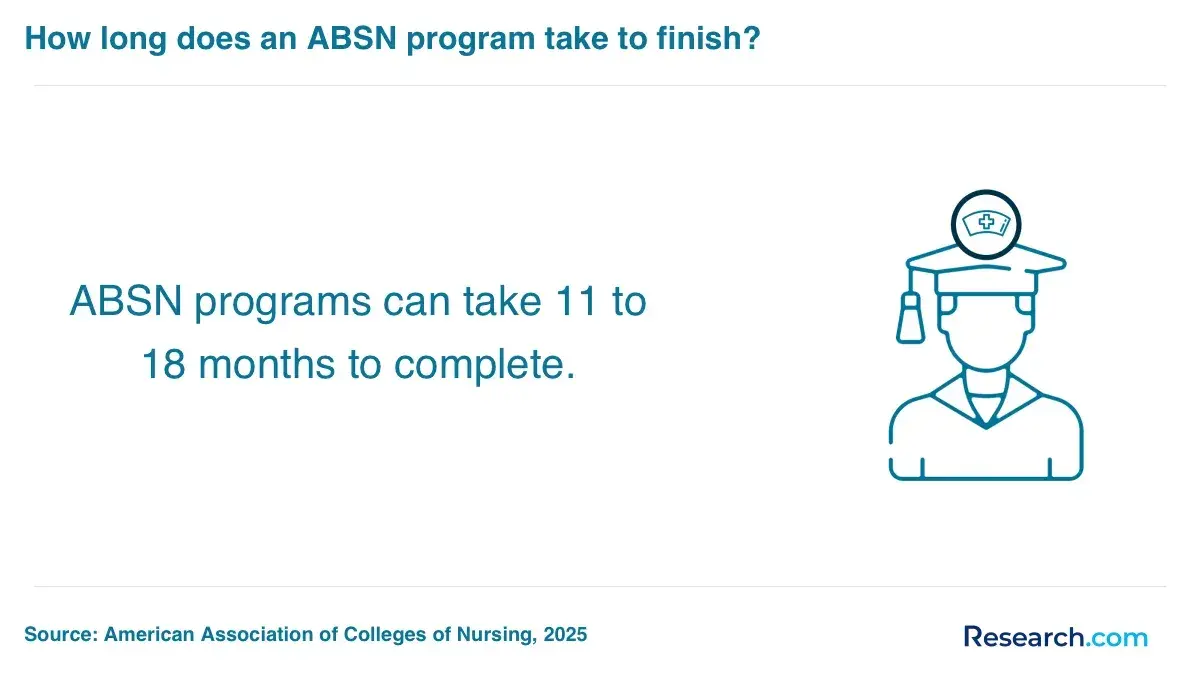
The accelerated BSN curriculum in Massachusetts is designed to rapidly build clinical competence and nursing knowledge within a condensed timeframe, typically between 12 and 20 months. This intensive structure aims to prepare students effectively for real-world nursing challenges while meeting rigorous academic and licensure standards. The core components shared by both online and on-campus ABSN programs include:
- Foundational Nursing Science: Courses cover essential topics such as nursing fundamentals, pathophysiology, pharmacology, and health assessment, equipping students with critical knowledge about illness mechanisms, medication effects, and patient evaluation methods necessary for safe practice.
- Nursing Process & Evidence-Based Practice: Emphasis on assessment, diagnosis, planning, implementation, and evaluation trains students to make informed clinical decisions, integrating current research findings into patient care.
- Population Health Across the Lifespan: Coursework and clinical experiences address diverse patient groups, including children, adults, and older populations, as well as mental health and community settings, fostering adaptable care skills for varied healthcare environments.
- Clinical Placements: Supervised rotations provide essential hands-on experience, typically 8-12 hours weekly, allowing students to apply theory under expert guidance and develop patient care confidence.
- Simulation Labs: High-fidelity simulations offer risk-free practice of clinical scenarios, enhancing technical skills and clinical reasoning before direct patient interaction.
- Interprofessional Collaboration: Education alongside other health disciplines encourages teamwork and communication abilities critical for integrated healthcare delivery.
- Leadership and Professional Development: Courses in leadership, ethics, and healthcare management prepare students for professional responsibilities, including advocacy and navigating legal challenges.
- NCLEX-RN Preparation: Dedicated review sessions and practice tests support high pass rates by reinforcing exam readiness and test-taking strategies.
- Blended Learning Format: Many programs combine online didactic content with mandatory in-person labs and clinicals, offering flexibility while maintaining hands-on training quality.
What accreditation should I look for in an ABSN program in Massachusetts?
Accreditation plays a vital role in confirming that an ABSN program in Massachusetts delivers quality education, meets licensure requirements, and supports your future career growth. Below are the main types of accreditation to consider when evaluating both online and on-campus ABSN programs.
- Institutional (Regional) Accreditation: This accreditation comes from one of the recognized regional agencies, such as the New England Commission of Higher Education (NECHE). It confirms that the entire college or university meets consistent academic standards, which is essential for federal financial aid eligibility, credit transfer, and recognition by employers and graduate schools.
- Programmatic Accreditation by CCNE or ACEN: Specialized nursing accrediting bodies like the Commission on Collegiate Nursing Education (CCNE) and the Accreditation Commission for Education in Nursing (ACEN) assess the nursing curriculum, faculty qualifications, and clinical experiences. Graduating from a program accredited by these organizations is often required for licensure and is viewed as a mark of rigorous nursing education nationwide.
- Massachusetts Board of Registration in Nursing Approval: State board approval ensures that programs comply with Massachusetts-specific educational standards and prepare students to take the NCLEX-RN exam for licensure within the state. Without this approval, even nationally accredited programs may not qualify graduates to practice nursing in Massachusetts.
How long does it take to complete an accelerated BSN in Massachusetts?
ABSN programs in Massachusetts cater to students with a non-nursing bachelor's degree seeking a faster path into nursing. Several factors influence how long it takes to complete these programs, shaping student experiences and outcomes:
- Typical Program Lengths: Most programs last between 12 and 24 months full-time, though some may extend up to 32 or 36 months depending on structure and pace.
- Full-Time vs. Part-Time Study: The majority require full-time enrollment due to the program's intensity, leaving little room for part-time options or significant outside work hours.
- Online vs. On-Campus Formats: Hybrid models blend online coursework with mandatory in-person clinicals, as fully online options are unavailable because of clinical requirements.
- Clinical Hour Requirements: Extensive in-person clinical hours are required weekly, which can affect completion time if hours must be made up.
- Course Sequencing and Cohort Progression: Fixed course sequences and limited entry points mean falling behind can delay graduation until the next cohort starts.
When I asked a Massachusetts nurse about her ABSN experience, she recalled the intense pacing of her 16-month program from a local school, describing it as "both exhilarating and exhausting." Transitioning from a completely different field meant she had to quickly absorb rigorous coursework and clinical demands, with little margin for delay. She mentioned, "Balancing studies and personal life was tough, but knowing the fixed timeline helped me stay focused." Reflecting on the journey, she emphasized that the program's structure, though demanding, provided a clear path to licensure and a new career within a defined timeframe, which made the challenge feel achievable and rewarding.
How much does an accelerated BSN program cost in Massachusetts?
Tuition and fees for accelerated BSN programs in Massachusetts can vary widely depending on the school, program format, and several additional expenses that influence the total cost. Below are the main cost factors prospective students should carefully evaluate when considering enrollment.
- Tuition Rates: Tuition is the most significant expense and differs notably between institutions, program formats, and whether the school is public or private. The cost of accelerated BSN programs in Massachusetts generally ranges from $55,000 to $65,000, with some charging per credit hour and others offering a flat rate. These variations can affect the overall financial commitment required to complete the degree.
- Technology and Lab Fees: Both online and on-campus ABSN students often face additional fees for technology access, laboratory work, and specialized software. Some programs bundle these costs into tuition, while others require separate payments, which can increase the total price beyond base tuition.
- Clinical Supplies and Equipment: Students must usually purchase their own clinical supplies such as uniforms and medical tools. These necessary items can add several hundred dollars to program expenses, which are often not included in tuition costs.
- Travel and Living Expenses: Despite some programs being online, all require in-person clinical placements. Travel, parking, meals, and possibly lodging near clinical sites can generate substantial costs, making it important to plan for these regardless of the program's delivery method.
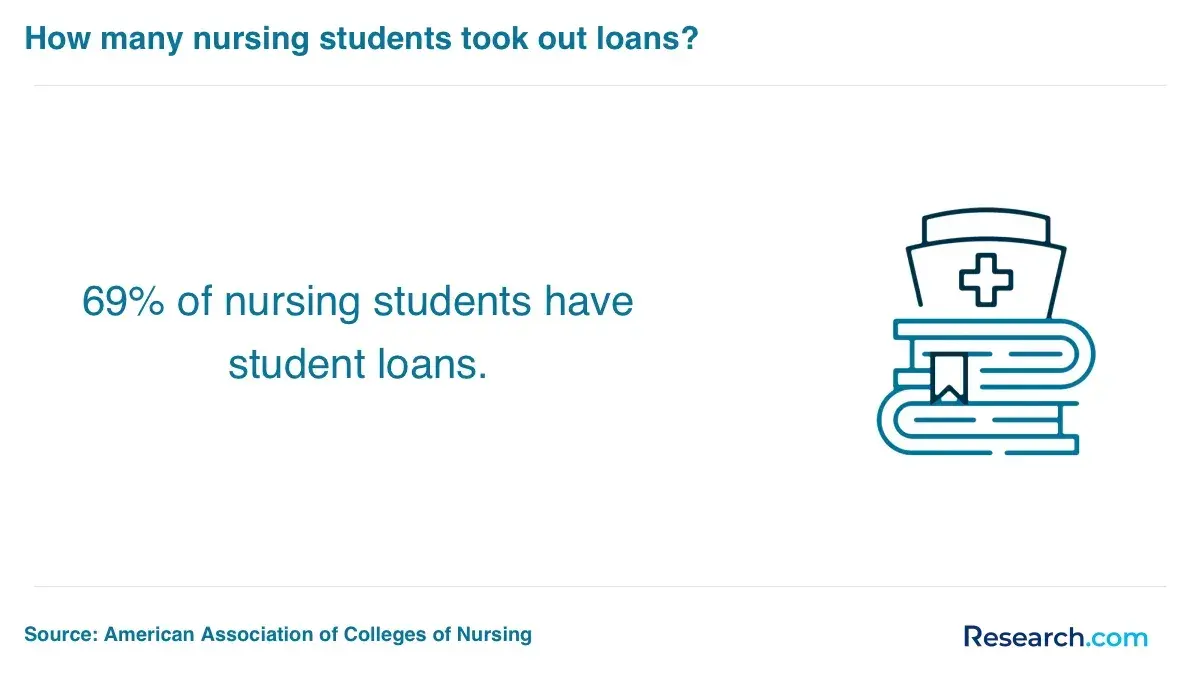
- Financial Aid and Scholarships: Financial aid opportunities, including federal loans and institutional scholarships, are available though often limited for second-degree students. Prospective students should explore aid options early and complete the FAFSA where applicable to understand their funding possibilities.
Those assessing the tuition for online ABSN programs in Massachusetts may also want to consider practical guides about how to be a nurse practitioner in australia, which can provide insights into varied nursing career pathways globally.
What financial aid options are available for ABSN students in Massachusetts?
Accelerated nursing programs in Massachusetts can be costly, prompting many students to explore various financial aid options to make their education more affordable. Below are the most common types of aid available to help manage these expenses.
- Federal Student Loans: These loans, including subsidized and unsubsidized options, provide lower interest rates and flexible repayment terms for most ABSN students enrolled at least half-time. However, federal grants are generally not available due to the program's status as a second bachelor's degree, and prior loan limits may affect eligibility.
- State and Institutional Grants: While federal grants are limited, some Massachusetts schools and private organizations offer grants and scholarships specifically for nursing students. These awards do not require repayment, reducing tuition costs, but availability varies widely between institutions.
- Nursing Scholarships: Scholarships offered through hospitals, professional associations, and foundations can significantly offset expenses. Many nursing students benefit from such funds, with some Massachusetts-based health systems providing support, and associations listing opportunities for accelerated nursing students. Exploring whether are nurse practitioner specialty programs easy to get into can also reveal related scholarship options.
- Employer Tuition Assistance: Healthcare employers often support employees pursuing nursing degrees through tuition reimbursement or assistance programs. These benefits help cover part of the costs in exchange for work commitments, making them valuable for students already employed in the healthcare sector.
- Loan Forgiveness Programs for Nurses: After graduation, nurses in Massachusetts may qualify for federal or state loan forgiveness programs targeting those serving in underserved areas. These programs ease long-term debt burdens by forgiving loans in exchange for service at qualifying facilities.
What career paths are available after earning an ABSN in Massachusetts?
Completing an Accelerated Bachelor of Science in Nursing (ABSN) program in Massachusetts opens doors to diverse nursing roles across a variety of healthcare environments, from cutting-edge hospitals to community health settings. These programs are designed to equip graduates with the skills needed to succeed in a rapidly evolving healthcare landscape. Below are some of the prominent career paths that ABSN graduates commonly pursue in Massachusetts.
- Registered Nurse (RN): ABSN graduates are eligible to take the NCLEX-RN exam to become licensed registered nurses. RNs assess and monitor patients, administer treatments, and coordinate care across settings such as academic medical centers and community clinics. The rigorous ABSN curriculum, with extensive clinical hours, ensures readiness for these demanding roles, aligning well with registered nurse careers Massachusetts ABSN graduates seek.
- Critical Care Nurse: This role involves caring for patients in intensive care units or emergency departments who require complex, life-saving interventions. ABSN programs emphasize hands-on training in acute care and simulation labs, preparing graduates for the fast-paced, high-stakes environment of critical care nursing.
- Public Health Nurse: Public health nurses focus on community wellness, prevention, and education within schools, government agencies, and nonprofits. Coursework in epidemiology and population health within ABSN programs prepares graduates to impact public health challenges effectively.
- Nurse Educator: While often requiring a master's degree for full-time teaching roles, ABSN graduates can build foundational knowledge in nursing theory and leadership. This prepares those interested in educating future nurses or providing professional development within Massachusetts' academic and clinical settings.
- Nurse Manager/Charge Nurse: These leadership roles involve supervising nursing staff, managing patient care units, and ensuring healthcare quality and compliance. The ABSN's leadership and communication focus equips graduates to assume such positions in the state's large hospitals and specialty centers.
ABSN graduates exploring these career routes may also consider less conventional paths or advanced qualifications; some seek guidance on options like what are the most affordable online womens health nurse practitioner degree programs to further their expertise and career advancement.
What is the average salary for nurses with an ABSN degree in Massachusetts?
Earning an Accelerated Bachelor of Science in Nursing (ABSN) degree in Massachusetts can lead to competitive salaries, though pay varies considerably based on factors such as experience, specialization, healthcare setting, and geographic location. Understanding these variables is essential for prospective students assessing the value of online and on-campus ABSN programs. Key factors influencing ABSN nurse salaries in Massachusetts include:
- Years of Experience: Entry-level ABSN graduates generally start with lower salaries, but earnings increase steadily with practice. Experienced nurses often benefit from overtime and shift differentials that further boost compensation.
- Type of Employer: Salaries differ widely depending on the healthcare setting, with larger urban hospitals typically offering higher pay compared to long-term care or smaller community facilities.
- Geographic Area: Nurses working in high-demand areas such as Nantucket or Vineyard Haven command wages above the state average, though overall differences are moderated by the state's compact geography.
- Specialization or Certification: Obtaining specialized credentials can enhance earning potential, especially in high-acuity or niche nursing roles.
- Level of Education: While the ABSN is a bachelor's degree, pursuing advanced education or certifications can lead to higher salaries and leadership opportunities.
Here's What Graduates Have to Say About Their ABSN Degree in Massachusetts
- Completing the on-campus ABSN program at Boston College was a transformative experience that combined rigorous academics with hands-on clinical practice. The support from faculty and peers made navigating the challenges much easier, and the program's strong connections with local hospitals helped me transition smoothly into my nursing career. Beginning work in a local school setting has been incredibly rewarding, as I get to directly impact children's health and well-being every day. I feel proud knowing my education prepared me well for the unique demands of nursing in Massachusetts. This journey has deepened my passion for lifelong learning and community service. Anne
- The fully online ABSN program at Northeastern University offered me the flexibility I desperately needed to balance work and study. Despite the virtual format, I felt deeply connected to the Massachusetts healthcare community through local clinical placements. Starting my nursing career in a local school environment has opened my eyes to the critical role nurses play in supporting student health and academic success. The program truly fostered my professional growth and confidence, equipping me to handle real-world challenges with grace. Reflecting on this journey, I am grateful for the opportunity to serve my community in such a meaningful way. Kevin
- Pursuing an ABSN degree at UMass Amherst was both challenging and inspiring, pushing me beyond my limits while expanding my skill set in ways I never imagined. The state's diverse population and healthcare needs offered unique learning opportunities that prepared me for a variety of professional settings. Now, working with young students locally, I'm motivated by the positive impact I can make on their health outcomes and overall quality of life. I find immense satisfaction in contributing to community well-being and championing public health initiatives. The program has truly empowered me to advance my nursing career with confidence and purpose. Trixie
Related Articles for Nearby States
- 2027 Best ABSN Programs - List of Accelerated BSN Programs in Rhode Island: Online & Campus
- 2027 Best ABSN Programs - List of Accelerated BSN Programs in Connecticut: Online & Campus
- 2027 Best ABSN Programs - List of Accelerated BSN Programs in New Hampshire: Online & Campus
- 2027 Best ABSN Programs - Accelerated BSN Programs in New York: Online & Campus
- 2027 Best ABSN Programs - Accelerated BSN Programs in Vermont: Online & Campus
- 2027 Best ABSN Programs - List of Accelerated BSN Programs in New Jersey: Online & Campus
- 2027 Best ABSN Programs - Accelerated BSN Programs in Maine: Online & Campus
- 2027 Best ABSN Programs - List of Accelerated BSN Programs in Pennsylvania: Online & Campus
- 2027 Best ABSN Programs - Accelerated BSN Programs in Delaware: Online & Campus
- 2027 Best ABSN Programs - Accelerated BSN Programs in Maryland: Online & Campus
References:
- Accelerated B.S. in Nursing: 12 Month https://www.une.edu/wchp/nursing/accelerated-bs-nursing-12-month
- Best Nursing Schools in Massachusetts - ADN, BSN - Updated https://www.registerednursing.org/state/massachusetts/
- Accelerated B.S. in Nursing Admissions : Elaine Marieb College of Nursing : UMass Amherst https://www.umass.edu/nursing/academics/accelerated-bs-nursing/admissions
- Accelerated Nursing Programs in Massachusetts: Factors to Consider when Comparing 12-Month Degrees | MGH Institute of Health Professions https://www.mghihp.edu/news-and-more/opinions/nursing/accelerated-nursing-programs-massachusetts-factors-consider-when-comparing-12-month-degrees
- Best Jobs for Nursing Students: Before Graduation - Northeastern ABSN https://absn.northeastern.edu/blog/jobs-for-pre-nursing-students/
- Second Degree Accelerated BS in Nursing (Hybrid) https://www.umassd.edu/programs/nursing-abs-online/
- Massachusetts ABSN Programs - Accelerated Nursing https://www.absnprograms.org/programs/massachusetts/
- Registered Nurse Salary in Massachusetts | Incredible Health https://www.incrediblehealth.com/salaries/rn/ma
- Accelerated 16-Month BS in Nursing (for Non-Nurse College Graduates) https://www.regiscollege.edu/academics/majors-and-programs/accelerated-16-month-bs-nursing-non-nurse-college-graduates
- ADN vs Accelerated BSN (ABSN) - Which Program Is Right for You? https://absn.org/resources/adn-vs-absn/
Other Things You Need to Know About Accelerated BSN Programs in Massachusetts
ABSN programs in Massachusetts typically integrate clinical experience through partnerships with local healthcare facilities. Students can gain hands-on practice in diverse settings such as hospitals, clinics, and community health centers, allowing them to apply theoretical knowledge in real-world scenarios under professional supervision.
An accelerated Bachelor of Science in Nursing (ABSN) program in Massachusetts offers a fast-tracked pathway for individuals with a non-nursing bachelor's degree to enter the nursing field and lay the groundwork for advanced studies. Completing an ABSN provides essential clinical experience and foundational nursing knowledge, which are critical prerequisites for enrolling in a Master of Science in Nursing (MSN) program. Many Massachusetts universities recognize ABSN graduates, allowing them to seamlessly transition into MSN programs with specialized tracks or advanced practice options. Therefore, pursuing an ABSN in Massachusetts is a practical and efficient step toward an MSN, especially for career changers aiming to progress quickly in nursing education and practice.
Career-changers should assess program length, clinical partnership opportunities, and post-graduation support. Programs like those at Northeastern University and Simmons University offer robust clinical experiences that are crucial for transitioning into the nursing field effectively.


