
2027 Best PsyD Programs in North Carolina: APA Accredited Online & Campus

Co-Founder and Chief Data Scientist
If you want to become a licensed psychologist in North Carolina, the PsyD program you choose matters. Accreditation, supervised clinical training, internship access, and state licensure alignment can affect whether your degree supports the career you want. This guide explains how APA-accredited PsyD options in North Carolina work, what applicants should compare, and how to avoid choosing a program that looks flexible but may not meet professional practice requirements.
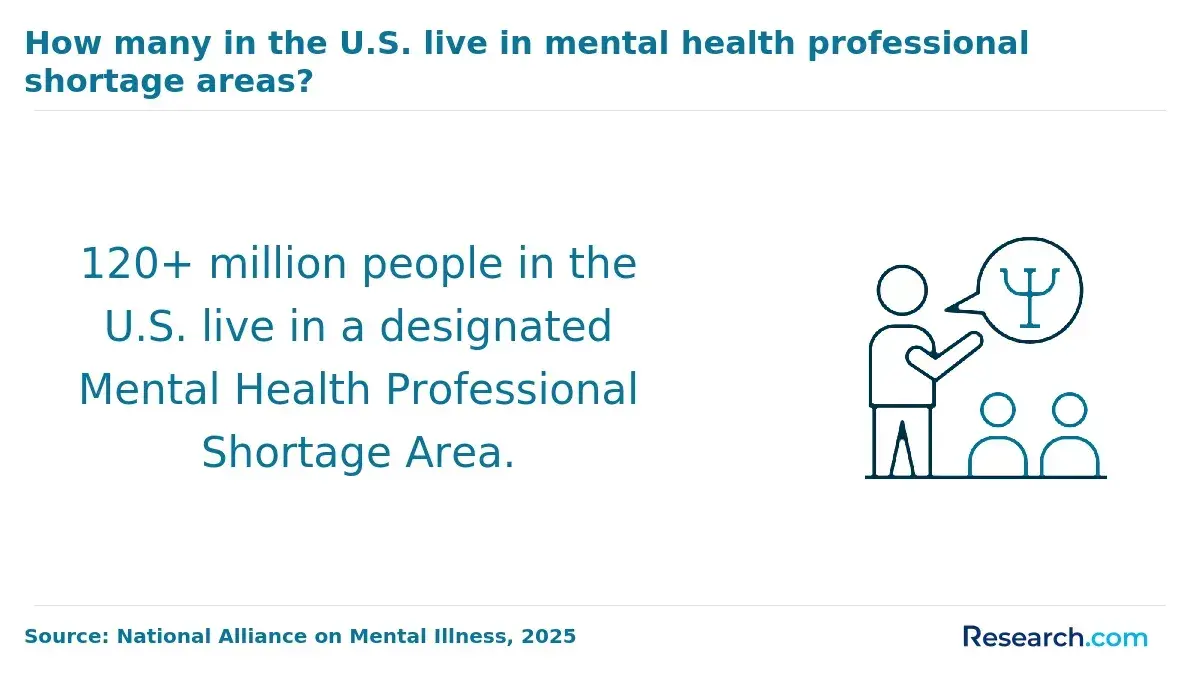
North Carolina has growing mental health needs, with nearly 15% of adults in the state experiencing mental health issues. That demand makes clinical psychology training important, but it also makes program selection more complicated. A PsyD is a long, expensive, practice-focused doctorate, so students should evaluate accreditation, format, internship placement, faculty fit, cost, and licensure outcomes before applying.
This guide is for prospective PsyD students, psychology graduates, career changers, and working professionals comparing APA-accredited programs in North Carolina and nearby or online alternatives. You will learn how many APA-accredited PsyD programs are available in the state, what the leading options offer, who is eligible, what admissions committees look for, how internships work, and what jobs and salaries may be available after graduation.
Quick Answer: APA-Accredited PsyD Programs in North Carolina
North Carolina currently has two APA-accredited PsyD programs, and both require full-time, in-person campus attendance. As of 2025, there are no fully online or hybrid APA-accredited PsyD programs based in North Carolina. Students who need flexibility may consider out-of-state or distance-friendly options, but they should verify APA accreditation, in-person practicum requirements, internship eligibility, and North Carolina licensure alignment before enrolling.
For most students seeking psychologist licensure, an APA-accredited, campus-based PsyD is the safer route because it is more likely to meet internship and licensing expectations. Online or hybrid programs may offer convenience, but students must confirm whether the program is APA-accredited and whether it provides the supervised clinical training required for independent practice.
Why APA Accreditation Matters for PsyD Students in North Carolina
- Licensure readiness: APA accreditation signals that a PsyD program has been reviewed for curriculum quality, faculty qualifications, clinical training standards, and student outcomes.
- Internship competitiveness: Many doctoral internships prefer or require students from APA-accredited programs, so accreditation can affect internship access during the final stage of training.
- Clinical training quality: Campus-based APA-accredited programs usually provide structured practicum supervision, direct faculty mentorship, and progressive clinical responsibility.
- Professional mobility: Graduating from an APA-accredited program may make it easier to pursue licensure or employment across different jurisdictions, although every state has its own licensing rules.
- Career alignment: Students who want to become clinical psychologists, counseling psychologists, assessment specialists, or health service psychologists should prioritize accreditation before convenience.
- How many APA accredited PsyD programs are available in North Carolina?
- What are the best APA accredited PsyD programs in North Carolina?
- Who is eligible to apply to APA accredited PsyD programs in North Carolina?
- What are the requirements to get into an APA accredited PsyD program in North Carolina?
- What PsyD specializations are available in North Carolina?
- What courses are typically included in APA accredited PsyD programs in North Carolina?
- How do PsyD students find internships in North Carolina?
- What are the pros and cons of online and campus PsyD programs in North Carolina?
- What jobs can you get with a PsyD in North Carolina?
- What is the average salary of PsyD graduates in North Carolina?
How many APA accredited PsyD programs are available in North Carolina?
North Carolina currently offers two APA-accredited PsyD programs. Both are campus-based, full-time programs that require students to complete substantial in-person clinical training. There are no fully online or hybrid APA-accredited PsyD programs located in North Carolina as of 2025.
This distinction is important. A PsyD is not only an academic degree; it is a clinical training pathway. APA accreditation evaluates whether a program meets recognized standards for doctoral psychology education, including coursework, faculty expertise, practicum preparation, internship expectations, ethics training, and student outcomes. Some newer programs may hold “accredited on contingency” status, which means they have received provisional recognition while continuing to demonstrate outcomes required for full accreditation.
North Carolina’s current APA-accredited PsyD options reflect a broader need for psychologists who can serve rural, Appalachian, and underserved communities. Appalachian State University and Western Carolina University both emphasize community-based training and supervised clinical practice. Even though online education continues to expand, doctoral psychology programs that prepare students for licensure still depend heavily on in-person practicum and internship experiences.
| Question | Direct answer for North Carolina PsyD applicants |
| How many APA-accredited PsyD programs are in North Carolina? | Two |
| Are any fully online APA-accredited PsyD programs based in North Carolina? | No, not as of 2025 |
| Are any hybrid APA-accredited PsyD programs based in North Carolina? | No, not as of 2025 |
| Do students need in-person clinical training? | Yes, supervised practicum and internship experiences are central to licensure preparation |
| Why does APA accreditation matter? | It supports licensure readiness, internship eligibility, and professional credibility |
What are the best APA accredited PsyD programs in North Carolina?
The best PsyD program is the one that matches your licensing goal, clinical interests, location needs, and learning style while meeting accreditation requirements. In North Carolina, students should pay close attention to APA status, practicum sites, faculty supervision, internship preparation, rural mental health training, and whether the program’s structure fits their ability to study full time.
Below are programs and options prospective students often compare when researching PsyD pathways connected to North Carolina. Applicants should verify current accreditation status directly with the program and the APA before applying.
| Program | Format | Key focus | What applicants should verify |
| Western Carolina University - PsyD in Health Service Psychology | Campus-based | Evidence-based health service psychology, rural and underserved communities, practicum through the McKee Clinic and community sites | APA-accredited on contingency through 2027, practicum sequence, internship outcomes, and full-time attendance expectations |
| Appalachian State University - PsyD in Clinical Psychology | Campus-based | Five-year scientist-practitioner training model with supervised practicum and rural mental health emphasis | APA-accredited on contingency, faculty fit, practicum placements, and internship preparation |
| National University - PsyD in Clinical Psychology | Online | Standardized clinical psychology curriculum designed for working professionals | APA accreditation, required in-person clinical components, state licensure eligibility, and internship access |
| Grand Canyon University - PsyD in General Psychology | Hybrid | Online coursework with some in-person residency requirements | APA accreditation status and whether the degree supports psychologist licensure in North Carolina |
| University of Arizona Global Campus - PsyD in Psychology | Online | Flexible practitioner-oriented psychology study | APA accreditation, clinical training requirements, and professional mobility for licensure-focused students |
Students should be especially cautious when evaluating distance-based PsyD programs. Fewer than 5% of online PsyD offerings hold APA accreditation, so flexibility should never be the only deciding factor. If your goal is independent psychologist licensure, confirm whether the program’s accreditation and clinical training satisfy North Carolina licensing expectations before you enroll.
Students considering related behavioral health careers may also compare psychology doctoral training with applied behavior analysis pathways. For example, Research.com’s guide to the best jobs with an ABA certification explains roles that may fit students interested in behavioral intervention, autism services, and evidence-based treatment outside the traditional psychologist licensure route.
Who is eligible to apply to APA accredited PsyD programs in North Carolina?
APA-accredited PsyD programs in North Carolina are designed for students who are prepared for intensive doctoral-level clinical training. Strong applicants often include psychology majors, master’s-level clinicians, school psychology professionals, research assistants, and career changers who have completed prerequisite psychology coursework and can demonstrate readiness for supervised practice.
These programs are a better fit for students who can commit to full-time, campus-based study and who want direct mentorship, structured practicum training, and close interaction with faculty and peers. Because both APA-accredited PsyD programs in North Carolina require in-person attendance, applicants should be realistic about relocation, commuting, family responsibilities, and the limits on outside employment.
Students who prefer flexible scheduling, remote coursework, or part-time study may be drawn to online or hybrid PsyD programs outside North Carolina. That can make sense for some learners, especially working adults or students living far from a campus. However, anyone pursuing psychologist licensure should confirm how the program handles in-person practicum hours, internships, supervision, and state-specific licensure requirements.
| Student profile | Campus-based North Carolina PsyD may fit if... | Consider another path if... |
| Recent psychology graduate | You have strong academic preparation, clinical exposure, and clear goals in psychological practice | You need to work full time or are unsure about committing to a doctorate |
| Master’s-level clinician | You want doctoral licensure, advanced assessment training, and broader clinical authority | Your current license already supports your career goals |
| Career changer | You can complete prerequisite coursework and show sustained commitment to clinical psychology | You need a shorter or lower-cost route into mental health practice |
| Working professional | You can reduce work commitments and attend full-time on campus | You require asynchronous learning or cannot relocate |
| Student interested in behavioral health but not psychologist licensure | You want doctoral-level assessment and treatment training | You may prefer counseling, social work, behavior analysis, or school psychology routes |
Applicants exploring adjacent mental health roles may find it useful to review the required skills for a behavioral health counselor, especially if they want to compare doctoral psychology training with counseling-focused careers.
What are the requirements to get into an APA accredited PsyD program in North Carolina?
Admissions requirements vary by university, but APA-accredited PsyD programs in North Carolina generally expect evidence of academic ability, clinical maturity, ethical judgment, and a clear fit with the program’s mission. Competitive applicants usually show that they understand the demands of doctoral clinical training and have already built a foundation in psychology, research, and supervised helping work.
- Prior education: Applicants commonly need a master’s or specialist degree in clinical psychology, school psychology, or a closely related field. Some programs may consider bachelor’s-level applicants if they complete required master’s-level preparation first.
- Graduate GPA: A minimum 3.0 GPA in graduate coursework is typically expected, and prerequisite courses generally must be completed with grades of B or higher.
- Prerequisite coursework: Programs often look for prior study in biological psychology, cognitive psychology, social psychology, research methods, statistics, assessment, and intervention.
- Clinical or research experience: Supervised practicum, mental health service, assessment exposure, or clinical research experience can help demonstrate readiness for advanced training.
- GRE policy: Some programs still ask for GRE scores, although this requirement is becoming less common. Applicants should check the current admissions page for each program.
- Recommendations: Most programs request three letters from faculty, clinical supervisors, or professional mentors who can speak to the applicant’s preparation and character.
- Personal statement: Applicants should explain their clinical interests, long-term goals, commitment to underserved populations if relevant, and reasons for choosing that specific program.
- Interview: Programs often use interviews or other holistic review steps to assess communication skills, professionalism, self-awareness, and fit with the cohort model.
As of 2025, the APA does not accredit fully online PsyD programs in a way that eliminates the need for substantial in-person clinical training. Students comparing psychology and behavior analysis programs can also review Research.com’s rankings of the best online BCBA degree programs to understand how accreditation, certification preparation, and flexible delivery differ across behavioral science fields.
How to strengthen your PsyD application
- Confirm prerequisites early. Compare your transcripts with each program’s required coursework before the application cycle begins.
- Get supervised experience. Admissions committees value applicants who understand client care, confidentiality, documentation, and clinical boundaries.
- Choose recommenders carefully. Strong letters should come from people who can describe your clinical judgment, academic readiness, and professionalism with specific examples.
- Write a program-specific statement. Avoid generic goals. Explain why the program’s faculty, training model, population focus, and practicum sites match your plans.
- Prepare for fit-based interviews. Be ready to discuss ethical scenarios, clinical interests, multicultural awareness, and how you handle feedback.
What PsyD specializations are available in North Carolina?
PsyD specialization affects the clients you serve, the practicum sites you pursue, the internships you target, and the jobs you qualify for after graduation. In North Carolina, the most relevant training themes include clinical psychology, health service psychology, rural mental health, child and family services, assessment, and school-connected practice.
Students should distinguish between a formal specialization, a concentration, a practicum emphasis, and faculty-supervised experience. A program may not list a separate track in every area, but students can often shape their training through electives, practicum placements, dissertation or applied research topics, and internship choices.
- Clinical Psychology: This pathway focuses on assessment, diagnosis, psychotherapy, treatment planning, and evidence-based care for people with mental health conditions. Graduates often pursue roles in hospitals, clinics, private practice, correctional settings, and community mental health agencies.
- Health Service Psychology: This area prepares students to deliver psychological services across healthcare, school, and community settings. In North Carolina, combined clinical-school training may support work in schools, health clinics, VA hospitals, and underserved communities.
- Child and Family Clinical Psychology: Students interested in children, adolescents, parenting systems, and developmental assessment may seek practicum placements in pediatric clinics, schools, child guidance centers, or family service agencies. Some of this training may appear through coursework and practicum rather than a separate PsyD track.
- Rural and Community Mental Health: This emphasis addresses access barriers, telehealth, integrated care, outreach, and service delivery in low-resource communities. It is especially relevant for students who want to practice in rural North Carolina or Appalachian communities.
- Assessment and Diagnosis: Students who want to conduct psychological testing may prioritize programs with strong training in cognitive, personality, neuropsychological, educational, and diagnostic assessment.
| Specialization interest | Best fit for students who want to... | Questions to ask before choosing |
| Clinical psychology | Provide therapy, assessment, and diagnosis in mental health settings | What populations do practicum sites serve? What evidence-based therapies are taught? |
| Health service psychology | Work across healthcare, school, and community systems | Does the program include integrated care or interdisciplinary training? |
| Child and family practice | Support children, adolescents, parents, and school-age populations | Are there pediatric, school, or child-focused practicum options? |
| Rural mental health | Serve underserved communities and address access gaps | How does the program prepare students for telehealth, outreach, and low-resource practice? |
| Psychological assessment | Administer and interpret tests for diagnosis and treatment planning | How many assessment cases do students complete before internship? |
What courses are typically included in APA accredited PsyD programs in North Carolina?
APA-accredited PsyD curricula combine psychological science, clinical application, ethics, assessment, intervention, supervision, and professional development. The goal is to train students to think scientifically while practicing competently with real clients under supervision.
Course names vary by school, but students in North Carolina PsyD programs can expect graduate-level study in the major foundations of psychology as well as applied clinical practice. Some theoretical coursework may use technology-enhanced instruction, but clinical training remains anchored in supervised, in-person experience.
- Biological and Affective Bases of Behavior: Students examine how brain systems, emotion, physiology, and behavior interact, which supports clinical formulation and treatment planning.
- Advanced Research Methods & Statistics: This coursework develops the ability to evaluate evidence, design studies, interpret data, and apply research findings to clinical decisions.
- Clinical Assessment & Diagnosis: Students learn diagnostic interviewing, standardized testing, case conceptualization, and psychological report writing.
- Ethics and Professional Issues: Coursework addresses APA standards, confidentiality, informed consent, boundaries, documentation, mandated reporting, and legal responsibilities.
- Multicultural and Diversity Issues: Students develop skills for culturally responsive practice with clients from different racial, ethnic, socioeconomic, geographic, and identity backgrounds.
- Evidence-Based Intervention: Programs typically train students in empirically supported therapies and how to adapt treatment to client needs and clinical setting.
- Supervision and Consultation: Advanced students may learn how psychologists consult with schools, healthcare teams, agencies, and other professionals.
Typical PsyD training sequence
| Stage | Main focus | Student priority |
| Early coursework | Foundations of psychology, ethics, statistics, diversity, and assessment basics | Build academic readiness and professional habits |
| Practicum training | Supervised client contact in clinics, schools, hospitals, or community agencies | Develop clinical skills and documentation competence |
| Advanced clinical work | More complex assessment, intervention, and specialized placements | Prepare for internship applications and professional specialization |
| Internship | Full-time supervised doctoral clinical experience | Demonstrate readiness for postdoctoral training or licensure steps |
| Postdoctoral and licensure preparation | State requirements, supervised hours, exams, and independent practice preparation | Complete licensing requirements and enter professional roles |
How do PsyD students find internships in North Carolina?
Doctoral internships are one of the most important parts of PsyD training. They give students intensive supervised experience before graduation and help demonstrate readiness for postdoctoral work, licensure steps, and independent practice. In North Carolina, students may pursue internships in university counseling centers, hospitals, community clinics, health systems, schools, correctional settings, and public health-related agencies.
Internship placement is competitive, so students should begin preparing long before the application year. The strongest candidates usually have varied practicum experience, clear clinical interests, strong supervision evaluations, polished assessment and therapy documentation, and a realistic list of sites.
- Start with practicum planning: Students should use early practicum placements to build skills with different populations, diagnoses, assessment tools, and treatment settings.
- Use the APPIC Match System: The APPIC process helps students apply to internships through a standardized national matching system. Applicants should learn deadlines, essays, rankings, and site requirements early.
- Work closely with faculty advisors: Faculty mentors and clinical training directors can help students decide whether a site fits their goals, experience level, and licensure plans.
- Research accredited internship sites: Students should compare training rotations, supervision models, client populations, assessment requirements, and past match patterns.
- Look at North Carolina training sites: Examples may include university counseling centers, health systems, and clinical programs connected to institutions such as UNC-Chapel Hill and Wake Forest.
- Prepare for virtual and in-person interviews: Many sites use remote interviews, but students still need to communicate professionalism, clinical judgment, and fit with the training culture.
- Customize every application: Generic internship essays are weaker than applications that clearly connect a student’s experience to the site’s population, model, and rotations.
Internship application mistakes to avoid
| Common mistake | Why it hurts applicants | Better approach |
| Waiting until the final year to think about internship | Students may lack the practicum variety or documentation samples needed for competitive sites | Plan practicum experiences with internship goals in mind from the first year of clinical training |
| Applying only to famous sites | Highly selective sites may not match the student’s actual experience or goals | Build a balanced list that includes strong fit, realistic competitiveness, and geographic flexibility |
| Ignoring accreditation status | Some internship choices may affect licensure portability or future employment options | Ask advisors which sites best support licensure and career plans |
| Submitting generic essays | Training directors may not see why the applicant fits the site | Tailor essays to the site’s rotations, populations, and supervision model |
| Underestimating assessment experience | Some sites expect strong testing, report writing, and diagnostic skills | Seek practicum opportunities that include supervised assessment cases |
What are the pros and cons of online and campus PsyD programs in North Carolina?
The biggest trade-off is flexibility versus licensure certainty. Online and hybrid PsyD programs may be easier to fit around work, family, and location constraints. Campus-based APA-accredited programs in North Carolina, however, provide the in-person supervision, cohort structure, and clinical infrastructure most directly aligned with psychologist training.
Students should not choose a PsyD format based on convenience alone. They should ask whether the program is APA-accredited, how practicum placements are secured, whether internships are competitive, how supervision is documented, and whether graduates can pursue licensure in North Carolina.
| Format | Advantages | Limitations | Best fit |
| Online PsyD | More flexible scheduling, less need to relocate, useful for students in rural or remote areas | No fully online PsyD programs in North Carolina currently hold APA accreditation; clinical training may be harder to coordinate | Students who need flexibility and have carefully verified accreditation, practicum, internship, and licensure compatibility |
| Hybrid PsyD | Combines online coursework with some residency or campus requirements | Students must confirm whether the program’s accreditation and clinical placements meet licensure expectations | Working adults who can travel for required residencies and complete supervised clinical work locally |
| Campus-based PsyD | Direct faculty mentorship, structured practicum, peer cohort support, and clearer connection to APA-accredited training standards | Less schedule flexibility, possible relocation, commuting, and limits on outside employment | Students prioritizing psychologist licensure, supervised clinical preparation, and full-time doctoral immersion |
Pros of online PsyD programs
- Scheduling flexibility: Online coursework may allow students to study around work and family responsibilities.
- Geographic access: Students in rural areas may be able to begin doctoral coursework without moving immediately.
- Lower relocation burden: Remote study can reduce commuting or relocation costs, although total program cost varies by institution.
Cons of online PsyD programs
- Accreditation limits: No fully online PsyD program based in North Carolina currently has APA accreditation.
- Clinical placement complexity: Students may need to locate approved practicum and internship opportunities that satisfy program and state requirements.
- Less daily mentorship: Online formats may reduce informal faculty access, peer support, and local networking.
Pros of campus-based PsyD programs
- Stronger licensure alignment: Campus-based APA-accredited programs are structured around supervised clinical training and professional standards.
- Hands-on development: Students build therapy, assessment, consultation, and documentation skills through direct supervised practice.
- Professional community: In-person cohorts create stronger mentoring, peer learning, and local clinical networks.
Cons of campus-based PsyD programs
- Limited flexibility: Full-time attendance may be difficult for working professionals, parents, or students who cannot relocate.
- Added living expenses: Commuting, housing, and reduced work hours can increase the real cost beyond tuition.
- Long time commitment: Campus PsyD programs generally require 4-6 years of full-time study.
What jobs can you get with a PsyD in North Carolina?
A PsyD prepares graduates for practice-focused psychology careers, especially roles involving assessment, diagnosis, psychotherapy, consultation, and behavioral health services. The exact job title depends on licensure status, specialization, internship training, postdoctoral experience, and employer requirements.
- Clinical Psychologist: Clinical psychologists assess, diagnose, and treat mental health disorders in settings such as hospitals, outpatient clinics, community agencies, and private practices.
- Counseling Psychologist: Counseling psychologists help clients manage emotional, relationship, academic, career, and life adjustment concerns, often in universities, counseling centers, and healthcare settings.
- Neuropsychologist: Neuropsychologists focus on brain-behavior relationships and may assess cognitive functioning after neurological illness, injury, or developmental concerns. Additional specialized training is usually important for this path.
- School Psychologist: School psychologists support learning, behavior, mental health, assessment, consultation, and intervention in K-12 settings. Requirements can vary depending on the role and credential.
- Psychological Assessment Specialist: These professionals administer, score, and interpret psychological tests to support diagnosis, treatment planning, disability evaluation, forensic questions, or educational decisions.
- Behavioral Health Consultant: Psychologists in integrated care may work with physicians, social workers, and care teams to support patients with mental health and behavioral medicine needs.
- Private Practice Psychologist: Licensed psychologists may provide therapy, assessment, consultation, or specialty services through independent or group practice.
| Career path | Common settings | Training emphasis that helps |
| Clinical psychologist | Hospitals, clinics, private practice, community mental health | Assessment, diagnosis, psychotherapy, evidence-based treatment |
| Counseling psychologist | University counseling centers, agencies, outpatient services | Therapy, adjustment concerns, multicultural counseling, career and life development |
| Neuropsychologist | Medical centers, rehabilitation hospitals, specialty clinics | Neuropsychological assessment, brain-behavior coursework, advanced supervised experience |
| School-connected psychologist | K-12 schools, school systems, child clinics | Child assessment, consultation, family systems, intervention planning |
| Assessment specialist | Hospitals, forensic settings, outpatient clinics, educational evaluation centers | Testing, report writing, diagnostic formulation, ethics |
Students who want a more research-oriented or behavior-analytic path may also compare PsyD training with a PhD in behavior analysis, especially if they are interested in intervention science, autism services, or academic research.
What is the average salary of PsyD graduates in North Carolina?
PsyD-trained psychologists in North Carolina earn an average salary ranging from $84,349 to $123,840 annually. Clinical psychologists in the state commonly earn between $91,840 and $115,044 per year. Nationally, the U.S. Bureau of Labor Statistics reports a median salary of $106,600 for clinical and counseling psychologists.
These figures should be used as planning estimates, not guarantees. Actual pay depends on licensure, specialization, location, years of experience, employer type, productivity expectations, insurance reimbursement, and whether the psychologist works in private practice, healthcare, academia, government, or community mental health.
- Licensure status: Fully licensed psychologists are usually eligible for more independent and higher-responsibility roles than provisional or supervised practitioners.
- Experience level: Earnings often rise as psychologists build clinical expertise, referral networks, supervisory responsibilities, or specialty credentials.
- Specialization: Neuropsychology, forensic psychology, and advanced assessment-focused roles may command higher compensation because they require additional expertise.
- Employer type: Private practice and healthcare systems may offer different earning potential than academic, nonprofit, or government settings.
- Location: Urban centers may offer more employers and higher demand, while rural areas may provide mission-driven opportunities and workforce need.
| Salary factor | Why it matters | Question to ask before choosing a program |
| Licensure preparation | Independent practice often depends on completing required education, supervised hours, exams, and state rules | Do graduates successfully complete internships and licensure steps? |
| Specialty training | Assessment, neuropsychology, health psychology, or forensic experience can shape job options | Does the program offer practicum placements in my target specialty? |
| Internship match quality | Internship experience can influence postdoctoral opportunities and first jobs | Where have recent students matched? |
| Debt and cost | A high salary does not automatically mean a strong return if borrowing is excessive | What is the total cost after tuition, fees, living expenses, and lost wages? |
| Geographic goals | Licensure and employer expectations can vary by state and region | Does this program support my plan to practice in North Carolina? |
Students comparing psychology and behavior analysis careers may also review Research.com’s guide to top jobs with masters in applied behavior analysis to evaluate alternative roles that may require less time in school than a PsyD.
Is an APA-Accredited PsyD in North Carolina Worth It?
An APA-accredited PsyD in North Carolina can be worth it for students who are committed to becoming licensed psychologists and want practice-focused doctoral training. It is most valuable when the program’s cost, location, clinical placements, faculty expertise, and internship outcomes align with the student’s career goals.
It may not be the best choice for students who mainly want a flexible online credential, who are unsure about clinical practice, who cannot relocate or study full time, or who want the shortest route into counseling or behavioral health work. In those cases, a counseling master’s degree, social work degree, school psychology pathway, ABA credential, or research-oriented PhD may be a better fit.
| Choose an APA-accredited PsyD if... | Consider another path if... |
| You want to pursue psychologist licensure and provide assessment, diagnosis, and psychotherapy | You primarily want general counseling work and do not need doctoral-level psychology licensure |
| You can commit to full-time, in-person clinical training | You need a fully online or highly flexible program |
| You value supervised practice more than a research-heavy doctoral model | You want a career centered on academic research or laboratory science |
| You are prepared for a 4-6 year doctoral timeline | You need to enter the workforce quickly or reduce educational debt |
| You want to serve clinical, health, rural, school, or community populations | You are more interested in coaching, human services, or nonclinical psychology roles |
How to Choose the Right PsyD Program in North Carolina
Choosing a PsyD program should be a structured decision, not a reaction to a ranking or a convenient format. Use accreditation and licensure alignment as the first screen, then compare training quality, cost, placement outcomes, and personal fit.
- Verify APA accreditation directly. Do not rely only on marketing language. Check whether the program is accredited, accredited on contingency, or not APA-accredited.
- Confirm North Carolina licensure alignment. Ask the program how its curriculum, practicum hours, internship support, and supervision documentation prepare graduates for state requirements.
- Review practicum and internship outcomes. Look for clear information about placement sites, APPIC participation, internship match history, and supervision quality.
- Compare total cost, not just tuition. Include fees, books, assessment materials, relocation, commuting, housing, health insurance, and reduced earnings during full-time study.
- Evaluate faculty fit. Identify faculty whose clinical interests match yours, especially if you want rural mental health, child and family work, assessment, or health psychology.
- Ask about cohort size and support. Smaller cohorts may provide closer mentorship, but applicants should also consider advising, remediation support, and wellness resources.
- Look at clinical populations. A program is stronger for you if its practicum sites serve the clients and communities you hope to work with after graduation.
- Talk to current students or recent graduates. Ask about workload, supervision, responsiveness of faculty, internship preparation, and the hidden costs of attendance.
Common Mistakes to Avoid When Applying to PsyD Programs
- Assuming all PsyD programs lead to psychologist licensure: Not every psychology doctorate is structured for the same professional outcome. Always verify licensure alignment.
- Choosing convenience over accreditation: A flexible online format may be attractive, but accreditation and supervised clinical training are critical for practice-focused students.
- Looking only at tuition: The true cost includes living expenses, relocation, fees, unpaid training time, and potential lost income.
- Ignoring internship outcomes: Internship placement can affect graduation timelines, postdoctoral opportunities, and licensure progress.
- Applying without faculty fit: A strong GPA is not enough if your interests do not match the program’s training model or clinical strengths.
- Underestimating the time commitment: PsyD programs generally require years of full-time study, practicum, internship, and postdoctoral licensure preparation.
- Assuming salary outcomes are guaranteed: Published averages do not account for debt, location, specialization, licensure status, or employer type.
Questions to Ask Before Enrolling in an APA-Accredited PsyD Program
- What is the program’s current APA accreditation status, and when is the next review?
- Is the program accredited on contingency, and what does that mean for current students?
- How does the curriculum prepare students for North Carolina psychologist licensure?
- Where do students complete practicum placements, and who secures those placements?
- What percentage of students match to accredited internships?
- What are the most common internship sites for recent cohorts?
- How much assessment training do students receive before applying for internship?
- What is the expected total cost, including tuition, fees, relocation, commuting, and living expenses?
- Can students work while enrolled, or is the program too intensive for outside employment?
- What student support is available for academic difficulty, clinical remediation, wellness, and professional development?
Related Articles for Nearby States
- 2027 Best PsyD Programs in South Carolina: APA Accredited Online & Campus
- 2027 Best PsyD Programs in Virginia: APA Accredited Online & Campus
- 2027 Best PsyD Programs in Georgia: APA Accredited Online & Campus
- 2027 Best PsyD Programs in Tennessee: APA Accredited Online & Campus
- 2027 Best PsyD Programs in West Virginia: APA Accredited Online & Campus
- 2027 Best PsyD Programs in Kentucky: APA Accredited Online & Campus
- 2027 Best PsyD Programs in Florida: APA Accredited Online & Campus
- 2027 Best PsyD Programs in Maryland: APA Accredited Online & Campus
- 2027 Best PsyD Programs in Alabama: APA Accredited Online & Campus
- 2027 Best PsyD Programs in Pennsylvania: APA Accredited Online & Campus
Key Insights
- North Carolina currently has two APA-accredited PsyD programs, and both require full-time, in-person campus training.
- As of 2025, there are no fully online or hybrid APA-accredited PsyD programs based in North Carolina.
- APA accreditation is one of the most important factors for students who want psychologist licensure, competitive internships, and professional mobility.
- Western Carolina University and Appalachian State University are the main in-state APA-accredited PsyD options, both emphasizing supervised clinical preparation and service to rural or underserved communities.
- Online or hybrid PsyD programs may offer flexibility, but students must verify APA accreditation, in-person clinical requirements, internship eligibility, and North Carolina licensure compatibility before enrolling.
- A PsyD can lead to roles such as clinical psychologist, counseling psychologist, neuropsychologist, school-connected psychologist, and psychological assessment specialist, depending on licensure and specialization.
- PsyD-trained psychologists in North Carolina earn an average salary ranging from $84,349 to $123,840 annually, but outcomes vary by licensure, location, employer, and specialty.
- The best program choice is not the most convenient one; it is the program that aligns accreditation, clinical training, cost, internship outcomes, and your long-term practice goals.
References:
- Doctoral Internship https://caps.charlotte.edu/training/doctoral-internship
- Psy.D Programs.org - Best Accredited Psychology Doctorate Degrees Near Me https://psydprograms.org/
- Clinical Psychologist Salary by State (Median Annual Pay) https://www.allpsychologyschools.com/clinical-psychology/salary/
- Complete Guide to APA-Accredited PsyD Programs https://psychdegreestarter.com/degrees/doctorates/apa-accredited-psyd-programs/
- APA Accredited Hybrid PsyD Degree Programs - Counseling Degrees Online https://www.counselingdegreesonline.org/apa-accredited-hybrid-psyd-programs
- Clinical Health Psychology program - PH.D. Program in Health Psychology https://healthpsych.charlotte.edu/concentration-areas/clinical/
- Doctoral Psychology Internship | University Counseling Center | Wake Forest University https://counselingcenter.wfu.edu/doctoral-psychology-internship/
- Psychology Program Contact Information https://catalog.ncsu.edu/graduate/humanities-social-sciences/psychology/
- Psy.D. in Clinical Psychology https://www.regent.edu/program/psyd-in-clinical-psychology/
- PsyD in Clinical Psychology | Clinical Psychology | WJC https://www.williamjames.edu/academics/clinical/psyd/overview.html
Other Things You Need to Know About PsyD Programs in North Carolina
Typical admission requirements for PsyD programs in North Carolina in 2027 include a bachelor's degree, relevant coursework in psychology, GRE scores, letters of recommendation, and a personal statement. Some programs may also require a master's degree or relevant work experience.
In 2027, Duke University and the University of North Carolina at Chapel Hill are among the top-ranked PsyD programs in North Carolina. Both offer APA-accredited programs with a strong emphasis on practical clinical experience and research opportunities.


