
2027 Media Literacy: What It Is and Why You Should Consider It as a Career

Co-Founder and Chief Data Scientist
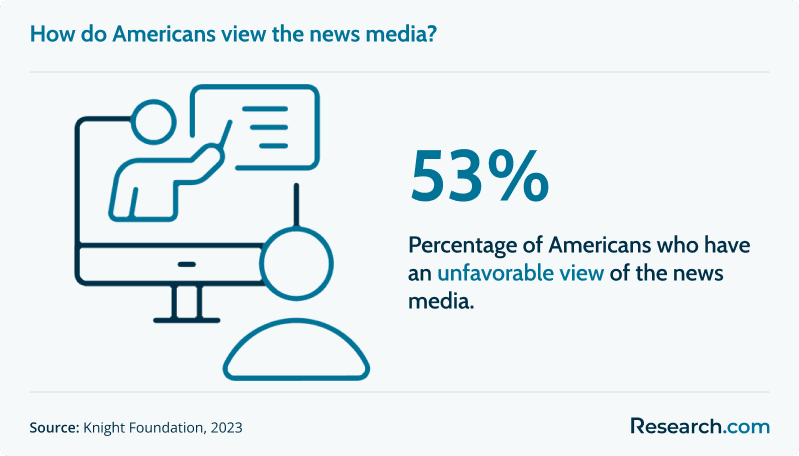
It’s a frustratingly familiar feeling: scrolling through news and social media, trying to separate fact from fiction. This challenge is more than just a headline; it’s a shared experience reflected in the data, as 53% of Americans now have an unfavorable view of the news media. This widespread distrust has created an urgent need for professionals who can teach others how to navigate the complex information landscape.
This guide, prepared by career planning experts with more than 10 years of experience, will explore the growing field of media literacy careers. We’ll show you what this field is, what jobs are available, and how you can build a meaningful career on the front lines of the information age.
Key Things You Should Know About Media Literacy Careers
- This career exists because there’s a real problem to solve: with 53% of Americans holding an unfavorable view of the news media, the demand for credible experts who can restore trust and teach critical thinking is high.
- An important insider tip is to watch for government validation; currently, 18 states have passed legislation to support media literacy education, signaling a stable and growing job market.
- You can absolutely build a financially secure future in this field, as the median annual wage for media and communications workers is a strong $70,300.
- You won’t be navigating this path alone; the field is guided and supported by established professional organizations like the National Association for Media Literacy Education (NAMLE).
- Your entry into this career is flexible, with accessible options like university-backed certificate programs that allow you to specialize your skills without committing to a full degree right away.
- What is media literacy, and what are its core principles? Media Literacy
- What key skills do you learn by studying media literacy? Key Skills
- What educational paths can lead to a career in media literacy? Education Paths
- Are media literacy certificates a good alternative to a full degree? Certificates
- How can you start building media literacy skills today? How can you start building media literacy skills today?
- What specific jobs can you get with a media literacy background? Jobs
- Which industries are hiring for media literacy skills? Industries Hiring
- What is the typical salary and job outlook for media literacy careers? Salary
- Why is media literacy so important in 2027? Why is media literacy so important in 2027?
- How does misinformation impact society and individuals? How does misinformation impact society and individuals?
- What role does AI play in the current media landscape? What role does AI play in the current media landscape?
What is media literacy, and what are its core principles?
Media literacy is the ability to access, analyze, evaluate, create, and act using all forms of communication. Think of it less as a subject you study and more as a practical toolkit for the modern world. It’s not about being cynical about the news; it’s about having a framework to confidently understand how messages are made, who they’re for, and what impact they have.
For students asking “is psychology good for pre med,” the comparison is clear: just as media literacy equips you with critical thinking and analytical skills to navigate complex information, psychology provides a foundation for understanding human behavior, cognition, and decision-making—skills essential for success in medical school.
This entire field is built on a few core principles that guide the work. Professionals in this area focus on expanding the idea of “literacy” beyond just text to include images, videos, and social media. They champion active inquiry and critical thinking, empowering people to move from being passive consumers of information to becoming socially responsible and engaged participants in society. This foundation is what makes the field so crucial.
What key skills do you learn by studying media literacy?
Studying media literacy equips you with a powerful blend of analytical abilities and practical communication skills that are in high demand. Just as students consider psychology as pre law to develop critical thinking, research, and communication skills for legal careers, media literacy trains you to think critically about the information you encounter and create. This skill set is the foundation for successful media literacy careers, as it trains you to be a more discerning consumer and a more responsible creator of information. You will learn to:
- Deconstruct and analyze messages in various forms, from news articles to social media posts, to understand their purpose and impact.
- Identify bias, propaganda, and misinformation by evaluating sources, evidence, and context.
- Understand the ethical dimensions of creating and sharing information in a digital world.
- Communicate complex ideas clearly and effectively to diverse audiences.
- Use digital tools to create media that is not only engaging but also responsible and informative.
How is This Different From a Communications Degree?
This is a common and important question for anyone planning their educational path. A helpful way to think about it is that a traditional communications degree often focuses on the craft of creating and delivering a message effectively. You learn the principles of public relations, advertising, and marketing.
Media literacy, on the other hand, specializes in the systematic deconstruction and ethical evaluation of all messages. It gives you the critical framework to analyze how information works, who it serves, and what its societal consequences are. While there's overlap, media literacy provides a specialized lens that is becoming essential in our complex information environment.
What educational paths can lead to a career in media literacy?
One of the most encouraging aspects of this field is that there is no single, rigid path; professionals build successful media literacy careers from a variety of educational backgrounds. The most effective strategy is to choose a strong foundational major—like education, journalism, or communications—and then add media literacy as a specialization through focused coursework, a minor, or a certificate.
For those exploring specialized graduate programs, just as students look for psychiatric mental health NP programs with clinical placement to gain hands-on experience in nursing, aspiring media literacy professionals can seek programs that include practical, project-based learning or internships to strengthen their career readiness.
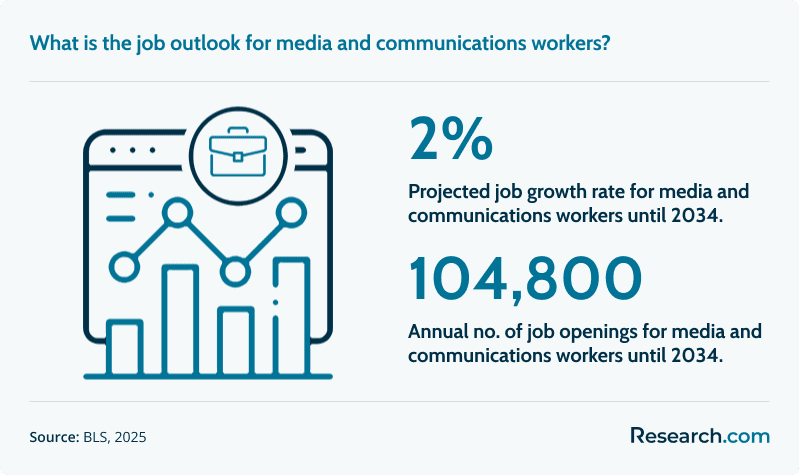
This approach gives you a solid base to build upon while allowing you to tailor your expertise. A key insider tip is to assess the stability of the broader field. The U.S. Bureau of Labor Statistics projects about 104,800 job openings for media and communications workers each year, signaling a healthy demand for these core skills.
For many aspiring professionals, starting with a comprehensive program like one of the best media communication degree online options provides the essential skills in analysis and content creation needed for this work. This means you have the flexibility to design an educational path that truly aligns with your career goals.
Are media literacy certificates a good alternative to a full degree?
A media literacy certificate is a powerful tool for specializing your skills, especially if you are looking to pivot from an adjacent field. While it's not a direct replacement for a degree, it is an excellent and efficient way to formalize your expertise, add a valuable credential to your resume, and signal to employers that you have targeted knowledge.
The key is choosing a program that fits your goals. For instance, the University of Massachusetts offers a five-course Media Literacy Certificate program for academic credit, which is ideal for someone looking for a deep, university-backed credential. On the other hand, Bakersfield College provides a free, noncredit three-course certification, perfect for professionals who want to quickly gain foundational skills in areas like AI and online safety. The right choice depends entirely on your career stage and what you hope to achieve.
Weighing the ROI of a Master's Degree
For those looking to make a more significant career shift or aim for leadership positions, a master's degree might offer a greater return on investment. A graduate degree provides a deeper theoretical foundation and advanced research skills that are often required for roles in academia, policy development, or high-level consulting.
If you already have a bachelor's degree and professional experience, an accelerated online masters in communication management can be a strategic choice. This type of program often allows you to build on your existing knowledge while adding the specialized management and strategic skills needed to lead teams and initiatives in the information sector.
How can you start building media literacy skills today?
You can start building media literacy skills today by shifting from being a passive consumer of media to an active and critical analyst. The good news is you don't have to wait for a formal program to begin this process. For students wondering “are double majors worth it,” the same principle applies: combining complementary fields—such as communications and political science—can accelerate skill development and open more career opportunities in media literacy. Here are a few simple ways you can put that shift into practice:
- Follow the experts. Start by exploring the resources offered by leading non-profits like the National Association for Media Literacy Education (NAMLE), whose mission is to make media literacy an essential life skill. They provide frameworks and articles that can guide your learning.
- Practice lateral reading. When you encounter a new source or a surprising claim, open a new tab and search for information about the source itself before reading the content. This is a core technique fact-checkers use to quickly assess credibility.
- Analyze one piece of media per day. Choose anything—a news report, a TikTok video, an advertisement—and ask yourself three simple questions: Who created this message? What techniques are used to attract my attention? What lifestyles, values, and points of view are represented in, or omitted from, this message?
These small, consistent actions build a strong foundation of critical thinking. They empower you to see the media landscape with new eyes, which is the first step toward a professional role within it.
What specific jobs can you get with a media literacy background?
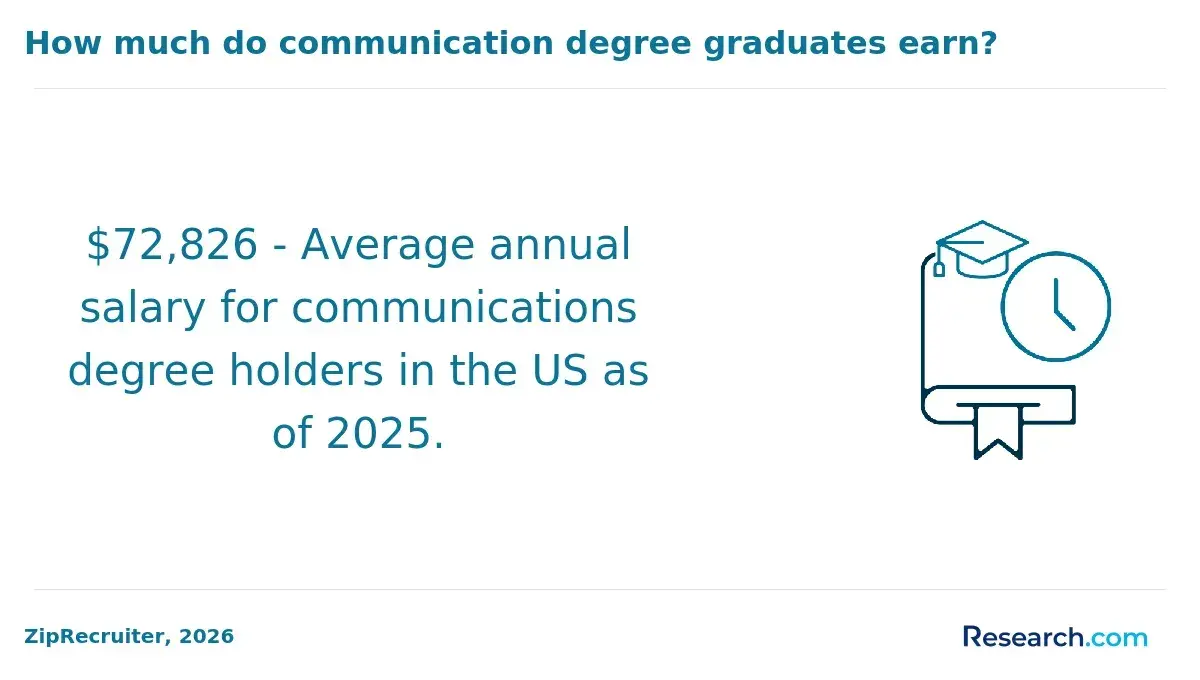
With a background in media literacy, you can pursue jobs in education, information science, communications, and community engagement. An insider tip for your job search is to remember that many roles won't have "media literacy" in the title but will require its core skills. The financial outlook for these types of roles is strong, with the U.S. Bureau of Labor Statistics reporting a median annual wage of $70,300 for media and communication workers. This proves that building media literacy careers is not only a mission-driven choice but also a financially sound one.
Some of the most common job categories include roles as librarians, journalists, and corporate trainers. You might also find positions in non-profits focused on digital citizenship or on "trust and safety" teams within tech companies, which are dedicated to content moderation and policy.
Roles in Education and Curriculum Development
The most direct career path is often in education, where professionals are needed at every level. This can range from being a K-12 school librarian or a Digital Media Teacher, with a typical salary between $41,500 and $62,500, to developing educational materials for publishing companies.
Instructional design is a rapidly growing area. These professionals create the curriculum and learning experiences for schools, universities, and corporations. For those looking to specialize in this high-demand niche, pursuing one of the fastest instructional design master's degree online programs can provide a direct pathway to a role where you design how media literacy is taught.
Which industries are hiring for media literacy skills?
While education is a primary field, the demand for media literacy skills extends across the tech, government, healthcare, and financial sectors. A key insight to remember is that any industry struggling with the impact of misinformation is a potential employer. This opens up a wide range of media literacy careers for professionals who can help organizations communicate effectively, train employees to identify misinformation, and build trust with the public.
This means you have the flexibility to align your passion for media literacy with your existing professional experience. Whether it's helping a financial company educate its clients about online scams or working with a public health agency to combat medical misinformation, your skills are transferable and highly relevant in today's market.
Opportunities in the Tech and Social Media Sector
The tech industry, and social media platforms in particular, are major employers of professionals with media literacy skills. These companies are on the front lines of the content moderation debate and are building large "Trust and Safety" teams to develop policies, analyze content, and protect users from harmful information.
These roles require a sophisticated understanding of how information spreads online and the ethical nuances of content moderation. For professionals looking to enter this dynamic and often high-paying sector, completing one of the shortest online social media programs can provide the specific platform knowledge needed to complement a background in media literacy and stand out to recruiters.
What is the typical salary and job outlook for media literacy careers?
The overall salary and job outlook for media literacy careers is strong, with your specific earnings potential depending mainly on the industry you choose to enter. As we've seen, the U.S. Bureau of Labor Statistics reports a solid median wage of $70,300 for the broader media and communications field and projects a steady demand with about 104,800 job openings each year.
A key part of your career planning is aligning your financial expectations with your sector of interest. Roles in the tech or corporate sectors, for example, will typically offer higher salaries than positions in non-profits or local government. The most important takeaway is that this is a viable and sustainable career path.
Why is media literacy so important in 2027?
Media literacy is critically essential in 2027 because it is the primary tool for protecting democratic processes, promoting public health, and managing the societal impact of artificial intelligence. In an era where trust in institutions is low, the ability to think critically about information is no longer just a "soft skill"—it's an essential component of citizenship and personal well-being. This urgency is what makes a career in the field so meaningful.
The need for this work is being recognized at the highest levels. State-level policy is shifting rapidly, with a significant increase in the number of bills proposed to advance K-12 media literacy. This top-down validation from policymakers and major teacher organizations is a clear indication that these skills are now considered fundamental to modern education.
What This Means for Your Career
This growing sense of urgency translates directly into career stability and opportunity for you. As more states mandate media literacy education, demand for qualified teachers, librarians, and curriculum developers will increase. This often comes with more funding for educational roles and a growing number of positions in government and adjacent sectors tasked with implementing these new standards.
It is essential to recognize that this work frequently involves navigating politically sensitive topics. Professionals in this field must be skilled at fostering constructive dialogue and teaching critical thinking in a way that transcends partisan divides. While this can be a challenge, it is also what makes the work so vital.
How does misinformation impact society and individuals?
Misinformation has a measurable and damaging impact, primarily by eroding social trust, harming public health outcomes, and causing direct financial harm to individuals. The consequences go far beyond online arguments; they affect community cohesion and personal safety. This erosion of trust is starkly visible in the data, with one recent study showing that only 26% of Americans now have a favorable opinion of the news media.
At the societal level, a shared understanding of facts is necessary for a democracy to function. When that is undermined, it fuels polarization and makes it challenging to solve collective problems.
For individuals, the impact can be even more direct. Believing false medical claims can lead to poor health decisions, while falling for online scams can result in significant financial loss. Media literacy professionals are on the front lines, working to mitigate these very real harms.
The Role of Ethical Journalism in a Post-Truth Era
While media literacy equips individuals to be better consumers of information, ethical journalism serves as a crucial institutional defense against misinformation. Journalists who adhere to strict standards of verification, sourcing, and fairness provide a reliable baseline of factual information that the public can turn to. They are trained to hold power accountable and provide the context needed to understand complex events.
For those who are not only passionate about deconstructing misinformation but also about constructing and disseminating the truth, a career in this field can be a powerful choice. Exploring the fastest online bachelor's in journalism degrees can be a strategic first step toward becoming part of the solution and building a career dedicated to strengthening the foundations of a well-informed society.
What role does AI play in the current media landscape?
It is impossible to discuss the modern media landscape without addressing the role of artificial intelligence, which acts as a powerful "threat multiplier" for creating and spreading sophisticated misinformation. However, instead of making media literacy obsolete, AI has made it more essential than ever and is creating new career opportunities in the process.
Generative AI is increasingly used in everyday digital media, which presents a new set of challenges that media literacy education is beginning to address. Forward-thinking programs, like the certificate at Bakersfield College, are already incorporating courses on artificial intelligence. This is because AI cannot replicate the core human skills at the heart of media literacy: ethical reasoning, cultural context, and true critical thinking.
This means that professionals who can teach others how to use AI tools ethically and identify AI-generated manipulation are in a unique and powerful position. Your expertise becomes the essential human layer of verification and trust in an increasingly automated world. This focus on ethical oversight and critical analysis is what will future-proof your career, positioning you as a leader in the next phase of digital information.
Here’s What Graduates Have to Say About Their Media Literacy Careers
- Enid: "I was passionate about fighting misinformation but felt completely lost in a sea of potential majors. Pursuing media literacy gave me the clarity I was desperate for, defining a field and showing me a clear career path. For the first time, I felt like I had a real, actionable plan to turn my interest into a profession, which was a huge relief."
- Linus: "My biggest concern was that my communications skills would become obsolete with the rise of AI. Specializing in media literacy was a turning point, especially with its focus on ethics and AI-generated content. I now see a clear path to a future-proof career, focusing on the analytical skills that automation can't replicate, and I feel prepared instead of anxious."
- Samira: "The skills I gained have had an immediate impact on my work at our local library. I'm now able to confidently lead workshops for community members on how to spot online scams and evaluate health information. It's incredibly rewarding to see people feel more empowered and secure online because of the practical knowledge I can now share with them."
Key Findings
- This career is financially sustainable, not just a passion project; the median annual wage of $70,300 for the broader media and communications sector provides a strong and defensible salary baseline.
- The demand for these skills is being formally recognized at the government level, with 18 states having passed legislation to support media literacy, which creates a stable and growing job market in education and public policy.
- The core problem you will be solving is significant and measurable, as 53% of Americans now hold an unfavorable view of the news media, creating an urgent need for professionals who can restore trust and teach critical thinking.
- You can leverage experience from other fields, especially tech, as shown by the 4,640 jobs in the media streaming and social network sector, proving that these skills are in high demand beyond traditional classroom settings.
- Getting started in this field is highly accessible, with flexible options like Bakersfield College's free, three-course certificate program designed to help professionals quickly gain foundational skills.
- This career path is actively adapting to future challenges, with educational programs already incorporating AI into their curriculum, positioning you as a forward-thinking expert in a field that is evolving with technology, not being replaced by it.
References:
- Alkam, S., & DiGiacomo, D. (2024). Advancing policy to foster K-12 media literacy. National Association of State Boards of Education. Retrieved from NASBE.
- Bakersfield College. (2024, August 14). BC offering free media literacy certificate program. Retrieved from Bakersfield College.
- Eddy, K., Walker, M., & Mitchell, A. (2025, August 20). How Americans view journalists in the digital age. Pew Research Center. Retrieved from Pew Research Center.
- National Association for Media Literacy Education. (n.d.). Core principles of media literacy education. Retrieved from NAMLE.
- National Association for Media Literacy Education. (n.d.). Media literacy defined. Retrieved from NAMLE.
- U.S. Bureau of Labor Statistics. (2025, April 1). Occupational employment and wages, media and communication workers. Occupational Employment Statistics. Retrieved from BLS.
- U.S. Bureau of Labor Statistics. (2025, September 4). Media and communication occupations. Occupational Outlook Handbook. Retrieved from BLS.
- University of Massachusetts. (n.d.). Media literacy certificate details. Retrieved from UMass.
- ZipRecruiter (2026, February 18). Communications Degree Salary. Retrived from ZipRecruiter
Other Things You Should Know About Media Literacy Careers
In 2027, essential skills for a media literacy career include critical thinking, digital communication, analytical skills, and the ability to discern credible news sources. Proficiency in digital tools and a strong understanding of media landscapes are also increasingly important. These skills help professionals navigate and teach complex media environments.
In 2027, media literacy is crucial due to the rise of deepfake technologies, misinformation, and the need for digital citizenship. Opportunities in education, consultancy, and content analysis make it appealing, as institutions and organizations prioritize media literacy to navigate digital challenges.
Obtaining certifications like the Digital Media Literacy Certificate or credentials such as a Master's in Media Studies can enhance your career prospects in media literacy. These qualifications demonstrate expertise in analyzing, evaluating, and creating media in 2027's evolving landscape.


