
2027 How to Become a Mechanic in Hawaii: Requirements & Certification

Co-Founder and Chief Data Scientist
In Hawaii, the demand for skilled automotive mechanics is projected to grow by over 10% in the next decade, yet many aspiring technicians face uncertainty about how to enter the field effectively. This gap between opportunity and clear career pathways can leave individuals unsure of where to start or which qualifications are essential.
This article, prepared by experts in career planning, aims to clarify the steps needed to become a mechanic in Hawaii. It will cover educational requirements, certification processes, and local industry insights to help readers confidently pursue a successful career in automotive repair within the state.
Key Things to Know About Becoming a Mechanic in Hawaii
- The mechanic job market in Hawaii is projected to grow by 7% from 2022 to 2032, slightly above the national average.
- The median annual salary for automotive service technicians in Hawaii is approximately $58,000, reflecting the state's higher cost of living.
- Most mechanic training programs in Hawaii take between 6 months to 2 years to complete, with many offering certifications recognized by the National Institute for Automotive Service Excellence (ASE).
- What are the steps to become a mechanic in Hawaii?
- What training and education options are available in Hawaii?
- Do you need certifications to work as a mechanic in Hawaii?
- How long does it take to become a mechanic in Hawaii?
- How much does it cost to become a mechanic in Hawaii?
- What job opportunities are available for mechanics in Hawaii?
- How much do mechanics make in Hawaii?
- What supplemental certifications could boost my career prospects in Hawaii?
- Should Mechanics Diversify Their Technical Skills for Greater Career Resilience in Hawaii?
- How can mechanics transition into successful business ownership in Hawaii?
- What are the regulatory and safety compliance requirements for mechanics in Hawaii?
- What tools and skills do mechanics need to succeed?
- What are the career growth opportunities for mechanics in Hawaii?
- What are the pros and cons of becoming a mechanic in Hawaii?
- What alternative technical careers are available in Hawaii?
What are the steps to become a mechanic in Hawaii?
Step 1: Complete Required Education and Training
Prospective mechanics in Hawaii typically begin with a high school diploma or equivalent, although vocational training significantly improves prospects. Specialized automotive technology programs at community colleges, such as Leeward Community College, offer 6 to 12 months of focused instruction, including practical skills development. These programs often require a valid driver's license for enrollment and prepare students for entry-level roles in automotive repair.
Step 2: Gain Practical Experience
Hands-on experience is mandatory for licensing. Hawaii requires either five years of automotive technician experience or at least two years of full-time, hands-on work. Another pathway combines one year of practical experience with secondary or post-secondary education in automotive or related technical fields. Apprenticeships and mechanic assistant roles provide valuable on-the-job training, bridging the gap between classroom learning and real-world application.
Step 3: Obtain ASE Certification
ASE (Automotive Service Excellence) certification is a critical licensing component. Mechanics must hold certification in at least one automotive area relevant to their work and secure additional certifications for other specializations, such as brake repair if they intend to perform such services. The state mandates submission of current ASE certificates during license renewal, underscoring the importance of maintaining credentials.
Step 4: Utilize State Programs and Continuing Education
Programs like the Ford ASSET at Leeward Community College integrate classroom learning with dealership experience, awarding both an associate degree and manufacturer certification. Continuing education is essential due to rapidly evolving automotive technologies, and mechanics are encouraged to pursue ongoing training and multiple ASE certifications to enhance employability and expertise.
What training and education options are available in Hawaii?
Automotive mechanic training programs in Hawaii are designed to address the state’s unique geographic and economic conditions, combining formal education with hands-on experience to meet local industry demands. Several pathways provide the necessary skills and certifications for employment in this specialized market.
- Certificate programs in automotive technology available at institutions like Hawaii Community College, focusing on foundational and advanced systems including diagnostics and repairs.
- Associate degree programs at schools such as University of Hawaii Maui College and Honolulu Community College, offering comprehensive curricula with practical lab components and flexible durations from six months to two years.
- Apprenticeships and internships integrated into most community college and trade school programs, ensuring real-world experience tailored to Hawaii’s diverse vehicle population, including imported and electric vehicles.
Licensure through the Department of Commerce and Consumer Affairs Motor Vehicle Repair Industry Board requires either five years of work experience in Hawaii or passing a written examination. Formal education programs often prepare students for ASE certification, which is widely recognized by employers. State-supported initiatives and collaborations with local businesses enhance job placement and ongoing professional development.
For those researching the most popular high demand trades, automotive mechanic training programs in Hawaii offer a strategic blend of classroom learning and practical skills essential for success in the island’s automotive sector.
The chart below shows that automotive service technicians and mechanics earn a national median of $49,670 per year—providing a benchmark for understanding local wages. In Iowa, mechanics typically earn slightly less than the U.S. median, with average annual salaries ranging from $42,000 to $47,000 depending on experience, specialization, and certification status.
Do you need certifications to work as a mechanic in Hawaii?
To obtain a mechanic license in Hawaii, applicants must fulfill both experience and certification requirements. The state mandates a minimum of two years of full-time hands-on work as a mechanic. Alternatively, one year of practical experience combined with formal training—such as three years of high school automotive courses or two years at a trade or technical school—can satisfy this criterion. This ensures that licensed mechanics possess both theoretical knowledge and practical skills.
ASE certification is a compulsory component of the licensing process. Candidates must hold at least one current Automotive Service Excellence (ASE) certification relevant to their specialty area. Hawaii requires these certificates not only for initial licensure but also for renewal. The ASE credential acts as a nationally recognized standard, validating competence in automotive repair. Without it, mechanics cannot legally practice in the state. This requirement highlights the importance of the hawaii mechanic license ase certification requirements in maintaining industry standards.
ASE certification demands passing one or more specialized exams and meeting work experience prerequisites, typically two years of hands-on service or one year coupled with postsecondary credentials. Mechanics must keep these certificates current since expired ASE certifications can jeopardize their license status. Additionally, when expanding into new specialty areas like brakes or transmissions, new ASE certificates must be obtained and submitted along with a $10 application fee to amend the license.
A strategic approach for prospective mechanics involves completing accredited technical programs, which expedite meeting experience requirements and prepare candidates for ASE exams. For those researching pathways into the field, it is beneficial to understand what requirements are needed to become an auto mechanic. Given Hawaii’s licensing framework, the automotive technician certification process in hawaii is a structured combination of education, practical experience, and certified testing to ensure skilled, professional automotive technicians.
How long does it take to become a mechanic in Hawaii?
Becoming a certified mechanic in Hawaii typically requires between two to four years, depending on the chosen pathway and prior experience. This timeframe balances hands-on work, formal education, and certification requirements mandated by the Hawaii Motor Vehicle Repair Industry Board.
Most candidates follow either a direct work path, which involves two years of full-time automotive repair experience plus passing an ASE certification exam, or an education-accelerated path that combines one year of work with relevant high school or vocational training. For instance, completing three years of high school automotive courses or a two-year technical program reduces the on-the-job experience needed to one year.
Vocational programs such as the one at Honolulu Community College offer practical and academic training tailored to Hawaii’s automotive industry. This program, combining classroom and hands-on learning, enables students to earn a Certificate of Achievement in one year, effectively shortening the certification timeline.
One Hawaii-based mechanic reflected on the journey, noting the challenge of balancing evening ASE exam preparation with daytime shop work, but ultimately found the experience rewarding due to the supportive local community and relevant training that addressed island-specific vehicle issues.
Flexibility in ASE exam scheduling allows candidates to take the exam soon after meeting experience requirements, which can accelerate certification. Hawaii’s unique geographic factors also influence demand and training focus, emphasizing skills like corrosion prevention due to salt air exposure.
Effective planning—leveraging local education options and timely ASE testing—is critical for minimizing the time to licensure while meeting state standards for hands-on experience and certification.
How much does it cost to become a mechanic in Hawaii?
The estimated cost to become a mechanic in Hawaii typically ranges from $15,000 to $25,000 for tuition, with additional expenses to consider. These costs reflect the investment required for quality training at community colleges and specialized programs.
Key expenses for Hawaii automotive mechanic training costs and tuition include:
- Tuition for automotive technology programs at Hawaii community colleges, generally between $15,000 and $25,000 depending on the institution and program length.
- Tools and equipment costs, estimated at around $2,500 at Kauai Community College, necessary for hands-on learning and future employment.
- Certification and licensing fees, which vary based on professional credentials such as ASE certifications but are an essential part of career advancement.
- Living expenses, reflecting Hawaii’s higher cost of living compared to mainland states, which should be factored into the overall budget.
- Transportation costs, including commuting and possible inter-island travel related to internships or job placements.
When considering mechanic school expenses in Hawaii community colleges, students should also evaluate program duration and completion times. Some specialized tracks, like diesel mechanics, can be completed in just over a year, potentially reducing overall costs and enabling quicker entry into the workforce.
For those researching career options, understanding what are the trades jobs that can provide valuable context about employment prospects and industry requirements within Hawaii’s automotive sector.
The chart below shows that automotive technicians earn a national median of $49,670 per year, illustrating how quickly the $15,000–$25,000 investment in Hawaiian training programs can be recouped: with wages in that range, most graduates recover their tuition costs within one to two years of work in the islands’ auto shops and dealerships.

What job opportunities are available for mechanics in Hawaii?
Automotive Service Technicians and Mechanics
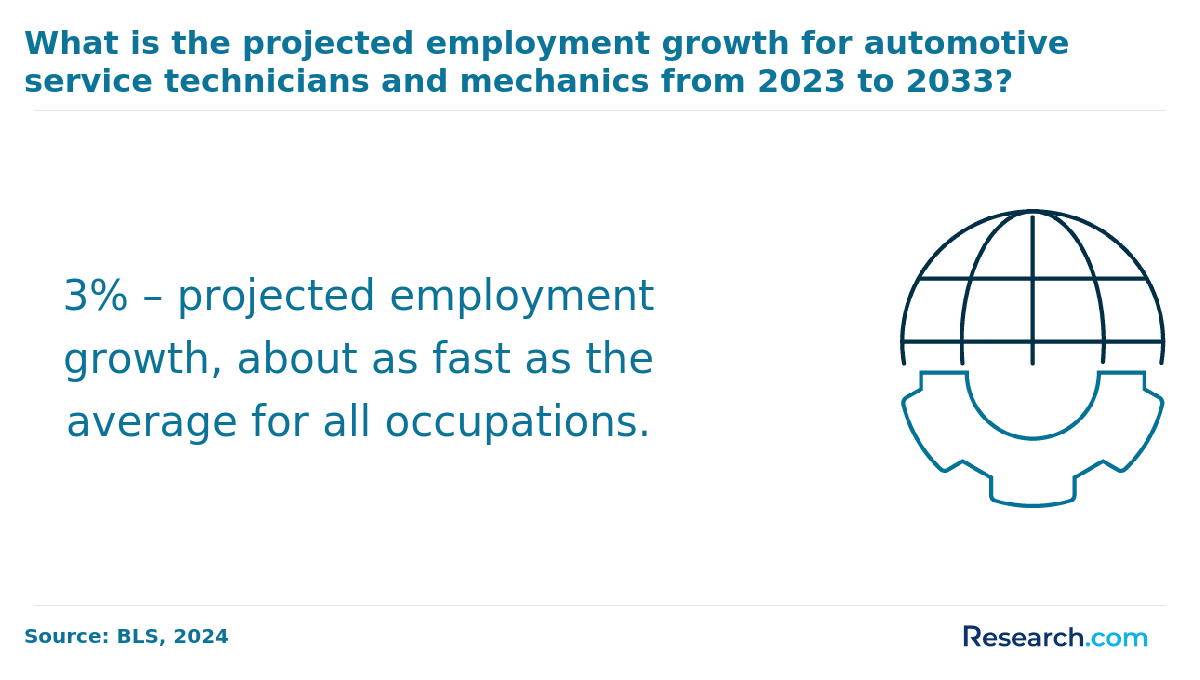
Automotive service technicians and mechanics form the backbone of Hawaii’s transportation maintenance, with 67,800 projected annual job openings from 2023 to 2033. This high demand is driven by the extensive personal, rental, and commercial vehicle fleets supporting both residents and the tourism industry. A mechanic shared how securing a position required persistence and networking in Honolulu’s competitive market, but the steady influx of opportunities ultimately rewarded their commitment with a stable role.
Diesel Mechanics
Diesel mechanics in Hawaii earn a median salary of $68,000, reflecting their crucial role in maintaining heavy-duty vehicles essential to public transportation, shipping, and construction sectors. Large employers such as Ryder and Penske Automotive Group frequently recruit diesel technicians, offering competitive benefits. This specialization remains a lucrative path due to the ongoing need for reliable diesel vehicle maintenance across the islands.
Auto Electrical Technicians and Specialized Roles
The increasing complexity of automotive technology has elevated demand for specialists in electronics, hybrid systems, and diagnostics. Salaries in these specialized roles can exceed average wages by over 100%, highlighting the value of advanced skills. A mechanic noted the challenge of mastering new hybrid diagnostics but emphasized how these skills opened doors to high-paying positions and career growth. Prospective mechanics should consider pursuing certifications, which can be found through resources like the best rated automotive mechanic trade school, to improve their competitiveness.
Career Advancement and Market Trends
Mechanics in Hawaii earn an average hourly wage of $26.12, with auto mechanics averaging $27.15, ranking the state fifth nationally for compensation. The industry’s projected revenue of $242 million in 2025 highlights sustained growth, fueled by the aging vehicle fleet and tourism-driven demand. For those exploring mechanic career opportunities in Hawaii, focusing on emerging technologies and geographic flexibility enhances prospects in this evolving field.
How much do mechanics make in Hawaii?
Mechanics in Hawaii earn a competitive income, with the average auto mechanic salary in Hawaii ranging broadly based on experience and specialization. Hourly pay rates Hawaii typically fall between $26.12 and $30.39, translating to annual salaries from about $52,000 up to $61,084. Entry-level positions start near $36,940, while seasoned mechanics can earn as much as $65,838 per year.
Key factors influencing earnings include certification, skill level, and job role. Specialized positions such as Auto Electrical Technicians or master mechanics may earn an additional $11,989 to $63,962 above the average salary. Overtime work is common, providing extra income that can add roughly $5,712 annually for those who take advantage of it.
The mechanic hourly pay rates Hawaii reflect a moderately competitive market, ranking the state 5th highest nationally for mechanic wages. However, the cost of living in Hawaii is notably high, which can impact the net financial benefit despite these wages.
Advancement opportunities exist for those who pursue certifications like ASE or specialize in electric and luxury vehicles. Mechanics willing to enhance their skills and flexibility can increase their earning potential significantly. Networking and seeking positions in larger dealerships or commercial fleets also improve job prospects.
For individuals considering the trade, understanding the benefits of trade school vs college can be crucial to making informed career decisions and maximizing income opportunities in Hawaii’s auto mechanic field.
What supplemental certifications could boost my career prospects in Hawaii?
Expanding your technical skill set beyond traditional automotive repair can open additional career pathways in Hawaii’s evolving technical landscape. Supplemental certifications—such as those in HVAC systems—can provide a competitive advantage by diversifying service offerings and enhancing job resilience against industry fluctuations. Targeted vocational training in related fields enables professionals to address a broader range of repair and maintenance challenges while potentially increasing earning potential. For example, mechanics interested in broadening their expertise may explore opportunities that demonstrate how to get HVAC license in Hawaii, further equipping them for success in a multi-disciplinary work environment.
Should Mechanics Diversify Their Technical Skills for Greater Career Resilience in Hawaii?
Expanding technical expertise beyond traditional automotive repair can provide mechanics with enhanced career resilience and additional revenue streams. Diversifying into complementary fields, such as advanced electronic diagnostics and electric vehicle systems, enables professionals to respond effectively to market shifts and technological advancements. Cross-training in related trades offers a strategic advantage by reducing reliance on a single skill set, thereby increasing flexibility and job security in Hawaii’s evolving automotive landscape. For instance, exploring opportunities on how to become an electrician in Hawaii can open new pathways and support a more robust career trajectory without duplicating existing certification processes.
How can mechanics transition into successful business ownership in Hawaii?
Mechanics looking to move beyond technical roles can benefit from integrating robust business strategies with their technical expertise. Leveraging skills in financial management, marketing, and customer service enables the smooth operation of repair shops while enhancing long-term profitability. Establishing a clear business plan, understanding local market dynamics, and networking within the community are essential components for a seamless transition from technician to business owner. In addition, targeted education in business management can provide critical insights into cost control, inventory management, and regulatory compliance—factors that significantly impact a shop’s success. For guidance on formal business education programs, consider exploring the top business schools in Hawaii.
What are the regulatory and safety compliance requirements for mechanics in Hawaii?
Mechanics in Hawaii must adhere to rigorous safety and regulatory standards to ensure compliance with state and federal environmental guidelines. Strict protocols govern hazardous material disposal, chemical handling, and workplace safety measures in accordance with OSHA benchmarks and local regulations. This emphasis on regulatory adherence not only mitigates risks but also reinforces a mechanic’s reputation for reliability and professionalism. Staying informed about evolving legislation and compliance updates is crucial to maintaining legal operations and ensuring sustainable business practices. For professionals evaluating cross-disciplinary technical roles, additional career insights can be found under Hawaii ultrasound technician requirements.
What tools and skills do mechanics need to succeed?
Automotive mechanics in Hawaii require a blend of technical proficiency and practical skills to meet the demands of the local market. Success in this field depends on mastering essential tools and cultivating key competencies that address both routine maintenance and complex repairs.
Key tools and skills for automotive mechanics include:
- Proficiency with diagnostic equipment such as OBD-II scanners to identify engine and system faults accurately.
- Strong understanding of electrical systems, enabling effective troubleshooting of wiring, battery, and sensor issues common in modern vehicles.
- Competence in using hand and power tools, including wrenches, screwdrivers, and pneumatic devices, for assembly and disassembly tasks.
- Knowledge of engine repair and rebuilding processes, necessary for addressing both gasoline and hybrid engine types prevalent in Hawaii's vehicle fleet.
- Familiarity with brake systems, suspension components, and transmission mechanics to ensure vehicle safety and performance.
- Ability to interpret technical manuals and service bulletins, keeping up to date with manufacturer-specific repair protocols and recalls.
- Skills in customer communication and diagnostics explanation, crucial for building trust and understanding client needs in a competitive market.
- Adaptability to evolving automotive technologies, including electric vehicles and advanced driver-assistance systems increasingly present in Hawaii.
These competencies, combined with ongoing education and certification, position mechanics to maximize their effectiveness and earning potential within Hawaii’s unique automotive environment.
The pie chart shows that 38 % of automotive mechanics nationwide hold only a high school diploma and another 27 % have an associate degree—underscoring why Hawaii offers one- to two-year certificate and associate programs through community colleges (like Honolulu Community College and Hawaii Community College) to ensure aspiring technicians gain the hands-on skills and ASE‐aligned coursework needed for success in the islands’ specialized auto market.
What are the career growth opportunities for mechanics in Hawaii?
Mechanics in Hawaii face a landscape shaped by the state’s geographic isolation and unique economic factors, influencing career growth and opportunities. The industry reflects steady demand, with several pathways for advancement and specialization.
Salary Trends and Compensation
Mechanics in Hawaii typically earn wages that reflect the higher cost of living in the state. Median salaries for automotive mechanics tend to exceed national averages, driven by demand for skilled labor and specialized expertise. Entry-level mechanics start with competitive hourly rates, while experienced technicians, particularly those certified in advanced diagnostics or hybrid technologies, can command salaries notably above the state median. Employers in government and private sectors often offer additional benefits reflecting Hawaii’s labor market conditions.
Job Demand and Stability
The demand for qualified mechanics in Hawaii remains steady due to the reliance on automotive transportation across the islands and the need for regular vehicle maintenance and repair. Geographic isolation limits the availability of replacement vehicles and parts, increasing the importance of skilled mechanics for sustaining vehicle longevity. This dynamic contributes to job stability and potential for long-term employment, as well as growth in specialized service areas such as electric vehicle maintenance.
Career Advancement Opportunities
Advancement is attainable through certification programs and specialization in emerging automotive technologies. Mechanics who pursue ASE certification or training in hybrid and electric vehicle systems often find expanded job prospects and higher earning potential. Additionally, opportunities exist to move into supervisory or management roles within repair shops or dealerships, bolstered by experience and technical expertise.
Local Training and Certification Resources
Hawaii offers several vocational training options, including community college programs tailored to automotive technologies. These programs emphasize both foundational skills and emerging trends, preparing students for certification exams and entry-level employment. Access to continuing education ensures that mechanics remain current with evolving automotive technology, a critical factor in maintaining career growth within the state.
What are the pros and cons of becoming a mechanic in Hawaii?
Choosing to become an automotive mechanic in Hawaii involves weighing several factors related to job prospects, income, and lifestyle. The unique economic and geographic conditions of the state influence both opportunities and challenges in this field.
Pros
Hawaii’s tourism-driven economy ensures a steady demand for vehicle maintenance and repair services, particularly in rental and commercial fleets. Mechanics benefit from competitive wages compared to some mainland regions, supported by the higher cost of living in the islands. The relatively small market size means mechanics can build strong relationships with local businesses and customers, potentially leading to stable employment or entrepreneurial opportunities. Additionally, Hawaii’s scenic environment and mild climate offer a pleasant work setting, which can contribute positively to job satisfaction.
Cons
The geographic isolation of Hawaii results in higher costs for parts and equipment, which can impact both the business side and the mechanic’s workflow. Supply delays may affect repair times and customer satisfaction. Wages, while competitive locally, may still lag behind mainland metropolitan areas where demand and volume are higher. The limited number of large automotive shops compared to bigger states means fewer specialized positions and slower career advancement. Lastly, the elevated living expenses in Hawaii can offset income benefits for those starting or progressing in mechanic careers.
What do mechanics say about their careers in Hawaii?
- Participating in the state vocational program gave me hands-on experience that no textbook could offer. Working directly on engines and diagnostics every day helped me build confidence and skills that employers value here in Hawaii. Keanu
- The nonprofit program focused on community service allowed me to apply what I learned in real situations, repairing cars for local families. It was rewarding to see how practicing the trade actively supports my community while advancing my career. Lucas
- Through the Honolulu automotive mechanics vocational course, I gained practical knowledge and developed a strong work ethic by working alongside seasoned professionals. The opportunity to practice the trade extensively prepared me well for the challenges of the industry. Jiro
What alternative technical careers are available in Hawaii?
Professionals with technical expertise may consider expanding into fields that benefit from similar problem-solving skills and technical precision. The growing prevalence of automation, digital diagnostics, and emerging environmental standards is creating parallel career paths that offer stable growth and different work dynamics. For instance, technical roles in health services are emerging as attractive alternatives amidst shifts in workforce demand. Interested individuals can explore opportunities such as how to become a radiology technician in Hawaii, which provides a viable pathway into the healthcare technology sector. This diversification not only mitigates industry-specific risks but also leverages transferable skills to meet the evolving market needs in Hawaii.
Related Articles for Nearby States
- 2027 How to Become a Mechanic in Alaska: Requirements & Certification
- 2027 How to Become a Mechanic in California: Requirements & Certification
- 2027 How to Become a Mechanic in Oregon: Requirements & Certification
- 2027 How to Become a Mechanic in Washington: Requirements & Certification
- 2027 How to Become a Mechanic in Nevada: Requirements & Certification
- 2027 How to Become a Mechanic in Arizona: Requirements & Certification
- 2027 How to Become a Mechanic in Idaho: Requirements & Certification
- 2027 How to Become a Mechanic in Utah: Requirements & Certification
- 2027 How to Become a Mechanic in Montana: Requirements & Certification
- 2027 How to Become a Mechanic in Wyoming: Requirements & Certification
References:
- Auto Mechanic School EDU. Auto Mechanic School in Hawaii - HI.
- CareerForce. Automotive Technician Training.
- Herald-Tribune. Learn to be an automotive technician and get paid while you do it.
- Honolulu Community College. Automotive Technology.
- Leeward Community College. Automotive Technology - Leeward Community College.
- Mechanic Career Now. How Much Does Mechanic Training Cost?
- Top Trade Schools. Top Auto Mechanic Schools in Hawaii | Become an Auto Mechanic.
- UTI. How to Become An Auto Mechanic in 7 Steps.
- US Mechanic EDU.
- WeGo Public Transit. Apprenticeship Program.
Other Things You Need to Know About Mechanics in Hawaii
To become a certified mechanic in Hawaii in 2027, one must typically complete a postsecondary automotive program or apprenticeship. Additionally, obtaining ASE (Automotive Service Excellence) certification can enhance job prospects. It's crucial to stay updated with any state-specific requirements as these can change yearly.
Yes, apprenticeships are a common and valuable pathway to becoming a mechanic in Hawaii. They provide hands-on experience and training under the guidance of experienced professionals, which can be beneficial for meeting certification requirements and gaining industry-specific skills.
As of 2027, aspiring mechanics in Hawaii can pursue online courses for certifications such as the Automotive Service Excellence (ASE) certifications. These courses offer flexibility and can help satisfy some requirements, though hands-on training remains crucial.


