
2027 How to Become an HVAC Tech in Hawaii

Co-Founder and Chief Data Scientist
In 2022, approximately 900 HVAC technicians were employed across Hawaii, playing a vital role in maintaining the comfort and safety of homes and businesses throughout the islands. With the demand for heating, ventilation, and air conditioning services expected to grow by 4% by 2032, now is an excellent time to consider entering this essential trade.
This article offers a comprehensive guide for those aspiring to become HVAC technicians in Hawaii, covering everything from training requirements and certifications to job prospects and earning potential.
Key Points About Becoming an HVAC Tech in Hawaii
- Hawaii’s HVAC technician job outlook is strong, with a projected 40 annual job openings from 2022 to 2032, driven by increasing demand for climate control in commercial and residential buildings.
- The average annual salary for HVAC techs in Hawaii is approximately $63,780, higher than the national average, reflecting local living costs and specialized skill requirements.
- Hawaii’s unique climate and tourism industry create steady HVAC service needs, making it an advantageous location for career stability and growth in this sector.
- What are the educational requirements to become an HVAC tech in Hawaii?
- Which schools in Hawaii offer HVAC programs?
- What skills do you need to become an HVAC tech in Hawaii?
- What are the requirements for HVAC licensure in Hawaii?
- What is the licensing process for HVAC technicians in Hawaii?
- How long does it take to become an HVAC tech in Hawaii?
- Could dual licensing as an electrician benefit your HVAC career in Hawaii?
- What are the career advancement opportunities for HVAC technicians in Hawaii?
- Can HVAC professionals benefit from business training in Hawaii?
- What Are the Continuing Education and Diversification Opportunities for HVAC Professionals in Hawaii?
- What are viable alternative technical career paths in Hawaii?
- Will an HVAC license from Hawaii allow you to work in other states?
- How much do Hawaii HVAC technicians earn?
- Is there a demand for HVAC technicians in Hawaii?
- Is Hawaii a good place to work as an HVAC tech?
What are the educational requirements to become an HVAC tech in Hawaii?
Becoming an HVAC technician in Hawaii requires a blend of formal education, practical experience, and certification. Reflecting the growing interest in this vital trade, 18 individuals graduated from HVAC programs across the state in 2023. For those looking to follow a similar path, the journey toward HVAC certification in Hawaii typically involves the following key steps:
- High School Diploma or GED: A high school diploma or equivalent is the basic requirement to begin a career in HVAC. It lays the groundwork for future technical training by ensuring fundamental math, science, and communication skills.
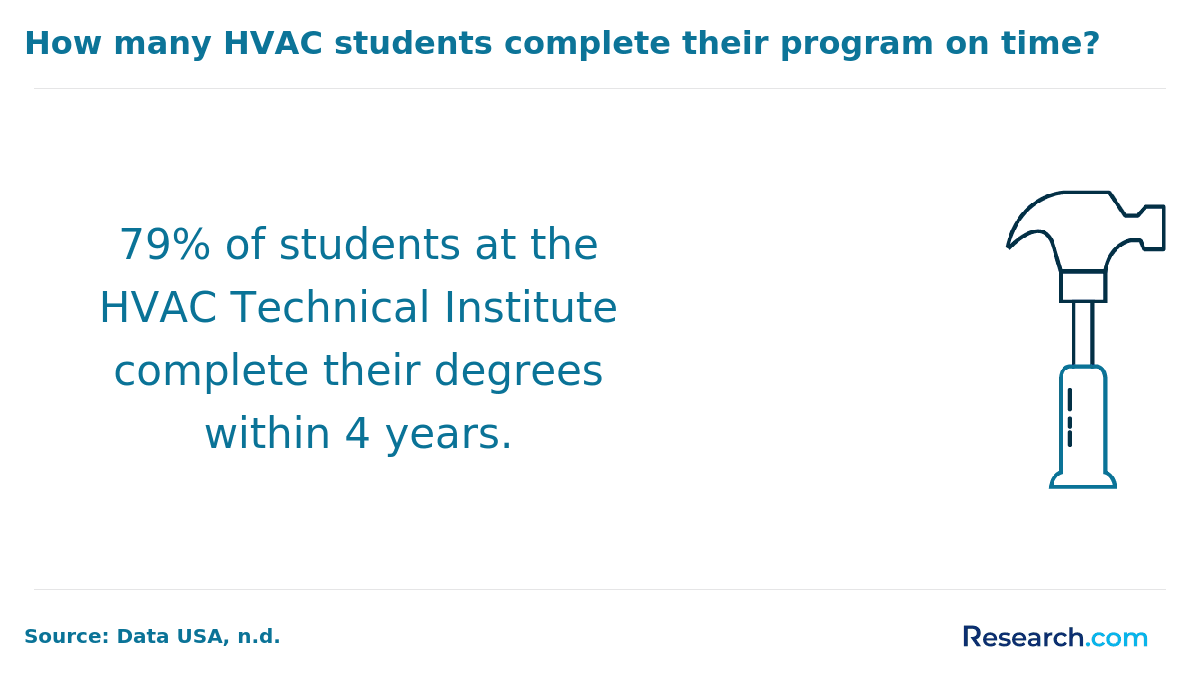
- HVAC Training Program: Enrolling in an accredited HVAC program is strongly recommended for gaining technical knowledge. These programs, offered by vocational or community colleges, typically last six months to two years and focus on refrigeration, electrical systems, and heating technologies suited to Hawaii’s unique climate.
- Apprenticeship Training: Most HVAC technicians complete a 3- to 5-year apprenticeship that combines classroom learning with paid on-the-job training. This experience helps build real-world skills while ensuring alignment with both national industry standards and Hawaii-specific regulations.
4. State Licensing: To work legally as an HVAC technician in Hawaii, individuals must obtain state licensure. This involves passing trade exams administered by the Hawaii Department of Commerce and Consumer Affairs, which test knowledge of local codes, safety practices, and HVAC systems.
Because there is often confusion about the pathways available, prospective students might explore whether to pursue an apprenticeship or certification first. For more detailed insights, you can visit is there a difference between HVAC apprenticeship and certification. This distinction is critical for those researching HVAC technician training programs in Hawaii and planning their career trajectory accordingly.
Which schools in Hawaii offer HVAC programs?
Several schools across Hawaii offer specialized HVAC training programs designed to prepare students for careers as heating, ventilation, and air conditioning technicians. These programs are tailored to meet the growing demand for climate control professionals, driven by Hawaii's tropical environment and ongoing construction activity. Below is an overview of key institutions offering HVAC programs in the state, including details on program duration, tuition costs, and curriculum highlights.
- Hawaiʻi Community College: Hawaiʻi Community College offers a thorough HVAC certificate program that focuses on essential skills such as refrigeration, electrical systems, and preventative maintenance. The program takes approximately one year to complete and is known for its hands-on training approach. In-state tuition averages around $3,000, making it a cost-effective option for students seeking entry into the HVAC field.
- Kapiʻolani Community College: As part of the University of Hawaiʻi system, Kapiʻolani Community College provides a well-rounded HVAC program that combines theoretical instruction with practical experience. Coursework covers air conditioning technology, heating systems, and energy-efficient design, aligning with Hawaii’s push toward sustainability. The annual tuition for in-state students is approximately $3,500.
- University of Hawaiʻi Maui College: UH Maui College offers HVAC coursework as part of its broader Applied Business and Technology division. Students gain exposure to air conditioning and refrigeration systems, with an emphasis on energy efficiency and system diagnostics. The college also supports workforce readiness through strong ties with local employers. Tuition is similar to other community colleges in the system, averaging about $3,300 for in-state students.
- Kauaʻi Community College: Kauaʻi Community College provides an online HVACR training program that prepares students for industry-recognized certifications such as the HVAC Excellence Employment Ready Certificate and the NATE Ready-to-Work Certificate. The self-paced format offers flexibility, making it ideal for working adults or those in remote locations. Tuition and fees vary depending on course load and certification goals.
Given the unique regulatory and climatic environment of Hawaii, these HVAC training programs stress both technical proficiency and environmental compliance. Prospective students interested in HVAC training programs in Hawaii should evaluate program length, tuition, and curriculum to best suit their career goals. For those researching what qualifications are needed to become an HVAC technician, these schools provide a solid foundation tailored to the state’s industry requirements.
What skills do you need to become an HVAC tech in Hawaii?
To become a successful HVAC technician in Hawaii, individuals need a balanced mix of technical abilities, problem-solving skills, and customer service expertise. Given the state’s tropical climate and emphasis on energy efficiency, technicians must also be familiar with technologies suited to high humidity and environmentally conscious practices. Below is a list of essential skills needed to thrive in Hawaii’s HVAC industry:
- Technical Proficiency: HVAC technicians must be skilled in installing, maintaining, and repairing a wide range of heating, ventilation, and air conditioning systems. This includes knowledge of refrigeration cycles, electrical components, and mechanical functions essential to system performance.
- Diagnostic and Troubleshooting Skills: Being able to quickly identify problems and diagnose system malfunctions is crucial. Technicians use specialized tools and gauges to evaluate performance and recommend efficient, cost-effective repairs.
- Knowledge of Local Climate Requirements: Hawaii’s tropical climate presents unique challenges, such as high humidity and salt air. Technicians need to understand how these factors affect HVAC systems and be able to select and maintain equipment suited to local conditions.
- Energy Efficiency Awareness: With Hawaii’s strong focus on sustainability, HVAC technicians must be familiar with energy-efficient technologies. This includes recommending ENERGY STAR® systems and implementing practices that reduce energy consumption and environmental impact.
- EPA and State Regulation Compliance: Proper handling of refrigerants requires compliance with EPA Section 608 standards. Technicians must also understand Hawaii’s building codes and licensing requirements to ensure all work meets local regulations.
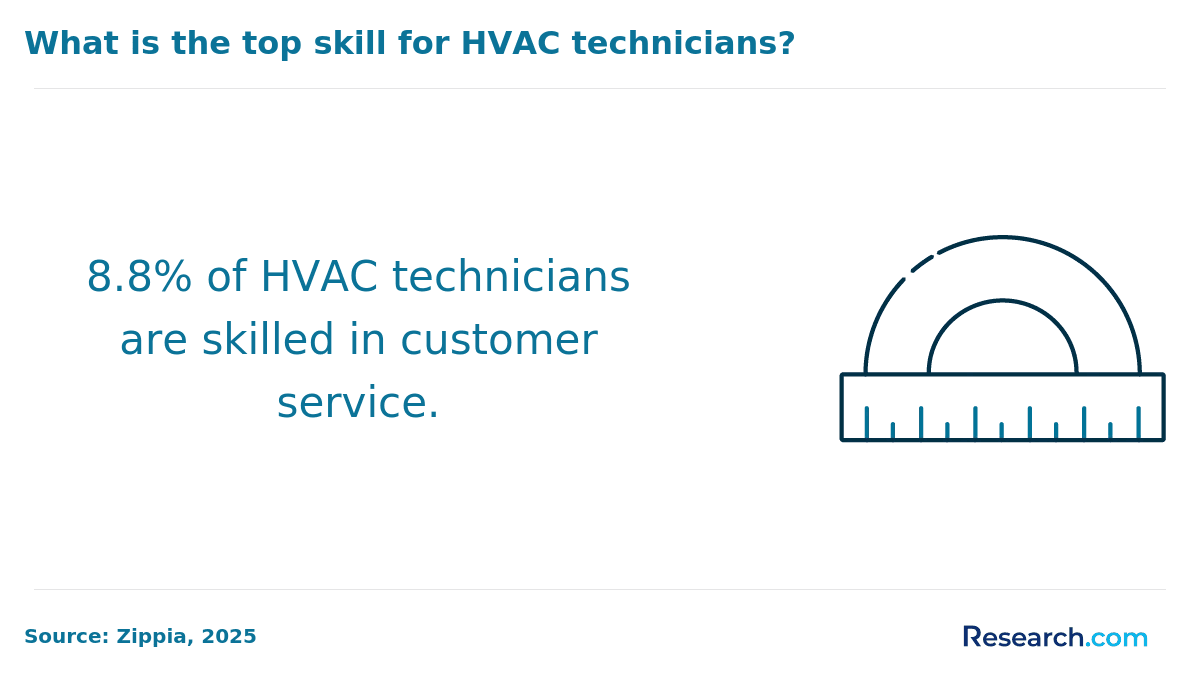
- Customer Service Skills: Strong interpersonal skills are essential for explaining technical issues to clients in clear, simple terms. A professional and courteous attitude helps build trust and ensures customer satisfaction.
- Manual Dexterity and Physical Fitness: The job often involves lifting heavy equipment, working in tight spaces, and performing tasks at heights. Good hand-eye coordination and physical stamina are important for both safety and efficiency.
- Time Management and Organization: Technicians must manage their schedules efficiently, handle multiple service calls, and maintain accurate records. Being organized ensures timely service and effective communication with clients and employers.
- Teamwork and Communication: Whether collaborating with coworkers or reporting to supervisors, clear communication is key. Technicians must be able to work well with others and convey technical information in both written and verbal formats.
These skills form the foundation of a successful HVAC career in Hawaii, where environmental factors and customer expectations require a well-rounded, adaptable technician.
What are the requirements for HVAC licensure in Hawaii?
To legally work as an HVAC technician or contractor in Hawaii, you must obtain licensure through the Hawaii Department of Commerce and Consumer Affairs (DCCA). The process ensures that professionals meet the state's standards for safety, technical competence, and ethical business practices. Below are the licensure Requirements for HVAC Contractors in Hawaii
This rigorous licensure process reflects Hawaii’s focus on ensuring that HVAC professionals are thoroughly vetted and qualified. Those interested in how to get HVAC certification in Hawaii should also consider that the state’s approach prioritizes practical experience, combined with technical and legal knowledge assessment. For individuals exploring a career in trades, including HVAC technology, reviewing detailed requirements is a critical step toward professional success.
For anyone pursuing a career in trades, understanding the local licensure landscape, like Hawaii’s, is essential to planning and achieving certification goals.
What is the licensing process for HVAC technicians in Hawaii?
Becoming a licensed HVAC technician in Hawaii requires meeting strict regulatory standards overseen by the Hawaii Department of Commerce and Consumer Affairs through the Contractors License Board. The licensing ensures that technicians possess the necessary expertise and comply with safety and legal requirements tailored to Hawaii’s climate and building codes. Below are the licensure requirements for HVAC technicians in Hawaii:
- Minimum Age and Education: Applicants must be at least 18 years old and possess a high school diploma or GED. This foundational education is essential for understanding the technical aspects of HVAC systems and for meeting the basic eligibility criteria set by the DCCA.
- Work Experience: A minimum of four years of supervisory experience in the HVAC field within the past ten years is required. This experience should encompass responsibilities such as overseeing installations, managing teams, and ensuring compliance with safety standards.
- Employment with a Licensed Contractor: To qualify for licensure, you must be employed by a licensed contracting entity in Hawaii. This ensures that all HVAC work is conducted under the oversight of a recognized and accountable organization.
- Examinations: To obtain HVAC licensure in Hawaii, applicants must pass two exams: the C-52 Ventilating and Air Conditioning Contractor Exam, which tests technical knowledge in system design, installation, maintenance, and safety; and the Business and Law Exam, which covers business operations, contract law, labor regulations, and financial practices. Both exams consist of 80 multiple-choice questions and require a minimum passing score of 75%.
- EPA Section 608 Certification: If your work involves handling refrigerants, obtaining the EPA Section 608 certification is mandatory. This certification ensures compliance with federal regulations on refrigerant handling and environmental protection.
- Good Moral Character: Applicants must demonstrate a reputation for honesty, financial integrity, and fair dealing. This criterion helps maintain public trust in licensed professionals.
- Insurance Requirements: Licensed HVAC contractors in Hawaii are typically required to carry general liability insurance and, if they have employees, workers' compensation insurance. These insurances protect both the contractor and the clients from potential liabilities.
- Application Process: To apply for licensure, submit a completed application form to the DCCA, along with the necessary documentation and fees. It's advisable to review the DCCA's official guidelines to ensure all requirements are met.
By fulfilling these requirements, HVAC professionals can legally operate in Hawaii, ensuring they provide services that meet the state's standards for quality and safety.
When discussing the licensing journey, an HVAC technician from Hawaii shared her experience, emphasizing the unique challenges posed by the island environment. She reflected, “Navigating the paperwork and exams was rigorous, but necessary given the complexity of working with systems designed for tropical conditions.” She highlighted that the local codes and energy efficiency standards required a deeper understanding than her mainland counterparts faced. “Passing the business and law exam gave me confidence in handling contracts and regulations, which is crucial when managing projects on the islands.” She also noted that maintaining the license demanded ongoing learning, saying, “Continuing education isn’t just a formality here; it’s how we keep up with innovations that save energy and protect our environment.” Her journey underscores the importance of both technical mastery and regulatory knowledge in Hawaii’s HVAC profession.
How long does it take to become an HVAC tech in Hawaii?
Pursuing a career as an HVAC technician in Hawaii involves a structured pathway that includes formal education, hands-on experience, and obtaining state licensure. Knowing the typical timeline for HVAC training in Hawaii helps individuals map out their journey toward entering the field.
- Education (6 months to 2 years): Most aspiring HVAC technicians begin by enrolling in a certificate or associate degree program, where they learn core concepts such as system operations, safety procedures, and equipment maintenance.
- Apprenticeship/Internship (less than 2 years or 4,000 hours): After completing formal education, individuals typically enter a supervised apprenticeship to gain real-world experience and ensure they meet industry and state standards.
- Licensing Exam and Processing (several months): To become licensed, candidates must pass a trade exam regulated by the Hawaii Department of Commerce and Consumer Affairs, demonstrating their technical abilities and knowledge of safety codes.
The total time to become an HVAC technician in Hawaii typically ranges from 2 to 4 years, depending on the chosen education program and apprenticeship completion. For those exploring career options, looking into certifications that pay well can provide valuable insights into viable pathways and financial outcomes within the HVAC field.
Could dual licensing as an electrician benefit your HVAC career in Hawaii?
Diversifying your technical certifications can enhance career versatility and marketability in Hawaii's competitive environment. By acquiring an electrician license, HVAC technicians can gain a broader understanding of integrated building systems and improve troubleshooting capabilities for combined electrical and climate control challenges. This additional qualification often leads to increased job flexibility and can be a decisive factor for employers seeking multi-skilled professionals. Explore how to get electrician license in Hawaii for guidance on expanding your credentials and reinforcing your professional expertise.
What are the career advancement opportunities for HVAC technicians in Hawaii?
Advanced career progression in Hawaii’s HVAC sector extends beyond technical proficiency to roles that require strategic planning, project oversight, and specialized service expertise. Technicians can enhance their career trajectory by pursuing targeted training paths, such as certifications in energy-efficient or renewable HVAC systems, as well as by taking on supervisory or project management positions. These specialized roles typically offer increased responsibility, improved compensation, and opportunities to influence the design and implementation of sustainable systems. Moreover, professional development through industry associations and ongoing education fosters networking, skill diversification, and exposure to emerging market trends. For additional insights into related trades, explore how to become a mechanic in Hawaii.
Can HVAC professionals benefit from business training in Hawaii?
HVAC professionals aiming to expand their roles beyond technical duties can gain a competitive edge through focused business training. Acquiring skills in financial management, marketing strategies, and regulatory compliance can empower technicians to transition into leadership roles or successfully establish independent contracting businesses. For those seeking structured business education relevant to Hawaii’s market, exploring programs at the best business schools in Hawaii offers tailored curricula that address local industry challenges and opportunities.
What Are the Continuing Education and Diversification Opportunities for HVAC Professionals in Hawaii?
Staying current in Hawaii’s evolving HVAC landscape requires ongoing professional development. Many industry associations and technical schools offer advanced courses that focus on emerging technologies, energy-efficient solutions, and sustainable practices customized for the islands. Diversifying skills through specialized training or cross-disciplinary initiatives can enhance a technician’s expertise and broaden career prospects. For additional insight into structured technical education in other fields, consider reviewing Hawaii education requirements for radiologic technologist.
What are viable alternative technical career paths in Hawaii?
While HVAC remains a stable and rewarding field, exploring alternative technical careers can diversify your skill set and open additional growth opportunities in Hawaii's competitive job market. Emerging sectors such as renewable energy solutions, medical diagnostics, and advanced technological services require rigorous training and certification, offering professionals a chance to pivot or supplement their expertise. For professionals interested in transitioning to healthcare-related technical roles, detailed guidelines are available on how to become an ultrasound technician in Hawaii. Evaluating these alternative career paths enables a strategic approach to long-term career resilience and enhanced professional versatility.
Will an HVAC license from Hawaii allow you to work in other states?
Hawaii does not provide license reciprocity for HVAC technicians, so holding a Hawaii HVAC license does not grant automatic permission to work in other states. Unlike some mainland states with reciprocal agreements, Hawaii’s licensing standards are distinct and regulated by the Hawaii Department of Commerce and Consumer Affairs. HVAC professionals aiming to practice outside Hawaii must generally meet the licensing requirements of the target state, which often involve:
- Passing that state’s specific HVAC licensing exam
- Fulfilling experience prerequisites, typically between two and five years
- Providing verification of education and professional history
Due to Hawaii’s geographical isolation and unique building regulations, technicians should expect additional validation steps to establish their qualifications elsewhere. Industry research indicates that roughly 70% of states mandate separate exams for applicants licensed out of state, emphasizing the necessity for customized preparation to ensure career flexibility beyond Hawaii’s borders.
How much do Hawaii HVAC technicians earn?
HVAC technicians in Hawaii typically earn higher salaries than the national average, largely due to the state’s higher cost of living and the advanced technical skills required in the profession. The average annual salary in Hawaii is approximately $63,700, surpassing the national median of $59,810.
Entry-level technicians can expect to earn around $45,000 per year, while those with more than five years of experience may earn close to $90,000 annually. Technicians with specialized expertise—such as in refrigeration, solar-powered systems, or large-scale commercial installations—often command even higher wages, reflecting the added complexity and certification requirements of these roles.
Additional considerations affecting salary levels in Hawaii include the state’s distinct climate and regulatory environment, which shape demand for certain HVAC services. Key points include:
- Technicians focused on eco-friendly and energy-saving HVAC technologies typically achieve higher pay.
- Commercial HVAC specialists tend to receive greater wages than those working primarily in residential settings.
- Obtaining Hawaii-specific licenses and certifications can provide a competitive salary advantage.
Is there a demand for HVAC technicians in Hawaii?
The demand for HVAC technicians in Hawaii demonstrates a positive job outlook, driven by the state’s tropical climate and expanding construction market. Employment for HVAC professionals in Hawaii is projected to grow slightly below the national average of 9% through 2033, reflecting steady growth in residential and commercial cooling system installations. This increase is fueled by Hawaii’s need for advanced climate control solutions in both new developments and the retrofit of older buildings to more energy-efficient systems, highlighting the significance of HVAC technician job demand in Hawaii.
Job opportunities differ among HVAC specialties, with stronger demand for technicians skilled in refrigeration and air conditioning systems tailored to Hawaii’s environment. Furthermore, expertise in sustainable HVAC technologies is highly valued as the state advances its renewable energy goals. Career prospects in the Hawaii HVAC industry growth prospects are particularly strong for those who hold certification and experience in environmentally conscious HVAC solutions. For individuals considering training, exploring easy licenses and certifications to get can be a strategic step toward entering this expanding field.
Is Hawaii a good place to work as an HVAC tech?
Hawaii offers a unique setting for HVAC technicians, characterized by steady employment opportunities due to its tropical climate. While demand for air conditioning services remains strong throughout the year, certain factors influence the overall professional experience in the state.
The local job market for HVAC technicians mirrors national employment levels, but wages tend to be higher, with a median salary of $63,780 annually. This salary premium is partly a response to Hawaii’s substantially elevated cost of living, which averages about 88% above the U.S. norm, affecting housing and everyday expenses.
Entering the HVAC field in Hawaii requires navigating a stringent licensing process. Prospective technicians must pass both trade and business examinations and demonstrate approximately four years of verified work experience to qualify for a state contractor’s license. This regulatory environment maintains high standards but can extend the time needed to begin practicing independently.
- Year-round Demand: Hawaii’s warm, humid climate generates a consistent need for HVAC installation and repair services, supporting stable job availability.
- Higher Median Salary: Technicians earn wages above many mainland areas, reflecting local economic conditions.
- Elevated Living Costs: The nearly doubled cost of living in Hawaii can reduce the relative financial benefit of higher salaries.
- Licensing Challenges: State licensing requires passing multiple exams and accumulating extensive work experience, lengthening the entry process.
- Limited Local Training: Scarcity of in-state education programs increases reliance on mainland training providers for HVAC education.
What HVAC Technicians in Hawaii Say About Their Careers
- Working as an HVAC technician in Hawaii has given me incredible job stability thanks to the steady demand for cooling and ventilation systems in the tropical climate. The salaries here are competitive, which really helps with the high cost of living. I feel secure and valued in my role every day. Kori
- Hawaii’s unique weather patterns and island environment present challenges that keep my work interesting and push me to grow professionally. From salt air corrosion to energy-efficient solutions, every job is a new learning experience. It’s rewarding to be part of an industry adapting to such a special place. Mark
- The professional development opportunities here are excellent, with local schools offering specialized HVAC programs that help me stay ahead in my field. I appreciate how employers encourage ongoing training, which motivates me to continuously improve my skills. This career path in Hawaii truly feels like a long-term investment in my future. Lily
Related Articles for Nearby States
- 2027 How to Become an HVAC Tech in Alaska
- 2027 How to Become an HVAC Tech in California
- 2027 How to Become an HVAC Tech in Oregon
- 2027 How to Become an HVAC Tech in Washington
- 2027 How to Become an HVAC Tech in Nevada
- 2027 How to Become an HVAC Tech in Arizona
- 2027 How to Become an HVAC Tech in Idaho
- 2027 How to Become an HVAC Tech in Utah
- 2027 How to Become an HVAC Tech in Montana
- 2027 How to Become an HVAC Tech in Wyoming
References:
- HCC. (2021, December 9). Refrigeration & air conditioning technology. Honolulu Community College. Retrieved May 23, 2025.
- KCC. (n.d.). Online certified HVAC/R technician training course. Kauaʻi Community College. Retrieved May 23, 2025.
- O*NET OnLine. (2025, May 13). Hawaii employment trends: 49-9021.00 - Heating, air conditioning, and refrigeration mechanics and installers. O*NETOnLine.org. Retrieved May 23, 2025.
- O*NET OnLine. (2025, May 13). Hawaii training: 49-9021.00 - Heating, air conditioning, and refrigeration mechanics and installers. O*NETOnLine.org. Retrieved May 23, 2025.
- O*NET OnLine. (2025, May 13). Hawaii wages: 49-9021.00 - Heating, air conditioning, and refrigeration mechanics and installers. O*NETOnLine.org. Retrieved May 23, 2025.
- U.S. BLS. (2025, April 18). Occupational outlook handbook: Heating, air conditioning, and refrigeration mechanics and installers. U.S. Bureau of Labor Statistics. Retrieved May 23, 2025.
- UHMC. (n.d.). AMT 144: Heating and air conditioning. University of Hawaiʻi Maui College. Retrieved May 23, 2025.
Other Things You Should Know About Becoming an HVAC Tech in Hawaii
In 2027, to become an HVAC technician in Hawaii, you must obtain the Environmental Protection Agency (EPA) Section 608 Certification. Additional certifications, such as North American Technician Excellence (NATE), might enhance job prospects, though they are not mandatory by law.
Yes, in 2027, you must be at least 18 years old to apply for HVAC technician positions in Hawaii. This is a typical minimum age requirement to enroll in most vocational training programs and to meet employment criteria in the field.


