
2027 How to Become an HVAC Tech in Colorado

Co-Founder and Chief Data Scientist
Becoming an HVAC technician in Colorado offers an exciting opportunity to enter a stable and rewarding profession. With Colorado’s growing population and diverse climate, skilled HVAC techs are in high demand to install, maintain, and repair heating and cooling systems. This career not only provides strong job security but also competitive wages and chances for advancement.
Additionally, Colorado’s commitment to energy efficiency and green technology means HVAC professionals can play a vital role in sustainable solutions. This article will guide you through key steps and valuable insights, helping you confidently embark on a successful HVAC career in the Centennial State.
Key Things to Know About Becoming an HVAC Tech in Colorado
- Colorado’s growing population and diverse climate create strong demand for skilled HVAC technicians, promising excellent job stability and career growth opportunities.
- The average HVAC technician salary in Colorado is approximately $55,000 annually, reflecting competitive compensation in the region.
- With supportive trade schools and apprenticeship programs, Colorado offers an inspiring environment to launch and advance a rewarding HVAC career.
- What are the educational requirements to become an HVAC Tech in Colorado?
- Which schools in Colorado offer HVAC programs?
- What skills do you need to become an HVAC Tech in Colorado?
- What are the requirements for HVAC licensure in Colorado?
- What is the licensing process for HVAC technicians in Colorado?
- How long does it take to become an HVAC tech in Colorado?
- Will an HVAC license from Colorado allow you to work in other states?
- Can diversifying into electrical work enhance my HVAC career in Colorado?
- How much do Colorado HVAC technicians earn?
- Can I Transition into Business Ownership as an HVAC Technician in Colorado?
- What are the financing and education investment returns for an HVAC career in Colorado?
- What safety challenges do HVAC technicians face in Colorado?
- Is there a demand for HVAC technicians in Colorado?
- Is Colorado a good place to work as an HVAC tech?
- What career advancement paths are available to HVAC technicians in Colorado?
What are the educational requirements to become an HVAC Tech in Colorado?
Becoming an HVAC technician in Colorado requires a clear educational path that combines foundational knowledge with hands-on training. If you are considering this career, understanding the educational requirements for HVAC technicians Colorado will set you on a successful trajectory.
The process typically involves several key steps designed to build your expertise and confidence in the field:
- Minimum requirement: high school diploma or GED – This ensures you have essential skills in math, science, and communication necessary for HVAC training programs in Colorado.
- Completion of an accredited HVAC training program – These programs, offered by technical schools or community colleges, cover critical topics such as heating, ventilation, air conditioning, refrigeration systems, electrical components, and safety protocols.
- Participation in a multi-year apprenticeship – Paid, on-the-job training lasting three to five years provides invaluable real-world experience by working alongside seasoned professionals, adapting to Colorado’s specific climate and regulations.
This combination of education and apprenticeship aligns closely with national standards while addressing the unique needs of Colorado’s diverse weather. The state’s licensing process typically requires proof of both classroom instruction and practical work experience before certification. For those committed to entering this rewarding field, exploring high-demand trade jobs like HVAC technician offers a pathway to stable employment and personal growth.
Which schools in Colorado offer HVAC programs?
For those interested in pursuing a career as an HVAC technician in Colorado, several accredited programs offer comprehensive training to build strong technical skills and industry knowledge. These programs are designed to prepare students to thrive in a competitive job market while meeting the diverse climate demands of the region.
- Front Range Community College: This program emphasizes heating, air conditioning, refrigeration, and electrical systems, combining classroom instruction with hands-on experience. Tuition averages about $150 per credit hour for in-state students, making it a practical choice for many.
- Emily Griffith Technical College: Located in Denver, this program covers HVAC system installation, maintenance, and repair, focusing on safety protocols and industry standards. With a total program cost near $5,000, it offers an affordable path to certification and real-world training guided by experienced instructors.
- Red Rocks Community College: Known for its strong preparation toward state licensing requirements, this program includes coursework in electrical circuits, refrigeration, and system diagnostics. Tuition typically costs around $140 per credit for residents, and the program boasts solid job placement support.
These schools represent some of the best HVAC training programs in Colorado, fostering not only technical expertise but also professionalism and confidence essential for career success. Students eager to understand the requirements to become an HVAC technician will find these programs equip them well for the journey ahead.
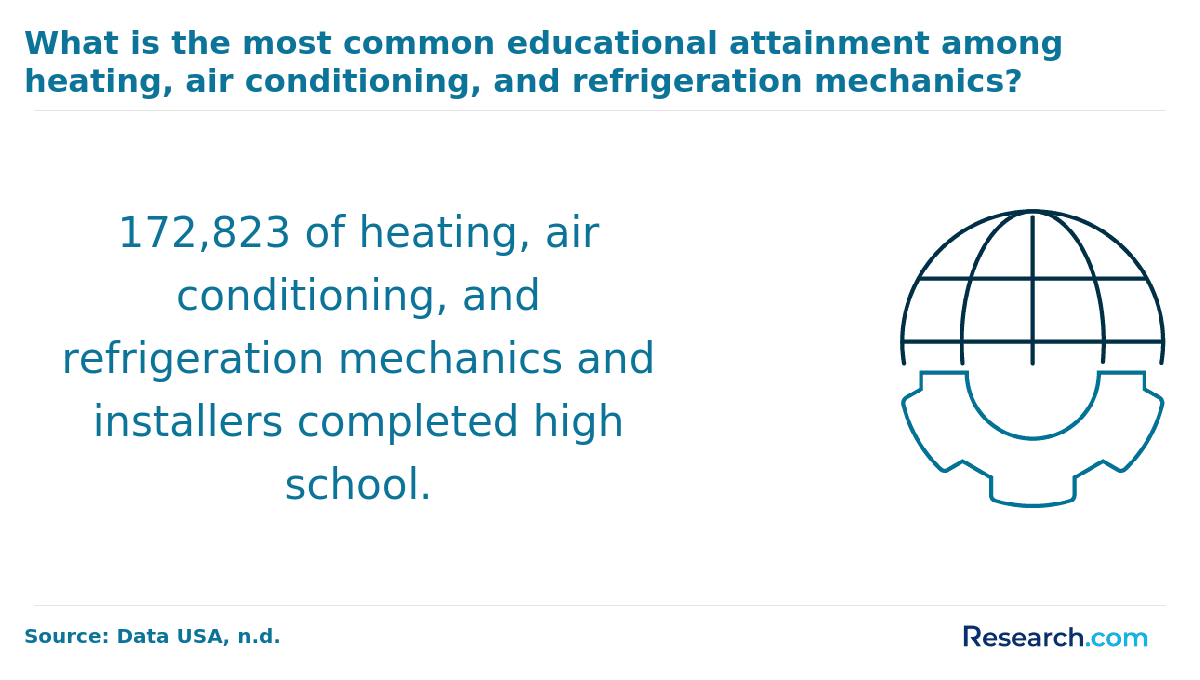
The image below complements this section by showing that 172,823 heating, air conditioning, and refrigeration mechanics and installers have completed high school, highlighting it as the most common educational attainment in the field. For students in Colorado pursuing HVAC careers, this reinforces that a high school diploma is a solid starting point—especially when followed by specialized training from local programs like those at Emily Griffith Technical College or Front Range Community College.
What skills do you need to become an HVAC Tech in Colorado?
Becoming a skilled HVAC technician in Colorado requires mastering a diverse set of abilities that ensure both efficiency and safety in this vital profession. Building these competencies will empower you to deliver exceptional service and advance confidently in your career.
Essential skills for HVAC professionals in Colorado include:
- Electrical Expertise: Grasping the complexities of electrical circuits and wiring is crucial, as HVAC systems often rely on intricate electrical components.
- Blueprint Interpretation: The ability to read and understand technical drawings and schematics ensures accurate installation and troubleshooting of systems.
- Refrigeration Knowledge: Familiarity with refrigeration cycles and careful management of refrigerants is vital, especially given the regulatory standards in Colorado.
- Diagnostic Proficiency: Skilled use of specialized tools to identify and resolve mechanical issues helps maintain optimal system performance.
- Regulatory Awareness: Understanding and adhering to local building codes and safety guidelines safeguards compliance and promotes workplace safety.
By cultivating these technical skills alongside keen problem-solving and attention to detail, aspiring HVAC technicians position themselves to meet the high standards of Colorado’s industry and enjoy a rewarding career path.
What are the requirements for HVAC licensure in Colorado?
HVAC technicians in Colorado must fulfill a few essential requirements to obtain licensure, ensuring they are well-prepared to meet the demands of the profession. These requirements focus on practical experience, technical knowledge, and professional integrity, reflecting the state’s commitment to skilled and trustworthy service providers.
The HVAC license requirements Colorado include:
- Minimum two years of documented work experience under supervision: Candidates need hands-on training working under a licensed contractor or as an apprentice, which builds the practical skills necessary for success.
- Successful completion of the state HVAC licensing exam: This comprehensive test covers HVAC systems, safety protocols, and local building codes, confirming your readiness to work confidently and safely.
- Completion of a background check: A criminal background check is required to maintain high standards of professionalism and trust within the industry.
- Emphasis on practical skills: Colorado values real-world experience that addresses its unique climate challenges, ensuring technicians can handle diverse HVAC situations effectively.
Meeting these criteria not only enhances your qualifications but also empowers you to thrive in Colorado’s dynamic HVAC industry. For those wondering how to get HVAC certification in Colorado or how can i advance my career in trades, focusing on these steps will pave a clear and rewarding path forward.
The chart below reinforces this section by illustrating the educational breakdown of HVAC technicians, with 29% holding an associate degree—the most common level of attainment—followed by high school diplomas at 24%. This aligns with Colorado’s licensure emphasis on real-world experience and foundational education, suggesting that while higher education is beneficial, practical training remains a central pathway to entering and succeeding in the field.
What is the licensing process for HVAC technicians in Colorado?
Embarking on a career as a licensed HVAC technician in Colorado is both a fulfilling and promising path. The state’s licensing framework ensures that technicians are well-prepared to deliver safe, dependable, and effective services tailored to Colorado’s unique climate conditions. Here is an overview of the essential steps to achieve this professional milestone.
- Application Submission: Begin by filing your application with the Colorado Department of Regulatory Agencies (DORA), including all necessary paperwork and fees to initiate your licensing journey.
- Examination Success: Prepare for and pass a rigorous exam that evaluates your knowledge of HVAC systems, local regulations, safety standards, and industry best practices, confirming your technical expertise.
- Continuing Education: After obtaining your license, commit to ongoing learning requirements that keep your skills and knowledge current with the latest technological advancements and regulatory updates.
Following this structured process not only certifies your qualifications but also equips you to thrive in Colorado’s dynamic HVAC industry.
When I spoke with a Colorado HVAC technician about her experience, she shared how the licensing process was a transformative journey. “The exam was definitely challenging, especially the sections on local codes and environmental standards, but it pushed me to deepen my understanding,” she reflected. Navigating the paperwork with DORA initially felt overwhelming, yet “staying organized and focused made all the difference.” She also emphasized how continuing education keeps her motivated: “Each course introduces innovations that help me serve my clients better, especially with Colorado’s diverse weather.” Her story highlights that while the path demands dedication, it ultimately leads to a rewarding career full of growth and contribution to the community.
How long does it take to become an HVAC tech in Colorado?
Becoming an HVAC technician in Colorado is an achievable goal that combines education, hands-on training, and certification. Understanding the HVAC certification timeline Colorado can help you plan your path effectively and stay motivated throughout the process.
- 6 months to 2 years for education: Complete a formal training program that provides foundational knowledge in heating, ventilation, air conditioning, and refrigeration systems.
- 1 to 2 years for 3,000 hours of practical experience: Gain on-the-job training or apprenticeship under experienced professionals to develop real-world skills and confidence.
- Licensure exam through DORA after training and internship completion: Pass the Colorado Department of Regulatory Agencies (DORA) state exam to demonstrate expertise and obtain your HVAC license.
With dedication, this timeline offers a clear and rewarding path to enter a growing industry. For those interested in expanding their qualifications further, exploring online certifications can be a valuable complement to your HVAC career development.
Will an HVAC license from Colorado allow you to work in other states?
Obtaining an HVAC license in Colorado marks a proud milestone in your professional journey, yet it does not automatically allow you to work across state lines. Currently, Colorado does not have formal agreements to recognize HVAC licenses from other states, meaning you’ll need to fulfill each state’s individual licensing requirements to expand your career geographically. This process often involves:
- Submitting an application for licensure in the new state
- Successfully completing that state’s licensing examination
- Demonstrating your relevant experience and training credentials
By embracing these steps, you open doors to new opportunities and broaden your professional reach. Your experience as a licensed HVAC technician in Colorado provides a solid foundation that will empower you to confidently adapt and thrive in different environments. This versatility not only strengthens your skillset but also fuels your growth as a respected expert in the HVAC field nationwide.
Can diversifying into electrical work enhance my HVAC career in Colorado?
Expanding your skill set by acquiring electrical expertise can open new opportunities in integrated building systems and advanced HVAC controls. This diversification is increasingly valuable as modern systems require a nuanced understanding of both mechanical and electrical components to optimize energy efficiency and reliability. Gaining proficiency in electrical work not only enhances job prospects but also positions you to manage complex installations and troubleshooting more effectively. For professionals interested in branching out, learning how to get electrician license in Colorado can serve as a strategic complement to your HVAC qualifications, boosting your competitiveness in a dynamic market.
How much do Colorado HVAC technicians earn?
HVAC technicians in Colorado benefit from rewarding salaries that reflect their expertise and commitment. Typically, annual earnings range between $50,000 and $60,000, with the potential to grow substantially as technicians gain experience and pursue specialized certifications. Beginners usually start at the lower end, but dedication to skill development can lead to significant financial advancement.
Focusing on niche areas like commercial refrigeration, energy-efficient technologies, or sophisticated HVAC control systems can further enhance earning prospects. Professionals adept in environmentally friendly technologies or intricate system troubleshooting are especially sought after, given Colorado’s increasing focus on sustainable and innovative solutions.
Key factors that affect salary levels include:
- Length and depth of professional experience
- The specific types of HVAC systems maintained
- Location within Colorado, with metropolitan regions typically offering better compensation
Pursuing a career as an HVAC technician in Colorado offers not only financial rewards but also a chance to engage in a dynamic and evolving industry. By investing in ongoing education and skill enhancement, individuals can enjoy a fulfilling profession aligned with both personal passion and economic opportunity.
Can I Transition into Business Ownership as an HVAC Technician in Colorado?
HVAC professionals with strong technical expertise can leverage their industry experience to transition into business ownership. By developing skills in business management, customer relationship management, and financial planning, technicians can explore opportunities to run their own service companies or consulting firms. Additionally, acquiring a solid foundation in business practices may help in streamlining operations and scaling entrepreneurial ventures. For those considering this transition, researching programs from the best business schools in Colorado can provide valuable insights and enhance managerial capabilities.
What are the financing and education investment returns for an HVAC career in Colorado?
Pursuing an HVAC career requires a careful evaluation of educational expenses and expected returns. Analyzing tuition costs, certification fees, and tool investments against projected salary growth reveals the long-term benefits of structured training and continuous skill enhancement. Additionally, exploring scholarships, grants, and employer-sponsored programs can alleviate upfront costs while ensuring that financial planning aligns with career objectives. For comparison, consider how other technical fields balance investment with outcomes by reviewing Colorado education requirements for radiologic technologist. Strategic budgeting and informed decision-making are essential to maximize the return on educational investments and support sustained professional advancement.
What safety challenges do HVAC technicians face in Colorado?
HVAC professionals in Colorado must navigate distinct safety challenges shaped by local environmental conditions and evolving industry standards. High-altitude work, rapid weather changes, and diverse installation environments require strict adherence to safety protocols and regular training updates to minimize on-the-job risks. Technicians are expected to use personal protective equipment properly, follow precise handling procedures when working with refrigerants and electrical components, and continually update their knowledge on state-specific safety regulations. For professionals considering diversifying their technical expertise, understanding the importance of safety measures is as crucial as mastering new skill sets—similar to gaining insights into how to become an ultrasound technician in Colorado.
Is there a demand for HVAC technicians in Colorado?
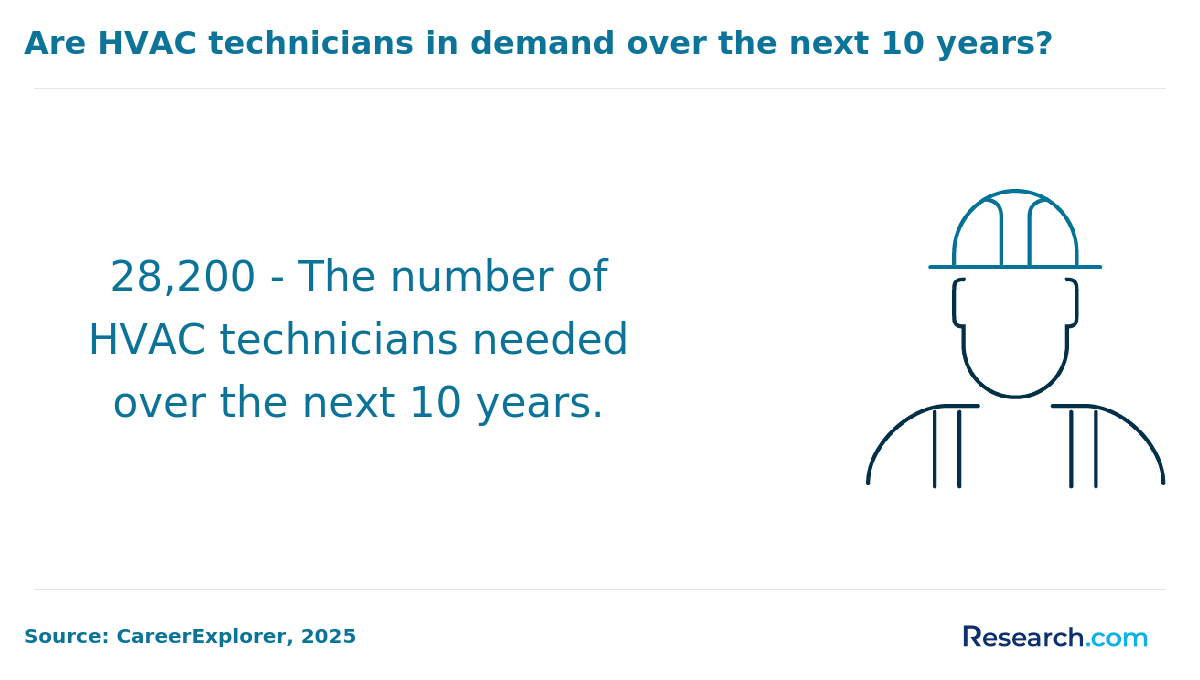
The demand for HVAC technicians in Colorado is strong and growing, making it an excellent career choice for those interested in this field. According to recent labor statistics, the job growth rate for HVAC professionals in Colorado is projected to be higher than the national average, reflecting a steady increase in construction and the need for energy-efficient climate control systems. This positive outlook translates into numerous job opportunities across residential, commercial, and industrial sectors, highlighting the significant HVAC technician job demand Colorado offers.
Specialists in areas such as refrigeration and HVAC system installation are especially sought after, given Colorado’s diverse climate and expanding infrastructure. With a growing population and a focus on sustainable building practices, skilled HVAC technicians are essential to meet both maintenance and new installation demands. This encouraging environment offers aspiring technicians a promising pathway to a rewarding and stable career.
If you are considering how to start your journey, it is important to evaluate whether are online trade schools worth it for your education style and goals. The Colorado HVAC industry employment outlook is bright, and investing in the right training can open doors to a fulfilling professional future.
Is Colorado a good place to work as an HVAC tech?
Colorado presents a promising landscape for HVAC technicians seeking both professional growth and a rewarding lifestyle. The state’s expanding population and active construction industry consistently drive demand for skilled HVAC workers across urban and suburban areas.
Though living expenses in Colorado tend to be above the national average, especially in cities, this is offset by competitive compensation packages that many employers provide. These salaries, combined with benefits, support a comfortable and enjoyable way of life amid Colorado’s scenic surroundings.
For those eager to enter the HVAC field, Colorado offers accessible pathways through robust vocational training and apprenticeship opportunities. The clear and attainable licensing requirements enable new technicians to gain the necessary credentials and hands-on experience with relative ease.
- Growing Demand: The rising population and diverse climate needs fuel consistent job openings for HVAC professionals in residential and commercial sectors.
- Attractive Compensation: Pay rates are competitive and aligned with the cost of living, helping technicians maintain financial stability.
- Educational Opportunities: Quality vocational programs and apprenticeships provide essential skills and practical experience.
- Career Advancement: A strong network within the HVAC community offers support and pathways for ongoing professional development.
This chart below helps emphasize the growing opportunity for HVAC technicians in Colorado by showing a national trend: the U.S. residential HVAC market has steadily expanded from $12.8 billion in 2021 to a projected $15.4 billion in 2024. As this market continues to grow, states like Colorado—with active housing development and climate-driven HVAC needs—stand to benefit. The upward trend reflects not just job security but also increasing investment in energy-efficient and modern climate control systems, reinforcing Colorado's reputation as a solid place to build a long-term HVAC career.
What HVAC Technicians in Colorado Say About Their Careers
- Working as an HVAC technician in Colorado has given me incredible job stability. With the state's growing population and varying climate, there's always demand for skilled techs. Plus, the average salaries here are very competitive, which makes this career both reliable and rewarding. Jason
- Colorado’s unique weather patterns present exciting challenges that keep my work interesting every day. From intense winters to hot summers, each season tests my skills differently. The opportunity to tackle diverse HVAC systems in this environment has truly sharpened my expertise. Gemma
- The professional development programs available in Colorado have been a game-changer for my career. Between local apprenticeships and certifications, the state supports HVAC techs in advancing their knowledge and earning potential. I feel confident knowing there’s always room to grow here. Daniel
What career advancement paths are available to HVAC technicians in Colorado?
HVAC professionals in Colorado can accelerate their career trajectory by acquiring advanced certifications, engaging in specialized training, and exploring interdisciplinary skill sets. Practical steps include enrolling in programs that refine leadership, technical specialization, or project management abilities, each of which can lead to supervisory roles or entrepreneurial opportunities. Industry events and participation in local technical associations further foster professional growth, positioning technicians to adapt seamlessly to evolving market trends and technological advances, such as how to become a mechanic in Colorado.
Related Articles for Nearby States
- 2027 How to Become an HVAC Tech in Wyoming
- 2027 How to Become an HVAC Tech in Nebraska
- 2027 How to Become an HVAC Tech in Kansas
- 2027 How to Become an HVAC Tech in New Mexico
- 2027 How to Become an HVAC Tech in Utah
- 2027 How to Become an HVAC Tech in Oklahoma
- 2027 How to Become an HVAC Tech in Arizona
- 2027 How to Become an HVAC Tech in Texas
- 2027 How to Become an HVAC Tech in South Dakota
- 2027 How to Become an HVAC Tech in Nevada
References:
- Aerotek.com. Put These 8 Essential HVAC Technician Skills to Work.
- Chartercollege.edu. 10 HVAC Technician Skills for Your Resume.
- Dpo.colorado.gov. Electrical Board: Applications and Forms | Divisions of Professions and Occupations.
- Fieldax.com. Top 10 Key HVAC Skills Every Technician Should Have.
- Fieldedge.com. HVAC Basics Every Technician Should Know – FieldEdge.
- Fieldpromax.com. HVAC License Reciprocity: License Guide for Every State.
- Fieldpulse.com. HVAC License Reciprocity By State | FieldPulse.
- Genesiscareer.edu. Top 5 Skills for HVAC Technicians | Genesis Career College.
- Jtech.org. Top 5 Skills for HVAC Technicians in 2025 – JTech.
- Procore.com. Contractor License Reciprocity: Working Across State Lines | Procore.
Other Things You Should Know About Becoming an HVAC Tech in Colorado
To become an HVAC tech in Colorado in 2027, you typically need to complete a vocational training program, which can take 6 months to 2 years. Additionally, an apprenticeship is often required, lasting about 3 to 5 years, combining hands-on training with classroom instruction.
In 2027, becoming a certified HVAC technician in Colorado typically takes 6 months to 2 years. This timeframe includes completing a formal training program or apprenticeship, which covers essential skills and knowledge required for the trade, followed by acquiring field experience.
In 2027, to work as an HVAC tech in Colorado, obtaining an HVAC certification is crucial. This typically involves completing a program accredited by the Partnership for Air-Conditioning, Heating, Refrigeration Accreditation (PAHRA) followed by getting an EPA certification. Additionally, technicians may need a journeyman or master HVAC license depending on their experience level and specific job duties.


